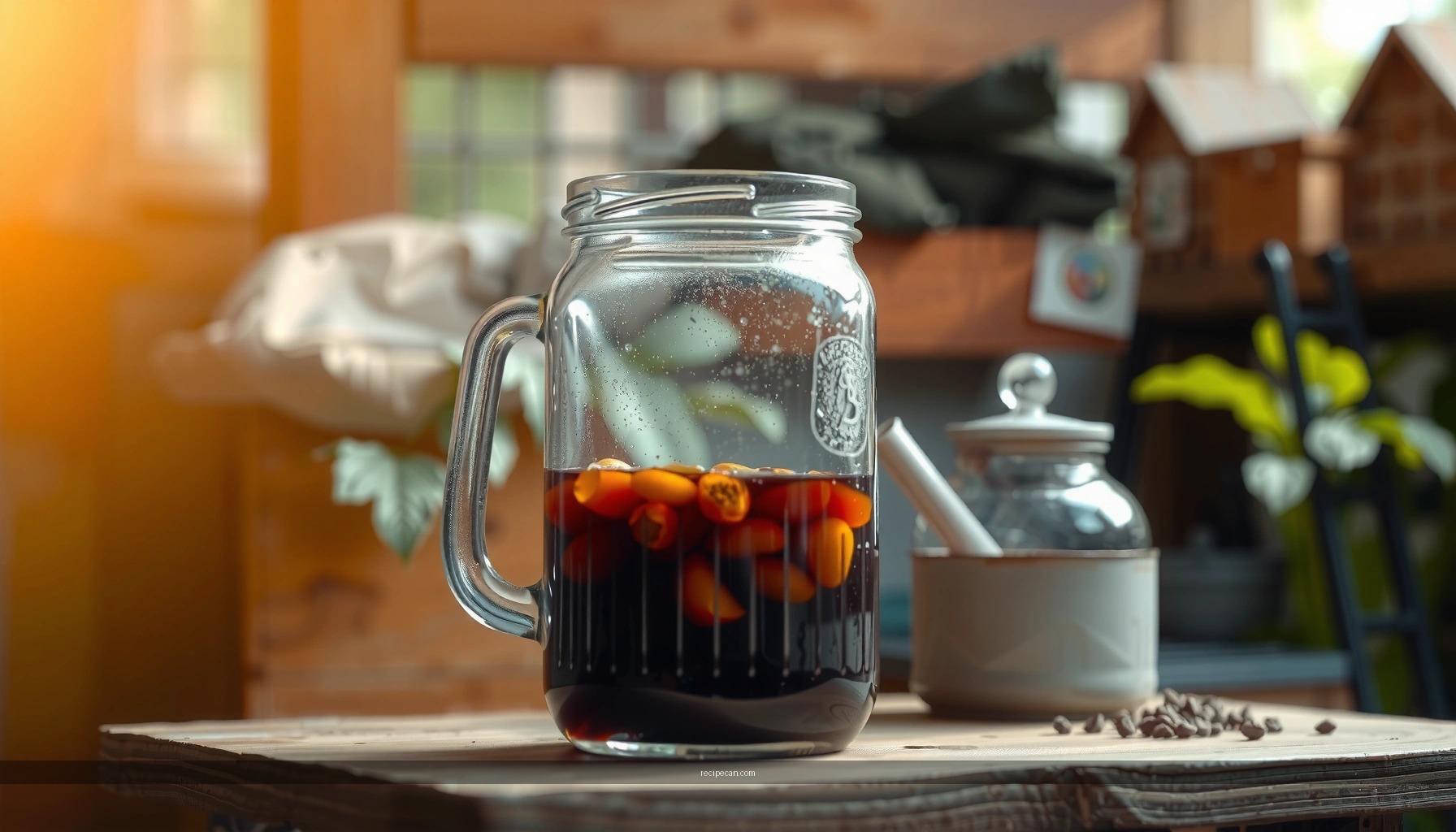
Want a compost tea recipe that reliably produces healthy, balanced brew? This guide gives you a tested brewing method, including the right ingredients, steeping time, and aeration steps that determine whether your tea feeds soil biology or just smells like nothing. Follow these instructions and you’ll know exactly how to brew compost tea for stronger plants and more active, balanced soil life.
Brew compost tea by steeping mature compost in dechlorinated water and keeping it well aerated, then strain and apply it promptly—this is the most reliable way to support beneficial soil biology without creating an overly “hot” or unsafe brew. The recipe below walks you through exactly what to mix, how long to brew (typically 24–48 hours), and how to apply compost tea to strengthen soil and improve plant performance.
—
What You Need for a Compost Tea Recipe

To make compost tea that’s biologically active and practical to use in a garden or farm setting, focus on three inputs: finished compost, clean/dechlorinated water, and aeration.
– Use mature compost and dechlorinated water (let tap water sit or use a filter)
– Mature compost provides stable microbial life and nutrients that dissolve more readily into water.
– Dechlorinated water matters because chlorine (and some chloramine systems) can suppress microbial activity. The simplest approach is to let tap water sit uncovered for 24 hours to dissipate chlorine, or use a filter designed to remove chlorine/chloramine.
– Gather simple gear like a brewing container, mesh bag/filter, and aeration (pump/air stone)
– Brewing container: Food-safe plastic (HDPE), glass, or stainless-steel is commonly used. You want a container large enough to give the mix room for oxygen exchange.
– Mesh bag/filter: A tightly woven, sanitized mesh bag keeps the compost contained so you can strain quickly afterward.
– Aeration setup: An aquarium-style air pump + air stone is a common, cost-effective option. The goal is consistent oxygenation and gentle turbulence—think “active brewing,” not stagnant soaking.
Actionable tip: If you’re working with small plots, use a smaller batch you can apply right away. Compost tea performs best when it stays fresh, so “brewing the right amount” is part of doing the process correctly.
—
Typical Compost Tea Brewing Parameters Used by Growers (Field Reference)
| # | Batch Size | Compost-to-Water Ratio | Brew Window | Expected Outcome | Practical Rating |
|---|---|---|---|---|---|
| 1 | 5 gallons (19 L) | 1:10 by weight | 24–30 hr | Balanced microbial activity | ★★★★★ |
| 2 | 10 gallons (38 L) | 1:8 by weight | 30–36 hr | Stronger nutrient release, still moderate | ★★★★☆ |
| 3 | 20 gallons (76 L) | 1:10 by weight | 24–48 hr | Consistent soil-friendly application | ★★★★☆ |
| 4 | 50 gallons (189 L) | 1:12 by weight | 36–48 hr | Lower risk of over-concentration | ★★★☆☆ |
| 5 | 1 gallon (3.8 L) | 1:6 by weight | 18–24 hr | Quick test batch; use immediately | ★★★★☆ |
| 6 | Container brews with weaker aeration | 1:10 by weight | 16–24 hr | Faster but less stable microbial profile | ★★☆☆☆ |
| 7 | Very concentrated brews | 1:3 to 1:5 | Up to 48 hr | Higher clogging and imbalance risk | ★★☆☆☆ |
—
Choosing the Right Compost Tea Ingredients

Ingredients drive results. In compost tea recipes, the biggest quality lever is the maturity and health of your compost base.
– Select compost that is fully finished and smells earthy (not foul)
– Finished compost typically has a stable crumbly texture and an “earthy,” woodland smell.
– If compost smells sour, ammonia-like, rotten, or strongly putrid, it’s a sign it’s not fully stabilized. Using it in tea increases the odds of a poor microbial balance and odor issues.
– Add optional boosters (like kelp or humic/fulvic extracts) carefully and in small amounts
– Boosters can be useful, but compost tea is already a dynamic mixture. Overloading boosters can shift the chemistry and microbial activity in unpredictable ways.
– Kelp (often sold as meal or extract) can support nutrient availability and plant signaling compounds.
– Humic/fulvic extracts may improve soil interaction, though they don’t replace microbial populations. Think of them as supportive inputs, not a core substitute for quality compost.
Practical approach: Start with a straightforward “mature compost + dechlorinated water + aeration” batch for 2–3 applications. Then, if you want to dial in your program, add one booster at a time and track outcomes (plant vigor, leaf color, and soil moisture retention).
—
Step-by-Step Compost Tea Recipe (Brew Instructions)

This is a reliable, balanced aerated compost tea method—often favored because it encourages microbial activity without relying on fermentation or extreme extraction.
– Fill your container with dechlorinated water, add compost in a mesh bag, and start aeration
1. Choose your ratio: Many growers use approximately 1 part mature compost to 8–12 parts water by weight. (You can adjust within that range depending on batch size and how aggressive you want the tea.)
2. Dechlorinate the water: Use a chlorine/chloramine filter or let water sit until chlorine dissipates. If you’re not sure what’s in your water, filtration is the safer bet.
3. Load the compost: Put mature compost into a mesh bag. Tie it closed so it remains contained.
4. Add aeration immediately: Place an air stone at the bottom so oxygen is delivered from the start. Start aeration before the tea sits for long.
– Brew for a recommended window (often 24–48 hours), then strain thoroughly before use
1. Brew continuously: Keep aeration steady. Avoid letting the tea go stagnant.
2. Watch odor and appearance: A mild earthy smell is normal. Strong foul odors suggest issues with compost maturity or aeration.
3. Strain before application: Use the mesh bag first, then pass the liquid through finer filtration if needed (to protect sprayers and reduce clogging).
4. Use soon: Compost tea is meant to be applied fresh for maximum microbial viability.
Field note: If you plan to apply via sprayer, filtration is not optional. Unstrained tea can clog nozzles and create uneven application.
—
How Long to Brew and How to Know It’s Ready
There are two competing goals in compost tea brewing: maximizing microbial activity and avoiding degradation of that activity over time. The “right” time is therefore linked to aeration quality and batch strength.
– Aim for active brewing with steady oxygen and consistent mixing
– Most practical batches land in the 24–48 hour window.
– Strong aeration supports microbial respiration and can help maintain a balanced microbial community during the brew.
– Temperature matters: warmer conditions can accelerate activity; cooler conditions can slow it down. If you brew in cold weather, don’t blindly extend time—check aeration and consider shortening the batch and applying promptly.
– Use the tea soon after brewing for strongest microbial activity and avoid long storage
– Many growers treat compost tea as “same-day to next-day.” Extended storage can lead to population shifts and declines, plus increased sediment buildup.
– A useful readiness signal is “active look and feel”: visible movement from aeration, consistent mixing, and no sour/foul odor.
Management tip: If you want repeatable results, standardize your brew vessel volume, compost ratio, and aeration setup. Small operational differences can create large biological differences.
—
Application Tips for Soil and Plants
Compost tea works best when it reaches the soil and rhizosphere (the zone around roots) and when application timing matches plant needs.
– Apply to soil around plants or use as a foliar spray (if you’re set up for safe spraying)
– Soil application: Pour or drench tea around the base of plants, aiming for incorporation into the topsoil layer where microbes can establish.
– Foliar application: Some operations spray compost tea leaves for microbial colonization support, but it requires care: proper dilution, equipment sanitation, and avoidance of drift. If you’re not already set up for safe spraying, soil application is the lower-risk path.
– Water in after soil application when needed, and avoid spraying in harsh sun or windy conditions
– After applying to soil, light watering can help move microbes into the soil surface layer.
– For foliar use, apply in early morning or late afternoon to reduce evaporation and UV stress.
– Avoid windy days to prevent drift onto non-target areas and reduce inconsistent coverage.
Outcome-driven example: If your goal is improved soil biology and nutrient uptake, prioritize soil drenches during active root growth periods (often around spring establishment or after transplanting). If you’re trialing foliar application, begin with a small section of plants to evaluate leaf response before scaling.
—
Safety, Storage, and Common Mistakes
Compost tea is often discussed casually, but it still involves real biological material and water handling. Treat it like an input that needs quality control.
– Avoid using unfinished compost and never add anything that can introduce pathogens or chemicals
– Unfinished compost can contain higher pathogen risk and unstable decomposition byproducts.
– Avoid adding manures, biosolids, or non-approved materials unless you have a validated and compliant source and process.
– If you’re farming under any certification (organic or otherwise), check rules for tea inputs and brewing practices.
– Don’t store brewed tea too long; prevent clogging by straining well, and don’t over-concentrate
– Storage reduces microbial viability and increases the chance of sediment and imbalance.
– Strain thoroughly—especially for any sprayer use—to prevent nozzle damage and patchy application.
– Don’t assume “stronger tea = better tea.” Over-concentration can create harsh chemistry (or simply increase solids that clog and unevenly distribute).
Common mistake to avoid: Brewing tea longer because you “forgot about it.” If aeration is strong and compost is mature, you’ll still generally see best performance by applying promptly. If you miss the window, make a fresh batch rather than trying to rescue a stale brew.
—
Brew this compost tea recipe using mature compost, dechlorinated water, and good aeration—then apply promptly for best microbial benefits. Follow the steps, strain thoroughly, and use it safely, and you’ll have an easy routine to support healthier soil and plants.
In closing, the most effective compost tea recipe is also the most disciplined one: start with finished compost, protect microbial life with dechlorinated water and continuous aeration, brew in a practical window (commonly 24–48 hours), and apply it quickly with thorough straining. When you treat compost tea as a fresh biological input—rather than a long-stored “fertilizer”—you give your soil and plants the balanced support they need.
Frequently Asked Questions
What is a compost tea recipe and how do you make it?
A compost tea recipe is a simple method for steeping compost in water to create a nutrient-rich liquid that can be used for gardening. To make one, fill a bucket with non-chlorinated water, add a compost “tea bag” or a cloth sack of finished compost, and aerate if possible. Steep for about 12–24 hours (or up to 48 hours with strong aeration), then strain and apply to soil or leaves soon after brewing for best results.
How long should compost tea steep for maximum benefits?
Most gardeners brew compost tea for 12–24 hours to encourage beneficial microbes without letting the mixture stagnate. If you aerate continuously with an aquarium pump, you can sometimes extend brewing to around 36–48 hours, but avoid long, still soaks that can shift toward anaerobic conditions. Always strain the solids and use the tea promptly so the microbial population stays strong.
Why is aerating compost tea important?
Aeration helps keep compost tea aerobic, which supports beneficial aerobic microbes that are commonly desired in compost tea applications. When tea is not oxygenated, it can become anaerobic and smell bad, which may reduce effectiveness and increase risk of plant issues. If you don’t want to use an aerator, you can still brew a shorter, well-mixed “non-aerated compost tea,” but you should apply it quickly.
Which compost tea recipe is best for beginners—bagged or bubbled?
For beginners, a bagged steep (compost in a mesh bag) is often the easiest way to manage ingredients and reduce clogging, especially if you’re using a watering can or simple sprayer. A bubbled compost tea with an aquarium pump is usually more microbial and consistent because it stays oxygenated during the brew. Whichever method you choose, use finished, mature compost (not raw compost) and strain well before application.
What’s the best way to apply compost tea so it doesn’t burn plants?
Apply compost tea as a light foliar spray in the early morning or late afternoon, or pour it directly into the soil around plants to improve root-zone biology. Start with a diluted application (for example, mix brewed compost tea with additional water if you’re unsure about strength), and avoid applying in direct midday sun to prevent leaf stress. Don’t store compost tea for long periods—use it the same day or within a short window to keep beneficial microbes active and reduce the chance of adverse effects.
References
- Compost
https://en.wikipedia.org/wiki/Compost_tea - ATTRA – NCAT
https://attra.ncat.org/publication/compost-tea/ - https://extension.psu.edu/compost-tea
https://extension.psu.edu/compost-tea - https://content.ces.ncsu.edu/compost-tea
https://content.ces.ncsu.edu/compost-tea - https://pubmed.ncbi.nlm.nih.gov/?term=compost+tea+brewing
https://pubmed.ncbi.nlm.nih.gov/?term=compost+tea+brewing - https://pubmed.ncbi.nlm.nih.gov/?term=aerated+compost+tea
https://pubmed.ncbi.nlm.nih.gov/?term=aerated+compost+tea - https://www.sciencedirect.com/search?qs=compost%20tea%20aerated%20tea
https://www.sciencedirect.com/search?qs=compost%20tea%20aerated%20tea - Google Scholar Google Scholar
https://scholar.google.com/scholar?q=compost+tea+recipe+brown+fermented+brewing - Google Scholar Google Scholar
https://scholar.google.com/scholar?q=aerated+compost+tea+brewing+rate+temperature - Google Scholar Google Scholar
https://scholar.google.com/scholar?q=compost+tea+safety+microbial+guidelines