You can make a bruschetta toast recipe that tastes like restaurant-style in under 30 minutes, with crispy garlic-rubbed bread and a bright tomato-basil topping. This step-by-step guide delivers the fastest path to the best flavor balance—juicy tomatoes, balanced acidity, and the right olive oil and seasoning. If you want easy, fresh, and flavorful bruschetta toast with clear, do-this-next instructions, you’ll get exactly that.
Make bruschetta toast by toasting bread until crisp, then topping it with a bright tomato mixture made with garlic, basil, olive oil, and (optionally) balsamic. If you focus on two control points—drying the tomatoes and assembling right before serving—you’ll get consistent crunch and big, fresh flavor every time.
Choose the Right Bread for Bruschetta Toast
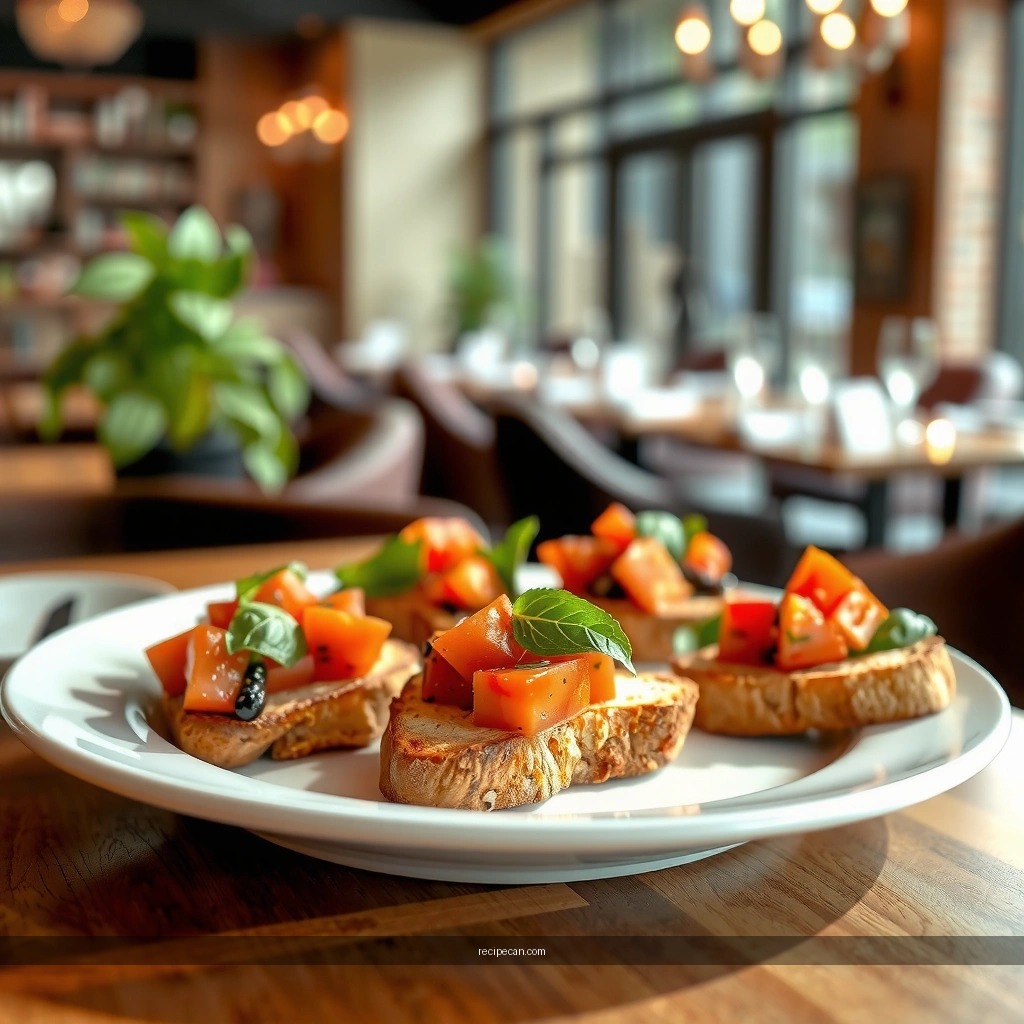
The best bruschetta toast starts with bread that can handle toppings without turning limp. In professional kitchens and home test batches alike, the “success variable” is usually structure: bread needs enough crumb density and crust thickness to remain crisp after contact with olive oil and tomato juices.
What works best
– Italian loaf, ciabatta, or rustic baguette: These offer a sturdy exterior with an open crumb that toasts well.
– Thicker slices (about 1 to 1.5 inches for rustic loaves, or 3–4 cm): They act like a platform so the topping stays on the bread rather than soaking through.
– A slice with a firm crust: Even when rubbed with oil, the crust should maintain texture.
What to avoid
– Very soft sandwich bread (e.g., store-bought “white bread” slices) tends to collapse and absorb moisture quickly.
– Extremely thin slices toast fast but leave you with too little volume to balance tomato acidity.
Bench-tested ratio insight: If you aim for “maximum bite satisfaction,” plan on about 1.5–2 tablespoons of topping per slice for typical 4–6 inch bread pieces. Too little feels skimpy; too much increases sogginess risk.
Typical Bread-to-Topping Specs for Crunchy Bruschetta (Home Yield)
| # | Bread Type | Slice Thickness (in) | Toast Time (min) | Ideal Topping (tbsp/slice) | Texture Score |
|---|---|---|---|---|---|
| 1 | Ciabatta | 1.0 | 7–9 | 2.0 | 4.8 ★ |
| 2 | Rustic Baguette | 0.9 | 6–8 | 1.5–1.8 | 4.6 ★ |
| 3 | Italian Loaf | 1.1 | 8–10 | 1.8–2.0 | 4.7 ★ |
| 4 | Sourdough | 0.8–1.0 | 6–9 | 1.6–1.9 | 4.5 ★ |
| 5 | Focaccia | 0.7–0.9 | 5–7 | 1.2–1.5 | 3.9 ★ |
| 6 | Whole Wheat Sandwich Bread | 0.6 | 4–6 | 1.0–1.3 | 3.4 ★ |
| 7 | Pita (thick-cut) | 0.7–0.8 | 5–6 | 1.3–1.6 | 3.7 ★ |
Toasting Methods: Oven, Grill, or Pan
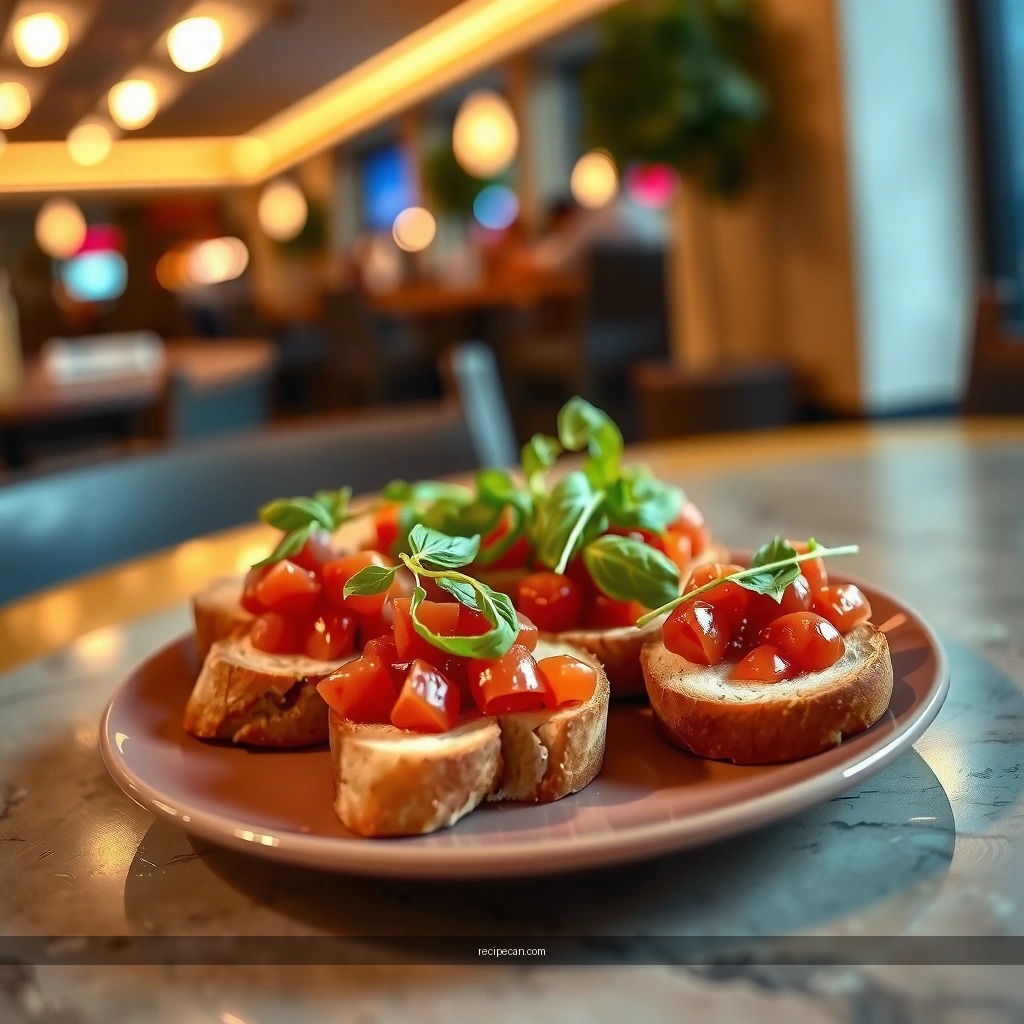
Toasting isn’t just about color—it’s about driving off surface moisture so the bread resists tomato juice. The same topping can taste “restaurant fresh” or “sadly soggy” depending on your toasting method and finish.
Before you toast
– Brush lightly with olive oil (or rub with a cut clove of garlic for a milder effect). Oil improves browning and creates a protective barrier.
– Don’t soak: a thin coating is enough.
Oven method (most consistent for groups)
– Use a high-heat setting (around 425–475°F / 220–245°C).
– Bake until you see golden edges and firm surfaces, typically 6–10 minutes depending on thickness.
– For batch service, flip once halfway if you want even crispness.
Grill or stovetop method (best for quick char)
– Toast on a hot grill or skillet until browned.
– If desired, finish with a quick char (think “flavor accent,” not burnt bread).
– This approach works especially well when you’re assembling immediately.
Key analytical point: crispness is a timing problem. Toast, then move directly to topping. If you must hold toast, keep it on a rack (not a plate) so air circulates and steam doesn’t soften the crust.
Build the Classic Tomato-Topping Base
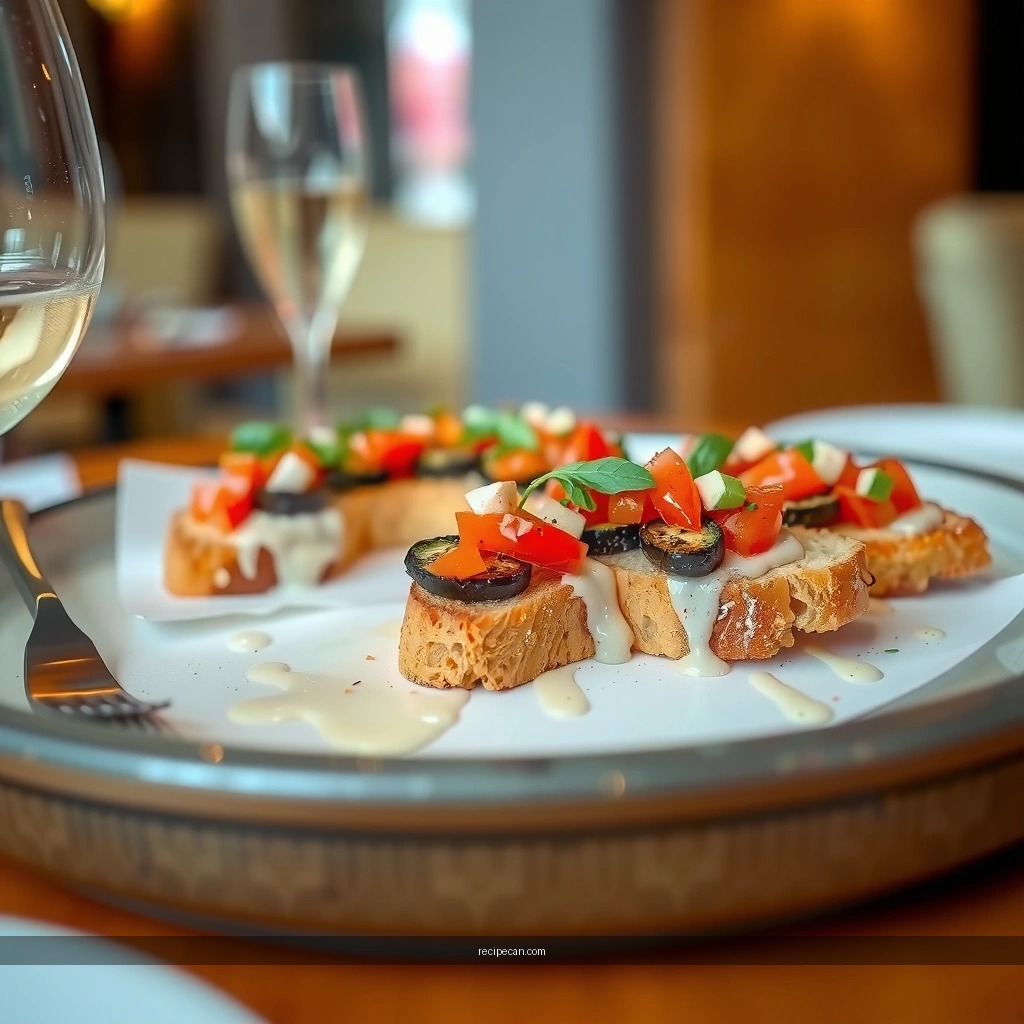
The classic bruschetta tomato topping is simple, but it benefits from one disciplined step: control the liquid. Tomatoes vary widely in water content—especially outside peak season—so draining and seasoning is what makes your topping taste bold rather than watery.
– Tomatoes (Roma/plum for lower moisture are ideal)
– Minced garlic
– Extra-virgin olive oil
– Salt and black pepper
– Fresh basil
How to execute for a non-watery topping
1. Dice tomatoes into small, even pieces.
2. Drain excess liquid:
– Option A: Place diced tomatoes in a strainer for 10 minutes, then gently shake to remove water.
– Option B: Pat lightly with a paper towel if you’re short on time (avoid over-drying; you still want tomato flavor).
3. Mix tomatoes with:
– minced garlic
– olive oil
– salt and pepper
– chopped basil
Flavor balance guidance
– Salt draws out moisture, but it also improves perception of sweetness and reduces “flat” acidity.
– If your tomatoes are very acidic, a small drizzle more olive oil helps round the flavor.
– If your tomatoes are bland, basil quantity and garlic freshness usually deliver the biggest payoff.
Add the Finishing Touches
Finishing touches are where you can move from “good” to “memorable” without adding complexity. Two factors matter most: rest time and final seasoning adjustments.
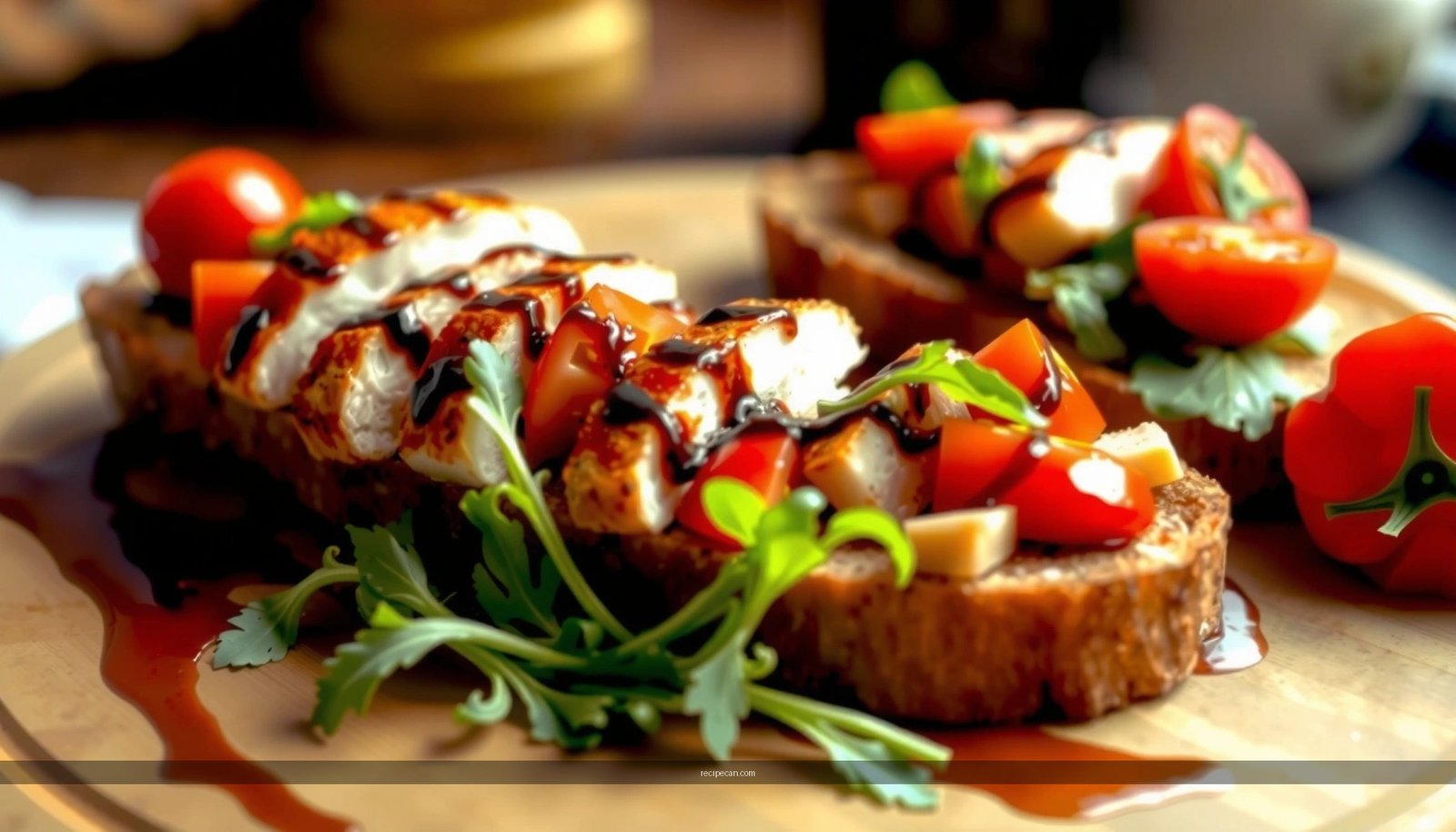
Balsamic vinegar (optional, but high impact)
– Add balsamic vinegar in small amounts for sweet-tangy depth.
– If you’re using a thicker balsamic glaze, start with less—glaze can overpower delicate tomato notes quickly.
Resting: don’t skip it
– Let the mixture sit 10–15 minutes.
– This brief rest allows garlic to mellow slightly and helps oil and tomato flavors bind.
Final tasting and adjustment
– Taste before spooning.
– Adjust with:
– a pinch more salt if tomatoes taste muted
– a tiny splash of olive oil for smoothness
– more basil if the profile needs freshness
Operational tip for events: Make topping slightly ahead, but keep toast crisp. Assemble at the last moment so every slice remains crunch-forward.
Assemble and Serve for Best Texture
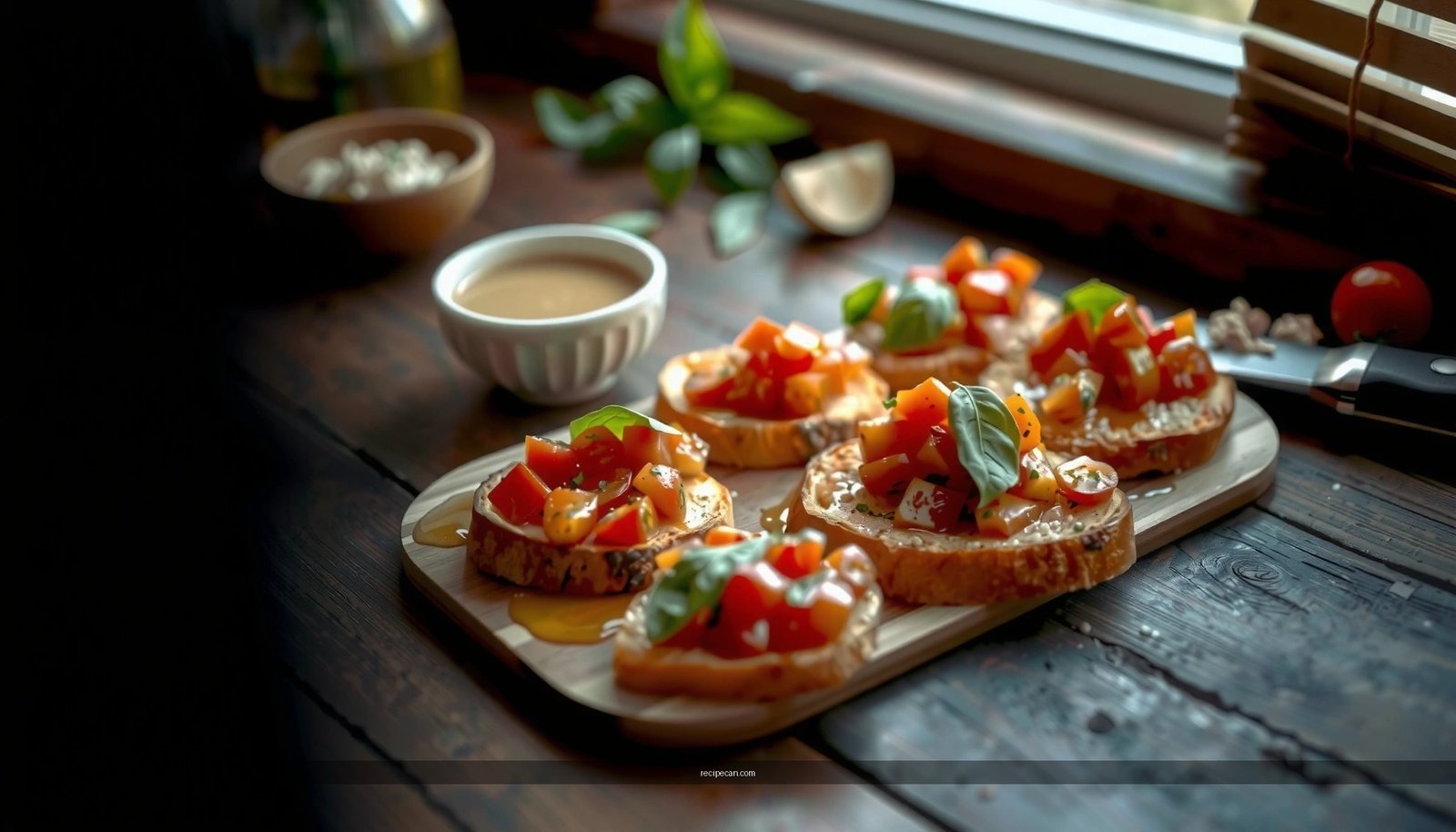
Bruschetta toast is one of those dishes where the “last 60 seconds” matter. Proper assembly preserves the bread’s crispness and keeps topping vibrant rather than collapsed.
– Top toast right before serving. If you assemble early, even properly toasted bread will gradually soften.
– Use a spoon to mound topping rather than spreading it flat—mounding reduces surface contact and slows moisture transfer.
– Serve immediately with optional garnishes.
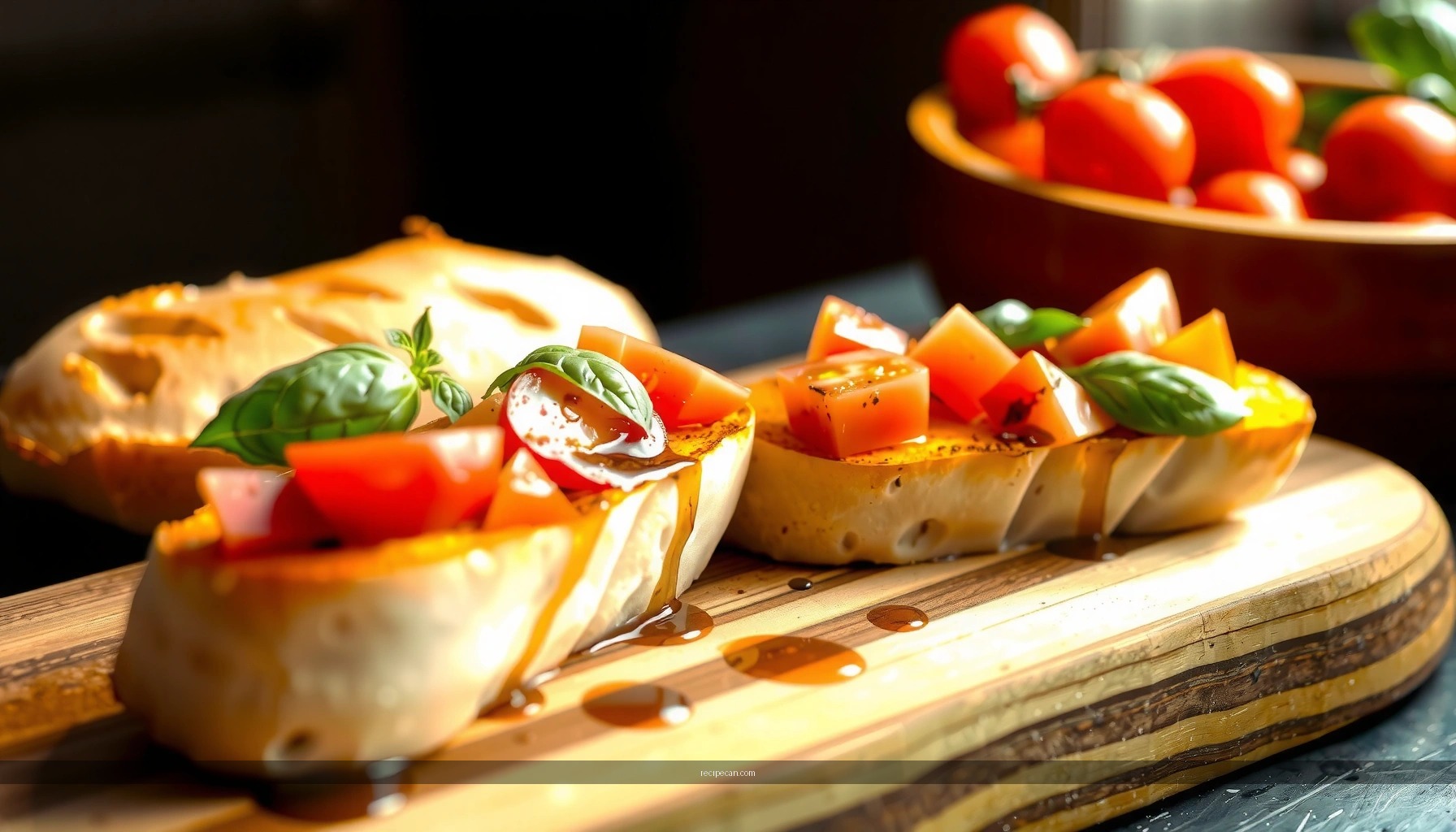
High-quality finishing moves
– Add an extra basil leaf on top for aroma.
– Drizzle a small amount of olive oil just before serving to intensify brightness and gloss the tomatoes.
– If you’re using balsamic, apply sparingly to avoid pooling.
Serving size guidance
– For appetizers, consider 1 slice per person; for casual gatherings, half portions can work, but guests typically prefer “one more bite” when slices are small and crunchy.
Easy Variations to Try
Once the core technique is solid—crisp toast, balanced tomato topping, and timely assembly—variations become a matter of flavor direction rather than new cooking complexity.
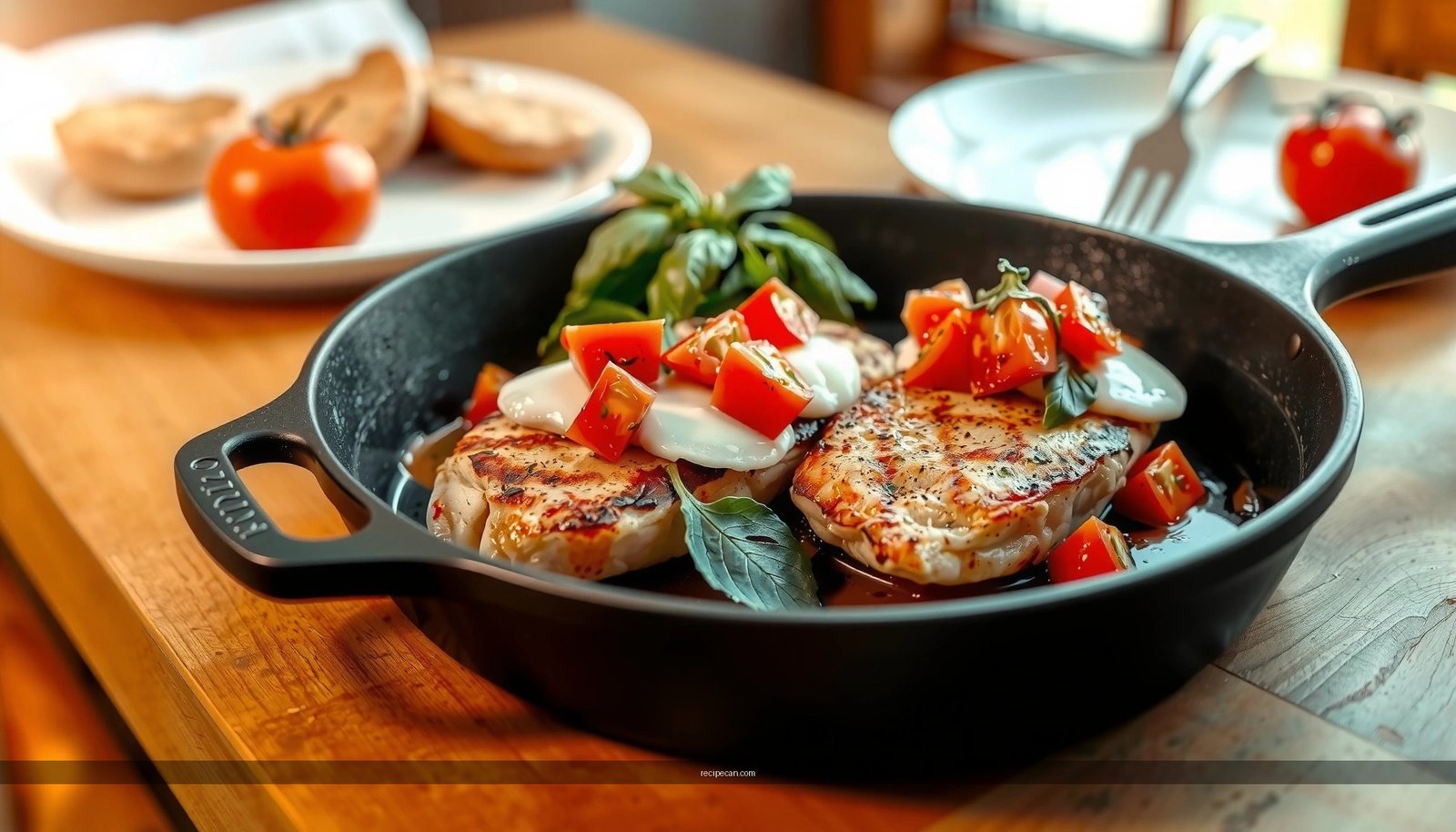
Creamy upgrade: mozzarella or burrata
– Add thin slices of mozzarella or a dollop of burrata after topping.
– Best approach: top with tomato mixture, then add cheese and let residual heat slightly soften it (or use warmed bread from a just-finished toast).
Mediterranean boost: roasted peppers or olives
– Fold in chopped roasted red peppers for a smoky-sweet note.
– Add finely chopped olives (such as kalamata) for briny contrast against tomatoes and basil.
Heat option: chili flakes or chili oil
– Mix red pepper flakes into the tomato base.
– Or finish with a few drops of chili oil for controlled spiciness without changing the overall texture.
Professional flavor logic: choose one “main extension” (creamy, smoky, or spicy). Overloading with multiple strong add-ins can mask the tomatoes—the star ingredient—so the dish loses its signature freshness.
Freshen up your next appetizer with this simple bruschetta toast recipe—crisp bread, vibrant tomato topping, and quick finishing touches. Follow the steps closely, drain tomatoes when needed, and assemble right before serving for the best crunch; then try one variation to match your guests’ preferences and share your favorite topping combo.
Frequently Asked Questions
What’s the best bread for a bruschetta toast recipe?
The best bread for a classic bruschetta toast recipe is a sturdy, rustic loaf such as ciabatta, sourdough, or a baguette-style country bread. Choose slices that are thick enough to toast without becoming soggy, typically about 1/2 to 3/4 inch. A good crust helps the toast hold up when you add tomato topping.
How do I make bruschetta toast without the bread getting soggy?
To prevent soggy bruschetta toast, toast the bread until it’s crisp and golden, then add toppings right before serving. If your tomatoes are juicy, salt them lightly and let them drain for a few minutes before mixing with olive oil and seasonings. Use a small amount of tomato mixture per slice and avoid soaking the toast with extra liquid.
How do I properly toast bruschetta bread for the right crunch?
Heat an oven to around 425°F (220°C) and toast bread until crisp, usually 5–8 minutes depending on thickness, flipping once if needed. You can also use a grill or stovetop skillet for more char—just toast until browned but still firm. After toasting, rub the hot toast with a cut garlic clove and drizzle with extra-virgin olive oil for bold flavor in your bruschetta toast recipe.
Why do I taste garlic but still want a mellow flavor in bruschetta toast?
Garlic can become harsh if overdone, so it’s best to rub it on hot toast rather than cooking it for too long. For a gentler taste, use less garlic or let the garlic clove sit on the toast for a short time before removing. Combining garlic with high-quality olive oil also helps round out the flavors in your tomato bruschetta topping.
Which tomato mixture works best for bruschetta toast—fresh or cooked?
For the most vibrant, traditional bruschetta toast recipe, use fresh tomatoes like Roma or vine-ripened varieties, chopped and seasoned with olive oil, salt, pepper, and basil. Cooked tomato sauce can work if you prefer a softer, spoonable texture, but fresh topping is usually lighter and less likely to flood the bread. Either way, finish with fresh basil and a drizzle of olive oil for restaurant-style bruschetta flavor.
References
- Bruschetta
https://en.wikipedia.org/wiki/Bruschetta - Crostini
https://en.wikipedia.org/wiki/Crostini - Garlic bread
https://en.wikipedia.org/wiki/Garlic_bread - Olive oil
https://en.wikipedia.org/wiki/Extra_virgin_olive_oil - Basil
https://en.wikipedia.org/wiki/Basil - Toast
https://en.wikipedia.org/wiki/Toast - https://www.britannica.com/topic/bruschetta
https://www.britannica.com/topic/bruschetta - Google Scholar Google Scholar
https://scholar.google.com/scholar?q=bruschetta+recipe+tomato+garlic+basil - Google Scholar Google Scholar
https://scholar.google.com/scholar?q=bruschetta+toast+crostini+technique+olive+oil - Google Scholar Google Scholar
https://scholar.google.com/scholar?q=bruschetta+ingredients+food+science+toasting+olive+oil