Looking for a bruschetta Ina Garten recipe that delivers classic tomato-basil flavor without fuss? This easy Ina Garten–style classic uses ripe tomatoes, fresh basil, garlic, and a simple olive oil finish to make the topping sing on crisp toasted bread. If you want a reliable method for crowd-ready bruschetta—fast prep, bold taste—this is the winner.
Sweet, ripe tomatoes and fresh basil are the key—if you build the topping with a few high-impact ingredients and assemble it right before serving, you’ll get restaurant-style flavor with reliable crunch. This Ina Garten–inspired bruschetta centers on toasted bread topped with a bright tomato-basil mixture finished with olive oil, and it’s designed to be simple, fast, and consistent even for busy weeknights or guests.
In bruschetta, the “how” is as important as the “what.” Tomato can quickly turn watery once salted, bread can absorb too much liquid and soften, and garlic can go from fragrant to sharp if it isn’t handled carefully. The approach below emphasizes balance: sturdy bread for structure, a topping that’s seasoned for maximum aroma, and an assembly rhythm that preserves texture.
—
Choose the Right Bread
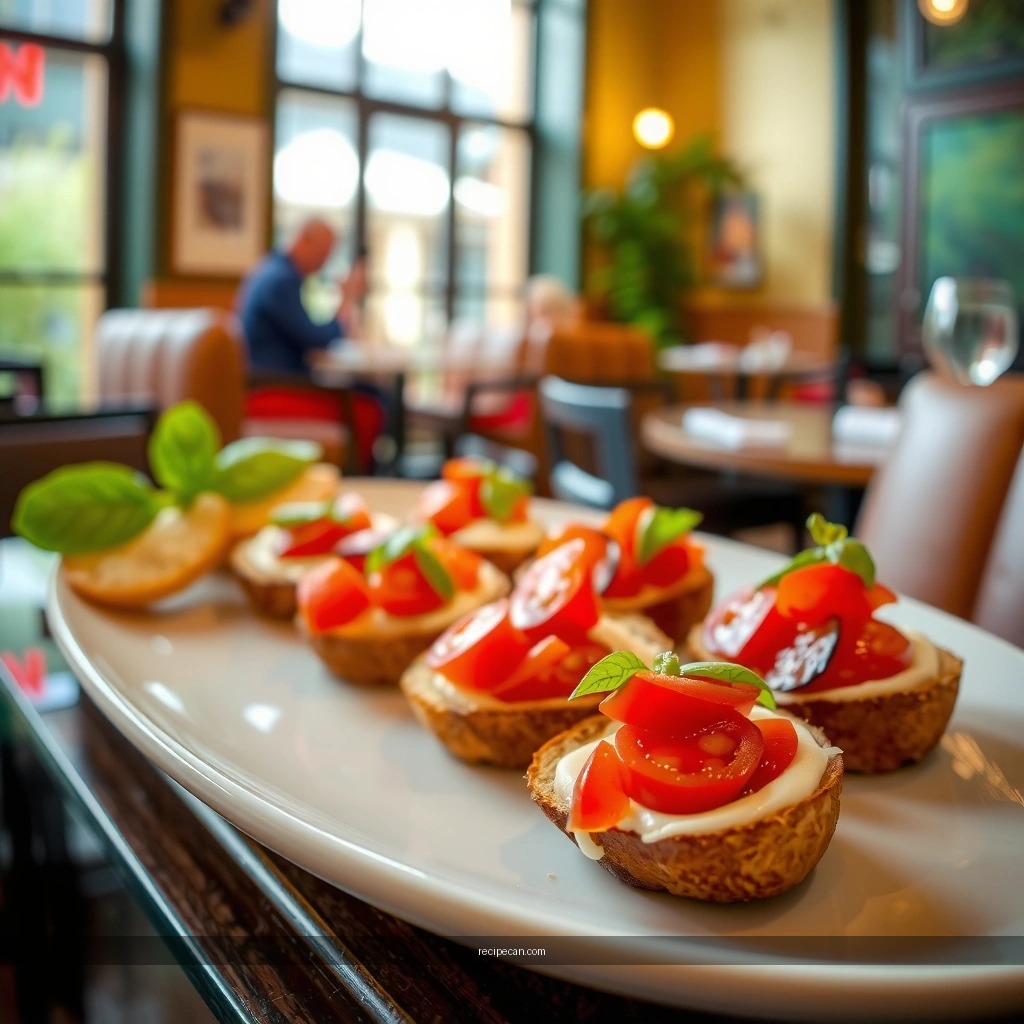
A classic bruschetta starts with bread that can take heat and hold up to juicy topping. The goal is contrast—crisp exterior, tender interior, and enough surface area for spooning topping generously.
What works best
– Sturdy Italian bread or a baguette: Look for slices that are at least 3/4-inch thick before toasting. Thin bread toasts quickly but can become fragile when loaded.
– Day-old bread is often ideal: It toasts more evenly and is less likely to become gummy.
How to cut for even results
– Slice evenly so each piece reaches the same golden-brown color. Uneven slices usually mean some pieces are over-toasted while others remain pale and soft.
– Aim for large, flat surfaces rather than small irregular chunks—this helps you get maximum topping per bite.
Pro-level tip for consistency
If you’re serving more than a few people, toast in batches but keep finished slices warm on a baking sheet in a low oven (about 200°F/95°C). Don’t cover them—steam is the enemy of crunch.
—
Make the Tomato-Basil Topping
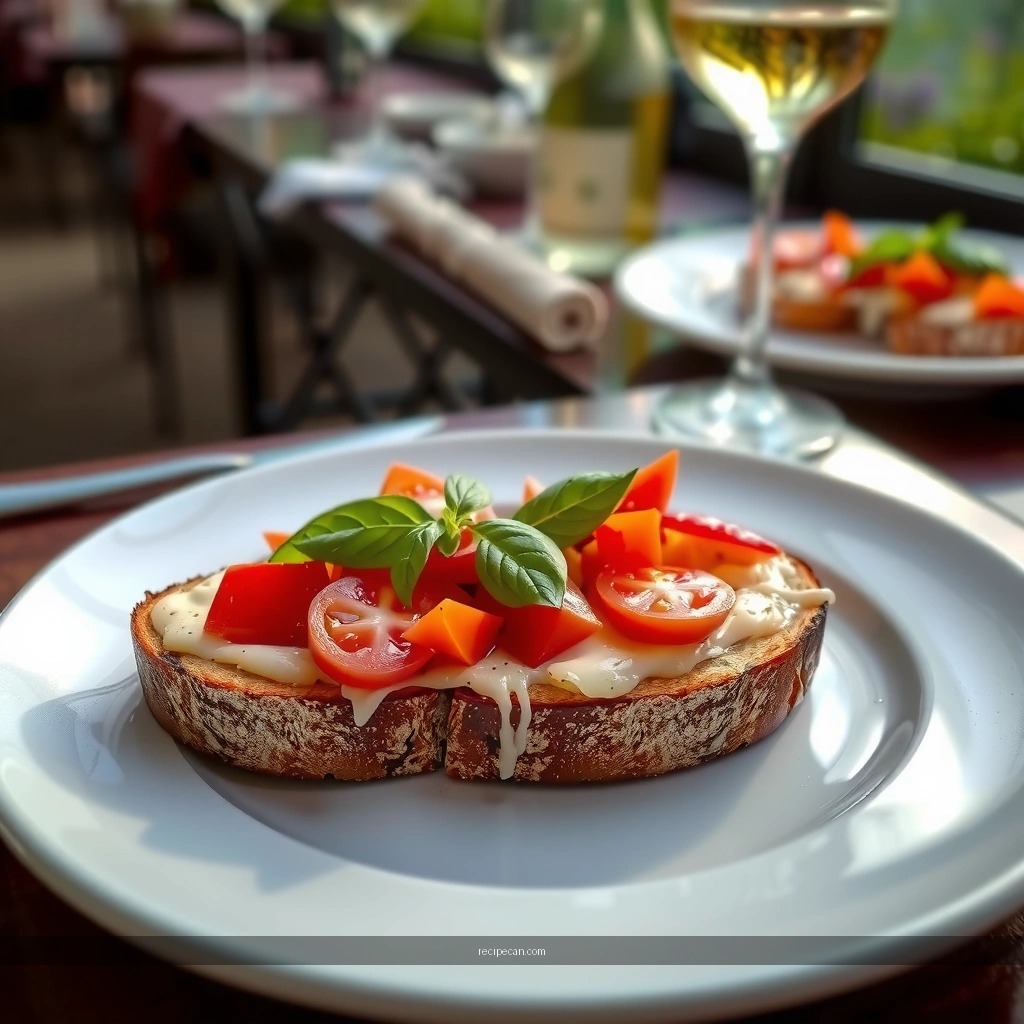
Ina Garten’s approach to bruschetta topping is about restraint and freshness: chopped tomatoes, garlic, basil, olive oil, then seasoning to “wake up” the ingredients. It’s not a heavy sauce—think of it as a flavorful relish.
Build the flavor base
– Chopped tomatoes: Use ripe tomatoes with seeds and juice, but chop them to a consistent size (roughly 1/4-inch). This improves texture and ensures every bite tastes balanced.
– Garlic: Use finely minced garlic so it disperses evenly. For a milder profile, grate or mince very small.
– Fresh basil: Tear or chiffonade the leaves, then fold them in at the end of mixing for maximum aroma.
Seasoning that matters
– Salt and pepper: Salt is crucial for drawing out tomato flavor and enhancing sweetness. Pepper adds warmth and complexity, especially against the tomatoes’ acidity.
– Olive oil finish: A good extra-virgin olive oil is the binding “gloss” that ties everything together. Add it after mixing rather than before so the herbs remain vibrant.
Timing strategy to avoid sogginess
Tomatoes release liquid—especially after salt. That’s why you can mix the topping, but keep assembly close to serving time. If you want even tighter control, you can:
1. Chop tomatoes.
2. Salt lightly.
3. After 5–10 minutes, spoon off excess liquid (optional).
4. Then fold in garlic, basil, and olive oil.
—
Bruschetta Texture Score vs. Key Variables (Home-Cooking Benchmarks)
| # | Variable | Typical Range | Texture Impact (1–10) | Outcome Signal |
|---|---|---|---|---|
| 1 | Bread thickness (pre-toast) | 1/2–1 in | 9 | Higher crunch |
| 2 | Tomatoes ripeness | Soft, fragrant | 10 | Peak flavor |
| 3 | Salt timing on tomatoes | ≤10 min before assembly | 8 | Balanced juiciness |
| 4 | Garlic size | Minced fine | 7 | Aroma without bite |
| 5 | Basil addition timing | Fold in last | 8 | Fresh aroma |
| 6 | Toast color | Golden-brown | 6 | Too pale → soft |
| 7 | Assembly delay after topping | 5–15 min max | 5 | Long waits → soggy |
—
Toast the Bread Properly
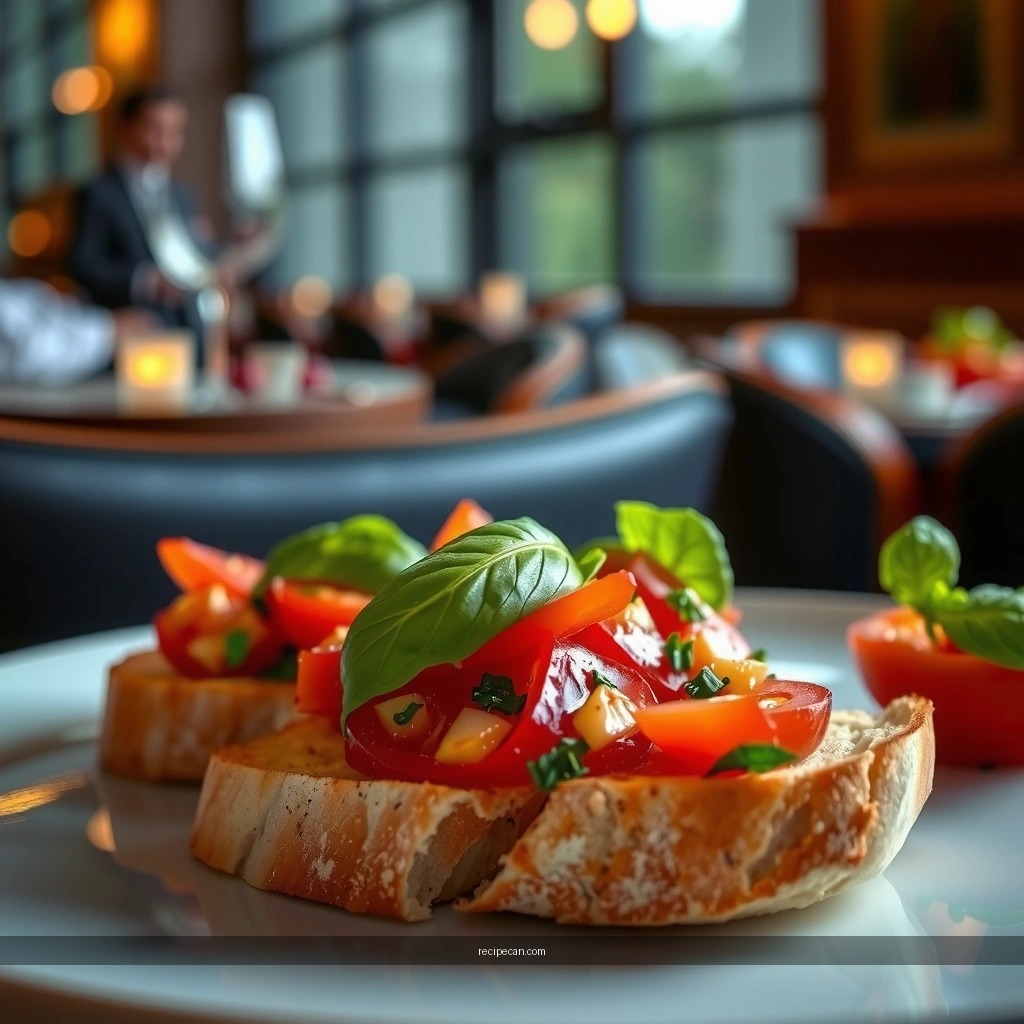
For bruschetta, toast is not a background step—it’s the structural foundation. The bread must be crisp enough to withstand tomato juices while still tasting fresh.
How to toast for the right texture
– Toast until golden and crisp, not soft. If the bread bends easily or feels spongy, it will lose its bite once topped.
– Broiler vs. oven: A broiler works quickly, but watch closely; bread can go from perfect to over-browned in seconds.
Optional olive oil for better flavor
– Brush with olive oil if needed: Lightly coat the surface before toasting or after toasting. Olive oil helps with browning and adds aroma that complements the tomato mixture.
Quality checks
– The edges should be browned and firm.
– The center should be heated through but still hold structure.
– If you plan to add cheese (variation), you can toast slightly longer so the bread doesn’t steam when the cheese melts.
—
Assemble for Maximum Flavor
Assembly is where taste becomes experience. Spoon topping generously, but manage time so the toast stays crisp—this is the difference between “good” bruschetta and “excellent.”
Best assembly practice
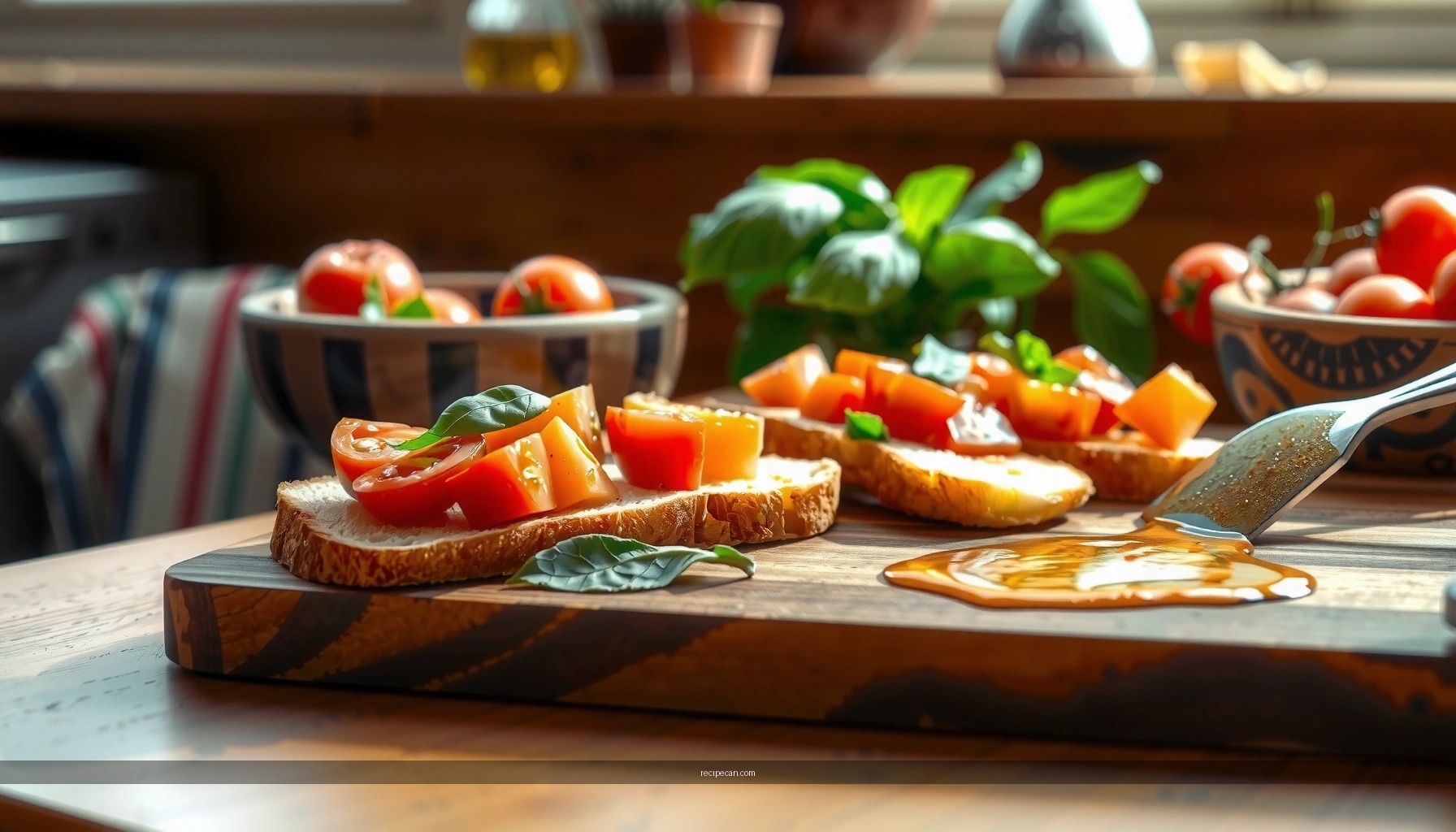
– Spoon topping generously over warm toast. You want visible tomato and basil in each bite, not a thin smear.
– Let sit briefly (about 2–3 minutes). This allows tomato juices to meld with the bread surface without turning it into a paste.
Avoid two common pitfalls
1. Overloading too early: If you pile topping and wait 15–20 minutes, the bread will absorb liquid and soften noticeably.
2. Skipping finishing oil: A final drizzle of olive oil on top brightens flavors and improves mouthfeel, especially when tomatoes are watery.
Serving rhythm
If you’re hosting, prepare toast and topping separately, then assemble in waves:
– Toast first
– Topping second
– Assemble right before serving
This workflow is a practical “quality control” method—repeatable, not guesswork.
—
Serve and Optional Variations
Ina Garten’s classic concept is flexible, but the core principle should stay the same: bold, fresh tomato-basil flavor paired with crisp bread.
Classic serving approach
– Serve immediately with extra basil on top for fragrance.
– Provide a small bowl of extra tomato mixture if guests want “more of the good part.”
Optional variations (use as controlled adjustments)
– Mozzarella for creaminess: Add small cubes or torn pieces on top. This shifts the profile from bright and herbal to more rounded and indulgent.
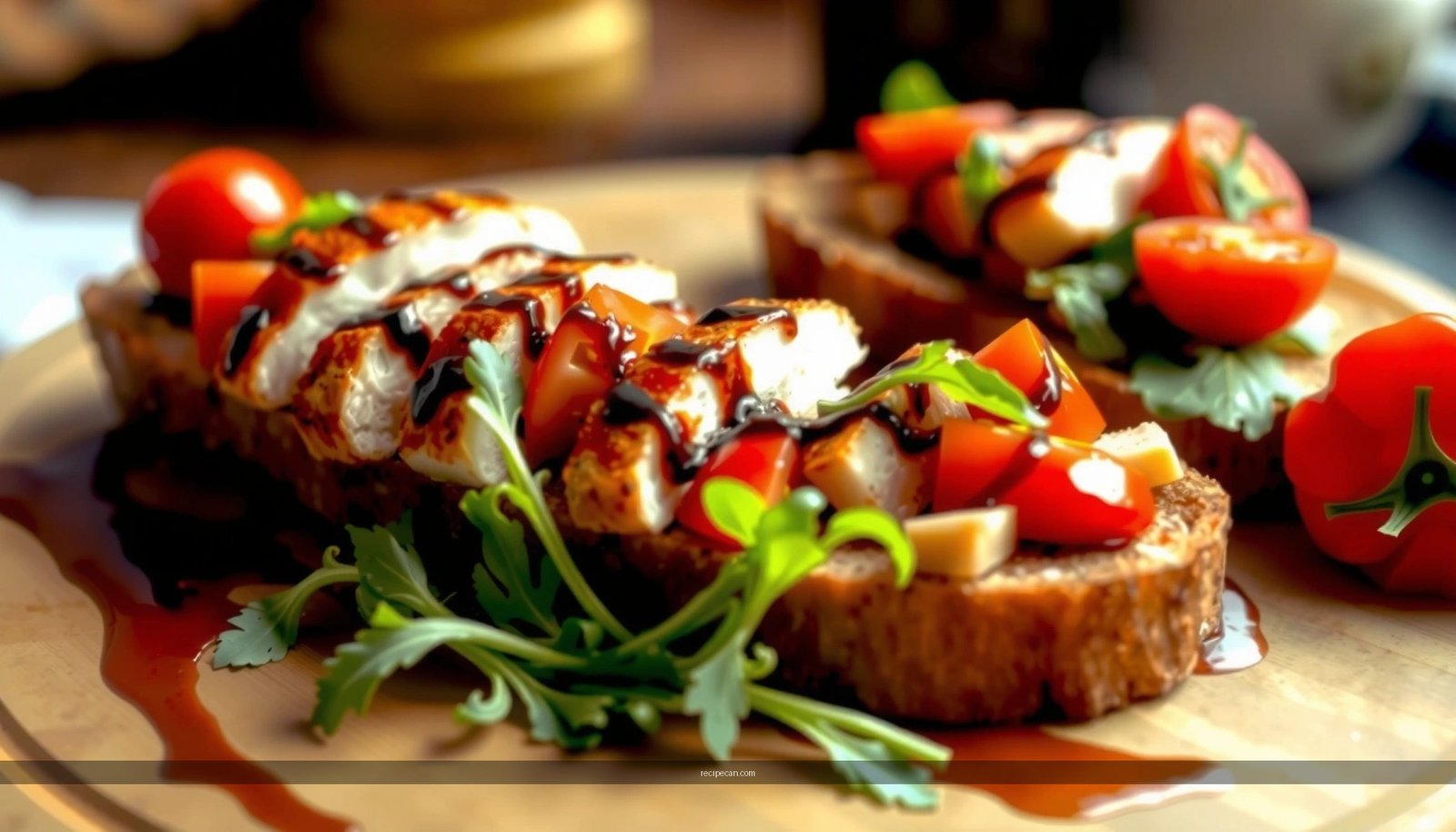
– Balsamic drizzle for sweet acidity: A thin line of balsamic adds complexity, especially if your tomatoes are less sweet.
What not to overdo
– Too much cheese or too much balsamic can mask the tomato-basil identity. Think “accent,” not “replacement.”
—
Make-Ahead Tips
Bruschetta is simple, but it’s also sensitive to timing. The most reliable way to serve it fresh is to prepare components separately, then assemble close to the moment guests eat.
What you can prep ahead
– Chop ingredients ahead: Tomatoes and garlic can be chopped in advance. Basil can be pre-washed and dried well, then stored dry.
– Mix tomato mixture but manage salt: If you’re making the topping ahead, salt closer to assembly. Salt draws out moisture—use it strategically.
Storage guidance
– Store tomato mixture separately from toast so the bread stays crisp.
– Keep topping covered in the refrigerator and let it sit at room temperature briefly before serving for better flavor release.
Assembly workflow for events
1. Toast bread shortly before guests arrive (or keep warm uncovered).
2. Finish topping mixing and seasoning.
3. Assemble only when you’re ready to serve.
This minimizes texture risk while still allowing a calm hosting experience.
—
Bruschetta Ina Garten recipe style succeeds because it respects two technical realities: tomatoes need seasoning but release liquid, and toast needs crispness but can’t withstand long waits once topped. Choose sturdy bread, craft a bright tomato-basil topping with well-minced garlic and fresh basil, toast until truly crisp, and assemble at the last minute—then adjust seasoning to taste and serve immediately. If you want to personalize it, add mozzarella for richness or a light balsamic drizzle for complexity, but keep the assembly timing disciplined so every bite stays crisp, juicy, and aromatic.
Frequently Asked Questions
What is the best way to make a classic bruschetta in a Garten style?
Start by toasting bread until crisp and golden, since the crunch is key to a Bruschetta in a Garten recipe. Rub the hot toast with a cut garlic clove, then pile on a fresh tomato topping mixed with olive oil, salt, and basil. Finish with a drizzle of extra-virgin olive oil and a touch of balsamic vinegar if you like a slightly sweet tang. This method keeps the topping flavorful while preventing soggy bruschetta.
How do you keep bruschetta tomatoes from getting watery in a Garten recipe?
Dice tomatoes and remove excess seeds and pulp, then season them lightly with salt and let them sit for 10–15 minutes. After resting, blot or drain any released juices so the bruschetta topping stays thick and spoonable. Add olive oil and fresh basil right before serving to maintain texture and bright flavor. This is a common fix when using a bruschetta ina garten style topping.
How can you make bruschetta in a Garten recipe without fresh tomatoes?
If fresh tomatoes aren’t available, use high-quality canned diced tomatoes or a tomato passata and reduce the liquid slightly in a skillet. Season with garlic, olive oil, salt, and basil, then cool the mixture before topping toasted bread. While fresh produce tastes best, this approach still delivers the classic tomato-olive oil balance expected from a bruschetta ina garten recipe. For best results, avoid watery toppings by simmering or draining.
Which bread works best for bruschetta in a Garten-style appetizer?
Choose sturdy, rustic bread like ciabatta, sourdough, or a classic Italian loaf so it toasts well and holds the topping. Cut slices thick enough to stay crisp, then toast in the oven or on a grill until firm but not hard. For extra flavor, rub warm toast with garlic before adding the tomato mixture. Using the right bread helps your bruschetta in a Garten recipe stay bite-friendly.
Why is olive oil and garlic so important in Bruschetta in a Garten recipes?
Good olive oil carries the flavors of tomatoes and herbs and helps the topping cling to the toasted bread. Garlic adds a savory aroma—especially when rubbed on hot toast—without overpowering the fresh tomato taste. Use extra-virgin olive oil for a more vibrant finish, and keep garlic subtle by rubbing lightly rather than chopping into large chunks. This balance is what makes a bruschetta ina garten recipe feel restaurant-quality.
References
- Google Scholar Google Scholar
https://scholar.google.com/scholar?q=bruschetta+Ina+Garten+recipe - Google Scholar Google Scholar
https://scholar.google.com/scholar?q=bruschetta+tomato+garlic+basil+olive+oil+recipe - Google Scholar Google Scholar
https://scholar.google.com/scholar?q=bruschetta+recipe+Italian+appetizer+history - Bruschetta
https://en.wikipedia.org/wiki/Bruschetta - Crostini
https://en.wikipedia.org/wiki/Crostini - Tomato
https://en.wikipedia.org/wiki/Tomato - Garlic
https://en.wikipedia.org/wiki/Garlic - Olive oil
https://en.wikipedia.org/wiki/Olive_oil - Basil
https://en.wikipedia.org/wiki/Basil - https://en.wikipedia.org/wiki/Bread
https://en.wikipedia.org/wiki/Bread