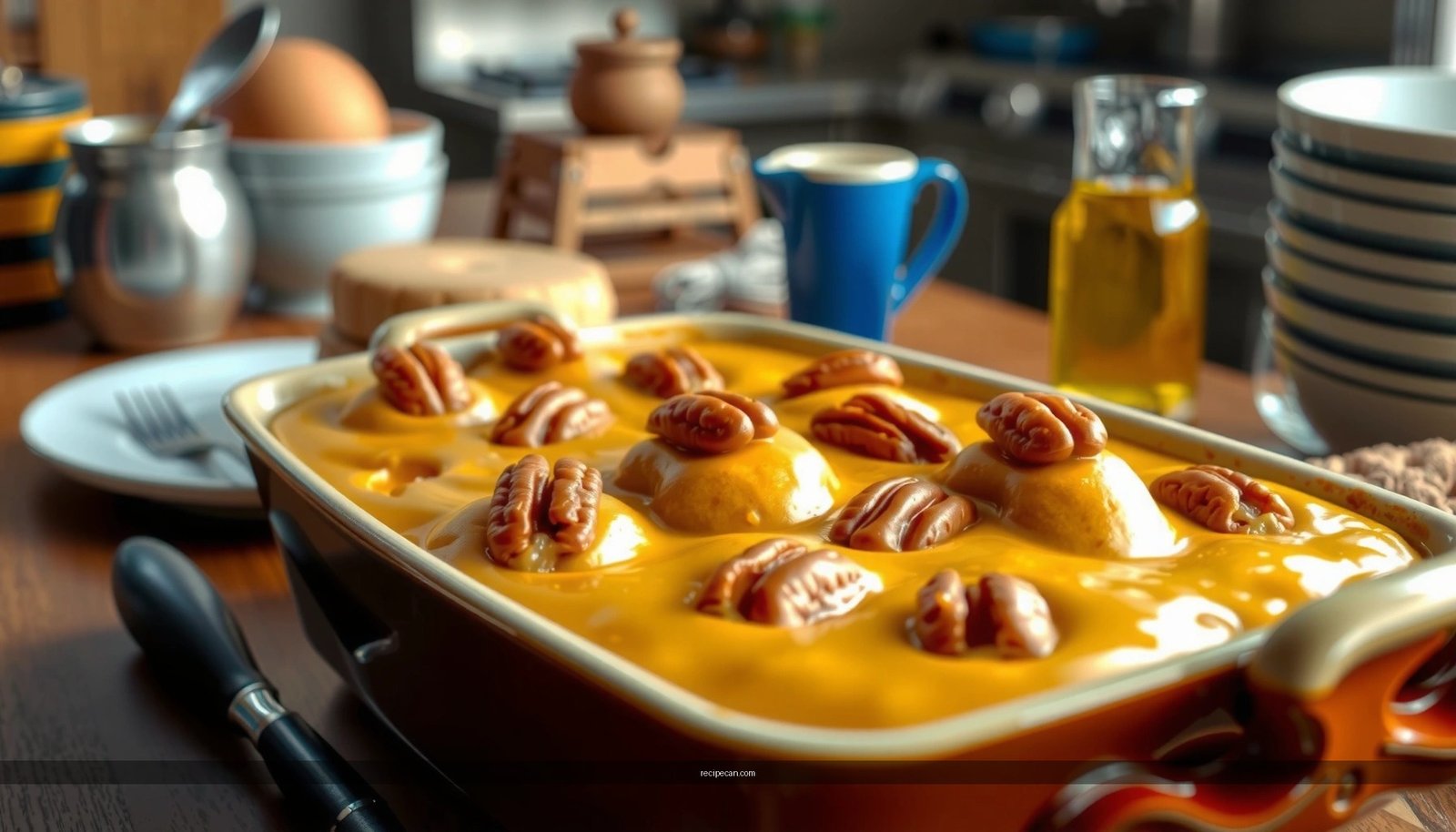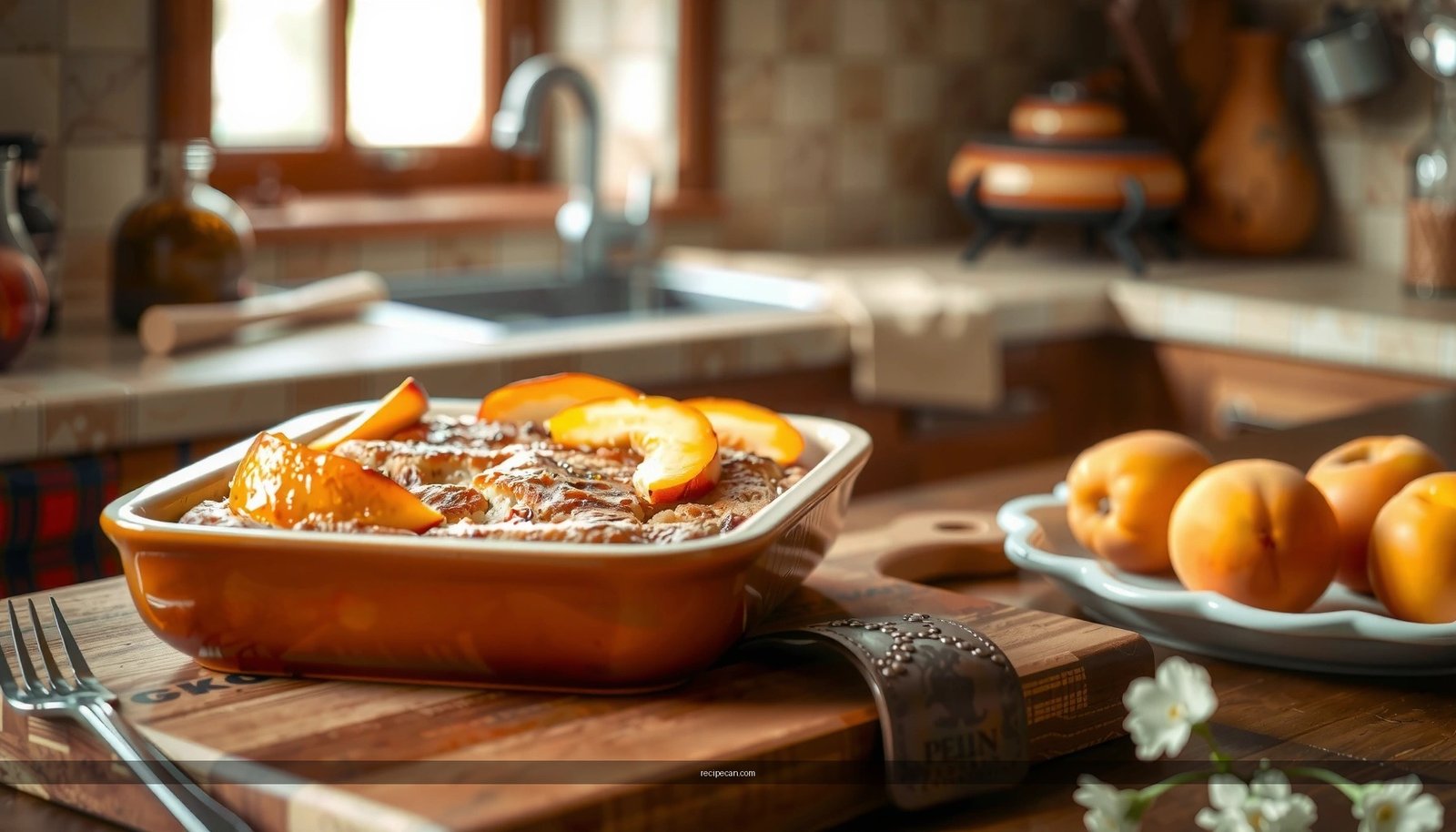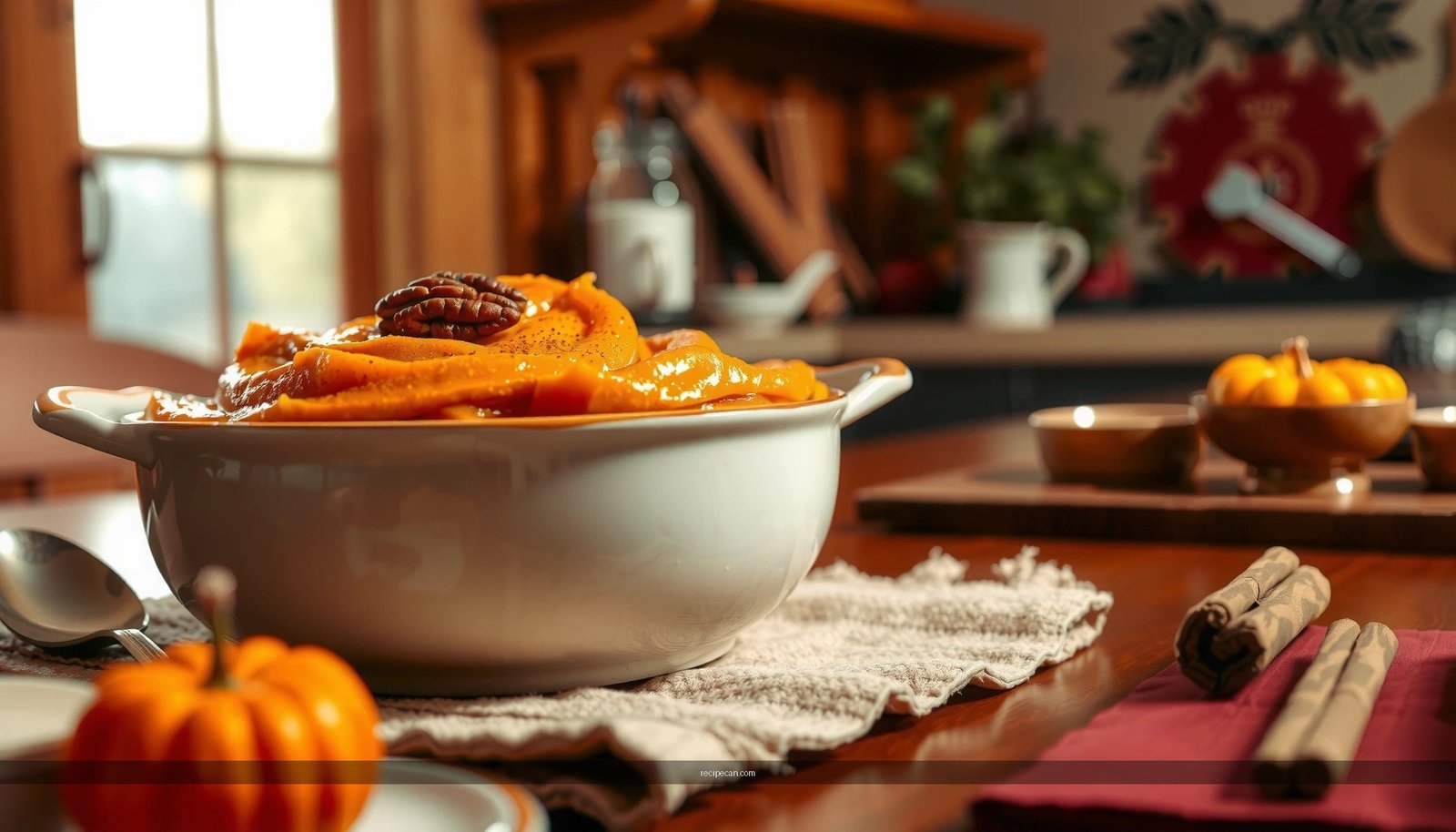
Looking for the old fashioned sweet potato pudding recipe that delivers a classic, custardy center and a lightly caramelized top? This recipe is the hands-down winner for the comforting “cozy dessert” you remember—made with real sweet potatoes, warm spices, and the right balance of sweetness. You’ll get clear, step-by-step instructions so the pudding sets perfectly every time.
Bake old fashioned sweet potato pudding until the center is set and the top is lightly browned—then let it cool so it thickens into a spoonable, custard-like dessert. This recipe focuses on tender sweet potatoes, a smooth custard base, and baking guidance that helps you hit that “just right” classic consistency every time.
Choose the Right Sweet Potatoes
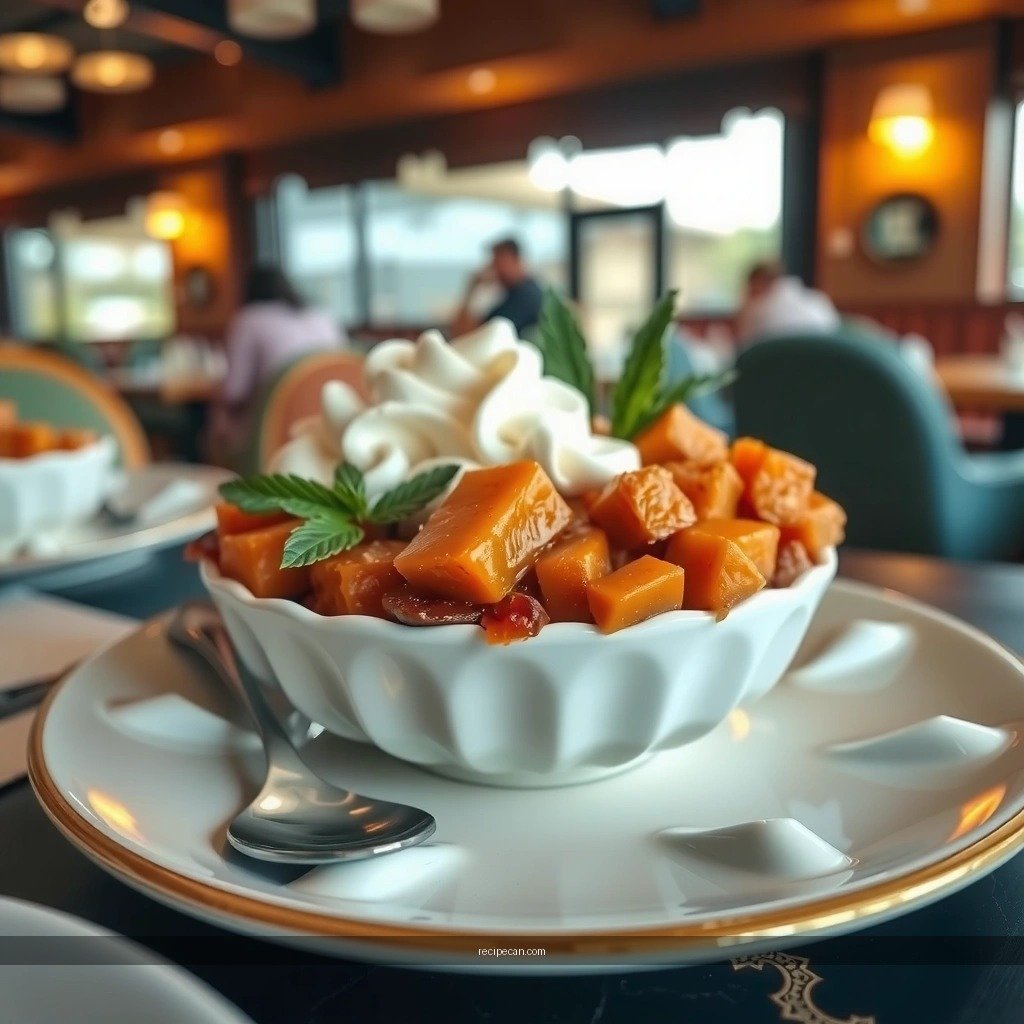
The quality of your sweet potatoes largely determines whether your old fashioned sweet potato pudding tastes silky or slightly grainy. For the classic flavor and color, use orange-fleshed sweet potatoes; they naturally deliver more of the warm, sweet profile associated with traditional Southern-style puddings and bring that rich, golden hue to the finished custard.
When selecting, look for:
– Firm, unblemished tubers with smooth skin (avoids watery flavor and uneven cooking).
– Medium size for more consistent tenderness through the center.
– Even “browning” potential during baking: thicker, dense flesh tends to hold flavor well, producing that lightly toasted top note.
Preparation method matters just as much as variety. For the smoothest texture:
– Bake or boil until very tender—you want potatoes that yield easily when pressed.
– Any resistance during mashing will often translate to a grainy pudding.
– If you scoop the flesh and it looks slightly “starchy” or dry, give it extra cooking time rather than adding extra liquid. Overcorrecting with milk can make the pudding taste thin.
A professional shortcut for consistency is to steam or bake whole sweet potatoes until they’re fully tender, then mash while warm. Warm starches hydrate more completely, which reduces lumps and improves custard stability when baked.
Classic Ingredients for Old Fashioned Flavor
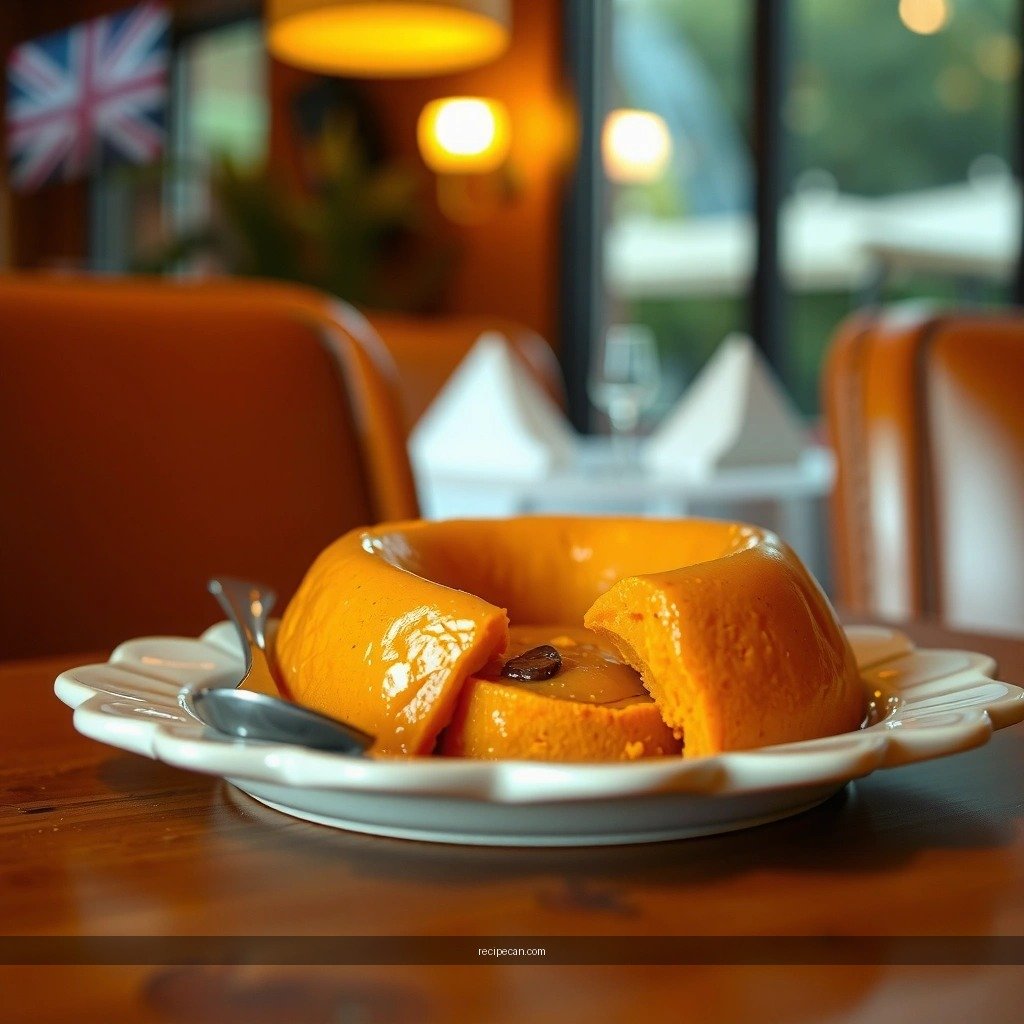
Old fashioned sweet potato pudding is essentially a custard enriched with sweet potatoes and seasoned for nostalgia. The “classic” taste comes from the balance of:
– Natural sweetness from the potatoes
– Warm spice aromatics (cinnamon and nutmeg are the backbone)
– Egg-based structure for creamy set
– Fat and dairy (butter plus milk/cream) to round out the flavor and texture
Core ingredient roles:
– Sweet potatoes: Provide flavor, body, and natural sweetness. Their moisture content influences final set.
– Eggs: Turn the mixture into a sliceable (or spoonable) custard as they coagulate in the oven.
– Butter: Adds richness and a traditional “homestyle” aroma; it also helps the custard feel smoother.
– Milk or cream: Controls creaminess and thickness. Cream yields a richer, more cohesive pudding; milk keeps it lighter but still silky.
– Warm spices: Cinnamon and nutmeg bring the familiar pie-like depth without overpowering the potato flavor.
Seasoning is where many attempts go off track. A helpful analytical approach: start with small, measured quantities of cinnamon and nutmeg, then evaluate after baking (and after cooling). Sweet potatoes taste less sweet when hot than when fully hydrated during cooling, so it’s common for spice to “seem stronger” straight from the oven and more balanced once the pudding thickens.
To maximize classic results:
– Use freshly grated nutmeg if possible (nutmeg’s aromatic oils fade over time).
– Keep vanilla optional and restrained; it can enhance sweetness, but traditional old fashioned puddings often rely primarily on spice.
Baking benchmark: what “done” looks like
Because sweet potato pudding can go from perfect to overbaked quickly, it helps to track texture cues against a time/temperature target. Use this chart as a practical guide when baking at 350°F / 175°C.
Sweet Potato Pudding Bake Targets (350°F / 175°C)
| # | Bake Stage | Oven Time | Center Temp (°F) | Texture Cue | Quality Signal |
|---|---|---|---|---|---|
| 1 | Preheat established (pan inside) | 10 min | — | Edges warming, no set | ★ Preparation |
| 2 | Custard begins to thicken | 20–25 min | 120–130 | Surface glossy, center still loose | ★ Early set |
| 3 | Light browning starts | 30–35 min | 140–150 | Edges set, center wobbles | ★ Target zone |
| 4 | Classic “just set” | 40–45 min | 155–165 | Top lightly browned, gentle wobble | ★ Best spoonable |
| 5 | Sets more firmly (slice-ready) | 45–50 min | 165–170 | Center wobble minimal | ★ Firm finish |
| 6 | Approaching overbake | 50–55 min | 170–175 | Wobble gone; custard can tighten | ★★ Texture risk |
| 7 | Overbaked (dry/tighter crumb) | 55–60 min | 175+ | Top darkens; center feels dense | ★★ Overbake |
This data isn’t meant to replace judgment—it’s there to help you calibrate your oven and your dish size so your old fashioned sweet potato pudding lands in the creamy set zone.
Step-by-Step Prep and Mixing
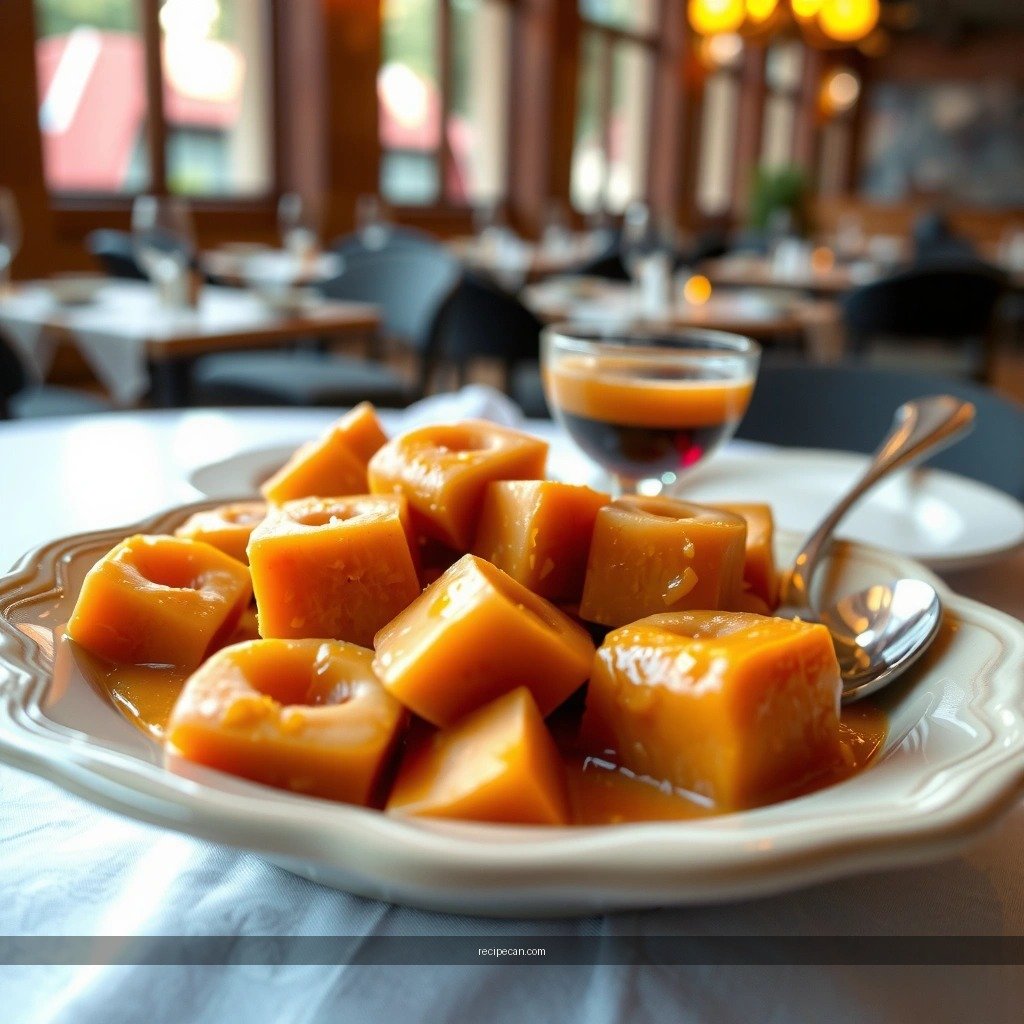
The biggest determinant of texture in old fashioned sweet potato pudding is how thoroughly you mash and how evenly you mix. Lumps don’t just create visible imperfections—they can also cause pockets that bake unevenly (some areas set too fast while others remain undercooked).
1) Mash sweet potatoes thoroughly (no big lumps)
After boiling or baking, mash until smooth. If you want a restaurant-style texture:
– Use a potato masher first, then
– Follow with a ricer or fine-mesh strainer for a truly uniform puree.
2) Mix wet and dry ingredients until smooth
A common mistake is mixing ingredients too vigorously with eggs, which can incorporate excess air and create surface bubbling. Instead:
– Combine mashed sweet potatoes, melted butter, spices, and dairy.
– Stir in eggs gradually, mixing until just homogeneous.
– Aim for “thick and pourable,” not whipped.
Analytical tip: your mixture should hold a slow ribbon when poured. If it’s too thick, add dairy 1–2 tablespoons at a time. If it’s too loose, give the batter a few minutes to hydrate (especially if the potatoes are hot and starchy), or reduce added liquid next time. Avoid drastic adjustments; pudding is sensitive to ratio changes.
Bake Time and Texture Check
Baking old fashioned sweet potato pudding is about reaching set + creaminess. The top should look inviting—lightly browned, not scorched—while the center should have that signature custard wobble.
Use these visual and tactile cues:
– Top: lightly browned, matte-to-satin finish.
– Edges: set and slightly puffed.
– Center: gentle wobble when the dish is nudged (like firm gelatin, not liquid).
If you only watch the clock, you can miss the target because cooking time changes with:
– Sweet potato moisture content
– Dish depth and surface area
– Oven calibration
If you have a thermometer, the center temp can guide you: in custard desserts, you typically want the center to finish in the mid–160°F range for a classic, creamy set. The key is that sweet potato pudding continues to thicken as it cools, so pulling it slightly early often beats leaving it in too long.
Finally, remember the cooling phase is not optional. The pudding “tightens” as starches and egg proteins finish their stabilization. Cutting too soon can make even a perfectly baked pudding feel runny.
Make Ahead, Reheat, and Serve Tips
Old fashioned sweet potato pudding is especially friendly for planning because it holds and flavors develop as it rests.
Make ahead
– Chill after baking for firmer slices with clean edges.
– For the spoonable classic texture, you can also serve it slightly warm after a brief rest. (Cooling isn’t only about safety; it’s about achieving the right mouthfeel.)
Reheat gently
Custard desserts can dry out if overheated. Reheat using:
– Lower oven temperature (around 300°F / 150°C) or
– Short microwave intervals with pauses
If reheating from cold, cover loosely to prevent the top from over-browning. The goal is to warm through without turning creamy custard into a tighter, drier structure.
Serve ideas
Keep it classic:
– Serve with a dusting of cinnamon
– Pair with a light whipped topping or vanilla ice cream
– Add toasted pecans only if you want a more pronounced crunch contrast
Variations You Can Try
Once you understand the core technique, variations are easy—just don’t disturb the custard balance too much.
– Add raisins: Stir in about 1/2 to 3/4 cup raisins for a familiar sweetness and burst of chew. If they’re dry, soak briefly in warm water or warm milk and drain before mixing for better texture.
– Add a touch of vanilla: Use 1–2 teaspoons to round out spice without making the pudding taste “dessert-custard modern.” Vanilla works best when added with the warm spices.
Spice flexibility:
– Swap spices (ginger or allspice): Ginger adds a sharper warmth; allspice leans closer to traditional baked-spice profiles. Start small and let the bake-cooling cycle reveal the final balance.
If you want a more “holiday pie” vibe, consider combining spices carefully rather than adding more of everything. The pudding should taste like sweet potatoes first, spice second, and dairy richness third.
Old fashioned sweet potato pudding is all about tender sweet potatoes, a smooth custard base, and baking until just set. Follow the texture checks, let it cool to thicken, and you’ll get a classic, cozy dessert everyone will ask for again—make it today and share it with family or guests.
Frequently Asked Questions
What is an old fashioned sweet potato pudding recipe and how is it different from sweet potato pie?
An old fashioned sweet potato pudding recipe is typically baked until soft and custardy, often with a thinner filling than a pie and without a pastry crust. It may rely on warm spices, eggs (or another binding ingredient), and milk or cream for a pudding-like texture. Unlike sweet potato pie, the emphasis is usually on a creamy scoopable dessert rather than a slice-and-serve pie consistency.
How do you make old fashioned sweet potato pudding from scratch without lumps?
Start with either steamed or baked sweet potatoes, then mash them thoroughly while they’re still warm to help prevent lumps. For extra smoothness, you can pass the mashed sweet potatoes through a fine sieve or blend them briefly before mixing. Combine the sweet potatoes with melted butter, sugar, spices, and beaten eggs, then bake just until set—overmixing and overbaking can lead to a grainy texture.
Why do my sweet potato pudding turn watery, and how can I fix the texture?
Watery sweet potato pudding usually comes from using sweet potatoes that are too wet or underbaking, so the custard doesn’t fully set. Make sure the sweet potatoes are cooked until tender and drained well, and bake until the center jiggles slightly but doesn’t look liquid. If it still seems loose, letting it cool completely (often 2–3 hours) helps the pudding thicken as it firms up.
Which spices work best in an old fashioned sweet potato pudding recipe?
Classic fall flavors pair especially well with sweet potatoes, including cinnamon, nutmeg, ginger, and sometimes cloves. A common approach is to use cinnamon as the main spice and add nutmeg and ginger for warmth and depth without overpowering the natural sweetness. If you like a more traditional old fashioned taste, consider a small pinch of salt and vanilla to enhance the flavor profile.
What’s the best way to bake and serve old fashioned sweet potato pudding?
Bake in a greased baking dish at a moderate oven temperature (often around 350°F/175°C) until the custard is set and lightly browned on top. Let it cool so the dessert can firm up, then serve warm with whipped cream, vanilla ice cream, or a drizzle of maple syrup. For best results, store leftovers chilled and reheat gently so the sweet potato pudding recipe stays creamy rather than watery.
References
- Google Scholar Google Scholar
https://scholar.google.com/scholar?q=old+fashioned+sweet+potato+pudding+recipe - Google Scholar Google Scholar
https://scholar.google.com/scholar?q=sweet+potato+pudding+casserole+recipe+history - Google Scholar Google Scholar
https://scholar.google.com/scholar?q=sweet+potato+pie+pudding+custard+recipe - Sweet potato pie
https://en.wikipedia.org/wiki/Sweet_potato_pie - Sweet potato
https://en.wikipedia.org/wiki/Sweet_potato - Sweet potato | Plant, Root, Description, Uses, & Facts | Britannica
https://www.britannica.com/plant/sweet-potato - https://pubmed.ncbi.nlm.nih.gov/?term=sweet+potato+cooking+methods+roasting+baking+boiling
https://pubmed.ncbi.nlm.nih.gov/?term=sweet+potato+cooking+methods+roasting+baking+boiling - https://pubmed.ncbi.nlm.nih.gov/?term=sweet+potato+starch+gelatinization+thermal+processing
https://pubmed.ncbi.nlm.nih.gov/?term=sweet+potato+starch+gelatinization+thermal+processing - https://pubmed.ncbi.nlm.nih.gov/?term=sweet+potato+processing+nutrients+and+antioxidants+baking
https://pubmed.ncbi.nlm.nih.gov/?term=sweet+potato+processing+nutrients+and+antioxidants+baking - https://www.sciencedirect.com/search?qs=sweet%20potato%20baking%20composition%20thermal%20processing
https://www.sciencedirect.com/search?qs=sweet%20potato%20baking%20composition%20thermal%20processing