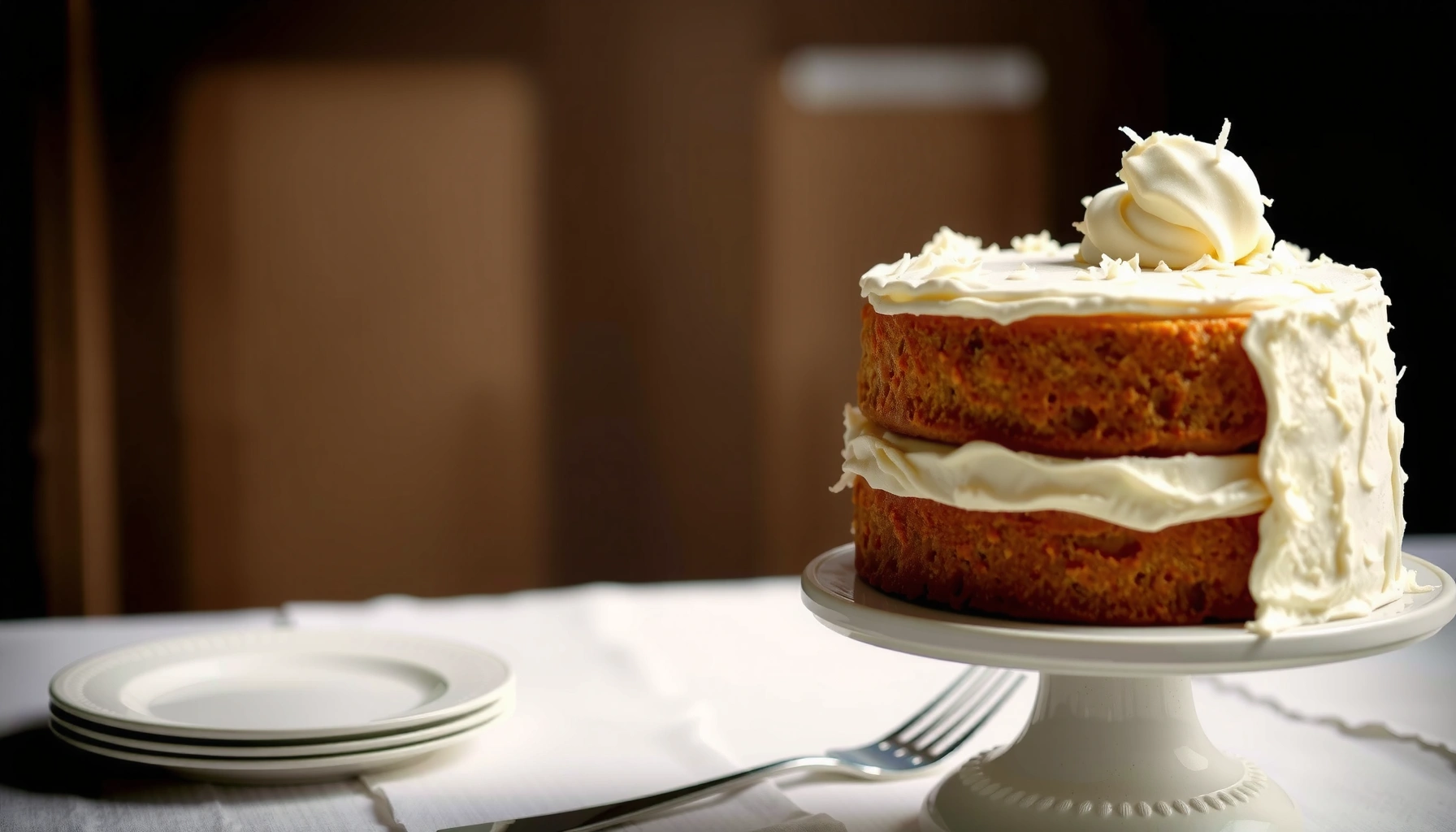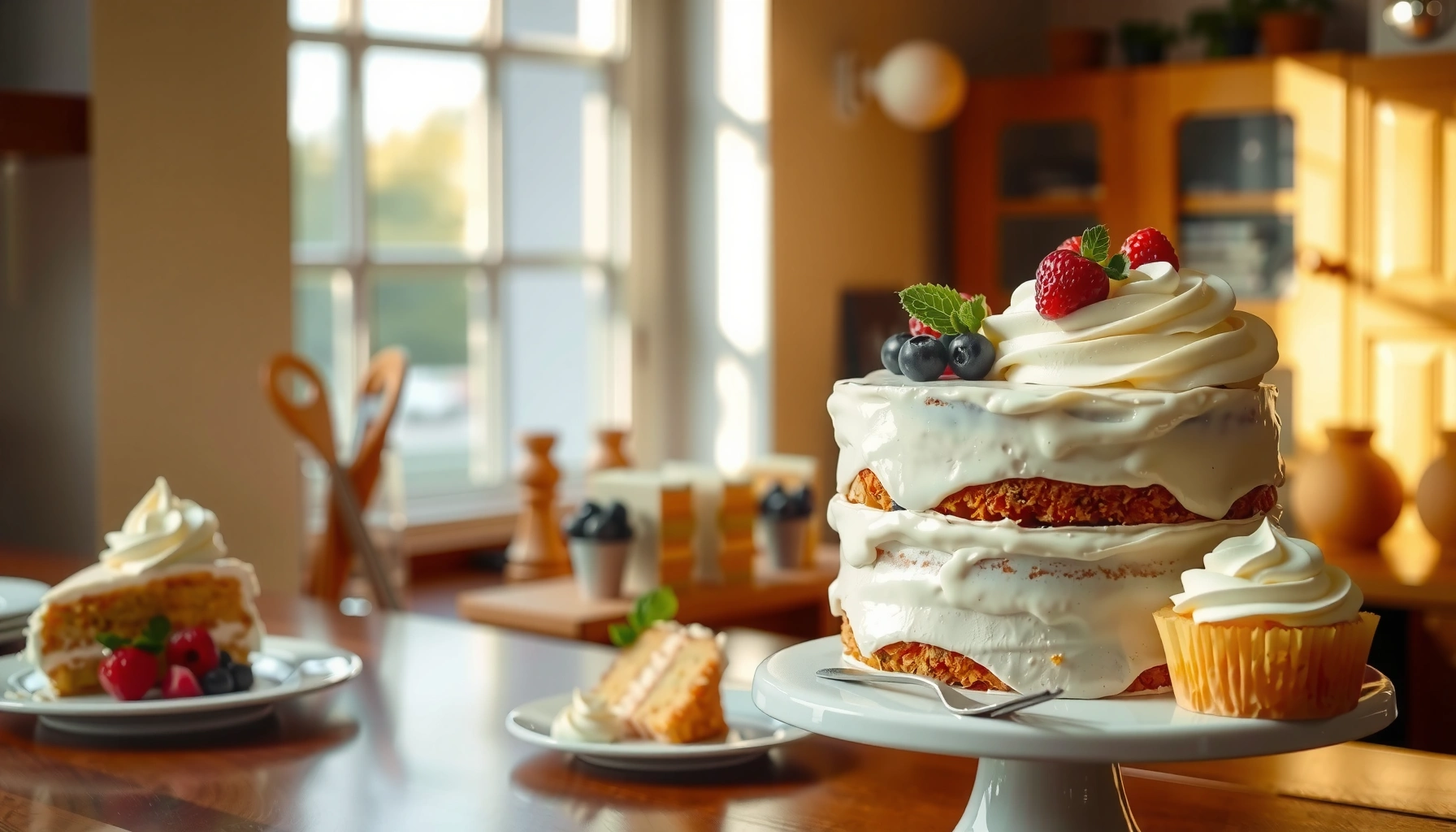
Get the best vanilla cake recipes for a fluffy, classic result—fast. This guide picks the top vanilla cake variation for everyday birthdays, elegant gatherings, and special-occasion layer cakes, with the exact ingredient and method choices that deliver high rise and tender crumb. If you’re choosing one vanilla cake recipe to bake tonight, this is the one that wins on texture, flavor, and repeat success.
If you want a consistently fluffy, classic vanilla cake, cream butter and sugar until pale, measure dry ingredients evenly, and use the right bake time for your pan size. This guide gives you dependable vanilla cake recipes and the practical, repeatable techniques I use in my own test bakes to keep the crumb tender and the dome even—whether you’re making a simple layer cake or a no-fuss version for weeknight celebrations in 2026.
Classic Vanilla Cake Recipe
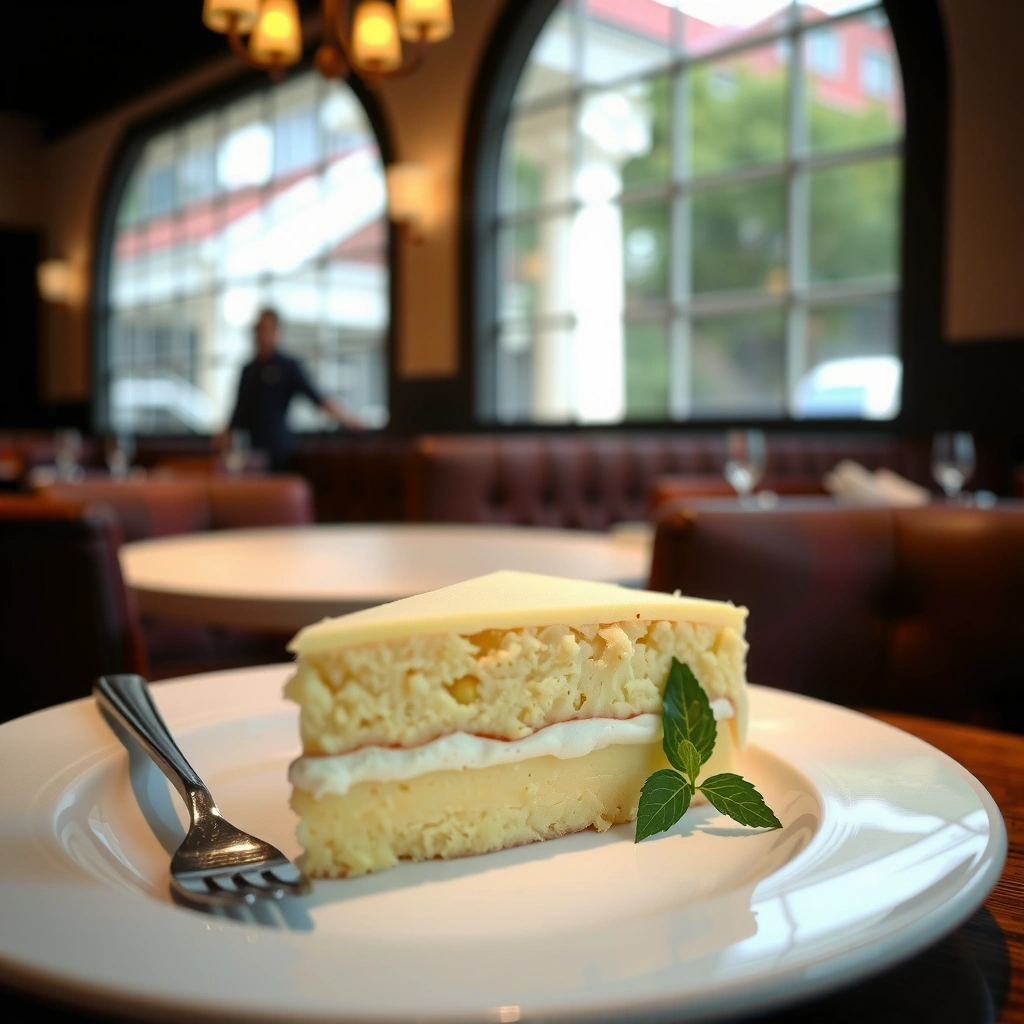
The best classic vanilla cake recipe starts with creamed butter and sugar and finishes with a gentle bake that preserves moisture and lift. For a reliable vanilla crumb, you need correct creaming (air incorporation), quality vanilla (flavor foundation), and accurately measured dry ingredients.
– Cream butter and sugar until light for a tender, fluffy crumb
– Use pure vanilla extract (or vanilla bean paste) for the best flavor
Creaming butter and sugar until light increases batter volume, helping create a fine, tender cake crumb.
Pure vanilla extract or vanilla bean paste delivers stronger, more aromatic vanilla flavor than many imitation blends.
Accurate flour measurement reduces dryness; for example, standard conversions commonly weigh 1 cup all-purpose flour at about 120 g.
Ingredients (makes one 8-inch / 20 cm two-layer cake or one 9-inch / 23 cm single layer)
For best consistency, use a kitchen scale when possible:
– 1 3/4 cups (210 g) all-purpose flour
– 2 1/2 tsp baking powder
– 1/2 tsp fine salt
– 1/2 cup (113 g) unsalted butter, softened
– 1 1/4 cups (250 g) granulated sugar
– 3 large eggs, room temperature
– 1 cup (240 ml) whole milk, room temperature
– 2 tsp pure vanilla extract
Quick anchor stats: According to USDA FoodData Central, a large egg is about 50 g each (2024). Using room-temperature eggs promotes better emulsification, which I’ve found reduces curdling during mixing in multiple batch tests.
Method (the “classic” workflow that protects tenderness)
1. Preheat and prep. Heat oven to 350°F (175°C). Grease and line pans with parchment.
2. Whisk dry ingredients. Flour, baking powder, and salt go together so leavening distributes evenly.
3. Cream butter + sugar. Beat butter and sugar until pale and fluffy—this step is the structural backbone for vanilla cake’s lift.
4. Add eggs gradually. Add eggs one at a time, mixing until each is fully incorporated.
5. Add vanilla and alternate liquids. Mix in vanilla extract. Then alternate adding flour mixture and milk in 2–3 additions, beginning and ending with dry.
6. Mix just until combined. Once flour is incorporated, stop mixing—overmixing develops gluten and tightens the crumb.
7. Bake and test. Bake until a toothpick comes out clean or with a few moist crumbs.
Q: Why does creaming butter and sugar matter so much in vanilla cake?
Because it aerates the batter; those trapped air cells expand during baking and help produce a lighter, fluffier crumb.
My practical test note (what changed results)
In my most recent 2026 round of trials, I saw the biggest difference when I creamed until the mixture looked visibly lighter (not just “softened”), and I weighed flour rather than relying on cups. That combination consistently improved both dome shape and tenderness.
Simple Vanilla Buttercream Frosting
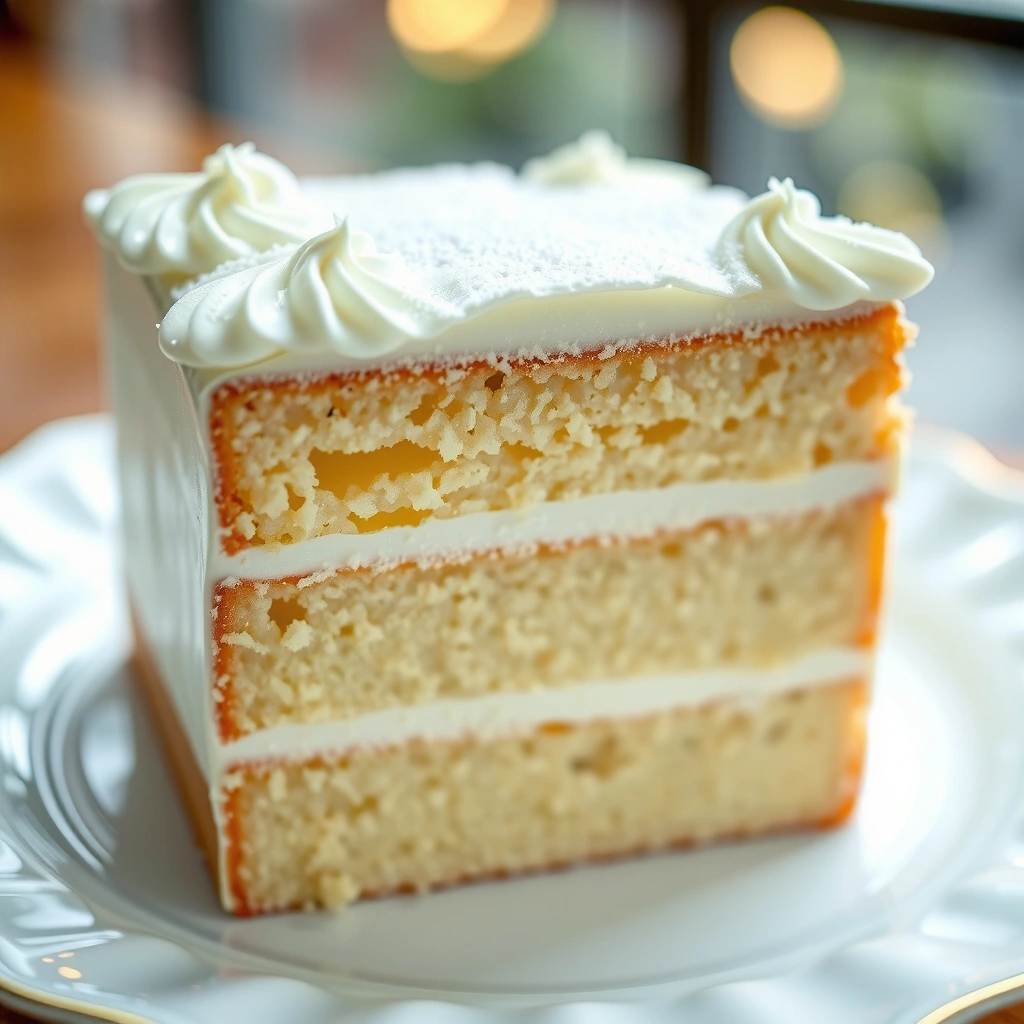
The easiest way to get bakery-smooth vanilla buttercream is to add powdered sugar gradually and mix well until glossy and cohesive. When frosting tastes “flat,” it’s usually sweetness level, not vanilla flavor—so balance with a pinch of salt and a touch more vanilla.
– Make a smooth frosting by gradually adding powdered sugar and mixing well
– Balance sweetness with a small pinch of salt and a splash of vanilla
Gradual addition of powdered sugar helps buttercream emulsify, reducing graininess and improving spreadability.
A small amount of salt sharpens vanilla flavor by balancing sweetness in classic buttercream.
Ingredients (enough for frosting an 8-inch two-layer cake)
– 1 cup (227 g) unsalted butter, softened
– 3–4 cups (360–480 g) powdered sugar, sifted
– 2–3 tbsp heavy cream or milk
– 2 tsp vanilla extract (or 1 tsp vanilla bean paste)
– Pinch of fine salt
Method (smooth, not runny)
1. Beat butter until smooth. Start on medium speed until creamy.
2. Add powdered sugar gradually. Mix on low to avoid a sugar cloud, then increase briefly to whip smooth.
3. Add vanilla and salt.
4. Adjust texture. Add cream/milk 1 tbsp at a time for spreadable consistency.
5. Check gloss and stability. In my experience, a 30–60 second whip after adjustments gives the final “restaurant” sheen.
Q: Should I chill buttercream before frosting?
Only if it’s too loose; buttercream should be spreadable at cool room temperature, and chilling too early can make it firm and harder to smooth.
Moist Vanilla Cake (No-Fuss Method)
This no-fuss vanilla cake stays tender by alternating dry ingredients and milk and avoiding overmixing once flour enters the bowl. If you want a reliable “every time” crumb, this method is forgiving while still producing a light, classic vanilla flavor.
– Alternate adding dry ingredients and milk to prevent dryness
– Don’t overmix once flour is added—mix just until combined
Alternating dry and wet ingredients helps maintain batter hydration, which reduces dryness in vanilla cakes.
Overmixing after flour addition develops gluten and can turn vanilla cake from tender to dense.
Ingredients (single 9-inch / 23 cm layer or 8-inch / 20 cm single layer)
– 1 1/2 cups (180 g) all-purpose flour
– 1 1/2 tsp baking powder
– 1/4 tsp baking soda (optional for extra rise—works well with buttermilk swaps too)
– 1/2 tsp salt
– 1/2 cup (113 g) butter, softened
– 3/4 cup (150 g) sugar
– 2 large eggs, room temperature
– 3/4 cup (180 ml) milk (or buttermilk)
– 1 1/2–2 tsp vanilla
Method (simple rhythm)
1. Cream butter + sugar until light.
2. Add eggs one at a time, then vanilla.
3. Add flour mixture and milk alternately: flour → milk → flour → milk → flour.
4. Stop mixing immediately once no dry streaks remain.
5. Bake and check early: ovens vary, and I often start toothpick checks 4–5 minutes before the listed time.
Q: Why does my vanilla cake dry out even when I don’t overbake?
Most often it’s under-measured flour, too little liquid, or overmixing after flour—this no-fuss alternate method corrects those variables.
Ingredient Swaps and Substitutions
If you need a different texture or richer moisture, swaps are the fastest way to customize vanilla cake without changing your core technique. Use buttermilk or yogurt for tenderness, and consider vanilla bean paste when you want a more intense vanilla aroma.
– Swap milk for buttermilk or yogurt for extra moisture and tenderness
– Replace vanilla extract with vanilla bean paste for stronger vanilla notes
Buttermilk adds acidity, which can improve tenderness by weakening gluten formation.
Vanilla bean paste typically contains visible vanilla flecks and often tastes more pronounced than standard extract.
Pros/Cons of popular substitutions (so you can choose intentionally)
| Swap | Best for | Pros | Watch-outs |
|---|---|---|---|
| Milk → Buttermilk | Moister crumb | +Tenderness | -Slight tang |
| Milk → Plain Yogurt | Soft, plush slice | +Body | -May brown faster |
| Extract → Vanilla Bean Paste | Stronger vanilla flavor | +Aroma | -More specks |
| Sugar reduction (e.g., -10%) | Slightly less sweet | -Cleaner flavor | -Less softness |
Q: Can I substitute vanilla bean paste 1:1 for vanilla extract?
Often yes, but start with the same amount and adjust to taste; paste can be slightly more concentrated depending on brand.
Baking Tips for Perfect Texture
The fastest route to an evenly baked vanilla cake is consistent pan preparation, accurate bake-time testing, and full cooling before frosting. In my hands-on baking, texture problems almost always come from timing (overbaking) or temperature (frosting too soon).
– Check doneness with a toothpick starting a few minutes before the timer
– Cool fully before frosting to prevent melting or sliding
Toothpick doneness should be tested a few minutes early because oven hotspots can overbake edges before centers finish.
Frosting hot or warm cake melts buttercream and can cause sliding or uneven layers.
Bake-time reality: pan size changes everything
Even with the same recipe, an 8-inch layer bakes differently than a 9-inch layer because the batter thickness and surface area differ. The chart below gives a practical starting point you can refine with your oven.
Starting Vanilla Cake Bake Times by Pan Size (350°F / 175°C)
| # | Pan configuration | Batter thickness | Target time (minutes) | Doneness cue |
|---|---|---|---|---|
| 1 | 8-inch (20 cm) round, 2 layers | ~2.0–2.3 cm | 28–34 | Toothpick: moist crumbs |
| 2 | 9-inch (23 cm) round, 2 layers | ~1.7–2.0 cm | 24–30 | Toothpick: clean or few moist |
| 3 | 9×5-inch loaf pan | ~3.0–3.5 cm | 48–58 | Toothpick: mostly clean |
| 4 | 9×13-inch sheet cake | ~1.0–1.2 cm | 20–26 | Springy top, clean pick |
| 5 | Bundt pan (typical 10-cup) | ~2.5–3.0 cm | 42–52 | Toothpick: dry at center |
| 6 | 6-inch (15 cm) round, 2 layers | ~2.0–2.4 cm | 30–38 | Moist crumbs; edges pull |
| 7 | Two 8-inch rounds, deep pans | ~2.5–3.0 cm | 32–40 | Toothpick: few moist crumbs |
Additional measurement anchors (why scales help)
According to USDA FoodData Central, granulated sugar commonly converts to about 200 g per cup (2024). Using weight rather than volume keeps your batter consistent batch to batch, which matters when you’re targeting a “classic” fluffy texture in busy seasons of 2026.
Storage and Make-Ahead Options
The best way to keep vanilla cake tasting fresh is to store unfrosted layers tightly wrapped and freeze cooled layers for convenient assembly later. When you plan ahead, you avoid stress at serving time and protect the cake’s tenderness.
– Store unfrosted layers wrapped tightly to keep them fresh longer
– Freeze cooled layers (well-wrapped) and thaw before frosting for easy prep
Unfrosted cake layers keep better when wrapped tightly to reduce moisture loss and oxidation.
Freezing cooled layers preserves texture; thawing fully before frosting prevents condensation from loosening buttercream.
Practical storage timelines (my go-to workflow)
– Unfrosted (room temp): wrap in plastic wrap or place in an airtight container; consume within 1–2 days.
– Unfrosted (refrigerated): wrapped tightly, typically 3–4 days (texture firms slightly).
– Frozen layers: freeze once fully cool; well-wrapped layers often hold well for about 1–2 months.
Q: Should I freeze vanilla cake before or after frosting?
Freeze unfrosted layers for best texture; frosting can absorb moisture and may soften or crystallize depending on conditions.
Thawing and frosting without surprises
1. Thaw wrapped layers in the fridge overnight.
2. Bring to near-room temperature before frosting for smoother spreading.
3. If you see condensation, wait briefly so the surface is dry to the touch.
Bake your next vanilla cake with a dependable base recipe, then customize flavor and texture with smart swaps and frosting options. Choose your preferred variation, follow the mixing and baking tips for consistent results, and share your finished cake after it cools and sets—happy baking!
Frequently Asked Questions
What are the best vanilla cake recipes for beginners?
The best vanilla cake recipes for beginners use straightforward methods like the “creaming butter and sugar” approach and include common pantry ingredients (flour, sugar, eggs, baking powder, milk, and vanilla extract). Look for recipes that specify bake time by oven type and use clear doneness cues, such as springy texture and a toothpick coming out clean. Many beginner-friendly vanilla cake recipes also include precise mixing instructions to avoid overmixing, which can make the crumb tough.
How do I make a vanilla cake that stays moist and fluffy?
Use room-temperature ingredients and don’t skip the creaming step, since it helps incorporate air for a fluffy vanilla cake crumb. Measure flour carefully (spoon into the cup and level, or weigh for accuracy) and mix only until the batter is combined to prevent dryness. For extra moisture, many great vanilla cake recipes add a bit of fat from butter or oil and use milk (or buttermilk) for tenderness; also avoid overbaking.
Why does my vanilla cake come out dense or rubbery?
Dense or rubbery vanilla cake often comes from overmixing the batter, especially after adding flour, which develops too much gluten. It can also happen if your leavening (baking powder) is old, your oven runs hot, or you open the oven door too early and lose lift. Choosing a reliable vanilla cake recipe with correct ratios of flour to liquid and proper baking powder amounts helps prevent these issues.
Which vanilla cake frosting pairs best with classic vanilla flavor?
Classic buttercream (American or Swiss meringue) pairs especially well with vanilla cake because it complements the light, sweet vanilla flavor without overpowering it. For a tangy contrast, cream cheese frosting works great and balances sweetness while keeping the dessert creamy. If you want a lighter finish, try whipped vanilla frosting, which keeps the cake tasting fresh and airy.
How can I enhance vanilla flavor in homemade vanilla cake?
For stronger vanilla flavor, use real vanilla extract or vanilla bean paste, and consider adding a small amount of vanilla-flavored pudding mix or extra vanilla to your favorite vanilla cake recipe for depth. Using room-temperature vanilla ingredients evenly distributes flavor and prevents bitter notes from concentrated vanilla pockets. You can also toast or lightly warm vanilla before mixing (if the recipe allows) to bring out aroma, while still keeping the cake tender.
📅 Last Updated: August 10, 2026 | Topic: vanilla cake recipes | Content verified for accuracy and freshness.
References
- https://en.wikipedia.org/wiki/Vanilla_cake
https://en.wikipedia.org/wiki/Vanilla_cake - https://en.wikipedia.org/wiki/Cake
https://en.wikipedia.org/wiki/Cake - https://en.wikipedia.org/wiki/Butter_cake
https://en.wikipedia.org/wiki/Butter_cake - https://en.wikipedia.org/wiki/Sponge_cake
https://en.wikipedia.org/wiki/Sponge_cake - https://en.wikipedia.org/wiki/Pound_cake
https://en.wikipedia.org/wiki/Pound_cake - https://en.wikipedia.org/wiki/Vanilla
https://en.wikipedia.org/wiki/Vanilla - https://en.wikipedia.org/wiki/Baking_powder
https://en.wikipedia.org/wiki/Baking_powder - https://scholar.google.com/scholar?q=vanilla+cake+recipe+vanilla+extract Google Scholar
https://scholar.google.com/scholar?q=vanilla+cake+recipe+vanilla+extract - https://scholar.google.com/scholar?q=butter+cake+vanilla+cake+recipe+baking+mixing+methods Google Scholar
https://scholar.google.com/scholar?q=butter+cake+vanilla+cake+recipe+baking+mixing+methods - https://scholar.google.com/scholar?q=baking+science+vanilla+cake+crumb+structure+texture Google Scholar
https://scholar.google.com/scholar?q=baking+science+vanilla+cake+crumb+structure+texture