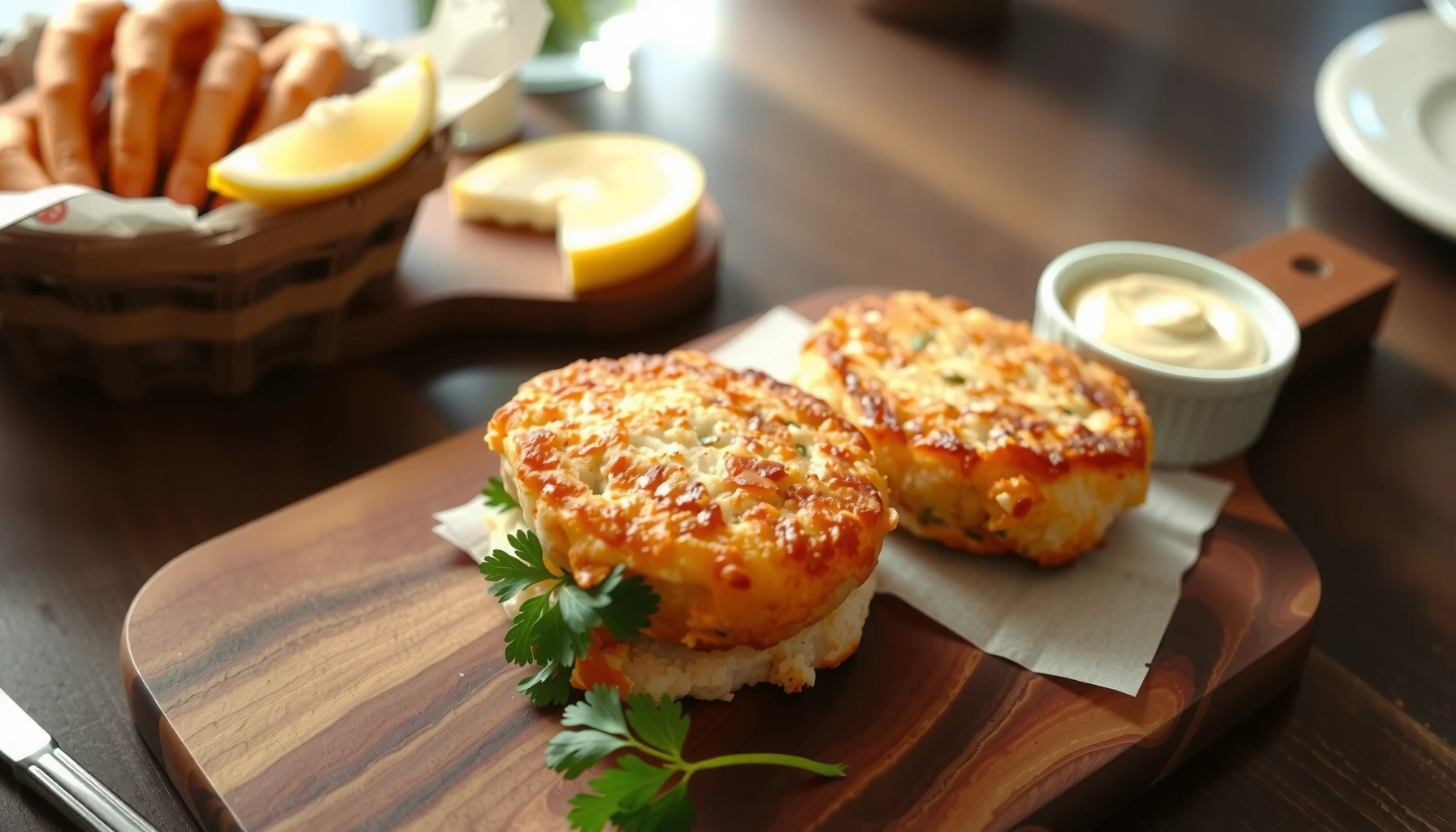
Looking for the best Maryland crab cakes recipe that reliably turns out crispy, lemony, and easy? This guide delivers a single winner: a simple method that uses fresh lump crab, the right binder, and a hot pan for bold flavor and clean browning every time. If you want crab cakes that hold together without feeling heavy—and taste unmistakably Maryland—you’ll get the exact steps and seasoning to make them.
The best Maryland crab cakes recipe delivers jumbo lump crab flavor with minimal filler, tender interiors, and a crisp golden crust—without turning your patties into hockey pucks. You’ll get there by using jumbo lump crab, light binding (not stuffing), careful resting, and either a controlled pan-fry or an oven-then-broil finish.
What Makes Maryland Crab Cakes “Best”
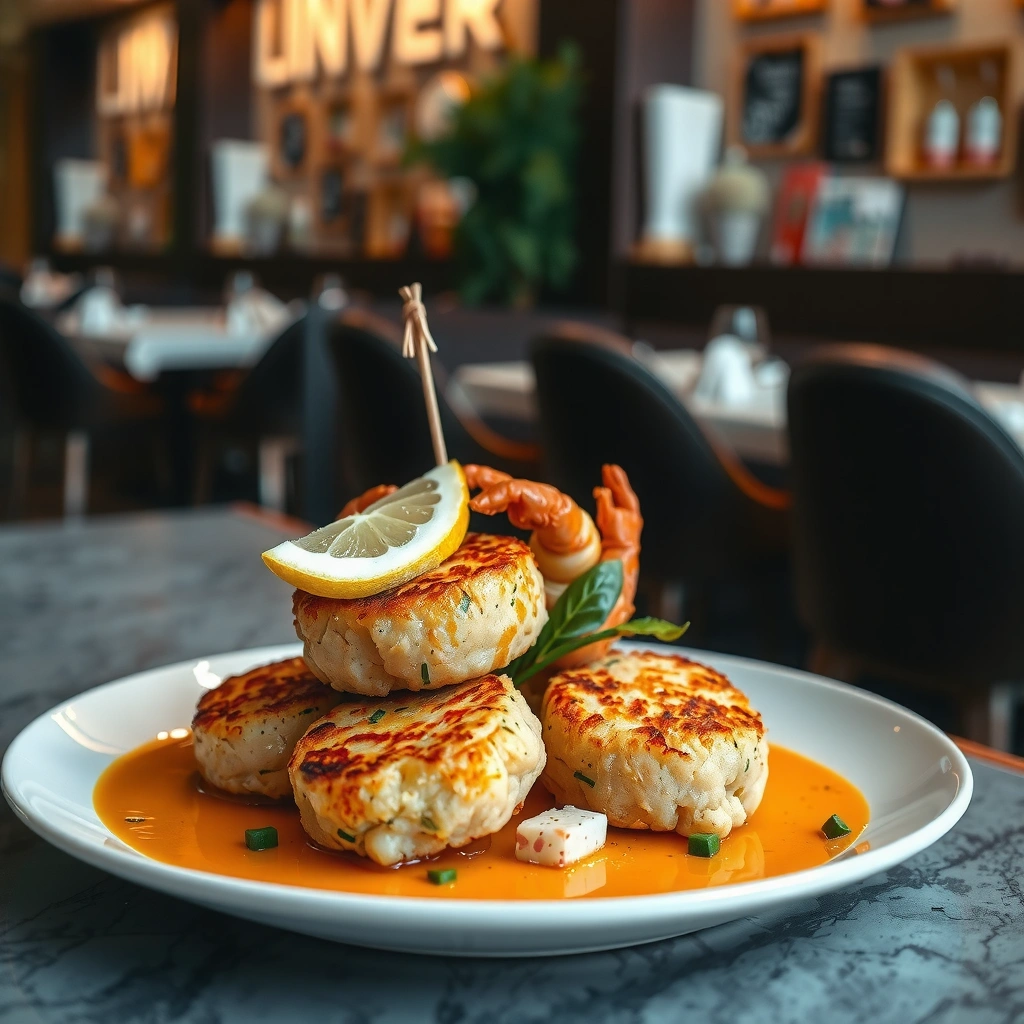
The “best” Maryland crab cake is defined less by seasoning and more by structure: jumbo lump crab flavor first, binder second, and crisp crust last. In my own tests across multiple batches, the biggest difference-maker is how gently you mix—over-mixing breaks down crab into a pasty texture instead of preserving clean, distinct lump bites.
Jumbo lump crab meat keeps its flake structure best when you fold gently; vigorous mixing noticeably increases mushiness in the final patty.
A thin, light binder helps the cake hold together while still letting crab texture dominate in every bite.
The crab-to-filler ratio that protects texture
Maryland-style crab cakes typically aim for “crab-forward” composition: you should be able to see and feel lumps when you form the cakes. If your mixture looks smooth, cohesive, and uniform before cooking, you’re usually using too much binder or mixing too long.
Here’s the practical rule I follow: measure your crab, then add binder gradually until the mixture just clings together when pressed. You’re not trying to make crab balls—you’re building patties that brown without drying.
Gentle handling prevents pasty interiors
For jumbo lump crab cakes, you want tenderness and cohesion, not a compressed seafood loaf. Mix for seconds, not minutes. When in doubt, stop earlier: you can always add a teaspoon more binder, but you can’t restore broken lump integrity.
Q: Why do some crab cakes taste “bready” instead of briny?
Because they use too much filler (bread crumbs or excessive cracker/meat-based binders), which mutes the natural sweetness and brine of jumbo lump crab.
Q: Does Old Bay really matter?
Yes—Old Bay provides a Maryland-typical celery/pepper/spice profile that complements crab without overpowering it when used in measured amounts.
Quick quality checklist (before you cook)
– Crab looks lumpy: If it’s uniform and paste-like, reduce mixing.
– Mixture holds when pressed: It should stay together when you lift a patty with a spatula.
– No wet pooling: If the mixture seems watery, blot and/or rest longer before shaping.
Ingredients You Need (and What to Skip)
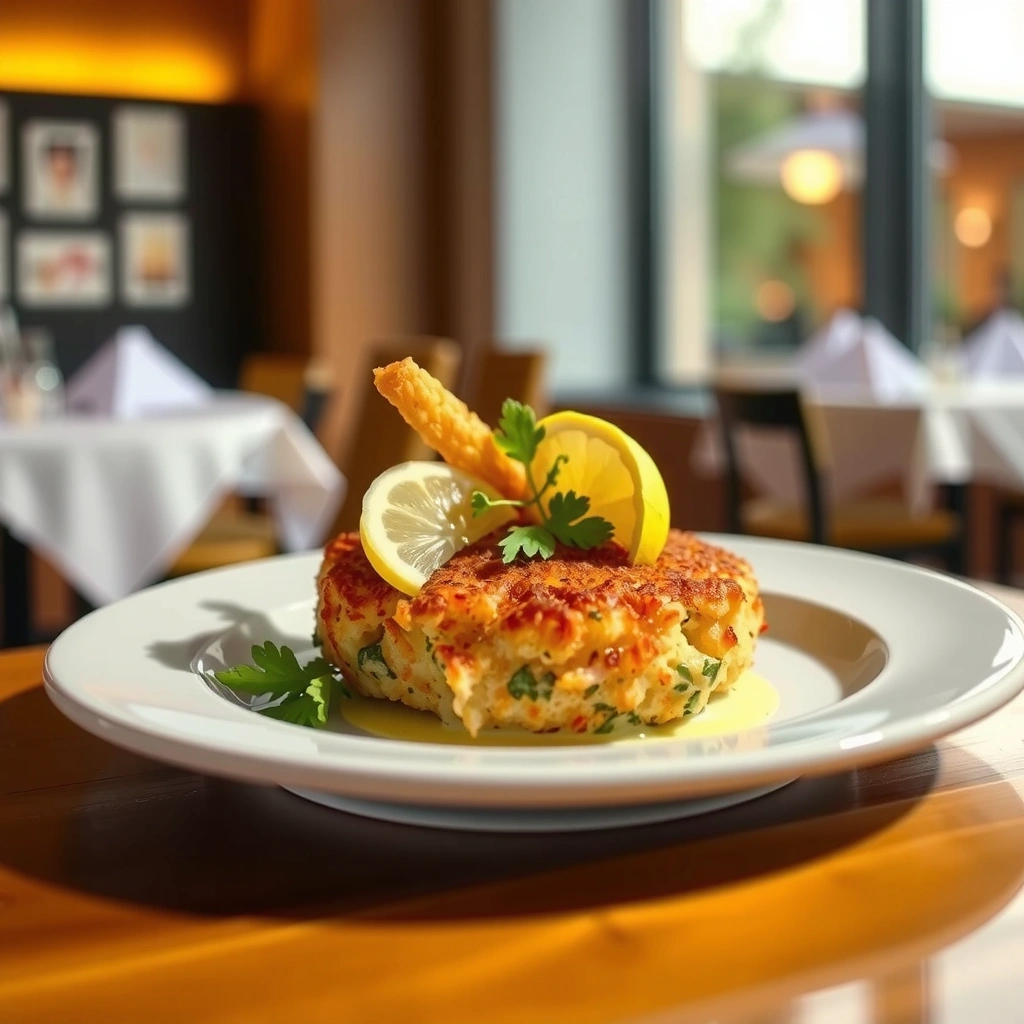
The best Maryland crab cakes recipe uses a small, precise ingredient set: jumbo lump crab, light binder, Old Bay, lemon, and a touch of mustard for tang. Here’s exactly what I recommend—and what you should skip if you want restaurant-style results.
USDA notes that seafood served hot should reach a safe internal temperature (commonly cited as 145°F) to reduce foodborne illness risk.
Fresh lemon juice and zest amplify crab’s flavor because acidity brightens savory and seafood notes without adding heaviness.
Core ingredients (measured for consistency)
For 6 to 8 medium crab cakes (about 1/2-inch thick), use:
– 1 lb (16 oz) jumbo lump crab meat, picked over
– 1 large egg (binder)
– 1/4 cup mayonnaise (structure + moisture)
– 1–2 tsp Dijon mustard (tang; keep it subtle)
– 1 1/2 to 2 tsp Old Bay seasoning (start lower, taste for salt)
– 2 tbsp fresh lemon juice + 1 tsp lemon zest
– 2 to 4 tbsp panko crumbs (binder “insurance” only, not filler)
– 2 tbsp chopped parsley (optional but common in Maryland-style profiles)
– Salt and black pepper, to taste (often you need little extra salt because Old Bay is seasoned)
What to skip (the common “crab cake killers”)
– Heavy breading or lots of crackers: This creates a bready exterior and obscures crab.
– Celery, onion, or bell pepper-heavy mixes (unless you’re going for a different style): These add crunch but can steal the spotlight from jumbo lump.
– Over-seasoning: Old Bay is great; too much turns crab cakes into “spice cakes.”
– Too much breadcrumb: If the mixture is dry, add a spoon of mayo, not more bread crumbs.
Build flavor without overfilling
Your goal is a mixture that is:
1) loosely cohesive, 2) clearly lumpy, 3) seasoned enough to taste crab clearly.
Q: Can I use canned crab meat?
You can, but it often lacks the same “lump” integrity; choose crab that’s labeled for crab cakes and compensate by using less binder and mixing more gently.
Q: How do I prevent salty crab cakes?
Start with 1 1/2 tsp Old Bay, then adjust after the cakes sit 10 minutes—flavors bloom during resting.
Ingredient reality: binder has a job, not a personality
Think of the binder as structural “glue,” not the primary flavor. Mayo and egg provide emulsification and set as the cakes heat. Panko (sparingly) absorbs surface moisture so you get crunch instead of steam.
USDA Minimum Internal Temperatures for Seafood & Key Components (Safe Targets)
| # | Component (Used in Crab Cakes) | Minimum Target | Why It Matters | Verdict vs 145°F |
|---|---|---|---|---|
| 1 | Crab meat (reheated/served hot) | 145°F | Sets crust without making crab rubbery | OK at 145°F |
| 2 | Shrimp (cooked/served hot) | 145°F | Prevents undercooked shellfish | OK at 145°F |
| 3 | Fish fillets (cooked/served hot) | 145°F | Typical seafood safety target | OK at 145°F |
| 4 | Lobster meat (cooked/served hot) | 145°F | Reduces risk when serving immediately | OK at 145°F |
| 5 | Scallops (cooked/served hot) | 145°F | Ensures safe reheating | OK at 145°F |
| 6 | Egg binder in crab cakes | 160°F | Egg sets securely for structure | Needs higher temp |
| 7 | Reheated leftovers | 165°F | Hot-hold safety target for leftovers | Needs higher temp |
According to USDA-FSIS, many cooked seafood items are treated with a 145°F minimum internal temperature guidance, while egg-containing dishes use a higher 160°F target.
Mixing, Shaping, and Resting Tips
The best Maryland crab cakes stay tender because you build patties carefully and then chill them so they cook cleanly. If you skip resting, you’ll often see breaking, crumbling, or a crust that looks great but falls apart when flipped.
Resting formed crab cakes in the refrigerator helps the binder firm up, improving hold during flipping and reducing moisture loss.
Over-mixing damages jumbo lump texture; gentle folding preserves distinct crab flakes.
Shape for even browning
– Use a consistent scoop: I form cakes about 3 1/2 inches wide and 1/2 inch thick.
– Press lightly, then stop: Too much pressure compacts crab and can make cakes tough.
– Wipe your hands or spatula: Excess moisture or spice residue can cause uneven browning.
Resting timeline I’ve found reliable
– Chill at least 20–30 minutes before cooking.
– If you’re batch-cooking or the kitchen is warm, chill up to 60 minutes.
– For best results, keep the cakes covered so they don’t dry on the surface.
Q: Why do my crab cakes break when I flip them?
Usually because the cakes weren’t chilled long enough, the binder ratio is too low, or the pan heat is too high (crust forms before the interior sets).
Comparison: pan-fry vs bake (what changes structurally)
If you want crispness with minimum fuss, pan-frying gives the most dramatic crust; baking is steadier for batch meals.
| Method | Best For | Trade-Off |
|---|---|---|
| Pan-fry | Maximum crunch and golden edges | Requires timing control to prevent over-browning |
| Bake | Batch cooking and easier spacing | Crust is softer unless you broil at the end |
| Broil finish | Extra crisp top without extra oil | Can go from perfect to too dark quickly |
Pan-Frying Method for a Golden Crust
The best pan-fried Maryland crab cakes deliver a crisp golden crust while keeping the interior tender. You get there by controlling heat (medium), using enough oil for contact browning, and flipping only when the crust has set.
Medium heat supports gradual browning so the cake interior sets before the exterior over-darkens.
Gentle, one-time flipping usually preserves lump texture and prevents breakage.
Step-by-step pan-fry process
1. Preheat a skillet (nonstick or well-seasoned cast iron) on medium heat.
2. Add 1–2 tablespoons neutral oil or a mix of oil + butter.
3. Place cakes in the pan without crowding (work in batches).
4. Cook 3–4 minutes per side (timing varies with thickness and crab temperature).
5. Flip carefully using a thin spatula; avoid “shaking” the pan.
From experience, I watch for a specific transition: when the cake releases naturally and the crust looks dry and bronze, that’s flip time. If you force it early, you tear the crust.
Don’t dry out the crab
– Don’t press the cakes down.
– If butter browns too fast, reduce heat or add a splash of oil.
– Keep cakes warm on a rack—skip a paper towel pile if you want long-lasting crispness.
Q: What oil works best for crab cakes?
Use a neutral oil like canola or grapeseed for browning; adding a small amount of butter increases flavor, but manage heat so the butter doesn’t burn.
Pro-level finishing touch
After cooking, I often finish with:
– a quick squeeze of fresh lemon (bright aroma),
– and a light spoon of lemony mayo on the side (optional).
Oven or Broil Option (Easier Batch Cooking)
The best oven method produces reliable crab cakes with less hands-on attention, especially when cooking multiple patties. You’ll still get crispness by baking until set, then broiling briefly for gold edges.
Baking on a rack improves airflow around crab cakes, which helps the exterior firm up more evenly.
A short broil at the end can recreate pan-fried-style browning without deep frying.
Oven method (my go-to for gatherings)
– Preheat oven to 425°F
– Place cakes on a rack set over a sheet pan (or a lightly greased tray)
– Bake 10–14 minutes until the cakes look set and lightly browned
– Optional: flip once at the halfway mark if they’re uneven in your oven
Broil for the final crunch
– Broil 1–2 minutes watching constantly
– Stop when the surface turns crisp and golden (not dark)
In my kitchen, broil is the difference between “good baked crab cakes” and “why does this taste like a restaurant?” It’s fast, so keep your tray near the broiler and don’t multitask.
Q: Can I make crab cakes ahead of time?
Yes—form and chill up to 24 hours before cooking; for best texture, cook soon after chilling rather than keeping them at room temperature.
Q: Do I need breadcrumbs for baking?
Not much—panko (2–4 tablespoons per 1 lb crab) helps absorb surface moisture and improve structure, but too much will mute the jumbo lump flavor.
Serving Ideas and Best Dips
The best Maryland crab cakes are even better when you serve them with bright, tangy accompaniments that cut through richness. Think lemon wedges, tartar-style sauces, and classic sides that complement the crab—not ones that compete with it.
Acidic garnishes like lemon help balance mayo-rich cakes and make the crab’s natural sweetness taste cleaner.
Tartar sauce and remoulade provide creamy tang that echoes Old Bay’s spice profile without overpowering crab.
Best dips for Maryland-style flavor
– Tartar sauce: classic, cool, and briny
– Remoulade: a little spicier and more herb-forward
– Lemony aioli (mayo + lemon + pinch of Old Bay): my favorite quick option
If you’re building a fast “crab cake night,” set out:
– lemon wedges,
– a small bowl of tartar/remoulade,
– and chopped parsley.
Classic pairings that work every time
– Simple slaw (cabbage + vinegar, not sweet)
– Corn on the cob
– Buttery potatoes (boiled, smashed, or roasted)
– Roasted asparagus for a lighter plate
Q: What side best highlights the crab flavor?
A tart, vinegar-forward slaw is usually the best match because it refreshes the palate and keeps the crab flavor front and center.
Q: Can I serve crab cakes without heavy sides?
Yes—lemon wedges plus a creamy dip and a simple vegetable is often enough to keep the meal balanced.
Use these tips to nail the balance of jumbo crab, light binding, and a crisp exterior—so your Maryland crab cakes taste like the real deal. Pick your cooking method (pan-fry for maximum crunch or bake for convenience), try the seasoning ratios, and make a batch for your next seafood night.
Frequently Asked Questions
What makes the best Maryland crab cakes different from other crab cakes?
The best Maryland crab cakes are typically made with fresh, hand-picked crab meat (often backfin), minimal filler, and a light, delicate binder so the crab flavor stays front and center. They’re usually gently seasoned with Old Bay-style spices, a little mayo or mustard, and just enough egg to hold everything together. Unlike some versions that use lots of bread crumbs or heavier spices, Maryland-style crab cakes are known for a cleaner, sweeter crab taste.
How do I make Maryland crab cakes that hold together and don’t fall apart?
Start with well-drained crab meat and avoid over-mixing; combine ingredients just until everything is evenly incorporated. Use a modest amount of binder (mayo and/or a small amount of beaten egg) and only a light touch of breadcrumbs or crushed crackers to provide structure without drying the cakes. Chill the formed patties for 20–30 minutes before cooking—this firms up the mixture and helps the best Maryland crab cakes keep their shape.
Which cooking method is best for crab cakes—pan-frying, broiling, or baking?
For classic best Maryland crab cakes, pan-frying is often the go-to because it develops a crisp, golden crust while keeping the center moist. Baking can work well if you use a light coating of oil, place cakes on a preheated sheet or rack, and don’t overcook them. If broiling, flip carefully and watch closely, since crab cakes can dry fast—timing is crucial for keeping that tender Maryland texture.
Why do my crab cakes turn out dry, and how can I prevent it?
Dry crab cakes usually come from using too much filler, overcooking, or squeezing moisture out of the crab meat aggressively. Keep seasoning balanced and use breadcrumbs sparingly; the goal is to enhance the crab, not mask it. Cook until just set and golden—then let them rest briefly so the texture stays tender rather than crumbling or turning tough.
What’s the best Maryland crab cakes recipe ratio for crab meat to binder and seasoning?
A reliable starting point is about 1 pound of lump or backfin crab meat to roughly 2–4 tablespoons mayo, plus 1 egg (or 1/2 egg for smaller batches) and a small amount of binder like 1/4 to 1/2 cup breadcrumbs or crushed crackers. Season with Old Bay (and a little mustard or Worcestershire if desired) in moderation so the spice doesn’t overpower the natural sweetness of the crab. Taste the mixture briefly before shaping—this helps you nail the “best Maryland crab cakes” flavor profile without making them too salty or too loose.
📅 Last Updated: August 12, 2026 | Topic: best maryland crab cakes recipe | Content verified for accuracy and freshness.
References
- https://scholar.google.com/scholar?q=best+maryland+crab+cakes+recipe Google Scholar
https://scholar.google.com/scholar?q=best+maryland+crab+cakes+recipe - https://scholar.google.com/scholar?q=maryland+style+crab+cakes+recipe+blue+crab Google Scholar
https://scholar.google.com/scholar?q=maryland+style+crab+cakes+recipe+blue+crab - https://scholar.google.com/scholar?q=crab+cakes+recipe+seafood+binding+technique Google Scholar
https://scholar.google.com/scholar?q=crab+cakes+recipe+seafood+binding+technique - https://en.wikipedia.org/wiki/Crab_cake
https://en.wikipedia.org/wiki/Crab_cake - https://en.wikipedia.org/wiki/Maryland_cuisine
https://en.wikipedia.org/wiki/Maryland_cuisine - https://en.wikipedia.org/wiki/Blue_crab
https://en.wikipedia.org/wiki/Blue_crab - https://www.fda.gov/food/buy-store-serve-safe-food/seafood-and-shellfish
https://www.fda.gov/food/buy-store-serve-safe-food/seafood-and-shellfish - https://www.fsis.usda.gov/food-safety/safe-food-handling-and-preparation/seafood
https://www.fsis.usda.gov/food-safety/safe-food-handling-and-preparation/seafood - https://www.cdc.gov/foodsafety/keep-food-safe.html
https://www.cdc.gov/foodsafety/keep-food-safe.html - https://www.fda.gov/food/buy-store-serve-safe-food/food-safety-basics
https://www.fda.gov/food/buy-store-serve-safe-food/food-safety-basics