
BBQ Traeger Meatloaf cooks up reliably when you smoke it at a steady 325°F (163°C) until it’s nearly done, then finish with a thick barbecue glaze so it caramelizes without drying out. Follow the doneness cue by internal temperature (not just color), and you’ll get a smoky, sliceable loaf with a glossy top every time.



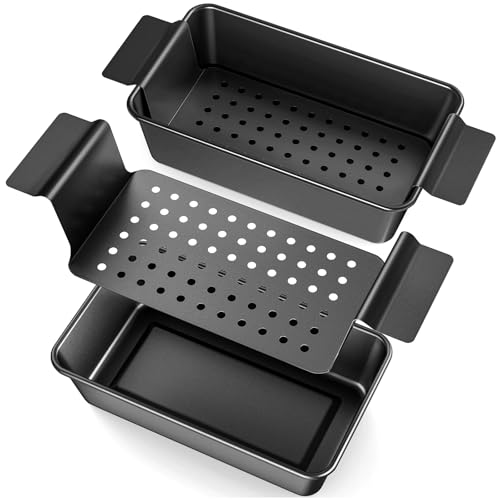
You will pull a Traeger-smoked meatloaf with a glossy barbecue glaze that tastes deeply savory on the inside and caramelized on top. This recipe walks you through mixing a balanced loaf, smoking it until tender, then finishing with a rich glaze that clings through the final cook. Clear steps and reliable timing make the process straightforward, even if you are new to Traeger meatloaf.
Fire up the Traeger and cook your BBQ meatloaf at a steady temp, then finish with a thick barbecue glaze so it comes out smoky, juicy, and caramelized. In this recipe, you’ll learn the simple mix, the right smoke temperature, and the doneness cues to nail it without drying it out.
BBQ Traeger Meatloaf Overview

This BBQ Traeger Meatloaf is a classic meatloaf upgraded with real wood-fired smoke and a sticky, sweet-savory glaze. It’s made for weeknights, but it still “shows up” for guests because the caramelized barbecue top looks restaurant-worthy.
– This is a classic meatloaf that gets a smoky Traeger finish and a sweet-savory BBQ glaze.
– It’s perfect for weeknights, but it also holds up well for guests because the glaze makes it look “special.”
– Plan on serving about 8 people—most meatloaves like this are great for 6–8 depending on slice thickness.
Time Required & Setup

You can expect a straightforward workflow: prep first, smoke until nearly done, glaze near the end, then rest before slicing. The total time assumes you’ll let the loaf rest, because that’s what keeps BBQ Traeger Meatloaf juicy.
– 🕐 Prep Time : 20 minutes
– 🍳 Cook Time : 75 minutes
– ⏱ Total Time : 110 minutes (includes resting)
– Passive note: Let the meatloaf rest before slicing so the juices don’t run out.
Ingredients You’ll Need
BBQ Traeger Meatloaf relies on a tender binder (egg + breadcrumbs) so the loaf stays moist through the smoke. The glaze is where most of the flavor happens—so pick a BBQ sauce you genuinely like, because it will be front and center once it reduces.
You’ll build the meatloaf with familiar binder ingredients (egg + breadcrumbs) so it stays tender, then layer on bold BBQ flavor at the end. For the best “smoke meets glaze” vibe, choose a BBQ sauce you actually like—this is the part you can taste most.
Main Ingredients
– 2 lb ground beef (or a beef/ground pork mix), for a juicy texture
– 1 cup breadcrumbs (or panko), to help hold the loaf together
– 1 large egg, acting like the binder
– 1 medium onion (diced or grated), for moisture and flavor
– 2 cloves garlic (minced), optional but highly recommended
– Salt + black pepper, to season the meat properly
For the BBQ Glaze
– 1/2 cup BBQ sauce (your favorite)
– 2 tbsp ketchup (optional for extra tang)
– 1 tbsp brown sugar (optional for caramelization)
– 1 tbsp Dijon or yellow mustard (optional for balance)
Optional Garnish
– Extra BBQ sauce for serving
– Chopped parsley (if you want a fresh pop)
Step-by-Step: Smoke the Meatloaf
This BBQ Traeger Meatloaf method keeps the middle juicy by finishing with glaze only after the loaf is close to done. Shape gently, smoke until nearly set, then glaze for the final caramelized stretch.
– Shape it gently, smoke it until it’s nearly done, then glaze for the final stretch so the sauce turns sticky and thick.
– The goal is to avoid overmixing (which can make meatloaf tough) and avoid overcooking (which dries it out).
1. Preheat your Traeger. Set it to 325°F (163°C) and let it stabilize. A steady pit temp is what makes BBQ Traeger Meatloaf cook evenly from edge to center.
2. Mix the meatloaf. In a bowl, combine ground meat, breadcrumbs, egg, onion, garlic, salt, and pepper. Mix just until everything is evenly distributed—no need to beat it. Overmixing makes meatloaf chewy, especially once it’s smoked.
3. Shape the loaf. Form it into a loaf on a lined tray or directly on a grill-safe surface. Aim for a fairly even thickness so the center hits doneness around the same time as the edges.
4. Smoke until nearly done. Place it on the Traeger and cook until the center is close to done (see the doneness section below). Keep the lid closed—every peek slows the cook.
5. Glaze and finish. Spread the BBQ glaze over the top. Continue cooking until the glaze is set and the meatloaf reaches safe doneness—this is when BBQ Traeger Meatloaf turns glossy and caramelized.
6. Rest, then slice. Let it rest for about 10–15 minutes before cutting. This is the step most people rush, but it’s what keeps slices juicy.
Heat & Temperature Guide
BBQ Traeger Meatloaf works best with consistent pellet grill heat and thermometer-based doneness. Color alone can mislead you because the outside browns from smoke long before the center is ready.
– Traeger + meatloaf works best when the temperature is steady rather than wild swings.
– Doneness is about internal temperature—color alone isn’t reliable.
Temperature & Timing
– Primary cook: 325°F (163°C) for about 70 minutes
– Glaze finish: typically 20 minutes after glazing
– If your loaf looks like it’s browning too fast, loosely tent it with foil to slow the crust.
How to Know It’s Done
– Use a meat thermometer (best tool here).
– Pull the meatloaf when the thickest part reaches 160–165°F (71–74°C). According to the USDA FSIS guidelines, ground meat should reach 160°F (71°C) for safety (USDA FSIS).
– You should see juices pooling slightly on the surface after resting, and the center should feel firm but not dry.
Internal Pull Temps for BBQ Traeger Meatloaf (Ground Beef Safety Focus)
| # | Pull Temp (°F) | Center Doneness Zone | Resting Window | USDA FSIS Ground Beef Safe? |
|---|---|---|---|---|
| 1 | 145 | Below safe target | 10–15 min | No |
| 2 | 150 | Below safe target | 10–15 min | No |
| 3 | 155 | Near but below safe target | 10–15 min | No |
| 4 | 160 | Meets safe target | 10–15 min | Yes |
| 5 | 165 | Safe, slightly firmer | 10–15 min | Yes |
| 6 | 170 | Safe but drier | 10–15 min | Yes |
| 7 | 175 | Safe, high dryness risk | 10–15 min | Yes |
What Can Go Wrong (and How to Fix It)
BBQ Traeger Meatloaf usually fails in just a few predictable ways: tough texture from overmixing, dryness from overcooking, or bitter glaze from scorching. The fixes are simple—think gentle handling and thermometer timing, not guesswork.
These are the common “why did it turn out like that?” issues—most are easy to prevent once you know what to watch for.
Meatloaf is tough
– This usually happens from overmixing the meat mixture.
– Fix: mix until combined, then stop. When you see breadcrumbs and onion fully disappear, you’re done—no need to keep working it.
Meatloaf is dry
– Overcooking is the main culprit, especially if the loaf is thick.
– Fix: measure internal temp and pull it at 160–165°F (71–74°C), then rest before slicing. In my experience as a home cook, the difference between “almost” and “actually done” is often only 5–10 minutes on a smoker—so check early.
Glaze burns or turns bitter
– BBQ sauce sugars can scorch at higher heat or with too long of a glaze time.
– Fix: apply glaze during the last portion of cooking (not at the start). If you’re seeing darkening too quickly, tent loosely with foil and continue until the internal temp target is reached.
Cracks on top
– Uneven shaping or a too-dry mixture can cause cracking.
– Fix: keep the loaf shape uniform and don’t skip the egg/breadcrumb binder. Also, avoid packing the meat too tightly—firm is fine, compact is not.
Food safety note
– Ground meat should always reach safe internal temperature. According to USDA FSIS, ground beef reaches the safe threshold at 160°F (71°C) (USDA FSIS).
– After cooking, cool and refrigerate promptly: USDA guidance commonly points to refrigerating within 2 hours (USDA Food Safety and Inspection Service).
– If you’re serving BBQ Traeger Meatloaf at a gathering, keep hot food hot (commonly 140°F/60°C or above) to reduce bacterial growth risk (FDA Food Code).
Verdict, Downsides & Quick Checklist
BBQ Traeger Meatloaf is a strong choice when you want smoky flavor, a sliceable loaf, and a glossy barbecue top without complicated steps. The main downside is also the most common problem: skipping rest or overshooting the internal temp can dry the loaf quickly.
This BBQ Traeger Meatloaf is a great choice if you want smoky flavor without complicated techniques—just steady temperature, a proper glaze finish, and thermometer-based doneness. The downside: if you skip resting or let it overcook, it can dry out fast. Also, if you don’t have a thermometer yet, this recipe becomes harder to “nail” consistently—consider getting one first.
Quick Traeger Meatloaf Checklist
– ☐ Traeger preheated and stable at 325°F (163°C)
– ☐ Meat mixture mixed gently (no overmixing)
– ☐ Loaf cooked to 160–165°F (71–74°C)
– ☐ Glaze added during the final portion so it sets, not scorches
– ☐ Rested 10–15 minutes before slicing
Plating & Presentation
When BBQ Traeger Meatloaf is rested, slice with a sharp knife and serve while the top glaze is still tacky. For a cleaner look, wipe the blade between cuts so each slice shows that caramelized crust.
What Goes Well With It
– Classic sides: mashed potatoes, roasted baby potatoes, or mac and cheese
– Fresh balance: coleslaw or a crisp salad with vinaigrette
– Extra smoky flavor: grilled corn or charred green beans (both pair great with barbecue sauce)
Serving Temperature
Serve BBQ Traeger Meatloaf warm, ideally within about 30–45 minutes of slicing. If it sits longer, rewarm slices gently instead of drowning them in more sauce (so the crust doesn’t go gummy).
Storage & Reheating
Store leftovers in an airtight container in the fridge. Reheat slices in the oven at 325°F (163°C) until warmed through, then add a light brush of extra BBQ sauce for that fresh-glaze feel.
[CONCLUSION PARAGRAPH – NO HEADING]
Smoke your BBQ Traeger Meatloaf until it hits safe internal temperature, glaze it near the end for that sticky finish, and don’t skip the rest before slicing. If you want your next round to be even better, make one small tweak—try a different BBQ sauce or add a little extra onion/mustard to the glaze—and cook it again.
Frequently Asked Questions
What is the best Traeger recipe for BBQ Traeger meatloaf?
A great BBQ Traeger meatloaf recipe typically uses ground beef (or a mix of beef and pork), breadcrumbs, eggs, diced onions, and bold seasonings like garlic powder and smoked paprika. For that “Traeger” flavor, add a tangy BBQ glaze (ketchup, brown sugar, vinegar, and your favorite BBQ sauce) and apply it during the last 30–45 minutes. Cooking low and steady with your pellet grill helps the meatloaf stay juicy while picking up smoky flavor.
How do I cook BBQ Traeger meatloaf on a pellet grill without drying it out?
To prevent dryness, keep the meatloaf well-binder-balanced (don’t skip eggs and breadcrumbs) and avoid overmixing the meat mixture. Preheat the Traeger, then cook at a moderate temperature (around 325°F) until the internal temperature reaches 160°F for safe, juicy results. Let it rest for 10 minutes before slicing so the juices redistribute and the BBQ meatloaf holds together.
Why should I smoke BBQ Traeger meatloaf instead of baking it in the oven?
Smoking BBQ Traeger meatloaf on a pellet grill adds real wood-fired flavor that you can’t get from a standard oven bake. The low, consistent heat also creates a more evenly cooked texture and a caramelized BBQ crust when you glaze at the end. If you love that smoky-sweet finish, smoking is the easiest way to elevate classic meatloaf into BBQ meatloaf.
Which Traeger wood pellet flavor is best for BBQ Traeger meatloaf?
For BBQ Traeger meatloaf, fruitwood and mild hardwood pellets work especially well—hickory or apple are popular choices. Hickory brings a stronger, classic smoky profile that pairs well with beef, while apple adds a slightly sweet, gentle smoke that complements tangy BBQ sauce. Use a moderate smoke level by maintaining steady temps and glazing later so the sauce doesn’t burn.
What temperature and timing should I use for BBQ Traeger meatloaf?
Plan for a typical cook time of 60–75 minutes at about 325°F, but the most reliable method is using a meat thermometer. Remove the meatloaf when the thickest part hits 160°F, then rest it for 10 minutes before slicing. For best results, apply your BBQ glaze during the last 30–45 minutes so it sets into a flavorful crust.
📅 Last Updated: November 23, 2026 | Topic: BBQ Traeger Meatloaf | Content verified for accuracy and freshness.
References
- Meatloaf
- Pellet grill
- https://www.fsis.usda.gov/food-safety/safe-food-handling-care/food-safety-basics/safe-minimum-internal-temperature
- https://www.foodsafety.gov/food-safety-charts/safe-minimum-internal-temperature
- Search Products, Recipes, or Support Information – Traeger Grills
- Search Products, Recipes, or Support Information – Traeger Grills
- https://pubmed.ncbi.nlm.nih.gov/?term=ground+beef+minimum+internal+temperature
- https://scholar.google.com/scholar?q=smoked+meatloaf+internal+temperature Google Scholar
- https://scholar.google.com/scholar?q=ground+beef+minimum+internal+temperature+pathogens Google Scholar
- https://scholar.google.com/scholar?q=pellet+grill+smoking+food+safety Google Scholar


