
A ribbon of smoky aroma mixes with the savory scent of sautéed onions and green peppers as the loaf browns at the edges, and when you slice it, melted provolone and steak juices cling to each forkful. This Philly-style smoked meatloaf works because it borrows classic cheesesteak flavors—seasoned ground beef, tender onion-pepper filling, and melty cheese—then adds low-and-slow smoke for a deep, controlled crust. With a simple pan setup and a reliable internal temperature target, it stays juicy and delivers bold flavor without any complicated steps.


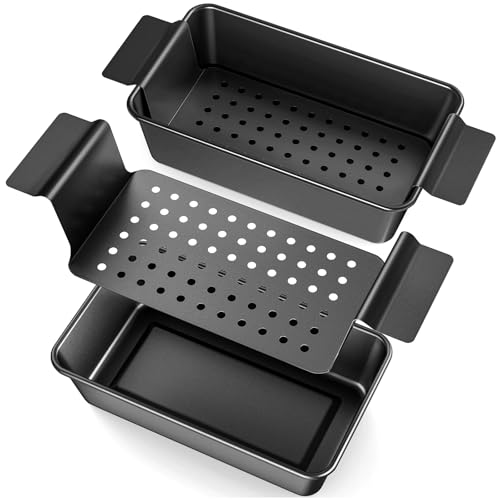

Smoke a Philly cheesesteak–style meatloaf until it’s juicy, then top it with melted provolone and that classic onion-pepper mix. The direct win here is flavor: it takes what you love about a cheesesteak (savory onions, garlic, peppery beef) and turns it into a smoky, sliceable loaf you can serve like comfort food.
Recipe Overview

This Philly cheesesteak smoked meatloaf is the “grill-vibes” upgrade to classic meatloaf—smoky, tender, and topped with melty provolone. You’ll get the savory onion-garlic character you associate with a Philly sandwich, but in a form that slices cleanly for easy serving (think dinner guests and leftovers). It’s also approachable: once you nail the smoker’s low-and-slow temperature, the rest is mostly gentle mixing and timing the cheese.
If you’re hosting, it reads impressive on the table—yet it’s still built from everyday ingredients and straightforward prep.
Time Required

– 🕐 Prep Time : ~20 minutes
– 🍳 Cook Time : ~2 hours
– ⏱ Total Time : ~3 hours (includes ~10 minutes resting)
Passive note: You can chill the loaf 30 minutes before smoking for cleaner slicing, but it’s optional.
Ingredients
The backbone of this recipe is ground beef plus a sautéed “cheesesteak mix” (onion, and optional green pepper/mushrooms) folded in gently. Provolone matters because it melts into that classic Philly feel—elastic, rich, and a little salty. And Worcestershire adds depth the same way it does in steakhouse-style ground beef dishes.
Main Ingredients
– Ground beef (80/20 recommended) – ~2 lb
– Yellow onion – 1 medium, finely diced
– Green bell pepper – 1 small, finely diced (optional but very classic)
– Mushrooms – ~1 cup, finely chopped (optional)
– Garlic – 2 cloves, minced
– Egg – 1 large
– Breadcrumbs – ~1/2 cup
– Worcestershire sauce – ~2 tbsp
– Kosher salt – ~1 1/2 tsp (adjust to taste)
– Black pepper – ~1 tsp
– Smoked paprika – ~1 tsp (adds that “smoked” vibe even before the smoker)
– Provolone cheese – ~6–8 slices (for topping)
Optional Topping (if you want it extra cheesesteak-y)
– Extra sautéed onions/peppers from the pan (a handful)
Step-by-Step Instructions
Low-and-slow smoking is what keeps this tender. The key mechanics are: sauté the onion/pepper mix first, mix the beef gently, and add provolone only at the end so it melts without drying out or turning rubbery.
1. Preheat your smoker to 225°F / 107°C.
Get to a stable temperature before you start. Indirect heat (smoke circulating around the loaf without blasting it directly) is what helps the meatloaf cook evenly.
2. Sauté the “cheesesteak” mix.
In a skillet, cook onion (and peppers/mushrooms if using) until soft and fragrant. Let it cool for a few minutes—hot filling can partially cook the beef on contact and create uneven texture.
3. Mix the loaf base.
In a large bowl, combine ground beef, egg, breadcrumbs, Worcestershire, garlic, salt, pepper, and smoked paprika. Add the cooled sautéed onion/pepper mixture, then mix gently—stop as soon as everything is evenly combined. Overmixing makes meatloaf dense.
4. Shape the meatloaf.
Form into a loaf shape (or a thick oval) on a lined pan or directly on a smoker-safe sheet. Keep it from getting too tight or compact; think “shaped,” not “pressed.”
5. Smoke until set.
Smoke at 225°F / 107°C for about 1.5–2 hours, until the thickest part reaches 160°F / 71°C. This is the point where it becomes both safe and sliceable without losing juiciness.
6. Top with provolone and finish.
Add provolone slices during the last 10–15 minutes so the cheese melts and gets a little bubbly on top without fully drying the meat.
7. Rest, slice, and serve.
Rest 10 minutes before slicing. Resting helps juices redistribute so your first slice isn’t a puddle—it’s a clean, hearty cut.
Quick pros/cons: Smoking vs. Oven finishing
- Smoking (this recipe)
- Pros: smoky flavor throughout; onion aroma “melds” into the beef; great crusty top. Cons: takes longer; requires stable smoker temperature.
- Oven-finishing (backup if needed)
- Pros: easier temperature control at the end for melting provolone. Cons: less overall smoke flavor and the onions won’t mellow as much during the smoke phase.
Heat & Temperature Guide
You want gentle heat so the loaf stays tender and the onions don’t turn watery. This is “indirect, low-and-slow” cooking—ideal for a sliceable meatloaf topped with melty provolone.
Cooking Method
Indirect smoking cooks the meat gently by circulating smoke and heat around the loaf. That steadier environment is especially helpful for beef because it reduces the risk of the edges overcooking before the center reaches target doneness.
Temperature & Timing
– Target smoker temp: 225°F / 107°C
– Doneness target: 160°F / 71°C in the center
– Cheese melt window: last 10–15 minutes
How to Know It’s Done
– The loaf should feel set when you gently press the top (not mushy).
– A thermometer in the thickest part should read 160°F / 71°C.
– Provolone should be fully melted and slightly bubbly by the time you’re ready to serve.
According to USDA Food Safety and Inspection Service, ground beef should be cooked to 160°F / 71°C for safe consumption (USDA FSIS guidance, latest updated guidance referenced by USDA). According to USDA, leftovers should be refrigerated within 2 hours (USDA FSIS), which matters if you’re serving this meatloaf for a crowd. And USDA food-safety guidance also emphasizes keeping foods out of the danger zone—typically 40°F–140°F / 4°C–60°C—to reduce bacterial growth (USDA Food Safety).
Ground Beef Center-Temp Targets for Sliceable Meatloaf Safety
| # | Target Center Temp (°F) | Temp (°C) | Meets 160°F / 71°C Standard? | Safety Confidence |
|---|---|---|---|---|
| 1 | 145°F | 63.0°C | No | ★☆☆☆☆ |
| 2 | 150°F | 65.6°C | No | ★★☆☆☆ |
| 3 | 155°F | 68.3°C | No | ★★★☆☆ |
| 4 | 160°F | 71.1°C | Yes | ★★★★★ |
| 5 | 165°F | 73.9°C | Yes | ★★★★★ |
| 6 | 170°F | 76.7°C | Yes | ★★★★★ |
| 7 | 180°F | 82.2°C | Yes | ★★★★★ |
What Can Go Wrong & How to Fix It
This recipe is forgiving as long as you respect three variables: lean-to-lean ratio, mixing/shaping pressure, and temperature control. If something goes off, you usually fix it by adjusting your method rather than changing the whole recipe.
Dry meatloaf
– Why it happens: 90/10 lean ground beef (or a smoker running hotter than expected) dries the loaf.
– How to fix next time: Stick with 80/20 and aim for 225°F / 107°C. Pull it at 160°F / 71°C—don’t chase higher doneness “just because.”
Dense, tough texture
– Why it happens: Overmixing or compacting the loaf too firmly squeezes out moisture.
– How to fix next time: Mix just until combined and shape gently. A loose, even loaf cooks more tenderly.
Cheese not melting right
– Why it happens: Provolone gets added too early or the smoker runs cooler/uneven.
– How to fix next time: Add provolone in the last 10–15 minutes, and confirm your smoker temp with a thermometer (not just the built-in dial).
Soggy loaf
– Why it happens: Onions/peppers go in while hot and wet, creating steam inside the loaf.
– How to fix next time: Sauté first, then cool the mixture slightly before mixing into the beef.
Uneven cooking (center done, edges overdone)
– Why it happens: A loaf that’s too thick in one spot cooks unevenly.
– How to fix next time: Use an even thickness (an oval is great for stability) and place the loaf in the center of the grate.
Food safety hiccup
– Why it happens: Skipping a thermometer.
– How to fix: Always rely on a probe thermometer and confirm the thickest part hits 160°F / 71°C. If your smoker fluctuates, check more often.
Verdict, Quick Checklist & FAQ
This Philly cheesesteak smoked meatloaf is a strong choice when you want cheesesteak flavor that’s shareable, sliceable, and reliably comforting. The tradeoff is time—low-and-slow smoking means more patience than oven meatloaf. As of 2026, the biggest “always works” move is still the same: steady smoker temp, gentle mixing, and cheese added at the end.
Quick Checklist (save this)
– [ ] Sauté onions (and peppers/mushrooms if using), then cool slightly
– [ ] Mix meat gently—don’t overwork
– [ ] Smoke at 225°F / 107°C
– [ ] Cook to 160°F / 71°C (center)
– [ ] Add provolone for the last 10–15 minutes
– [ ] Rest 10 minutes before slicing
– [ ] Serve hot (best texture and cheese pull)
How to Serve
Plating & Presentation
Slice the loaf into thick, sandwich-style portions so each piece shows a provolone “cap” and visible onion flecks. If you have extra sautéed onions/peppers, spoon a small mound on top right after slicing—this looks like a Philly plate even for the home cook.
What Goes Well With It
Classic sides fit best: crispy fries, roasted baby potatoes, or a crunchy slaw. A simple dill pickle spear and a light salad also cut through the richness nicely.
Serving Temperature
Serve hot, ideally within 15–30 minutes of slicing. Provolone stays best when melted, and the loaf holds together more cleanly right after the rest.
Storage & Reheating
Cool leftovers to room temperature, then refrigerate within 2 hours. Reheat slices gently (covered) in a 325°F / 163°C oven until warmed through; this helps prevent the cheese from turning oily or rubbery. For best quality, enjoy within 3–4 days.
Frequently Asked Questions
What is a Philly cheesesteak smoked meatloaf and what makes it different from regular meatloaf?
Philly cheesesteak smoked meatloaf is a flavor-forward meatloaf inspired by the classic Philadelphia cheesesteak, typically made with ground beef, caramelized onions, and sliced provolone (or mozzarella) baked or smoked for a savory, smoky finish. What makes it different is the cheesesteak-style mix-ins and toppings—often including sautéed peppers (optional) and a gooey cheese layer—so each slice delivers the same salty, beefy, cheesy bite as a Philly sandwich.
How do I smoke a cheesesteak meatloaf so it stays juicy and doesn’t dry out?
Smoke it at a steady, moderate temperature (about 225–275°F) and avoid rushing—low and slow helps the smoked meatloaf retain moisture while developing flavor. Use a binder like breadcrumbs or soaked crumbs, don’t overmix, and pull the meatloaf when the internal temperature hits about 160–165°F for ground beef. If you like a crispy edge, unwrap for the last 15–30 minutes to let the top caramelize while still keeping the center tender.
Why should I add caramelized onions and provolone when making a Philly cheesesteak smoked meatloaf?
Caramelized onions add the sweet-savory depth that defines cheesesteak sandwiches and balance the rich beef flavor. Provolone melts smoothly and creates that signature creamy, stretchy cheesesteak texture, especially when layered on top or folded into the meatloaf mixture. Together, they help transform a standard smoked meatloaf into a Philly cheesesteak smoked meatloaf with unmistakable sandwich-style taste.
Which cheese works best for a Philly cheesesteak smoked meatloaf—provolone, mozzarella, or cheddar?
Provolone is the most classic choice because it melts well and delivers that Philly cheesesteak flavor profile. Mozzarella can work for a milder, gooier melt, while cheddar adds a sharper tang but may not stay as stretchy. For best results, use provolone for authenticity or mix provolone with a small amount of mozzarella to enhance melt in a smoked meatloaf topping.
Best way to reheat Philly cheesesteak smoked meatloaf without ruining the smoked flavor and texture?
Reheat slices covered in foil at around 300–325°F until warmed through, usually 15–25 minutes depending on thickness, so the smoky flavor doesn’t evaporate and the meat stays moist. If the cheese is on top, add a fresh slice of provolone during the last few minutes so it melts back into a cheesesteak-like layer. Avoid microwaving when possible, since it can make the smoked meatloaf texture dry or rubbery.
📅 Last Updated: November 23, 2026 | Topic: Philly Cheesesteak Smoked Meatloaf | Content verified for accuracy and freshness.
References
- Cheesesteak
- Meatloaf
- https://www.fsis.usda.gov/food-safety/safe-food-handling-and-preparation/ground-beef
- https://www.fsis.usda.gov/food-safety/safe-food-handling-and-preparation/using-a-food-thermometer-and-measuring-doneness
- https://www.cdc.gov/foodsafety/food-safety-basics/cooking-and-reheating.html
- ground beef safe minimum internal temperature 160 – Search Results – PubMed
- https://www.britannica.com/topic/cheesesteak
- https://scholar.google.com/scholar?q=philly+cheesesteak+meatloaf Google Scholar
- https://scholar.google.com/scholar?q=smoked+meatloaf+internal+temperature+food+safety Google Scholar
- https://scholar.google.com/scholar?q=smoked+meat+processed+meat+health+risk+carcinogens Google Scholar


