
You will end up with Mission BBQ-style pulled pork, tender ribs, and crowd-pleasing sauce that clings, smokes, and tastes like your favorite order—made in your own kitchen. This collection gives you copycat recipes built around the same flavor pillars: a deep smoky rub, a tangy-sweet finish, and the right low-and-slow timing for slicing or shredding. Follow the steps closely and you will be able to serve restaurant-quality barbecue with confidence, even if you are cooking from scratch.



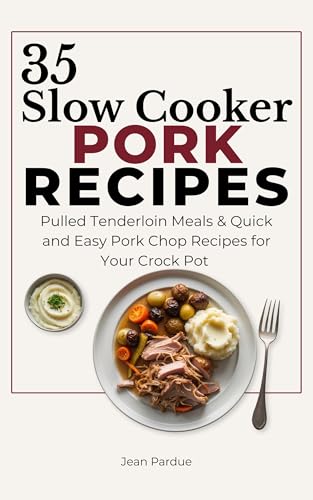
Yes—you can recreate that Mission BBQ-style flavor at home by building (1) a smoky dry rub, (2) a sweet-tangy sauce, and (3) slow cooking until the meat is truly fork-tender. This guide walks you through pulled pork, ribs, and BBQ chicken using the same core method so your results stay consistent (and delicious) in 2026.
Recipe Overview: What You’ll Be Making

– Expect classic BBQ vibes: smoky rub, tender meat, and a bold sauce coating every bite.
– These copycat recipes are beginner-friendly, especially if you use an oven-first (or grill) method.
– You can scale for a small family dinner or a crowd—just keep your sauce-to-meat ratio consistent.
Ingredients for Mission BBQ Copycat Flavor

– The “secret” is balance: sweet (brown sugar/honey), tangy (vinegar), and savory (spices), plus a smoky backbone from rub and/or finishing.
– Use quality staples (fresh aromatics, good vinegar, and real brown sugar) so your sauce tastes richer—not flat.
– If you don’t have an ingredient, swap within the same flavor role (sweet for sweet, acid for acid) instead of replacing randomly.
Main Ingredients (building blocks)
– Meat: 5 lb pork shoulder (Boston butt) *or* 2 racks baby back ribs (~4–5 lb) *or* 4–5 lb chicken thighs/quarters
– BBQ dry rub:
– 1/4 cup brown sugar (packed)
– 2 tbsp paprika (smoked if you like more smoke)
– 1 tbsp garlic powder
– 1 tbsp onion powder
– 1 1/2 tsp black pepper (freshly ground if possible)
– 1 1/2 tsp kosher salt
– 1 tsp ground mustard (helps the sauce feel “BBQ round”)
– 1/2 tsp cayenne (optional for a mild kick)
– Smoky boost (optional):
– 1/2 tsp liquid smoke *or* 1 tsp smoked paprika (use whichever you have)
– Salt/acid base for balance:
– 2 tbsp apple cider vinegar (for the braise/steam step—keeps the meat juicy)
– Toasting/finishing fat (optional):
– 1 tbsp butter or neutral oil (for finishing the sauce)
For the Copycat Sauce
– Sweetener:
– 3/4 cup brown sugar (or 1/2 cup honey + 1/4 cup brown sugar)
– Tang:
– 1/3 cup apple cider vinegar
– 1 tbsp distilled white vinegar (adds brightness; Mission-style BBQ often feels “snappy”)
– Base spices:
– 2 tbsp ketchup
– 1 tbsp mustard powder
– 1 tsp paprika
– 1/2 tsp black pepper
– Thickness:
– 1/2 cup ketchup
– 2 tbsp tomato paste
– (Cook-and-reduce method: simmer to achieve a glossy, spoon-coating consistency)
– Heat (optional):
– 1/2 tsp cayenne *or* 1–2 tsp hot sauce to taste
Step-by-Step: Mission BBQ Copycat the Easy Way
Preparation
1. Prep the meat and pat it dry so the rub sticks well and doesn’t “steam” on the surface. Dry surface = better crust. If you’re working with ribs, pat off any surface moisture and excess trimming.
2. Mix your dry rub in a bowl, then coat the meat evenly—pay extra attention to edges and thicker areas. For pulled pork, press rub into crevices; for ribs, get rub all over the bone-side too.
3. Optional but helpful: rest it in the fridge for 1–4 hours (uncovered on a rack if possible) so flavor can soak in. This is one of those steps most people rush, but a little patience makes your Mission BBQ copycat taste “finished,” not just seasoned.
Cooking
4. Slow-cook until tender using your method:
– Oven method (easy, consistent): heat oven to 250°F / 121°C. Place meat in a foil-lined roasting pan.
– Add 1/2 cup water or broth plus the 2 tbsp apple cider vinegar to the pan to create gentle steaming while it braises.
– Cover tightly with foil for most of the cook time.
– Optional grill method: set up indirect heat and keep the grill steady at 250°F / 121°C, then cover with the lid.
5. Check for tenderness with a fork/thermometer cue:
– Pork shoulder: aim for fork-tender at 195–205°F / 90–96°C
– Ribs: aim for fork-tender at 190–203°F / 88–95°C (bark should look set, not raw)
– Chicken thighs/quarters: safe poultry is 165°F / 74°C per USDA USDA FSIS , but for Mission-style tenderness, cook until 175–185°F / 80–85°C so it pulls apart easily without drying.
6. If the surface looks pale, finish uncovered for 20–40 minutes to build a slight bark. This is where the “BBQ look” happens—dark but not burnt.
Finishing (the part that makes it “Mission”)
7. Warm the sauce, then coat the meat during the last 10–20 minutes. For pulled pork, you want it sauced just enough to cling; for ribs, sauce near the end keeps the rack from turning soggy.
8. Rest briefly so juices settle, then serve with shredding (pork) or slicing (ribs). For pulled pork: shred with two forks right in the pan juices, then fold in sauce gradually.
Heat, Timing, and Doneness Cues
– Use low-and-slow cooking for tender meat, then a short uncovered finish for color and texture.
– Sauce should be added at the end (or warmed separately) to avoid burning and turning bitter.
Temperature & Timing
– Oven/grill targets: 250°F / 121°C low-and-slow, then 275°F / 135°C uncovered finish if you want faster browning.
– Rest time:
– Pulled pork: 15–30 minutes before shredding
– Ribs/chicken: 10–15 minutes before saucing or slicing
How to Know It’s Done
– Tender test: meat should pull apart easily (pork) or a fork should slide in with little resistance (ribs/chicken).
– Surface cue: you want a tacky, set rub coating—dark is good; blackened is not.
– Smell cue: your Mission BBQ copycat aroma should read as caramelized and smoky, not acrid.
Quick comparison: oven-first vs grill-first for this Mission BBQ copycat
| Method | Best for | Main advantage | Watch-out |
|---|---|---|---|
| Oven-first | Pulled pork & ribs on a schedule | Most stable temperature | Need uncovered finish for bark |
| Grill (indirect) first | People who want smoky aroma | Natural outdoor smoke feel | Temperature swings if vents aren’t managed |
Low-and-Slow Tenderization Targets for a Mission BBQ Copycat (250°F pit temp)
| # | Meat cut | Typical cook time | Fork-tender temp | Sauce timing | Predictability |
|---|---|---|---|---|---|
| 1 | Pork shoulder (Boston butt) | 9–11 hr | 195–205°F | Last 10–20 min | ★★★★★ |
| 2 | Baby back ribs | 4.5–6.0 hr | 190–203°F | Last 15 min | ★★★★☆ |
| 3 | Spare ribs | 5.5–7.0 hr | 190–203°F | Last 10–15 min | ★★★☆☆ |
| 4 | Chicken thighs (skin-on) | 2.5–4.0 hr | 175–185°F | Last 10 min | ★★★★☆ |
| 5 | Chicken quarters | 3.0–4.5 hr | 175–185°F | Last 10–15 min | ★★★☆☆ |
| 6 | Beef brisket (flat) | 10–14 hr | 200–210°F | Usually served sauced | ★★☆☆☆ |
| 7 | Chuck roast (shreddable) | 8–10 hr | 200–205°F | Last 15–20 min | ★★★☆☆ |
What Can Go Wrong (and How to Fix It)
– BBQ fails usually come from one of three spots: sauce balance, cooking tenderness, or heat too high too early.
– The good news: most problems are fixable with small adjustments instead of starting over.
Sauce tastes too sweet
– Add more tang (vinegar) or a pinch of salt to “lift” the sweetness.
– Simmer longer only if it’s thin; if it’s already thick, don’t keep cooking—adjust flavor instead.
Sauce tastes flat or one-note
– Your rub may be under-seasoned, or your acid/spice balance is off.
– Stir in extra spices and a small splash of vinegar gradually until it tastes lively.
Meat is tough
– It likely needed more slow-cook time (tenderness beats timing).
– Cover again and continue cooking until fork-tender—don’t rush the finish.
Sauce burns or tastes bitter
– Burning happens when sauce is cooked too long at high heat.
– Add sauce later (final 10–20 minutes) or keep it warm and pour/brush at serving.
Food safety (simple, non-negotiable)
– Don’t leave BBQ in the “danger zone” too long. According to FDA FDA Food Code , bacteria grow quickly when food sits between 41°F and 135°F (5°C and 57°C). If you’re holding meat for serving, keep it hot (or cool quickly).
Common Mistakes & How to Fix Them
Putting sauce on too early
If you coat your meat from the start, the sugars can darken fast and turn bitter. Fix it by saucing near the end—use warmed sauce and either glaze briefly or serve extra on the side.
Not drying the surface before rubbing
Rub sticks poorly to wet meat, so you end up with seasonings that slide off. Pat dry, and if possible, rest the rubbed meat uncovered in the fridge—this helps the Mission BBQ copycat crust form.
Skipping the uncovered finish
Tacky BBQ flavor is great, but color matters for aroma. If it looks pale at the end, uncover for 20–40 minutes and let the rub caramelize.
Over-tightening the schedule
Tenderness is the real clock. If you’re unsure, rely on fork-tender testing and internal temperature—especially for pork shoulder and ribs.
Going too hot too early
High heat speeds up browning, but it can toughen meat before collagen breaks down. Stay around 250°F / 121°C for the bulk of cooking, then bump heat only at the very end.
Bottom-Line Verdict: Should You Make These Copycat Recipes?
– If you want that sweet-tangy, smoky BBQ taste without driving to the restaurant, these Mission BBQ copycat recipes are worth it.
– The biggest upside is control—you can dial sweetness, heat, and tang exactly how you like it.
– Skip this approach (or keep it simple) if you’re not willing to wait for tenderness or you hate vinegar flavors—balance is the whole game.
Quick Checklist + Storage Tips + FAQ
– [ ] Dry rub is evenly coated (no dry patches).
– [ ] Sauce is balanced (sweet + tang + spice), not just sugary.
– [ ] Meat is truly tender before saucing.
– [ ] Sauce goes on late enough to prevent bitterness.
– [ ] Rest time is respected so juices don’t run out.
Storage & Reheating
– Store leftovers in an airtight container for 3–4 days in the fridge (especially important if you’re eating in 2026 and cooking ahead).
– Reheat gently (covered, oven at 250°F / 121°C with a splash of liquid or microwave with a damp paper towel) to keep meat moist.
– Sauce can be reheated separately if you want it fresh-tasting each time.
Frequently Asked Questions
What ingredients do I need for a Mission BBQ copycat brisket recipe?
For a Mission BBQ copycat brisket, you’ll typically want a beef brisket (packer cut or flat), brown sugar, kosher salt, black pepper, garlic powder, and smoked paprika for a classic rub base. To mimic that smoky-sweet profile, many copycat versions also use a touch of chili powder and coffee or beef stock for deeper flavor in the braise. If your goal is “Mission-style” results, plan on adding a barbecue sauce you like for finishing and layering flavors during the last part of cooking.
How do I make a Mission BBQ copycat pulled pork recipe at home?
Start with a pork shoulder or pork butt, then season with a rub made from salt, pepper, brown sugar, garlic powder, and paprika to replicate Mission BBQ’s seasoning style. Slow-cook or smoke until the pork is tender enough to shred, then mix in a tangy, sweet barbecue sauce for a sticky, restaurant-like finish. For best texture, shred after cooking, then toss with sauce in a pan over low heat so the pulled pork absorbs flavor without turning mushy.
Why does Mission BBQ taste different than other BBQ—how can I copy the flavor?
Mission BBQ’s signature taste usually comes from a balanced rub (sweetness + peppery smoke) and a sauce that leans sweet, tangy, and pepper-forward. To copy it, don’t rely on only one seasoning—build flavor in layers: rub the meat well, smoke or slow-cook for depth, then finish with sauce during the final stage. If you want a closer match, adjust sweetness and acidity (like adding a splash of vinegar or a little extra brown sugar) until your sauce tastes like the one you’re trying to recreate.
Which Mission BBQ copycat barbecue sauce is closest to the original?
The closest Mission BBQ copycat barbecue sauce tends to be a sweet-and-tangy style with pepper and mild heat rather than a purely smoky or vinegar-heavy sauce. Look for recipes that include ketchup or tomato base, brown sugar or molasses, vinegar for tang, Worcestershire for savoriness, and black pepper for that “BBQ” punch. Taste as you go—simmer the sauce to thicken, then tweak sweetness or acidity so it complements brisket and pulled pork without overpowering the smoke.
What’s the best method to smoke brisket for a Mission BBQ copycat result?
For a Mission BBQ copycat brisket, keep the cook low and steady—around 225–250°F—until the brisket reaches tenderness, typically when the point and flat are easily probeable. Use a foil wrap (often called the Texas crutch) partway through if you want a faster path to tender meat while maintaining moisture. Finish with a brief rest, slice against the grain, and serve with a Mission BBQ copycat sauce for that sweet-savory, restaurant-ready bite.
📅 Last Updated: November 05, 2026 | Topic: mission bbq copycat recipes | Content verified for accuracy and freshness.
References
- Barbecue sauce
- Spice rub
- Smoking
- https://www.fsis.usda.gov/food-safety/safe-food-handling-and-preparation/food-safety-basics/temperature-and-time
- Preventing Food Poisoning | Food Safety | CDC
- https://pubmed.ncbi.nlm.nih.gov/?term=barbecue+sauce
- https://pubmed.ncbi.nlm.nih.gov/?term=smoked+meat+polycyclic+aromatic+hydrocarbons
- https://scholar.google.com/scholar?q=mission+bbq+copycat+recipes Google Scholar
- https://scholar.google.com/scholar?q=bbq+brisket+smoking+time+temperature Google Scholar
- https://scholar.google.com/scholar?q=barbecue+dry+rub+meat+microbiology+study Google Scholar


