
That first whiff of smoked paprika, brown sugar, and pepper clinging to the pulled-pork butt is the prelude to rich, tangy shreds. This mix is engineered for pulled pork, using kosher salt for deep seasoning and brown sugar to help the bark turn dark and flavorful as it cooks. Measure, stir, and rub it on generously, then let your low-and-slow heat do the rest for a tender, juicy result.



Use a simple dry BBQ rub (brown sugar + paprika + savory spices) and cook low and slow until the pork shoulder hits about 93°C/200°F, then shred for that classic pulled texture. In this guide, you’ll get reliable pulled pork rub recipes, plus exactly how to apply them and what to look for so your bark (the flavorful crust) turns out right.
If you want pulled pork that tastes like it came from a backyard smoker—even if you’re cooking in an oven—this is for you. It’s also a great option when you like building flavor from scratch instead of relying on bottled seasoning.
Recipe Overview

This pulled pork is all about building a deep, smoky-savory bark with a dry rub—then letting time turn tough shoulder into tender, pull-apart meat. It works because pork shoulder contains plenty of collagen and fat that slowly break down during low-and-slow cooking, which is what gives pulled pork its signature texture. As of 2026, this “rub-first” method is especially popular because it keeps the process simple: no basting required, no complicated sauce layers to manage, and you can fine-tune sweetness and heat by adjusting the rub.
If you’ve ever had pulled pork that was juicy but bland (or flavorful but dry), this balances both: salt seasons deeply, sugar helps form bark, and paprika/spices add that classic BBQ profile. It’s also beginner-friendly—mainly because you’re cooking to tenderness (probe test), not just a clock.
Time Required

– 🕐 Prep Time : 20 minutes
– 🍳 Cook Time : 8–10 hours
– ⏱ Total Time : 10–12 hours (includes resting time)
Quick note on passive time
– Resting the rubbed pork before cooking (even 30 minutes) helps the spices stick and flavor the meat.
Ingredients
Good pulled pork starts with a rub that’s balanced: enough salt to season deeply, sugar for caramelized bark, and spices for that smoky-savoury vibe. Use kosher salt if you can—its texture measures more consistently than fine table salt. In 2025 and 2026, many home cooks are also using smoked paprika specifically because it delivers smoke flavor without needing heavy wood smoke.
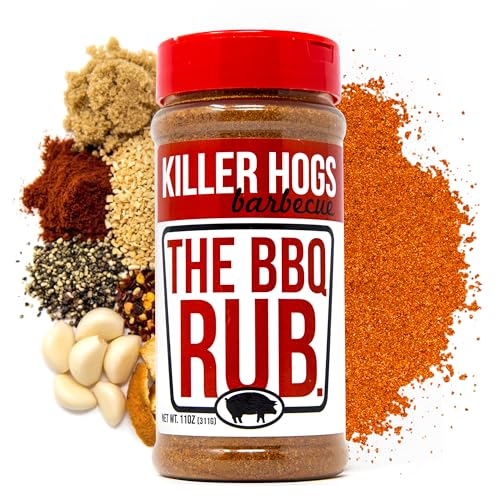
If you’re adding any store-bought BBQ seasoning products, remember they often already include salt and sugar—so the “extra” salt you add can throw off your balance. If you’re using a specific brand, adjust using the label sodium and sugar totals.
Main Ingredients
– 1 pork shoulder (pork butt), about 4–6 lb (about 1.8–2.7 kg), trimmed of excess fat
– 1–2 tbsp yellow mustard (or olive oil) — helps the rub cling (binder)
Tip: common choices include oak (neutral, classic), hickory (stronger smoke), and fruit woods like apple or cherry (milder, slightly sweet).
For the BBQ Rub (Basic Pulled Pork)
– 4 tbsp brown sugar
– 2 tbsp paprika (smoked if you want extra “BBQ” flavor)
– 2 tbsp kosher salt
– 1 tbsp black pepper
– 1 tbsp garlic powder
– 1 tbsp onion powder
– 2 tsp chili powder
– 1 tsp ground cumin
– 1/2 tsp cayenne (optional, for heat)
For the BBQ Rub (Spicier Variation)
– Use the Basic Pulled Pork rub, then add:
– 1–2 tsp extra cayenne (to taste)
– 1 tsp extra chili powder
For the BBQ Rub (Less Sweet / More Savory Variation)
– Use the Basic Pulled Pork rub, then swap:
– Reduce brown sugar to 2 tbsp
– Add 1 tbsp extra black pepper and/or 1 tbsp extra paprika
Optional finishing (after shredding)
– BBQ sauce (optional): for serving only, not during the cook
– A splash of cooking juice: helps the pulled pork stay moist even without sauce
Step-by-Step Instructions
Before you start, plan your “low and slow” cooking time—this is the part that turns tougher pork shoulder into pull-apart tenderness.
1. Make the rub. Stir all rub ingredients together in a bowl until evenly combined. You want uniform color and spice distribution, especially so the cayenne and salt don’t clump in one spot.
2. Prep the pork. Pat the pork shoulder dry, then trim off big chunks of loose fat (leave a thin layer if you can). Dry surface = better rub adhesion and a more reliable bark.
3. Add the binder. Rub the mustard (or a light coat of olive oil) over the surface. This step is where most people rush, but a quick, even coat helps the spices “grab.”
4. Coat with rub. Sprinkle the rub generously over the pork, pressing lightly so it sticks. Make sure the thickest fat cap areas get full coverage—those are the parts that build bark.
5. Rest the rubbed pork. Let it sit at room temp for 30 minutes (or refrigerate uncovered up to 24 hours for deeper flavor). If you refrigerate, keep it uncovered so the surface doesn’t turn wet.
6. Cook low and slow.
– Smoker/BBQ: Smoke at 107°C / 225°F until tender, usually 8–10 hours for a 4–6 lb shoulder.
– Oven option: Roast at 135°C / 275°F until tender, usually 7–9 hours (time varies by size).
7. Wrap when bark is set (optional but helpful). If the crust looks dark and firm, wrap in foil or butcher paper around 160°F / 71°C and continue cooking. Wrapping helps power through the “stall” while protecting bark from burning.
8. Check for tenderness, not just time. When the meat probes like warm butter, it’s ready to pull. A probe thermometer makes this easier, because internal temperature alone doesn’t always tell the whole story.
9. Rest and shred. Rest the pork 30–45 minutes, then shred with forks. Toss with a little cooking juice; add BBQ sauce only if you want it saucier.
Heat & Temperature Guide
This pulled pork approach is designed around low-and-slow tenderness, with a clear target temperature that you confirm with a probe. The “magic number” of BBQ is really two numbers: bark development along the way, then tenderness near 93°C / 200°F.
Cooking Method
Low-and-slow roasting/smoking works best because the fat and connective tissue break down gradually, creating that shreddable texture. Keeping the pit steady also reduces bark disruption—temperature swings can soften the crust before it sets.
Temperature & Timing
– Target cook temp: 107°C / 225°F (smoker) or 135°C / 275°F (oven)
– When to wrap (optional): around 71°C / 160°F
– Doneness: about 93°C / 200°F, plus tenderness test
How to Know It’s Done
– The pork should feel very soft when you insert a probe or fork.
– The bark looks set (not wet-looking), and the surface feels firm rather than tacky.
– The internal temperature will often be in the 200°F-ish range for classic pulled pork, but tenderness matters most.
Smoker vs Oven: Which method fits your day?
Here’s a practical comparison to help you choose confidently (and still get pulled pork you’ll be proud of):
| Feature | Smoker / BBQ (225°F) | Oven (275°F) |
|---|---|---|
| Primary flavor driver | More smoke character | Rub-driven flavor with less smoke |
| Typical cook length | 8–10 hours (4–6 lb) | 7–9 hours (varies) |
| Bark risk | Lower if temperature stays steady and you wrap at ~160°F | Higher if your oven runs hot—monitor and wrap if bark is getting too dark |
| Monitoring effort | More hands-on pit management | Simpler; check tenderness and temperature |
| Best for beginners | When you have a reliable thermometer | Yes—especially if you want fewer variables |
| Wrap timing | Often around 71°C / 160°F when bark is set | Same idea—wrap when bark firms up |
| Texture consistency | Excellent when cooked to probe-tender | Excellent when you prioritize tenderness over the clock |
| Downside | Longer and needs steady airflow | Less “true smoker” smoke depth |
| Effort payoff | Big flavor reward if you nail the temp | Big reward for minimal equipment |
| Cost / energy | Fuel-dependent | Oven electricity/gas dependent, often predictable |
| Best For | Smoke-forward pulled pork lovers | Busy cooks who want reliable tenderness indoors |
Internal Temperature Milestones for Pork Shoulder Pulling (Guide)
| # | Internal Temp | What You’ll Usually Notice | Pulled Texture Likelihood | Pull-Ready Rating |
|---|---|---|---|---|
| 1 | 80°C / 176°F | Moisture rises; bark may still look soft | Low | ★ Low |
| 2 | 85°C / 185°F | Fat is loosening; probe resists more | Medium-low | ★★ Low |
| 3 | 88°C / 190°F | Collagen breakdown accelerates; tenderness improves | Medium | ★★★ Medium |
| 4 | 93°C / 200°F | Classic pulled stage; probe often feels buttery | High | ★★★★★ High |
| 5 | 96°C / 205°F | Extra soft shredding; bark may soften slightly | High (bark risk) | ★★★★ High |
| 6 | 99°C / 210°F | Very tender; if overheated, can dry a bit after rest | Medium-high | ★★★ Medium |
| 7 | 103°C / 217°F | Overcooked risk rises; texture can become mushy | Low-medium | ★★ Low |
What Can Go Wrong (and How to Fix It)
Pulled pork is forgiving, but a few issues can derail your bark, seasoning, or tenderness—most are easy to prevent once you know what to look for. If you’re cooking in 2026, the biggest win is using a thermometer and trusting probe tenderness over the clock.
What to avoid (so you don’t accidentally sabotage bark)
Avoid cooking too hot for too long; sugar-based rubs can go from “caramelized” to “burnt” faster than you think. Also avoid wet surfaces under the rub—if the pork is damp, the rub can slide off instead of forming crust.
Rub tastes “too sweet”
Sugar-heavy rubs can caramelize quickly—especially if your cooking runs hot.
– Fix: reduce brown sugar (try the less-sweet variation) or keep your smoker closer to 107°C / 225°F.
Bark is dark but not flavorful
This usually means the rub layer was thin or the binder wasn’t evenly applied.
– Fix: press rub in gently and ensure full coverage, especially on thick fat caps.
Meat isn’t shredding
Under-cooking is the usual culprit.
– Fix: cook longer until the probe goes in easily; if needed, wrap and continue checking every 30–45 minutes.
Rub falls off after cooking
This often happens when the surface is too wet or the rub wasn’t pressed.
– Fix: pat pork dry before binder, then coat firmly with rub.
Food safety note (important)
You still need to follow USDA food safety guidance, even when you’re cooking for tenderness. According to USDA FSIS Safe Minimum Internal Temperature guidance, pork is safe at 145°F / 63°C for whole cuts, followed by a 3-minute rest (2024). According to USDA FSIS, ground pork is safe at 160°F / 71°C (2024). If you’re serving pulled pork later, follow USDA FSIS guidance to refrigerate leftovers within 2 hours of cooking (2024). Always use a food thermometer—BBQ timing is great, but temperature confirmation is what keeps food safe.
Common Mistakes & How to Fix Them
If you want the best pulled pork rub results, avoid these common “looks right, isn’t right” problems.
Skipping the rest (or rushing it)
If you skip resting the rubbed pork, the spices don’t cling as well, and the bark can look patchy. Give it at least 30 minutes at room temp, or refrigerate uncovered up to 24 hours for deeper seasoning.
Treating the temperature like the only finish line
A shoulder can hit 200°F / 93°C and still feel resistant if it’s less tender in the thickest area. Always do a tenderness test—probe should feel like warm butter.
Over-wrapping too early
Wrapping too soon can soften the bark before it sets. Use the “bark looks dark and firm” cue around 160°F / 71°C, not just the temperature number alone.
Over-shredding immediately after cooking
When you shred too soon, juices can run out and the meat can feel dry. Rest 30–45 minutes, then shred and toss with a little cooking juice.
How to Serve
This pulled pork is best served as a juicy, tender pile of meat with a crunchy bark edge and warm spice aroma. Since the rub is already strong, you can serve it with sauce on the side for guests who want extra tang or sweetness.
Plating & Presentation
Pile the shredded pork in a shallow bowl or tray so you can see the strands. Spoon a small amount of cooking juice over the top, then add sliced pickles or slaw so colors pop against the dark bark.
What Goes Well With It
– Buns: brioche or potato rolls for mild sweetness
– Toppings: coleslaw, dill pickles, sliced red onion
– Sauces: a thinner vinegar-based sauce balances the rub’s brown sugar; a classic sweet BBQ sauce is great if you used the Basic Pulled Pork variation
Serving Temperature
Serve hot. Pulled pork typically tastes best between about 60–70°C / 140–160°F so it stays moist without drying out.
Storage & Reheating
– Refrigerate: cool quickly and store in airtight containers for up to
– Reheat: warm gently with a splash of cooking juice or broth to prevent drying
– Freezing: freeze portions for later and thaw in the refrigerator before reheating
Verdict Tip + Quick Save Checklist + FAQ
If you want bold, smoky flavor with classic pulled texture, start with the Basic Pulled Pork rub and adjust sweetness or heat based on preference. The upside of making your own rub is control; the downside is you have to be mindful of sugar if your cooker runs hot. If you’re aiming for dependable results in 2026, prioritize thermometer accuracy and tenderness checks over perfect timing.
In my own cooking flow, the one step I never skip is patting the pork dry and pressing the rub in firmly—when I’ve been lazy there, the bark doesn’t “stick” the same way.
BBQ Rub Pulled Pork Checklist (scan & save)
– Mix rub: sugar + salt + paprika + garlic/onion + spices
– Trim & pat pork dry
– Coat with mustard/olive oil (binder)
– Press on rub generously
– Rest 30 minutes (or refrigerate uncovered up to 24 hours)
– Smoke/roast low and slow (225°F / 275°F options)
– Wrap around ~160°F / 71°C if bark is set
– Cook until tender (around 200°F / 93°C)
– Rest 30–45 minutes, shred, toss with juices
Frequently Asked Questions
What are the best BBQ rub recipes for pulled pork?
The best BBQ rub recipes for pulled pork balance sweet, smoky, and savory flavors with a little heat. Look for a base of brown sugar, paprika, garlic powder, onion powder, black pepper, and salt, then add optional spices like cayenne or chili powder. For a classic “BBQ rub recipes pulled pork” profile, use a moderate sugar ratio to help form a flavorful bark during smoking.
How do you apply a BBQ rub to pulled pork so it stays flavorful?
Apply the rub after patting the pork shoulder dry, then coat it evenly on all sides. A thin layer of yellow mustard or a light binder of oil helps the rub adhere, especially if you’re using a dry seasoning only. Let the seasoned pork sit for at least 30 minutes (or up to overnight in the fridge) so the BBQ rub flavors penetrate before smoking or slow cooking.
How do you make a BBQ rub that’s not too salty for pulled pork?
Start with a small amount of salt—then taste your spice blend before applying it to the meat. Many homemade rub recipes for “bbq rub recipes pulled pork” use 1–2 tablespoons of kosher salt per 1/2 cup total dry ingredients, but you can reduce salt if your BBQ sauce is also salty. If you’ve already salted heavily, consider adding more brown sugar, paprika, and pepper to the blend to rebalance the flavor.
Why does my pulled pork rub taste bitter or burnt, and how can I fix it?
Bitter or burnt notes usually come from too much sugar, a heavy dose of fine spices, or cooking at too high a temperature. To fix it, reduce brown sugar and use a coarser grind for spices like paprika, which can burn faster when ground very fine. Also avoid overly high temps for long periods—keeping a steady low-and-slow heat helps the pulled pork rub develop flavor without scorching.
Which pulled pork BBQ rub is best for a sweet-and-smoky flavor profile?
For sweet-and-smoky pulled pork, use a rub built around brown sugar, smoked paprika, garlic powder, black pepper, and a touch of chili powder. This blend creates a caramelized bark-like crust while still tasting balanced, which is ideal for “BBQ rub recipes pulled pork” lovers who want flavor without overwhelming heat. If you prefer mild pulled pork, skip cayenne and use only a small amount of chili powder for gentle warmth.
📅 Last Updated: November 08, 2026 | Topic: bbq rub recipes pulled pork | Content verified for accuracy and freshness.
References
- Pulled pork
- Spice rub
- Barbecue
- dry rub pork – Search Results – PubMed
- https://pubmed.ncbi.nlm.nih.gov/?term=barbecue+smoking+pork+spice
- marinade dry curing pork spices – Search Results – PubMed
- https://www.fsis.usda.gov/food-safety/safe-food-handling-and-preparation/food-safety-basics/safe-minimum-internal-temperatures
- https://scholar.google.com/scholar?q=pulled+pork+dry+rub+recipe Google Scholar
- https://scholar.google.com/scholar?q=barbecue+dry+rub+spice+blend+pork+shoulder Google Scholar
- https://scholar.google.com/scholar?q=smoked+pork+dry+rub+flavor+compounds Google Scholar


