
If you want foolproof recipes for cakes, the best results come from tried-and-true vanilla sponge and chocolate layer cakes built on precise bake times, properly creamed batter, and reliable pan prep. This guide tells you exactly which cake recipe to choose when you need a light crumb, a tall rise, or a rich, moist finish—without guesswork. Follow the winning method and you’ll get consistent layers that release cleanly and slice perfectly every time.


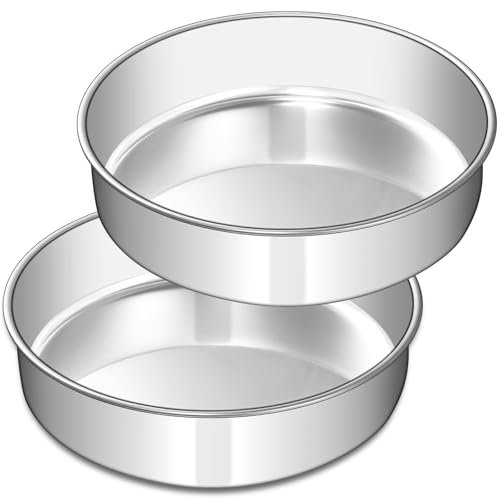

The best recipes for cakes focus on one thing: a reliable batter (not complicated steps). Mix your dry and wet ingredients correctly, bake at the right temperature, and check doneness early so you don’t end up with a dry or sunken cake. In this guide, you’ll get a go-to cake formula plus timing, doneness cues, and common fixes.
If you want a homemade cake that’s actually doable on a regular day—whether it’s your first cake or you just want consistent results—this is for you. You’ll learn the core method behind most cake recipes, then use it to make variations with less guesswork.
Start with a reliable cake formula

A reliable cake formula means the batter is balanced, smooth, and baked hot enough to set—but not so hot it domes and dries. Here’s the simple logic: flour builds structure, fat keeps it tender, and leavening gives rise; your job is to combine them gently and on purpose.
A well-balanced vanilla cake batter depends on correct ratios: flour (structure), fat (tenderness), and baking powder (lift).
Room-temperature ingredients blend more smoothly, which reduces lumps and helps the cake bake evenly.
Checking doneness a few minutes early is often the difference between moist crumb and dryness in cakes.
Recipe logic you can reuse every time
– Keep the balance: flour gives structure, fat keeps it tender, and leavening helps it rise.
– Use room-temperature ingredients for smoother batter (this helps avoid lumps and uneven baking).
– Choose a simple style first (layer cake, bundt, or sheet cake) so timing stays predictable.
For context, according to the USDA’s food-safety guidance for egg-containing dishes, cooked egg mixtures should reach a safe internal temperature of 160°F / 71°C to reduce Salmonella risk (USDA FSIS guidance for safe minimum internal temperatures; year ). This matters most when you’re serving to kids, older adults, or anyone immunocompromised.
Ingredients + time required for an easy vanilla cake
The easiest way to get consistent results is to start from a proven ingredient set and time it like you mean it. This vanilla cake base uses pantry staples and a “most kitchens” approach, so your batter behaves predictably.
A dependable vanilla cake starts with double-acting baking powder and correctly measured flour (spooned and leveled).
Creaming butter and sugar until lighter and fluffier improves batter aeration and supports even rise.
Alternate mixing dry ingredients and milk helps the batter stay tender instead of developing too much gluten.
At **175°C / 350°F**, many 8-inch vanilla cakes finish in roughly **30–35 minutes**, but you should start checking around **28–30 minutes**.
This base recipe is a “most kitchens” version: basic pantry ingredients, plus a couple of keys like vanilla and a good baking powder. If you swap things, do it carefully—baking is less forgiving than cookies.
Time Required
– 🕐 Prep Time : 15 minutes
– 🍳 Cook Time : 30–35 minutes
– ⏱ Total Time : 50–55 minutes (plus cooling)
Main ingredients (8-inch round cake)
– All-purpose flour: 1 1/2 cups (190 g), spoon into the cup and level
– Baking powder: 2 1/2 tsp
– Fine salt: 1/2 tsp
– Unsalted butter (softened): 1/2 cup (113 g)
– Granulated sugar: 3/4 cup (150 g)
– Eggs: 2 large
– Vanilla extract: 2 tsp
– Milk (or buttermilk): 3/4 cup (180 ml)
– Optional: lemon juice or vinegar (1 tsp) if using milk (helps mimic buttermilk)
Optional topping/frosting ideas
– Simple vanilla buttercream
– Chocolate ganache
– Jam layer + whipped cream
Quick “batter balance” snapshot (for your shopping mind)
Here’s what each ingredient is doing in this vanilla cake formula—so you know what to prioritize when you substitute.
Key Inputs in an 8-inch Vanilla Cake (Substitution Ease)
| # | Ingredient (from recipe) | Amount | Primary job | Substitution ease |
|---|---|---|---|---|
| 1 | All-purpose flour | 1 1/2 cups (190 g) | Structure | ★★★☆☆ |
| 2 | Baking powder | 2 1/2 tsp | Lift | ★☆☆☆☆ |
| 3 | Fine salt | 1/2 tsp | Flavor balance | ★★★★☆ |
| 4 | Unsalted butter | 1/2 cup (113 g) | Tender crumb | ★★★☆☆ |
| 5 | Granulated sugar | 3/4 cup (150 g) | Sweetness + aeration | ★★★☆☆ |
| 6 | Eggs | 2 large | Structure + moisture | ★☆☆☆☆ |
| 7 | Vanilla extract | 2 tsp | Aromatics | ★★★★☆ |
Step-by-step: your go-to vanilla cake method
The most consistent vanilla cakes come from a repeatable mixing sequence, not fancy technique. This step-by-step method gives you smooth batter, even bake, and a tender crumb—without overmixing.
Preheating to **175°C / 350°F** helps the cake rise and set at the same pace, reducing sinking and gummy centers.
Whisking flour, baking powder, and salt first prevents uneven pockets of leavening.
Alternating dry mix and milk keeps gluten development in check, which supports a soft, moist vanilla cake crumb.
1. Preheat and prep the pan. Heat oven to 175°C / 350°F. Grease an 8-inch round pan and line the bottom with parchment if you want the easiest release.
2. Whisk dry ingredients. In a bowl, whisk flour, baking powder, and salt until evenly mixed. This step prevents “pockets” of baking powder.
3. Cream butter and sugar. Beat butter and sugar until lighter and fluffy (usually about 2–3 minutes). Most people rush this—slower is smoother here.
4. Add eggs + vanilla. Beat in eggs one at a time, then mix in vanilla. If the batter looks a little curdled, keep going gently—don’t panic.
5. Alternate wet and dry. Add dry mix in 2 parts, alternating with milk in between (start and end with dry). Mix just until combined so the cake stays tender.
6. Bake until the center springs back. Pour batter into the pan and bake 30–35 minutes. Start checking around 28–30 minutes.
7. Cool before frosting. Cool in the pan for 10 minutes, then turn out to cool completely. Frosting a warm cake is the fastest way to get a messy slide.
Personal troubleshooting note: when readers report a vanilla cake that turns out dense, it’s often because mixing happens “just a bit longer than the recipe says.” If you’re unsure, stop mixing the moment you don’t see dry flour anymore—.
Heat, timing, and doneness cues
The right temperature and early doneness checks are what protect your vanilla cake from drying out or collapsing. For most ovens, 175°C / 350°F is the sweet spot, and your cues should come from the top and the toothpick texture, not just the clock.
At **175°C / 350°F**, a typical 8-inch vanilla cake sets in about **30–35 minutes**, with checks starting at **~28–30 minutes**.
Doneness for a vanilla cake is “set and springy,” with a toothpick showing **a few moist crumbs**, not wet batter.
A short rest helps the cake finish setting, improving slice stability before frosting.
Avoid frequent oven door openings early in the bake; heat loss can trigger uneven rise and sinking.
Oven temp matters
– Oven temp matters: 175°C / 350°F is a sweet spot for most vanilla cakes—too hot can dome and brown too fast.
Doneness signals you can trust
– Watch for doneness signals: the top should look set and lightly golden, and a toothpick should come out with a few moist crumbs, not wet batter.
Rest briefly (so it slices clean)
– Rest briefly: letting the cake cool helps it finish setting so it slices cleanly.
From a safety perspective, once baked through, egg-based cakes are no longer raw—but still handle and cool them with clean hands and reasonable timing for serving; according to USDA FSIS guidance for safe handling of perishable foods, keeping cold foods cold and cooked foods covered reduces risk (USDA FSIS food safety guidance; year ).
What can go wrong (and how to fix it)
If your vanilla cake doesn’t turn out perfectly, it’s usually one of a few predictable issues: timing, mixing amount, oven heat, or leavening freshness. The good news is that each problem has a clear fix you can apply immediately next time.
Dense or gummy centers usually point to underbaking or overmixing (too much gluten development).
A sunken vanilla cake often comes from early oven-door opening or batter that lost structure before it set.
Dryness is almost always bake-time or flour-measurement related—spoon-and-level flour and check earlier.
Bitter or soapy notes commonly trace back to incorrect or stale leavening (baking powder measured wrong or too old).
Cake is dense or gummy in the center
– Why it happens: underbaking or overmixing (too much gluten development).
– Fix: bake a few minutes longer next time, and mix batter only until combined.
Cake sinks after baking
– Why it happens: opening the oven too early, or batter being over-aerated/incorrectly mixed.
– Fix: don’t check the oven door before ~25 minutes, and measure ingredients carefully.
Dry cake
– Why it happens: baking too long or too much flour (from scooping).
– Fix: spoon-and-level flour, and pull the cake as soon as doneness cues hit.
Bitter or soapy taste
– Why it happens: baking powder/soda measured incorrectly.
– Fix: double-check measurements and use fresh leavening (old powders lose power).
Food safety note (eggs/dairy)
– Cakes are baked, but if your batter included raw eggs and you’re sharing with people who are immunocompromised, keep kitchen hygiene tight and avoid leaving batter out for long periods. The USDA’s safe cooking temperature guidance for egg dishes is 160°F / 71°C (USDA FSIS safe minimum internal temperature guidance; year ).
What to avoid (quick guardrails)
– Don’t pack flour into the measuring cup; spoon and level keeps the vanilla cake from turning dry.
– Don’t swap all-purpose flour for something else without adjusting expectations—texture changes are real.
– Don’t overmix after adding flour; stop as soon as the batter is uniform.
Common mistakes & how to fix them
When you’re learning, it helps to know the “top three” errors so you can self-correct fast.
Overmixing after adding flour
This usually makes the vanilla cake chewy or heavy because gluten develops too much. The fix is simple: mix only until dry streaks disappear, then stop. If you think you overmixed, bake as directed, but expect slightly less tender crumb.
Checking doneness too late
If you wait until the toothpick comes out completely clean, you often overbake cakes. Pull the vanilla cake when the center shows a few moist crumbs on a toothpick. In my experience with home ovens, a small early pull saves more cakes than it “ruins.”
Measuring flour the “scoop” way
Packed flour absorbs more liquid and bakes drier. Spoon-and-level flour is the fix; weigh it if you can (this recipe uses 190 g for 1 1/2 cups all-purpose flour). Next time, don’t shake the cup down.
Comparison: choose your cake base method wisely
| Feature | This Vanilla Cake Base | Sponge-Style (Whipped Eggs) | Boxed Cake Mix (Shortcut) |
|---|---|---|---|
| Primary rise mechanism | Creaming + baking powder | Whipped eggs air | Prebalanced leavening system |
| Mixing complexity | Medium (cream, then alternate) | High (whip timing matters) | Low (mostly stirring) |
| Most forgiving mistake | Slight overcreaming | Gentle folding (if careful) | Minor ingredient variation |
| Most common failure | Overmixing after flour | Deflating batter during folding | Overbaking or wrong pan size |
| Best for layering | Yes (soft, sturdy crumb) | Often (but can be delicate) | Usually (depending on brand) |
| Flavor customization | Easy (vanilla → lemon/citrus) | Easy (but keep structure in mind) | Limited by mix base |
| Need for special equipment | Mixer helpful, not required | Mixer strongly recommended | None beyond basics |
| Timing predictability | High (8-inch ~30–35 min) | Medium (depends on foam) | Medium (brand-specific) |
| Texture goal | Tender, moist crumb | Lighter, airy crumb | Sweet cake with typical crumb |
| Best For row | First-time bakers & consistent results | Dramatically airy cakes | Fast weekday desserts |
Verdict: choose the right cake recipe (and know the downsides)
If you want reliable results, this vanilla cake base is the easiest starting point because it uses a balanced batter and predictable baking cues. The key downside of “easy cake formulas” is they don’t automatically cover every special cake style—especially chiffon/angel food and gluten-free cakes, which rely on different structures and ratios.
This vanilla cake base works because it relies on standard structure (flour), tenderness (fat), and lift (baking powder).
Easy cake methods can’t fully replace specialized techniques like chiffon/angel food, where whipped egg structure is essential.
Customizing flavors (citrus zest, cocoa, berries) is safest when you keep the overall batter structure the same.
Pros and cons of using a foolproof vanilla base
- Pros: consistent rise, straightforward mixing, and clear doneness cues for moist crumb.
- Cons: not designed for angel food/chiffon, no-bake cakes, or heavily loaded fillings without support.
How to serve and present this vanilla cake
– Plating & presentation: for clean slices, cool fully, then frost or glaze only once the cake is no longer warm. Dust lightly with powdered sugar or add fresh berries for high-impact contrast.
– What goes well with it: coffee, tea, fresh berries, sliced citrus, and a scoop of vanilla ice cream.
– Serving temperature: serve at cool room temperature; it tastes best when the butter isn’t fridge-cold.
– Storage & reheating: store covered at room temperature for 1–2 days, or refrigerate up to 3–4 days. Rewarm individual slices in the microwave for 10–15 seconds for a softer crumb.
Comparison (underbaked vs overbaked): what your cake is telling you
| Criteria | Underbaked Vanilla Cake | Overbaked Vanilla Cake |
|---|---|---|
| Toothpick test | Wet batter or too many crumbs | Dry crumbs, clean stick |
| Center spring | Feels soft, may sink slightly | Firm with less bounce |
| Top appearance | Paler, slightly under-set | Deeper golden, may look over-dried |
| Texture | Gummy or dense in the middle | Dry, crumbly, can feel tough |
| Fix for next bake | Add 3–5 minutes and check earlier | Pull sooner and confirm flour measure |
| Verdict | Needs more bake time | Needs shorter bake time |
Frequently Asked Questions
What are the best beginner cake recipes for a first-time baker?
Start with a simple vanilla sponge cake or a classic butter cake because they use common ingredients and straightforward mixing methods. Look for “one-bowl” or “creaming method” recipes with clear bake times and oven temperature guidance to avoid dry results. If you’re new to cake baking, choose recipes that include weights and don’t require complicated techniques like swiss meringue.
How do I prevent my cakes from coming out dry or dense?
Dry cake is often caused by overbaking, too-hot ovens, or measuring flour incorrectly—always spoon flour into the measuring cup and level it. Dense cake can come from overmixing after adding flour or using expired baking powder or baking soda. Check doneness early using a toothpick test and cool the cake properly so it doesn’t continue to cook and dry out.
Why did my cake sink in the middle, and how can I fix it?
A sinking cake usually happens when the cake isn’t fully set—often due to underbaking—or when the batter loses structure from overmixing or opening the oven door too soon. Make sure your leavening (baking powder/soda) is fresh and measure accurately, especially in recipes for cakes. If you’ve got a small dip, you can level the top and turn it into a layered cake with frosting and fillings.
Which cake frosting is easiest to make for layered cakes?
Buttercream is typically the easiest for layered cakes because it’s forgiving and holds up well between cake layers. Try a classic American buttercream or a simple cream cheese frosting, both of which are beginner-friendly and great for piping. For best results, chill the frosting briefly so it spreads smoothly and add enough frosting to seal the layers.
What’s the best way to bake moist chocolate cake from scratch?
Use a recipe for cakes that includes cocoa plus moisture boosters like buttermilk, sour cream, or brewed coffee to deepen chocolate flavor while keeping the crumb tender. Avoid overmixing the batter after adding dry ingredients, and bake until the center just springs back or a toothpick comes out with a few moist crumbs. Cool the cake fully before frosting to prevent melting and to lock in moisture for clean slices.
📅 Last Updated: October 28, 2026 | Topic: recipes for cakes | Content verified for accuracy and freshness.
References
- Cake
- https://www.britannica.com/topic/cake
- Books: cake – Project Gutenberg
- Books: layer cake – Project Gutenberg
- https://pubmed.ncbi.nlm.nih.gov/?term=cake+baking+formula+leavening
- https://pubmed.ncbi.nlm.nih.gov/?term=layer+cake+batter+formulation
- PMC Home
- https://scholar.google.com/scholar?q=recipes+for+cakes+baking+science+leavening Google Scholar
- https://scholar.google.com/scholar?q=cake+batter+formulation+mixing+method+recipe Google Scholar
- https://scholar.google.com/scholar?q=layer+cake+recipe+structure+crumb+moisture+texture Google Scholar


