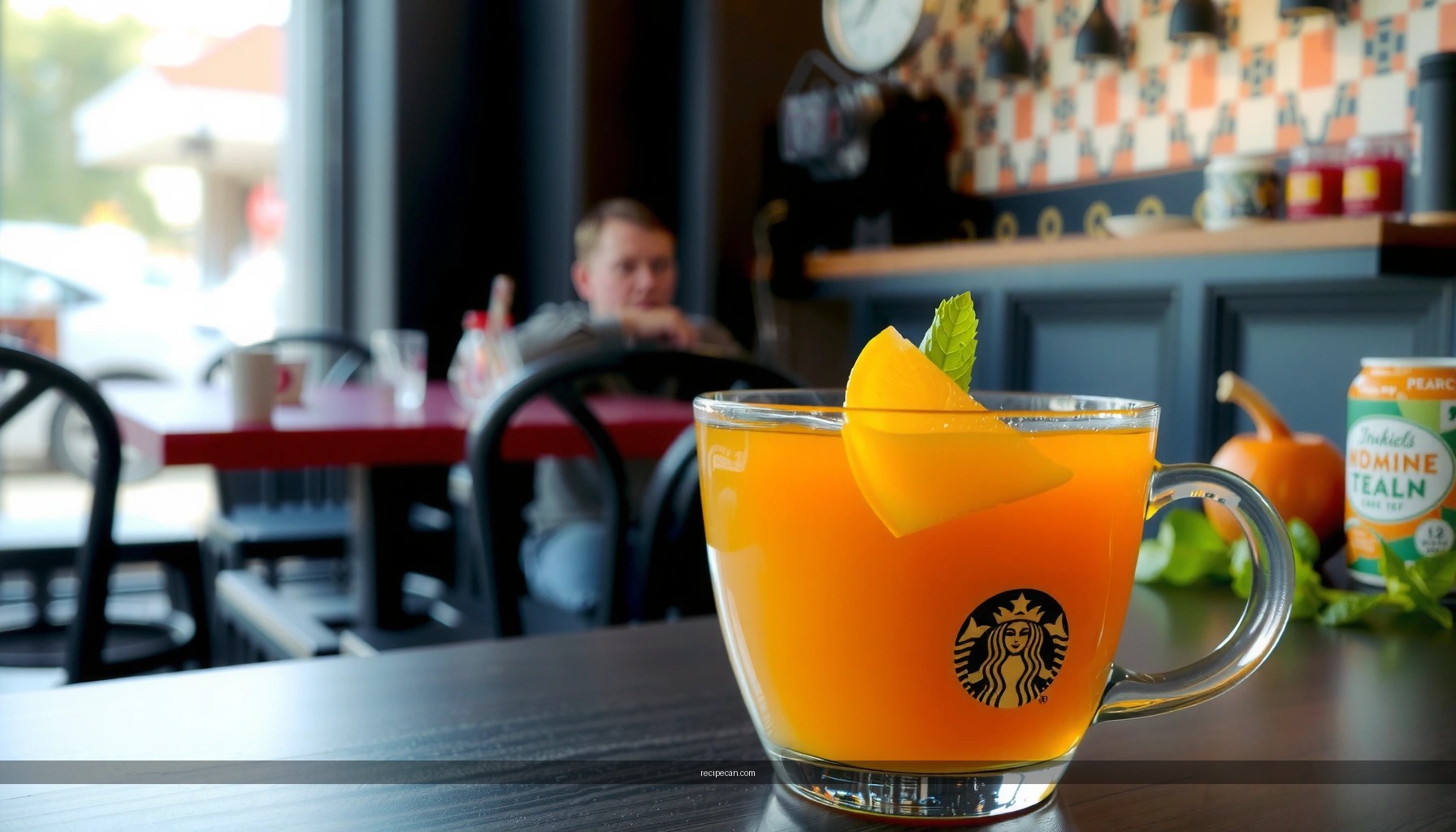
Want the Starbucks Medicine Ball Tea recipe that tastes right at home? This copycat guide gives you the exact how-to and ingredient ratios for the closest possible match, plus quick fixes for when your version tastes “off.” If you want a reliable, spoon-for-spoon cup you can repeat every time, this is the only recipe you need.
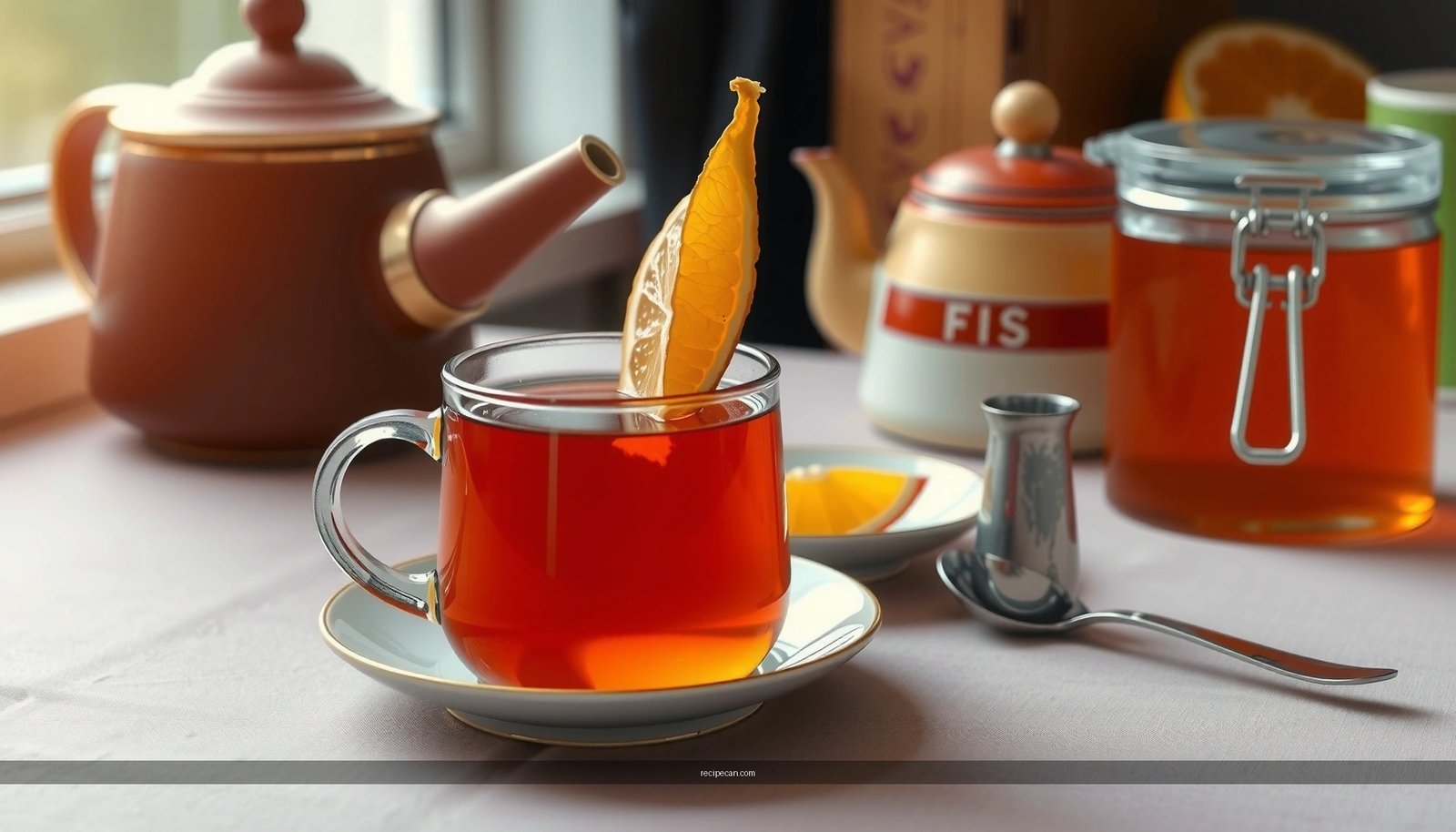
You can recreate Starbucks’ cozy Medicine Ball tea at home by combining hot tea, honey, lemon, and a ginger-spiced element—then adjusting sweetness and strength to match your taste. This guide breaks down the exact components, why they matter, and a simple method to make a close copycat fast, either hot or iced.
Ingredients for Starbucks Medicine Ball Tea
The “Medicine Ball” (often called the Starbucks Medicine Ball tea) is essentially a sweet-tart lemon-honey tea with a warming ginger note and a lightly caffeinated base. Because the Starbucks recipe isn’t fully published, the best copycat approach is to treat each flavor component as a functional ingredient: aroma (tea), sweetness and body (honey), brightness (lemon), and warmth (ginger).
– Choose black tea (or your preferred hot tea base) for the original-style flavor
– Why it works: Black tea provides the familiar “tea” foundation that stands up to honey and citrus.
– Best choices: Earl Grey for a floral-citrus lift, English Breakfast for a classic malty profile, or plain black tea for the most neutral base.
– Caffeine note: Black tea will taste closest to the drink you remember; herbal ginger tea alone will read more “caffeine-free” and less “Starbucks-like.”
– Use honey and lemon/honey citrus elements for the signature sweet-tart taste
– Honey matters: Honey adds viscosity and caramel-like sweetness, making the drink feel soothing rather than just sugary.
– Lemon matters: Lemon juice (not bottled “lemon mix”) delivers sharper acidity and a cleaner finish.
– Optional swap: If you prefer a gentler tang, add a small amount of lemon zest along with juice.
– Add a ginger-spiced component (like ginger tea or juice) to match the “medicine ball” warmth
– Why ginger is essential: Ginger creates that warming “comfort” effect—spicy and aromatic rather than simply sour or sweet.
– Best choices: Fresh ginger steeped into water, ginger tea, or a measured amount of ginger juice (if you have it).
– Balance note: Too much ginger can overpower the honey-lemon. Start modestly and adjust.
To make the copycat practical, here’s an ingredient “map” showing common ways people build a Starbucks-like profile at home and what they typically deliver.
Copycat Medicine Ball Flavor Levers (Home Results)
| # | Ingredient Lever | Typical Amount (1 Mug) | Taste Impact | Starbucks-Closest Rating |
|---|---|---|---|---|
| 1 | Black tea base | 1 tea bag or 2 tsp | Foundational tea aroma | ★★★★☆ |
| 2 | Honey | 1–1.5 tbsp | Sweetness + body | ★★★★☆ |
| 3 | Fresh lemon juice | 1–2 tbsp | Bright, tart finish | ★★★★☆ |
| 4 | Fresh ginger steep | 4–6 thin slices | Warm spice aroma | ★★★☆☆ |
| 5 | Ginger tea concentrate (bag/infusion) | 0.5–1 bag | Consistent ginger warmth | ★★★★☆ |
| 6 | Water temperature | 200–208°F (93–98°C) | Better tea extraction | ★★★☆☆ |
| 7 | Steep time for black tea | 3–5 minutes | Strength and bitterness balance | ★★☆☆☆ |
Step-by-Step Recipe (Easy Copycat Method)
This is the simplest “build it like a barista” version. You’ll get the most accurate flavor by adding components in an order that preserves aroma and avoids over-brewing.
1. Brew the tea base and warm your citrus/lemon elements
– Brew 1 mug (8–12 oz) of black tea (Earl Grey or English Breakfast works especially well).
– While the tea brews, juice your lemon and measure honey.
– If you want the honey to dissolve effortlessly, you can briefly warm the mug with hot water and then discard it.
2. Stir in honey until fully dissolved, then combine everything in a mug
– Add honey to the hot tea first and stir until it dissolves completely.
– Stir in lemon juice next. This prevents lemon acidity from interfering with honey dissolution and gives you a smooth, even sweetness.
3. Add the final ginger component last and taste to adjust sweetness or strength
– Add your ginger element (ginger tea infusion, fresh ginger steep, or measured ginger juice).
– Taste. If it’s not sweet enough, add ½ teaspoon honey at a time.
– If it’s too strong or too spicy, dilute with a splash of hot water or add a bit more lemon for brightness (watch the balance).
Actionable scaling tip: If you’re making multiple drinks, keep the honey and lemon proportions consistent—then adjust ginger per batch. Ginger can vary by brand and freshness, so it’s the easiest variable to fine-tune.
How to Make It Hot or Iced
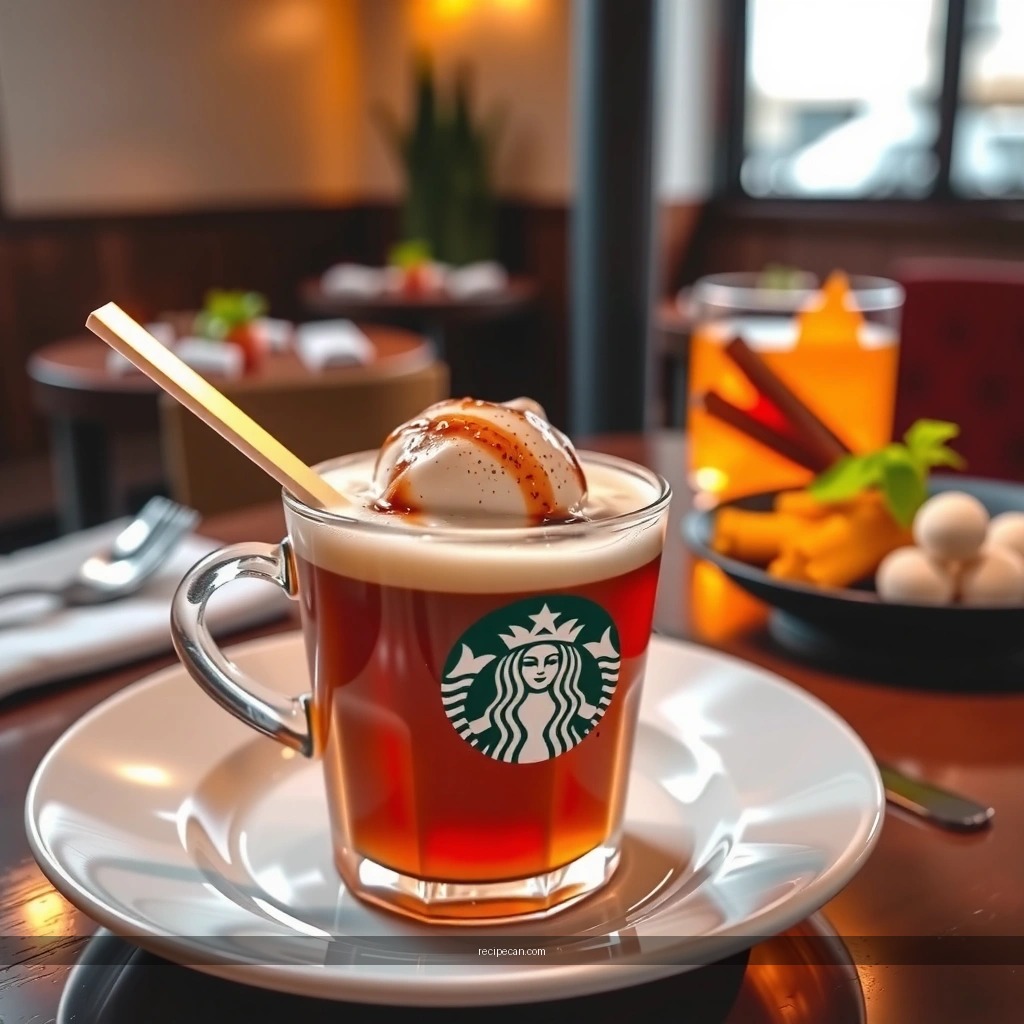
The good news: the flavor structure stays the same whether you serve it hot or iced. The only real difference is temperature timing and dilution.
– For hot: serve immediately after mixing for the best soothing aroma
– Once ginger is added, aroma peaks quickly. Serve right away so the drink tastes fragrant and balanced.
– If you’re preparing for a guest, mix everything except ginger, hold it warm, then add ginger at the last moment.
– For iced: chill the tea base first, then stir in honey and serve over ice
– Brew the tea strong enough to handle dilution (steep a touch longer or use one extra tea bag).
– Let the tea cool, then stir in honey and lemon.
– Add ginger last, then pour over ice. Stir well—ice can mute sweetness, so taste after mixing.
– Adjust sweetness with a quick taste test before serving
– Honey can taste different cold vs. hot. If your iced version tastes “flat,” add a small amount of honey rather than extra lemon.
– If it’s too sharp, reduce lemon slightly and increase honey proportionally.
Flavor Tips to Match Starbucks Closely
If you want your homemade Starbucks Medicine Ball tea to taste convincingly close, focus on three high-leverage details: lemon freshness, honey control, and blending time.
– Use fresh lemon juice when possible for a brighter, truer flavor
Bottled lemon juice often tastes rounder and less vivid. Fresh lemon delivers the sharp, clean citrus note that makes the drink feel “alive.”
– Control sweetness by starting with slightly less honey and adding more if needed
Honey sweetness varies by brand. Start with about 1 tablespoon per mug, then adjust in ½-teaspoon increments.
– Let the drink sit 1–2 minutes after mixing to blend flavors
This short rest helps honey fully integrate and softens harsh edges, especially with ginger. It’s a small step that noticeably improves “matured” flavor.
Healthier and Custom Variations
A copycat recipe doesn’t have to be a copy of every calorie or ingredient choice. You can keep the comfort while making it work for your goals.
– Try less honey or use a natural sweetener alternative
– Use 1 teaspoon less honey per mug for a lighter version.
– You can also try agave or a monk fruit sweetener blend, but honey’s texture plays a role—so choose substitutes that dissolve easily.
– Add extra ginger for a stronger warming feel
– If you love the “medicine ball” warmth, add one additional thin slice of ginger or steep ginger slightly longer.
– Keep a close eye: more ginger increases both heat and perceived bitterness.
– Experiment with tea strength (more or less tea leaves/tea bags)
– For a closer match to Starbucks-style tea depth, brew within 3–5 minutes and taste early.
– For a gentler flavor, reduce steep time by 1 minute and add a touch more honey.
Cautionary note: If you’re sensitive to acidic drinks, consider reducing lemon or using less ginger. The drink is comforting, but acidity and spice can be intense on an empty stomach for some people.
When to Use This Drink (What It’s Best For)
This tea shines when you want comfort and routine—especially during seasons when you’re craving soothing drinks.
– Ideal when you want a cozy, soothing beverage
The combination of honey sweetness, lemon brightness, and ginger warmth creates a “wellness-leaning” experience that feels better than plain hot tea.
– Great for seasonal comfort during cold or dry days
It’s a go-to in winter mornings, late evenings, and any day when you want something warm that still tastes fresh.
– Perfect for a quick homemade “treat” that tastes like Starbucks
Once you have tea, honey, lemons, and ginger, the recipe becomes a fast default—no complicated steps, no special equipment.
This Starbucks medicine ball tea recipe is simple: brew the tea, sweeten with honey, add the citrus element, and finish with a ginger-spiced touch. Follow the steps, taste and tweak sweetness to your preference, and make it hot or iced—then brew your next batch and enjoy that familiar comforting flavor.
In conclusion, the best way to nail the Starbucks Medicine Ball tea at home is to think in components: a black tea base for body, honey for sweetness and texture, fresh lemon for brightness, and ginger added last for warmth. With the right order of operations and a quick taste adjustment for honey and ginger, you’ll get a copycat drink that feels consistently soothing—anytime you want a warm, flavorful “treat” without leaving the house.
Frequently Asked Questions
What is the Starbucks Medicine Ball tea recipe and what does it taste like?
The Starbucks Medicine Ball tea recipe is typically made with Peach Tranquility herbal tea, steamed lemonade, honey, and hot water. People often describe it as soothing and lightly sweet with a fruity peach flavor and a warm, citrusy finish from the lemonade. Because it’s herbal and not caffeinated like coffee, it’s commonly chosen when you want comfort without a strong stimulant.
How do you make a Starbucks Medicine Ball tea at home step-by-step?
Start by steeping Peach Tranquility tea or a peach herbal tea in hot water, then add hot water to your cup if you’re using tea bags that need extra infusion. Stir in honey until dissolved, then add steamed lemonade (or warm lemonade) to match the signature flavor profile. Finish by combining everything in one mug and letting it sit briefly so the honey blends smoothly.
Why does Starbucks call it the “Medicine Ball,” and is it actually good for a sore throat?
The Starbucks Medicine Ball tea recipe is often associated with comfort during colds because it combines honey, warm liquids, and soothing herbal ingredients. Honey can help coat the throat and may make you feel better when you’re coughing or irritated. While it can’t cure an illness, many people find the warm, sweet tea comforting and relaxing.
Which Starbucks menu items are closest to the Medicine Ball tea recipe if you want caffeine-free?
The closest match to the Starbucks Medicine Ball tea recipe is ordering Peach Tranquility (an herbal tea) with honey and lemonade, typically prepared as steamed lemonade. This keeps the drink caffeine-free compared with coffee-based beverages. If you’re sensitive to caffeine, ask for the same components without adding any black tea or other caffeinated bases.
What is the best way to customize the Starbucks Medicine Ball to reduce sweetness or boost flavor?
To reduce sweetness, use less honey or choose a honey alternative, and add more lemonade or hot water to balance the flavor. If you want stronger citrus notes, increase the lemonade portion slightly or stir in a small splash of fresh lemon juice. You can also tailor the comfort factor by keeping the drink extra warm and steeping the Peach Tranquility tea a little longer before mixing.
References
- Google Scholar Google Scholar
https://scholar.google.com/scholar?q=starbucks+medicine+ball+tea+recipe - Google Scholar Google Scholar
https://scholar.google.com/scholar?q=medicine+ball+tea+honey+lemon+peppermint+tea - Google Scholar Google Scholar
https://scholar.google.com/scholar?q=hot+tea+honey+sore+throat+clinical+trial - Honey
https://en.wikipedia.org/wiki/Honey - Ginger
https://en.wikipedia.org/wiki/Ginger - Peppermint
https://en.wikipedia.org/wiki/Peppermint - Lemon
https://en.wikipedia.org/wiki/Lemon - Ginger: Usefulness and Safety | NCCIH
https://www.nccih.nih.gov/health/ginger - https://www.nccih.nih.gov/health/honey
https://www.nccih.nih.gov/health/honey - https://pubmed.ncbi.nlm.nih.gov/16379467/
https://pubmed.ncbi.nlm.nih.gov/16379467/