Afternoon tea recipes that actually deliver a classic tea spread—fast. This guide gives you an easy, step-by-step menu of tried-and-true sweet and savory favorites, with clear bake-and-assemble instructions so you can go from pantry to platter with minimal fuss. If you want the quickest way to serve a proper afternoon tea at home, these are the recipes to follow.
Afternoon tea is easiest to get right when you build a balanced menu: two savory finger sandwiches, a batch of warm scones, and a small selection of tea-friendly sweets. With simple, reliably repeatable components (and a bit of make-ahead planning), you can host a classic afternoon tea at home that tastes polished without requiring advanced baking skills.
Afternoon Tea Components: Ease vs. Crowd-Pleaser (Home-Hosting, 2026)
| # | Component | Time to Prep + Bake (mins) | Best for Group Size | Repeat Rating |
|---|---|---|---|---|
| 1 | Classic Egg & Cress Sandwich | 25 | 4–10 guests | ★★★★★ (5.0) |
| 2 | Salmon & Dill Mini Bagel/Cucumber Bites | 20 | 4–8 guests | ★★★★☆ (4.7) |
| 3 | Cheddar & Tomato Chutney Sandwiches | 30 | 6–12 guests | ★★★★☆ (4.6) |
| 4 | Traditional Plain Scones (with Bake-Rise Reliability) | 60 | 6–14 guests | ★★★★★ (5.0) |
| 5 | Clotted Cream + Strawberry Jam | 10 | All groups | ★★★★★ (5.0) |
| 6 | Vanilla-Glazed Lemon Bars (Traybake-Style) | 75 | 8–16 guests | ★★★★☆ (4.5) |
| 7 | Chocolate-Covered Berry Scones’ “Next-Bite” Squares | 35 | 6–12 guests | ★★★★☆ (4.4) |
Classic Afternoon Tea Menu (What to Make)
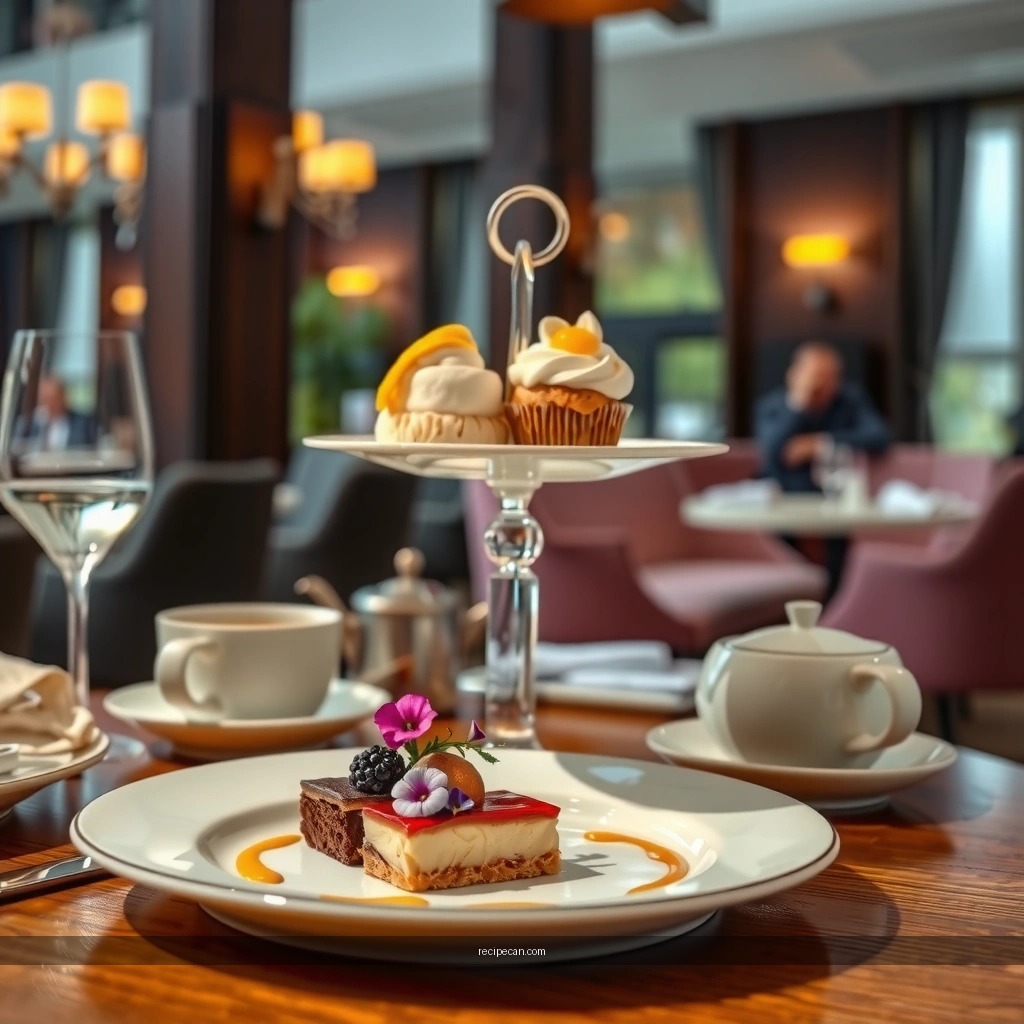
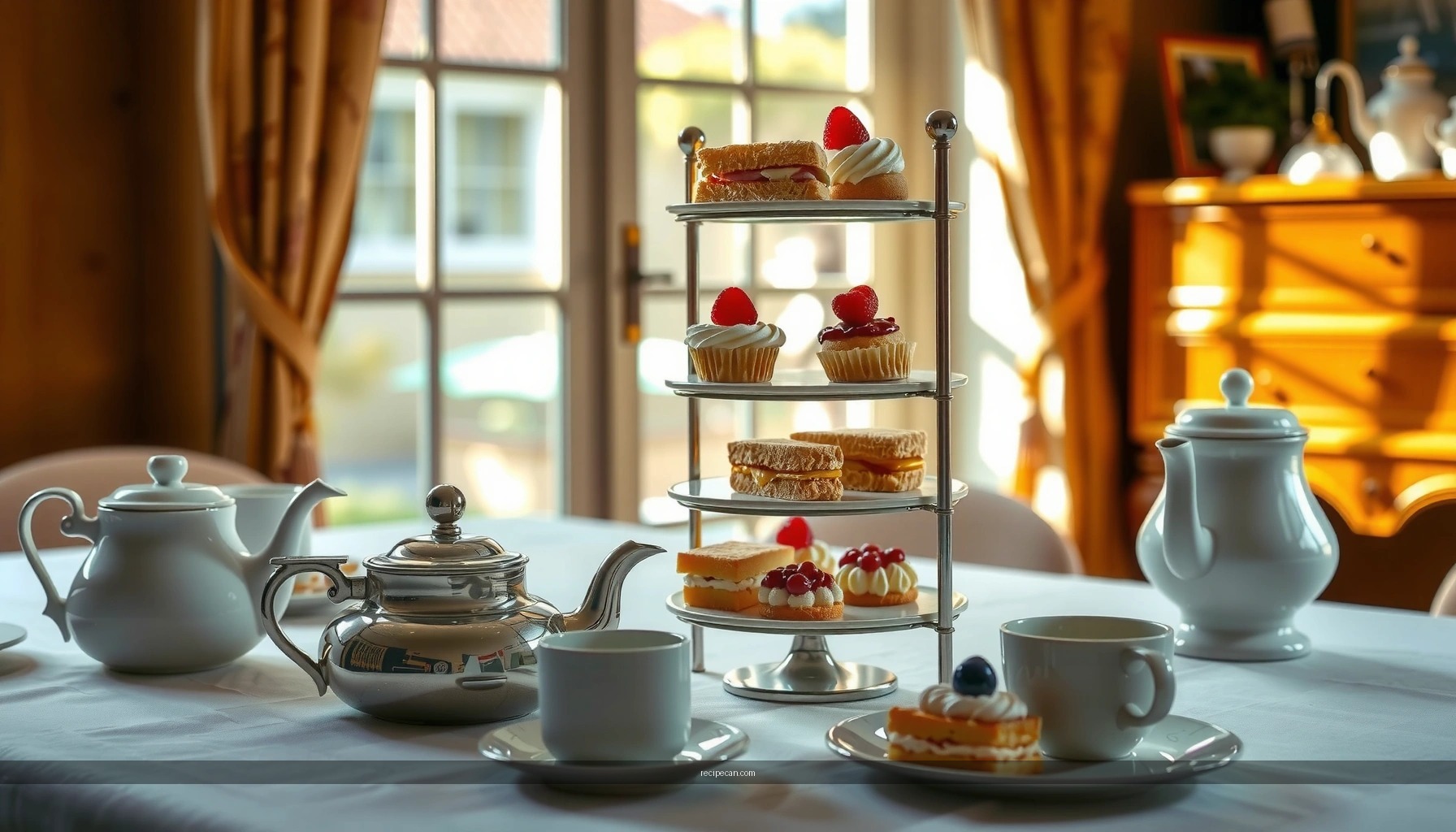
A classic afternoon tea recipe is less about perfection and more about proportion. The typical structure—savory first, scones next, and sweets last—keeps your guests moving through different flavors and textures without overwhelming them.
Choose a mix of savory, scones, and sweets for balance.
A dependable home menu usually includes:
– Two (sometimes three) savory options: finger sandwiches or bite-sized savory pastries
– A main scone batch: plain and/or a single variation like cheddar or fruit
– Two to three sweet items: small cakes, traybakes, cookies, or fruit-forward desserts
When building an afternoon tea spread, think in “bite sizes” rather than full portions. If you plan for approximately 1–2 sandwiches per person plus 2 scone halves (or 1 whole for smaller appetites), you’ll naturally fit sweets at the end.
Plan portions so everything feels varied but not overwhelming.
A useful rule for hosting: aim for variety through ingredients and textures, not through adding more and more recipes. For example:
– One savory option that’s creamy and comforting (egg mayo, smoked salmon, chicken salad)
– One savory option that’s bright and crunchy (cucumber, tomatoes, radish, or a tangy chutney)
– One vegetarian-friendly option that feels complete (see below for easy vegetarian formats)
This approach creates a classic afternoon tea at home that feels curated—more “teashop” than “potluck.”
Savory Afternoon Tea Recipes
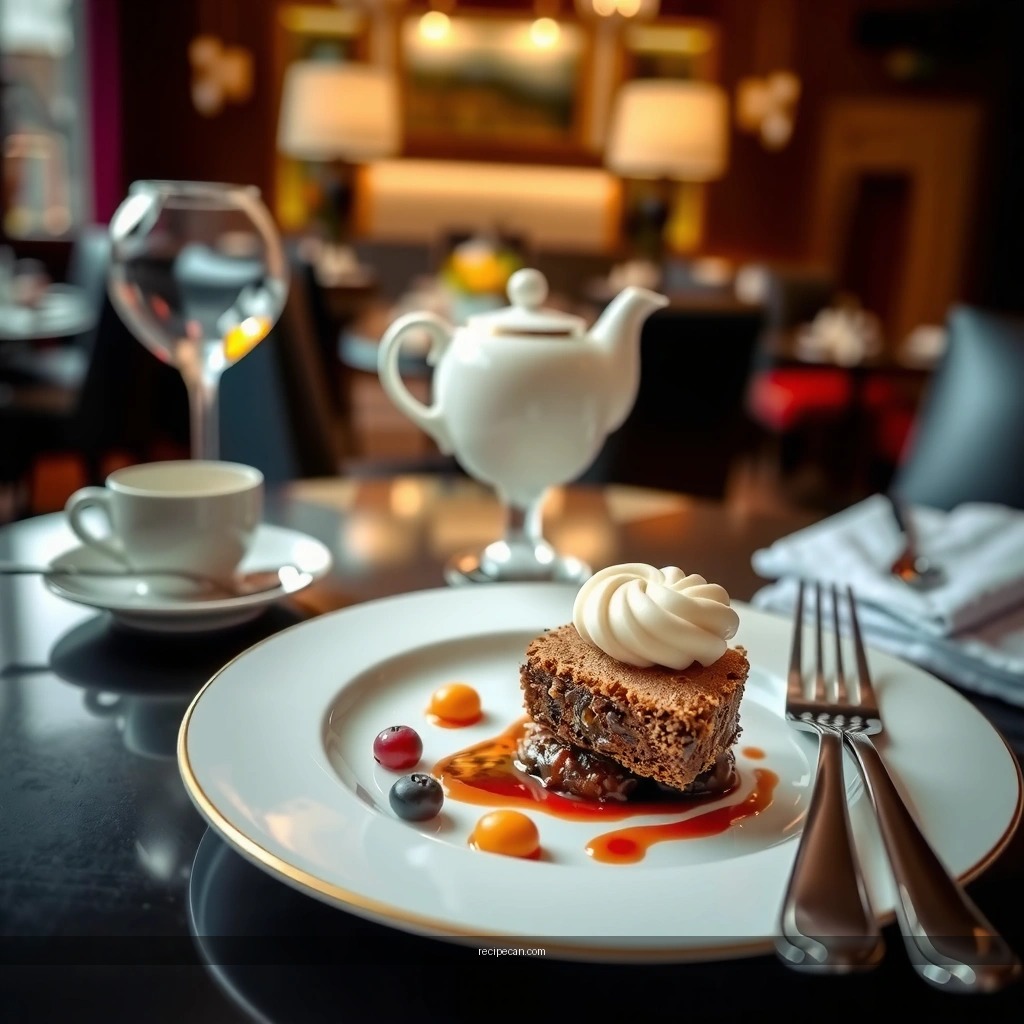
Savory finger sandwiches are the anchor of your tea spread, because they’re portable, portionable, and highly adaptable. Keep fillings flavorful but not watery; guests want bold taste without soggy bread.
Make easy finger sandwiches with fresh fillings.
For the most reliable results:
– Use soft bread (thin-sliced white, whole wheat for nutty notes, or sourdough for a modern twist) and cut into neat rectangles or rounds.
– Start with a base like mayo, butter, or cream cheese—then add flavor boosters (herbs, mustard, lemon zest, pepper).
– Assemble close to serving time, or store components separately (more on that below).
Actionable filling ideas:
– Egg & cress: hard-boiled eggs mashed with mayo, chopped cress (or chives), a squeeze of lemon, and black pepper.
– Smoked salmon & dill: softened cream cheese with dill and lemon zest, layered with cucumber for crunch.
– Chicken salad mini sandwiches: shredded chicken with yogurt-mayo for a lighter finish, plus celery or grapes for texture.
Include at least one option that’s vegetarian-friendly.
Vegetarian-friendly doesn’t have to mean “less filling.” Build a sandwich that offers protein and satisfaction:
– Creamy cheese + chutney: cheddar or brie with tomato chutney, plus a slice of cucumber.
– Hummus + roasted vegetables: hummus with roasted peppers and courgette (zucchini), topped with a squeeze of lemon.
– Egg-free option (for many guests who avoid eggs): herbed hummus and avocado layered with radish slices and microgreens.
A strong vegetarian choice for a classic tea spread is Cheddar + tomato chutney finger sandwiches (savory, tangy, and crowd-friendly). If you want a second vegetarian option, add cucumber and herb rounds with a light spread like butter + lemon or whipped feta.
Scones: The Heart of Afternoon Tea
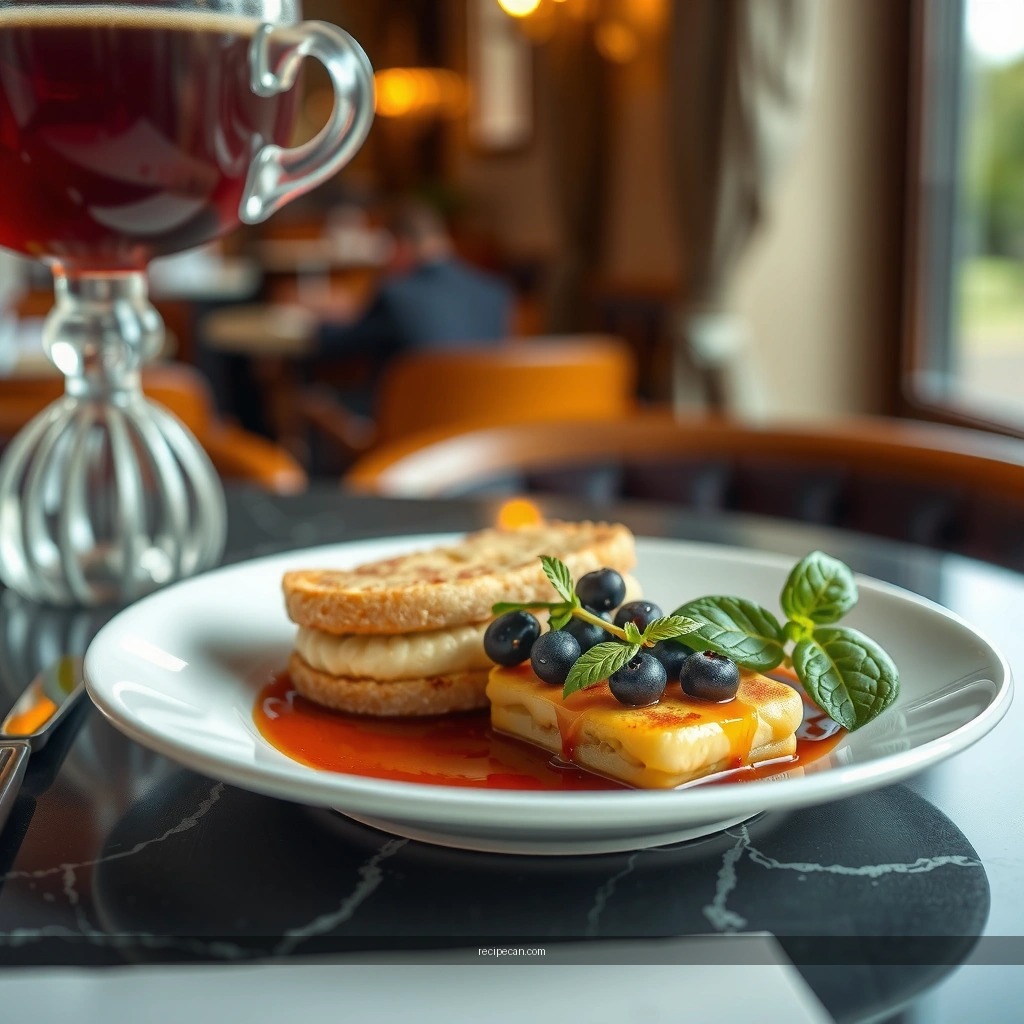
Scones are the centerpiece of afternoon tea recipes. The goal is not only good taste—it’s the right texture: tender inside, golden outside, and a reliable rise.
Use a simple scone base and bake until golden and risen.
A classic plain scone formula typically balances:
– Cold fat (for lift and flakiness)
– Proper leavening (baking powder as your go-to for consistent rise)
– Minimal overmixing (for lightness)
Bake with confidence:
– Preheat thoroughly, and place scones on a lined tray.
– Look for a deep golden top and a slightly risen dome.
– Let them cool briefly before splitting—too hot makes them crumble.
If you’re using a variation like cheddar scones, add cheese without making the dough too wet. Fruit scones can work well too, but keep fruit portions modest to prevent heavy, dense centers.
Serve with clotted cream, jam, and optional lemon curd.
A classic offering is a “choose-your-combo” setup:
– Clotted cream for richness
– Jam for sweetness and fruit acidity
– Optional lemon curd for a brighter, tangy finish
Serving logic matters. Many hosts find the easiest workflow is to split and plate scones, then let guests add spreads. That avoids mess and keeps scones fresh and presentable.
Sweet Afternoon Tea Recipes
Sweet bites are where you can express personality—within the boundaries of what pairs well with tea. In afternoon tea, sweets should be small, not heavy, and flavorful enough to stand up to aromatic teas like Earl Grey or Darjeeling.
Add small cakes, pastries, or traybake-style desserts.
Choose desserts that offer:
– Easy portioning (squares, mini cakes, small cookies)
– Complementary textures (soft crumb, crisp edges, fruity topping)
– Predictable make-ahead performance
Traybakes are especially practical because you can bake once and portion later without complicated decorating. Examples that work well:
– Lemon bars with a vanilla glaze
– Victoria sponge-inspired mini squares
– Berry-studded shortbread or blondie-style bites
– Chocolate and hazelnut cookie squares (thin, not cakey)
Pick flavors that pair well with tea (vanilla, citrus, berry, chocolate).
Tea-friendly flavors usually share one of these qualities: bright acidity, aromatic vanilla, or mild bitterness that complements tannins. A reliable pairing approach:
– Vanilla for softness and comfort (works with milk teas and gentler blends)
– Citrus (lemon/orange) to cut through richness like scones and cream
– Berry for fruit brightness and natural sweetness
– Chocolate in moderation—aim for a balanced sweetness rather than overly fudgy density
A smart hosting move is to include one “bright” sweet (lemon or berry) and one “comfort” sweet (vanilla cake or chocolate bite). That creates a classic spread that feels complete rather than repetitive.
Tea Pairings and Serving Tips
Even the best afternoon tea recipes can fall flat if the tea and food clash. Pairings don’t need to be complicated—just intentional.
Match teas to flavors: Earl Grey with citrus, vanilla with light sweets.
A short, practical pairing guide:
– Earl Grey + citrus sweets: bergamot supports lemon curd, lemon bars, and orange notes.
– Darjeeling or Assam + vanilla: lighter floral teas suit vanilla sponge, while malty Assam complements buttery pastries.
– Green tea + berry: berry brightness harmonizes with lighter, grassy notes.
– Black tea + chocolate: chocolate’s richness and tea tannins work well together.
If you’re hosting a mixed group and unsure of preferences, set out two teas:
1) one black tea (or classic tea like Earl Grey)
2) one lighter option (green, jasmine, or a tea with floral notes)
Set up serving order: savory first, scones next, sweets last.
This isn’t just tradition—it’s sensory strategy:
– Savory first: gets guests warmed up and helps control sweet cravings
– Scones next: scones taste best when warm, and serving them after savory prevents them from feeling “too heavy” immediately
– Sweets last: after scones, guests are more ready for dessert brightness and finish
For execution, arrange items in a straight flow on your table: sandwich plates at one end, scones in the middle (with spreads nearby), and sweets at the other end. Guests naturally move through the experience like a curated course.
Practical serving tip: if possible, keep sandwiches covered and chilled, then set them out in batches so they remain fresh and sliceable.
Make-Ahead and Storage for Smooth Hosting
Hosting goes smoothly when you separate “prep” from “serve.” The best afternoon tea recipes aren’t the most complex—they’re the ones that hold up under time constraints.
Prepare fillings and baked items ahead to reduce day-of stress.
Plan in components:
– Sandwich fillings: can be mixed a day or two ahead (store in sealed containers).
– Scone dough or baked scones: can often be prepared in advance—either baked earlier and reheated briefly or frozen after cooling.
– Sweets: many traybakes and cookies hold well and can be portioned right before serving.
A practical schedule could look like this:
– Day before: make sandwich fillings, bake sweets, portion into trays, and prep serving platters.
– Morning of: bake scones (or reheat if baked earlier), slice any fresh garnishes (cucumber, herbs), assemble a few sandwiches right before guests arrive.
Store components separately to keep textures fresh (especially scones).
Texture is everything in a classic tea spread:
– Sandwiches: assemble close to serving; otherwise bread can soften. If you must assemble early, store with paper between layers.
– Scones: avoid storing with jam and cream—spreads can soften the crumb and make scones lose that freshly baked feel.
For scones, allow them to cool completely before storing. Reheat in a low oven for a short time to restore warmth without drying them out.
For a business-like hosting mindset, treat your afternoon tea menu like a production plan: label containers, stage items by serving order, and assign a “hot item responsibility” (scones) so you’re never scrambling.
Afternoon tea recipes are all about balanced menu planning, warm scones, and bite-sized sweets you can serve confidently. Pick 2 savory options, bake a batch of scones, and add 2–3 easy desserts—then plan your tea pairings and make-ahead steps. Try one section this week and build the full spread next time.
Frequently Asked Questions
What are the best easy afternoon tea recipes for beginners?
Start with no-fuss classics like cucumber sandwiches, simple scones, and mini Victoria sponge or lemon drizzle loaf slices. For savory options, try egg mayo or smoked salmon tea sandwiches, and for sweet, add strawberry jam tarts or plain sponge bites. Choose recipes with minimal baking steps so you can focus on assembling a beautiful afternoon tea spread without stress.
How do I plan an afternoon tea menu with the right balance of sweet and savory?
Aim for a mix of savory finger foods (about half) and sweets (about half), including at least one “base” item like scones or cake and a few lighter bites like pastries or fruit. A common approach is 3–4 savory sandwiches plus 2–3 sweet items, so guests can sample everything. If you’re serving for a larger group, repeat components (e.g., multiple sandwich fillings) rather than making many completely different recipes.
How far in advance can I make afternoon tea recipes, and what should I prepare the day before?
Most components can be made ahead: sandwich fillings can be mixed and refrigerated, scones can be baked earlier in the day, and cakes can be portioned the night before. Assemble sandwiches closer to serving time to keep bread fresh, and store them covered in the fridge. Bake delicate pastries or finish anything that may soften (like cream-based items) shortly before serving for the best texture.
Why do my afternoon tea scones turn out dense, and how can I fix the recipe?
Dense scones usually come from overmixing the dough, using warm ingredients, or handling the butter too much before baking. To fix it, gently combine ingredients just until they come together, keep butter cold, and avoid adding too much flour during shaping. For light scones, use fresh baking powder, preheat the oven fully, and bake until risen and golden rather than overbrowning.
Which afternoon tea recipes work best for dietary restrictions like vegetarian and gluten-free?
For vegetarian afternoon tea, choose filling options such as cucumber and dill, egg mayo alternatives, roasted vegetable wraps, or cheese and chutney tea sandwiches. For gluten-free, look for scone and sponge recipes specifically formulated with gluten-free flour blends, and use gluten-free crackers or bread for savory bites. Always check labels on ingredients like jam, sauces, and chocolate, since “small” additives can contain hidden gluten.
References
- Tea (meal)
https://en.wikipedia.org/wiki/Afternoon_tea - Tea sandwich
https://en.wikipedia.org/wiki/Tea_sandwich - Scone
https://en.wikipedia.org/wiki/Scone - Clotted cream
https://en.wikipedia.org/wiki/Clotted_cream - https://www.britannica.com/topic/afternoon-tea
https://www.britannica.com/topic/afternoon-tea - Afternoon Tea Recipes | Good Food
https://www.bbcgoodfood.com/recipes/collection/afternoon-tea-recipes - https://www.bbc.co.uk/food/collections/afternoon_teas
https://www.bbc.co.uk/food/collections/afternoon_teas - Google Scholar Google Scholar
https://scholar.google.com/scholar?q=afternoon+tea+recipes - Google Scholar Google Scholar
https://scholar.google.com/scholar?q=afternoon+tea+sandwiches+scone+recipe - Google Scholar Google Scholar
https://scholar.google.com/scholar?q=traditional+afternoon+tea+recipes+history