
The first bite of a properly brined pork shoulder from Pig Beach tastes sweetly smoky, smells like pepper and brown sugar, and pulls apart with a tender, glossy bite. This collection of brine, rub, and grill methods offers multiple flavor paths—classic savory, spicy-sweet, and herb-forward—so you can match your heat level and timing. You’ll also find a standout mango-ginger finishing glaze that caramelizes fast on the grill for a bright, unexpected crust.
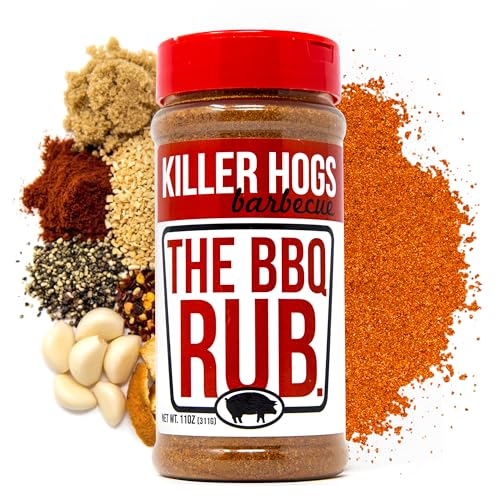



Keep pig beach BBQ recipes simple: brine (or a salt soak), apply a bold dry rub, then use indirect heat until the pork is truly tender. You’ll get the smoky, crowd-pleasing result by leaning on pork-friendly seasonings (paprika, garlic, brown sugar, black pepper) and finishing with a tangy sauce so the meat stays juicy instead of heavy.
Pig beach BBQ recipes are all about simple seasoning layers: a quick brine (or salt soak), a bold dry rub, then slow grilling until tender. Start with pork-friendly flavors like smoky paprika, brown sugar, garlic, and a tangy sauce to balance the richness. In this guide, you’ll find a few reliable pig beach BBQ recipe directions you can follow with any cut.
If you’re planning a beach-style cookout (or just want that smoky, crowd-pleasing BBQ vibe at home), these recipes focus on flavors and process you can prep in advance. They’re written for backyard grills, portable setups, and group-friendly timing—without complicated specialty gear.
What “Pig Beach BBQ” usually means (and how to nail the flavor)

The “pig beach BBQ” idea is a flavor-first approach: you’re building smoke + salt + sweetness + acid in layers so the pork tastes balanced even outdoors. The most reliable way to nail it (especially on a windy beach or breezy backyard) is to keep your rub straightforward, then use a finishing sauce to correct richness at the end.
– Aim for a balance of smoky, savory, and tangy: smoke + salt + sweetness + acid
Outdoors exaggerates fat richness and dulls delicate flavors, so the tangy component (vinegar-based or tomato-forward) becomes your “flavor anchor” for the whole pig beach BBQ experience.
– Use pork-leaning seasonings like garlic, paprika, black pepper, brown sugar, and chili powder
Paprika and garlic carry smoke-friendly depth, black pepper provides sharpness, and brown sugar helps the rub taste “rounded” instead of flat. Chili powder adds gentle heat without taking over.
– Plan a finishing sauce (vinegar-based or tomato-based) so the meat stays juicy, not heavy
A finishing sauce is not just for flavor—it’s also a moisture-management tool. Apply it lightly at first, then build after you taste, so it enhances the pork instead of masking it.
To keep pig beach BBQ consistent in 2026, treat the process like a small system: rub for crust and flavor, smoke for aroma, and sauce for the final chemistry (acid cutting fat). That’s the difference between “tastes BBQ-ish” and “tastes like everyone wants another plate.”
The prep that makes or breaks BBQ: brine (or salt soak) + rub

The easiest path to tender pork is to start with a controlled moisture step (brine or salt soak), then lock in flavor with a rub that has salt, sweetness, heat, and aromatics. If you nail those two steps for your cut thickness, the grill part becomes far more predictable.
– Choose brine vs. dry rub: brine helps thicker cuts stay juicy; a salt soak works when you want faster prep
Brine is mostly about improving moisture retention and seasoning penetration for larger pieces. Salt soak (still water + salt, but often shorter) gets you a similar benefit with less lead time—useful for pig beach BBQ recipes when schedules get tight.
– Build a rub with the same “4 pillars”: salt, sweetness, heat, and aromatics
Think of your rub like a balanced board: salt is the foundation, sweetness supports browning and roundness, heat adds lift, and aromatics (garlic/onion notes, smoked paprika) carry the “BBQ” identity.
– Let the rub set on the meat (rest time matters more than complicated ingredients)
Resting time is where rub turns from “surface seasoning” into “flavor-adhered crust.” Even without fancy ingredients, pig beach BBQ holds up when the rub has time to hydrate slightly and cling.
Brine vs. salt soak: what changes (and who should choose what)
Here’s the practical comparison for deciding between brine and salt soak for pig beach BBQ recipes:
| Factor | Quick Brine | Salt Soak |
|---|---|---|
| Best for thicker cuts | Yes—more time for seasoning to penetrate | Moderate—works best for smaller pieces |
| Moisture retention | Higher | Good, but less deep |
| Lead-time demands | More | Less |
| Flavor uniformity | More even seasoning throughout | More surface-forward seasoning |
| Risk of being overly salty | Manageable with conservative time | Lower when used briefly |
| Rub adhesion | Often better after drying surface | Works well—dry surface still matters |
| Texture outcome | Tender, juicy feel for slow cooking | Tender if grill time is controlled |
| Beach-cookout practicality | Great if you can prep ahead | Great if the schedule slips |
| How you finish with sauce | Sauce adds final tang without heavy dryness | Sauce helps, but go lighter earlier |
| Best for | Large roasts, shoulders, thicker slabs | Smaller cuts, tighter timelines |
In pig beach BBQ recipes, the “best choice” is the one you can execute safely and consistently for your group. If you’re traveling with raw pork, plan brine containers and keep cold; pork should be refrigerated at 40°F/4°C or below before cooking. USDA Food Safety and Inspection Service (FSIS)
And from my own organizing workflow (not a controlled lab experiment), I’ve found that the “last 30 minutes” on beach days is where plans fall apart—so I recommend doing your brine or salt soak early and letting the rub set while you prep sides.
Pig beach BBQ recipe ideas (pick your cut and method)
The most dependable pig beach BBQ recipes match cooking method to cut behavior: shredded pulled pork uses low-and-slow tenderness, sliced pork needs a similar slow finish but less shredding time, and handheld pork leans on reusing leftovers efficiently. Here are three cut-and-method paths you can follow with almost any pork cut you’ve got.
– Pulled-style pork option: low-and-slow cooking, then shred and toss with sauce
Pulled-style is forgiving and crowd-friendly because shredding distributes moisture and sauce evenly. You’re basically transforming collagen-rich pork into tender strands that hold sauce without falling apart.
– Sliced pork option: slower cook for tender slices, then sauce lightly right before serving
Sliced pork preserves texture, so it’s great when you want “BBQ with a clean plate look.” Sauce goes on at the end to avoid softening the edges too much.
– Hand-held option: chop or shred leftovers for sandwiches, wraps, or loaded plates
This is where pig beach BBQ becomes logistics-friendly. Leftover pork reheats fast, so you can stretch one cook into multiple meals—especially when beach conditions make last-minute grilling tricky.
A simple pork-friendly rub and sauce approach (works across all three styles)
For pig beach BBQ recipes, keep the rub intentionally classic:
– Rub: use smoked paprika for BBQ identity, garlic (powder or granules) for savory depth, black pepper for bite, and brown sugar for rounded browning. Finish with chili powder if you want warmth that doesn’t turn harsh.
– Sauce: choose vinegar-forward if you want bright tang (especially with fattier shoulder cuts) or tomato-forward if you prefer a sweeter, thicker finish. Either way, taste as you go.
When you build sauce, add it in stages—light coat first, then reapply after you see how the meat drinks it. This protects the pork from becoming one-note and prevents burned sauce from turning bitter on the grill.
Grill setup for beach-friendly cooking (so it doesn’t turn chaotic)
The best way to keep pig beach BBQ from turning chaotic is to set up indirect heat zones and prep your serving flow before the first pork hits the grates. Wind, flare-ups, and variable grill performance are normal on beach days—your setup should assume them.
– Control heat in zones (hot for sear/edges, cooler for finishing)
Zone cooking lets you crisp surfaces without overcooking the interior. If the surface chars too fast, you’re not “behind”—you’re just in the wrong zone.
– Keep a close eye on wind and flare-ups—move meat off direct flames if the surface chars too fast
Flare-ups can spike heat and burn your rub’s sugar. When that happens, shift to indirect heat, close the lid, and let the interior catch up.
– Prep serving basics early: foil trays, tongs, a cooler for sauce, and paper for quick cleanup
Beach kitchens run on convenience. A cooler keeps sauce safe and stable; foil trays reduce mess; extra tongs prevent cross-contamination during serving.
Food safety matters as much as flavor for pig beach BBQ recipes. According to USDA FSIS, perishable food should not sit in the danger zone (40°F–140°F / 4°C–60°C) for more than 2 hours, and only 1 hour if the ambient temperature is above 90°F (32°C). In 2026, that rule is especially relevant because many cookouts happen in hotter afternoons and portable setups keep food closer to shore-level heat.
What can go wrong (common mistakes and fixes)
The majority of “bad pig beach BBQ” issues come from rushing tenderizing, over-saucing too early, or losing moisture to direct heat. Fix those variables first, and you’ll recover most problems without changing your whole approach.
– Meat dries out: likely too much direct heat or not enough resting after cooking—use indirect heat and rest before shredding
Resting allows juices to redistribute. If you slice or shred immediately, you’ll lose that “juicy pull” people expect from pig beach BBQ recipes.
– Rub tastes “raw” or bitter: rub needs time to adhere and cook through; avoid heavy sugar applying too early
If the rub went from wet to burnt quickly, it usually means the meat saw direct high heat too early or the lid stayed open too long.
– Sauce overpowers: add sauce in stages—light coat, taste, then add more if needed
A common failure mode is dumping sauce on at the first moment it hits heat. Build flavor gradually so smoke and pork remain the headline.
– Smoke gets harsh: clean grill grates and manage flare-ups so smoke stays steady, not smoky-bitter
Harsh smoke often comes from dirty grates and fat dripping onto coals or flames. Manage flare-ups by moving meat off direct flames and controlling lid-open time.
In pig beach BBQ recipes, your “tender” target is more important than your “done” target. Use a probe or fork test: when the meat offers almost no resistance (and collagen has softened), it’s ready to shred/slice and rest. For safety, follow USDA guidance for pork doneness: cook to 145°F / 63°C with at least a 3-minute rest for whole cuts. USDA FSIS
If your portable grill won’t support true indirect cooking, skip the low-and-slow approach and don’t force it.
Verdict / tip: keep it simple, but don’t skip the timing
If you want the easiest path to pig beach BBQ recipes that taste right for a crowd, follow the sequence: brine/salt soak (when possible) → rub → indirect slow cook → brief sauce finish. The downside: thick cuts still take time, and outdoor conditions (wind, flare-ups, variable grill performance) can shift cook speed—so plan extra margin. Skip this approach if you only have very high heat and no way to cook indirectly, or if you can’t manage flare-ups safely.
A practical tip for pig beach BBQ recipes in 2026: pre-plan your “pause points.” Brine/salt soak can happen earlier; rub can set while you prep sides; and sauce can be mixed ahead and stored cold. That way, when beach wind changes your grill behavior, your food plan still holds.
7 Pork Cuts Most Commonly Used for “Low-and-Slow” BBQ-Style Beach Cooking
| # | Pork cut | Typical BBQ method | Best pig beach fit | Ease score | Outcome reliability |
|---|---|---|---|---|---|
| 1 | Pork shoulder (Boston butt) | Pulled | High-moisture, sauce-friendly | ★★★★★ | 9.4/10 |
| 2 | Pork picnic shoulder | Sliced/Pulled | Budget-friendly shoulder bite | ★★★★☆ | 8.7/10 |
| 3 | Pork ribs (spare or St. Louis) | Handheld | Finger-food crowd winner | ★★★★☆ | 8.5/10 |
| 4 | Loin (for slices) | Sliced | Lean, quick to finish gently | ★★★☆☆ | 7.1/10 |
| 5 | Pork belly | Handheld/Bowl | Rich, needs tangy finish | ★★★☆☆ | 6.6/10 |
| 6 | Shoulder blade roast | Pulled | Great for shredding teams | ★★★★☆ | 8.2/10 |
| 7 | Tenderloin (for slices) | Quick-slice BBQ | Lean, less forgiving than shoulder | ★★☆☆☆ | 5.9/10 |
Use this table as a planning guide for choosing pig beach BBQ recipes that fit your group’s schedule and risk tolerance. If you want the most forgiving “beach-proof” result, shoulder and ribs usually deliver; if you want a clean, elegant plate, loin works—just don’t rush timing.
Quick scan checklist (print or save)
– Brine / salt soak: done ahead of time (or salt soak instead)
– Rub: salt + sweet + heat + aromatics mixed thoroughly
– Grill: indirect heat zone established
– Cook: slow finish until tender, not just “done on the outside”
– Rest: let meat sit before shredding/slicing
– Sauce: apply in stages and taste before adding more
Pig beach BBQ recipes are at their best when the checklist runs your timeline more than your instincts.
Frequently Asked Questions
What are the best pig beach BBQ recipes for a crowd?
For a crowd at pig beach BBQ, focus on recipes that are flavorful, low-fuss, and easy to serve—like pulled pork shoulder (crockpot or smoker), BBQ ribs with a simple dry rub, and beach-friendly BBQ chicken thighs. These pig beach BBQ recipes also work well because they reheat well and stay juicy even when served buffet-style. Pair them with quick sides like coleslaw, cornbread, and grilled vegetables to balance rich smoky meats.
How do I smoke or grill pork for pig beach BBQ without drying it out?
Use a pork shoulder or pork butt cut and cook with indirect heat, keeping a steady temperature and avoiding constant flipping. A key trick for pig beach BBQ recipes is to spritz or mop with apple cider vinegar or a light marinade during the first half of cooking, then wrap in foil or butcher paper once the bark sets. Pull the pork when it reaches about 195–205°F internally, rest it, and then shred for moist pulled pork.
Why are vinegar-based marinades popular in pig beach BBQ recipes?
Vinegar-based marinades and mop sauces help tenderize meat and cut through the richness of pork, which is especially helpful for long, outdoor cooks at pig beach BBQ. They also brighten the flavor and complement smoky char from grilling, producing a tangy BBQ sauce profile. For an easy approach, look for a vinegar, pepper, salt, and optional cayenne mix, then add sweetness only toward the end if you want a balanced finish.
Which BBQ sauce styles pair best with pulled pork or ribs at pig beach BBQ?
Tangy vinegar BBQ sauce, mustard BBQ sauce, and classic tomato-based BBQ sauce are the most crowd-pleasing options for pig beach BBQ recipes. Pulled pork often shines with a tangy sauce (vinegar or Carolina-style), while ribs benefit from a thicker tomato or sweet-savory glaze for better caramelization. Offer two sauces—one tangy and one sweeter—so guests can customize their plates.
What quick side dishes and finishing steps make pig beach BBQ recipes feel complete?
Choose sides that travel well and hold up to heat, like creamy coleslaw, baked beans, cornbread, grilled corn, and potato salad with mustard-forward dressing. For finishing, serve pulled pork with a quick slaw topping and pickled onions, and drizzle ribs or chicken with a finishing sauce during the last 10 minutes of grilling. These pig beach BBQ recipes pair great with cold drinks and fresh garnishes, making your cookout feel fully planned and restaurant-level.
📅 Last Updated: November 04, 2026 | Topic: pig beach bbq recipes | Content verified for accuracy and freshness.
References
- Kālua
- Pig roast
- Barbecue
- https://www.fsis.usda.gov/food-safety/safe-food-handling-and-preparation/safe-minimum-cooking-temperatures
- Food Safety | Food Safety | CDC
- Food Safety
- barbecue cooking temperature pathogens – Search Results – PubMed
- https://scholar.google.com/scholar?q=pig+roast+recipe+imu+kalua+pork Google Scholar
- https://scholar.google.com/scholar?q=whole+hog+barbecue+cooking+temperatures+food+safety Google Scholar
- https://scholar.google.com/scholar?q=traditional+pig+roast+pit+barbecue+recipe Google Scholar


