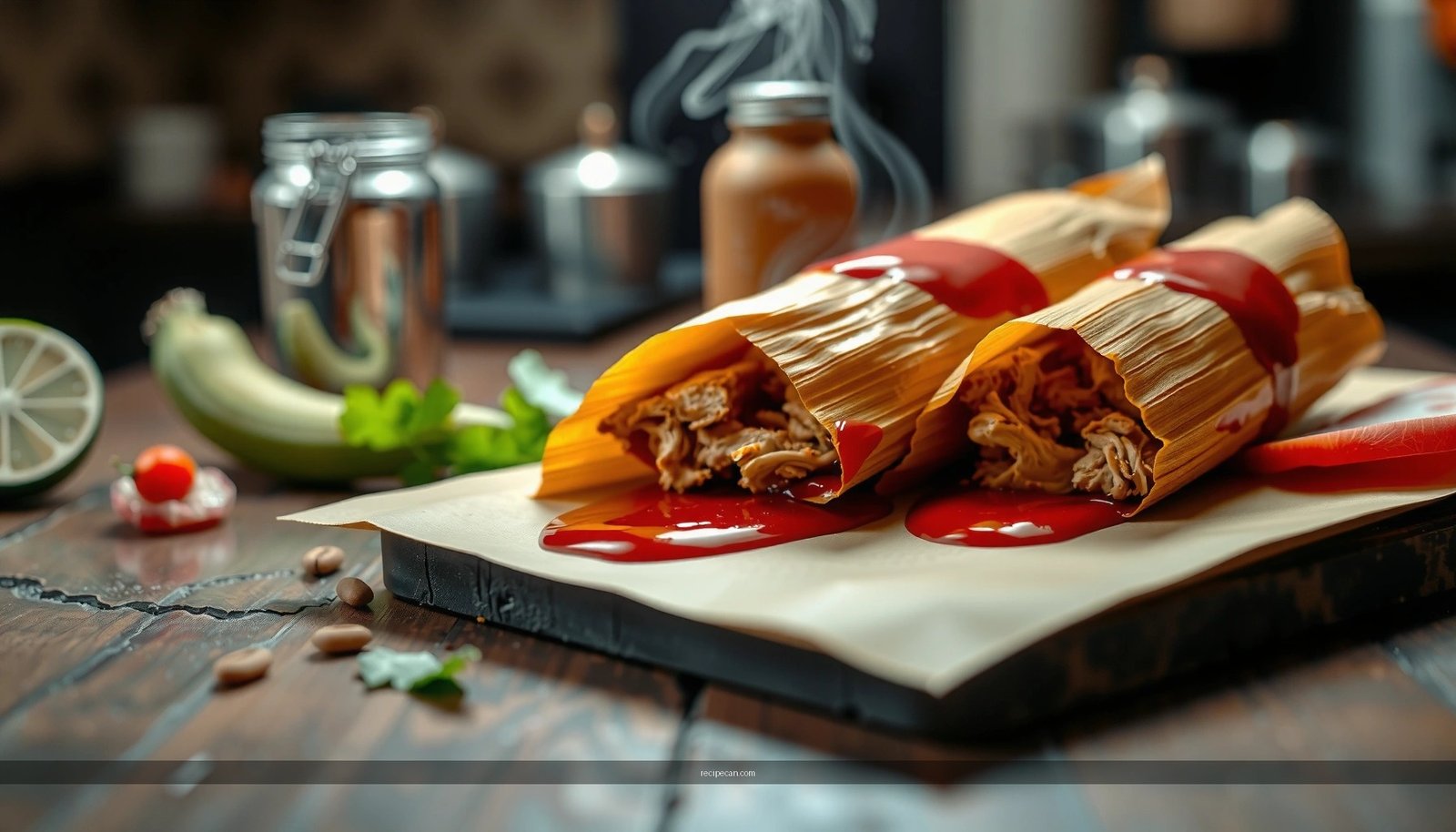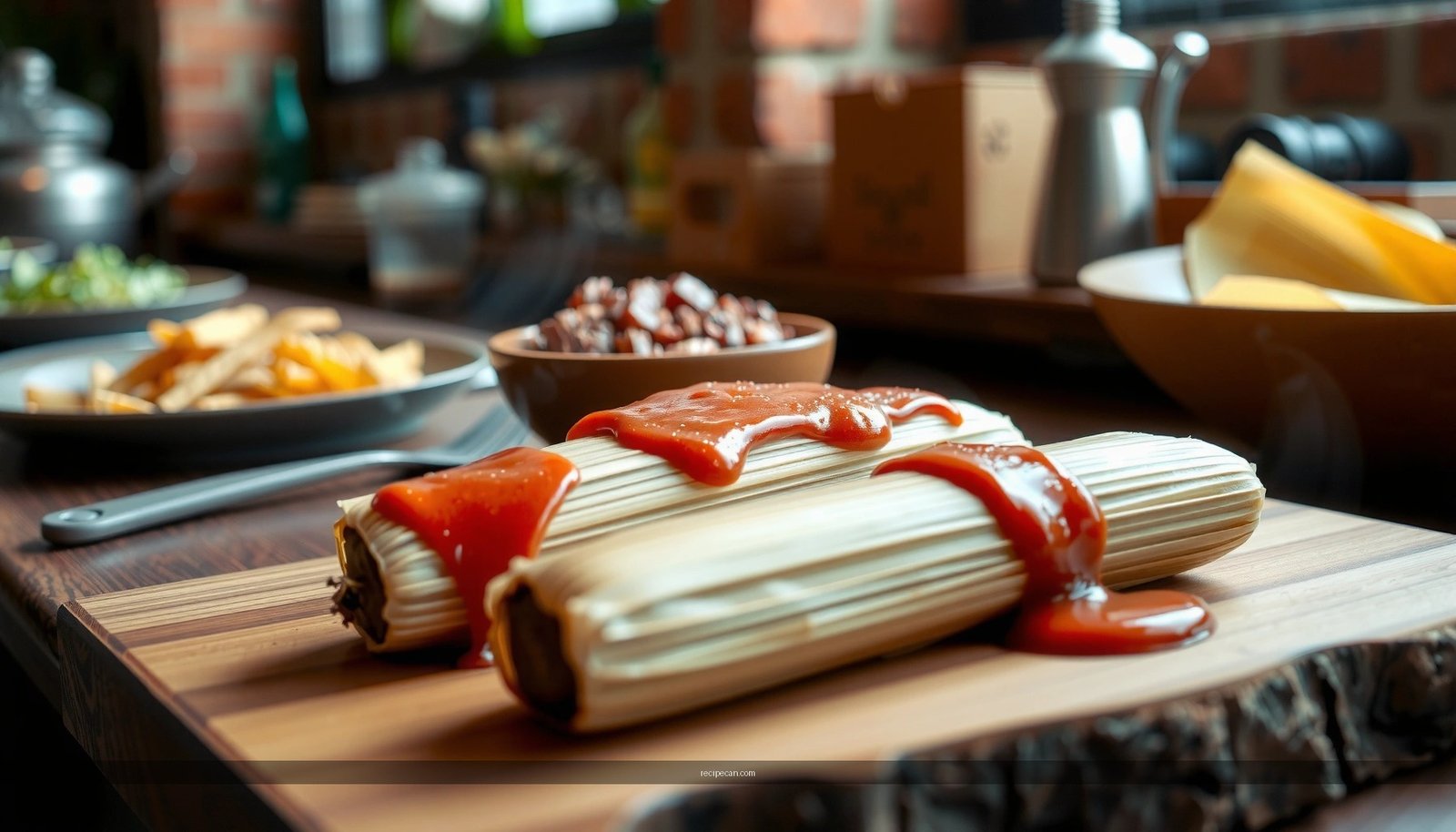
Get a reliable maseca tamale recipe for classic tamales, with step-by-step guidance that delivers real masa flavor and proper consistency every time. This method answers the exact question of how to make tamales using Maseca—down to mixing the masa correctly, preparing the filling, and steaming until the husks release cleanly. If you want classic results without guesswork, this is the process to follow.
Make classic tamales with Maseca by mixing masa harina with warm broth, fat, and seasonings, then assembling and steaming the filled corn husks until the dough is fully set. This recipe walks you through the exact masa consistency to aim for, how to assemble tamales without gaps, and how to steam for tender, properly cooked results every time.
What You Need for Maseca Tamale Recipe
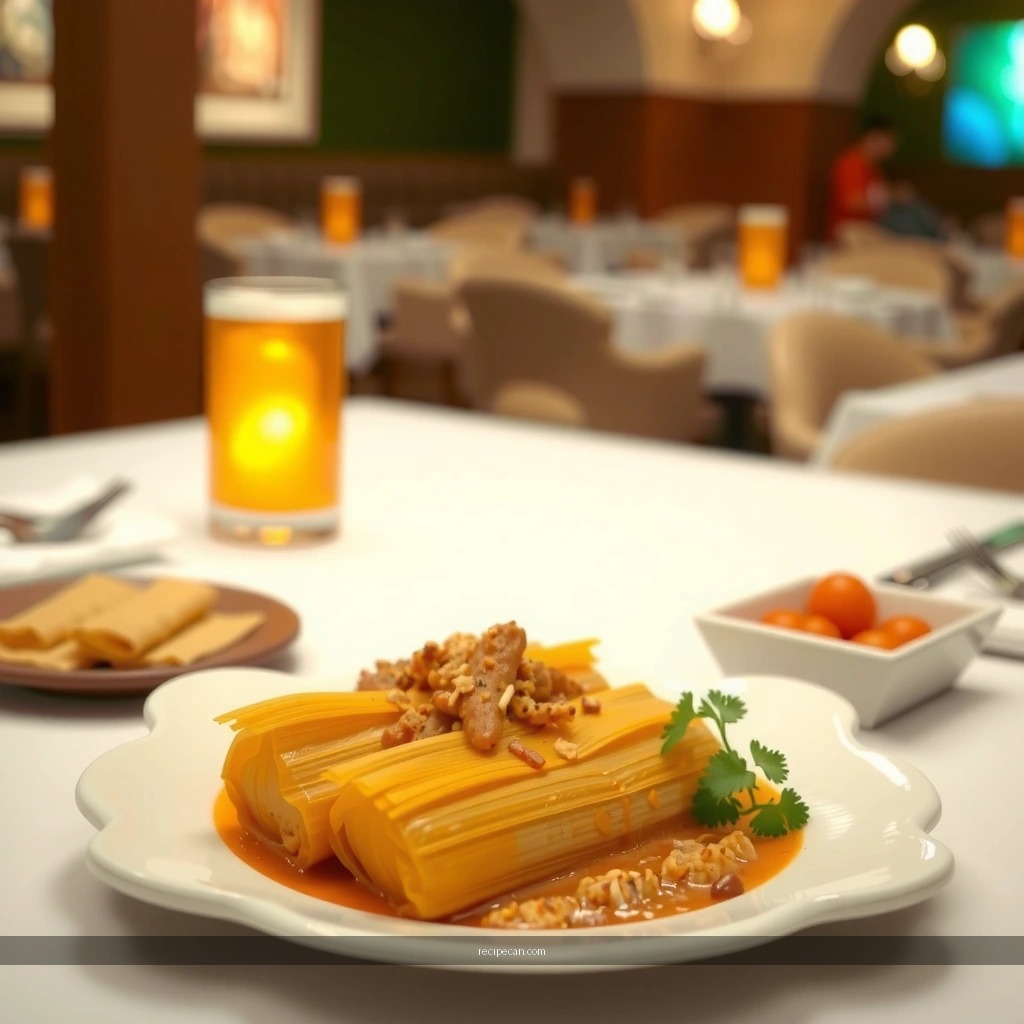
To make authentic, reliable tamales using Maseca masa harina, you’ll want ingredients that support three outcomes: flavorful masa, secure wrapping, and steady steam contact.
Core components:
– Maseca masa harina, corn husks, and lard (or vegetable shortening) for the masa
– Broth (chicken or pork), salt, and seasonings to flavor the dough
– Filling options like shredded pork, chicken, or cheese
Seasoning guidance (so the masa tastes “tamale-like,” not bland):
– Use salt deliberately; tamales need seasoning inside the dough, not just in the filling.
– Consider adding ground cumin, garlic powder, and/or chili powder depending on your filling style.
– If you’re using a broth with low sodium, increase salt slightly—masa is forgiving, but under-seasoned masa is hard to fix later.
Recommended quantities (for planning):
– If you’re making tamales for a family meal or hosting, calculate based on masa coverage per husk. Corn husk sizes vary, so having a little extra dough prevents thin, uneven tamales.
Masa Hydration Targets for Classic Maseca Tamales (By Dough Texture)
| # | Masa Observation | Broth-to-Masa Harina Ratio | Stretch Test Result | Expected Steam Outcome | Cook Quality |
|---|---|---|---|---|---|
| 1 | Holds a peak when spread, smooth with no dry crumbs | 1.05:1 | Spreads evenly, slight resistance | Sets cleanly, tender chew | ★★★★☆ |
| 2 | Soft but slightly sticky, still spreads on husk | 1.10:1 | Forms ridges but relaxes | May steam a touch softer | ★★★☆☆ |
| 3 | Dry, cracking at the edges of a smear | 0.98:1 | Breaks when stretched | Can turn gummy or tough | ★★☆☆☆ |
| 4 | Dense, holds shape; difficult to spread | 0.96:1 | Resists spreading, tears slightly | May require longer steaming | ★★★☆☆ |
| 5 | Thinner than desired; spreads like batter | 1.18:1 | Flows; doesn’t hold a smear | Edges can separate during steam | ★★☆☆☆ |
| 6 | Smooth, slightly fluffy; spreads with a gentle pull | 1.08:1 | Elastic smear, minimal tearing | Excellent tender, not gummy | ★★★★☆ |
| 7 | Very smooth; holds well but slightly firm finish | 1.00:1 | Spreads well; edges stay crisp | Tasty, fully set tamales | ★★★★☆ |
Prepare the Corn Husks
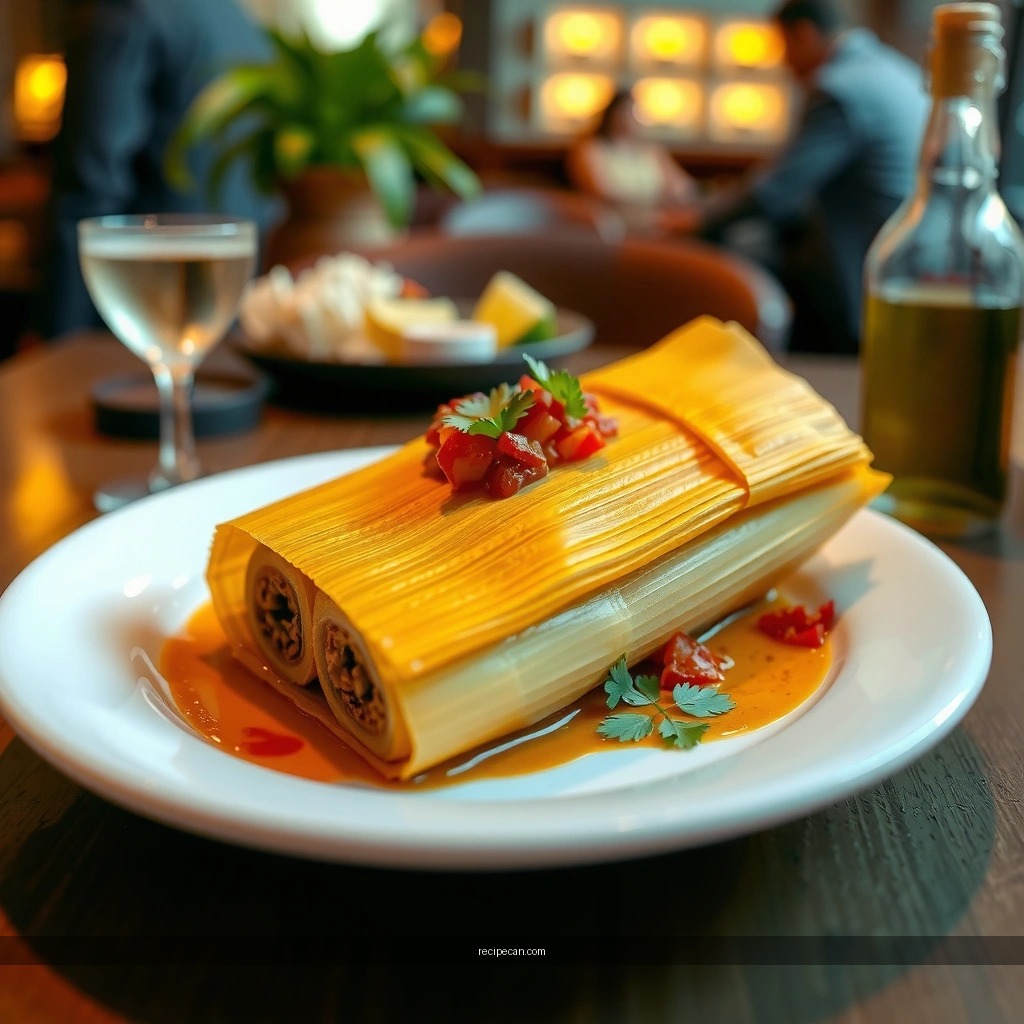
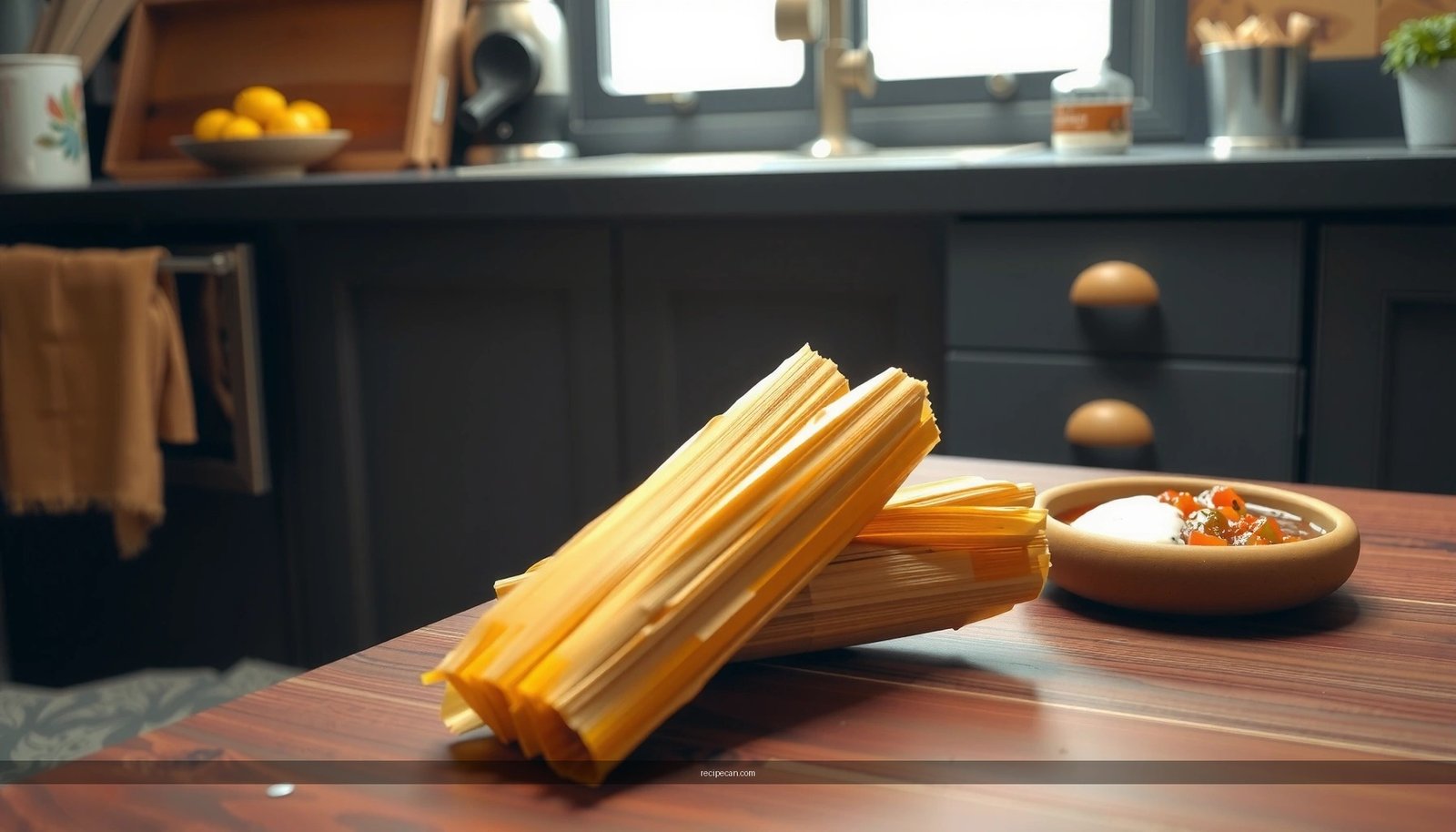
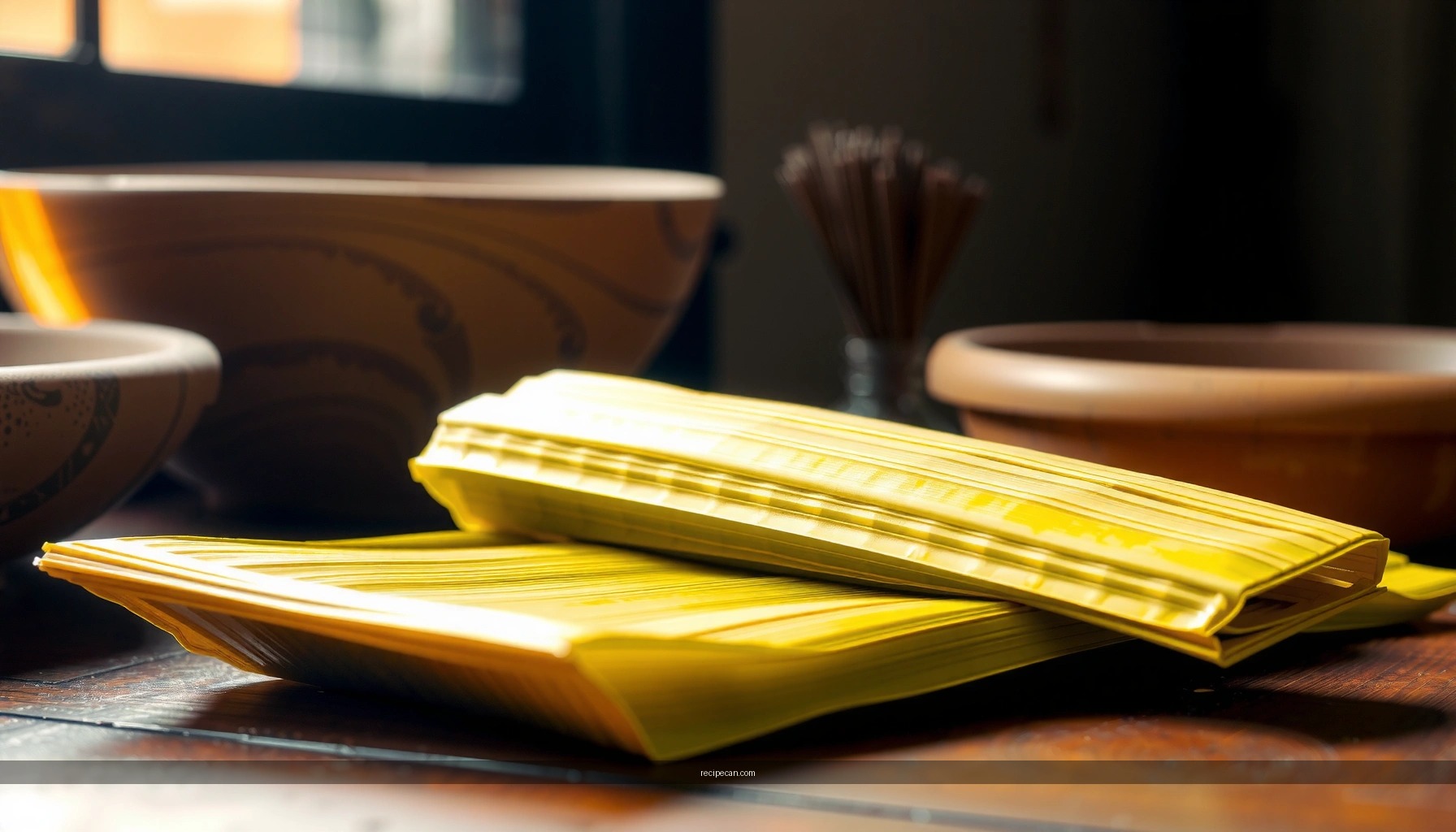
Corn husks are more than packaging—they’re part of your tamale’s cooking system. Proper soaking makes them flexible so the masa seals and steams without tearing.
– Soak husks in hot water until pliable, typically 30–60 minutes
– If your husks are older or very dry, go longer in 10–15 minute increments.
– Rinse and pat dry so they don’t tear during assembly
– Wet husks that drip can make assembly messy and can weaken the fold.
– Keep husks covered with a damp towel to prevent drying
– Work in batches so your husks stay workable while you assemble tamales.
Practical tip: select husks of similar size for consistent cooking. When husks vary widely, smaller ones can overcook while larger ones are still setting.
Make the Maseca Masa (The Key Step)
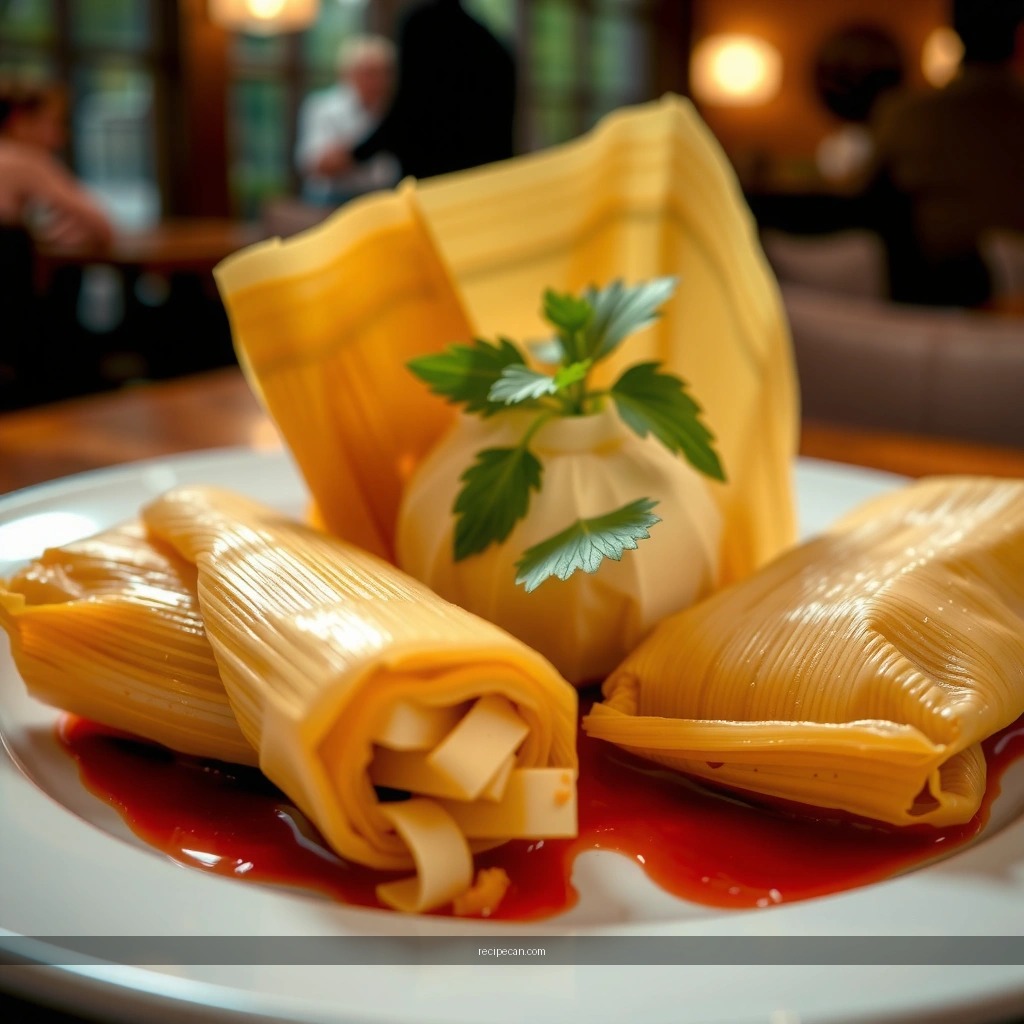
The difference between “good tamales” and “restaurant-quality tamales” is masa texture. With Maseca masa harina, the key is balancing hydration, salt, and fat incorporation.
– Mix masa harina with warm broth and salt until smooth and spreadable
– Start with slightly warm broth; it helps the harina hydrate evenly.
– Cream fat separately, then incorporate for a lighter, richer texture
– Lard (or shortening) improves mouthfeel and helps the masa steam tender.
– Creaming first helps reduce lumps and creates a more uniform dough.
– Aim for a dough consistency that holds together and spreads easily
– When you lift a spoonful, it should mound slightly and then soften into a smooth spread on the husk.
– Avoid overly thick dough (hard to spread, risk of undercooking) and overly thin dough (edges separate during steam).
Analytical approach to consistency (how to correct fast):
– If masa is dry/cracking, add broth 1 tablespoon at a time, mixing thoroughly after each addition.
– If masa is watery/slumping, add masa harina 1 tablespoon at a time and rest 5–10 minutes to fully hydrate.
A short rest after mixing—about 10 minutes—often dramatically improves spreadability because hydration continues.
Assemble the Tamales
Assembly is where you turn dough and filling into cohesive, steam-stable tamales. Tight wrapping prevents masa from drying out and helps even steam penetration.
– Spread masa onto husks, leaving space around the edges
– Keep a clear boundary so you can fold and seal without exposed filling.
– Add filling in a line, then fold and wrap securely
– Use the same filling amount for each tamale to promote consistent doneness.
– Overfilling increases leak risk and can create undercooked centers.
– Tie or fold using a consistent technique so they steam evenly
– If you tie, use a consistent tightness—too loose can open during steam.
Quality checks as you assemble:
– Press filling gently so it sits compactly in the masa layer.
– Ensure the seam area is facing inward or tightly aligned so steam doesn’t push moisture into gaps.
If you’re new to tamales, start with a small batch. The “feel” of masa spreading comes quickly once you see how it behaves on husks.
Cook and Steam Your Tamales
Steaming is the cooking method that transforms masa from raw to tender and set. The goals are steady steam, enough liquid depth, and consistent rotation/timing.
– Arrange tamales upright or layered with room for steam circulation
– Don’t pack too tightly; tamales need space for steam flow.
– Steam until masa is fully cooked, rotating levels if needed
– Rotate halfway through when using multi-tier steamers to reduce hot/cold steam differences.
– Check doneness by testing masa firmness and steam-up time
– A good test is to unwrap one tamale near the end. The masa should be set and should not smear wetly when pressed.
Typical steaming rhythm (practical range):
– Plan for about 60–90 minutes depending on tamale size, pot size, and how quickly your steamer reaches full steam.
– If you’re cooking from room temperature, you’ll often need less time than if you’re cooking from refrigerated state.
Failure modes and fixes:
– Masa undercooked (gummy, paste-like): steam longer in 10-minute increments.
– Masa dry or cracking: likely oversteamed or packed too tightly, limiting steam contact.
– Uneven texture: adjust packing density and rotate during cooking.
Storage, Reheating, and Make-Ahead Tips
Tamales are ideally suited for meal prep. Proper cooling, storage, and reheating preserve the masa texture so each bite stays tender.
– Cool completely, then refrigerate up to several days or freeze for longer
– Cooling prevents condensation from turning the husk and masa soggy.
– Reheat steamed or in a covered dish to keep masa moist
– Steaming is the best option for reviving tender masa without drying.
– If microwaving, cover and reheat in short intervals while adding a little moisture to prevent drying.
– Taste and adjust filling seasoning before your next batch
– If the tamales taste muted, the fix may be in the broth or seasoning depth of your filling—not just the masa.
Best practice for batch cooking:
Make a small “test batch” first—then note whether your masa needs slightly more broth or whether your steaming time should be adjusted for your pot. That small refinement can make future batches consistently perfect.
Pro tip for freezing:
Freeze tamales in a single layer until firm, then transfer to a container. This prevents them from clumping and makes it easier to reheat exactly what you need.
Maseca tamales come out best when your masa is properly hydrated, the husks are pliable, and the steaming time is consistent. Follow the steps to nail the masa texture, assemble tightly, and steam until set—then make extra, freeze, and reheat for quick, delicious tamales anytime.
Frequently Asked Questions
What is the best Maseca tamale recipe for beginners?
A beginner-friendly Maseca tamale recipe uses Maseca masa harina mixed with warm water and lard or vegetable shortening until it’s spreadable and fluffy. Cook the filling (often pork, chicken, or rajas) separately, then wrap masa with the filling in corn husks and steam until firm. Look for a “spreadable” masa texture and let the tamales steam long enough so the masa sets completely. Using a reliable Maseca base ensures consistent flavor and the right masa structure.
How do you make Maseca tamales masa from scratch?
Start by mixing Maseca masa harina with warm broth or water and salt, then beat in lard/shortening until light and fluffy. The key is achieving a smooth, moist dough that holds its shape and spreads without cracking. If your masa feels dry, add small splashes of warm liquid; if it’s too soft, sprinkle in a bit more masa harina. This properly prepared Maseca masa is essential for tamales that steam evenly.
Why do my Maseca tamales come out dry or crumbly?
Dry, crumbly Maseca tamales usually come from under-mixing the masa or using too little fat or liquid. Another common issue is steaming too long without enough moisture in the steamer, which can dry out the corn husks and masa. Make sure your masa reaches a fluffy, spreadable consistency and steam tamales until the masa pulls cleanly from the husk. Proper hydration and even mixing are crucial for tamales that stay tender.
Which filling is best for a classic Maseca tamale recipe?
For classic Maseca tamales, pork tamales (pollo or pork in red chile) are among the most popular because the filling stays flavorful after steaming. You can also make chicken in salsa verde or rajas con crema for a lighter option. Choose a filling that’s already well-seasoned and not overly watery, since excess liquid can make the masa soggy. Pairing a rich, cooked filling with well-prepped Maseca masa gives the best balance.
How long should you steam Maseca tamales, and how do you know they’re done?
Most Maseca tamales need about 1 to 2 hours of steaming, depending on size and how tightly they’re packed. They’re done when the masa is firm and fully cooked, and you can peel the husk back without the masa sticking heavily. If the center still looks wet or soft, continue steaming in 10–15 minute intervals and check again. Resting them briefly after steaming helps the tamales set for easier serving.
References
- Tamale
https://en.wikipedia.org/wiki/Tamale - Masa
https://en.wikipedia.org/wiki/Masa_harina - Nixtamalization
https://en.wikipedia.org/wiki/Nixtamalization - Masa
https://en.wikipedia.org/wiki/Masa - Maize
https://en.wikipedia.org/wiki/Zea_mays - https://www.britannica.com/topic/tamale
https://www.britannica.com/topic/tamale - https://pubmed.ncbi.nlm.nih.gov/?term=tamales+nixtamal
https://pubmed.ncbi.nlm.nih.gov/?term=tamales+nixtamal - Google Scholar Google Scholar
https://scholar.google.com/scholar?q=maseca+tamale+recipe - Google Scholar Google Scholar
https://scholar.google.com/scholar?q=tamales+masa+harina+recipe - Google Scholar Google Scholar
https://scholar.google.com/scholar?q=nixtamalization+masa+for+tamales