
Coffee rubbed Instant Pot roast prime rib is the fastest reliable way to get tender meat first, then a bold, crackly coffee-seasoned crust at the end. Pressure-cook briefly to soften the roast, and finish with a high-heat broil so the coffee rub forms a deep, savory bark—something you can’t get from pressure cooking alone, even in 2026.



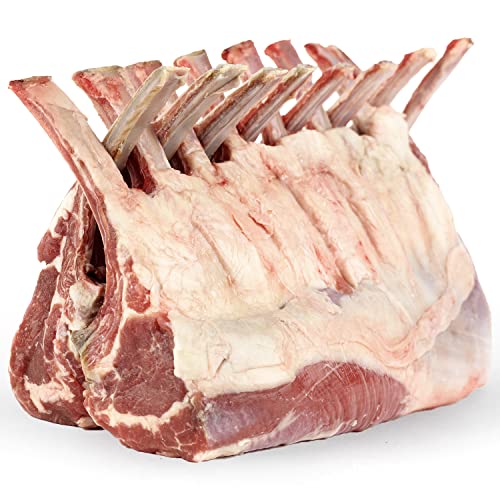
Coffee grounds rubbed into prime rib before it meets the pressure cooker creates a deep, smoky aroma and a mahogany crust when the roast is seared at the end. The Instant Pot tenderizes quickly while the coffee, salt, pepper, and herbs build a savory, slightly bittersweet bark that stays juicy. With clear timing and an easy final sear, you can achieve prime-rib tenderness without hours in the oven.
Recipe Overview

If you want prime rib “roast vibes” without babysitting an oven for hours, this Coffee Rubbed Instant Pot Prime Rib is the move. You get a warm, slightly smoky coffee rub that tastes upscale and savory, and the finishing broil delivers the classic crust texture people expect. This is especially great for weekends, entertaining, or any night you want a steakhouse-style result with a calmer workflow. Difficulty: Moderate for 8 people.
Time Required

– 🕐 Prep Time : 25 minutes
– 🍳 Cook Time : 45 minutes (pressure cooking + release + final broil)
– ⏱ Total Time : 1 hour 10 minutes, plus 15 minutes
Note: Resting time helps the roast slice cleanly and keeps juices from running out.
Ingredients
This recipe works because coffee brings a toasted, savory bitterness that pairs naturally with salt, pepper, garlic, and paprika. Use a dark roast coffee (or espresso powder) and kosher salt to help the rub cling and form that crusty surface when it hits high heat. If you like less sweetness, reduce or skip the brown sugar—everything else still builds the savory “steak seasoning” vibe.
Main Ingredients
– Prime rib roast (4.5 lb), trimmed; remove silver skin if desired
– Coffee rub: 3 tbsp finely ground dark roast coffee (or espresso powder) + 2 tbsp kosher salt + 2 tsp black pepper
– Garlic powder (optional but great): 2 tsp
– Onion powder (optional but great): 2 tsp
– Paprika (sweet or smoked): 1 tbsp
– Brown sugar (optional): 1 tbsp (or replace with honey for a slightly rounder sweetness)
– Instant Pot liquid: 1 cup beef broth (or water)
– Instant Pot trivet (required for roast not steaming in liquid)
Finishing Boost (optional but highly recommended)
– Butter: 2 tbsp
– Fresh thyme (or dried): 1 tsp
– Extra black pepper: 1/2 tsp
Step-by-Step Instructions
This method is straightforward: dry + rub → short pressure cook → hot broil → rest. The pressure stage is about tenderness; the broil stage is about crust, so don’t rush the finish.
Preparation
1. Pat the prime rib dry all over (paper towels work best).
– Dry meat browns better. You’re aiming for a surface that isn’t tacky-wet—just slightly tacky from the rub later.
2. Mix and coat with the coffee rub. Combine coffee/espresso powder, kosher salt, black pepper, garlic powder, onion powder, paprika, and brown sugar (if using). Press the rub onto the roast until evenly speckled.
– Key look: it should look uniformly coated, with no huge bare patches.
3. Rest the rubbed roast for 10–15 minutes while you set up the Instant Pot.
– This short rest helps moisture settle and lets the rub adhere.
Cooking
4. Add broth to the Instant Pot and place a trivet inside.
– The liquid creates steam for pressure cooking; the trivet keeps the roast from sitting in liquid.
5. Place the roast on the trivet.
6. Pressure-cook on High for 25 minutes for a 4.5 lb prime rib.
– If your roast is smaller or larger, see the timing guide in the Heat & Temperature section—then always verify with a thermometer before broiling.
Finishing
7. Release pressure: do a natural release for 10 minutes, then quick release any remaining pressure.
8. Remove roast carefully and blot off any pooled liquid on the surface (lightly—don’t wipe off the rub).
9. Broil (or oven sear) for crust:
– Heat broiler to high (or preheat oven to 500°F / 260°C).
– Place roast on a rack over a sheet pan and broil 6–10 minutes, rotating once, until deeply browned and crisp at the edges.
– Optional: melt butter with thyme and brush a thin layer during the last 1–2 minutes for extra aroma.
10. Rest 15 minutes before slicing.
– This is when juices redistribute so your slices look clean, not wet.
Heat & Temperature Guide
Pressure-cooking tenderizes first, and broiling finalizes the “prime rib roast” experience with crust and flavor. Think of the Instant Pot stage as softening and the broiler stage as building bark.
Cooking Method
– Pressure-cooking + high-heat finishing gives you tenderness without drying out the center.
– Instant Pot roast prime rib only delivers the classic crust if you finish with a hot broil/oven sear afterward—coffee rub needs high heat to toast rather than steam.
Temperature & Timing
– Internal doneness targets (before slicing):
– Medium-rare: 130°F / 54°C
– Medium: 140°F / 60°C
– Pressure cook time guide (High):
– For 3.0–4.5 lb: start at 20–25 minutes
– For each additional 1 lb above 4.5 lb: add about 5 minutes
– After pressure cooking, the roast is usually still below your final target—broiling is what brings it home. That’s the whole advantage of this two-stage method.
How to Know It’s Done
– Use an instant-read thermometer and measure at the thickest part (avoid touching bone if present).
– After broiling, you want the exterior to look dark, toasted, and crisp, not just “browned.”
– The aroma should be nutty/toasty from coffee and browned fat—no acrid smell. If it smells burnt, pull it immediately and rest; crust can overdevelop fast under a broiler.
Prime Rib Doneness Targets vs. USDA Whole-Cut Safety (2011)
| # | Doneness | Target Temp (°F) | Margin vs 145°F | Safety Rating |
|---|---|---|---|---|
| 1 | Very Rare | 120°F | -25°F | ★☆☆☆☆ |
| 2 | Rare | 125°F | -20°F | ★☆☆☆☆ |
| 3 | Medium-Rare (Classic) | 130°F | -15°F | ★★☆☆☆ |
| 4 | Medium-Rare (Higher) | 135°F | -10°F | ★★☆☆☆ |
| 5 | USDA Whole-Cut Safety Minimum | 145°F | 0°F | ★★★☆☆ |
| 6 | Medium-Well | 155°F | +10°F | ★★★★☆ |
| 7 | Well Done | 160°F | +15°F | ★★★★★ |
What Can Go Wrong & Precautions
This recipe is forgiving, but prime rib can shift from “perfect” to “too soft” fast if you overshoot pressure time or under-sear at the end. The good news: most problems come from fixable process issues like surface moisture, thermometer misuse, or broiler settings.
Coffee rub tastes bitter
This usually happens when the coffee gets over-browned. Coffee can go from toasted to bitter quickly under a broiler, especially if your roast surface is wet. Pat the roast dry before broiling, keep the broiling time tight, and use a thermometer so you’re not staying under heat longer than needed.
Overcooked roast from pressure
Prime rib is naturally tender, so pressure cooking is best used briefly to tenderize without pushing through doneness. If you pressure-cook too long, the meat turns mushy and the crust loses its contrast. Start with the lower end of the time guide, then rely on broiling to reach your target.
No real crust (browned, not crackly)
If you see only light browning, it’s almost always because the surface was too wet or the finishing heat wasn’t high enough. A coffee rub needs strong dry heat to toast; otherwise it just darkens. Always broil on high (or 500°F/260°C), and don’t skip blotting off surface liquid after pressure cooking.
Pressure released the wrong way
Pressure release affects texture. A full quick release can make the roast seize slightly or lose more tenderness contrast, while long natural release can edge it toward overcooked. For this method, use natural release for 10 minutes, then quick—it’s a good balance.
Food safety note
Follow internal temperature guidance, not just color. According to USDA FSIS, whole cuts of beef (like prime rib roasts) should reach 145°F for safety (USDA FSIS, 2011). According to USDA FSIS, that same threshold corresponds to 63°C (USDA FSIS, 2011). According to USDA FSIS, meat should rest for at least 3 minutes after reaching 145°F (USDA FSIS, 2011). If you aim for medium-rare (130–135°F), be sure you’re still comfortable with the safety guidance and confirm temperatures with a thermometer.
Common Mistakes & How to Fix Them
If something goes sideways, you can usually correct it on the fly—especially during the broil stage.
Skipping the thermometer
What happens: you can accidentally overshoot doneness in either the Instant Pot stage or the broiler stage. Why it happens: prime rib timing feels intuitive, but pressure cooking changes heat dynamics. Fix: take readings after pressure cooking and again at the broil stage; adjust broil minutes in 1–2 minute increments.
Broiling on a flat pan without a rack
What happens: steam builds under the roast and the crust won’t crisp. Why it happens: many home cooks broil “as-is” from the Instant Pot tray. Fix: always place the roast on a rack over a sheet pan so air can circulate and crisp the coffee rub.
Using overly fine coffee (or too much sugar)
What happens: a super-fine grind plus high sugar can scorch, tasting harsh instead of toasty. Fix: use medium-to-fine grind (not espresso dust if it browns too fast) and keep brown sugar at 1 tbsp for a 4.5 lb roast.
Pressure cooking too long “just to be safe”
What happens: it’s not safer if it makes the roast over-tender; it’s only more cooked. Fix: go shorter on pressure time, then bring it to your final target under the broiler where you can control the surface.
How to Serve
Serving prime rib well is mostly about timing: slice after rest, and pair it with sides that can handle rich, savory drippings. This is also a great “family-style” roast, because the coffee crust makes every cut look intentional.
Plating & Presentation
Slice into thick, even medallions and fan slightly on a warm platter. Sprinkle with a pinch of flaky salt and freshly ground black pepper for visual contrast. If you used thyme-butter, spoon a few drops around the slices (not over them), so the crust stays crisp.
What Goes Well With It
– Creamy mashed potatoes or garlic mashed cauliflower
– Roasted asparagus or green beans with lemon
– Horseradish sauce or a simple au jus (broth reduced with a splash of wine)
– Big salad with bitter greens to balance coffee and fat
Serving Temperature
Serve sliced prime rib right after the 15-minute rest, when the center is at the target doneness. If you like, you can tent loosely with foil for the first few minutes, but don’t keep it covered long—crust softens as it steams.
Storage & Reheating
Store leftovers in an airtight container in the fridge for up to 3 days. Reheat gently—microwave works, but the crust won’t be the same. For best texture, rewarm slices in a 250°F / 120°C oven until just hot, then quick-broil for 1 minute if you want a touch of renewed crust.
Verdict / Tip + Scan-Ready Checklist (Save This)
This method delivers tender prime rib plus real crust—pressure cooking handles tenderness, and the broil handles bark. The tradeoff is that your final crust quality depends heavily on the finishing heat and your thermometer use, so don’t treat the broil step as optional in 2026.
Quick pros/cons snapshot (pressure-only vs pressure + broil):
- Pressure-only
- Pros: easy, minimal steps. Cons: typically less bark/crisp texture.
- Pressure + broil (this recipe)
- Pros: tender center + crackly crust. Cons: requires hot finishing step and careful timing.
Quick Checklist
– Coffee rub applied evenly ✅
– Trivet keeps roast off the liquid ✅
– Pressure-cook time matched to roast weight ✅
– Pressure released correctly ✅
– Hot broil/sear for crust ✅
– Rest 10–20 minutes before slicing ✅
Frequently Asked Questions
What is a coffee rubbed Instant Pot roast prime rib, and how is it different from regular prime rib?
A coffee rubbed Instant Pot roast prime rib is prime rib seasoned with a coffee rub—often combined with salt, pepper, garlic, and brown sugar—then cooked under pressure for a juicy, tender result. The coffee adds a deep, slightly smoky flavor and helps form a flavorful crust when you finish with high-heat sauté or broil. Compared with traditional oven-only prime rib, the Instant Pot method can reduce cook time while keeping the interior moist.
How do I make coffee rub for Instant Pot roast prime rib, and what ingredients work best?
A simple coffee rub can include finely ground coffee, kosher salt, black pepper, garlic powder, smoked paprika, and a small amount of brown sugar to balance bitterness. Use about 1 to 2 tablespoons of ground coffee per 1–2 pounds of meat, adjusting based on how strong you want the flavor. Pat the roast dry, coat it thoroughly, and let it sit at least 30 minutes (or overnight) so the coffee rub penetrates the surface.
How do I cook coffee rubbed prime rib in an Instant Pot without overcooking it?
For Instant Pot roast prime rib, sear the roast first using the sauté function to build flavor, then add a cup of broth or water to the pot (not directly on top of the rub). Cook on high pressure for a short, time-controlled window, and rely on an internal temperature rather than cooking time alone. After pressure cooking, do a quick release if you like medium-rare, then let the roast rest so the juices redistribute before slicing.
Why does coffee taste bitter on prime rib, and how can I prevent it?
Coffee can taste bitter if the rub is too heavy, the coffee is too coarse, or the seasoning burns during prolonged high-heat cooking. To prevent bitterness, use finely ground coffee, keep the coffee amount balanced with salt and some sweetness (like brown sugar), and avoid adding the coffee directly to liquid where it can scorch. Finishing with a brief broil or sauté after pressure cooking helps develop a crust without turning the coffee harsh.
What is the best way to season and finish a coffee rubbed Instant Pot roast prime rib for maximum flavor?
The best approach is to season with the coffee rub generously, sear thoroughly before pressure cooking, then finish with a high-heat step for color and texture. After slicing or just before serving, you can brush the roast lightly with garlic butter or a thyme-infused pan drippings mixture to enhance aroma. If you want extra flavor, serve with a quick coffee-forward au jus or a simple horseradish cream to complement the roasted, coffee-seasoned prime rib.
📅 Last Updated: November 17, 2026 | Topic: Coffee Rubbed Instant Pot Roast Prime Rib | Content verified for accuracy and freshness.
References
- Standing rib roast
- Pressure cooker
- Coffee
- Maillard reaction
- Spice rub
- https://www.fsis.usda.gov/food-safety/safe-food-handling-and-preparation/meat-poultry-and-egg-products/safe-minimum-cooking-temperatures
- https://www.fsis.usda.gov/food-safety/safe-food-handling-and-preparation/cooking-meat/using-a-food-thermometer
- https://scholar.google.com/scholar?q=coffee+dry+rub+beef+maillard Google Scholar
- https://scholar.google.com/scholar?q=instant+pot+pressure+cooking+beef+roast+time+temperature Google Scholar
- https://scholar.google.com/scholar?q=prime+rib+pressure+cooking+food+safety+resting+temperature Google Scholar


