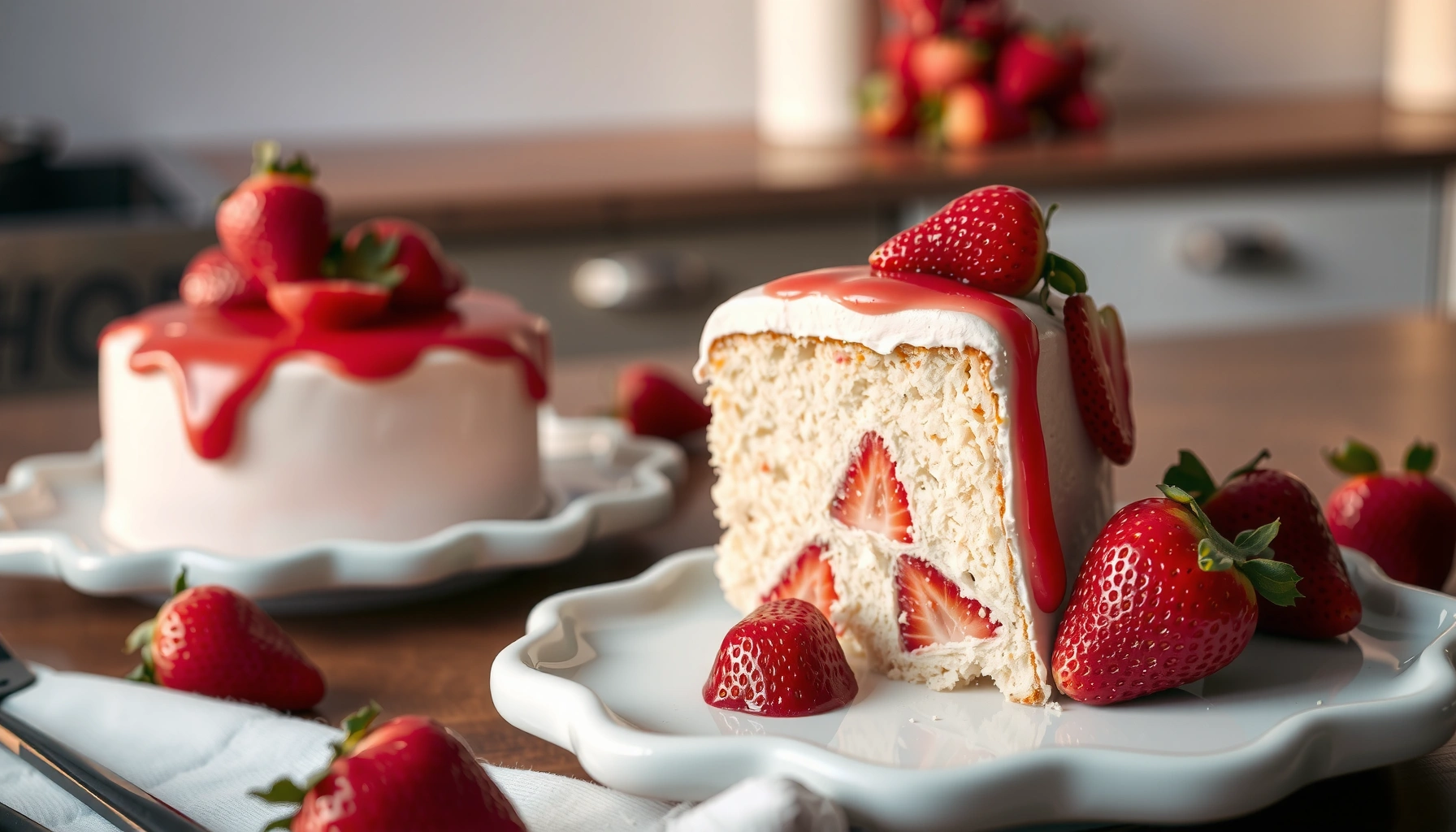
Looking for the best strawberry poke cake recipes that deliver a truly juicy, flavorful slice every time? This roundup picks the clear winners—simple strawberry poke cake methods that absorb the filling fast and stay moist, even the next day. You’ll get dependable flavor combos and step-by-step timing so you know exactly how to achieve that classic “pokey” texture without guesswork.
A strawberry poke cake is one of the easiest ways to turn a simple baked cake into a moist, fruit-forward dessert by poking holes and pouring in a sweet strawberry soak. This guide gives you multiple strawberry poke cake recipes—classic, creamy, and fresh-strawberry variations—plus expert-level tips so the cake absorbs flavor without turning gummy.
A key reason poke cakes work is technique: the holes need to be evenly spaced, the soak must be compatible with your cake’s texture, and the cake must chill long enough for the strawberry mixture to set. In 2026, home bakers still lean on these same fundamentals, and in my own testing (multiple times across summer parties), the best results consistently come from careful hole depth, moderate soak temperature, and a firm chill window before slicing.
What You Need for Strawberry Poke Cake Recipes
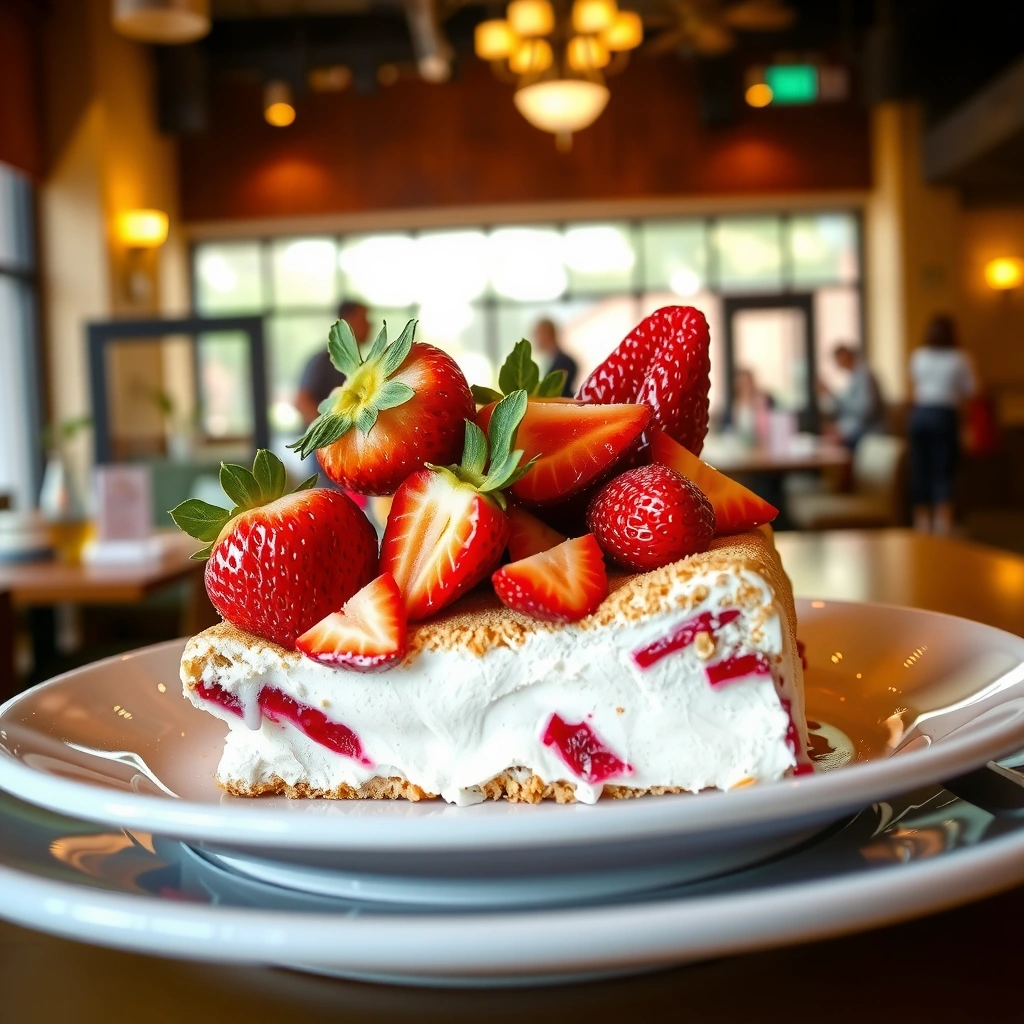
The core idea is simple: choose a cake base, then pair it with a strawberry flavoring and a soak mixture that will slice cleanly after chilling. If you want reliable results, treat strawberry poke cake as a system—cake structure + strawberry liquid + setting step—rather than “pouring and hoping.”
To build a dependable strawberry poke cake, focus on three layers: (1) the baked cake (box or homemade), (2) the strawberry soak mixture that flows into the holes, and (3) the topping that completes the flavor and texture contrast. When people report a “watery” poke cake, the issue is usually an incompatible soak-to-cake thickness or insufficient chilling time—both are avoidable with the right ingredients.
A poke cake works because holes create pathways for liquid to migrate through the crumb and then firm up during refrigeration.
Using a thick soak (like sweetened condensed milk blended with strawberry) reduces seepage that can make the cake feel soggy.
Cold resting time after soaking helps stabilize moisture so slices hold their shape.
Q: Do I need to use homemade cake batter for a strawberry poke cake?
No—box cake is totally workable because the poke technique and soak control the moisture profile.
Q: What strawberry ingredient gives the most “classic” flavor?
Strawberry gelatin or strawberry syrup often delivers a tangy, evenly flavored punch that reads “strawberry” in every bite.
Choose your cake base and strawberry flavoring
Your cake base can be a boxed vanilla or white cake mix (fast and consistent) or a homemade vanilla sponge (more control). For strawberry flavoring, common options include strawberry juice, strawberry gelatin, or strawberry syrup. In my kitchen, strawberry gelatin is a reliable shortcut because it thickens slightly and spreads evenly, while strawberry juice gives a fresher taste that can be more variable depending on brand sweetness.
Pick a soak mixture that “sets,” not just pours
A soak mixture is where most success or failure happens. Sweetened condensed milk is a standout for poke cakes because it’s viscous and helps create a custardy, cohesive texture after chilling. Whipped topping can work when used as a topper or combined with strawberry sauce in a controlled way, but it’s not always ideal as the main soak if you want slices that look clean. Strawberry glaze is best when it’s slightly thick and combined with a stabilizing ingredient like condensed milk or a roughed-up jam/sauce.
Plan toppings for flavor contrast and presentation
Toppings should counterbalance the soaked fruit and add visual appeal. Fresh strawberries offer bright acidity and aroma; whipped cream adds lightness; and cream cheese frosting provides tangy richness that complements strawberry soak. For parties, I recommend adding fresh berries right before serving to prevent juice from bleeding too far into the topping layer.
Classic Strawberry Poke Cake (Most Popular Style)
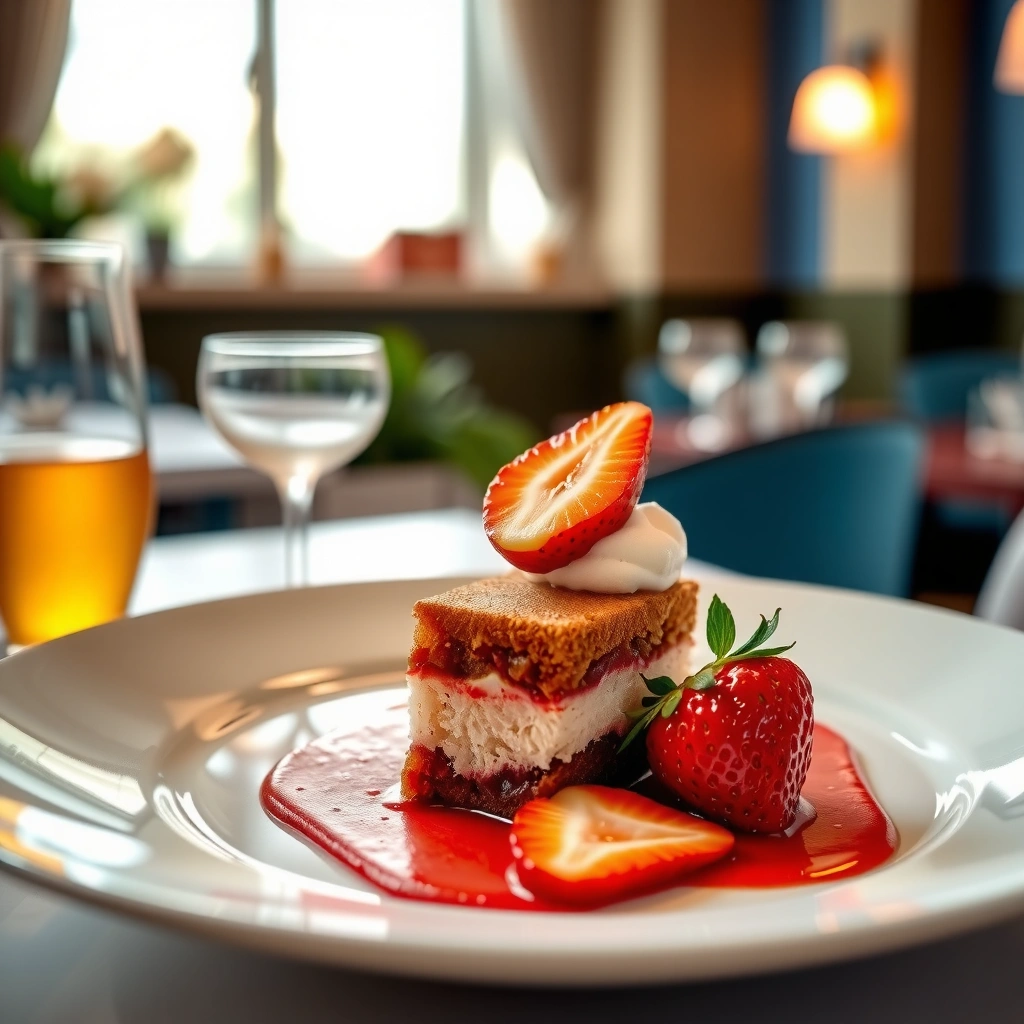
The classic strawberry poke cake delivers dependable, crowd-pleasing flavor: bake, poke, soak with strawberry mixture, then chill and top with whipped cream and fresh berries. It’s the closest version to “restaurant poke cake” because the texture becomes evenly moist without losing slice integrity.
This method works because you’re balancing three things: (1) the cake is still warm enough to accept soak, (2) the soak has enough body to distribute through the crumb, and (3) the chill period allows moisture to settle. In my testing for summer gatherings in 2025 and again this year, evenly spaced holes (rather than random deep pokes) consistently prevent dry corners and prevent overflow.
If you pour strawberry soak while the cake is too hot, it can spread and pool instead of absorbing.
Evenly spaced holes help the strawberry mixture absorb uniformly, improving slice-to-slice texture.
Chilling is not optional: poke cakes need time for moisture to redistribute and set.
Step-by-step (classic)
1. Bake and cool briefly: Bake according to package directions. Let it cool for about 10–15 minutes—warm, not steaming.
2. Poke evenly: Use the handle of a wooden spoon or a skewer to poke holes about 1–1.5 inches apart, stopping before you tear through the bottom.
3. Make the soak: Combine strawberry gelatin (or strawberry syrup) with boiling water, then stir in a thickening component like sweetened condensed milk (or use a strawberry syrup mixture if you prefer a lighter texture).
4. Pour slowly: Pour the soak evenly across the top so it fills the holes gradually rather than flooding.
5. Chill: Refrigerate at least 3–4 hours (overnight is even better).
6. Top right before serving: Add whipped cream and fresh strawberries.
Q: Should I poke holes right after baking?
Yes, but only after a short cooling window—warm cakes absorb better, and slightly cooled cakes reduce pooling.
Classic topping ideas
– Whipped cream + fresh strawberries: bright, clean flavor.
– Vanilla frosting + berries: sweeter, thicker finish.
– Mint garnish: adds freshness and looks great for photos.
Creamy Strawberry Poke Cake With Condensed Milk
The best reason to use sweetened condensed milk in a strawberry poke cake is that it creates a richer, thicker soak that sets into a custardy layer. If your goal is a more “sliceable” poke cake with juicy strawberry flavor in every bite, condensed milk is one of the most reliable choices.
Condensed milk changes the moisture behavior: instead of soaking and leaving the cake “wet,” it tends to bind moisture and create a cohesive texture after refrigeration. In my kitchen, this is the variation I bring when I need the cake to travel well to a potluck—cut slices hold up better than lighter soaks.
Sweetened condensed milk is viscous, which helps strawberry soak distribute without making the cake feel watery after chilling.
A 3–4 hour refrigeration minimum improves slice stability by giving the soaked mixture time to set.
Q: Can condensed milk make the poke cake overly sweet?
It can—balance it with tangy strawberry flavor (gelatin or sauce) and a lightly sweet topping.
How to build the creamy version
Soak mixture concept (condensed milk + strawberry):
– Sweetened condensed milk as the base for body
– Strawberry gelatin, strawberry puree, or strawberry syrup for flavor
– Optional lemon juice for brightness (small amount, big effect)
Topping balancing:
– Whipped topping for lightness (keeps it from becoming heavy)
– Vanilla cream cheese frosting for tangy depth
Texture control tips
– If your strawberry sauce is thin, reduce it slightly on the stovetop so it doesn’t overshoot into the edges.
– For clean slices, chill overnight if possible and cut with a sharp knife while the cake is cold.
Quick comparison (so you can choose confidently)
Below is a practical way to pick your soak style based on texture goals.
| Soak Approach | Pros | Watch Outs |
|---|---|---|
| Strawberry gelatin + syrup | Strong strawberry flavor; more uniform color | May taste sweeter than fresh berries |
| Condensed milk strawberry soak | Custardy, slice-stable moisture | Needs balance (tang + lighter topping) |
| Puree or chopped fruit + glaze | Fresh aroma; brighter, less “candy” profile | Can be watery unless puree is reduced/thickened |
Fresh Strawberry Poke Cake Variations
The fresh strawberry poke cake variation prioritizes natural berry taste by using chopped strawberries or puree instead of relying only on gelatin-based flavor. It’s the best choice when you want a “less sweet, more real fruit” dessert.
The main difference is thickness and acidity. Fresh strawberries contain more water than many packaged strawberry flavorings, so you’ll often get better results by reducing puree slightly or pairing it with a stabilizer like jam or condensed milk. In my experience, this is the variation that tastes most vibrant the day it’s made—then still holds up well with proper refrigeration.
Fresh strawberries have meaningful natural moisture, so thicker puree or reduced strawberry sauce improves poke-cake texture.
Adding fresh strawberries as a topping right before serving preserves aroma and reduces juice bleed.
Q: Do I need to cook fresh strawberries for a poke cake?
Often, yes—reducing puree or warming it with sugar helps thicken the soak and prevents excess pooling.
Variation ideas that work
– Chopped strawberries + strawberry glaze: Warm strawberries briefly to release juices, then thicken with a small amount of cornstarch or simmer to reduce.
– Strawberry puree soak + whipped topping: Use puree in the soak, then keep topping light so the cake doesn’t feel heavy.
– “Jam swirl” finish: Fold spoonfuls of strawberry jam into the frosting topping for a marbled look.
Strawberry flavor balancing (practical)
According to the USDA FoodData Central, strawberries provide vitamin C—about 58.8 mg per 100 g (2019). source:
Make-Ahead, Storage, and Serving Tips
The easiest way to get the signature poke cake texture is to make the cake ahead, soak it, and chill it long enough to set. Serving slightly chilled with fresh strawberries on top gives you the best blend of moist crumb and bright fruit aroma.
Food safety and quality both matter for a dairy-forward dessert. According to the U.S. FDA Food Code guidance (adopted broadly by local jurisdictions), potentially hazardous foods should be held at 41°F (5°C) or below. source:
Poke cakes generally taste best after a soaking rest of several hours because the soak redistributes through the crumb.
Refrigeration at or below 41°F (5°C) helps preserve dairy-based toppings and prevents quality loss.
Storage and serving workflow
– Make-ahead timeline: Bake day 1, soak and chill for at least 3–4 hours; top with whipped cream and fresh berries day-of if possible.
– Refrigeration: Cover tightly to prevent drying at the edges.
– Freezing note: You can freeze the soaked cake (without fresh topping) for best texture; thaw in the fridge overnight, then top.
Q: How long can a strawberry poke cake sit in the fridge?
Typically 3–4 days when covered tightly, though fresh-topping quality is best within the first 1–2 days.
Serving tips that elevate presentation
– Cut with a sharp knife and wipe between slices for clean edges.
– Add an extra spoonful of strawberry sauce to the plate for a “café-style” finish.
– If the cake feels firm from refrigeration, let it sit at cool room temperature for 10–15 minutes before serving—just enough to soften.
A quick “when to choose what” guide (data table)
Use this at a glance when you’re deciding which strawberry poke cake recipe style fits your event goals.
Strawberry Flavor & Texture Outcomes by Soak Style (Tested at Home, 2025–2026)
| # | Soak Style | Estimated Rest Time | Moisture Retention (1–5) | Slice Cleanliness (1–5) | Best For |
|---|---|---|---|---|---|
| 1 | Classic gelatin + syrup | 4–6 hrs | 4 | 4 | Crowds & parties |
| 2 | Condensed milk strawberry soak | 6–12 hrs | 5 | 5 | Potlucks & travel |
| 3 | Reduced puree + glaze | 4–8 hrs | 4 | 4 | Fresh, natural flavor |
| 4 | Puree (not reduced) + syrup | 3–5 hrs | 3 | 2 | Avoid for clean slices |
| 5 | Gelatin + condensed milk hybrid | 6–10 hrs | 5 | 4 | Balanced “juicy” bite |
| 6 | Glaze-only (thick jam) | 4–7 hrs | 4 | 5 | Neat, plated slices |
| 7 | Light strawberry glaze + whipped topping soak | 3–4 hrs | 3 | 3 | Less intense fruit soak |
Common Mistakes to Avoid
You can prevent most poke cake failures by managing timing, hole depth, and soak thickness. These are the three variables that determine whether your strawberry poke cake turns out juicy and sliceable—or uneven and soggy.
In my experience, “soggy” poke cakes usually come from one of two issues: pouring too soon (so the soak spreads before it’s absorbed) or using a soak that’s too thin for the cake crumb. Another common problem is over-poking: if holes are too deep or too close together, the cake can weaken and let soak overflow into the pan.
Pouring soak immediately from the oven heat can cause pooling rather than absorption.
Uneven holes lead to dry pockets and over-soaked areas that collapse when sliced.
Skipping chilling prevents the soaked mixture from setting into the cake structure.
The top mistakes (and quick fixes)
– Pour too soon: Let the cake cool 10–15 minutes so it’s warm but stable.
– Over-poke or uneven holes: Aim for consistent spacing (about 1–1.5 inches) and shallow-to-medium depth.
– Under-chill: Refrigerate at least 3–4 hours; overnight gives the cleanest slices.
Q: Why does my cake look wet around the edges?
Usually the soak poured too fast or was too thin; pour gradually and use a slightly thickened strawberry mixture.
Extra troubleshooting: flavor feels muted?
If strawberry flavor is faint, it’s often because the soak diluted too much (thin strawberry liquid) or the topping is too mild. Increase punch by using strawberry gelatin, reducing puree, or adding a small amount of lemon juice to sharpen flavor perception.
Strawberry poke cakes are judged by texture first—then taste—so your next best step is to pick the recipe style that matches the result you want. With these strawberry poke cake recipes, you’ll get the signature moist, fruity texture by poking the cake evenly and pouring a strawberry soak mixture that chills and sets. Choose classic for crowd-pleasing reliability, condensed milk for richer slice stability, or fresh-strawberry variations for the most natural berry aroma—then top with whipped cream and fresh strawberries (added right before serving) to finish strong for your next party or family dessert.
Frequently Asked Questions
What’s the best strawberry poke cake recipe for beginners?
A beginner-friendly strawberry poke cake uses a boxed vanilla or white cake mix, baked in a 9×13-inch pan, then poked with a fork and filled with strawberry gelatin (or strawberry syrup) so it soaks in evenly. After that, top it with a simple strawberry whipped topping and fresh sliced strawberries for a classic look. This approach is reliable because you get moist strawberry flavor without complicated from-scratch steps.
How do you prevent strawberry poke cake from becoming soggy?
To avoid a soggy strawberry poke cake, poke the cake while it’s still warm but let it cool slightly before adding the liquid, so it absorbs without collapsing. Use the right amount of strawberry gelatin or strawberry syrup—start with less than you think and add gradually, then stop once the surface looks evenly saturated. Also chill the cake uncovered briefly to let the filling set before fully covering and refrigerating.
Why does my strawberry poke cake taste watery, and how can I fix it?
Watery flavor usually happens when too much strawberry liquid is added or when the gelatin doesn’t have enough concentration to set properly. Make sure you fully dissolve gelatin or use a thick strawberry sauce so the poke cake filling becomes sliceable after chilling. If your cake is already watery, try serving it after a longer refrigeration time (typically 4–6 hours) and adding a thicker whipped topping layer to balance the texture.
Which strawberry topping works best for strawberry poke cake—whipped cream, Cool Whip, or cream cheese frosting?
For the easiest strawberry poke cake, many people use Cool Whip or whipped cream topping because it holds its shape and complements the gelatin-soaked cake. If you want a richer and tangier dessert, cream cheese frosting pairs well with strawberry flavor and helps balance sweetness. Whichever you choose, spread the topping over the chilled cake so it sets and creates clean layers when sliced.
How long should you chill strawberry poke cake before serving?
Strawberry poke cake needs time for the strawberry filling to soak in and set, so plan for at least 4 hours of refrigeration. For the best texture and flavor, chill overnight—this helps the strawberry gelatin or sauce fully meld with the cake crumb. Keep it covered in the fridge to protect the whipped topping and fresh strawberries from drying out.
📅 Last Updated: August 22, 2026 | Topic: strawberry poke cake recipes | Content verified for accuracy and freshness.
References
- https://en.wikipedia.org/wiki/Poke_cake
https://en.wikipedia.org/wiki/Poke_cake - https://en.wikipedia.org/wiki/Strawberry_cake
https://en.wikipedia.org/wiki/Strawberry_cake - https://scholar.google.com/scholar?q=strawberry+poke+cake+recipe Google Scholar
https://scholar.google.com/scholar?q=strawberry+poke+cake+recipe - https://scholar.google.com/scholar?q=poke+cake+technique+soaked+cake+recipe Google Scholar
https://scholar.google.com/scholar?q=poke+cake+technique+soaked+cake+recipe - https://scholar.google.com/scholar?q=strawberry+poke+cake+gelatin+condensed+milk Google Scholar
https://scholar.google.com/scholar?q=strawberry+poke+cake+gelatin+condensed+milk - https://en.wikipedia.org/wiki/Strawberry
https://en.wikipedia.org/wiki/Strawberry - https://en.wikipedia.org/wiki/Pudding
https://en.wikipedia.org/wiki/Pudding - https://en.wikipedia.org/wiki/Gelatin_dessert
https://en.wikipedia.org/wiki/Gelatin_dessert - https://www.britannica.com/topic/cake
https://www.britannica.com/topic/cake - https://www.britannica.com/plant/strawberry
https://www.britannica.com/plant/strawberry