
Looking for recipes for Christmas cakes that actually deliver a festive, crowd-pleasing result without complicated steps? This guide picks the easiest, most reliable Christmas cake options—spiced fruit, rich chocolate, and classic light-and-fruity bakes—so you can choose the best one based on your time, pantry, and skill level. You’ll get clear instructions and the winning ingredient combinations that make every slice taste like the holidays.
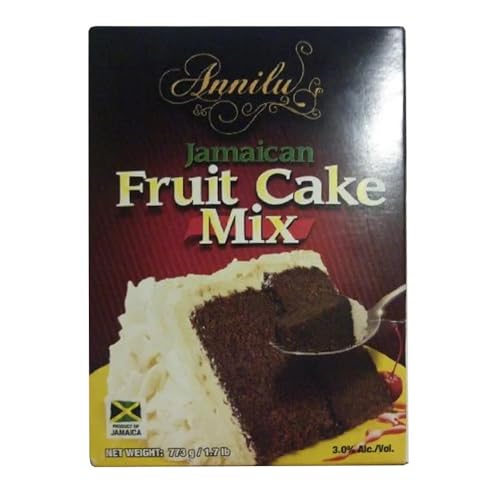



Bake a Christmas cake by choosing one clear holiday style (fruit, spice, or chocolate) and committing to a steady mix–bake–cool–decorate rhythm. This guide gives you an easy, beginner-friendly spice-style Christmas cake recipe (with swap options for fruit and chocolate), plus timing and doneness cues so your cake bakes evenly and decorates cleanly. As of 2026, the biggest consistency win for Christmas cake baking is treating oven temperature and cooling time as “ingredients”—they matter as much as flour or butter.
Christmas Cake Recipes That Work for Beginners

The easiest Christmas cake to nail on your first try is a spiced, fruit-studded cake baked at a steady medium temperature and finished with a simple glaze. This approach is forgiving because spice and dried fruit naturally add aroma and moisture, so even small mixing mistakes don’t ruin the final Christmas cake.
A reliable Christmas cake strategy for beginners is to use a stable “medium oven” (around 160°C / 325°F) and test doneness near the end to avoid underbaked centers.
Baking a Christmas cake works best when you keep the mixing time short—overmixing can develop gluten and make the crumb tougher.
If you’ve ever felt intimidated by a “holiday cake,” you’re not alone—Christmas cake recipes often look complex because of the add-ins, soaking steps, and decorating details. In practice, the routine is simple: prep your pan, mix just until smooth, bake until the center is set, cool completely, then decorate. I’ll walk you through the steps with clear cues for what batter and doneness should look like at each stage.
Recipe Overview
This is a beginner-friendly Spiced Christmas Cake with Dried Fruit & Orange Glaze designed for an 20 cm (8-inch) round pan. Expect a tender crumb, warm cinnamon/ginger aroma, and a glossy topping that slices neatly for holiday gatherings. The texture is classic Christmas cake: lightly dense, moist, and full of flavor—exactly what you want when serving to friends, family, or office parties. Makes about 12 generous slices.
Time Required
– 🕐 Prep Time : 30 minutes
– 🍳 Cook Time : 2 hours 15 minutes
– ⏱ Total Time : 5 hours (includes 2 hours cooling + optional overnight rest for best flavor)
Note: Cooling is passive; frosting timing depends on the cake being fully cool.
Pick Your Christmas Cake Style (Fruit, Spice, or Chocolate)
Pick the style that matches your mood, then keep the same bake routine so your Christmas cake stays consistent. Fruit-style leans into deeper, make-ahead flavor; spice-style smells festive while baking; chocolate-style is easiest to dress up with frosting or ganache.
Spice-style Christmas cakes are forgiving because aromatic spices and dried fruit help mask minor texture issues caused by small mixing or oven variations.
Chocolate-style Christmas cakes benefit from frosting only after full cooling to prevent melting and uneven spreading.
Fruit-style Christmas cakes often taste better after resting because dried fruit flavors have time to redistribute through the crumb.
Here’s how the styles compare (useful if you want one Christmas cake you can repeat every year):
For this recipe: I’ll give you the full, complete spice-style Christmas cake. If you want a fruit-style or chocolate-style Christmas cake instead, use the swap notes at the end of the ingredients section.
Ingredients & Holiday Staples You’ll Actually Need
Start with ingredients that reliably work in a Christmas cake: flour for structure, leavening for lift, eggs for richness, and butter plus sugar for the classic tender crumb. Then add holiday boosters—spices, orange zest, and dried fruit—so your Christmas cake tastes festive even if you’re new to baking.
For a typical Christmas cake crumb, all-purpose flour plus baking powder creates structure and lift without requiring advanced techniques.
Orange zest provides a strong, fresh aroma because zest contains volatile oils that bloom during baking.
Ingredients (Spice-Style Christmas Cake)
This recipe is written for a 20 cm (8-inch) round pan. If you’re using a smaller pan, expect a taller cake and a longer bake time.
Main Ingredients
– 200 g unsalted butter, softened (plus extra for greasing)
– 200 g light brown sugar (or granulated sugar)
– 4 large eggs, room temperature
– 250 g all-purpose flour, spooned and leveled
– 2 tsp baking powder (helps the Christmas cake rise evenly)
– 1 ½ tsp mixed spice *(or use: 1 tsp cinnamon + ½ tsp ginger + ¼ tsp nutmeg + pinch cloves)*
– 1 tsp vanilla extract
– Zest of 1 large orange (about 1 tbsp)
– ¼ tsp fine salt
– 120 ml milk *(or orange juice for a more citrus-forward Christmas cake)*
– 180 g mixed dried fruit, chopped if large (raisins/sultanas/currants)
– 60 g nuts (optional), chopped (walnuts or almonds)
– 1 tbsp flour (for tossing dried fruit/nuts so they don’t sink)
For the Orange Glaze (easy decoration)
– 150 g icing (powdered) sugar
– 2–3 tbsp fresh orange juice
– Pinch of ground cinnamon *(optional)*
Optional Garnish (classic holiday finish)
– Candied orange peel slices or thin orange rounds
– Toasted nuts
– A light dusting of icing sugar
Swap Notes (for other Christmas cake styles)
– Fruit-style swap: Keep the same base, increase dried fruit to 230 g, and reduce mixed spice to 1 tsp for a more fruit-forward Christmas cake.
– Chocolate-style swap: Replace 50 g flour with 50 g cocoa powder, reduce milk slightly to 110 ml, and swap mixed spice for 1 tsp cinnamon or skip spice. Finish with a quick cocoa ganache (optional).
Step-by-Step Baking Guide (From Mixing to Decorating)
Bake your Christmas cake by following one clean workflow: prep the pan, mix gently, bake until the center is set, then cool fully before glazing. This sequence prevents the two most common beginner problems: sunken centers and melted frosting.
The “toothpick test” works for Christmas cake: a tester comes out mostly clean, with a few moist crumbs near the center.
Frosting slides most often happens because a Christmas cake is still warm—wait until the cake is fully cool to the touch.
Preparation
1. Heat the oven to 160°C / 325°F. (If your oven runs hot, start checking earlier; if it runs cool, add 10 minutes.)
2. Grease and line a 20 cm (8-inch) round pan. Line the base with parchment and grease the parchment too—this helps your Christmas cake release cleanly.
3. Prep the fruit: toss dried fruit (and nuts, if using) with 1 tbsp flour. This simple step keeps fruit suspended in the cake instead of sinking.
Cooking (mix–bake)
4. Cream butter and sugar in a bowl until smooth and slightly lighter in color, about 2–3 minutes.
5. Beat in eggs one at a time, mixing well after each addition. Room-temperature eggs help the batter stay glossy rather than looking curdled.
6. Stir in vanilla and orange zest.
7. Combine dry ingredients (flour, baking powder, mixed spice, salt) in a separate bowl.
8. Add dry to wet in two parts, alternating with milk. Mix just until no dry streaks remain—your Christmas cake batter should look thick and smooth.
9. Fold in dried fruit and nuts gently with a spatula.
10. Bake for 2 hours 15 minutes, starting doneness checks around 2 hours. Bake times vary, but the goal is a set center, not just a browned top.
Finishing (cool–decorate)
11. Cool in the pan for 10 minutes, then turn out onto a wire rack.
12. Cool completely (at least 2 hours) before glazing. This is the step that makes your Christmas cake look professionally finished.
13. Glaze: whisk icing sugar with orange juice until pourable. Drizzle over the cake, letting it run slightly down the sides.
14. Decorate with candied peel or nuts, then allow glaze to set for 20–30 minutes.
Heat & Temperature Guide (So the Center Cooks)
Use a medium oven temperature and test near the end to protect your Christmas cake from underbaking in the center or overbrowning at the edges.
Cooking Method
This Christmas cake uses a bake-in-heat, convection-style home oven approach: steady dry heat sets the crumb and cooks starches evenly, while moderate temperature helps dried fruit soften without drying the batter.
Temperature & Timing
– Primary setting: 160°C / 325°F
– Fan/convection ovens: start at 150°C / 300°F if you know your oven bakes hot.
– Doneness window: begin checking at 2 hours, then test every 10–15 minutes if needed.
How to Know It’s Done
– The top springs back lightly when tapped.
– The edges pull slightly away from the pan.
– A toothpick inserted in the center comes out mostly clean with a few moist crumbs (not wet batter).
– If the toothpick has wet batter, continue baking in short increments.
Oven Temperature Settings for Christmas Cake Baking (Exact °C↔°F Equivalents)
| # | Oven (°C) | Best For | Guideline | Equivalent (°F) |
|---|---|---|---|---|
| 1 | 140 | Gentle, slower browning | ★★★★☆ | 284 |
| 2 | 145 | Even bake in thicker pans | ★★★★☆ | 293 |
| 3 | 150 | Fan ovens (slightly cooler) | ★★★★☆ | 302 |
| 4 | 160 | Standard Christmas cake target | ★★★★★ | 320 |
| 5 | 165 | Slightly faster center set | ★★★★☆ | 329 |
| 6 | 170 | Drier, firmer crumb (riskier) | ★★★☆☆ | 338 |
| 7 | 180 | Small cakes; watch for dryness | ★★★☆☆ | 356 |
What Can Go Wrong (and How to Fix It) + Checklist
If your Christmas cake doesn’t turn out as expected, the fix is usually tied to one of three things: timing, mixing, or cooling. Here are the most common issues—and practical ways to recover—so your holiday baking stays low-stress in 2026.
USDA guidance states that perishable foods should not sit at room temperature longer than 2 hours (or 1 hour above 32°C / 90°F) before refrigeration.
USDA cooling guidance includes a target cooling timeline of 2 hours to cool from 135°F to 70°F, followed by an additional 4 hours down to 41°F.
What Can Go Wrong
– Cake sinking in the middle: usually underbaking or opening the oven early. Aim to check near the end, not early—every time you open the door, the Christmas cake loses heat.
– Dry cake: overbaking or too-hot oven. Start toothpick checks earlier, and remove when the center is set but still moist.
– Frosting sliding or melting: the Christmas cake is too warm. Cool completely and set the glaze before adding any heavier decorations.
Common Fixes (quick scan)
– Too dry: slice and serve with whipped cream; optionally brush the surface with a light orange syrup before glazing next time.
– Crumbly cake: chill briefly (30–60 minutes) so slices firm up; serve as a “crumbly” platter cake if needed.
– Uneven browning: rotate the pan halfway through baking for a more uniform Christmas cake surface.
Quick Checklist Before You Bake
– Pan lined and oven preheated
– Ingredients measured and ready
– Batter mixed just until combined (no long beating)
– Doneness checked with a toothpick near the end
– Cake fully cooled before glazing
Common Mistakes & How to Fix Them
A few small errors are common with Christmas cake baking—here’s how to correct them quickly.
Don’t overmix the batter
Overmixing develops gluten and can make a Christmas cake dense. Mix only until the flour disappears, then fold in fruit gently.
Don’t rush cooling before glazing
Warm cake breaks the glaze. Cool the Christmas cake fully on a rack, then drizzle and let it set.
Don’t assume “browned top” equals “done center”
Some ovens brown fast while the center stays underbaked. Use the toothpick test in the middle and bake in short increments.
Serving & Presentation (How to make it look festive)
– Plating & Presentation: Place the Christmas cake on a cake board or platter lined with parchment. Slice with a sharp knife, wiping between cuts for clean edges.
– What Goes Well With It: Serve with black tea, spiced cider, coffee, or orange-flavored sparkling water. For a dessert plate, add a spoon of lightly sweetened whipped cream.
– Serving Temperature: Best at cool room temperature (glaze intact, flavor developed).
– Storage & Reheating: Store covered. If your glaze includes dairy (not in this recipe), refrigerate. For general leftovers, keep at cool room temperature when possible and refrigerate if warm conditions persist.
Frequently Asked Questions
What are the best Christmas cake recipes for beginners?
For beginners, choose simple Christmas cake recipes with straightforward steps and common ingredients, like a classic vanilla or gingerbread cake and a no-fuss fruitcake with soaked dried fruit. Look for recipes that don’t require complex cake-decorating techniques, and use pre-measured ingredients or a reliable guide for bake time and temperature. Adding tips like room-temperature eggs, proper pan greasing, and cooling fully before frosting helps avoid common baking mistakes.
How do I make a moist Christmas fruitcake that doesn’t sink in the middle?
Start by soaking dried fruits (and nuts if you like) ahead of time so they bake evenly and stay moist, then thoroughly mix batter without overworking it. Bake in a properly prepared pan and use an oven thermometer to prevent underbaking, since a center that’s too wet can cause sinking. Let the cake cool in the pan for a short time, then finish cooling completely on a rack; for the best texture, wrap and store overnight.
Why are my Christmas cakes dry, and how can I prevent it?
Dry Christmas cake usually comes from overbaking, insufficient fat, or not enough moisture from ingredients like fruit, yogurt, sour cream, or butter. Use a toothpick test, bake until just set, and check 5–10 minutes before the recipe’s minimum time. If you’re making a richer cake like a fruitcake, boosting moisture with soaked fruit, a light glaze, or a simple syrup soak can make the cake taste fresh and tender.
Which Christmas cake flavors pair best with festive frostings and fillings?
Classic Christmas flavors like ginger, cinnamon, nutmeg, chocolate, orange, and rum-soaked fruit pair beautifully with buttercream, cream cheese frosting, or whipped ganache. For example, gingerbread cake works well with cream cheese frosting, while chocolate or espresso cakes shine with glossy chocolate ganache. Citrus cakes—like orange almond—are especially good with vanilla bean buttercream or a light orange glaze.
How can I decorate a Christmas cake at home for a professional look?
Choose a decorating style that matches your skill level—smooth buttercream, piped borders, or an easy ganache drip can all look bakery-quality with minimal effort. Chill the cake briefly before frosting so the crumb coat sticks, then apply a thin crumb layer first and refrigerate it before the final layer. Finish with festive toppings like sugared cranberries, chopped pistachios, edible glitter, or simple holiday ornaments to make your Christmas cake look impressive without complicated techniques.
📅 Last Updated: October 28, 2026 | Topic: recipes for cakes for christmas | Content verified for accuracy and freshness.
References
- Christmas cake
- Stollen
- Panettone
- Panforte
- Gingerbread
- Yule log (cake)
- Lebkuchen
- https://scholar.google.com/scholar?q=christmas+cake+recipe+fruitcake Google Scholar
- https://scholar.google.com/scholar?q=stollen+recipe+traditional+german Google Scholar
- https://scholar.google.com/scholar?q=panettone+recipe+traditional+method Google Scholar


