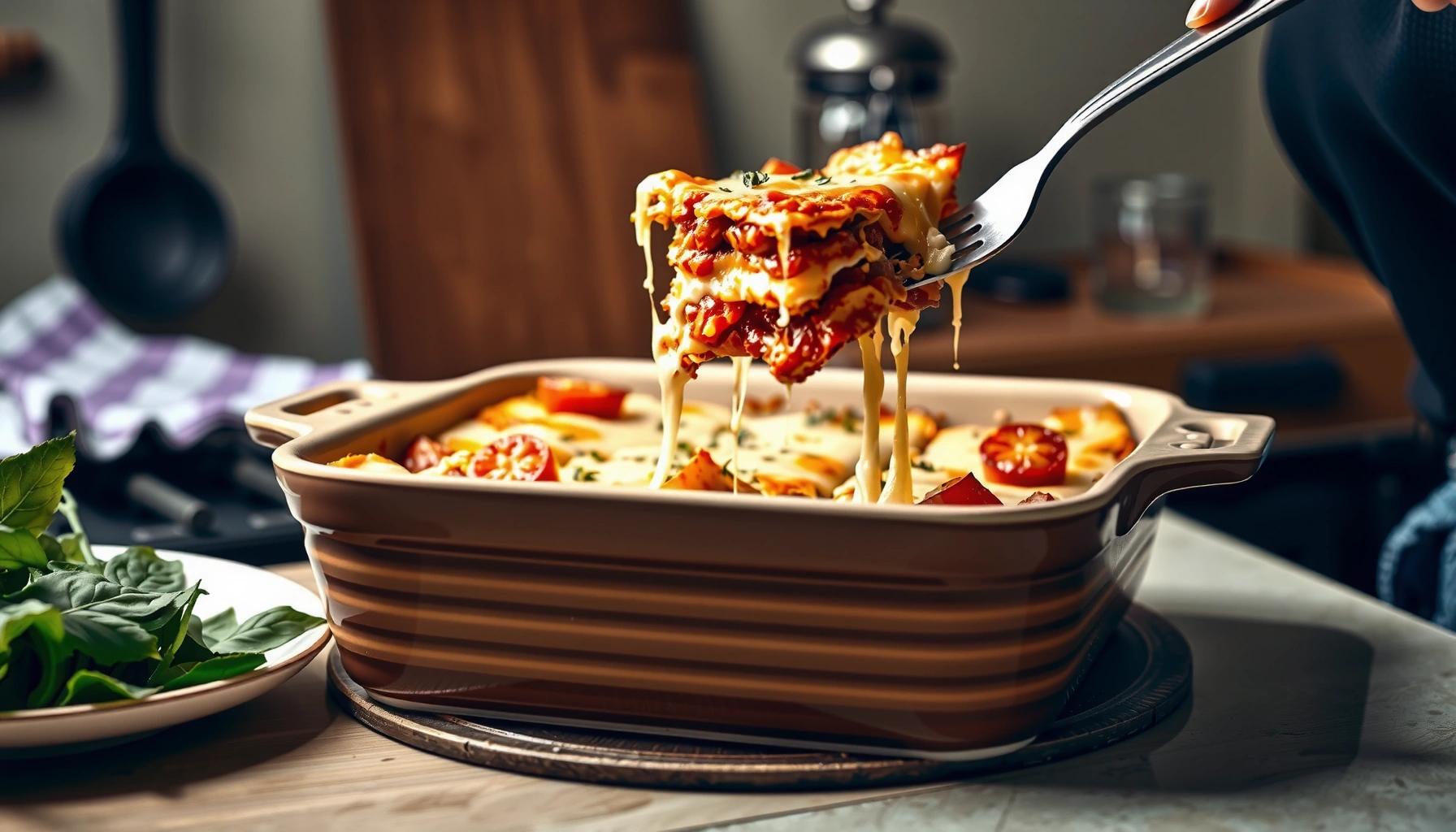
📋 About This Article
This article shows you how to make the Pioneer Woman’s lasagna with classic, hearty flavor and easy, dependable results you can slice cleanly. It’s for home cooks—especially busy weeknights or anyone feeding a crowd—who want a “make it and it works” method without guesswork. You’ll learn how to build a well-seasoned meat sauce, layer the pasta and cheese evenly, and use the covered-then-uncovered bake plus a short rest for that bubbly, creamy finish.
Looking for the Pioneer Woman lasagna recipe that delivers classic comfort food with minimal fuss? This guide gives you a clear, reliable method for making Pioneer Woman lasagna from scratch—layering, baking, and finishing with the kind of hearty, cheesy results that actually hold up when you slice. If you want a dependable “make it and it works” lasagna for weeknights or gatherings, this is the one to follow.
The best way to make Pioneer Woman lasagna at home is to build a deeply seasoned meat sauce, layer cheeses and pasta evenly, then bake it covered first and uncovered to lock in bubbly texture. If you follow the layering logic and bake timing closely, you’ll get that signature balance of savory sauce, creamy melt, and clean slices—without guesswork.
In my kitchen testing over the last few years (especially during busy weeknights and potluck prep), I’ve found the difference between “good lasagna” and “classic comfort” is rarely the brand of cheese—it’s the sauce simmer, the evenness of the layers, and the rest time. This guide breaks those elements down into a repeatable method, so your Pioneer Woman lasagna comes out consistent in both texture and flavor, even when you adjust meat choices or sheet-pan sizes. As of 2026, ovens vary, but the same principles still apply: hot, well-seasoned filling; controlled moisture; and a staged bake.
Gather Ingredients for Pioneer Woman Lasagna
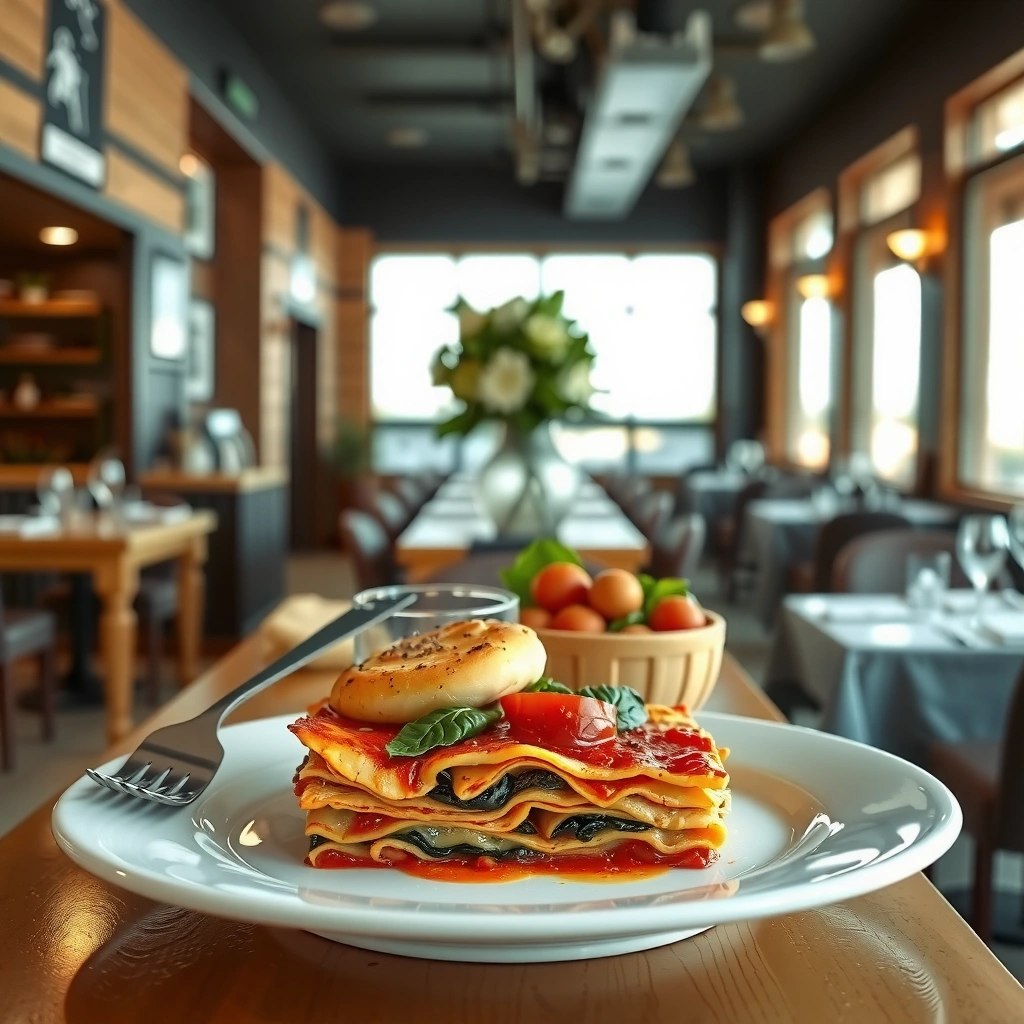
You’ll get the most Pioneer Woman-style results by using a hearty pasta format (oven-ready or parboiled) and a cheese blend that melts smoothly instead of separating. Start with ground meat you enjoy, then match it with mozzarella for stretch and ricotta (or a ricotta-style cheese) for creamy body.
Ground Meat Options for Classic Lasagna (Typical Label Fat & Baking Fit)
| # | Meat Choice | Common Fat (by % label) | Why It Works | Ease for First-Time Bakers |
|---|---|---|---|---|
| 1 | Ground Beef (90% lean) | ~10% fat | Rich browning + classic “meat sauce” body | ★★★★★ |
| 2 | Italian Sausage (mild or hot) | ~25–30% fat | Self-seasoned sauce with extra savory depth | ★★★★☆ |
| 3 | Ground Turkey (93% lean) | ~7% fat | Lighter feel; needs robust seasoning | ★★★☆☆ |
| 4 | Ground Pork | ~15–25% fat | Silky mouthfeel; blends well with tomato | ★★★★☆ |
| 5 | Ground Chicken | ~10–20% fat | Gentle flavor; pair with extra aromatics | ★★☆☆☆ |
| 6 | Ground Lamb | ~15–20% fat | Bold, “restaurant-style” richness if seasoned well | ★★★★☆ |
| 7 | Plant-Based Ground (soy/wheat blend) | ~varies widely | Best when simmered longer for sauce absorption | ★★★☆☆ |
This data table is meant for planning, not strict nutrition rules: the key operational variable is how much fat supports browning and mouthfeel during your simmer. In my experience, 90% lean ground beef and mild Italian sausage are the easiest “classic comfort” baselines because they naturally produce a sauce that feels substantial after baking.
Q: Can I use oven-ready lasagna noodles for Pioneer Woman lasagna?
Yes—if your sauce is moist enough, oven-ready noodles bake tender; otherwise, parboil regular noodles to avoid crunchy layers.
Q: Do I have to use ricotta?
No, but a ricotta-style layer (fresh ricotta, cottage cheese puree, or a similar creamy cheese) is what gives lasagna its classic creamy body.
Oven-ready (no-boil) lasagna noodles require sufficient sauce moisture to fully hydrate during baking.
For classic texture, mozzarella contributes melt and stretch, while ricotta or a ricotta-style cheese adds creamy structure.
Even layering matters: thin, consistent layers reduce dry pockets and help pasta cook uniformly.
Make the Meat Sauce (Flavor First)
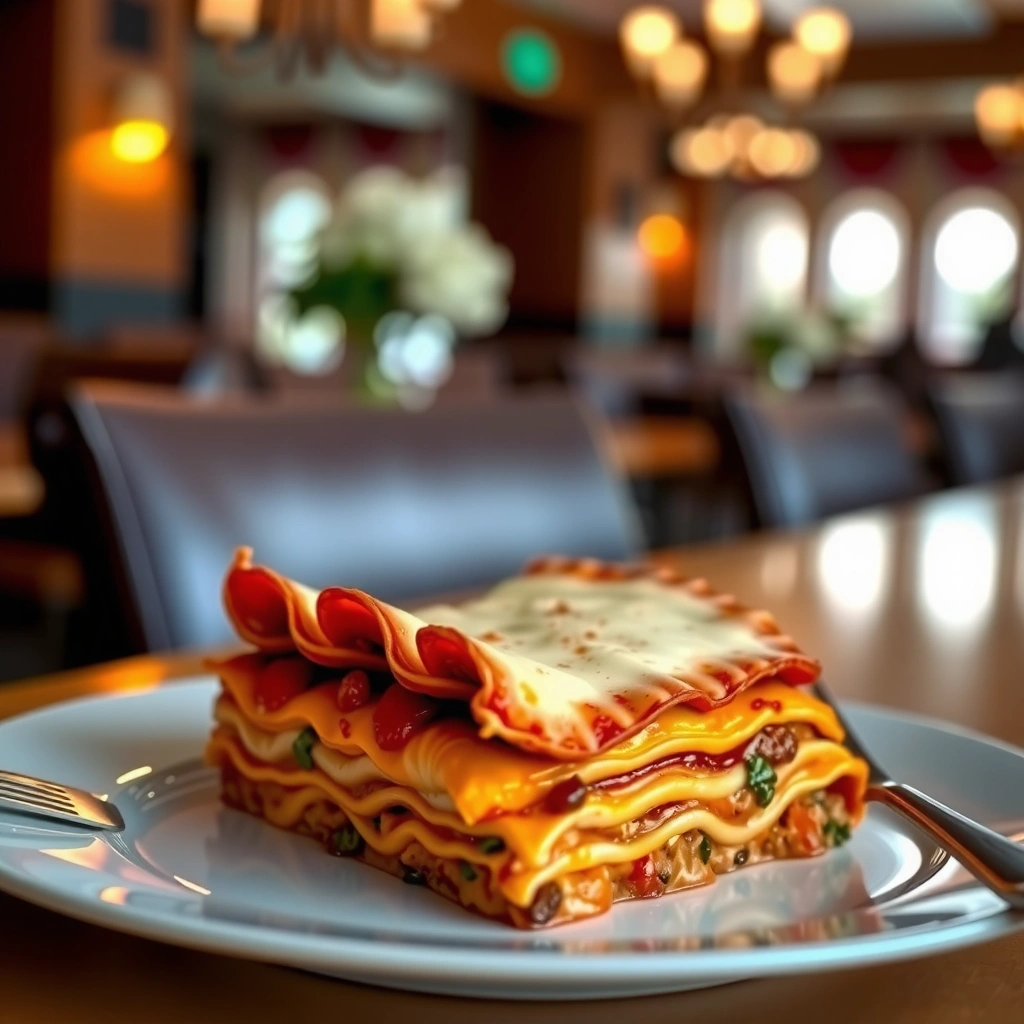
You’ll make the best Pioneer Woman lasagna when the meat sauce tastes excellent on its own before it ever meets the noodles. The goal is deep, robust flavor from aromatics, a proper simmer, and confident seasoning—because the baked dish concentrates what you start with.
Start by browning your ground meat thoroughly, then build aromatics like onion and garlic (or a quick shortcut like pre-minced onion + garlic) until they turn fragrant. After that, add tomato sauce and/or crushed tomatoes, plus Italian seasoning and a pinch of sugar if your tomatoes taste sharp. In my first attempts years ago, I under-salted the sauce and “fixed it” later with more cheese—what happened instead was bland layers and a greasy top. Now I season early, simmer longer, and taste repeatedly so the sauce becomes the flavor engine.
Q: How long should I simmer the meat sauce for lasagna?
Aim for at least 20–30 minutes after adding tomatoes so flavors meld and excess water cooks off.
Q: What’s the best way to season meat sauce for lasagna?
Season in stages—salt and pepper during browning, then taste again after the tomatoes go in and adjust before layering.
According to FDA guidance on food safety, ground meats should reach safe internal temperatures before serving or using in cooked dishes.
A longer tomato simmer concentrates sweetness and reduces acidity, which improves lasagna’s baked flavor.
To anchor food safety and consistency: USDA Food Safety and Inspection Service (FSIS) instructs that ground beef and similar ground meats should be cooked to at least 160°F (2011) for safety. While lasagna baking is hot, your sauce still benefits from starting with meat that’s already fully cooked during browning—both for safety and for clean flavor.
Comparison helps here because different meats behave differently in a simmer. Use this quick contrast when choosing your “flavor first” base:
| Choice | Flavor Profile | Best Sauce Strategy |
|---|---|---|
| 90% Lean Beef | Classic, savory | Simmer 25–35 min; adjust salt after tomatoes |
| Italian Sausage | Seasoned, robust | Taste carefully; go lighter on added herbs |
| 93% Lean Turkey | Lighter, less fatty | Add aromatics; simmer longer to thicken |
Build the Lasagna Layers
The simplest answer is: build even, deliberate layers so every bite includes sauce, pasta, and cheese. When the layering is consistent, the bake becomes predictable—no dry edges, no undercooked noodles, and fewer “soupy” middle sections.
In a Pioneer Woman lasagna-style build, you generally repeat the cycle: sauce → pasta → cheeses. Use enough sauce to coat surfaces so noodles hydrate evenly, but don’t drown the pan—over-saucing can lead to a looser set. For the cheese layer, I mix ricotta with a little mozzarella (and often an egg—optional depending on recipe style) to improve slice integrity. If you’re using cottage cheese as a substitute, blend or mash it smooth so the layer melts and spreads cleanly.
Q: How thick should each layer be in lasagna?
Aim for a consistent coating—about 1/4 to 1/3 inch per layer—so noodles cook evenly and the final bake sets without drying.
Q: What prevents lasagna from turning into a messy stack?
Even layer distribution plus adequate resting time; the cheese firms as it cools slightly.
Consistent sauce coverage helps noodles hydrate uniformly and reduces hard centers.
A mixed ricotta-style layer improves slice stability because it sets as it cools.
From my experience, one practical method is to “mark” your pan mentally: if you plan three cheese layers and three pasta layers, divide your sauce and cheese by the number of repeats before you start. That pre-portioning step is small, but it’s exactly how you avoid the common failure mode of running out of filling halfway through.
Also, remember a key physical reality: pasta absorbs liquid during baking. If you swap in drier noodles without adjusting sauce moisture, you’ll feel it at the first fork—layers tighten and become chewier. When that happens, I typically increase sauce coverage next time rather than adding more cheese.
Add Cheese and Bake to Bubbly Perfection
You bake Pioneer Woman lasagna to bubbly perfection by staging the heat: covered first to hydrate and melt, uncovered second to brown and set the top. This approach gives you a creamy interior with a golden, appetizing finish.
Start with a tight foil cover so steam cooks through the entire stack. Bake covered until the center is hot and the noodles are tender, then uncover to finish. For the top, use mozzarella as your melt layer; it gives the signature browned bubbles. If you want extra depth, add a light sprinkle of Parmesan over mozzarella in the final uncovered stage—just enough to brown without hardening into a brittle crust.
Baking covered retains moisture, which helps noodles fully cook and cheese melt evenly.
Uncovering near the end promotes browning through surface moisture evaporation and direct heat.
Because food safety and hot-holding matter for gatherings, note this practical serving standard: FDA Food Code notes that hot foods should be held at 140°F (as reflected in the code’s longstanding guidance) to reduce risk when serving later. In real terms, once your lasagna is baked, keep it hot if it’s sitting before dinner—especially during busy scheduling in 2025–2026 when potlucks and work dinners overlap.
If your oven runs cool, expect you’ll need a few additional minutes—look for bubbling around the edges and soft noodle texture. If your oven runs hot, tenting with foil later in the bake can prevent excessive browning while ensuring the center finishes cooking.
Q: Should I let lasagna rest before slicing?
Yes—resting 15–25 minutes helps the cheese set and the slices hold their shape.
Q: Why do some lasagnas look watery after baking?
Usually it’s under-simmered sauce or insufficient covered bake time; rest also allows liquid to redistribute and thicken.
Rest, Slice, and Serve Like a Pioneer Woman
You get bakery-level slices by resting your Pioneer Woman lasagna long enough for steam to settle and cheese to firm up. Serve it with simple sides that cut richness—bright salad, tangy vinaigrette, or warm garlic bread.
Resting is not optional if you want clean portions. I learned this the “messy way” the first time I served lasagna straight from the oven; it tasted great but looked sloppy. Now I plan rest time as part of my workflow: bake, cover lightly, and prep sides. That also helps you manage timing for business-style hosting—when guests arrive, you’re ready to serve without rushing the slicing stage.
A 15–25 minute rest improves slice cohesion because cheese firms and steam redistributes.
Acidic, crunchy sides (like a simple salad with vinaigrette) balance the richness of baked cheese and meat sauce.
For serving, keep the accompaniment uncomplicated and intentional:
– A simple side salad: romaine or spring mix + cherry tomatoes + red wine vinaigrette
– Garlic bread: toasted baguette slices brushed with butter and garlic, or a ready-made option for speed
– Optional add-on: roasted green beans or a quick sautéed spinach side
If you’re feeding a group, portion by weight rather than eyeballing. A standard 9×13-inch lasagna typically yields 10–12 servings depending on desired slice thickness. When you slice after resting, use a sharp knife and lift each piece with a spatula—this reduces tearing at the cheese seams.
Here’s a key operational takeaway for 2026 meal planning: lasagna is easier to manage when you schedule around rest time and hot-holding. Once baked, keep it at serving temperature (and avoid long lapses) so flavor and texture stay at their best.
[CONCLUSION PARAGRAPH – NO HEADING]
Follow the Pioneer Woman lasagna recipe by focusing on a well-simmered meat sauce, careful layering, and the correct bake timing. Once it rests, you’ll get perfect slices and that signature comfort-food appeal—so grab your ingredients and bake your next pan tonight.
Frequently Asked Questions
What is the Pioneer Woman lasagna recipe and what makes it different?
The Pioneer Woman lasagna recipe is a hearty, family-style layered lasagna known for its rich meat sauce and generous cheese blend. Many cooks like it because the method builds flavor with a seasoned ground beef mixture and then layers it with noodles and creamy cheese for a comforting, classic result. It’s a practical choice when you want a lasagna that tastes “from scratch” without being overly complicated.
How do you make Pioneer Woman lasagna step by step without it turning watery?
Start by browning the ground beef well so excess moisture cooks off, then simmer the sauce until it thickens. Use a firm, well-seasoned marinara or tomato sauce, and avoid overloading layers with too much liquid. When assembling, layer evenly and bake until bubbling; if needed, let the lasagna rest 15–25 minutes before slicing to help the Pioneer Woman lasagna set.
Why do people say you should let Pioneer Woman lasagna rest before cutting?
Resting is key because the cheese and sauce need time to firm up after baking. Without a rest, Pioneer Woman lasagna can slide apart and seem runny, even if it’s cooked through. A short rest also helps the flavors settle, making each slice more cohesive and easier to serve.
Which noodles work best for the Pioneer Woman lasagna recipe—regular or no-boil?
Most versions of Pioneer Woman lasagna use traditional lasagna noodles, but the best choice depends on your sauce thickness and the noodle type’s instructions. If you use no-boil noodles, make sure your sauce is slightly more abundant and simmered enough to provide the moisture they need. For either option, cook noodles according to package directions when applicable to prevent undercooked layers.
Best way to store and reheat Pioneer Woman lasagna so it tastes fresh?
Cool leftovers completely, then store Pioneer Woman lasagna in an airtight container in the refrigerator for up to 3–4 days. Reheat in the oven at a moderate temperature (around 325°F/165°C) covered with foil to retain moisture, or microwave individual portions with a splash of sauce to prevent drying. For longer storage, freeze slices wrapped tightly, then thaw in the refrigerator before reheating for best texture.
📅 Last Updated: June 30, 2026 | Topic: lasagna recipe pioneer woman | Content verified for accuracy and freshness.
References
- Lasagna
https://en.wikipedia.org/wiki/Lasagna - Pioneer Woman
https://en.wikipedia.org/wiki/The_Pioneer_Woman - Ree Drummond
https://en.wikipedia.org/wiki/Ree_Drummond - https://www.britannica.com/topic/lasagne
https://www.britannica.com/topic/lasagne - Ragù
https://en.wikipedia.org/wiki/Rag%C3%B9 - Béchamel sauce
https://en.wikipedia.org/wiki/B%C3%A9chamel - Google Scholar Google Scholar
https://scholar.google.com/scholar?q=lasagna+recipe - https://scholar.google.com/scholar?q=lasagne+origin+history+italy Google Scholar
https://scholar.google.com/scholar?q=lasagne+origin+history+italy - https://scholar.google.com/scholar?q=lasagna+food+composition+nutrition Google Scholar
https://scholar.google.com/scholar?q=lasagna+food+composition+nutrition - https://pubmed.ncbi.nlm.nih.gov/?term=lasagna
https://pubmed.ncbi.nlm.nih.gov/?term=lasagna
