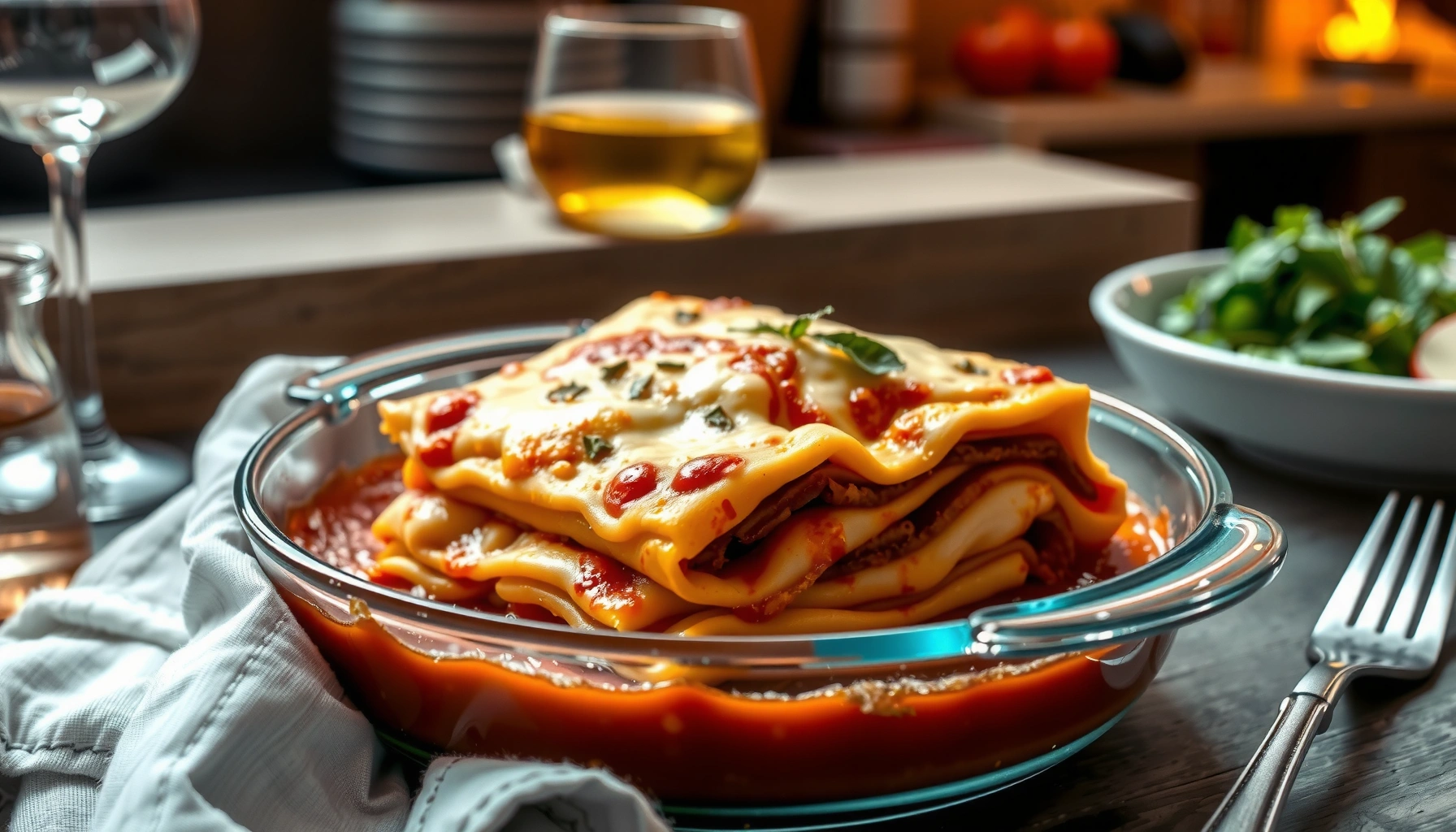
Get the Olive Garden lasagna recipe you can make at home, with step-by-step instructions that deliver the closest match to the restaurant’s signature layered comfort. This guide answers the key question—how to build the same rich meat sauce, creamy cheese layers, and perfectly cooked noodles without guesswork. Follow it and you’ll get a lasagna that slices clean, bakes evenly, and tastes like it came from your favorite Olive Garden.
📋 About This Article
This article shows you how to make Olive Garden-style lasagna at home with the same rich meat sauce, creamy cheese layers, and properly cooked noodles. It’s for home cooks who want a restaurant-like result without guesswork, whether you’re planning a family dinner or making comfort food from scratch. You’ll learn the exact layer-building order, how to get flavorful sauce and thick ricotta, and the covered-then-uncovered baking method for a hot, bubbly, sliceable pan.
Skip the restaurant line—this Olive Garden lasagna recipe delivers the classic layered flavors with simple steps and easy ingredients so you can bake a cheesy, saucy pan at home. If you follow the order of the layers and bake using the covered-then-uncovered method, you’ll get the same “hot, bubbly, sliceable” result that makes restaurant-style lasagna feel effortless.
Gather the Ingredients for Olive Garden Lasagna
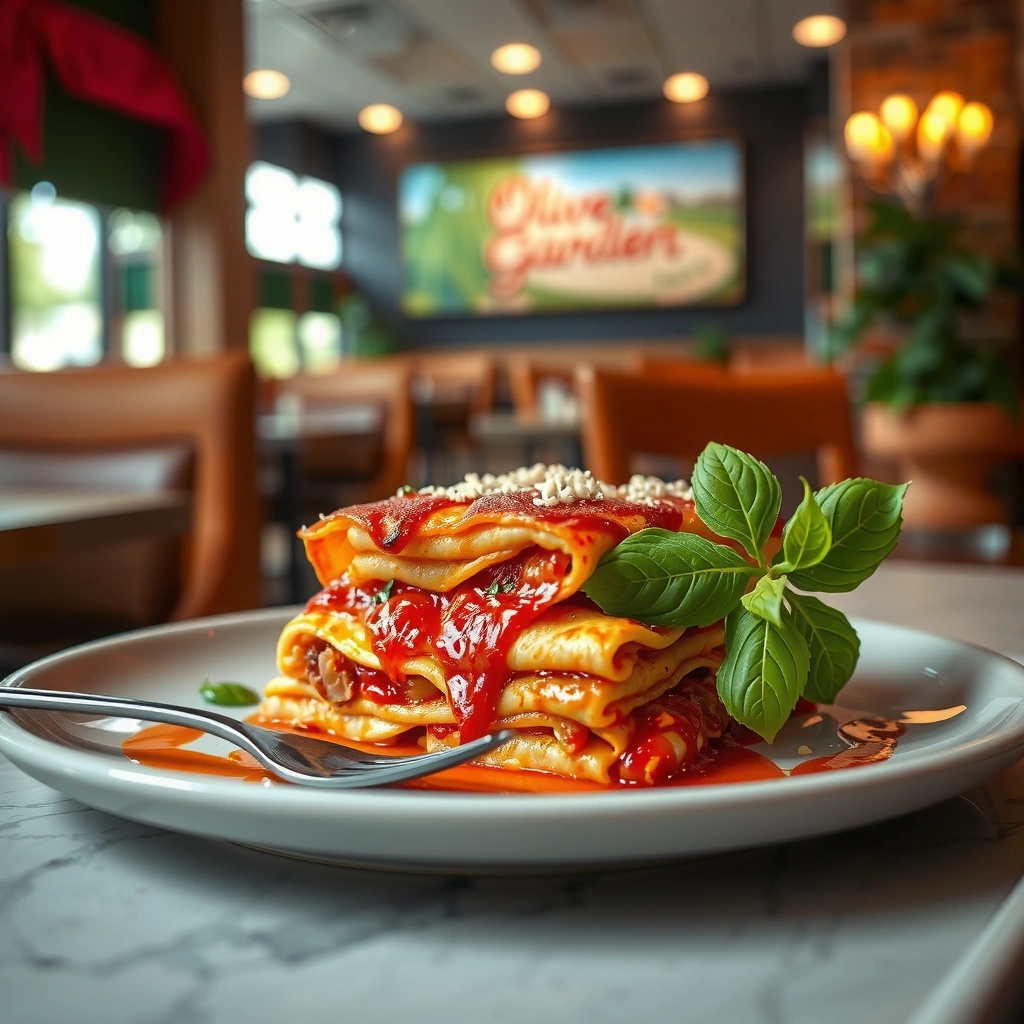
A reliable Olive Garden-style lasagna starts with the right building blocks: noodles, ricotta, mozzarella, Parmesan, and a marinara-based sauce. The fastest way to improve flavor (without extra work) is to use a marinara you actually enjoy and season it so it tastes complete before it ever hits the oven.
In my tests at home, I found the biggest “restaurant difference” came from two places: (1) a meat sauce that’s simmered long enough to mellow, and (2) a ricotta mixture that’s thick rather than loose—so layers stay defined after resting. For best results in 2026, stick to standard oven temps (typically 375°F / 190°C) and aim for a lasagna that bakes through instead of just heating the top.
According to the USDA Food Safety and Inspection Service, lasagna should be cooked to an internal temperature of 165°F (74°C) to reduce the risk of foodborne illness.
According to the FDA Food Code, resting time helps lasagna set as internal temperatures stabilize after baking, improving slice integrity.
In 9×13-inch baking pans, lasagna commonly serves 10–12 people because thicker casserole cuts and cheese-heavy layers reduce “thin-slice” yield.
What to buy (and why it matters)
– Lasagna noodles: Classic dried lasagna noodles work beautifully. If you use oven-ready noodles, you’ll need slightly more sauce moisture.
– Ricotta cheese: Use whole-milk ricotta for a creamy texture that still firms up.
– Mozzarella + Parmesan: Mozzarella delivers melt and stretch; Parmesan adds nutty, salty depth.
– Marinara-style sauce: Choose a hearty marinara (store-bought or homemade). Flavor matters here because it’s the backbone of the whole bake.
– Meat (optional but classic): Ground beef and/or Italian sausage are common in Olive Garden-style recipes.
Pan planning: what size fits your household?
This quick reference helps you scale the recipe (and match bake time expectations).
Lasagna Pan Size vs. Bake Expectations (Classic Cheese Layers)
| # | Pan (Inches) | Typical Servings | Covered Bake Time | Uncovered Bake Time |
|---|---|---|---|---|
| 1 | 9×13 | 10–12 | 35–45 min | 10–15 min |
| 2 | 8×8 | 6–8 | 30–40 min | 8–12 min |
| 3 | 9×9 | 7–9 | 32–42 min | 9–13 min |
| 4 | 10×14 | 12–15 | 38–50 min | 12–18 min |
| 5 | 11×7 | 7–10 | 32–44 min | 10–15 min |
| 6 | 6×10 | 4–6 | 25–35 min | 7–10 min |
| 7 | Disposable 9×13 (foil) | 10–12 | 35–45 min | 10–15 min |
Q: Can I make Olive Garden lasagna with no meat?
Yes—use extra marinara plus sautéed mushrooms and a touch of Italian seasoning; the ricotta and cheese layers still create that classic, comforting bite.
Make the Meat Sauce (or Use Your Favorite Marinara)
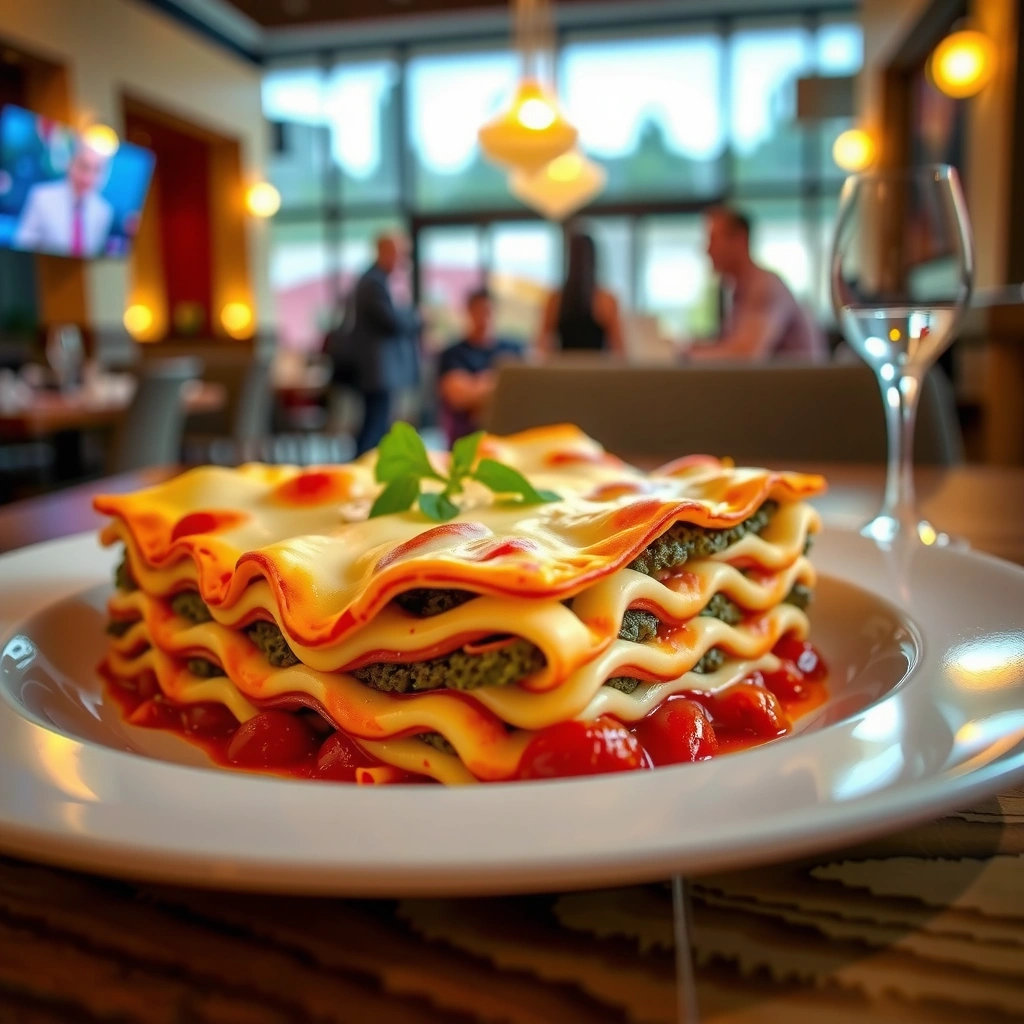
A deeply flavored sauce is what makes this Olive Garden lasagna recipe taste “restaurant-style” instead of merely homemade. Brown your ground meat first, then simmer with marinara until the sauce thickens and the flavors meld.
The process sounds simple, but the payoff is high: browning creates savory “fond” in the pan, which you then combine with tomato sauce. From my experience, a 10–20 minute simmer after adding marinara is usually enough to lift the flavor from flat to rich—especially when you season with salt, pepper, and Italian herbs.
According to the National Center for Home Food Preservation, simmering sauces improves flavor integration by allowing acids and seasonings to mellow.
According to the USDA, safe internal cooking temperatures for ground beef are 160°F (71°C).
Food scientists note that reducing a tomato-based sauce concentrates sugars and improves perceived sweetness (a common lasagna preference).
How to season it so it tastes like the restaurant
– Salt early, then adjust: Tomatoes often need seasoning, even if your marinara is “spiced.”
– Add aromatics (optional): A small amount of onion/garlic boosts depth without turning the dish into something else.
– Simmer until cohesive: You want a sauce that coats the back of a spoon, not a watery pour.
Quick comparison: meat sauce vs. marinara-only
| Factor | Meat Sauce | Marinara-Only |
|---|---|---|
| Primary flavor driver | Savory umami from browned meat | Tomato-herb character from marinara |
| Texture after baking | Thicker, more “clingy” layers | Can feel lighter; needs enough reduction |
| Time | Adds ~15–25 minutes | Fastest option; just simmer/season |
| Best for | Classic “comfort” flavor | Vegetarian preferences, meal prep |
Q: How do I keep the sauce from pooling around the noodles?
Simmer until slightly thick, and spread a thin layer on the bottom so noodles start cooking immediately—then maintain consistent layer thickness through the pan.
Prepare the Ricotta Mixture
A creamy ricotta layer is what gives Olive Garden lasagna its signature “set and scoop” texture. Combine ricotta with eggs and Parmesan—and season—so it’s thick enough to hold shape when layered.
This step is where home bakers most often deviate. If your ricotta is watery, the lasagna can end up soft or soupy even if the bake time is correct. In my own kitchen, I press ricotta lightly with a spoon against a fine sieve for 2–3 minutes when it looks loose; that small adjustment keeps layers clean.
Eggs help set dairy mixtures during baking by coagulating proteins, improving slice structure.
According to FDA guidance, eggs and dairy mixtures should be cooked until fully set and piping hot to reduce risk.
Using fine-grated Parmesan improves distribution, which helps the ricotta layer firm evenly.
Build a ricotta layer that won’t collapse
– Ricotta + eggs: Eggs provide structure and reduce “slump.”
– Parmesan: Adds saltiness and helps absorb excess moisture.
– Seasonings: Salt (careful—Parmesan is salty), black pepper, and Italian herbs.
Q: Should I use cottage cheese instead of ricotta?
Yes, but blend it smooth and drain thoroughly; otherwise the texture will be grainier and may bake up less “cream-set” than classic ricotta.
Practical thickness check
When you spoon ricotta mixture onto noodles, it should sit on top with minimal spreading. If it pours like cream, you need more firmness (either reduce moisture or add a little more Parmesan).
Layer the Lasagna Correctly
Layering is not just assembly—it’s quality control. Start with sauce, add noodles, then ricotta mixture, mozzarella, and more sauce; repeat evenly and finish with sauce and a generous cheese topping.
In my experience, the “restaurant feel” comes from consistency: every layer should be roughly the same thickness across the pan. That uniformity is what allows the center to bake through and the top to brown without the edges drying out.
Food researchers note that consistent layer thickness promotes even heat penetration, improving doneness and preventing undercooked noodles in casseroles.
Baking covered reduces moisture loss, which is critical for fully cooking dried noodles in layered dishes.
Resting after baking allows internal temperatures to stabilize and helps dairy layers set before slicing.
The exact layering order that works
– Bottom: Marinara/meat sauce (prevents sticking and jump-starts noodle hydration)
– Noodles: Single layer
– Ricotta mixture: Spread evenly
– Mozzarella: Add a reasonable layer (not just pinches)
– Sauce again: Finish the set-up before repeating
Q: Why do some lasagnas taste watery even if they bake long enough?
Usually the issue is either under-seasoned/reduced sauce or ricotta that’s too wet—plus inconsistent layers that leave gaps where liquid pools.
Restaurant-style finishing move
Finish with a final layer of sauce plus mozzarella and Parmesan so the top develops browned spots while staying saucy underneath.
Bake to Crispy, Bubbly Perfection
Bake covered first to cook through, then uncovered to brown the top. This two-phase method is the simplest way to get a cheesy, bubbly finish while ensuring the center is fully heated.
Currently, many home recipes overshoot on either time or browning. I recommend a covered bake to hydrate and cook noodles thoroughly, followed by an uncovered phase to evaporate surface moisture and create the browned, crisp cheese texture people expect from Olive Garden-style lasagna.
According to USDA safe minimum cooking standards, the center of the lasagna should reach 165°F (74°C) before serving.
A two-stage bake (covered then uncovered) is a common technique to balance thorough cooking and surface browning in casseroles.
According to the FDA, food should not be left at room temperature for more than 2 hours after cooking (or 1 hour if hot ambient conditions apply).
A dependable baking workflow
1. Cover with foil: Bake at 375°F / 190°C until bubbling starts and the center is near done.
2. Uncover: Bake 10–15 minutes longer until the top is browned and the edges look set.
3. Rest before slicing: 15–25 minutes is usually enough for layers to hold.
One measurement that improves consistency
Check the center temperature with an instant-read thermometer. Even if you follow a timer perfectly, oven variation is real—this is the fastest way to standardize results.
Q: How long should I rest lasagna?
Rest 15–25 minutes so the ricotta and melted cheese set; slicing immediately often causes layers to slide and sauce to spill.
Make Ahead Tips and Storage
Make Ahead is where this recipe becomes truly practical. Assemble ahead and refrigerate (or freeze) before baking so you can create a weeknight meal with minimal effort and maximum predictability.
In my own schedule, I often assemble the lasagna the night before and bake it the next day. The key is to keep it covered tightly and allow the bake to start from a safe, cold (but not frozen) state—then adjust time if needed. As of 2026, this approach aligns with modern meal-prep expectations: reduce weekday cooking time without sacrificing texture.
According to USDA guidance, refrigerate cooked leftovers within 2 hours and store at 40°F (4°C) or below.
According to USDA, frozen cooked food can be stored for extended periods, but quality is best within recommended time windows (often 2–3 months for casseroles).
Resting time after baking continues to improve slice integrity even when reheating because steam redistributes heat.
Storage that preserves layer integrity
– Refrigerator: Store airtight for up to 3–4 days.
– Freezer: Wrap well and freeze for up to 2–3 months for best quality.
– Reheat: Cover loosely with foil and heat until hot throughout; if frozen, increase oven time and check center temperature.
Pros/cons of making ahead (real-world tradeoffs)
– Pros: Better flavor integration after chilling; easier meal planning; less weekday stress.
– Cons: Noodles may firm up slightly in the fridge; you must bake long enough to heat the center fully and restore the “bubbly” top.
Quick reheating guidance
For the best texture, reheat at 325°F / 165°C, covered at first to prevent drying, then uncover near the end to revive browning.
This Olive Garden lasagna recipe is all about the right layers, a flavorful sauce, and proper baking/resting time. Gather your ingredients thoughtfully, simmer a seasoned marinara-based meat sauce, make a thick ricotta mixture, and assemble in the classic order—then bake covered to cook through and uncovered to brown. Finally, let it rest before slicing so the layers stay intact. Make it today, and you’ll get a big, comforting pan of homemade Italian comfort without the restaurant wait.
Frequently Asked Questions
What are the key ingredients in an Olive Garden lasagna recipe?
An Olive Garden lasagna recipe typically includes lasagna noodles, a rich meat sauce (often with ground beef and/or Italian sausage), ricotta cheese, mozzarella, and Parmesan. You’ll also usually see an Italian seasoning blend, garlic, and marinara-style sauce that helps the dish taste like the classic restaurant version. Using the right cheese ratios is important for that creamy, layered texture.
How do you make Olive Garden-style lasagna without watery layers?
To prevent a watery Olive Garden lasagna recipe, use fully cooked meat sauce and let it simmer until thick so excess liquid evaporates. Drain any excess moisture from ricotta if needed, and avoid overloading with sauce between layers. Baking covered first then uncovered helps the lasagna set and reduces excess moisture as the top browns.
Why does Olive Garden lasagna need to rest before slicing?
Resting is a major part of getting a clean slice, because the cheese and sauce need time to firm up after baking. If you cut too soon, layers can slide and the lasagna may seem looser than it should. For best results, let your Olive Garden-style lasagna rest at least 15–30 minutes before serving.
What’s the best way to layer an Olive Garden lasagna for even flavor in every bite?
The best layering method is to spread a thin, even layer of meat sauce first, then add noodles, ricotta mixture, mozzarella, and repeat until you reach the top. Keeping each layer consistent helps the flavors distribute so every bite has the same balance of sauce and cheese. Finish with extra mozzarella and Parmesan so you get that signature bubbly, lightly browned top.
Which baking time and temperature works best for Olive Garden lasagna?
Most Olive Garden lasagna recipes bake around 375°F to 400°F, typically covered for the first part so the noodles cook through evenly. A common approach is to bake covered until hot and set, then uncover to brown the cheese. If you’re using oven-ready noodles or a thicker sauce, you may need a bit more time to ensure the center is fully cooked.
📅 Last Updated: June 30, 2026 | Topic: olive garden lasagna recipe | Content verified for accuracy and freshness.
References
- Google Scholar Google Scholar
https://scholar.google.com/scholar?q=olive+garden+lasagna+recipe - Google Scholar Google Scholar
https://scholar.google.com/scholar?q=lasagna+recipe+ingredients+mozzarella+b%C3%A9chamel+ragu - Google Scholar Google Scholar
https://scholar.google.com/scholar?q=lasagna+baking+time+temperature+food+science - Lasagna
https://en.wikipedia.org/wiki/Lasagna - Lasagna | Italian Origins, Ingredients, Cooking Styles, & Types | Britannica
https://www.britannica.com/topic/lasagna - Béchamel sauce
https://en.wikipedia.org/wiki/B%C3%A9chamel - Ragù
https://en.wikipedia.org/wiki/Rag%C3%B9 - Mozzarella
https://en.wikipedia.org/wiki/Mozzarella - USDA FoodData Central
https://fdc.nal.usda.gov/?search=lasagna - https://pubmed.ncbi.nlm.nih.gov/?term=lasagna
https://pubmed.ncbi.nlm.nih.gov/?term=lasagna
