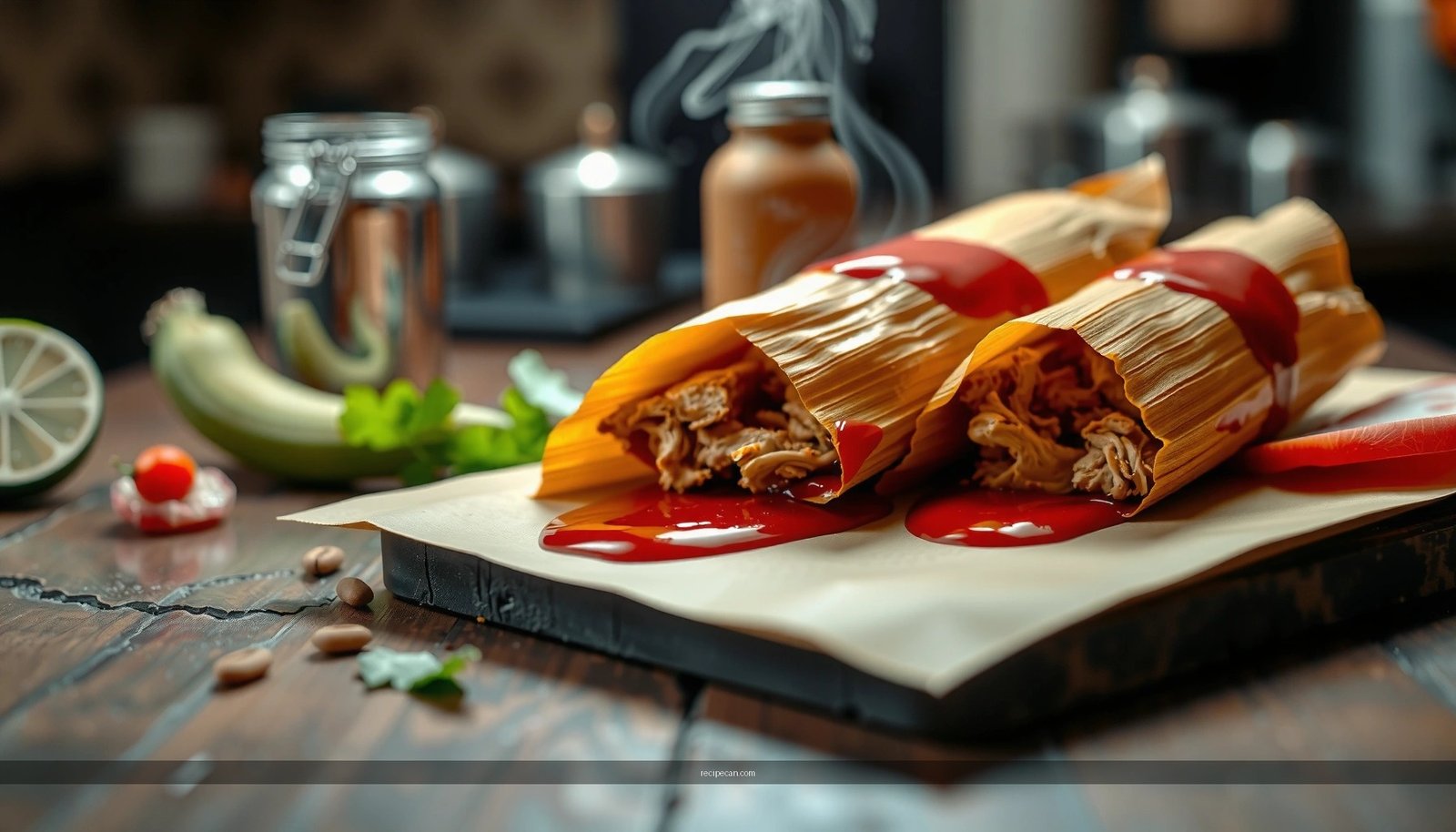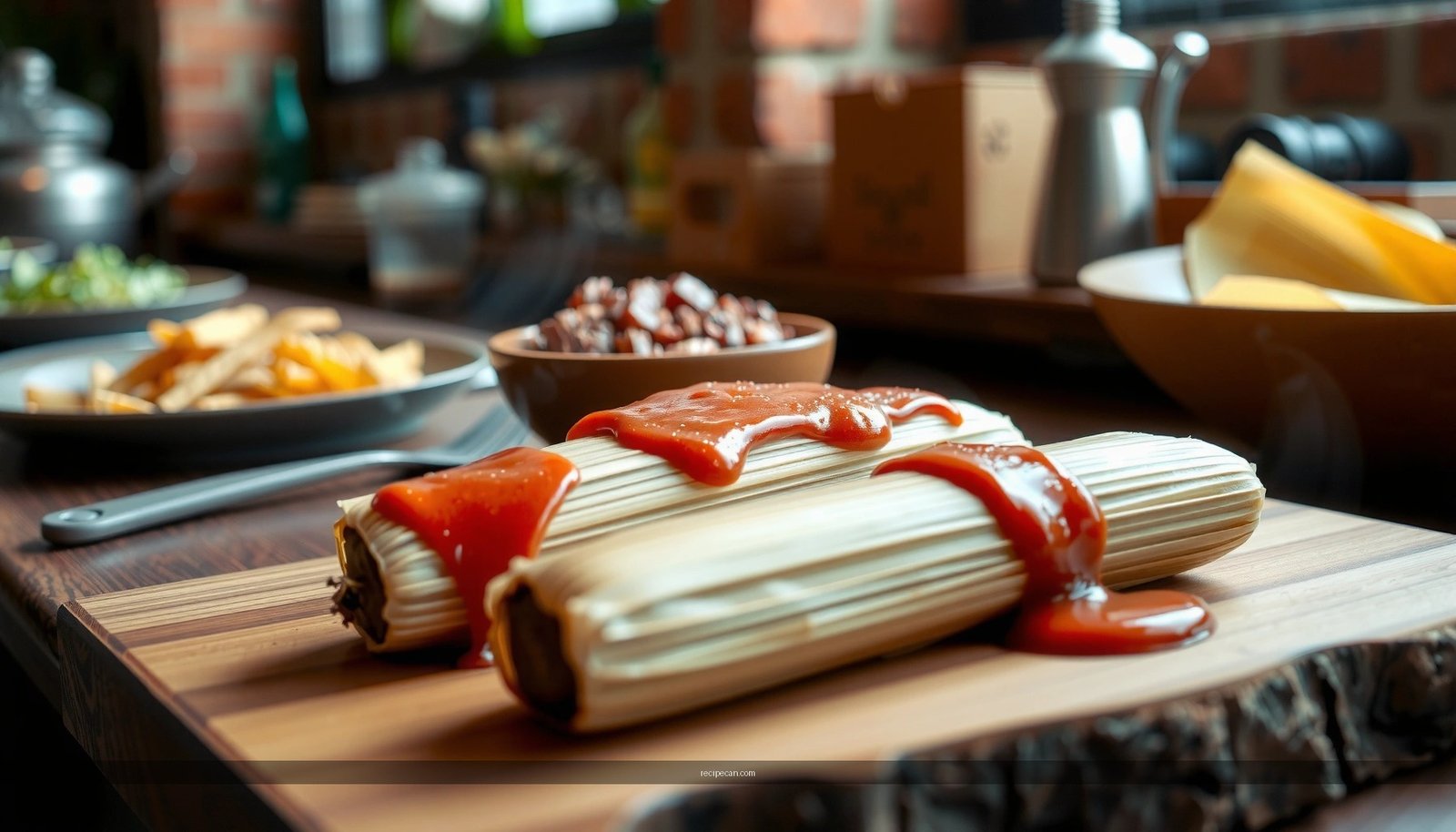
Get a Honduran tamales recipe you can trust: follow this step-by-step guide to nail smooth, flavorful masa every time and lock in the right filling-to-wrapping ratio. This method answers the one question that matters—how to make tamales that steam up tender and hold together instead of turning dry or gummy. Use it when you want consistent results for Honduran-style tamales, not guesses.
Make Honduran tamales by preparing a tender, well-seasoned masa, adding a flavorful filling, then steaming until the masa fully sets and the flavors meld. This step-by-step Honduran tamales recipe breaks down the key process controls—masa hydration, fat incorporation, filling thickness, and steaming—so your tamales come out sliceable, not gummy, and consistently delicious.
Honduran tamales are more than a traditional meal: they’re a precise technique. Corn masa needs the right consistency, not just the right ingredients; fillings must be seasoned and thick enough to prevent leaks; and steaming must be steady to avoid undercooking the masa while overcooking the filling. Think of the method like quality control across three stages—masa performance, filling integrity, and steaming consistency. Once you understand those variables, you can confidently scale the recipe for family gatherings, meal prep, or batch cooking.
Honduran-Style Tamale Cooking Targets (Best Results)
| # | Cooking Variable | Target | Why It Matters | Impact on Success |
|---|---|---|---|---|
| 1 | Masa consistency | Spreadable (like soft dough), not runny | Prevents soggy centers | High |
| 2 | Salt & seasoning | Seasoned like “well-flavored” masa, not bland | Final flavor is mild unless masa is seasoned | High |
| 3 | Fat incorporation | Added gradually until glossy & cohesive | Improves tenderness and structure | High |
| 4 | Filling thickness | Spoonable, lightly thickened (not watery) | Reduces leakage and gumminess | High |
| 5 | Steamer method | Gentle simmer with continuous steam | Maintains even heat penetration | ★★★☆ (Very High) |
| 6 | Steaming time (typical) | ~90–120 minutes | Ensures masa sets fully | High |
| 7 | Rest after steaming | Rest 10–15 minutes before unwrapping | Improves slice/serve cleanliness | Moderate-High |
What You’ll Need for Honduran Tamales
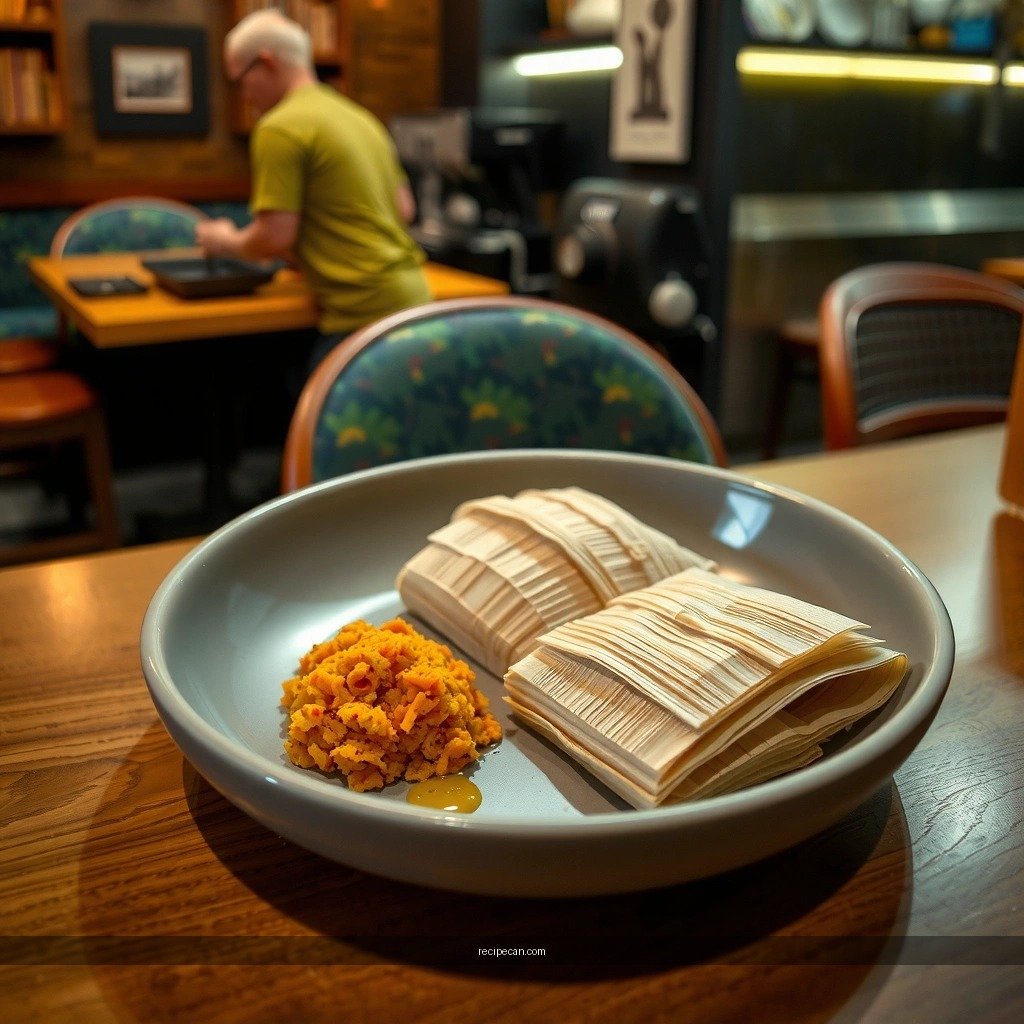
Before you start cooking, organize ingredients and tools according to the tamale assembly workflow: masa first, filling next, then wrapping and steaming. This prevents the most common mistakes—overly thin masa, underseasoned filling, and tamales that sit too long before steaming.
Gather masa ingredients (typically corn masa, seasonings, and fat).
For Honduran tamales, masa is the foundation. Most cooks use prepared corn masa harina (or premade masa) for consistency. You’ll also need a fat component (commonly lard or a combination of lard and oil) to create a tender, cohesive texture. Season the masa with salt and aromatics such as garlic and onion (fresh or powdered), plus a small amount of ground pepper. Some families add annatto (achiote) or a touch of broth seasoning for color and depth; use it if it matches your family tradition.
Prepare your traditional filling (like pork with seasonings, olives, and potatoes).
A classic Honduran-style tamale filling often centers on stewed pork. Plan for aromatics and seasoning layers—typically onion, garlic, bay leaf, cumin or allspice (depending on household preference), and a tomato-based or broth-based base for richness. Many versions include olives for briny complexity and potatoes for substance. Optional vegetables (carrots, peas, or bell pepper) add balance and help stretch the filling.
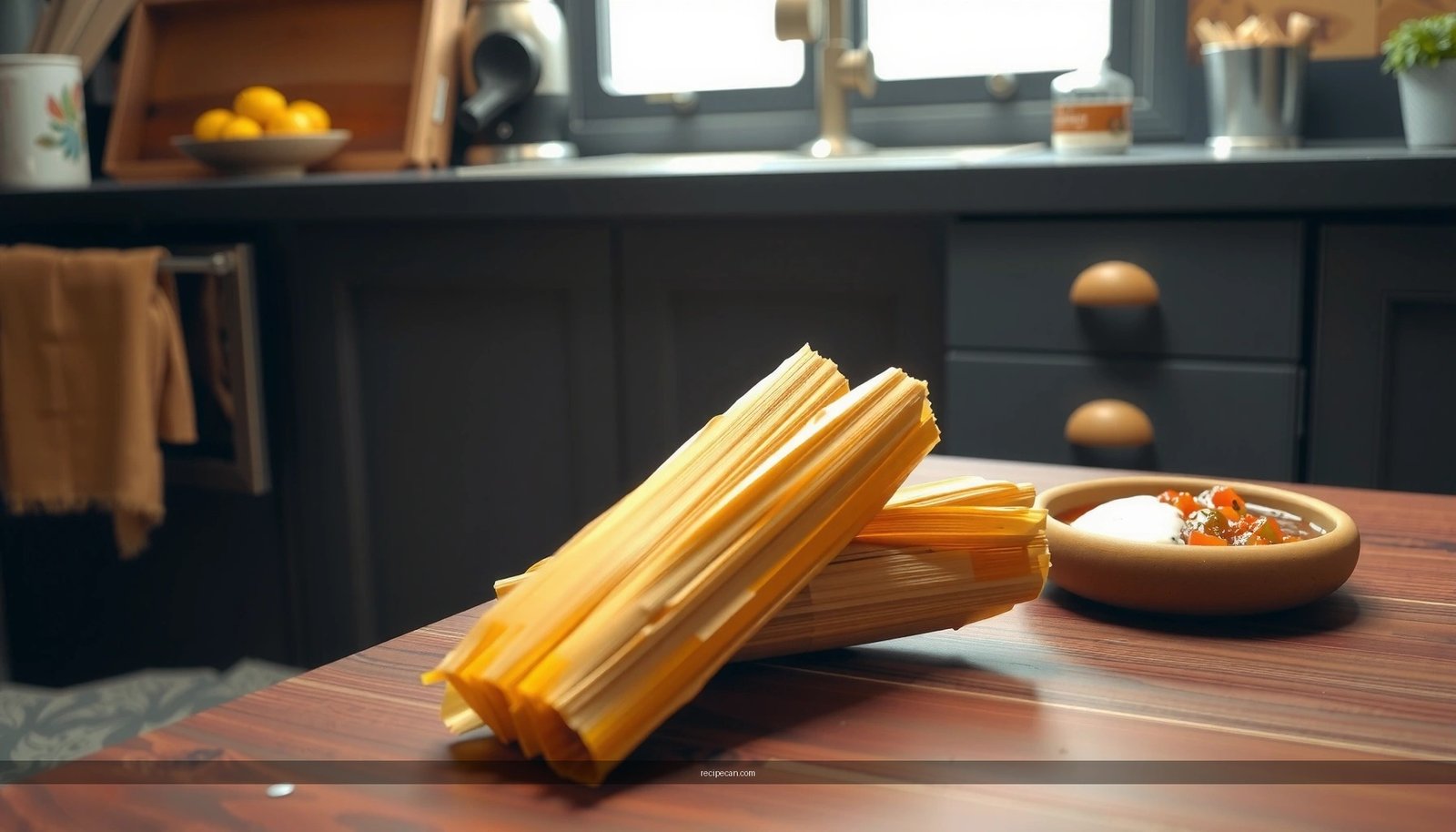
Get the right wrappers (banana leaves or corn husks) and kitchen tools.
Wrappers should be pliable and clean. Banana leaves create a subtle aroma, while corn husks offer a more classic, earthy flavor. You’ll also want:
– A large steamer pot with a rack or basket
– Kitchen twine or strips of husk/leaf for tying
– A mixing bowl, spatula, and spoon for spreading masa
– A clean tray for wrapping and batching
Tip for Honduras-style results: if using corn husks, soak them until flexible (not mushy). If using banana leaves, briefly heat to soften and reduce tearing.
How to Make the Masa
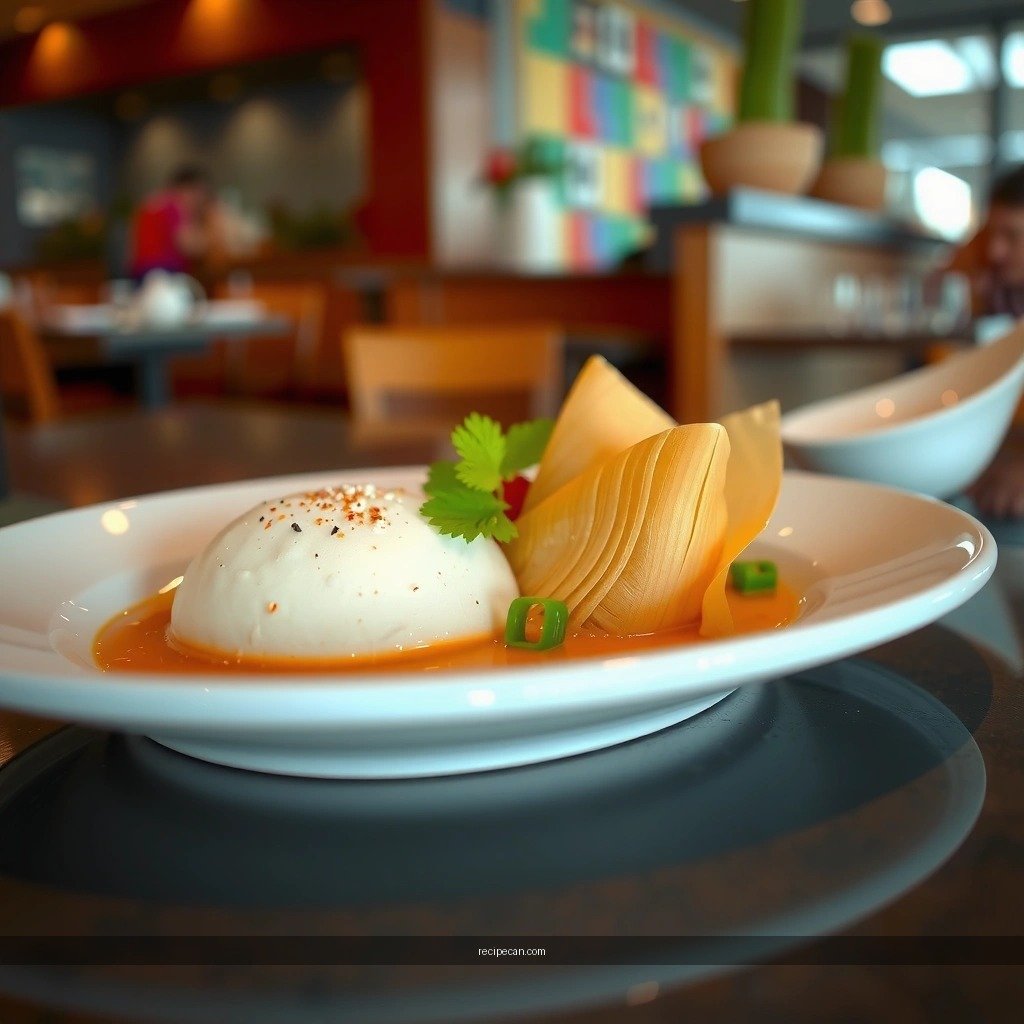
Masa is where most tamale outcomes are decided. The goal isn’t just “mix everything”—it’s building structure. Correct hydration and gradual fat incorporation produce masa that slices cleanly and stays tender after steaming.
Mix the masa until smooth and spreadable, with the right seasoning.
Start by combining your masa harina with warm liquid (broth or water) gradually. Warm liquid helps the masa hydrate evenly, reducing lumps. Mix until you reach a smooth, spreadable consistency—think “thick frosting” or “soft dough,” not batter. Then season thoroughly. If the masa tastes slightly stronger than you think it should (salt-forward and aromatic), that’s usually correct; steaming dilutes intensity.
Fold in fat gradually for a tender, cohesive texture.
Fat is not an afterthought; it’s a structural ingredient. Add fat in increments and work it in until the masa becomes glossier and more cohesive. This step improves tenderness and helps the masa hold together during steaming. If you add too much fat too quickly, the mixture can separate or become greasy; if you add too little, the masa can turn dry and crumbly.
Professional approach: mix, rest 2–3 minutes, then remix. This rest allows hydration to catch up and makes the fat incorporation smoother.
Rest the masa briefly so it’s easier to spread and holds shape.
A short rest (often 15–30 minutes) makes assembly faster and more consistent. During rest, the masa firms slightly and absorbs seasoning evenly. Resting also helps you spread masa without tearing the wrappers—especially important when using banana leaves.
Practical check: when you spread masa on a wrapper, it should form a thin layer you can shape without breaking, and it should not pool or drip.
Preparing the Traditional Filling
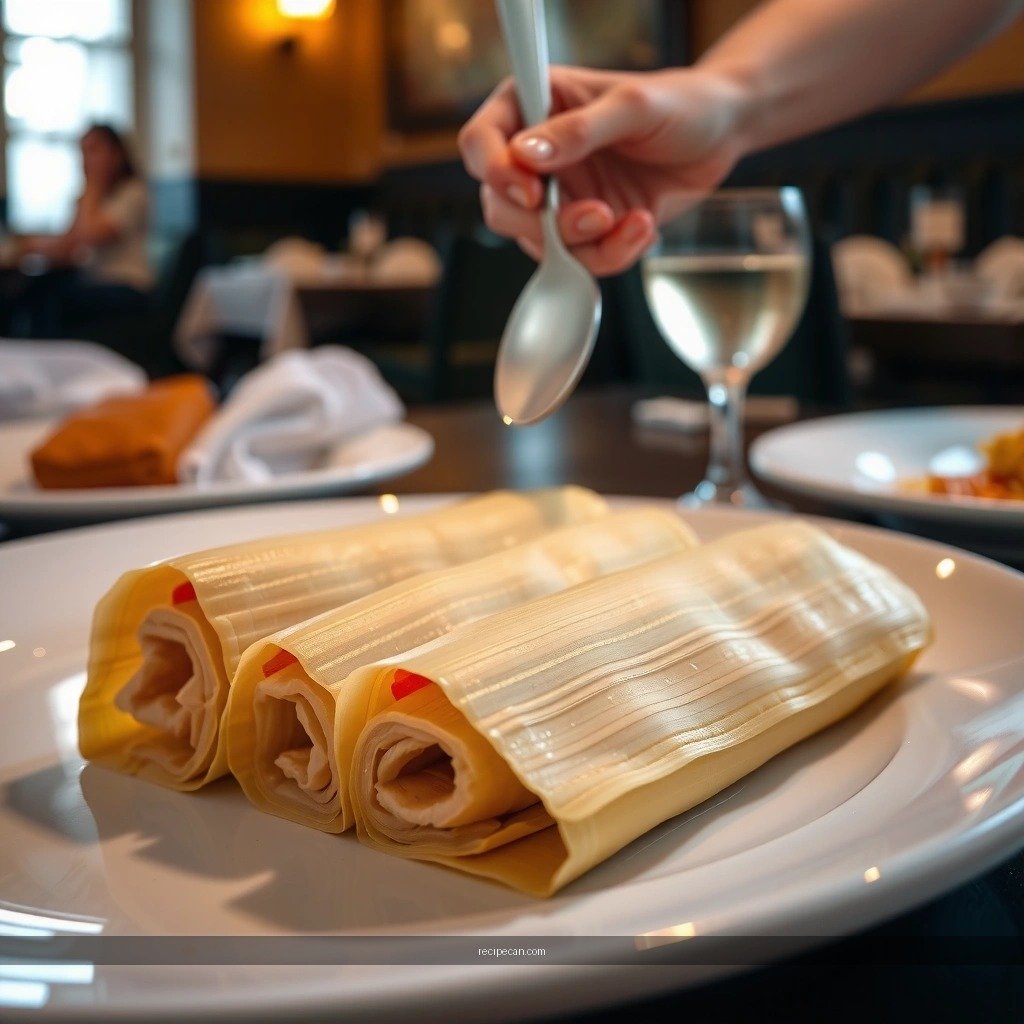
A flavorful Honduran tamales filling is built from seasoning depth and controlled moisture. Even excellent seasoning won’t help if the filling leaks—because leakage forces excess liquid into the masa and can produce a gummy or uneven texture.
Cook the meat thoroughly and season it well for deep flavor.
Brown or sauté aromatics first—onion and garlic—and then develop flavor by seasoning the meat before simmering. For pork tamales, cook until the pork is tender and can be shredded or chopped easily. Bay leaf and warming spices (like cumin or allspice) help the filling taste complete after steaming, not flat. If you’re using a tomato or broth base, simmer long enough for the flavors to concentrate.
Add optional mix-ins (like potatoes, carrots, or olives) to balance richness.
Potatoes absorb seasoning and provide satisfying bite. Olives add a briny note that cuts through pork richness. If you include carrots or other vegetables, add them at a point where they cook through but still hold their shape. Too-soft vegetables can break down and increase liquid.
Thicken the filling slightly so it doesn’t leak during steaming.
This is a key “control knob.” You want filling that is spoonable but not wet. Methods include reducing the braising liquid longer, or thickening with a small amount of masa slurry (a little masa mixed with water) or a minimal cornstarch slurry if your family allows it. Aim for a filling that stays in a mound when you place it on the masa—this reduces gaps and prevents the tamales from turning soggy.
If you’ve ever had tamales burst or leak: it’s usually either (1) too-thin filling, (2) overfilled tamales, or (3) steamed too hot and fast. Fix any one, and results improve dramatically.
Assembling and Wrapping the Tamales
Assembling is where consistency meets speed. A tidy assembly reduces leaks and helps masa set evenly. Wrapping tightly is crucial, but not so tight that it squeezes everything out.
Spread masa evenly on the leaf or husk without overfilling.
Use a spoon or spatula to spread masa into an even layer. Leave a small border around the edges so you can close the wrapper securely. Over-thick or uneven masa can cook at different rates, leading to one end being underdone.
Add a generous portion of filling in the center.
Place filling in the middle, keeping it compact. As a practical rule, add enough to be satisfying but not so much that filling touches the wrapper edges. Touching edges increases the chance of seepage into the masa.
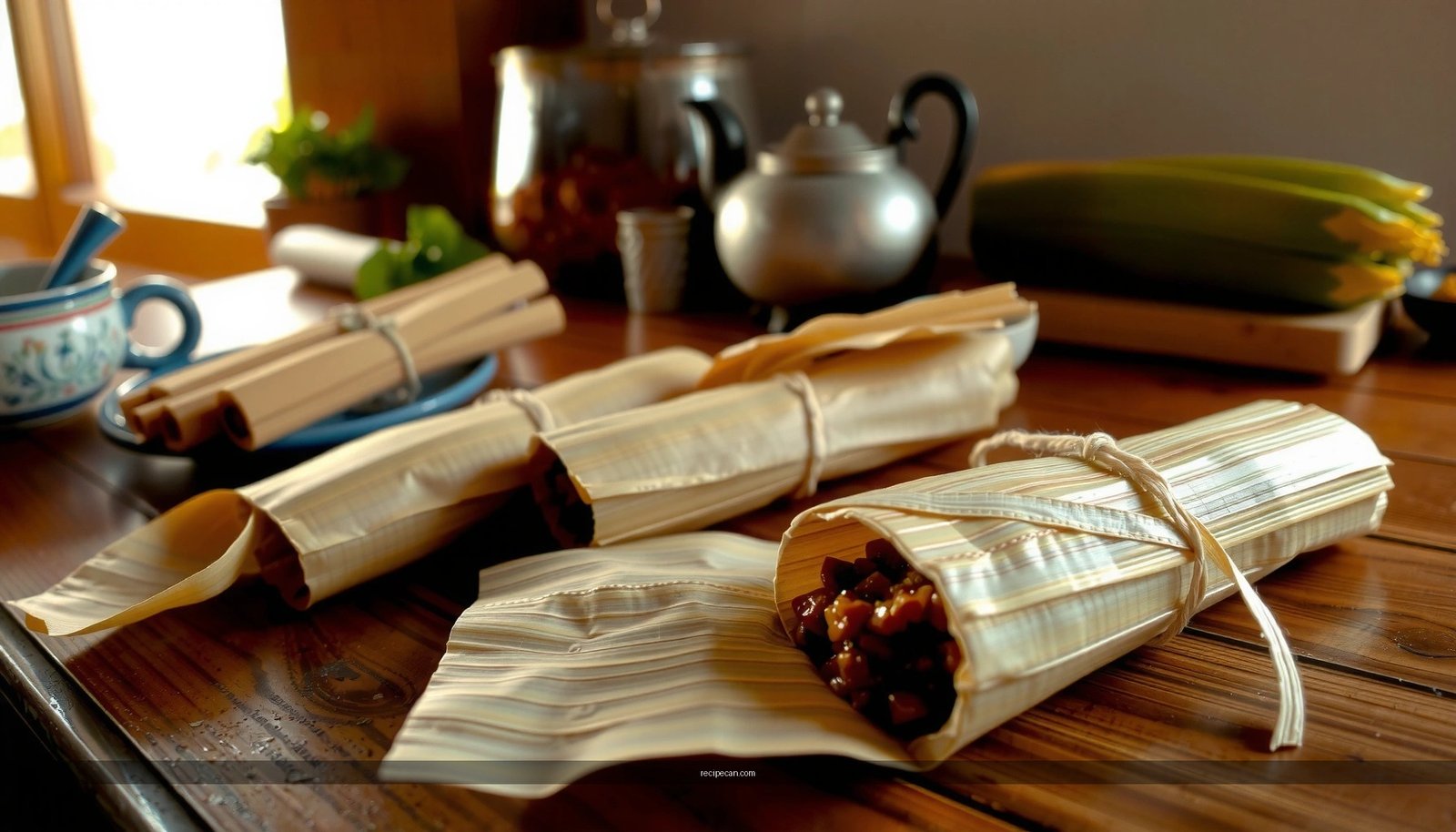
Wrap tightly to prevent gaps, then tie or fold securely.
Fold and tie firmly with kitchen twine or the appropriate strips. The goal is a snug seal with no large air gaps. Large gaps can cause uneven heating and result in masa that looks done on the outside but remains soft in the center.
Assembly workflow tip for production: wrap tamales in small batches and steam promptly. Letting assembled tamales sit too long can start moisture transfer, especially with very juicy fillings.
Steaming Time and Temperature Tips
Steaming is not just “cook until done.” It’s a controlled environment that affects hydration and set. Keep steam consistent and avoid drying out the water.
Steam in batches with a steady simmer (avoid letting water fully run out).
A gentle simmer should produce steady steam without aggressive boiling. Aggressive boiling can cause water to splash into the steamer basket or create pressure changes that lead to uneven cooking. Keep an eye on water level and refill carefully with hot water as needed.
Plan for a longer cook time until masa firms and flavors meld.
Typical Honduran tamales take about 90–120 minutes depending on tamale size and your steamer setup. You’re looking for signs of doneness: masa should feel firm, and when unwrapped, it should look set rather than wet or glossy. If you cut into one, the center should be hot and fully cooked.
Let tamales rest briefly after steaming for cleaner serving.
Resting 10–15 minutes improves structure and makes unwrapping cleaner. During rest, steam moisture redistributes, and the masa firms slightly, reducing tearing.
Tamale Doneness Signals (Honduran-Style)
| # | What You Check | Correct Result | What It Usually Means | Fix (Next Time) |
|---|---|---|---|---|
| 1 | Masa surface | Matte to lightly glossy, not wet | Masa has set | Steam 5–10 min longer if needed |
| 2 | Edge separation | Clean release from wrapper | Proper hydration & fat structure | If sticky: reduce liquid next batch |
| 3 | Center texture | Firm, warm, not doughy | Fully cooked masa | If doughy: extend steam time |
| 4 | Filling consistency | Holds shape, not soupy | Controlled moisture & thickness | If wet: reduce filling liquid/stricter thickening |
| 5 | Time to unwrap | 10–15 min rest improves handling | Steam redistribution + set | Rest, then unwrap with confidence |
Serving and Storage for Best Flavor
Once your Honduran tamales are steamed and rested, the best flavor comes from proper serving and storage handling. Tamales are ideally eaten warm, but smart reheating protects the masa texture.
Serve warm with salsa, curtido, or your favorite sides.
Tamales pair well with acidity and crunch. Try a bright salsa roja, a tangy curtido (often cabbage-based), or sliced avocados for creaminess. If your filling is pork and olives, a vinegar-forward side balances richness. For a business-style “batch service” approach, hold tamales warm (covered) and arrange them so each portion stays moist but not steamy.
Store cooled tamales in the fridge, then reheat gently.
Let tamales cool completely before refrigerating to reduce condensation. Store wrapped tamales in airtight containers. Reheat using steaming or microwave in short bursts with a damp paper towel to avoid drying. If you prefer crisp edges, you can lightly pan-sear after steaming—just don’t overdo it.
Freeze wrapped tamales for make-ahead meals and easy reheating.
Freezing works extremely well when tamales are well-wrapped and portioned. Freeze them individually on a tray, then transfer to a freezer bag. Reheat from frozen by steaming until hot throughout. This method keeps masa tender and filling flavorful, which is ideal for meal prep and event planning.
A final optimization: if you plan to freeze, consider slightly thickening the filling more than usual—frozen moisture redistribution can otherwise make the center seem looser after reheating.
After following this Honduran tamales recipe, you’ll have dependable technique: seasoned, tender masa; a traditional pork-and-potato style filling that’s thick enough to stay intact; and steaming that fully sets the masa without turning the tamales gummy. Start with one test batch to fine-tune masa thickness and filling reduction, then scale up confidently for family meals or make-ahead planning—if you want, tell me whether you’re aiming for pork, chicken, or a vegetarian filling, and I’ll tailor the seasoning and thickening steps accordingly.
Frequently Asked Questions
What are the key ingredients in a Honduran tamales recipe?
A classic honduran tamales recipe typically uses masa (corn dough), a flavorful filling (often pork or chicken), and a sauce made with tomatoes, onions, garlic, and spices like cumin, achiote, and black pepper. Many families also include olives, capers, raisins, and hard-boiled eggs for a richer, holiday-style filling. You’ll usually need banana leaves for wrapping and cooking, plus broth or warm water to keep the masa spreadable.
How do you make Honduran tamales without the masa cracking or sticking?
To prevent cracking, use masa that’s evenly hydrated and mix until smooth with warm broth or water, then let it rest briefly so it absorbs moisture. For sticking, thoroughly soften and clean banana leaves, and lightly grease or oil them before adding the masa and filling. When steaming, keep the tamales tightly packed and covered so the heat stays consistent—this helps the masa set properly without drying out.
Why do Honduran tamales taste better the next day, and how should you store them?
Honduran tamales often taste better after resting because the flavors in the filling and seasonings fully meld with the masa during cooling and storage. Cool tamales completely, then store them in an airtight container in the refrigerator for up to 3–4 days. To reheat, steam until hot throughout or microwave with a damp paper towel to keep the masa tender.
Which traditional fillings work best for a Honduran tamales recipe?
The most popular options include pork, chicken, or a combination seasoned with a tomato-onion base and Honduran spices. If you want a more festive profile, add chopped olives, capers, raisins, and sliced boiled eggs—these ingredients are common in many Honduran tamale fillings. For a lighter variation, you can use shredded chicken with similar seasonings while keeping the broth slightly thicker so the filling doesn’t seep into the masa.
What’s the best way to steam Honduran tamales so they cook evenly?
Use a large steamer with steady steam and enough water to prevent interruptions during cooking, typically steaming for about 1.5 to 2.5 hours depending on tamale size. Place tamales upright or in tight layers so they hold their shape, and check periodically to ensure the water level stays consistent. When done, the masa should feel firm and the filling should be fully cooked; let them rest before unwrapping to avoid tearing the banana leaves.
References
- Tamale
https://en.wikipedia.org/wiki/Tamale - Nacatamal
https://en.wikipedia.org/wiki/Nacatamal - Honduran cuisine
https://en.wikipedia.org/wiki/Honduran_cuisine - Masa
https://en.wikipedia.org/wiki/Masa_harina - Nixtamalization
https://en.wikipedia.org/wiki/Nixtamalization - https://www.britannica.com/topic/tamale
https://www.britannica.com/topic/tamale - Hallaca
https://en.wikipedia.org/wiki/Hallaca - Google Scholar Google Scholar
https://scholar.google.com/scholar?q=honduran+tamales+recipe - Google Scholar Google Scholar
https://scholar.google.com/scholar?q=nacatamal+honduras+recipe - Google Scholar Google Scholar
https://scholar.google.com/scholar?q=tamales+central+america+traditional+preparation+massa