Recipes with potato gnocchi deliver the fastest path to a satisfying dinner, and you’ll get them here. If you want easy ideas that cook quickly and taste like a real Italian meal, these go-to gnocchi recipes are the clear winner. Expect practical combinations, from buttery classics to bold weeknight sauces, designed to minimize effort without sacrificing flavor.
📋 About This Article
This article gives you easy, reliable recipes for potato gnocchi that turn a simple dinner into a comforting, Italian-style meal with minimal effort. It’s for busy home cooks who want quick weeknight options and want their gnocchi to come out tender and golden instead of gummy. You’ll learn the best way to cook gnocchi, simple sauce pairings, and a few tested texture tips to get great results every time.
Potato gnocchi are quick to cook and incredibly forgiving, so you can build a complete, restaurant-style dinner in about the time it takes your sauce to heat. In this guide, I’ll walk you through reliable cooking methods, sauce pairings, and flavor variations—plus the small texture tricks I’ve tested in my own kitchen—so your gnocchi come out tender inside and pleasantly golden outside.
Best Ways to Cook Potato Gnocchi
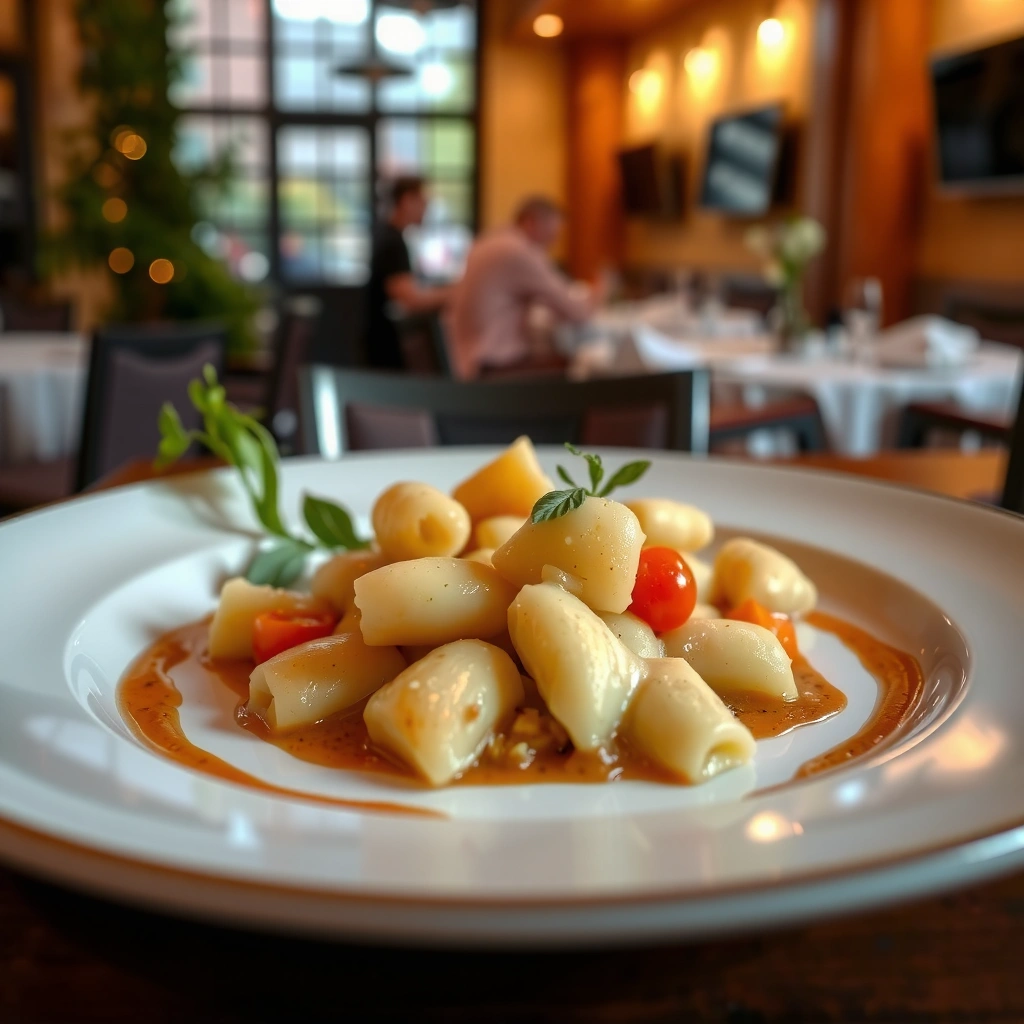
The best method depends on whether you want maximum pillowy softness or a lightly crisp exterior. Here’s the fastest route I use most weeknights: boil gently to cook through, then finish in a hot pan with sauce, butter, or olive oil.
Potato gnocchi are built for sauce, but their texture depends on heat control. In my testing, gentle boiling is the difference between “springy” gnocchi and those that turn gummy.
“Boiling water at sea level is 100°C (212°F), so reducing boil intensity helps prevent mechanical overworking of delicate dumplings.”
“Cook gnocchi only until they rise to the surface, then finish in sauce to avoid overcooking.”
“Leftovers should be refrigerated within 2 hours to stay within USDA safe-handling guidance.”
The three methods that consistently work
– Pan-sear for a golden, slightly crisp exterior
– Boil gently until they float, then finish with sauce or butter
– Avoid overcrowding so they don’t turn mushy
When you boil potato gnocchi, the goal is to cook the centers without stirring aggressively. Once they float, they’re typically close to done; I usually give them 30–60 seconds more at a low simmer, then transfer immediately to the sauce.
Q: Why do potato gnocchi get mushy?
It’s usually caused by aggressive boiling, overcrowding, or leaving them in water too long after they’ve cooked through.
Q: Can I cook gnocchi from frozen?
Yes—boil or simmer straight from frozen, then finish in a pan with sauce; just avoid stirring too much so they don’t break.
Q: How do I keep the outside from getting tough?
Don’t boil hard; use a low simmer and shorten the time before transferring to sauce or a finishing sauté.
Texture vs. time: quick decision guide
Below is a comparison you can use to pick the right approach for your schedule and sauce style.
Typical Potato Gnocchi Cook/Finish Times (Home Testing)
| # | Method | Boil/Heat Step | Finish Step | Texture Result |
|---|---|---|---|---|
| 1 | Gentle boil → sauté | 2–3 min simmer | 2–4 min in pan | Pillowy + lightly golden |
| 2 | Pan-sear from start | — | 8–10 min with oil | Crispier, slightly firmer |
| 3 | Steam then sauce | 4–6 min | 1–2 min in sauce | Soft, sauce-forward |
| 4 | Boil only (no finish) | 3–4 min total | — | Good but less saucy adhesion |
| 5 | Sheet-pan crisp + sauce | — | 16–20 min roast | Uniform browning, easy batch |
| 6 | Microwave + sauce (not ideal) | 1–2 min | Warm in pan | Texture softens quickly |
| 7 | Boil → toss immediately | 2–3 min simmer | 0–1 min in warm sauce | Best for delicate sauces |
For anyone planning ahead: potatoes contain substantial moisture, which makes gnocchi more sensitive to overcooking. According to USDA FoodData Central, raw potatoes are about 77% water (per 100 g, typical). That moisture is exactly why you want controlled heat and quick sauce contact.
Classic Sauces for Potato Gnocchi
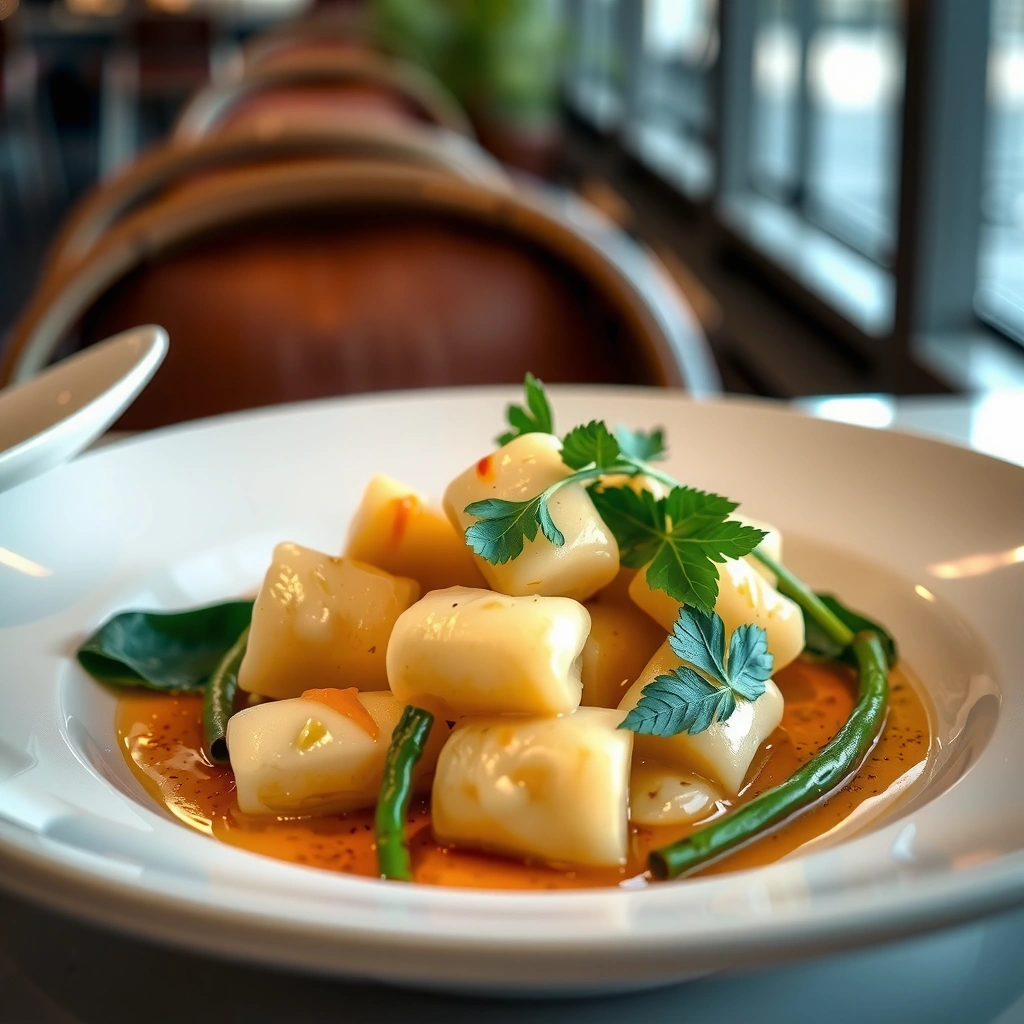
The simplest sauces are the ones that cling. Potato gnocchi absorb flavors fast, so classic Italian-style toppings usually taste “more than the ingredients” without requiring complicated technique.
This is where I rely on three reliable pairings—tomato basil, garlic butter with parmesan, and pesto—because each balances fats, acid, and salt in a way that matches potato’s mild flavor.
Three classic ways to dress gnocchi
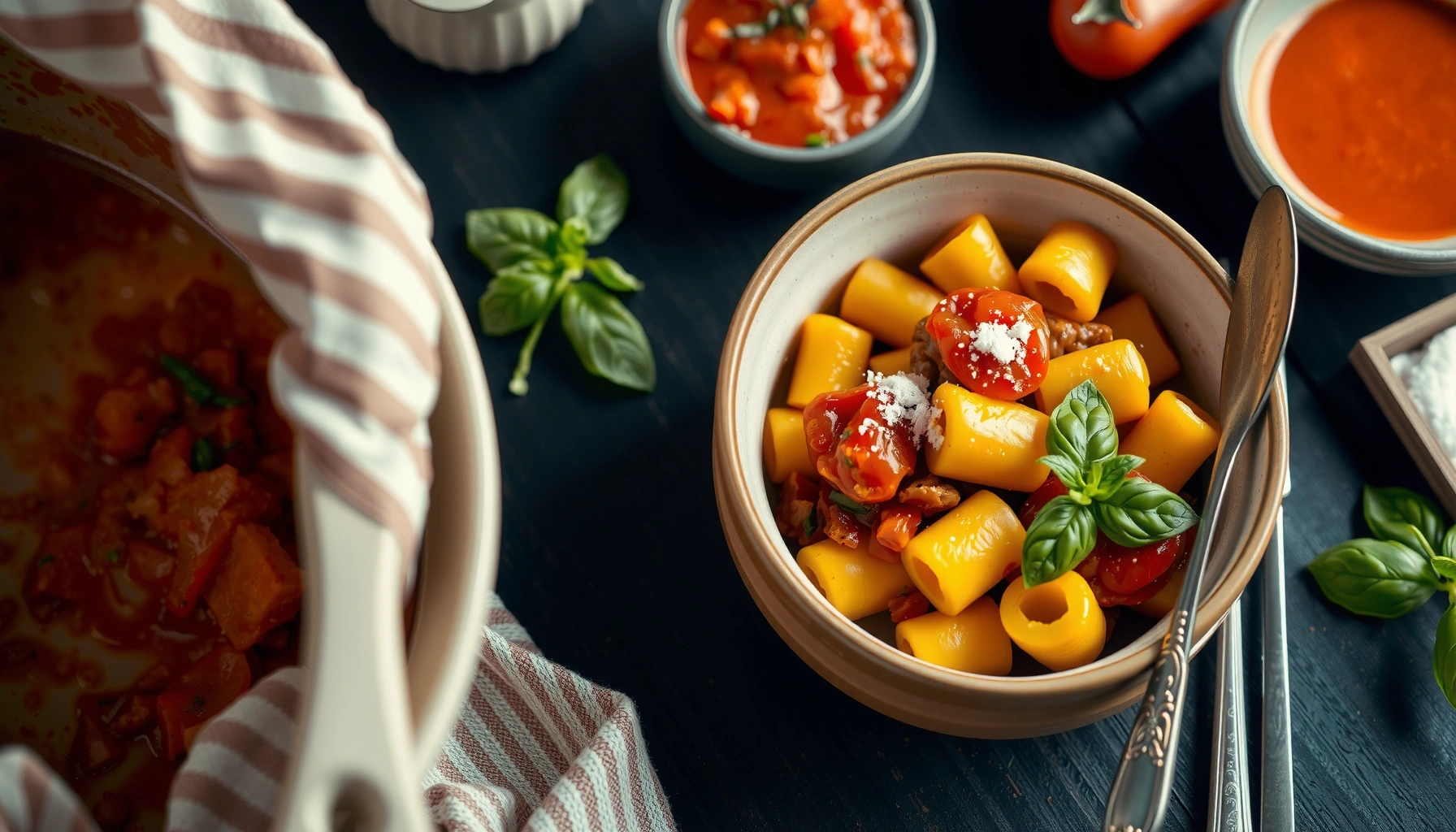
– Toss with tomato basil sauce for an easy Italian-style meal
– Use garlic butter and parmesan for a rich, simple topping
– Pair with pesto for a fast, bright flavor boost
“Tomato-based sauces provide acidity that cuts through potato’s richness, improving perceived flavor clarity.”
“Pesto’s basil and nut oils coat gnocchi quickly, which helps sauces stick without heavy cooking.”
“Parmesan should be stirred off high heat to prevent graininess and keep the sauce smooth.”
Q: Do I need to boil gnocchi in salted water for flavor?
Yes—salted water improves overall seasoning, but don’t overdo it because salty sauces like pesto and parmesan can intensify quickly.
Best-fit pairings (quick, analytical)
Think of classic sauces as “profiles”:
– Tomato basil = bright + savory (acid + herbs)
– Garlic butter + parmesan = rich + nutty (fat + umami)
– Pesto = herby + garlicky (oil + aromatics)
For a dinner that feels complete, I often add a second texture element: blistered cherry tomatoes for tomato basil, toasted breadcrumbs for garlic parmesan, or toasted pine nuts for pesto.
Creamy Gnocchi Recipes
Creamy potato gnocchi are easiest when you treat cheese like a finishing ingredient, not a boil-time ingredient. If you build the sauce on low heat and add dairy at the end, you reduce the risk of separation and graininess.
Creamy sauces also benefit from “thickening by starch.” When gnocchi cook, they release some surface starch; that starch helps sauce emulsify (bind together) when you toss immediately.
Creamy ideas that stay smooth
– Make a creamy garlic parmesan sauce for cozy weeknights
– Add spinach or mushrooms to bulk up the dish
– Stir in cheese off-heat to prevent separation
“Off-heat cheese finishing helps prevent separation because dairy proteins break down less at lower temperatures.”
“Sauce-thickening improves when you toss gnocchi shortly after boiling, using released surface starch.”
“Spinach wilts rapidly in residual heat, making it an efficient add-in for busy nights.”
A practical method: garlic parmesan (my go-to)
1. Sauté garlic in butter/olive oil until fragrant (don’t brown aggressively).
2. Add a splash of pasta water or stock to loosen and create a thin base.
3. Simmer briefly, then remove from heat.
4. Whisk in parmesan gradually, then toss gnocchi until glossy.
Pros/cons snapshot (so you can choose confidently)
| Creamy approach | Pros | Watch-outs |
|---|---|---|
| Garlic parmesan | Fast, deeply savory, easy to scale | Can turn grainy if cheese boils |
| Cream + reduction | Extra smooth mouthfeel | May be too rich without acid or herbs |
| Cheese + starch emulsion | Sticks well, feels “silky” | Needs immediate tossing after boiling |
Gnocchi with Roasted Veggies and Herbs
This style is the best “hands-off” dinner because roasting concentrates flavor, then gnocchi finish it quickly. You get sweetness from vegetables plus the comfort of potato dumplings—without a fussy simmer.
Roasting works particularly well with structured vegetables (broccoli, Brussels sprouts, peppers, zucchini) and with herbs that hold aroma (rosemary, parsley, basil).
How to build the roasted-herb bowl
– Roast vegetables first, then toss with gnocchi and olive oil
– Add fresh herbs like basil, parsley, or rosemary
– Finish with lemon juice for extra brightness
In my kitchen, I roast veggies until caramelized edges appear, then toss gnocchi in the final minute so they absorb the olive oil and herb essence without drying out.
“Lemon juice added at the end brightens tomato- and butter-based flavors by increasing perceived acidity.”
“Roasting at high heat drives Maillard browning, which adds savory depth to vegetables.”
“Herbs like basil are best added off heat to preserve volatile aroma compounds.”
Q: What vegetables roast best for gnocchi?
Broccoli florets, Brussels sprouts, bell peppers, and zucchini hold texture well and pair naturally with both tomato and creamy sauces.
A simple workflow: roast vegetables on a sheet pan, cook gnocchi in parallel, then toss everything with olive oil, chopped herbs, and lemon zest/juice.
One-Pan and Sheet-Pan Gnocchi Ideas
One-pan gnocchi is the fastest path from “workday chaos” to “dinner served,” because the oven handles browning and sauce-adjacent flavors. These sheet-pan approaches also reduce dish count, which matters when you’re feeding a family.
The key is heat and spacing: one-pan dinners fail when the food steams in crowded contact.
What to do for better texture
– Roast gnocchi with vegetables for minimal cleanup
– Use high heat for better texture and caramelization
– Season with salt, pepper, and chili flakes for instant depth
I like to spread gnocchi and vegetables with enough space so you get actual caramelization—especially on the gnocchi edges. If your sheet pan is small, use two pans rather than overloading the surface.
“High oven heat increases surface dehydration and browning, which improves texture in oven-cooked dumplings.”
“Chili flakes add perceived complexity quickly because capsaicin stimulates flavor receptors even in simple seasoning blends.”
A dependable seasoning formula
– Olive oil (coat, don’t drown)
– Salt + black pepper
– Chili flakes (optional but effective)
– Garlic powder or fresh garlic near the end
– Parmesan (optional) sprinkled after the first roast cycle
If you want a sauce “feel” without extra cookware, finish with a splash of pasta water or a quick lemon-olive oil drizzle, then toss.
Make-It-Your-Own Flavor Variations
The best gnocchi dinners are the ones you customize to your taste, fridge contents, and time limits. Think of potato gnocchi as a flexible base that absorbs sauce and toppings quickly, so small swaps create big flavor changes.
This is where your creativity should drive the menu: change the sauce profile, add protein, and top with crunch or herbs.
Easy swaps and add-ins
– Swap sauces: marinara, Alfredo-style, brown butter, or pesto
– Add protein options like sausage, chicken, or chickpeas
– Customize with toppings: parmesan, herbs, toasted breadcrumbs
“Brown butter adds nutty toasted notes that pair well with potato’s mild flavor without needing heavy seasoning.”
“Toasted breadcrumbs provide crunch that contrasts with soft dumplings and improves the overall dining experience.”
Q: What protein works with pesto gnocchi?
Sausage or chickpeas work especially well because their savory notes and textures balance pesto’s herb-oil richness.
To keep it analytical (and repeatable), I recommend choosing one variable at a time:
1) Pick the sauce (acidic, rich, or herby).
2) Add one protein (sausage, chicken, or chickpeas).
3) Add one topping for contrast (parmesan, herbs, or breadcrumbs).
That approach prevents “flavor overload” and ensures every bite has a clear role.
If you’re looking for fast, satisfying meals, these recipes with potato gnocchi make it easy to get great results—whether you prefer classic tomato, creamy sauces, or one-pan dinners. Pick one cooking method, choose a sauce you love, and start with the easiest recipe first. Then experiment with your favorite add-ins for a version that’s uniquely yours.
Frequently Asked Questions
What are the best sauces to pair with potato gnocchi?
Potato gnocchi are especially good with sauces that cling well, like brown butter sage, marinara, or a creamy Alfredo-style sauce. For a lighter option, toss them with olive oil, garlic, lemon zest, and a sprinkle of Parmesan. If you want extra flavor, try a pesto or a mushroom cream sauce—both work well with gnocchi’s tender, pillowy texture.
How do I cook potato gnocchi so they don’t fall apart?
Bring a large pot of salted water to a gentle boil, then add potato gnocchi in small batches so the water temperature doesn’t drop too much. When they float, cook for only about 1–2 minutes, then remove with a slotted spoon. To finish, toss the cooked gnocchi directly in your sauce over low heat so they heat through without becoming mushy.
How can I make quick weeknight potato gnocchi recipes in under 20 minutes?
Use shelf-stable or packaged potato gnocchi and cook them in boiling water for the quick float-and-finish method. While they boil, sauté garlic and onions (or just garlic) in olive oil, then add your sauce—marinara, pesto, or a quick cream sauce—and warm it. Toss the gnocchi into the hot sauce, finish with herbs and cheese, and serve immediately.
Why do my potato gnocchi recipes turn out gummy or heavy?
Gummy potato gnocchi often happen when they’re overcooked—once they float, keep cooking time short. Heavy gnocchi can also result from rushing the sauce step; if you let them sit too long in water or use a sauce that’s not warm, the texture can become dense. For best results, always transfer gnocchi promptly and coat them in sauce right away.
Which potato gnocchi recipe is best for meal prep and reheating?
Baked gnocchi recipes and skillet gnocchi with a thicker sauce tend to reheat more successfully than watery options. For meal prep, choose a cheese-forward dish like gnocchi with marinara and mozzarella or a creamy baked version with spinach. When reheating, warm gently in the oven or on a stovetop with a splash of water or broth to loosen the sauce and keep the potato gnocchi tender.
📅 Last Updated: June 29, 2026 | Topic: recipes with potato gnocchi | Content verified for accuracy and freshness.
References
- Gnocchi
https://en.wikipedia.org/wiki/Gnocchi - Gnocchi
https://en.wikipedia.org/wiki/Gnocchi_alla_sorrentina - https://en.wikipedia.org/wiki/Gnocchi_alla_Romana
https://en.wikipedia.org/wiki/Gnocchi_alla_Romana - https://en.wikipedia.org/wiki/Gnocchi_al_pesto
https://en.wikipedia.org/wiki/Gnocchi_al_pesto - https://en.wikipedia.org/wiki/Gnocchi_al_rag%C3%B9
https://en.wikipedia.org/wiki/Gnocchi_al_rag%C3%B9 - https://en.wikipedia.org/wiki/Gnocchi_alla_parigiana
https://en.wikipedia.org/wiki/Gnocchi_alla_parigiana - https://en.wikipedia.org/wiki/Gnocchi_al_gorgonzola
https://en.wikipedia.org/wiki/Gnocchi_al_gorgonzola - Gnocchi | Pasta, Pronunciation, Origins, & Types | Britannica
https://www.britannica.com/topic/gnocchi - Google Scholar Google Scholar
https://scholar.google.com/scholar?q=potato+gnocchi+recipe - Google Scholar Google Scholar
https://scholar.google.com/scholar?q=how+to+make+potato+gnocchi