Looking for the best Earl Grey tea cookies recipe that’s easy to make and delivers unmistakably fragrant, tender bites? This recipe answers the key question—how to bake cookies that actually taste like Earl Grey, not just lightly steeped tea—using simple ingredients and a foolproof method. In under an hour, you’ll get crisp edges, a soft center, and a bold bergamot aroma in every batch.
Bake tender Earl Grey tea cookies by steeping Earl Grey in warm butter (or cream) and using that infused dairy in the dough—this method delivers a bold bergamot aroma without drying the cookies. Below, you’ll learn how to steep, strain, chill, and bake with the right timing so the centers stay lightly soft while the citrusy notes remain clear and fragrant.
Ingredients for Earl Grey Tea Cookies
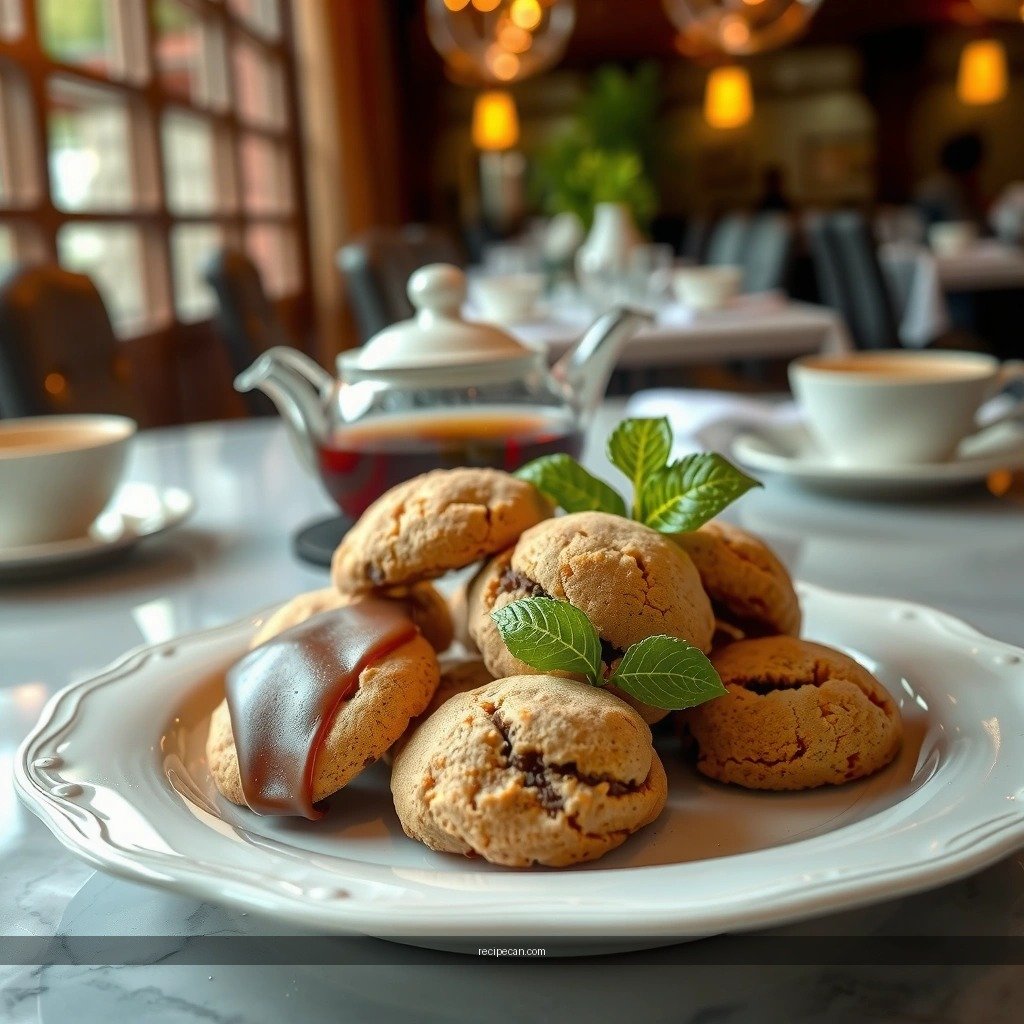
– Gather Earl Grey tea, flour, butter, sugar, egg, and baking essentials
– Use brewed/strained tea (or infused butter/cream) for maximum flavor
To make “bakery-style” Earl Grey cookies at home, it helps to treat bergamot like a concentrated flavor component rather than a seasoning you sprinkle at the end. The most important ingredient strategy here is using freshly brewed Earl Grey (or steeping tea in the butter/cream) so the aromatic oils are fully extracted.
Recommended ingredients (standard batch, about 24 cookies depending on size):
– Earl Grey tea: 2–3 teaspoons (about 4–6 grams) loose leaf or 4–6 tea bags
– Unsalted butter: 115 g (½ cup), plus a little for greasing (optional)
– All-purpose flour: 190–200 g (about 1½ cups)
– Granulated sugar: 80–100 g (for a clean, tea-forward sweetness)
– Brown sugar (optional but helpful): 25–35 g for a softer crumb and deeper flavor
– 1 large egg: for structure and a tender bite
– Baking powder: ½ teaspoon (light lift; helps tenderness)
– Baking soda: ¼ teaspoon (optional, improves browning and chew)
– Fine salt: ¼ teaspoon (critical to balance citrus aromatics)
– Optional vanilla extract: ½ teaspoon (rounds bergamot without masking it)
Key technique ingredient note:
– If you’re using tea bags, the strength can vary—choose “strong” Earl Grey or use more bags to hit the same flavor as loose leaf.
– Avoid old Earl Grey. Aromatics weaken over time, and your cookies will taste more like “generic tea” than bergamot.
Bergamot Intensity by Extraction Method (Home Baking)
| # | Extraction Method | Typical Infusion Time | Best for Texture | Bergamot Perception |
|---|---|---|---|---|
| 1 | Steep Earl Grey in warm butter/cream | 8–12 min | Tender, cohesive dough | ★★★★☆ |
| 2 | Brew tea in hot water, strain, then mix into dough | 6–9 min | Slightly softer spread | ★★★☆☆ |
| 3 | Simmer loose leaf in milk (then cool/strain) | 10–15 min | Velvety crumb | ★★★☆☆ |
| 4 | Use tea leaves folded in dry (no infusion) | N/A (none) | Drier, less even flavor | ★★☆☆☆ |
| 5 | Add Earl Grey sachets to dough during chill | 1–2 hr | Inconsistent aroma | ★★☆☆☆ |
| 6 | Sprinkle Earl Grey dust on top before baking | During bake only | Surface aroma, weaker center | ★☆☆☆☆ |
| 7 | Commercial Earl Grey essence (no steeping) | As directed | Flavor can taste “perfumed” | ★☆☆☆☆ |
Prepare the Earl Grey Flavor
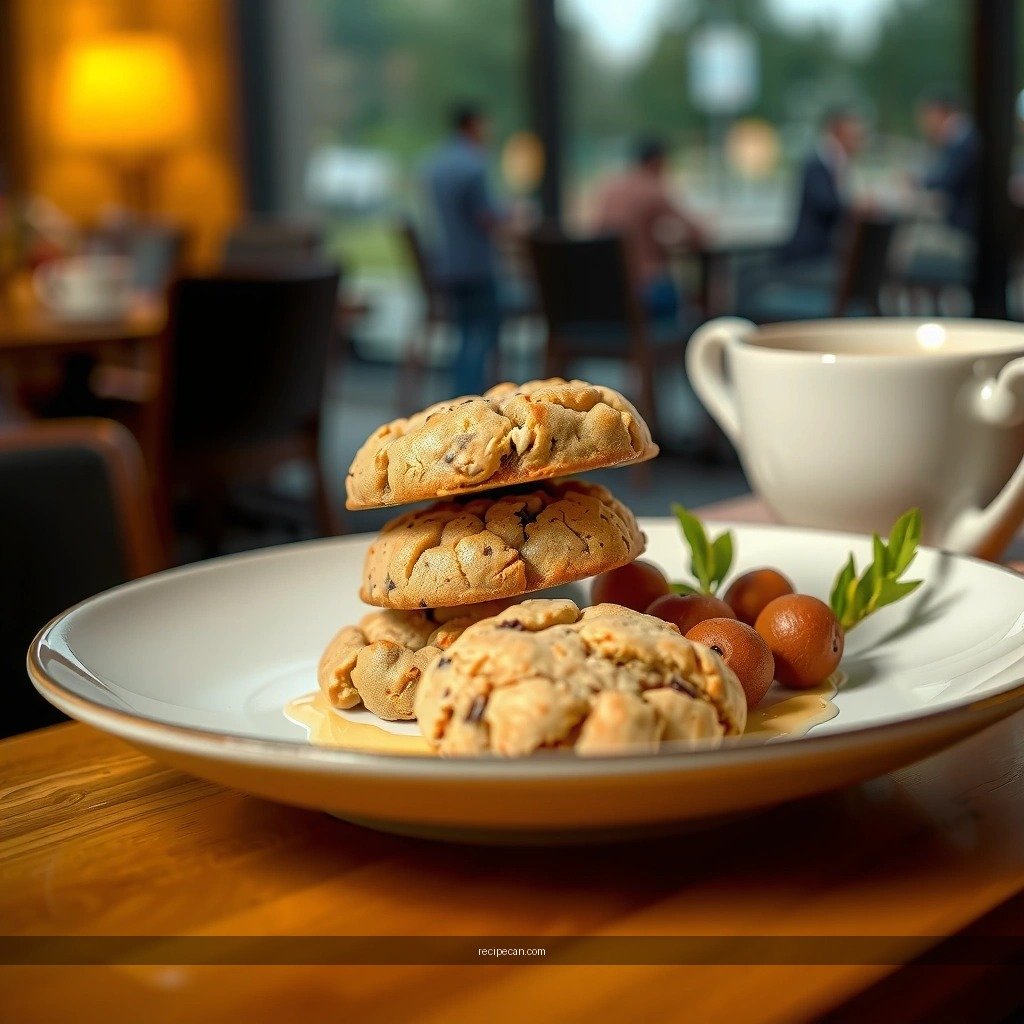
– Steep Earl Grey until fragrant, then strain to remove tea leaves
– Infuse butter or cream with tea to evenly flavor the dough
There are two reliable ways to capture Earl Grey’s bergamot: (1) steep tea in butter/cream or (2) brew tea in water and mix the strained tea into the dough. For the cleanest, most even aroma and a tender texture, infusion in butter/cream is usually superior because the fat helps carry aromatic compounds throughout the dough.
Option A (recommended): Infuse butter with Earl Grey
1. Heat the butter in a small saucepan over low heat until melted.
2. Add Earl Grey (loose leaf or tea bags) and remove from heat.
3. Cover and steep 8–12 minutes, stirring once or twice.
4. Strain carefully (if using loose leaf, use a fine sieve).
5. Let the infused butter cool slightly—warm, not hot—before mixing into your dough.
Why this matters: infusion time controls intensity. Too short and the aroma stays muted; too long and you may introduce harsher tea bitterness that competes with bergamot.
Option B: Brew tea and mix into dough
1. Brew a strong cup of Earl Grey (fewer cups, more concentrate).
2. Strain and cool to room temperature.
3. Replace part of the dough liquid (or adjust gently) so the dough isn’t too wet.
Practical tip: tea brewed in water can vary in strength—use infusion in butter/cream when you want consistency batch to batch.
Make the Earl Grey Cookie Dough
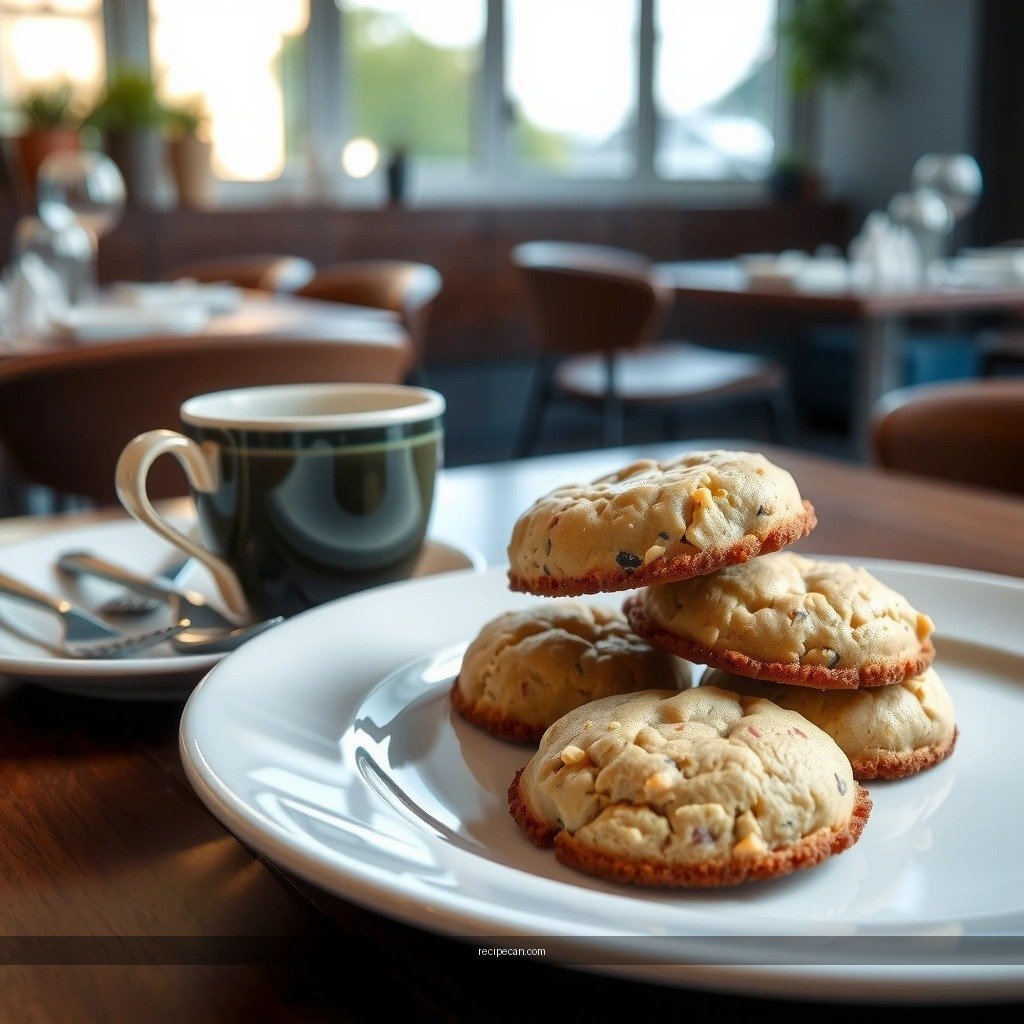
– Mix dry ingredients, then blend in butter/tea mixture and egg
– Chill dough briefly for easier shaping and better thickness
This dough is designed to be tender and stable—but tenderness comes from the right balance of flour development, fat temperature, and chill time.
Step-by-step mixing approach
1. Combine dry ingredients: flour, sugar (and optional brown sugar), baking powder, baking soda (if using), and salt. Whisk to distribute everything evenly.
2. Mix wet ingredients: lightly beat the egg in a small bowl.
3. Add infused butter: pour the cooled (warm) tea-infused butter into the dry mix and stir until you get a cohesive dough.
4. Add egg last: mix just until the egg disappears and the dough looks uniform.
Why you should chill the dough
Chilling for 20–45 minutes (or up to 2 hours) accomplishes three things:
– It re-solidifies butter for better shape and less spreading.
– It hydrates flour proteins so the cookies stay tender.
– It allows bergamot aroma to distribute more evenly before baking.
Professional texture checkpoint
– If dough feels sticky: chill longer (or add 1 tablespoon flour at a time).
– If dough feels dry and crumbly: let it sit at room temperature for 5–10 minutes or mix in 1–2 teaspoons milk/cream.
Shape and Bake
– Scoop or roll dough, then space cookies evenly on a baking sheet
– Bake until edges set and centers remain lightly soft
Bergamot flavor is delicate—overbaking can dull aroma and dry the center. Bake with the mindset: set the edges, protect the tenderness.
Shaping choices (pick your style)
– Scoop-and-drop (easiest): for consistent thickness with minimal fuss.
– Roll and cut (more precise): for uniform shapes; chill dough longer if you want clean cuts.
Baking temperature and timing
A reliable range is 175°C / 350°F:
– Bake 9–12 minutes for medium cookies (scoop 1½ tablespoons).
– Bake 12–14 minutes for larger cookies (around 2½ tablespoons).
Doneness cue (most important):
– Edges look set and slightly golden.
– Centers look underdone—still soft and barely matte.
– The cookies finish setting on the hot tray after removal.
Cooling management
Let cookies cool on the baking sheet for 5 minutes, then transfer to a rack. This prevents breakage and helps any residual steam escape for better crumb.
Cool, Frost (Optional), and Serve
– Cool cookies on the tray, then move to a rack to prevent breakage
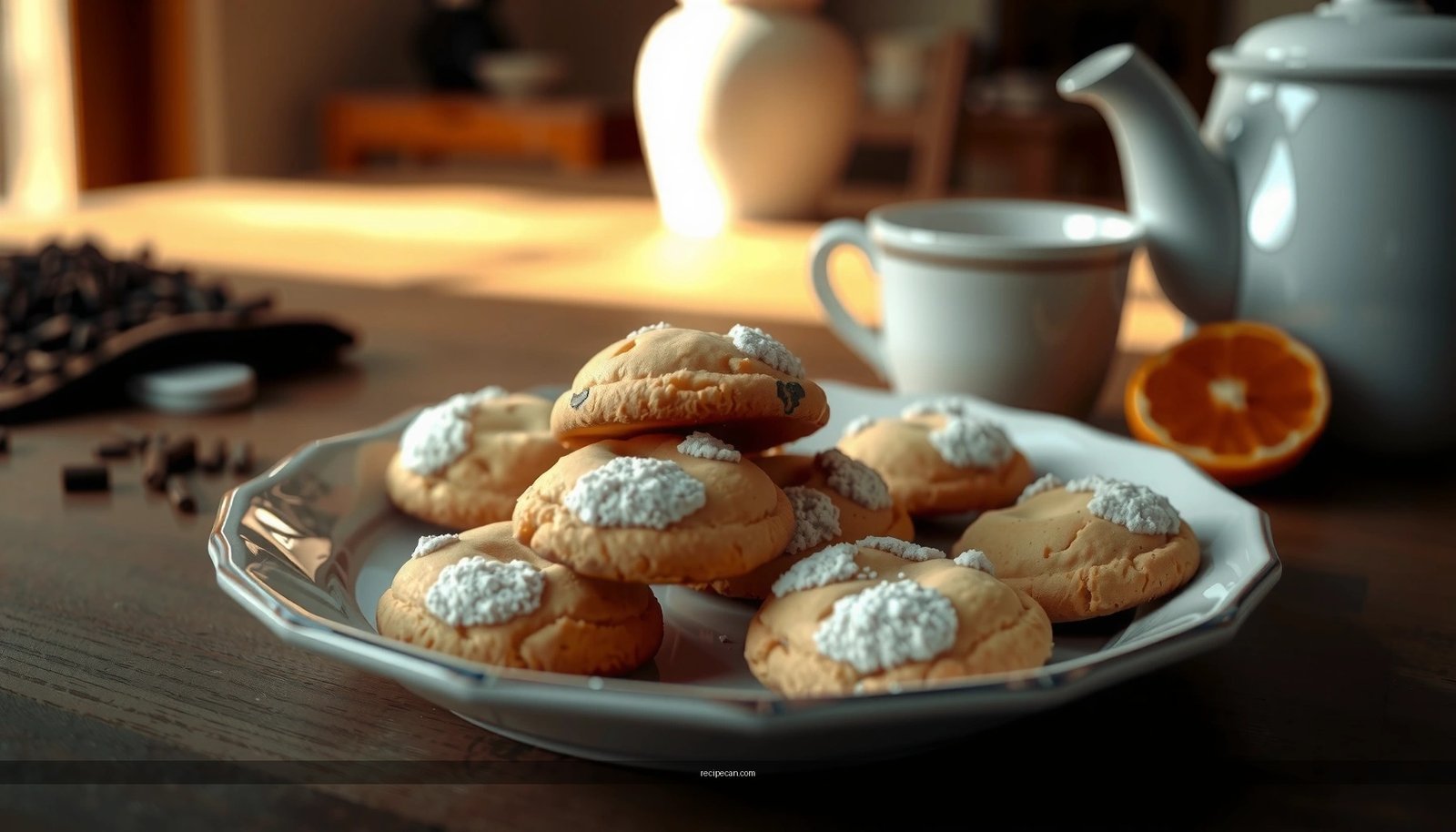
– Add a simple glaze or let the cookies shine with their natural aroma
Earl Grey cookies are aromatic on their own, so frosting is optional—think of it as a business-friendly “presentation upgrade,” not a requirement.
Minimal glaze (recommended if you want brightness)
A quick Earl Grey glaze can amplify bergamot without overpowering the cookie:
– Powdered sugar + a splash of milk/cream
– Add a teaspoon of strained, cooled Earl Grey tea for aroma
– Optional: tiny pinch of salt to prevent a flat sweetness
For best results, drizzle lightly after cookies cool to room temperature.
Serving temperature matters
For maximum fragrance, serve slightly warm (not hot). Warm cookies release volatile bergamot notes more effectively, so the scent feels fuller and more “tea-like” to the palate.
Storage and Flavor Boosting Tips
– Store airtight for up to several days (or freeze dough for later)
– For extra bergamot, add a touch of tea to icing or sprinkle before baking
Storage for peak texture and aroma
– Room temperature (airtight): up to 3–4 days.
– Re-crisping: brief time in a 160°C / 325°F oven for 2–3 minutes if they soften.
– Freezing dough: wrap tightly and freeze before baking. Bake from frozen with an extra 1–2 minutes as needed.
Flavor boosting tactics (without compromising tenderness)
1. Tea into glaze: add strained tea to icing rather than mixing tea leaves into the cookie.
2. Tea-infused sugar (optional): stir a few teaspoons of strained tea into powdered sugar to create a thin, fragrant glaze that sets glossy.
3. Avoid “tea leaf bitterness” by always straining leaves. Whole leaves can release tannins that become more pronounced during baking.
Quality control (what can go wrong)
– Cookies taste bitter: steeped too long or butter was too hot when infused; shorten steeping and cool the butter before mixing.
– Cookies spread too much: dough wasn’t chilled long enough or butter was warm during mixing.
– Weak aroma: tea quality is low/old or infusion time was too short—use a stronger Earl Grey or increase steeping by a few minutes.
Earl Grey tea cookies are all about extracting bold bergamot flavor and baking just until tender. Follow the infusion step, chill the dough, and bake with care for the best texture—then try a quick glaze or serve warm for maximum aroma. If you want, tell me your preferred cookie style (thick, thin, or iced) and I’ll tailor the steps.
Frequently Asked Questions
What makes Earl Grey tea cookies taste like Earl Grey instead of regular tea cookies?
Earl Grey flavor comes from bergamot oil, which gives the cookies their signature citrusy aroma. To keep that taste prominent, steep Earl Grey tea strongly or use finely crushed Earl Grey tea leaves in the dough so the flavor distributes evenly. Avoid overly mild tea or weak steeping, since the bergamot notes can fade during baking.
How do I infuse Earl Grey tea into cookie dough without the cookies tasting bitter?
Use a concentrated tea infusion by steeping Earl Grey tea for a short time and then straining it well to remove leaf particles that can add bitterness. Let the liquid cool completely before mixing so the dough doesn’t overheat and dull the bergamot. If you’re using tea leaves, use a small amount and grind them finely to reduce harsh flavors.
Why do my Earl Grey tea cookies spread too much, and how can I fix the texture?
Spreading usually happens when the dough is too warm, the butter is too soft, or there’s not enough flour to balance the tea liquid. Chill the dough for at least 30–60 minutes so the fat firms up and the cookie structure sets in the oven. For thicker Earl Grey cookies, measure flour carefully and consider reducing the tea infusion slightly or adding 1–2 tablespoons more flour if the dough feels loose.
Which ingredients work best for Earl Grey tea cookies—fresh butter, brown sugar, or powdered sugar?
For tender, flavorful Earl Grey tea cookies, use quality butter for rich taste and browning, and brown sugar for deeper caramel notes that complement bergamot. Powdered sugar can create a softer, melt-in-your-mouth texture, while granulated sugar gives more crisp edges—so choose based on your preference. Many bakers find a mix of brown and granulated sugar balances chew and crispness in Earl Grey cookie recipes.
What’s the best baking temperature and timing to prevent dry Earl Grey tea cookies?
Bake Earl Grey tea cookies at around 325°F–350°F (165°C–175°C) so they set without drying out, and keep a close eye near the end of the bake time. Pull the cookies when the edges look lightly golden and the centers still look slightly soft; they will finish setting as they cool. Cooling fully on a rack helps prevent sogginess and keeps the texture consistent for a clean Earl Grey tea cookie bite.
References
- Google Scholar Google Scholar
https://scholar.google.com/scholar?q=earl+grey+tea+cookies+recipe - Google Scholar Google Scholar
https://scholar.google.com/scholar?q=bergamot+earl+grey+cookies - Google Scholar Google Scholar
https://scholar.google.com/scholar?q=earl+grey+shortbread+cookies+recipe - Earl Grey tea
https://en.wikipedia.org/wiki/Earl_Grey_tea - Bergamot
https://en.wikipedia.org/wiki/Bergamot - Cookie
https://en.wikipedia.org/wiki/Cookie - https://www.britannica.com/topic/tea
https://www.britannica.com/topic/tea - https://www.britannica.com/topic/shortbread
https://www.britannica.com/topic/shortbread - https://www.theguardian.com/lifeandstyle/series/uk-food/recipes
https://www.theguardian.com/lifeandstyle/series/uk-food/recipes - earl grey tea cookies recipe – Search results
https://en.wikipedia.org/wiki/Special:Search?search=earl+grey+tea+cookies+recipe