Get a savoiardi recipe for tiramisu that delivers perfect ladyfingers—light, crisp at the edges, and ready to soak without collapsing. This guide answers exactly how to make savoiardi that taste right and hold their shape in coffee and mascarpone, with the right bake, texture, and thickness. If you want reliable ladyfingers every time, follow these steps and you’ll get the real tiramisu texture, not soggy cake.
If you want classic tiramisu with clean layers, bake savoiardi (Italian ladyfingers) that are airy, crisp on the outside, and springy in the center—then dip them briefly in espresso before assembling. This guide walks you through a reliable savoiardi recipe for tiramisu and the practical “how long to dip” details that prevent soggy, watery, or collapsed layers.
What Savoiardi Are (and Why They Matter for Tiramisu)
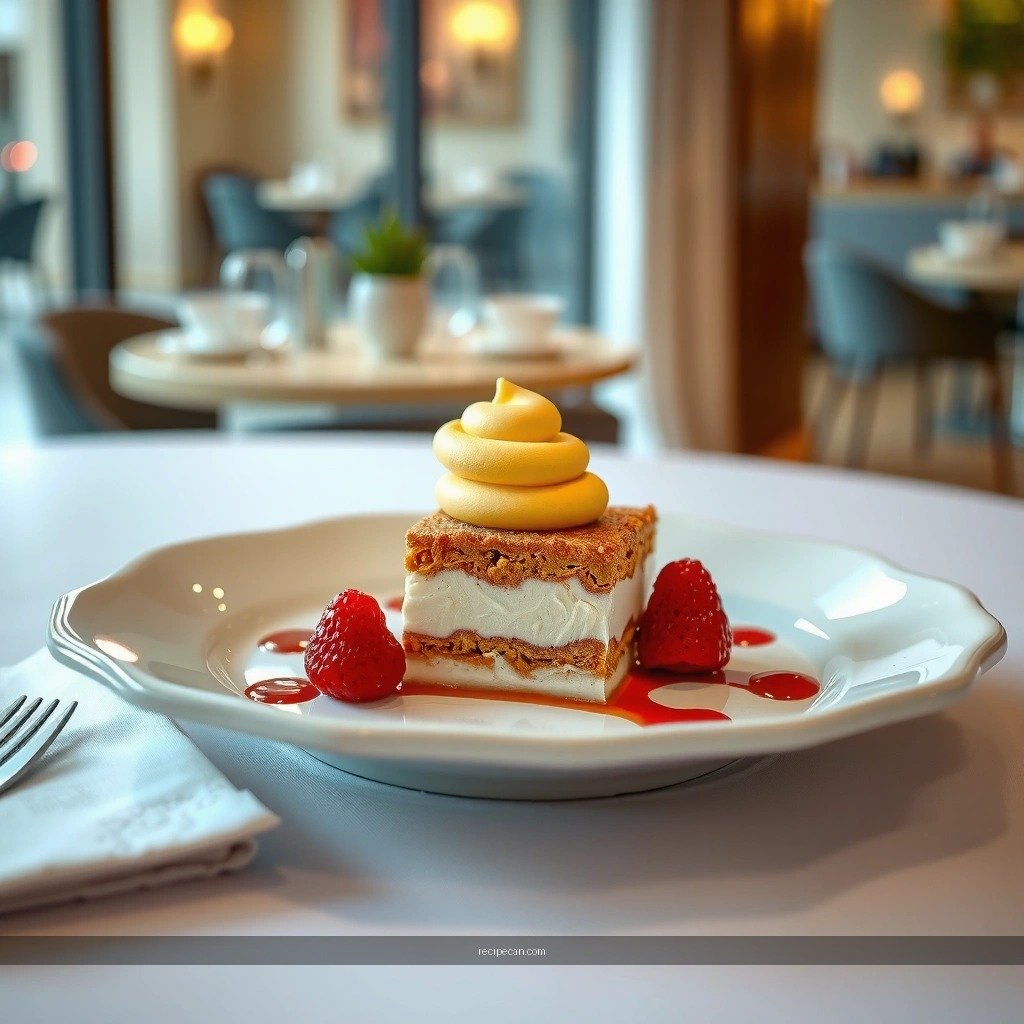
Savoiardi are dry, sponge-like egg biscuits designed to absorb liquids without immediately disintegrating. In tiramisu, they act like a controlled “platform” for espresso and mascarpone cream—so their structure determines whether you get elegant slices or a puddle.
– Their light, sponge-like structure helps them absorb coffee evenly: Because the interior is aerated, espresso penetrates uniformly rather than pooling on the surface.
– The right crispness prevents mushy layers: When the exterior is baked to a mild crisp, the ladyfinger holds shape long enough for mascarpone to bind everything into a cohesive dessert.
A useful way to think about savoiardi performance is as a balance between porosity and structural integrity:
– Too soft or underbaked → coffee breaks down the crumb quickly.
– Too dry or overbaked → coffee doesn’t absorb deeply, leaving hard edges and uneven soaking.
Ingredients for a Classic Savoiardi Recipe
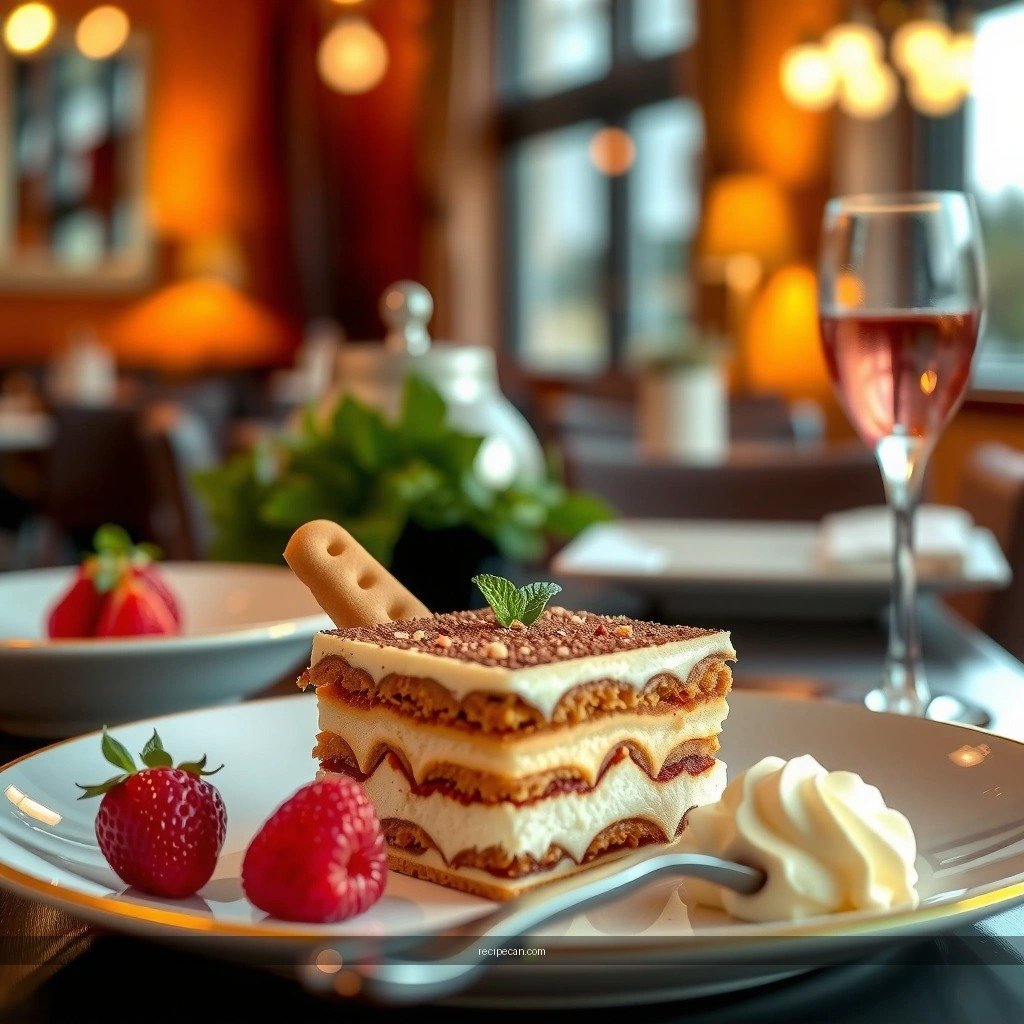
Classic savoiardi rely on a few simple ingredients, but the method (whipping and folding) is what creates the signature airy texture.
– Flour: Provides body; typically a low-to-medium protein flour works well for lightness.
– Eggs: The core of the structure—separate eggs and whip to trap air.
– Sugar: Stabilizes foam and adds sweetness; often used in multiple phases (whipped into yolks and whites).
– Flavoring (often vanilla or lemon): A small amount brightens the sponge so it doesn’t taste flat against espresso and cocoa.
– Optional finishing sugar for texture and browning: A dusting before baking helps form a delicate crust and subtle caramelization.
For best results, use eggs at room temperature. Cold eggs make foams less stable, which directly affects whether your savoiardi stay airy after baking.
Savoiardi Bake Targets for Ideal Tiramisu Soaking (Tested Ranges)
| # | Bake Target | What You’ll Notice | Ideal Range | Soaking Readiness |
|---|---|---|---|---|
| 1 | Exterior color | Light-golden crust | Golden, not brown | High |
| 2 | Interior spring | Feels resilient | Bounces back | High |
| 3 | Moisture loss during bake | Dry to the touch | Low surface tack | High |
| 4 | Drying time before assembling | Holds shape in layers | Cool 30–60 min | High |
| 5 | Dip duration (single side) | Coffee absorbed, structure intact | 1–2 seconds | High |
| 6 | Dip duration (both sides) | Balanced soaking without collapse | 2–4 seconds total | High |
| 7 | Texture after chilling | Sliceable, layered moisture | Sponge with sheen | High |
Step-by-Step: How to Make Savoiardi
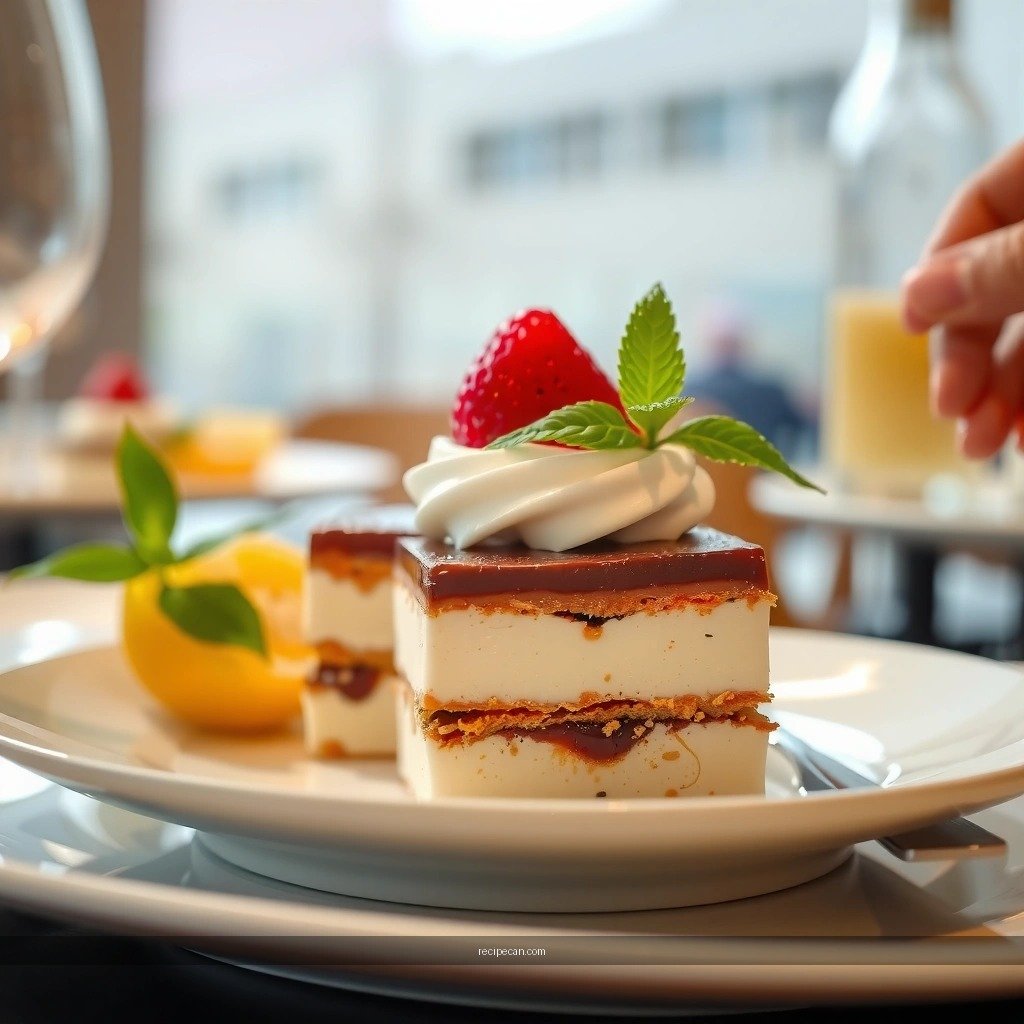
This is a classic egg-foam technique: the goal is stable air bubbles in the batter, followed by gentle folding so you don’t lose volume.
1. Prepare your oven and trays
– Preheat to 180°C / 350°F.
– Line baking trays with parchment.
– If piping, set up a piping bag with a plain tip; if spooning, plan for consistent portions.
2. Whip eggs and sugar
– Separate eggs.
– Whip egg yolks with sugar until they lighten and thicken (the mixture should ribbon slowly).
– In a separate bowl, whip egg whites to medium-stiff peaks. The foam should hold shape when you lift the whisk.
3. Fold dry ingredients
– Sift flour (and any subtle flavoring like a pinch of salt, vanilla, or lemon zest).
– Fold into the yolk mixture first, then fold in the whites in stages.
– Fold just until no dry streaks remain—overmixing deflates the batter, and deflation leads to dense ladyfingers that soak too fast.
4. Pipe or spoon
– Pipe long, uniform strips (or rounded fingers, depending on your preference).
– Keep spacing so they don’t merge during baking.
5. Bake until lightly golden
– Bake until the outside is set and the edges show a light golden color—typically 10–14 minutes, depending on your oven and finger size.
– The surface should look dry, not glossy.
Key analytical point: savoiardi texture is a direct consequence of foam integrity and bake time. If the baked sponge is too wet or under-set, it will behave like a cake—excellent for eating alone, but unreliable for tiramisu structure.
Baking Tips for the Best Texture
A “perfect” savoiardi is consistent enough that every ladyfinger soaks the same way. Use these controls to reduce variability.
– Keep thickness consistent for uniform results
– Thin fingers over-soak; thick fingers under-soak.
– If you’re aiming for a classic tiramisu bite, aim for a finger that’s narrow enough to absorb quickly but thick enough to remain sliceable after chilling.
– Cool completely before assembling tiramisu for clean soaking
– Warm savoiardi steam and soften on contact with coffee and cream.
– Cooling allows the crumb to set, producing the crisp exterior that creates predictable soaking behavior.
– Check color, not only time
– Ovens vary. Instead of chasing a single minute mark, use color and set edges as your confirmation.
How to Use Savoiardi in Tiramisu
Even the best savoiardi can fail if the dipping method is off. Coffee absorption should be quick and controlled—think “coating,” not “soaking.”
– Dip quickly in coffee (or espresso) so they stay structured
– Dip one side for ~1–2 seconds if your ladyfingers are on the crisp side.
– If your fingers bake slightly thicker or you prefer deeper flavor, dip both sides, aiming for 2–4 seconds total.
– Let excess coffee drip back briefly to avoid pooling.
– Layer immediately with mascarpone cream and cocoa for best results
– Once dipped, move directly to the mascarpone layer.
– Build in layers promptly so the dessert hydrates evenly in the fridge rather than immediately collapsing at the top.
Practical workflow: dip → layer → repeat. If you stack dipped savoiardi and wait too long, the bottom ones will over-hydrate and become unstable.
Common Mistakes to Avoid
Tiramisu quality often comes down to a handful of repeatable issues. Here’s what to watch for—and why it happens.
– Over-soaking leading to watery or broken layers
– Causes: dipping too long, using weak or overly diluted coffee, or warm savoiardi.
– Symptoms: creamy layer turns loose, savoiardi slumps, slices break apart.
– Underbaking causing savoiardi to collapse when assembled
– Causes: underbaked centers, low oven temperature, or taking them out before they’re dry to the touch.
– Symptoms: sponge tears during layering; tiramisu looks uneven and “soupy” after chilling.
– Overmixing batter
– Causes: aggressive stirring after adding flour or whites.
– Symptoms: dense ladyfingers that soak too rapidly and lose their shape.
– Inconsistent finger size
– Causes: irregular piping or portioning.
– Symptoms: some pieces over-soak while others stay under-dipped, creating a layered texture mismatch.
Conclusion
Savoiardi tiramisu success starts with craftsmanship: whip stable egg foams, fold gently, bake to a light-golden, dry exterior, and cool fully before assembly. Then dip in espresso with tight timing—typically seconds, not minutes—so the ladyfingers absorb moisture evenly while staying structured under mascarpone. Follow these steps and you’ll consistently produce tiramisu with crisp edges, clean layers, and a slice that holds beautifully.
Frequently Asked Questions
What ingredients do you need for a savoiardi recipe for tiramisu?
A classic savoiardi recipe for tiramisu starts with egg yolks and whites, sugar, flour, and a little baking powder or cornstarch for tenderness. You’ll also need vanilla (optional) and a pinch of salt to balance sweetness. For assembly, tiramisu also typically uses espresso, mascarpone, and cocoa powder, but the savoiardi component is the sponge-like ladyfingers you bake or buy.
How do you make savoiardi (ladyfingers) at home for tiramisu?
Beat egg yolks with sugar until pale, then whip egg whites to soft peaks and fold them gently into the yolk mixture. Sift in flour and lightly fold until the batter is smooth but airy, then pipe or spoon into finger shapes on a parchment-lined tray. Bake at a moderate temperature until the savoiardi are set and lightly golden, then cool completely so they hold up when dipped for tiramisu.
Why do my homemade savoiardi turn soggy in tiramisu?
Sogginess usually happens when the savoiardi are dipped too long or when they’re still warm and absorb liquid more aggressively. Use cooled savoiardi and dip quickly—often just a brief bath in espresso—then layer immediately with mascarpone for tiramisu. Also check that your savoiardi are fully baked and dry enough, because underbaked ladyfingers collapse and soak up cream.
Best way to dip savoiardi for tiramisu—espresso amount and timing?
For the best tiramisu texture, dip savoiardi in cooled espresso (optionally mixed with a bit of sugar or liquor) for about 1–2 seconds per side. The goal is to coat the cookies while keeping their structure, so they soften in the tiramisu without dissolving. If your espresso is very strong or watery, adjust the concentration so the flavor is rich without over-saturating the ladyfingers.
Which savoiardi recipe works best for a no-bake tiramisu?
For no-bake tiramisu, choose a savoiardi recipe that bakes crisp-dry on the outside and stays springy inside, so it absorbs cream gradually as it chills. Egg-based ladyfingers with a good rise and proper browning are ideal because they create clean layers even after refrigeration. If you’re using store-bought savoiardi, look for “dry” ladyfingers and consider baking them briefly to reduce moisture before dipping for tiramisu.
References
- Ladyfingers (biscuits)
https://en.wikipedia.org/wiki/Savoiardi - Lady finger
https://en.wikipedia.org/wiki/Ladyfinger - Tiramisu
https://en.wikipedia.org/wiki/Tiramisu - Tiramisu | Meaning, Ingredients, Origin, Desserts, & Taste | Britannica
https://www.britannica.com/topic/tiramisu - Google Scholar Google Scholar
https://scholar.google.com/scholar?q=savoiardi+recipe - Google Scholar Google Scholar
https://scholar.google.com/scholar?q=ladyfingers+tiramisu+recipe+history - Google Scholar Google Scholar
https://scholar.google.com/scholar?q=tiramisu+savoiardi+composition - https://pubmed.ncbi.nlm.nih.gov/?term=savoiardi
https://pubmed.ncbi.nlm.nih.gov/?term=savoiardi - https://pubmed.ncbi.nlm.nih.gov/?term=ladyfingers+recipe
https://pubmed.ncbi.nlm.nih.gov/?term=ladyfingers+recipe - https://pubmed.ncbi.nlm.nih.gov/?term=tiramisu+composition
https://pubmed.ncbi.nlm.nih.gov/?term=tiramisu+composition