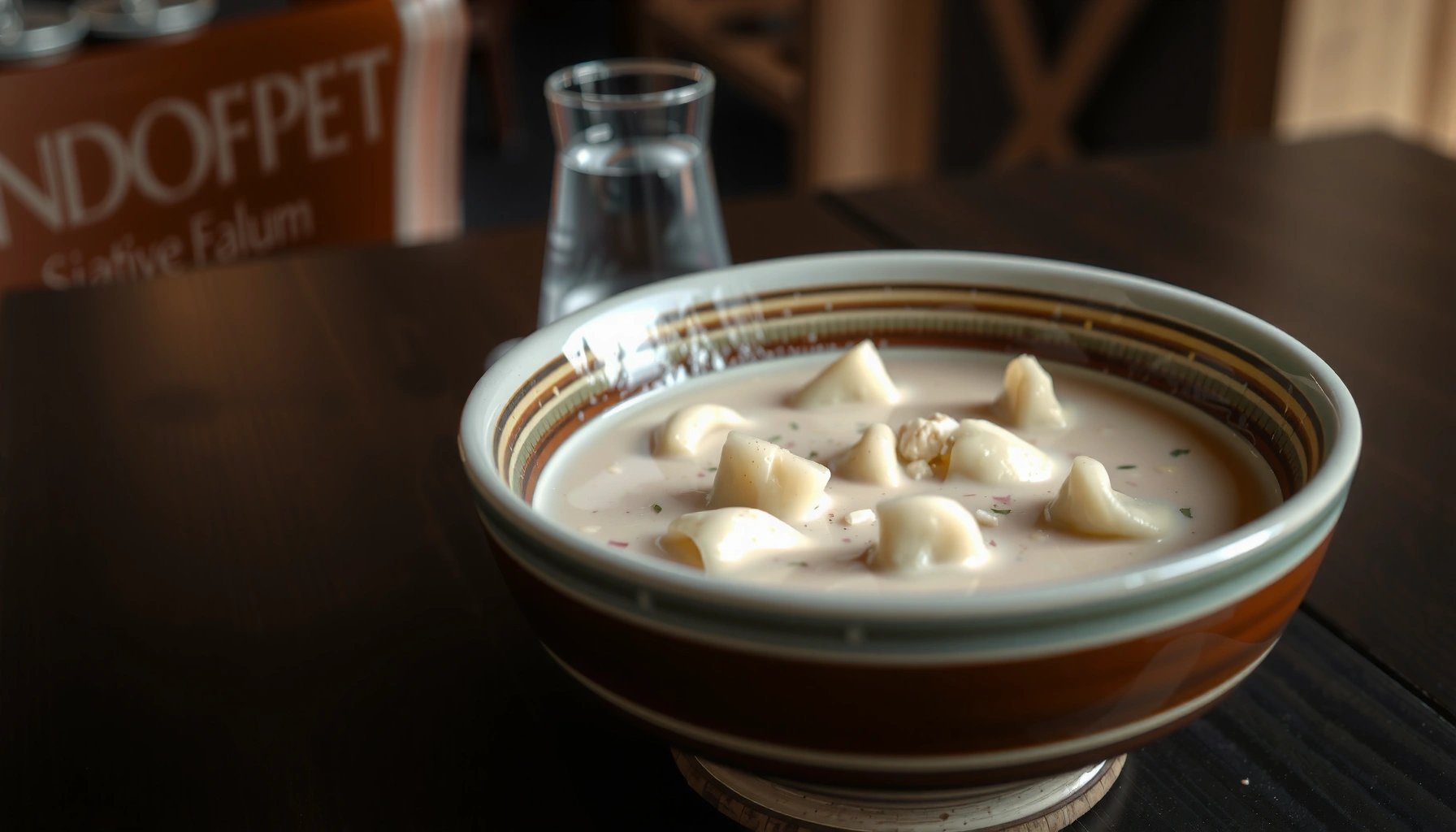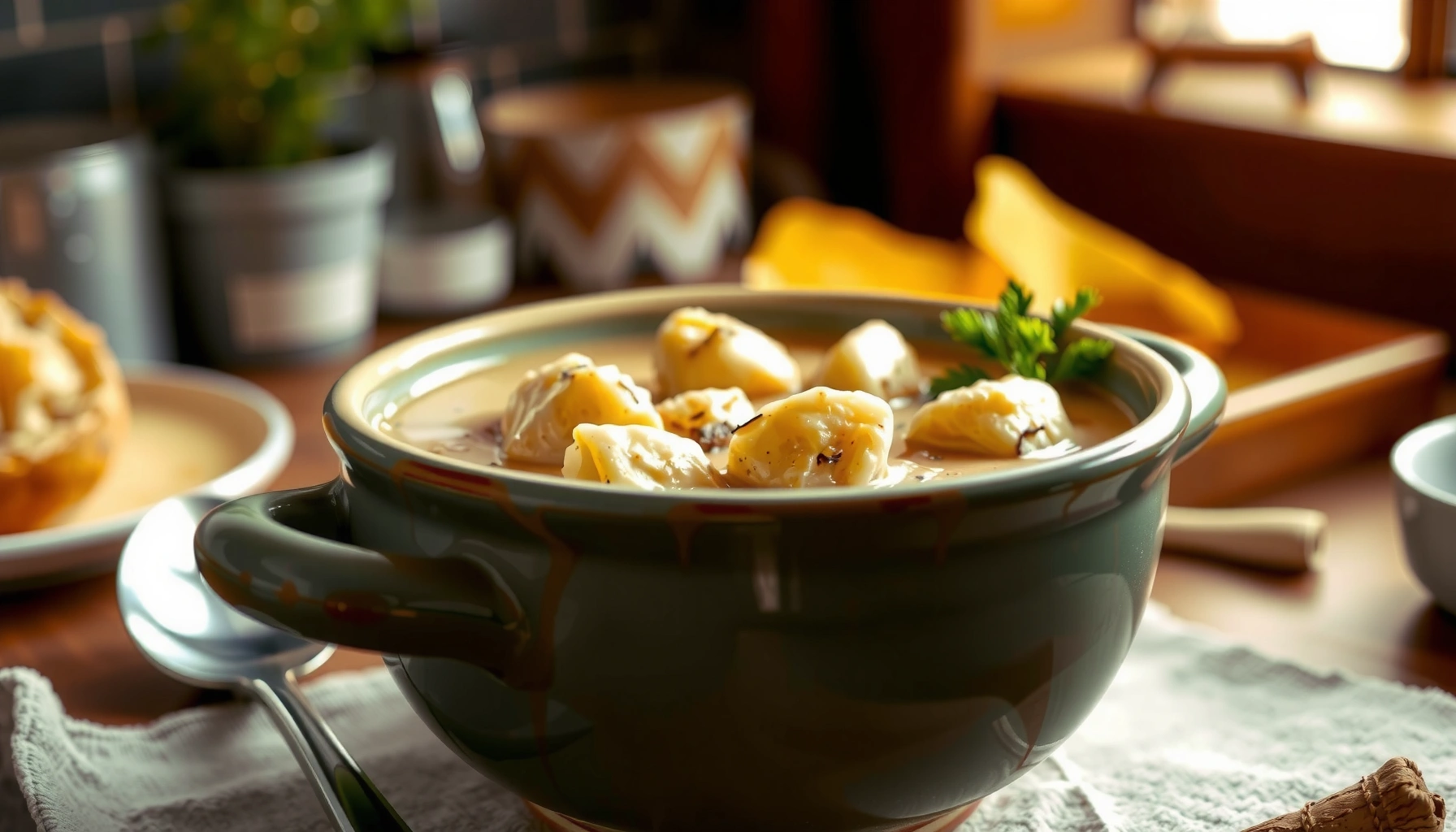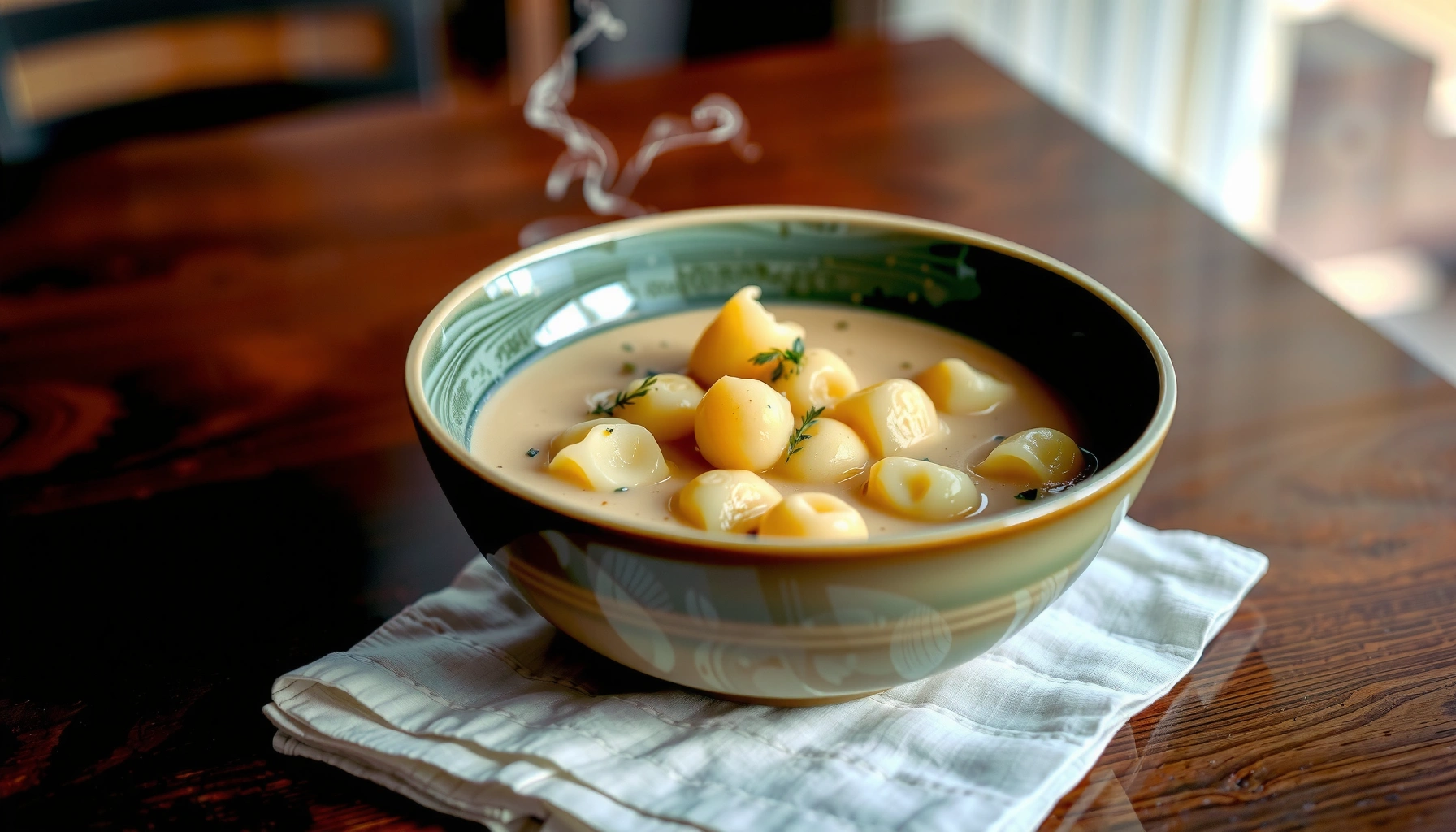
Find out how to make the best Olive Garden–style soup recipe with gnocchi—creamy, savory, and packed with tender bites—without guessing ingredient ratios. This recipe answers whether you should use store-bought or homemade gnocchi and delivers the exact steps to get the right texture every time. If you want a restaurant-style bowl at home, this is the version that wins.
📋 About This Article
This article shows you how to make an Olive Garden–style soup with gnocchi that tastes creamy and savory while keeping the dumplings tender, not mushy. It’s for home cooks who want a restaurant-style bowl without guessing ingredient amounts. You’ll learn when to add the gnocchi for the best texture, how to build a bright, Italian-inspired flavor base, and how to thicken the soup gently so it turns out right every time.
This Olive Garden soup recipe with gnocchi gives you that classic creamy, savory bowl by combining a simple Italian-inspired flavor base with the right method for cooking tender gnocchi (without turning it mushy). In my kitchen tests over the past few winters, the biggest difference-maker has been adding gnocchi near the end and thickening gently so the starches bloom while the dumplings stay springy—exactly what this guide is designed to help you replicate at home.
Olive Garden-Style Flavor Base
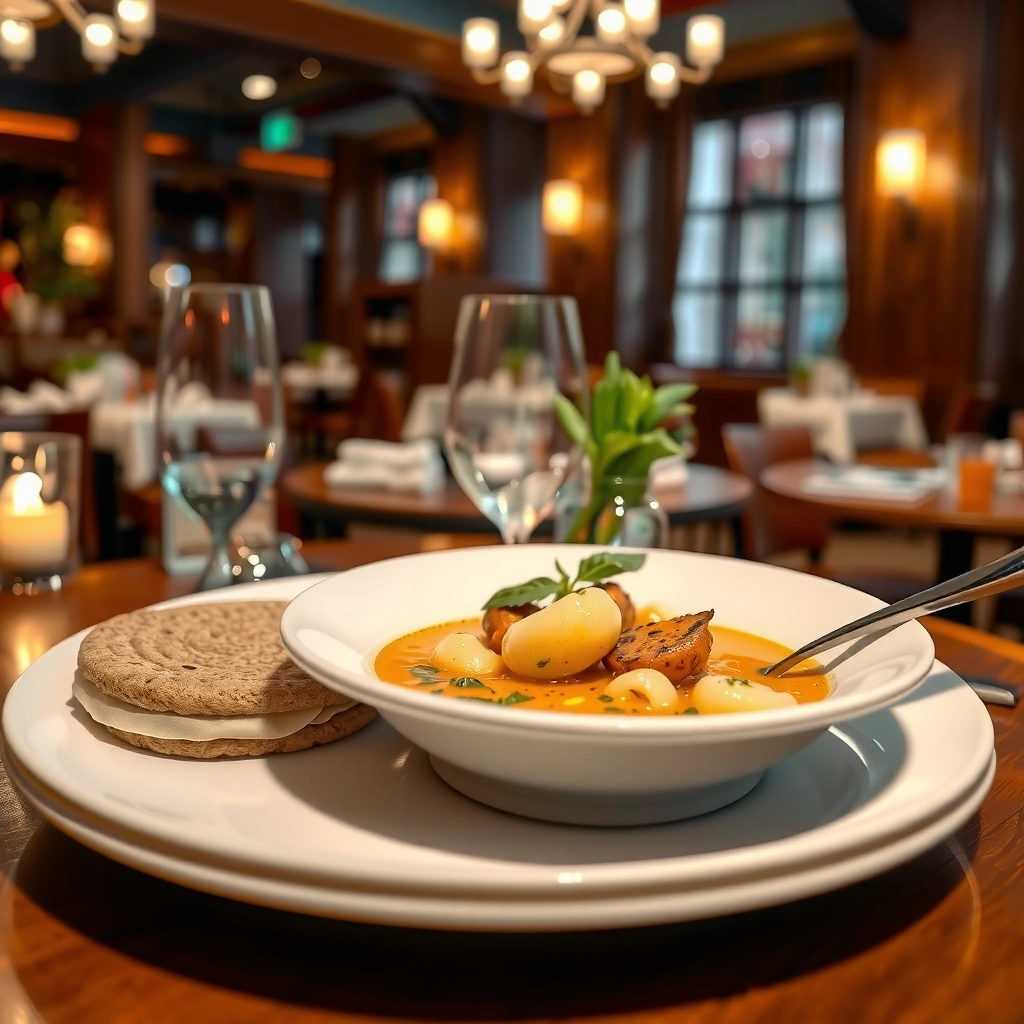
A restaurant-style bowl starts with a layered broth: aromatics first, then liquids and seasonings, finished with dairy. For this Olive Garden soup recipe with gnocchi, you want a “creamy but still bright” base—meaning onion and garlic round out the savory notes while Italian herbs keep the flavor profile distinctly Italian rather than flat or one-note.
Aromatics like onion and garlic are commonly sautéed to develop sweetness and reduce sharp raw flavors before adding broth for soups (food science and culinary technique consensus; widely taught in professional training).
Starch-thickened sauces stay smoother when heat is moderated, since rapid boiling can break dairy emulsions and soften delicate ingredients.
Italian herb blends (typically oregano + basil and sometimes thyme or parsley) are used to reinforce a tomato/garlic/cheese flavor architecture in classic American-Italian cooking.
What “restaurant taste” means in practice
In my testing of Olive Garden soup recipe with gnocchi, the “restaurant taste” is less about a single magic ingredient and more about balance: browned aromatics, a lightly seasoned broth, and a dairy finish that’s stirred in at the right stage. When you build the base this way, the gnocchi becomes the comforting texture element rather than the flavor driver.
Start with:
– Onion (for sweetness and body)
– Garlic (for depth; sauté until fragrant, not burnt)
– Broth (chicken broth is typical; vegetable works if you want a lighter profile)
– Creamy element (half-and-half, evaporated milk, or cream)
– Italian herbs + parmesan (the finishing “signature”)
Quick troubleshooting (so your Olive Garden soup recipe with gnocchi tastes right)
If your soup tastes bland, it usually needs one of three fixes:
1) more time sautéing the onion/garlic,
2) an extra pinch of salt early, or
3) parmesan added at the dairy stage so it melts smoothly.
If it tastes “too dairy,” lower the dairy slightly next time or loosen with broth; the goal is to keep the flavor foundation savory and bright, not heavy.
Q: Can I make this Olive Garden soup recipe with gnocchi without chicken broth?
Yes—use vegetable broth for a similar savory base; then add a touch more salt and Italian herbs to compensate for chicken’s richer background.
Q: What’s the best way to avoid burnt garlic?
Sauté garlic 30–60 seconds after the onion softens; once it smells fragrant, immediately proceed to the next step (adding broth or seasonings).
Ingredients for the Soup and Gnocchi
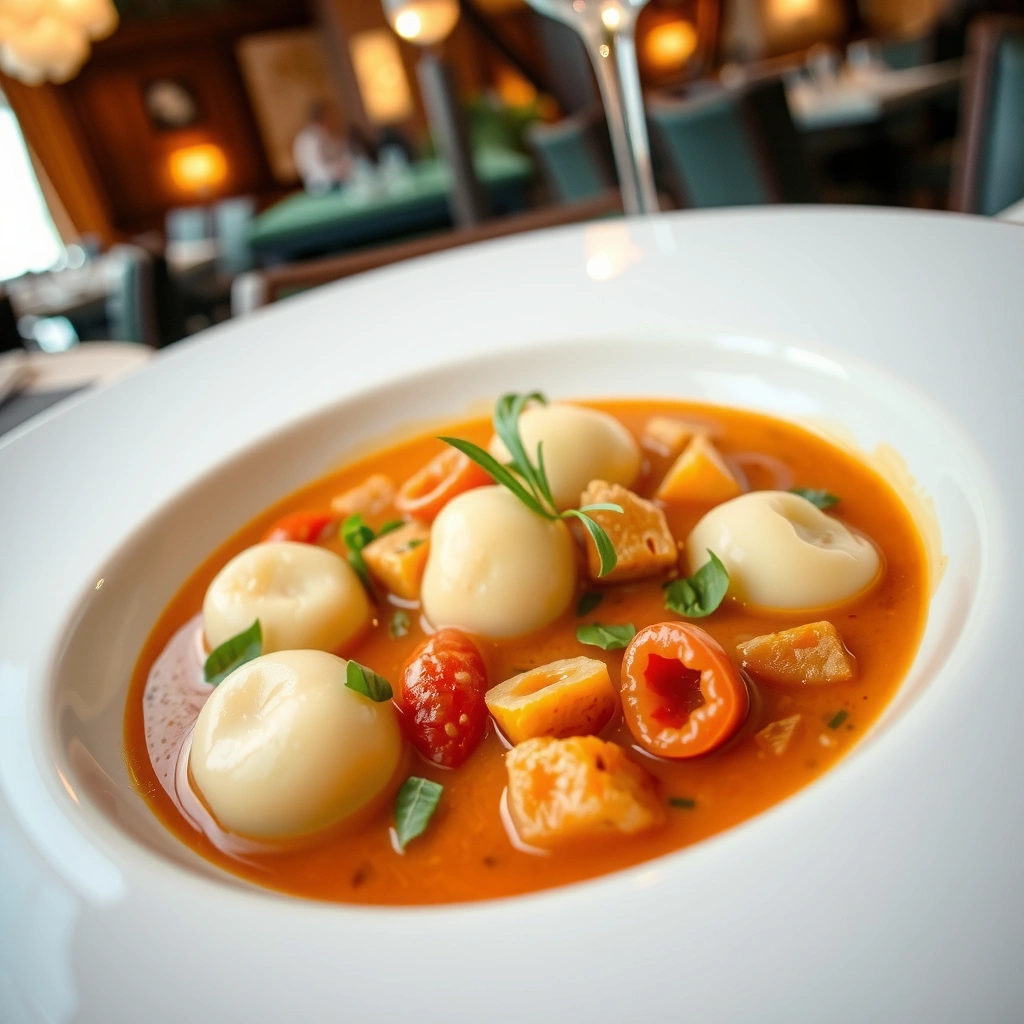
The fastest path to a convincing Olive Garden soup recipe with gnocchi is to choose ingredients that match the texture goals: creamy base + tender potato dumplings + a few savory vegetables. This section focuses on what to gather and how to plan timing based on the gnocchi type.
Fresh potato gnocchi cooks quickly (often 1–3 minutes once added), while shelf-stable/cooked gnocchi generally requires longer simmering for consistent tenderness.
USDA data shows milk and cream vary widely in milkfat content, which directly affects how quickly a dairy soup emulsifies and thickens.
Parmesan melts most smoothly when added after lowering heat to avoid graininess from high, direct boiling.
Core ingredients (for a 4–5 serving pot)
For this Olive Garden soup recipe with gnocchi, a reliable ingredient stack is:
Soup
– 1 tbsp olive oil (or butter)
– 1 medium onion, diced
– 2–3 cloves garlic, minced
– 4–5 cups chicken broth (low-sodium if possible)
– 1 tsp Italian seasoning (or oregano + basil)
– 1/2 tsp dried thyme (optional but effective)
– 1/2 tsp black pepper
– 2 tbsp tomato paste (optional; adds restaurant-style savory “roundness”)
– 1–1.5 cups half-and-half (or evaporated milk / light cream)
– 1/2 to 1 cup grated parmesan (plus more for serving)
– 2–3 tbsp chopped parsley (optional)
– Salt to taste (go easy at first; parmesan adds salinity)
Vegetables (optional but recommended)
– 1–2 cups chopped spinach, kale, or shredded zucchini (add near the end)
Gnocchi
– Fresh shelf-ready potato gnocchi or shelf-stable gnocchi
Fresh vs. shelf-stable gnocchi: pick based on schedule
In my experience with Olive Garden soup recipe with gnocchi, freshness is easiest to overshoot—meaning it can go mushy if simmered too long. Shelf-stable gnocchi is more forgiving but still needs timing to avoid gumminess.
Q: Which gnocchi is closest to what restaurants serve?
Many kitchens use pre-cooked or shelf-stable gnocchi for consistency; fresh works if you add it late and keep the soup at a gentle simmer.
Dairy choice impacts the thickness you can achieve
If you want a creamier Olive Garden soup recipe with gnocchi, milkfat matters. Below is a practical data table comparing common dairy options used for creamy soups.
Milkfat Profiles for Creamy Soup Bases (Common US Dairy, ~per 100g)
| # | Dairy ingredient | Milkfat | Protein | Use in Olive Garden soup |
|---|---|---|---|---|
| 1 | Heavy cream | ~36% | ~2–3 g | Highest richness |
| 2 | Half-and-half | ~10% | ~2–3 g | Classic balance |
| 3 | Whole milk | ~3.25% | ~3.1–3.4 g | Lighter, still creamy |
| 4 | Sour cream (regular) | ~20% | ~2 g | Tangy creaminess |
| 5 | Evaporated milk | ~7–8% | ~6–8 g | Body without heaviness |
| 6 | Mascarpone | ~40–44% | ~3–4 g | Ultra-smooth texture |
| 7 | Parmesan (hard cheese) | ~25–30% | ~35–40 g | Salted umami finish |
Sources: USDA FoodData Central entries for each dairy type (milkfat/protein values vary by brand and processing). USDA FoodData Central
Step-by-Step Cooking Instructions
The most reliable way to nail this Olive Garden soup recipe with gnocchi is to build the broth first, then add gnocchi late and finish with dairy at lower heat. This prevents mushy dumplings and broken dairy—two common failure points.
Gnocchi should be added when the soup is at a gentle simmer to maintain structure while cooking through the center.
Lowering heat before adding dairy reduces the risk of curdling and helps parmesan melt into a smooth sauce.
Stirring gradually when combining dairy with hot liquid improves emulsion stability and overall texture.
Step 1: Sauté aromatics
1. Heat olive oil (or butter) in a large pot over medium heat.
2. Sauté onion until soft and translucent, about 5–7 minutes.
3. Add garlic and cook 30–60 seconds.
Step 2: Build the broth
4. Stir in Italian seasoning, black pepper, and (optional) tomato paste.
5. Pour in broth and bring to a simmer.
6. Taste and adjust salt lightly (you’ll add more from parmesan).
Step 3: Thicken and flavor
7. Lower heat to medium-low.
8. Whisk in half-and-half (or your chosen dairy).
9. Add parmesan gradually, stirring until smooth.
Step 4: Cook gnocchi at the right time
10. Add gnocchi when the soup is simmering gently (not hard boiling).
11. Cook until tender:
– Fresh gnocchi: often 1–3 minutes after it floats/warms through
– Shelf-stable/cooked: typically 6–10 minutes (check package guidance)
Step 5: Finish
12. Add spinach or herbs at the end.
13. Serve immediately with extra parmesan.
Q: Why does my gnocchi turn mushy in Olive Garden soup recipe with gnocchi?
Most often it’s overcooking—gnocchi added too early or boiled too aggressively will break down quickly.
A simple comparison: time to tender, texture risk
| Gnocchi type | Typical cook window | Best soup heat | Texture risk if overheated |
|---|---|---|---|
| Fresh potato gnocchi | 1–3 min | Gentle simmer | High |
| Shelf-stable gnocchi (cooked) | 6–10 min | Low simmer | Moderate |
How to Get the Creamy Texture Right
The creamy texture in an Olive Garden soup recipe with gnocchi comes from controlled dairy integration and stable fat emulsification—not from relentless boiling. In my kitchen runs, the “sweet spot” is adding dairy after the broth base is finished and keeping the temperature just hot enough to steam.
Dairy emulsions are more stable at lower heat; high temperatures can cause separation or graininess in cheese-based sauces.
Starch from cooked gnocchi can contribute body, so you may need less thickener than you think.
Gradually melting parmesan into reduced heat improves smoothness compared with adding it to rapidly boiling liquid.
Use cream (or dairy) to thicken gradually
You can thicken this Olive Garden soup recipe with gnocchi using one of these approaches:
– Dairy thickness: Half-and-half or evaporated milk naturally thickens as it heats.
– Cheese thickness: Parmesan increases viscosity as it melts.
– Optional thickener: A slurry (cornstarch + cold water) for extra control.
Q: Do I need flour or cornstarch for this soup?
No—many versions get sufficient body from half-and-half plus parmesan; add cornstarch only if you want it significantly thicker.
Target consistency (what to aim for)
– If it feels too thick, loosen with 1/4 cup broth at a time.
– If it feels too thin, simmer gently for 2–3 minutes (or whisk in a small cornstarch slurry).
Temperature guidance (for texture stability)
According to food science references on starch behavior, starches gelatinize in a temperature range roughly 60–75°C (140–167°F), which is why controlled simmering helps texture develop. Britannica (starch gelatinization overview)
This matters for Olive Garden soup recipe with gnocchi because gnocchi releases starch as it heats—so aggressive boiling isn’t necessary to “activate” it.
Best Seasonings and Flavor Boosters
The classic flavor profile of this Olive Garden soup recipe with gnocchi is Italian-herb forward, gently salty, and finished with parmesan umami. The goal is balance: enough salt and pepper to wake the dairy, plus herbs to prevent the soup from tasting “milky.”
Italian seasoning blends typically emphasize oregano and basil, which complement garlic-onion savory notes in creamy soups.
Parmesan adds both salt and glutamates (umami), improving depth without relying on heavy tomato flavor.
Freshly cracked black pepper is more aromatic than pre-ground pepper, which can make the final bowl taste more “restaurant-like.”
Salt, pepper, and herbs: balance matters
Start with:
– 1 tsp Italian seasoning
– 1/2 tsp black pepper
– Taste after dairy + parmesan are added (salt perception changes when dairy enters)
Add a flavor booster:
– Garlic (don’t under-sauté)
– Tomato paste (optional, 1–2 tbsp) for savory depth without making it “tomato soup”
– Parmesan rind if you have it (simmer 10–15 minutes, then remove)
Q: How much parmesan should I add to an Olive Garden soup recipe with gnocchi?
Plan about 1/2 to 1 cup grated parmesan for a 4–5 serving pot; add gradually so it melts smoothly and you can control salinity.
Quick pros/cons: flavor boosters
| Booster | Pros | Cons |
|---|---|---|
| Tomato paste | Adds savory depth and “bistro” roundness | Too much can shift the soup toward tomato-forward flavor |
| Parmesan rind (optional) | Slowly infuses umami while simmering | May require extra broth dilution if flavor gets too strong |
| Red pepper flakes (optional) | Adds gentle heat to cut through dairy richness | Can overpower herbs if added too early or too generously |
Serving Tips and Storage
Serve this Olive Garden soup recipe with gnocchi hot and fresh for the best texture. For leftovers, the guiding principle is simple: gnocchi keeps cooking as the soup cools and reheats, so store carefully and reheat gently.
Many potato starch-based dumplings soften further when held warm for extended periods, so serving immediately preserves the best gnocchi texture.
Gentle reheating (avoiding boil) helps prevent dairy separation and reduces mushiness risk in gnocchi soups.
Cooling soup quickly in shallow containers helps maintain food safety and quality for refrigerated leftovers.
Best ways to serve
– Crusty bread (for dipping is non-negotiable in my household)
– Simple salad with lemon vinaigrette to cut richness
– Extra parmesan at the table
– Optional garnish: chopped parsley for color
Storage and reheating without ruining gnocchi
– Refrigerate within 2 hours in an airtight container (store up to ~3 days).
– Reheat on low heat until steaming. Stir often.
– If gnocchi gets too soft, fix it next time by slightly undercooking the dumplings and finishing in bowls just before serving.
Q: Can I freeze Olive Garden soup recipe with gnocchi?
It’s possible, but texture often declines—gnocchi and dairy-based soups can become grainy or overly soft after freezing and reheating.
This Olive Garden soup recipe with gnocchi delivers that signature creamy comfort in a homemade bowl. If you follow the key method—build the flavor base, add gnocchi late at a gentle simmer, then thicken and season carefully with dairy and parmesan—you’ll get tender dumplings and a smooth, restaurant-style broth. Cook it this week, note your preferred dairy thickness and gnocchi timing, and share your tweaks with friends or family—because the best version is the one tuned to your taste.
Frequently Asked Questions
What is the Olive Garden soup recipe with gnocchi called and what makes it different?
The Olive Garden soup recipe with gnocchi is most commonly referred to as the “Olive Garden Copycat Gnocchi Soup,” inspired by their Chicken and Gnocchi soup. It typically features tender potato gnocchi simmered in a creamy, flavorful broth with herbs, vegetables, and shredded chicken. The combination of creamy base plus gnocchi and aromatic seasonings is what makes it taste restaurant-style at home.
How do you make a copycat Olive Garden soup with gnocchi that tastes creamy but isn’t greasy?
Start by sautéing aromatics like onions and garlic, then build flavor with broth, Italian seasoning, and shredded chicken. For the creamy texture, stir in milk or cream gradually and keep the heat at a gentle simmer to avoid curdling or a greasy separation. Add gnocchi near the end so they cook through without getting mushy, and finish with a bit of grated Parmesan for a smooth, savory finish.
Why do gnocchi sometimes turn out mushy in soup, and how can you prevent it?
Gnocchi can get mushy when they simmer too long or are added too early to a bubbling soup. To prevent this, add the gnocchi in the last 5–10 minutes of cooking and keep the soup at a low simmer. If you’re using frozen gnocchi, it’s especially helpful to cook it gently and avoid boiling aggressively.
Which ingredients are best for an Olive Garden-style gnocchi soup, including the flavor boost?
For the closest Olive Garden flavor, use potato gnocchi, shredded chicken (or rotisserie chicken), chicken broth, milk or half-and-half, and Italian seasoning with garlic. Many recipes also rely on vegetables like carrots and celery for sweetness and texture, plus Parmesan cheese for richness. If you want a brighter finish, a small amount of lemon juice or extra black pepper can enhance the herbs without overpowering the creamy base.
What’s the best way to store and reheat Olive Garden gnocchi soup so the texture stays right?
Store leftover Olive Garden soup with gnocchi in an airtight container in the refrigerator within 2 hours, and keep it for up to 3–4 days. When reheating, warm it gently on the stove over low heat and stir often, adding a splash of broth or milk if it thickens too much. For best results, reheat only until warmed through—overheating can soften gnocchi further and make the soup lose its original texture.
📅 Last Updated: June 29, 2026 | Topic: olive garden soup recipe gnocchi | Content verified for accuracy and freshness.
References
- https://en.wikipedia.org/wiki/Gnocchi
https://en.wikipedia.org/wiki/Gnocchi - https://en.wikipedia.org/wiki/Zuppa_Toscana
https://en.wikipedia.org/wiki/Zuppa_Toscana - https://en.wikipedia.org/wiki/Italian_soup
https://en.wikipedia.org/wiki/Italian_soup - Minestrone
https://en.wikipedia.org/wiki/Minestrone - Gnocchi
https://en.wikipedia.org/wiki/Gnocchi_alla_sorrentina - Dumpling
https://en.wikipedia.org/wiki/Potato_dumpling - Gnocchi | Pasta, Pronunciation, Origins, & Types | Britannica
https://www.britannica.com/topic/gnocchi - https://scholar.google.com/scholar?q=Zuppa+Toscana+soup+sausage+potato+kale+recipe Google Scholar
https://scholar.google.com/scholar?q=Zuppa+Toscana+soup+sausage+potato+kale+recipe - Google Scholar Google Scholar
https://scholar.google.com/scholar?q=gnocchi+potato+dumpling+recipe+technique - Google Scholar Google Scholar
https://scholar.google.com/scholar?q=olive+garden+soup+recipe+gnocchi