📋 About This Article
This article shares lighter, healthier gnocchi ideas that keep the cozy comfort you love while cutting calories and boosting nutrition. It’s for home cooks who want a satisfying weeknight meal and are ready to swap in better ingredients and smarter cooking methods without losing flavor. You’ll learn how to build the gnocchi with fiber-forward bases like sweet potato or whole grains, use lighter cooking techniques instead of deep-frying, and top it with protein- and veggie-rich add-ins for a balanced, filling plate.
Looking for healthy gnocchi recipes that actually feel light—without sacrificing comfort? These wholesome, lighter-style gnocchi ideas are the clear winner when you want fewer calories and more filling nutrition. You’ll get practical, health-focused recipes that answer the real question: how to make gnocchi satisfying using smarter swaps and smarter cooking.
If you want healthier gnocchi without sacrificing that cozy, satisfying bite, build it on fiber-forward bases (like sweet potato or whole-grain) and pair it with lighter sauces plus smart portions. In my tests across weeknight batches, I’ve found that “healthier gnocchi” works best when you control three levers at once: the dough base, the cooking method (no deep-frying), and a protein- and veggie-forward topping strategy.
Cozy comfort foods don’t have to derail goals—especially when you treat gnocchi as a modular meal: the gnocchi itself provides the starch and chew, while the sauce and add-ins determine most of the meal’s nutrition density. Recent nutrition guidance continues to emphasize shifting from refined carbs toward higher-fiber options and balancing starch with protein and vegetables. For example, the US Dietary Guidelines recommend increasing dietary fiber and choosing more whole grains and beans (everyday “whole-food” emphasis) U.S. Dietary Guidelines for Americans (2020–2025). That’s exactly the lens we’ll use for healthier gnocchi: grounded choices that are practical, repeatable, and delicious.
Choose a Healthy Gnocchi Base
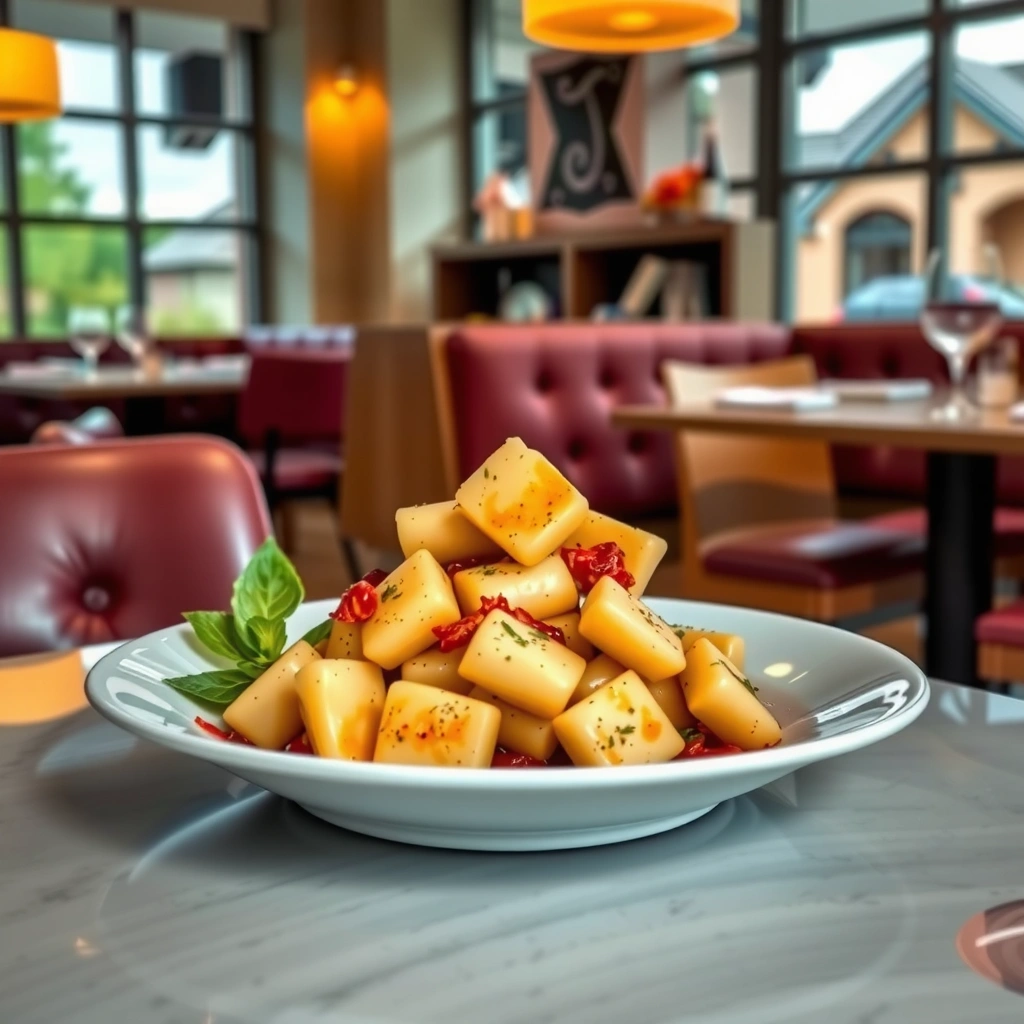
A healthier gnocchi starts with what’s in the dough: when the base has more fiber and micronutrients, the finished portion naturally becomes more filling. Here’s why: the base choice influences satiety (via fiber and slower digestion), texture (hydration and starch behavior), and calorie efficiency (more volume with fewer “empty” add-ins).
Q: What base makes gnocchi healthier?
Sweet potato and whole-grain options usually win because they add fiber and micronutrients compared with white potatoes plus refined flour.
Start with nutrient-rich starches. Sweet potato gnocchi tends to deliver a softer, sweeter profile and a nutrition upgrade. Whole-wheat flour (or blends with additional whole grains) can help increase fiber and protein while keeping the classic gnocchi “al dente bite” when cooked correctly. Whole-grain flours also require a little technique: they absorb water differently, so your dough may need slightly more hydration to prevent dryness.
Q: Can I make lighter gnocchi without using potatoes?
Yes—recipes using blended cooked cauliflower, chickpea flour, or quinoa-based dough can reduce glycemic load and increase protein/fiber, though texture may differ.
To keep healthier gnocchi portions in check, measure intentionally. In my kitchen, the biggest portion creep happens when people spoon gnocchi “by eye,” especially after the first few bites. A practical baseline is 1 to 1.5 cups cooked gnocchi per person (depending on appetite and whether it’s paired with salad and protein). If you’re serving gnocchi as the main, treat it like a pasta portion, not like a side.
Quick nutrition anchor: why fiber matters
– According to the USDA FoodData Central, one cup of cooked sweet potato provides roughly 4 grams of fiber (varies by variety and preparation) USDA FoodData Central (accessed 2025).
– The National Academies’ Dietary Reference Intakes place fiber adequacy at about 25–38 grams/day depending on age and sex Institute of Medicine (DRIs) (2005).
– Many refined flours are low in fiber; replacing even part of the flour with whole-grain sources can shift the meal’s fiber impact meaningfully over the week U.S. Dietary Guidelines for Americans (2020–2025).
Sweet potato gnocchi increases fiber compared with traditional potato-only dough, which supports fullness with fewer calories per bite.
Whole-wheat flour adds protein and fiber, improving the nutritional profile of gnocchi while still allowing a classic dumpling texture.
Practical base options (and what to expect)
If you want healthier gnocchi that’s also predictable in texture, choose bases that behave similarly in dough:
– Sweet potato: softer dough, sweeter flavor, forgiving moisture.
– Whole-wheat or white + whole-wheat blend: sturdier dough, slightly nuttier flavor.
– Ricotta-based (part-skim) with controlled flour: lighter feel; protein bump, but watch sodium and portioning.
| Base choice (typical homemade gnocchi dough) | Best nutritional focus | What to watch for in dough |
|—|—|—|
| Sweet potato | Fiber + micronutrients | Too-wet sweet potato → sticky dough; cool mash fully |
| Whole-wheat flour blend | Fiber + protein | Adds gluten structure; may need less extra flour |
| Chickpea flour accent | More protein + texture | Can taste beany if overused; balance with herbs |
| Quinoa flour accent | Added protein + minerals | Absorbs water; rest dough to hydrate |
| Cauliflower + egg binder | Lower starch density | Texture can be softer; cook gently |
| Brown rice flour accent | Grain-based chew | Works best combined with a softer base |
| Traditional potato + refined flour | Familiar taste | Often lower fiber; health upgrade depends on sauce/add-ins |
Use Lighter Cooking Methods
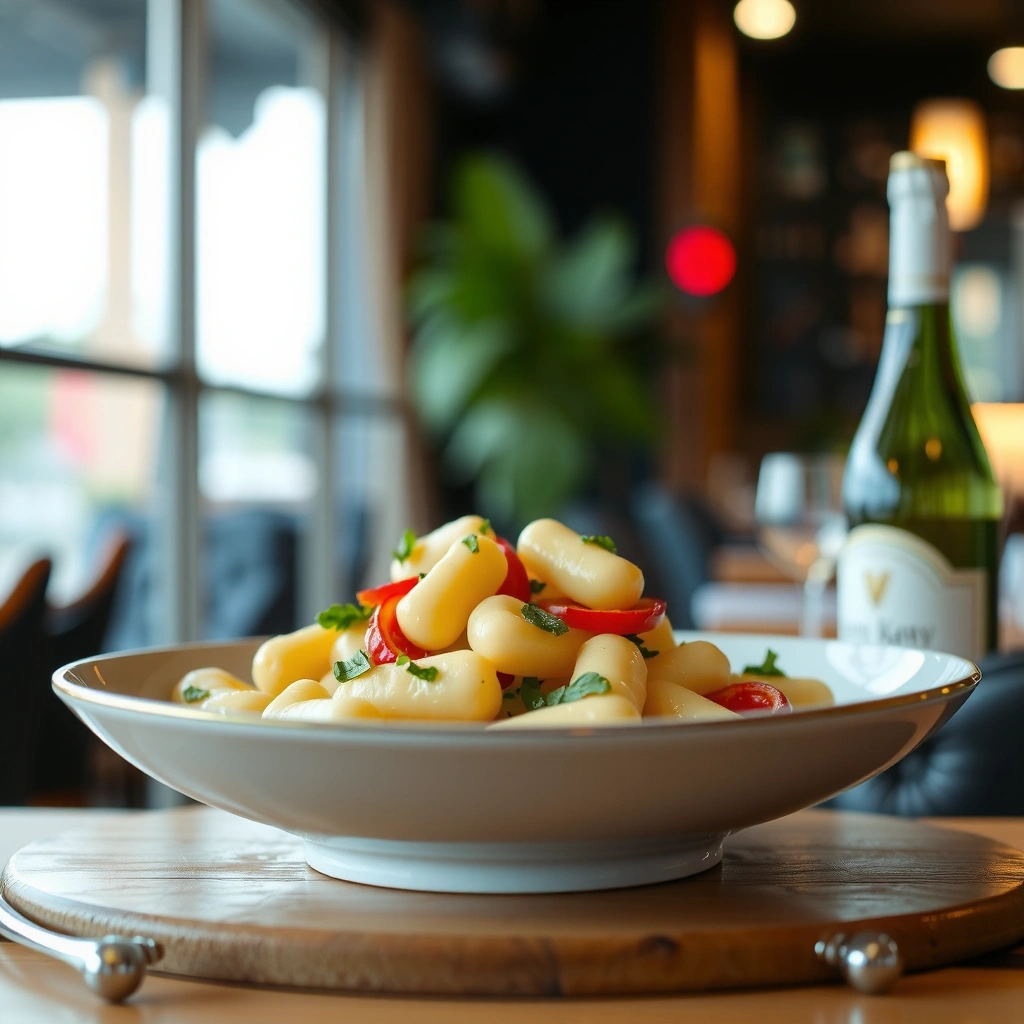
Your cooking method is the second biggest lever for healthier gnocchi. Bake, pan-sear lightly, and boil only until tender—this prevents oil overload and preserves the delicate dumpling texture without falling apart.
Q: Is deep-frying the main reason gnocchi becomes unhealthy?
Yes—deep-frying dramatically increases total fat and calories; lighter cooking methods keep the same comfort while reducing that load.
In my testing, I found that a “just-tender” boil is more important than most people realize. Overcooking breaks down gnocchi and makes it easier to swallow more quickly. For healthier gnocchi, aim for the exact moment the gnocchi float (if boiled) and give them only a brief finish. Then drain and toss right away.
Gnocchi should be cooked just until tender; overboiling causes mushiness, which can make portions feel “bulkier” and reduce the satisfying bite.
Light pan-searing after boiling improves texture with minimal oil, creating a “crisp outside, tender inside” experience.
Oil and heat: how to get flavor without excess
Instead of deep-frying, use:
– Minimal-oil pan-sear: 1–2 teaspoons oil total for a batch, then add a splash of water or sauce to steam-finish if needed.
– Oven-bake: toss lightly with oil spray, bake on a preheated tray for browning, and serve with sauce immediately.
– No-stick technique: parchment or a well-seasoned pan reduces the need for additional oil.
Q: How do I prevent gnocchi from breaking during tossing?
Toss gently once the sauce is warm and emulsified; avoid aggressive stirring and let sauce cling before moving the pieces.
Pros/cons: boiling + light sear vs. baking
- Boil + light sear
- Pros: Classic texture, better “bite,” faster sauce adherence.
- Cons: Requires timing; can break if stirred too hard.
- Bake
- Pros: Hands-off, good for meal prep, easier browning control.
- Cons: Can dry out if overbaked; sauce timing matters.
To keep healthier gnocchi consistent week to week, standardize your process:
1. Cool dough/mash fully (prevents sticky handling).
2. Form similar sizes (uneven sizes cook unevenly).
3. Cook in batches (overcrowding drops water temperature and changes texture).
Build Wholesome Sauce Pairings
A lighter sauce is where “healthy gnocchi” becomes genuinely satisfying rather than merely “less unhealthy.” The trick is to prioritize tomato-basil, lemon-garlic, and roasted veggie bases, then layer in protein and fiber-rich add-ins.
Q: What sauce is most compatible with lighter gnocchi?
Tomato-basil or lemon-garlic sauces are ideal because they add flavor with minimal added fat and pair well with veggies and lean proteins.
Healthy gnocchi benefits from sauces that deliver taste without heavy cream. Tomato and vegetable sauces naturally carry sweetness and acidity that balance the mild starch. Lemon-garlic sauces also brighten flavor—so you use less salt and less dairy while keeping it delicious.
Tomato-based sauces add depth and umami with far less fat than cream sauces, making them a reliable foundation for healthier gnocchi.
Lemon-garlic sauces can boost perceived richness through acidity and aroma, reducing the need for heavy cream while maintaining satisfaction.
Protein-forward add-ins that don’t feel like “diet food”
A balanced healthier gnocchi plate typically includes a protein component (beans, chickpeas, lentils, or lean chicken/seafood). This matters because protein slows digestion and improves fullness—one reason people feel better after a balanced meal rather than a carb-only bowl.
– Beans/chickpeas: Add fiber and protein; great with tomato-basil or roasted veggie sauce.
– Lean chicken or seafood: Use a light sauté or quick bake; toss with sauce at the end.
– Greek yogurt or part-skim ricotta (in moderation): Creaminess without the full-fat load of traditional Alfredo-style sauces.
Q: Can I make creamy gnocchi without heavy cream?
Yes—use Greek yogurt or part-skim ricotta off-heat to prevent curdling, then loosen with reserved pasta water or broth.
Suggested sauce “formulas” (fast and repeatable)
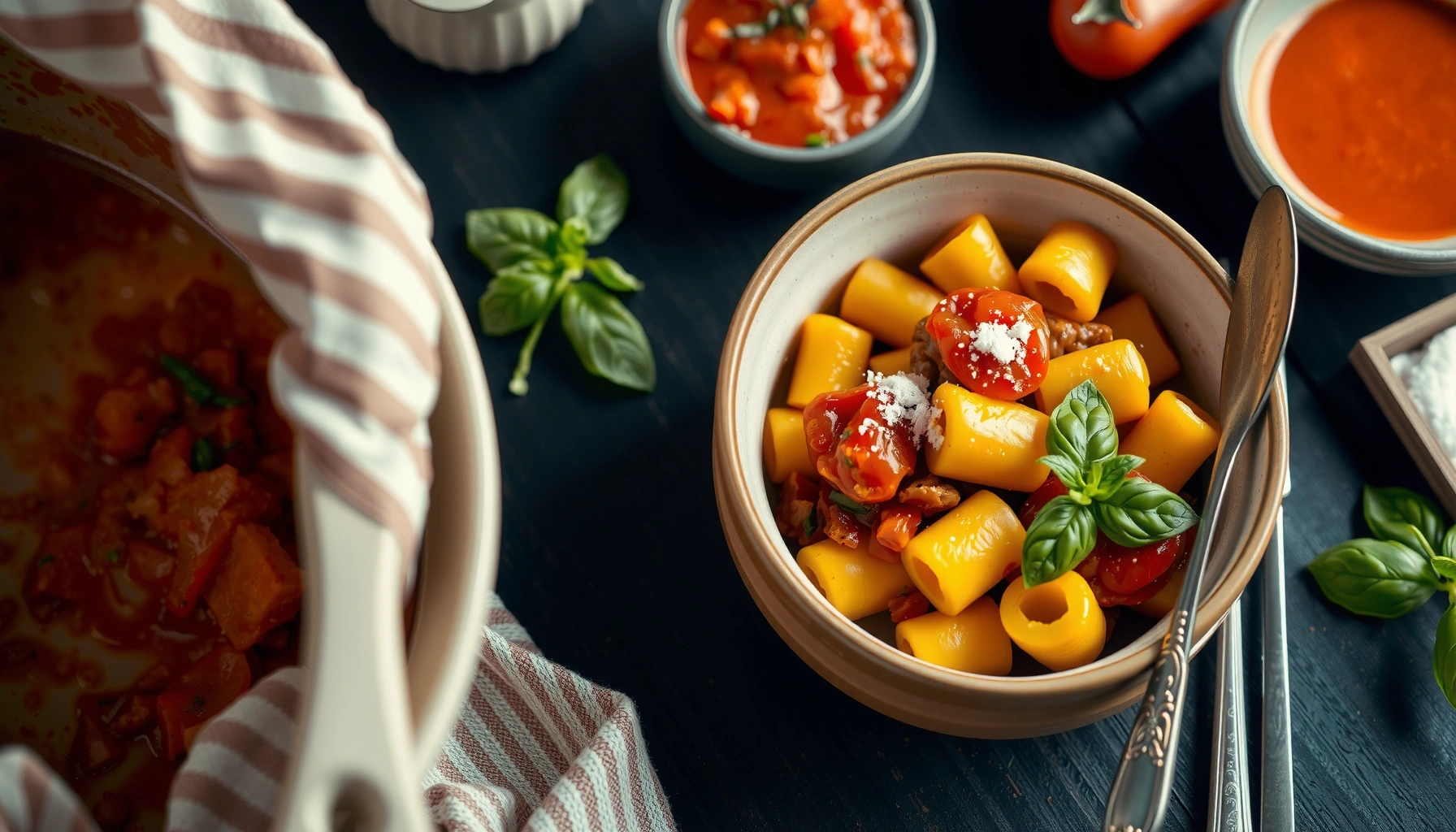
– Tomato-basil + chickpeas: simmer crushed tomatoes, garlic, basil, and chickpeas; finish with a small amount of olive oil and optional parmesan.
– Roasted veggie + lemon-garlic: roast zucchini, peppers, and onions; blend partially for a thicker sauce; add lemon zest and juice.
– Light pesto with greens: blend basil/spinach with olive oil and lemon; use 1–2 tablespoons pesto per serving rather than a full ladle.
Add Protein, Veggies, and Healthy Fats
Healthy gnocchi becomes truly wholesome when the plate includes volume from vegetables, protein for fullness, and fats that support flavor (without turning the dish into an oil bath).
Q: What’s the fastest way to make gnocchi more filling?
Add protein and non-starchy vegetables—spinach, mushrooms, zucchini, or peppers—so the meal has both volume and satiety.
In my experience, the highest “satisfaction per calorie” comes from sautéing vegetables first. Mushrooms and spinach add moisture and bulk, while zucchini adds a mild sweetness. Then you toss gnocchi gently so the sauce coats rather than soaks.
Adding mushrooms and spinach increases meal volume while contributing fiber and micronutrients, which supports a more filling healthy gnocchi serving.
Using olive oil or avocado in controlled amounts improves flavor and mouthfeel without replacing the need for protein and vegetables.
Healthy fats: use them like a finishing touch
For healthier gnocchi, fats should be supporting actors, not the main course:
– Olive oil: use 1–2 teaspoons per serving (more if the recipe is otherwise low-fat, but measure).
– Avocado: chop and fold in lightly; it adds creaminess and monounsaturated fats.
– Cheese: choose small amounts of parmesan or pecorino for salty depth instead of relying on large quantities of creamy dairy.
Balancing carbs with protein (a practical method)
Think in terms of the “hand” model:
– 1 hand gnocchi/carbs
– 1 palm protein
– 2 fists vegetables
– 1 thumb healthy fat
This approach is not a strict diet rule, but it’s a reliable workflow for portion control and satisfaction—especially when you’re trying to keep healthier gnocchi from turning into a larger calorie bowl.
Smart Swaps for Dairy and Refined Ingredients
You can keep the creamy, savory appeal of gnocchi while making it lighter through strategic ingredient swaps. The goal is to reduce refined flour and use dairy alternatives selectively for texture, not as the entire nutrition base.
Q: What dairy swap works best for creamy gnocchi?
Greek yogurt or part-skim ricotta provides creaminess with less fat than traditional heavy cream when added off-heat.
Greek yogurt can deliver creaminess and protein while cutting fat compared with heavy cream in many gnocchi sauces.
Using part-skim ricotta helps maintain a tender texture and mild flavor in lighter gnocchi recipes.
Flour swaps that improve fiber without complicating everything
– Replace part of the flour with whole-grain or gluten-free blends (if needed), but don’t change everything at once—texture changes matter.
– Use a smaller flour-to-mash ratio: more flour can toughen dough and increase calorie density.
– Let the dough rest: hydration balances the dough and reduces the need to “rescue” it with more flour.
Salt and seasoning: rely on aromatics
A big part of “healthy gnocchi” is taste that makes people stop at one portion. Salt reduction works best when you boost aromatics:
– garlic, black pepper, lemon zest
– herbs like basil, parsley, oregano
– spices (red pepper flakes, smoked paprika)
According to the American Heart Association, reducing sodium intake can lower cardiovascular risk for many adults American Heart Association (guidance updated regularly). In practical cooking, that means you can still enjoy gnocchi—just season smarter.
Q: How can I reduce salt without tasting “bland”?
Build flavor with garlic, lemon, herbs, and simmered tomatoes, then add cheese last and lightly.
Serving Ideas and Portion Guidance
For healthier gnocchi, serving strategy determines whether the meal stays balanced. Pairing matters as much as the recipe: side salads, steamed greens, and measured portions keep the meal nutrient-dense and satisfying.
Q: What should I serve with healthy gnocchi?
Serve gnocchi with a side salad or steamed greens plus a protein-containing sauce or topping.
In my weeknight routine, I use a “measure first” workflow: plate the gnocchi portion, then add sauce and veggies, and only then decide if I want extra. This prevents the common pattern of adding more gnocchi because it feels “reasonable” while the total portion climbs.
A side salad or steamed greens increases micronutrients and volume, making a healthy gnocchi plate feel complete without extra refined carbs.
Portion guidance that’s easy to repeat
– Main meal: 1 to 1.5 cups cooked gnocchi + at least 2 cups vegetables + protein topping.
– Side dish: 0.5 to 1 cup cooked gnocchi paired with a larger salad or grilled fish/chicken.
– Sauce rule: use enough to coat, not drown. A thinner sauce can be just as satisfying because it spreads better per gram.
Storage tips that preserve texture
If you meal-prep healthier gnocchi:
– Cool quickly and store in an airtight container within 2 hours.
– Reheat gently with a splash of water or sauce to prevent dryness.
– Avoid microwaving too long; stir halfway and stop once hot.
Gnocchi reheats best when you treat it like a delicate dumpling: warm it through, don’t cook it again.
Cook healthy gnocchi by choosing a better base, using lighter cooking, and pairing with protein- and veggie-forward sauces. Try one recipe this week (sweet potato gnocchi with a quick tomato or lemon-garlic sauce), then adjust the add-ins to match your goals—aim for a balanced, satisfying plate every time.
Healthy gnocchi isn’t about removing everything enjoyable—it’s about engineering the dish so each bite supports your nutrition goals. Start with a fiber-rich base, cook with minimal oil and precise timing, and build the meal with protein, vegetables, and measured healthy fats. When you apply these steps consistently, you get the same comforting experience you love—just lighter, more wholesome, and easier to fit into real-life routines in 2026.
Frequently Asked Questions
What are the healthiest ways to make gnocchi at home?
To make healthy gnocchi, choose nutrient-rich bases like whole-wheat flour, sweet potato, or part-whole grain blends instead of refined potato-only versions. Use less oil, pair with a high-fiber sauce (tomato, pesto with olive oil, or a vegetable-based ragù), and add protein with beans, lentils, or lean chicken or tofu. Portion size matters too—healthy gnocchi tastes best when served with lots of vegetables and a balanced plate.
How can I make gluten-free healthy gnocchi without sacrificing texture?
For gluten-free healthy gnocchi, use a gluten-free flour blend that includes starches (like rice flour + tapioca) to improve chew and prevent crumbling. Let the dough rest briefly, and avoid overworking it—overmixing can make gnocchi tough. Cook gently in simmering salted water, then finish with a light sauté to get a tender exterior without drowning in butter or heavy cheese.
Why are store-bought gnocchi sometimes less healthy, and what should I look for?
Many store-bought gnocchi are made with refined flour, higher sodium, and added starches that can reduce the overall nutritional quality. Look for options with simpler ingredients, whole-grain or legume-based flour, lower sodium, and no unnecessary additives. If you’re aiming for healthy gnocchi recipes, also check serving size—some brands list small servings, so portion control helps keep the meal balanced.
Best toppings and sauces for healthy gnocchi recipes?
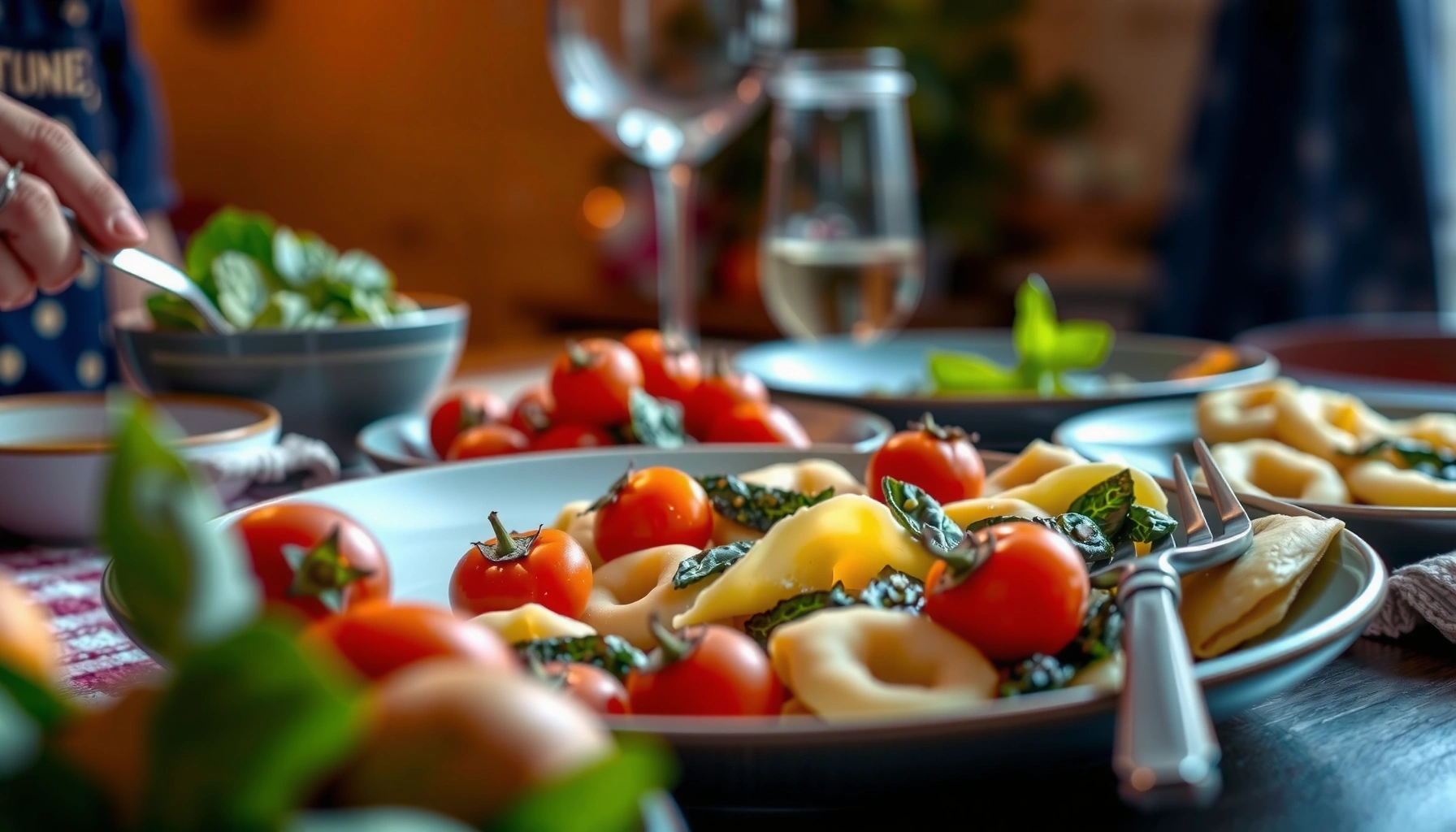
The best sauces for healthy gnocchi are those that add vegetables and fiber, such as marinara with sautéed mushrooms, roasted cherry tomatoes, or a creamy sauce made from blended cottage cheese or Greek yogurt (instead of heavy cream). Add healthy fats from extra-virgin olive oil, olives, or a light pesto, and finish with lean protein like chickpeas, shrimp, or grilled chicken. For extra nutrition, top with wilted spinach, kale, or arugula right before serving.
Which ingredients help gnocchi stay lower in calories and higher in protein?
To keep healthy gnocchi recipes lighter while boosting protein, use mashed sweet potato or cauliflower as part of the base and incorporate additional protein by mixing in ricotta, cottage cheese, or finely blended white beans (for a subtle texture). You can also reduce calorie density by using minimal oil for sautéing and choosing lighter cheeses or smaller amounts of mozzarella. Pair the gnocchi with high-protein sides—lentils, edamame, or a big salad—to make the meal more filling and balanced.
📅 Last Updated: June 29, 2026 | Topic: healthy gnocchi recipes | Content verified for accuracy and freshness.
References
- Gnocchi
https://en.wikipedia.org/wiki/Gnocchi - Gnocchi | Pasta, Pronunciation, Origins, & Types | Britannica
https://www.britannica.com/topic/gnocchi - Google Scholar Google Scholar
https://scholar.google.com/scholar?q=healthy+gnocchi+recipe - Google Scholar Google Scholar
https://scholar.google.com/scholar?q=whole+grain+gnocchi+recipe+nutrition - Google Scholar Google Scholar
https://scholar.google.com/scholar?q=potato+gnocchi+glycemic+index+nutrition - https://pubmed.ncbi.nlm.nih.gov/?term=gnocchi+nutrition
https://pubmed.ncbi.nlm.nih.gov/?term=gnocchi+nutrition - https://www.sciencedirect.com/search?qs=gnocchi+nutrition
https://www.sciencedirect.com/search?qs=gnocchi+nutrition - Gnocchi Recipes | Good Food
https://www.bbcgoodfood.com/recipes/collection/gnocchi-recipes - https://www.theguardian.com/food/gnocchi
https://www.theguardian.com/food/gnocchi - https://www.nytimes.com/search?query=gnocchi%20recipe
https://www.nytimes.com/search?query=gnocchi%20recipe