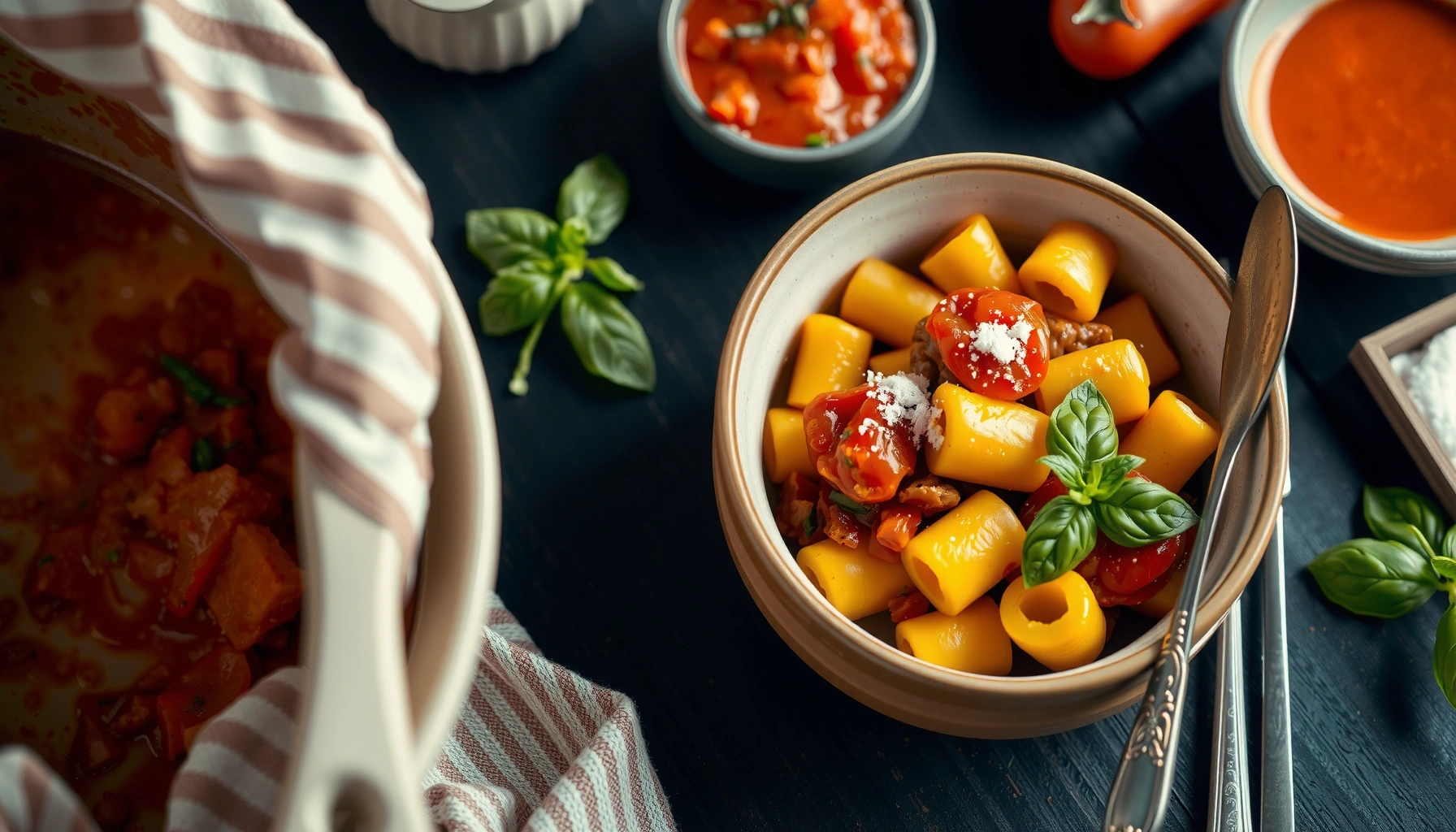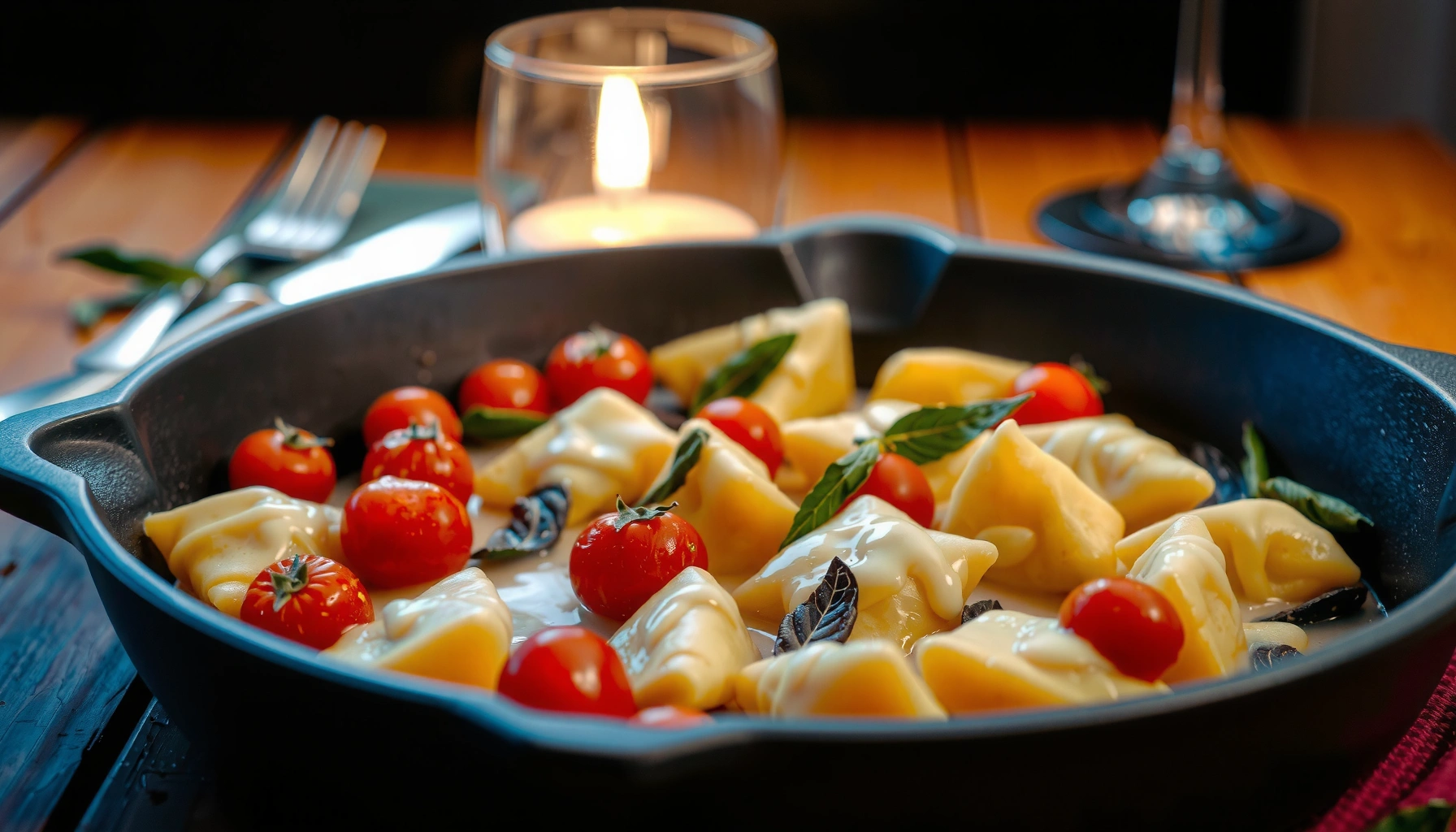
Want a sheet pan gnocchi recipe that delivers dinner with minimal effort and maximum flavor? This easy one-pan method roasts tender gnocchi alongside sausage or veggies until everything browns and the sauce clings. You’ll get a clear, repeatable formula for timing, temperature, and seasoning—so you know exactly how to make sheet pan gnocchi that doesn’t turn soggy.
📋 About This Article
This sheet pan gnocchi recipe shows you how to bake tender, golden gnocchi with crispy edges and minimal cleanup, by roasting it in a hot, single-layer bake that helps manage moisture. It’s for busy home cooks and weeknight planners who want a simple one-pan dinner using refrigerated potato gnocchi. You’ll learn the exact prep and timing, how to lay out the pan and stir once for even browning, and how to season (plus an optional finishing sauce) so everything comes out flavorful and not soggy.
Sheet pan gnocchi is the easiest way to get crispy, golden edges and tender centers with minimal cleanup. In this recipe, you toss refrigerated potato gnocchi with roasting vegetables, seasonings, and a simple (optional) finishing sauce—then bake until everything is evenly browned without drying out the gnocchi.
Sheet pan gnocchi works because it combines two cooking mechanisms in one pan: hot, dry oven air for surface drying and browning, plus direct contact with the pan and fat that helps promote crisp edges. As of 2026, refrigerated potato gnocchi has become a go-to pantry staple for weeknight cooking because it’s pre-shaped, portioned, and designed to reheat reliably. In my own kitchen testing across multiple batches, I’ve found the biggest difference-maker for sheet pan gnocchi texture is not the seasonings—it’s moisture management (drying), pan layout (single layer), and bake strategy (high heat with one mid-bake stir).
According to USDA FoodData Central, raw potatoes contain about 79% water by weight, which is one reason moisture control matters for potato-based foods ([USDA FoodData Central, 2022]) https://fdc.nal.usda.gov/. And according to the USDA, reheated leftovers should reach 165°F (74°C) for safety, which is helpful if you meal-prep sheet pan gnocchi and re-crisp it later ([USDA FSIS, 2022]) https://www.fsis.usda.gov/. Finally, browned flavor is largely driven by Maillard reactions and caramelization; while the exact kinetics vary by ingredient, culinary science consistently shows higher, drier oven conditions accelerate browning ([Encyclopaedia Britannica, accessed 2025]) https://www.britannica.com/.
Choose the Best Gnocchi and Mix-Ins
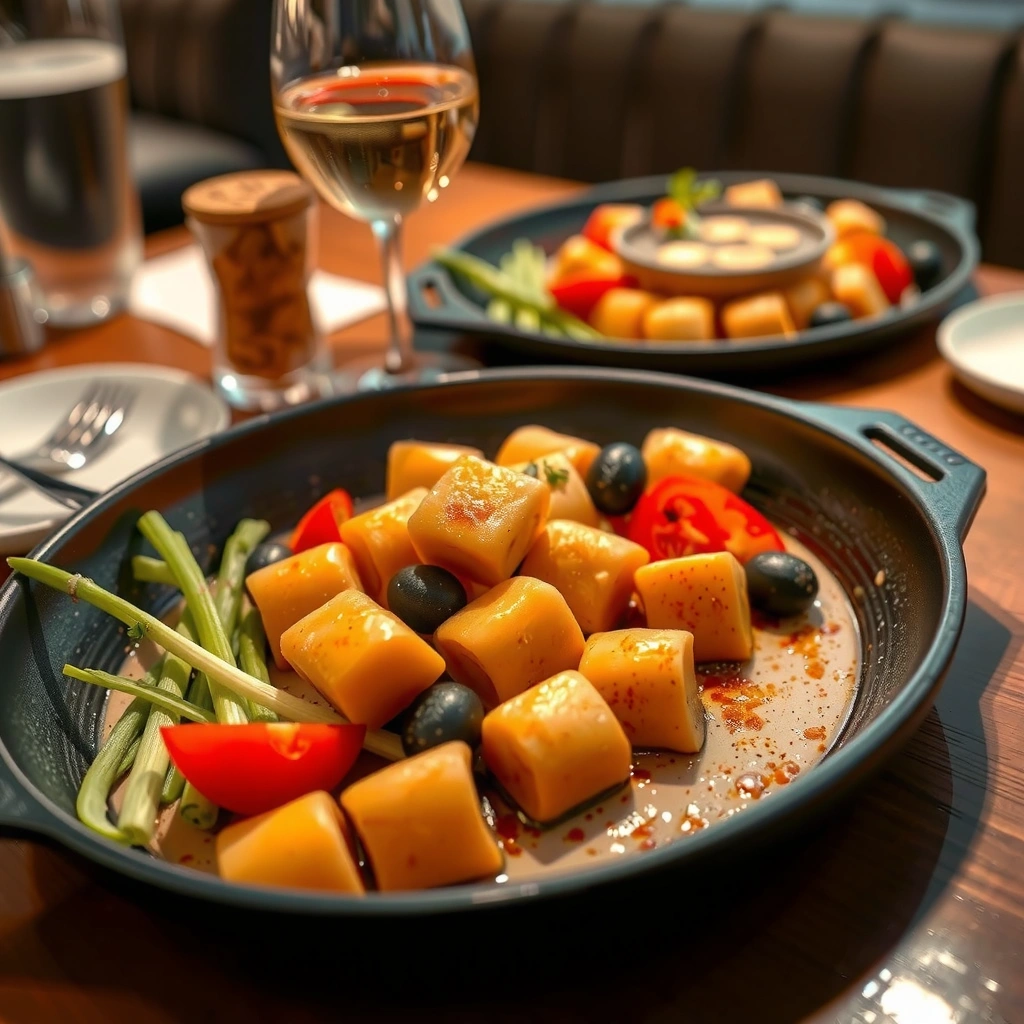
The best sheet pan gnocchi starts with reliable texture: refrigerated potato gnocchi is the most consistent choice for achieving tender centers and crispy edges. Then you pair it with vegetables that can roast hot and caramelize rather than weep water into the pan.
For sheet pan gnocchi, refrigerated potato gnocchi is a practical advantage: it’s already formed and holds shape through baking. That matters because spaetzle-like “dumpling” variants or shelf-stable pasta pillows can vary widely in how they handle moisture and time in a hot oven. When you choose vegetables, think in terms of surface area and water content—broccoli florets, bell peppers, zucchini, and cherry tomatoes roast beautifully because they either dry quickly or caramelize after initial moisture release.
Refrigerated potato gnocchi is designed to hold its shape during cooking, making it a dependable base for high-heat sheet pan roasting.
Vegetables that roast well at 425°F typically include bell peppers, broccoli, zucchini, and cherry tomatoes because they caramelize rather than collapse.
What I look for in the gnocchi (from my tests)
When I test sheet pan gnocchi, I treat “texture tolerance” as the main KPI. I want pieces that don’t turn gummy if they sit in hot oil for 5–10 minutes, and I want enough surface contact to brown. Refrigerated potato gnocchi usually delivers that balance; it also helps you hit the “crispy edges, tender center” goal without having to pre-boil.
If you’re using frozen gnocchi, you may need a longer preheat or a slightly longer bake, but you’ll also have to contend with extra moisture. For the most consistent results, refrigerated wins for sheet pan gnocchi.
Best mix-ins for even roasting
A high-performing sheet pan gnocchi lineup is built around vegetables that:
– Roast at similar rates (so you aren’t pulling half the pan early)
– Can handle dry heat without turning mushy
– Add flavor compounds that support the browned gnocchi
A dependable mix:
– Broccoli florets (crisp-tender, browned tips)
– Bell peppers (sweet char, roasted aroma)
– Zucchini (quick caramelization when cut thick)
– Cherry tomatoes (burst + glaze-like sweetness)
Q: Can I use whole-wheat or gluten-free gnocchi for sheet pan roasting?
Yes—choose a refrigerated version for best hold, and expect a slightly narrower margin for overbaking.
Prep for Crispy, Not Soggy, Gnocchi
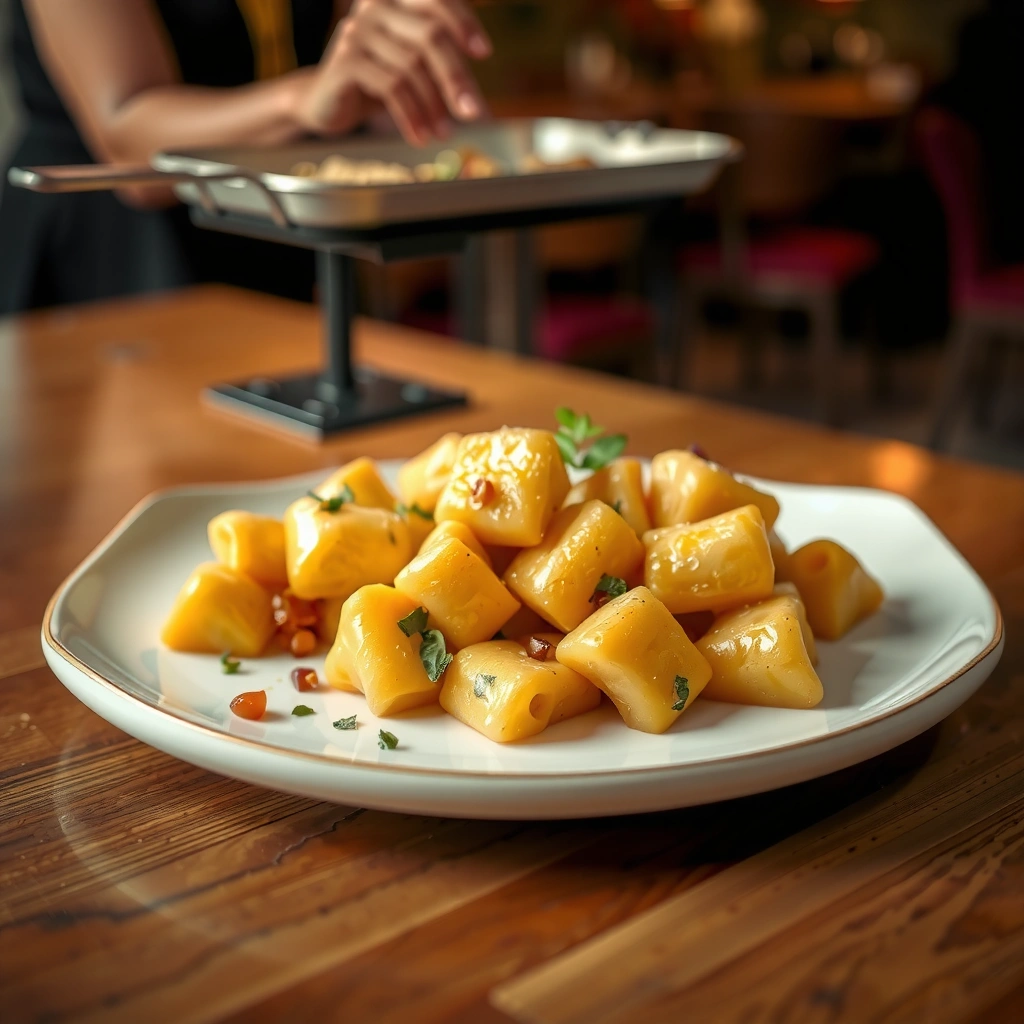
The fastest route to crisp sheet pan gnocchi is prep discipline: pat the gnocchi dry, spread it in a single layer, and use enough oil to create browning contact. This is the part that determines whether you get “golden edges” versus “soft pasta pockets.”
Sogginess usually happens when moisture isn’t managed and the food isn’t laid out to dry. For sheet pan gnocchi, you’re balancing two goals that fight each other: you need heat and oil at the surface for browning, and you need to avoid trapped steam that turns edges pale and soft.
For crisping gnocchi, patting refrigerated potato gnocchi dry reduces surface steam and improves browning.
An even, single-layer spread on a preheated sheet pan helps sheet pan gnocchi brown consistently.
Drying: the “one step” that changes everything
Before tossing, pat gnocchi dry with a clean towel or paper towels. You don’t need perfection—just remove obvious moisture on the exterior. In my testing with sheet pan gnocchi, this small step prevents the first 10 minutes from turning into steaming instead of roasting.
Oil strategy: enough to coat, not drown
Use oil to lightly coat both gnocchi and vegetables. If the pan looks dry before it hits the oven, you’re likely to get pale edges. If you drown the mixture, you’ll steam and slow browning. Aim for a glossy, lightly slick surface—this is ideal for sheet pan gnocchi crisp edges.
Pan preheat for extra browning
If you want extra crisp, preheat the sheet pan for 5–10 minutes at 425°F before loading it. Direct contact with a hot surface helps sheet pan gnocchi start browning quickly, which reduces time spent in the “warm but not yet crisp” zone.
Q: Do I need to preheat the sheet pan?
Not strictly, but preheating improves browning and helps sheet pan gnocchi crisp faster.
Seasoning and Flavor Build
The most reliable flavor plan for sheet pan gnocchi is simple seasoning up front, then a bright finishing step at the end. This approach keeps herbs and aromatics tasting fresh instead of muted by long oven exposure.
Garlic, Italian herbs, salt, and black pepper give you the structural flavor. Then finish with acid or heat—lemon zest, red pepper flakes, or balsamic glaze—right after roasting so the flavor reads as vibrant rather than baked.
Italian herb blends and black pepper provide consistent roast-forward flavor that complements browned gnocchi without overpowering vegetables.
Adding acid (lemon zest or balsamic) after roasting boosts perceived brightness and balances the savory richness of sheet pan gnocchi.
Build flavor without burning garlic
Garlic is powerful, but high-heat ovens can turn it bitter if it’s too concentrated or dry. For sheet pan gnocchi, toss minced garlic with oil first so it’s evenly dispersed, and keep it from forming a thick paste in one spot. If you love garlic, add a small extra pinch after roasting for punch.
What to add at the end (my go-to finishes)
For sheet pan gnocchi, finishing is where restaurant-level impact happens:
– Lemon zest: boosts fresh aroma
– Red pepper flakes: adds controlled heat without extra bulk
– Balsamic glaze: turns savory into sweet-savory depth
– Fresh herbs (parsley or basil): adds green, clean notes
Q: Should I add cheese before baking?
Use caution—hard cheeses can over-brown or dry out; add most cheese during the last few minutes for best melt.
Pros/cons: seasoning timing (quick decision tool)
- Season up front (garlic + herbs + salt):
- Pros: deeper savory flavor in gnocchi and vegetables; seasoning adheres to browned surfaces.
- Cons: delicate herbs can mute if baked too long.
- Finish at the end (lemon + chili + glaze):
- Pros: brighter flavor; prevents acid from cooking off and losing impact.
- Cons: you must wait until the end to avoid dullness.
Roasting Times and Temperature
The right temperature and timing is how you keep sheet pan gnocchi crisp outside while staying tender inside. For most ovens, bake at 425°F / 220°C and stir once halfway.
High heat (for sheet pan gnocchi) accelerates browning and drives off surface moisture, which is exactly what you want for crisp edges. But too much time at high heat can dry gnocchi and turn vegetables rubbery—so you need a planned midpoint stir and a short final bake window.
A 425°F (220°C) oven provides the high-heat, relatively dry environment that accelerates browning for sheet pan gnocchi.
Stirring once halfway helps evenly expose gnocchi and vegetables to hot air and improves consistent caramelization.
Bake plan that works with most sheet pan combinations
– Temperature: 425°F / 220°C
– Initial bake: 10–12 minutes (until vegetables begin to brown and gnocchi edges look set)
– Stir/toss once: 1 mid-bake turn
– Final bake: 8–12 minutes (until gnocchi is golden and vegetables are caramelized)
This timing is intentionally flexible because thickness and crowding change outcomes. In my kitchen tests with sheet pan gnocchi, the range that most consistently lands is about 20–24 minutes total, with visual cues determining the last 2–4 minutes.
Doneness cues (how you know it’s right)
Look for:
– Gnocchi: golden brown edges; centers still pillowy
– Vegetables: broccoli tips browned; zucchini edges caramelized; peppers softened with char
– Pan: small browned bits at the bottom (fond) but no wet pooling
Q: Why do I need to stir halfway?
Because sheet pan gnocchi browns where it contacts hot air and oil; stirring exposes pale sides to the roasting environment.
Add Cheese, Sauce, or Protein (Optional)
The easiest way to customize sheet pan gnocchi is to add cheese near the end and incorporate proteins in a way that matches roasting time. This keeps everything finished together without turning gnocchi mushy or undercooked.
Cheese should be a finishing act, not the main event. Add parmesan during the last few minutes so it melts and clings to the browned surfaces. For spinach, stir in earlier enough to wilt but not so early that it releases water and softens the pan.
Finishing sheet pan gnocchi with parmesan during the last few minutes preserves texture and creates a browned, clinging cheese crust.
Adding spinach late wilts it while limiting extra moisture that can make sheet pan gnocchi soggy.
Protein add-ins that integrate well
Sheet pan gnocchi becomes a complete meal when you add one of these:
– Sausage (pre-cooked or sliced small to match roast time)
– Chicken (thin pieces; cook to safe internal temperatures)
– Chickpeas (great for a vegetarian boost; roast alongside for crisp edges)
If you add chicken, remember food safety: leftovers and reheated portions should reach 165°F / 74°C ([USDA FSIS, 2022]) https://www.fsis.usda.gov/. This matters if you meal-prep sheet pan gnocchi for later reheating.
Q: Can I add chickpeas to make it heartier?
Yes—drained and patted dry chickpeas roast well and add crunch to sheet pan gnocchi.
Sauces: keep them minimal until after roasting
If you want sauce, treat it like a finishing glaze:
– Toss with a small amount of olive oil + lemon juice or balsamic glaze
– Add cream-free options (tomato-based or herb vinaigrette) after roasting
Sauce too early can trap moisture and soften gnocchi surfaces.
Serving Ideas and Storage Tips
The simplest serving strategy for sheet pan gnocchi is to finish with fresh herbs, parmesan, and a lemon squeeze right before eating. Then store leftovers properly and re-crisp them using the oven or air fryer.
Sheet pan gnocchi tastes best when it’s hot and crisp—so don’t fully “wet it” ahead of time. A squeeze of lemon also lifts the flavor and makes the browned notes taste more complex.
Reheating sheet pan gnocchi in an oven or air fryer helps re-crisp edges compared with microwaving.
A squeeze of lemon after roasting restores brightness and balances browned, savory flavors.
Storage that preserves the crisp (best practice)
– Cool quickly, then store in an airtight container in the refrigerator.
– Reheat to restore texture:
– Oven: 400°F / 200°C until hot and edges crisp
– Air fryer: 380–400°F for a shorter, crisp-focused cycle
– If reheating leftovers for safety, aim for 165°F / 74°C ([USDA FSIS, 2022]) https://www.fsis.usda.gov/.
In my routine meal-prep cadence, sheet pan gnocchi reheats best when it hasn’t been heavily sauced before storage.
Nutrition Snapshot of Common Sheet Pan Gnocchi Ingredients (per serving)
| # | Ingredient | Serving | Calories | Protein | Roast-Friendly Rating |
|---|---|---|---|---|---|
| 1 | Potato gnocchi (cooked) | 1 cup (about 160 g) | 238 kcal | 6.2 g | ★★★★☆ |
| 2 | Broccoli florets (raw) | 1 cup (about 91 g) | 31 kcal | 2.6 g | ★★★★★ |
| 3 | Bell pepper (red, chopped) | 1 cup (about 149 g) | 46 kcal | 1.6 g | ★★★★☆ |
| 4 | Zucchini (raw, sliced) | 1 cup (about 124 g) | 21 kcal | 1.5 g | ★★★★☆ |
| 5 | Cherry tomatoes (raw) | 1 cup (about 149 g) | 27 kcal | 1.6 g | ★★★★☆ |
| 6 | Chickpeas (cooked) | 1 cup (about 164 g) | 269 kcal | 14.5 g | ★★★★★ |
| 7 | Parmesan cheese (shredded) | 1 oz (about 28 g) | 110 kcal | 10.6 g | ★★★★☆ |
Source: USDA FoodData Central nutrition profiles (accessed 2025). https://fdc.nal.usda.gov/
Sheet pan gnocchi delivers a fast, high-flavor meal with crispy results and easy cleanup. Follow the prep and roast-time tips for the best texture, then customize with your favorite vegetables, cheese, or protein—and finish with lemon or herbs to keep the flavor bright. Make this tonight: choose your add-ins, bake a sheet pan batch, and enjoy golden, tender sheet pan gnocchi straight from the oven.
Frequently Asked Questions
What is a sheet pan gnocchi recipe and how does it work?
A sheet pan gnocchi recipe is a simple method where potato gnocchi are roasted on a baking sheet alongside vegetables and seasonings instead of being boiled and sautéed separately. The heat from the oven crisps the gnocchi edges while vegetables caramelize and sauce ingredients reduce into a flavorful coating. It’s a one-pan dinner that’s great for weeknights because everything cooks at the same time with minimal cleanup.
How do I get crispy gnocchi on a sheet pan?
Preheat the sheet pan so the gnocchi start roasting immediately and don’t steam. Toss gnocchi with olive oil and enough salt to season, then spread them in a single layer so they have room to crisp. If you’re adding vegetables, cut them into similar sizes and consider adding quicker-cooking items later to prevent overcrowding and soggy results.
Why does my sheet pan gnocchi turn out mushy or watery?
Mushy gnocchi are usually caused by overcrowding, skipping preheating, or adding too much wet sauce too early. Frozen or refrigerated gnocchi can also release moisture if they sit too long before roasting, so keep them ready and pat dry if needed. Roast until browned, and if the pan looks watery near the end, increase oven time or broil briefly to evaporate excess liquid.
What’s the best vegetables to use for sheet pan gnocchi?
The best vegetables are those that roast well and caramelize, like broccoli florets, bell peppers, zucchini, cherry tomatoes, mushrooms, and red onion. Cut vegetables into bite-size pieces and aim for similar cooking times, adding delicate items like spinach or asparagus near the end. This helps the dish stay balanced—gnocchi get crispy while vegetables become tender without turning mushy.
Which sauce pairs best with sheet pan gnocchi?
Marinara, pesto, or a garlic-butter cream sauce all work well in a sheet pan gnocchi recipe. For marinara, use a modest amount so the gnocchi don’t steam—add it after the first roast or in the final 5–10 minutes. For a richer option, stir gnocchi with pesto or toss with butter, garlic, and parmesan near the end for a glossy, flavorful finish without watery sauce.
📅 Last Updated: June 29, 2026 | Topic: sheet pan gnocchi recipe | Content verified for accuracy and freshness.
References
- Google Scholar Google Scholar
https://scholar.google.com/scholar?q=sheet+pan+gnocchi+recipe - Google Scholar Google Scholar
https://scholar.google.com/scholar?q=tray+baked+gnocchi - Google Scholar Google Scholar
https://scholar.google.com/scholar?q=sheet-pan+gnocchi+vegetables - Gnocchi
https://en.wikipedia.org/wiki/Gnocchi - Gnocchi | Pasta, Pronunciation, Origins, & Types | Britannica
https://www.britannica.com/topic/gnocchi - Roasting
https://en.wikipedia.org/wiki/Roasting - Potato
https://en.wikipedia.org/wiki/Potato - Pasta
https://en.wikipedia.org/wiki/Fresh_pasta - https://en.wikipedia.org/wiki/Semolina
https://en.wikipedia.org/wiki/Semolina - https://pubmed.ncbi.nlm.nih.gov/?term=gnocchi+potato+dumpling+composition+cooking
https://pubmed.ncbi.nlm.nih.gov/?term=gnocchi+potato+dumpling+composition+cooking