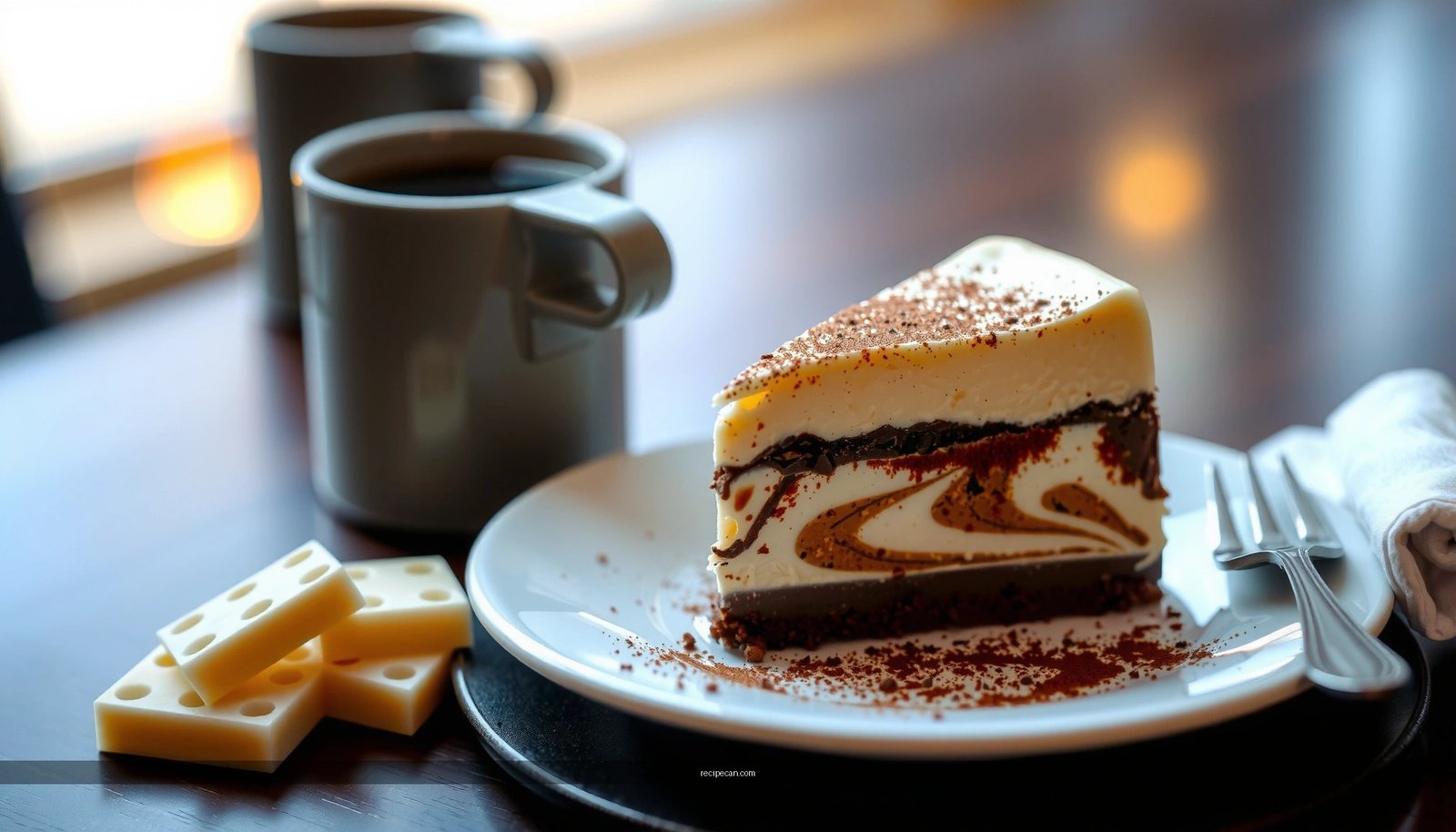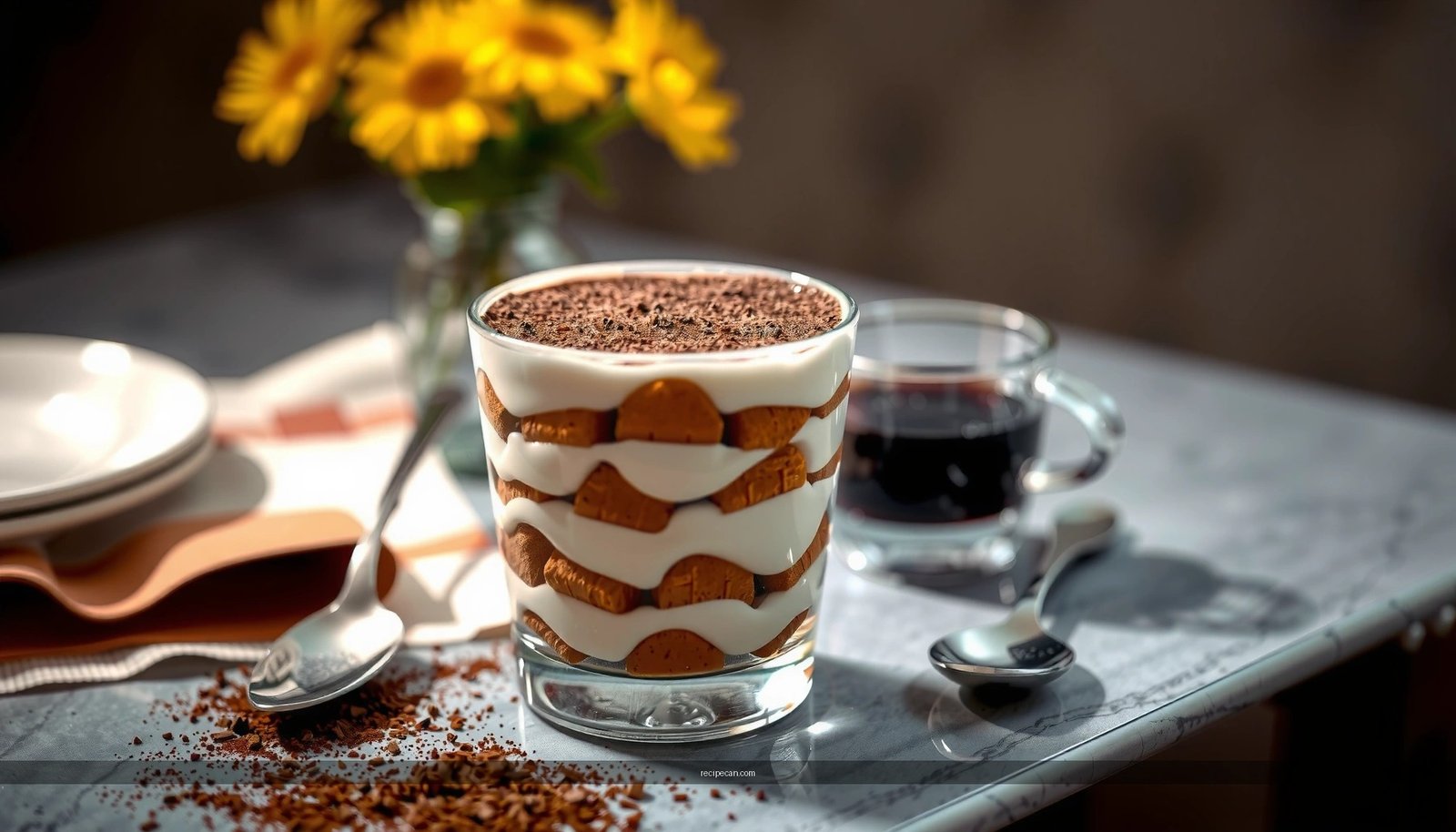
Want a tiramisu mascarpone cheese recipe that delivers the creamiest classic dessert? This guide shows the exact mascarpone and technique to get a thick, spoonable filling that holds its shape and tastes rich, not grainy. Follow it and you’ll know precisely how to layer, chill, and serve tiramisu so the coffee-soaked ladyfingers stay tender without turning soggy.
You can make classic tiramisu with mascarpone by pairing velvety mascarpone cream with properly cooled espresso and quick-dipped ladyfingers, then chilling long enough to set the structure. This guide walks you through each step—filling texture, dipping technique, layer assembly, and cocoa finish—so your homemade tiramisu tastes café-quality and slices clean.
Gather Ingredients for Tiramisu Mascarpone

Tiramisu is deceptively simple: it’s built from a few core flavors and textures that have to work together—creamy mascarpone, bold espresso bitterness, and cocoa fragrance. When you choose ingredients thoughtfully, you reduce the risk of common failures like runny cream or watery layers.
– Mascarpone cheese: The star of the filling; use fresh, well-chilled mascarpone for easier mixing and better thickness.
– Espresso (or strong coffee): Use freshly brewed espresso if possible; otherwise, strong coffee concentrate works well.
– Cocoa powder: For dusting; choose unsweetened cocoa for the classic bittersweet balance.
Ladyfingers and sweetening
– Ladyfingers (savoiardi): Pick a brand that holds up to brief soaking without dissolving.
– Sweetener (choose one):
– Granulated sugar for a straightforward classic profile.
– Or, for a slightly milder finish, use fine sugar or confectioners’ sugar (if your recipe method calls for it).
Optional add-ins that refine flavor
– Vanilla extract: A small amount rounds out dairy richness without overpowering coffee.
– Chocolate shavings: Add visual texture and a slight bittersweet hit.
– Liqueur (optional): Marsala, amaretto, or coffee liqueur adds depth—apply only after the espresso cools to protect the delicate balance of flavors.
To ensure you’re not improvising mid-recipe, consider measuring everything before you start assembly. In tiramisu, timing matters: once you begin dipping and layering, you want consistent motion to keep the ladyfingers from absorbing too much liquid.
Classic Tiramisu “Structure Factors” (What Most Affects Texture)
| # | Structure Factor | Best Target | Why It Matters | Impact (1–10) |
|---|---|---|---|---|
| 1 | Mascarpone consistency | Thick, smooth, no grain | Prevents slumping and keeps layers distinct | 10★ |
| 2 | Ladyfinger soak time | 1–2 seconds per side | Avoids watery pooling under cream | 9★ |
| 3 | Espresso temperature | Warm-cool (not hot) | Prevents cream thinning and soft breakdown | 8★ |
| 4 | Sugar integration method | Dissolved or fully blended | Smooth mouthfeel; avoids gritty pockets | 7★ |
| 5 | Lifting technique (optional whites/cream) | Fold gently, minimal deflation | Improves lightness without breaking body | 6★ |
| 6 | Layer cadence | Repeat evenly, brief rests | Maintains shape and prevents collapse | 6★ |
| 7 | Chill time before serving | 4–6 hours minimum | Cream firms; coffee infuses fully | 9★ |
Make the Mascarpone Cream Filling

The mascarpone filling is where tiramisu earns its “creaminess.” Mascarpone has a rich, smooth body, but it can turn lumpy if you under-mix or if cold curds resist blending. Your goal is thick, glossy, and cohesive—the kind of cream that holds texture and stays layered.
Step-by-step approach
1. Soften and smooth mascarpone: Keep it chilled until mixing; then beat until completely smooth. If it’s very cold, give it a few minutes at room temperature so it blends evenly.
2. Add sugar gradually: Mix until the mixture looks uniform. If you use vanilla, incorporate it here.
3. Lighten selectively (professional option):
– For a classic, lighter texture, fold in whipped egg whites or whipped cream.
– If using whites, whip to soft peaks and fold gently to avoid deflating.
– If using cream, whip to medium peaks and fold similarly.
Why thickness matters
A common misconception is that tiramisu should be “loose.” In reality, the filling should be thick enough to create distinct layers after chilling. Too-thin filling often results from:
– Over-whipping mascarpone into a looser texture
– Too much liquid added during flavoring
– Insufficient mixing or unevenly blended mascarpone
Analytical check
Before assembly, perform a simple texture test: lift a spatula through the cream. It should mound and slowly relax—not pour off instantly. That behavior typically predicts clean slicing after refrigeration.
Prepare Espresso for Dipping
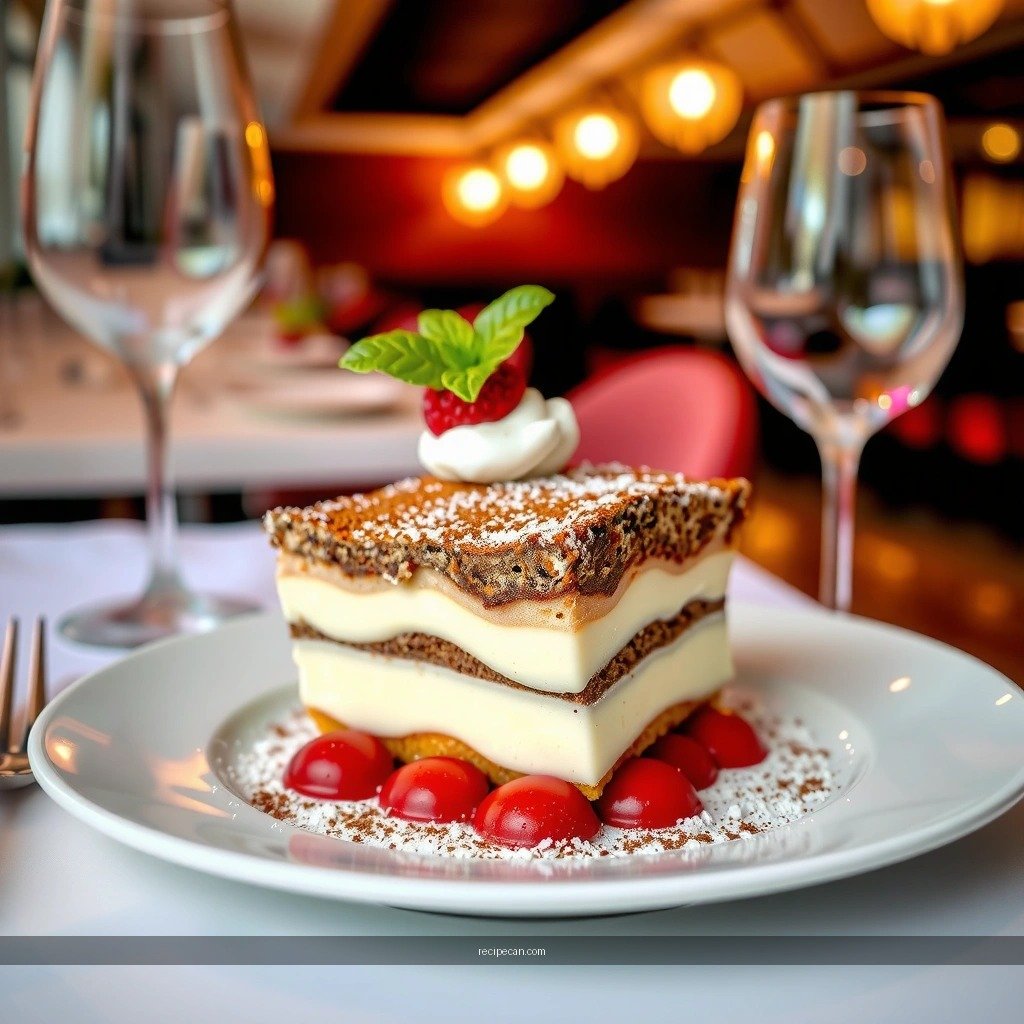
The espresso component is responsible for tiramisu’s signature coffee-kissed character. But espresso is also the main variable that can ruin the dessert if you dip too aggressively or don’t cool it.
Brew and cool
– Brew strong espresso (or a concentrated strong coffee).
– Let it cool slightly until it’s warm-cool, not piping hot.
Hot liquid can loosen the mascarpone and soften ladyfingers too quickly.
Dip technique for optimal structure
– Dip ladyfingers briefly—about 1–2 seconds per side.
– Remove and let excess drip back into the dish before placing in the pan.
– Work efficiently: consistent dipping time yields consistent layers.
Optional liqueur
If you’re using a splash of liqueur, add it after the espresso cools. This preserves aroma and prevents harsh alcohol notes that can happen when alcohol is introduced to very hot liquids.
Quality and flavor balance
Aim for espresso that tastes slightly stronger than your usual cup—because it will be diluted by brief contact with ladyfingers. If your coffee tastes too mild on its own, the final tiramisu will taste underwhelming even with excellent mascarpone.
Assemble the Classic Tiramisu Layers
Assembly is where precision meets practicality. You’re creating a layered system: coffee infusion on the outside, creamy mascarpone in the middle, and a cocoa finish at the top. To achieve that classic look and texture, use a method that minimizes randomness.
Layering sequence
1. First layer: Arrange a single layer of dipped ladyfingers to cover the base.
2. Cream layer: Spread mascarpone cream evenly over the ladyfingers.
3. Repeat: Add another dipped ladyfinger layer, then another cream layer.
4. Top finish: Finish with mascarpone cream and smooth the surface with a spatula.
Neat edges and clean coverage
– Press gently on the top layer to level but avoid compressing so hard that ladyfingers shift.
– If your mixture feels borderline soft, place the pan in the refrigerator for 10–20 minutes between layers so it firms up slightly before adding the next layer.
Professional slicing readiness
Smooth the top layer carefully and keep the container level. This step is often overlooked, but it strongly affects whether slices hold their shape—especially if serving for guests or a business event.
Chill and Finish with Cocoa
Chilling is not optional; it’s what turns assembled layers into a cohesive dessert. Refrigeration allows coffee flavor to permeate, stabilizes the cream, and improves slice integrity.
Chill timing
– Refrigerate at least 4–6 hours.
– Overnight is best if you want the most integrated flavor and the cleanest texture.
Cocoa timing
– Dust cocoa powder right before serving to prevent moisture from turning it darker and muddy.
– Use a fine sieve for even coverage and a classic “restaurant” finish.
Slicing tips
For crisp portions:
– Use a warm knife (run under hot water and wipe dry).
– Wipe the blade between cuts to prevent smeared cream and cocoa buildup.
Flavor development
Overnight chilling also balances sweetness and bitterness. Espresso’s notes mellow slightly, while mascarpone’s richness becomes more cohesive, producing that characteristic tiramisu “café” profile.
Common Mistakes to Avoid
Even experienced bakers can run into predictable issues with tiramisu. The good news: most problems trace back to controllable variables.
– Over-soaking ladyfingers: Leads to watery tiramisu and weak structure. Stick to brief dips and avoid letting them sit in espresso.
– Lumpy mascarpone filling: Usually means the mascarpone wasn’t beaten smooth enough or wasn’t at a workable temperature. Mix until uniform before folding in any whipped component.
– Skipping chilling: Results in cream that won’t set properly and coffee that feels “sharp” instead of integrated. Plan ahead—4–6 hours minimum.
– Cocoa too early: If you dust cocoa before chilling or for too long beforehand, it absorbs moisture and loses the elegant dry finish.
– Uneven layer thickness: If ladyfingers and cream aren’t spread consistently, slices will vary in texture. Keep your layers measured and even.
If you troubleshoot, do it systematically: adjust one variable at a time (usually soak time or chill duration) so you can confidently identify the cause of any texture or flavor issues.
Tiramisu made with mascarpone cheese is all about a smooth cream filling, quick espresso dipping, and proper chilling. Follow the ingredient and layering steps above, then dust with cocoa right before serving—so you get that classic creamy, coffee-kissed dessert. Make it this week and enjoy a homemade tiramisu that tastes like it came from your favorite café.
Frequently Asked Questions
What are the best mascarpone cheese ingredients and brands for a tiramisu mascarpone recipe?
For tiramisu, choose a rich, smooth mascarpone cheese with a creamy texture (typically sold as “mascarpone” or “Italian mascarpone”). Brands vary by country, but look for high-fat mascarpone and avoid products labeled “whipped” or overly watery versions. Pair it with fresh eggs (or a reliable pasteurized option), espresso/strong coffee, and quality cocoa powder for the best tiramisu mascarpone flavor. Using full-fat mascarpone helps your cream hold its shape and taste luxurious.
How do I make tiramisu mascarpone cream without curdling the eggs?
To avoid curdling, whisk egg yolks with sugar gently, then temper with warm coffee syrup or hot water in a thin stream while whisking constantly. Cook only until slightly thick enough to coat a spoon—don’t boil or overheat the mixture. Once the yolk mixture cools to lukewarm, fold it into mascarpone gradually so the tiramisu mascarpone cream stays silky. If you use pasteurized eggs, the risk is lower, but careful temperature control still matters.
Why does my tiramisu mascarpone filling taste too runny, and how can I fix it?
Runny tiramisu mascarpone filling usually comes from mascarpone that was too warm, under-whipped eggs/cream components, or too much soaking liquid from espresso. Make sure the mascarpone is chilled before mixing and fold gently rather than beating aggressively. If it’s already runny, chilling for several hours can firm it up, but severe separation may require starting over. Next time, briefly dip the ladyfingers (don’t soak) and use strong, cooled espresso.
Which coffee should I use for a classic tiramisu mascarpone cheese recipe?
Use espresso or very strong brewed coffee for authentic tiramisu mascarpone flavor, since the coffee needs to stand up against the sweetness and creaminess. Let the coffee cool completely before assembling so it doesn’t melt the mascarpone filling. Many people prefer a dark roast for a deeper bitter-sweet taste, and you can add a small splash of rum or Marsala for extra aroma. Always choose coffee you actually enjoy drinking, because its flavor will come through.
What’s the best way to layer and serve tiramisu made with mascarpone cheese?
For best results, layer ladyfingers lightly dipped in coffee, then spread a smooth tiramisu mascarpone cream in an even layer, repeating until you reach the top. Refrigerate at least 4–6 hours (or overnight) so the mascarpone tiramisu sets and the ladyfingers absorb moisture without turning soggy. Dust cocoa powder right before serving for the freshest look and taste. Keep slices clean by using a sharp knife and wiping it between cuts.
References
- Tiramisu
https://en.wikipedia.org/wiki/Tiramisu - Mascarpone
https://en.wikipedia.org/wiki/Mascarpone - https://www.britannica.com/food/tiramisu
https://www.britannica.com/food/tiramisu - https://www.theguardian.com/food/2012/sep/07/tiramisu-recipe
https://www.theguardian.com/food/2012/sep/07/tiramisu-recipe - https://cooking.nytimes.com/recipes/1016232-tiramisu
https://cooking.nytimes.com/recipes/1016232-tiramisu - Google Scholar Google Scholar
https://scholar.google.com/scholar?q=tiramisu+mascarpone+recipe - Google Scholar Google Scholar
https://scholar.google.com/scholar?q=mascarpone+cheese+composition+tiramisu - Google Scholar Google Scholar
https://scholar.google.com/scholar?q=tiramisu+production+process+study - Google Scholar Google Scholar
https://scholar.google.com/scholar?q=tiramisu+mascarpone+cheese+recipe - tiramisu mascarpone cheese recipe – Search results
https://en.wikipedia.org/wiki/Special:Search?search=tiramisu+mascarpone+cheese+recipe