Trying to make Mom’s Recipe Crumbl—the easiest copycat Crumbl cookies at home—usually comes down to one question: can you nail that signature soft-chewy texture without a trip to the store. This guide gives you the winning Mom’s Recipe Crumbl cookie approach, with simple steps and pantry-friendly swaps that deliver bakery-style results fast. If you want Crumbl flavor on your schedule, this is the copycat method that holds up.
Crumbl copycat cookies made from mom’s recipe are the easiest way to get that soft, bakery-style flavor at home—if you nail the dough hydration, chilling time, and topping timing. This guide shows you exactly how to recreate the signature taste, texture, and “Crumbl finish” step-by-step using simple ingredients and repeatable methods you can trust.
Get the Crumbl-Style Base Right
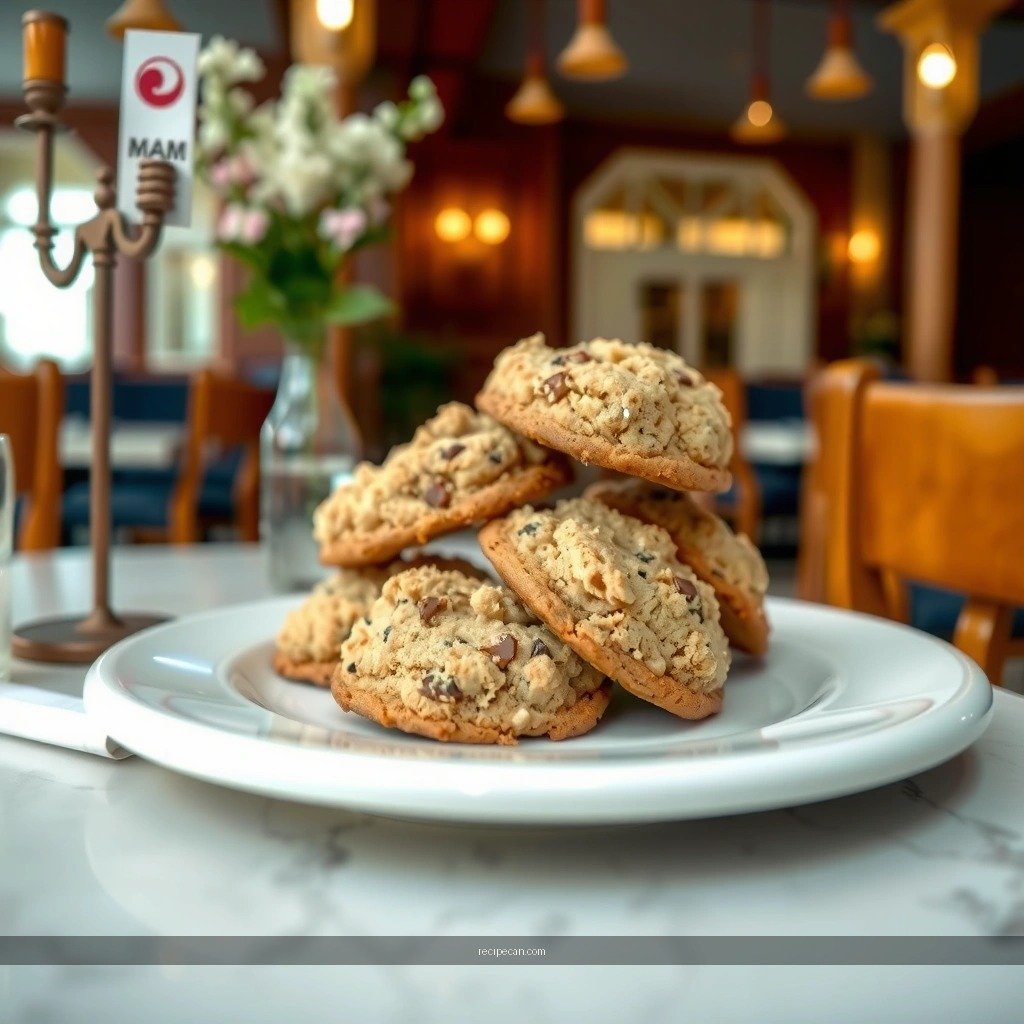
The “Crumbl effect” starts before the oven: it’s the dough balance (soft centers + structured edges), the resting/chilling (flavor development and controlled spread), and precise flour measurement (so the cookie bakes tender instead of dry).
– Use the right cookie dough balance for soft centers and crisp edges
A Crumbl-style cookie typically has enough fat (butter) and sugar to stay moist, plus enough flour to hold a thick mound rather than spreading flat. If you want that plush, bakery center, your dough should feel thick and scoopable—not stiff like bread dough and not runny like cake batter.
Practical check: when you scoop and drop the dough, it should hold shape with minimal slumping. If it spreads immediately, you likely need more flour (or less butter/sugar next time). If it won’t mound at all, your dough may be too dry.
– Follow chilling/resting steps for the best texture
Chilling is not optional if you’re chasing that soft-but-set texture. Resting time helps:
1) hydrate flour evenly,
2) relax gluten,
3) let butter re-solidify so the cookie rises and thickens instead of flattening.
For thick, Crumbl-like results, aim for at least 1 hour, and for even better flavor and chew, overnight is excellent. If you’re in a hurry, a minimum of 30 minutes still helps, but the texture won’t be as consistently “bakery.”
– Measure flour accurately to avoid dry cookies
The most common reason homemade copycat cookies fail is flour measurement. Baking is chemistry, and flour density varies widely by how it’s scooped.
Best practice: spoon flour into your measuring cup and level it—don’t pack it. If you have a kitchen scale, measure by weight (this removes guesswork). Dry cookies almost always trace back to too much flour or overbaking—not the recipe itself.
If you’re using a “mom’s recipe” as your foundation, treat it like a baseline. Then make micro-adjustments after your first bake: one batch gives you the data you need (spread, thickness, and doneness).
Choose the Best Mix-Ins and Flavors
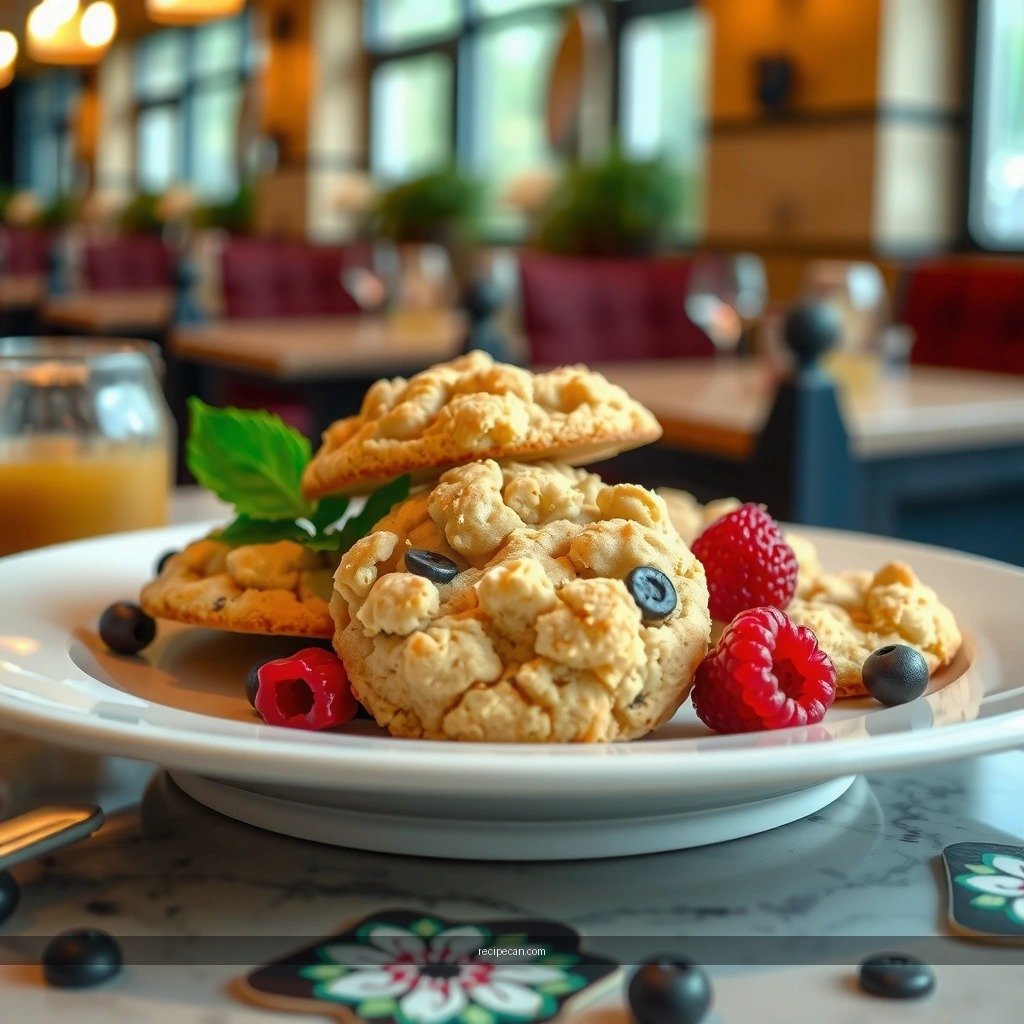
Crumbl rotates flavors often, but the mechanics don’t change: toppings and mix-ins must bake cleanly, stay visible, and create bursts of flavor without disappearing into the cookie.
– Match your topping ideas to Crumbl’s seasonal styles
Think in categories:
– Chocolate-forward (chips, chunks, cocoa crumbs)
– Caramel-forward (swirls, toffee pieces, dulce-style bits)
– Fruit-forward (berry jams, freeze-dried fruit powder, citrus zest)
– Crunch-forward (sprinkles, cookie crumbles, toasted nuts)
When you copy a seasonal style, focus on the “dominant note” first. For example, if it’s a birthday-cake vibe, you want a vanilla cookie plus colorful sprinkles and a sweet glaze—not a dozen competing flavors.
– Pick mix-ins (chocolate chips, sprinkles, chunks) that hold up after baking
Not all mix-ins behave the same. Here’s what typically works in a Crumbl-style texture profile:
– Chocolate chips: melt into pockets; use semi-sweet or milk chips depending on your frosting sweetness.
– Chocolate chunks: give more dramatic gooey bites; chop larger pieces so they don’t vanish.
– Sprinkles: add color and snap—fold in gently so they don’t bleed (especially in vanilla dough).
– Nuts: toast briefly for flavor and reduce sogginess risk.
Rule of thumb: keep mix-ins to about 25–35% of your dough mass for the cookie to remain tender and cohesive.
– Keep flavors bold but not overcrowded
A bakery cookie tastes “big” because each component is clear. If you overload mix-ins, the cookie becomes muddy and the frosting tastes overly sweet rather than rich.
Actionable strategy: Choose one mix-in type (e.g., chocolate chunks *or* sprinkles) and one flavor booster (e.g., vanilla bean, espresso powder, citrus zest). Let the frosting/dri zzle provide the second flavor note instead of burying it.
To bake like you’re calibrating a system, use consistency as your competitive advantage. Your best results will come from repeating the same dough scoop size and the same mix-in weight every time.
Crumbl-Style Cookie Performance Targets (Thick Scoops)
| # | Cookie size (scoop) | Chill time | Bake time @ 350°F | Expected center set | Texture reliability |
|---|---|---|---|---|---|
| 1 | 2.5 tbsp | 60–90 min | 10–11 min | Soft but not wet | ★★★★★ |
| 2 | 3 tbsp | 90–120 min | 11–12 min | Chewy center hold | ★★★★☆ |
| 3 | 3.5 tbsp | 2–3 hrs | 12–13 min | Set edges, tender middle | ★★★★☆ |
| 4 | 4 tbsp | overnight | 13–14 min | Thick chew, mild gloss | ★★★★★ |
| 5 | 2 tbsp | 30–45 min | 9–10 min | Soft center, faster set | ★★★☆☆ |
| 6 | 3 tbsp | 15–20 min | 10–11 min | Risk of spread | ★★☆☆☆ |
| 7 | 4 tbsp | 60 min | 12–13 min | May be underbaked | ★★★☆☆ |
Bake for the Perfect Color and Texture
Even the best dough can fail if it goes into the oven too hot (or out too late). The goal is a cookie that’s lightly golden at the edges with a tender center that finishes setting as it cools.
– Watch bake time closely so cookies stay soft, not overdone
Crumbl-style cookies often bake quickly, but the “right” time depends on your scoop size, oven calibration, and whether the dough was truly chilled. Start checking early—around the lower end of the time window—and adjust in seconds, not minutes.
Avoid the trap: if you wait until the cookie looks fully baked throughout, it will likely be overbaked once cooling finishes the process.
– Look for lightly golden edges while keeping the center tender
Visual cues are reliable:
– edges: matte and lightly golden
– center: still looks slightly underdone, but not raw or glossy liquid
– surface: set enough to hold shape, with a soft, thick profile
When you press the center gently, it should spring back slowly—not feel doughy.
– Let cookies cool properly to set the structure
Thick cookies continue to set after removal. A common best practice is:
– cool on the tray briefly (about 5 minutes), then
– move to a rack to finish cooling.
If you frost immediately while they’re very hot, the frosting can melt and slide. If you wait too long, toppings may look less “attached.” Your timing should match your frosting consistency and style.
Make the Signature Frosting or Drizzle
Crumbl’s look is part flavor, part presentation. The frosting should be creamy, spreadable, and stable—so it holds its shape, not puddles.
– Use a creamy frosting or glaze that spreads cleanly
For a classic approach, use a butter-based frosting or a thick glaze with powdered sugar. The right texture lands in between:
– too thin: it runs and disappears
– too thick: it tears the cookie surface
Adjustment method: add powdered sugar to thicken; add milk/cream (or a splash of vanilla-infused liquid) to loosen.
– Adjust sweetness and thickness to get the “Crumbl” finish
Many copycats are too sweet because they match store frosting directly. Instead, taste your frosting and balance it with a pinch of salt or a small amount of acidity (like a few drops of lemon) if the flavor calls for it—this keeps it bakery-like rather than candy-like.
– Add drizzle/topping while cookies are slightly warm or fully cooled (based on your style)
Use heat strategically:
– For drizzles (thin glaze): slightly warm cookies help the glaze cling.
– For piped frosting (thicker icing): cool cookies so the frosting sets with clean ridges.
If you want a neat “Crumbl border,” test with one cookie first—your timing determines whether the frosting sits flat or holds peaks.
Assemble Like a Crumbl-Ready Cookie
Assembly is where copycat cookies become “signature.” The aim is consistent portioning and intentional decoration—not random piling.
– Pipe frosting neatly or drizzle in layers for that classic look
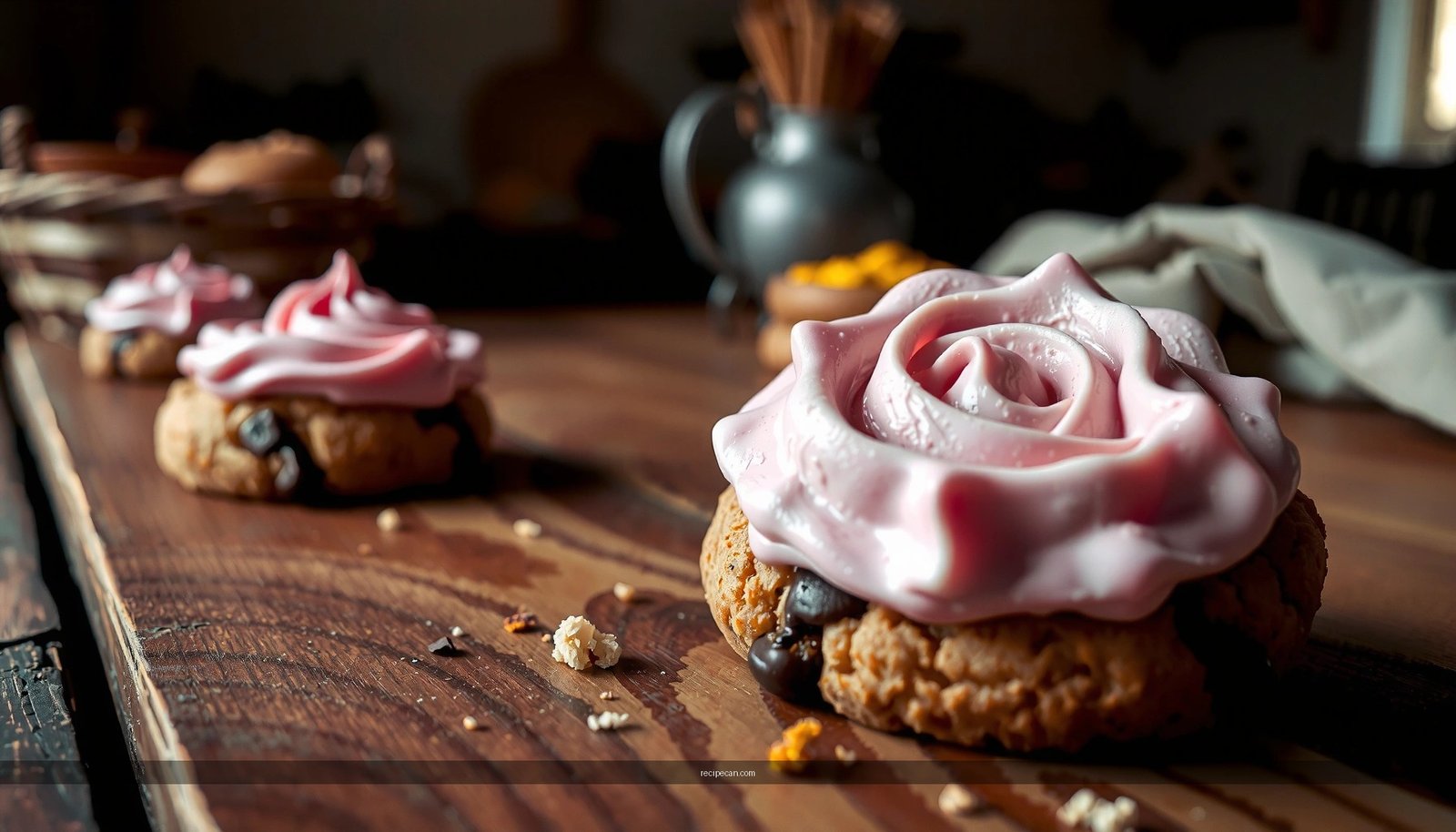
For piped frosting, use a consistent squeeze pressure and a predictable pattern (swirl, rosette, or ridged spiral). For drizzles, aim for a slow, controlled pour so the coating looks intentional rather than streaky.
– Add toppings right after frosting for maximum stick
Sprinkles, cookie crumbs, or chocolate pieces adhere best when the frosting is fresh. If frosting sets too long, toppings won’t grab and may fall off when you stack or store.
– Portion consistently so every cookie bakes the same
Consistency is what turns “home-baked” into “brand-style.” Use the same scoop size each time, and space cookies evenly on the tray. That way, your frosting application time and bake outcomes match.
Storage, Freezing, and Reheating Tips
To keep your mom’s recipe Crumbl cookies tasting fresh, manage moisture and texture after baking.
– Store in an airtight container to keep cookies soft
Soft cookies need controlled humidity. Once fully cooled, store in an airtight container at room temperature for up to a few days. If you live in a very humid climate, refrigeration can harden the dough—so consider short storage windows instead.
– Freeze dough or baked cookies for fresh “Crumbl” taste later
Two effective freezing options:
1) Freeze dough balls (pre-bake). Bake straight from frozen with slightly longer time.
2) Freeze baked cookies and thaw at room temperature.
For best frosting texture, freeze unfrosted cookies when possible, then frost fresh.
– Reheat briefly to refresh texture before serving
Reheating restores softness without drying out:
– Use a low microwave burst (10–15 seconds) or
– warm in an oven just until centers feel soft again.
Avoid extended heating—frosted cookies especially can lose their creamy top if reheated too long.
Baking mom’s recipe Crumbl cookies is all about nailing the dough, timing, and that signature frosting or drizzle. Try one flavor this week, take note of your bake time, and then repeat with your favorite Crumbl style—share your results or ask for the next copycat recipe you want.
Frequently Asked Questions
What is “mom’s recipe Crumbl” and why does it taste so similar to Crumbl cookies?
“Mom’s recipe Crumbl” typically refers to a homemade cookie style that replicates the flavors, chew, and frosting vibe people associate with Crumbl. Most versions focus on copycat techniques like creaming butter and sugar properly, using the right flour balance, and chilling the dough for the signature thick texture. The combination of buttery base and a generous frosting or glaze is what makes the homemade “Crumbl-style” outcome feel so familiar.
How do I make a mom’s recipe Crumbl-style cookie that stays thick and soft?
Start by using room-temperature butter and cream it with sugar until light and fluffy, then add eggs and vanilla carefully without overmixing. Chill the dough for at least 30–60 minutes so the cookies bake thicker instead of spreading too much. Bake just until the edges look set while the centers remain slightly soft, then let them cool on the tray briefly before transferring—this helps lock in that Crumbl-like chew.
Why do my mom’s recipe Crumbl cookies turn out flat or dry?
Flat cookies usually come from dough being too warm, under-chilled, or overmixed after adding flour, which can reduce structure. Dry cookies often happen when the cookies are overbaked or when flour is measured incorrectly (especially scooped too tightly). Try weighing ingredients for consistency, chilling the dough, and pulling the cookies when they’re just barely set for a softer, Crumbl-inspired texture.
Which frosting or topping works best for a mom’s recipe Crumbl cookie?
Cream cheese frosting, vanilla buttercream, and rich glaze-style toppings are the most popular choices for a Crumbl-style finish. For tangy cookie flavors, cream cheese frosting pairs especially well with chocolate, sugar, or cinnamon bases. If you want that bakery look, add a smooth layer on cooled cookies and consider a light sprinkle of flaky salt or cookie crumbs to make the “Crumbl vibe” pop.
What are the best flavor combinations for a mom’s recipe Crumbl copycat?
Classic crowd-pleasers include chocolate chip, sugar cookie with vanilla frosting, and cinnamon roll-inspired cookies with cream cheese icing. For a more “Crumbl-like” variety, people often love lemon with vanilla glaze, strawberry with whipped frosting, and peanut butter with chocolate drizzles. Choose one bold flavor as the base and keep the frosting complementary so the homemade Crumbl experience feels balanced rather than overly sweet.