Looking for the First Watch chia seed pudding recipe? This recipe delivers the closest match to the real First Watch style—tangy, creamy, and thick—using the right chia-to-liquid ratio and a quick rest time for perfect texture. If you want a dependable way to make it at home, this is the fastest route to a pudding that holds its shape and tastes spot-on.
First Watch-style chia seed pudding is straightforward: whisk chia seeds with milk (and a touch of sweetener), then refrigerate until the mixture gels into a thick, spoonable pudding. This guide gives you the exact stir-and-rest method plus practical ratio, texture, and topping tips so your homemade version matches the creamy, café-like result you want.
Ingredients You’ll Need
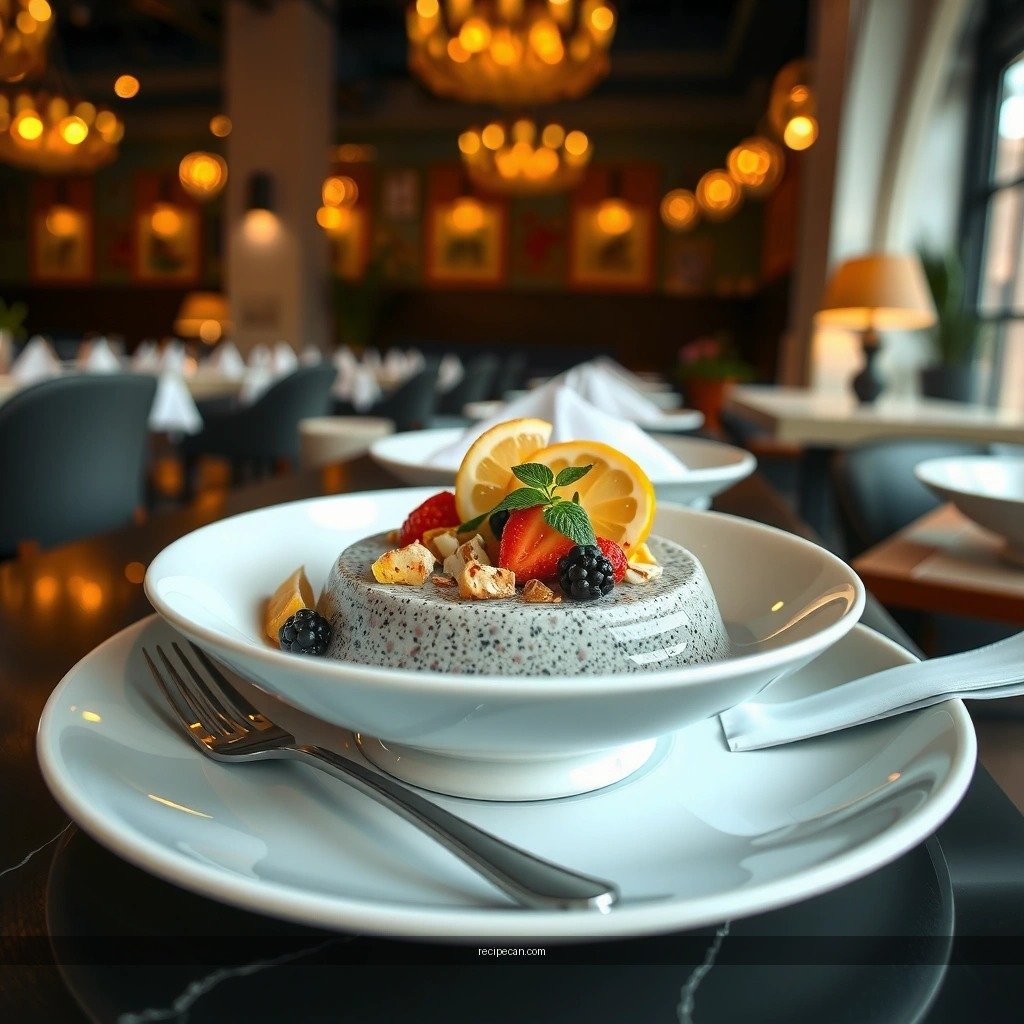
– Chia seeds and milk as the base for the creamy pudding
Chia seeds are the key ingredient that turns liquid into pudding. When hydrated, they form a gel that creates that signature First Watch–style texture—thick, creamy, and lightly elastic rather than custardy.
– Sweetener and flavoring options to match the classic taste
Classic chia pudding is often lightly sweet with warm flavor notes. You can keep it simple (vanilla + honey or maple) or build a more dessert-like profile (cinnamon, nut butter, cocoa).
Core Ingredients (1 serving)
– 3–4 tbsp chia seeds (about 30–40 g)
– 3/4 to 1 cup milk (240–300 ml), dairy or unsweetened alternative
– 1–2 tsp sweetener (honey, maple syrup, or sugar) — optional but recommended for a café-style finish
– Pinch of salt (optional, but it makes the flavor pop)
– Vanilla extract (1/2 tsp) or cinnamon (1/4 tsp) — optional
Quick ingredient guidance
– Milk choice matters. Whole milk yields the creamiest mouthfeel; unsweetened oat milk is also rich and works well for “First Watch” vibes. Almond milk is thinner unless you use a slightly higher chia ratio.
– Sweetener timing. Sweetener dissolves better when mixed thoroughly at the start, so whisk it in during the first step rather than adding later.
Chia Seed–to–Liquid Ratios for Spoonable Thickness (Refrigerated)
| # | Chia Seeds | Milk / Liquid | Time to Set (Fridge) | Texture Score |
|---|---|---|---|---|
| 1 | 3 tbsp | 1/2 cup (120 ml) | ~2–3 hr | ★★★★★ |
| 2 | 3 tbsp | 3/4 cup (180 ml) | ~4–6 hr | ★★★★☆ |
| 3 | 3 tbsp | 1 cup (240 ml) | ~6–8 hr | ★★★☆☆ |
| 4 | 4 tbsp | 1/2 cup (120 ml) | ~2–3 hr | ★★★★★ |
| 5 | 4 tbsp | 3/4 cup (180 ml) | ~4–6 hr | ★★★★☆ |
| 6 | 4 tbsp | 1 cup (240 ml) | ~6–8 hr | ★★★☆☆ |
| 7 | 2 tbsp | 1/2 cup (120 ml) | ~6–10 hr | ★★☆☆☆ |
Step-by-Step Recipe
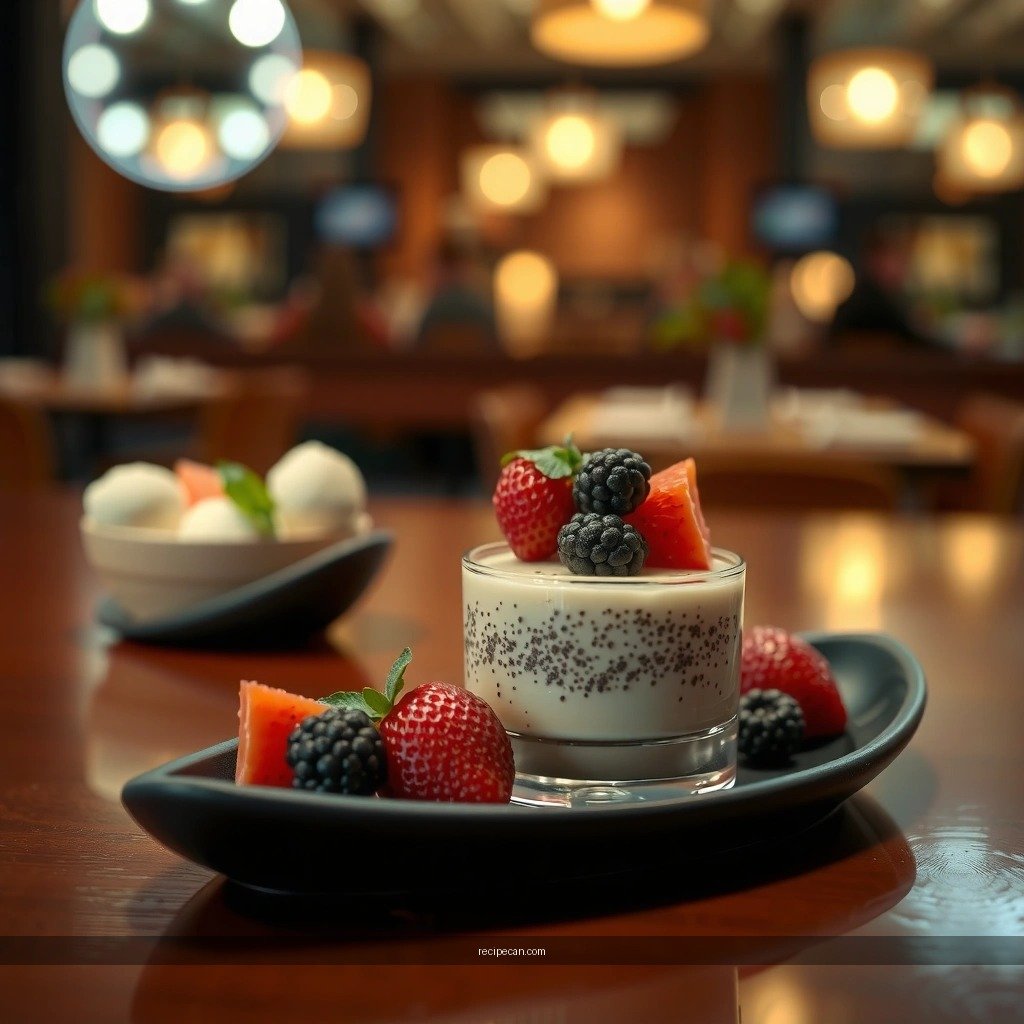
– Whisk everything together thoroughly to prevent clumps
The first whisk is where most “First Watch” texture success is made. Chia seeds can clump if they hydrate unevenly, so combine ingredients in a bowl and whisk until you no longer see dry pockets.
– Refrigerate and stir at intervals until it reaches pudding thickness
Chia needs time to absorb liquid and fully gel. The stir-and-rest approach ensures the seeds distribute evenly and the pudding becomes creamy, not grainy.
Method (makes 1 serving)
1. Combine base ingredients. In a bowl or jar, whisk chia seeds, milk, sweetener (if using), vanilla, and a pinch of salt.
2. Whisk again—actively. After 30–60 seconds of whisking, stop and scrape the sides/bottom. Whisk once more to confirm even distribution.
3. Rest in the refrigerator. Cover and refrigerate.
4. Stir at key intervals.
– Stir at 30 minutes to break up any early thickening.
– Stir again at 2–3 hours (or before bed if you’re making overnight).
5. Check texture and serve. After 4–8 hours, the pudding should be spoonable and thick. If it’s too tight, loosen with a splash of milk and stir.
Why this method works (analytical angle)
Chia seeds absorb water and swell, producing a gel network. Early whisking prevents localized hydration (clumps), while intermittent stirring disrupts settling. Refrigeration slows changes so the gel forms evenly—this is how you get that smooth, café-ready consistency rather than a lumpy bottom.
Best Tips for Texture (Thick & Creamy)
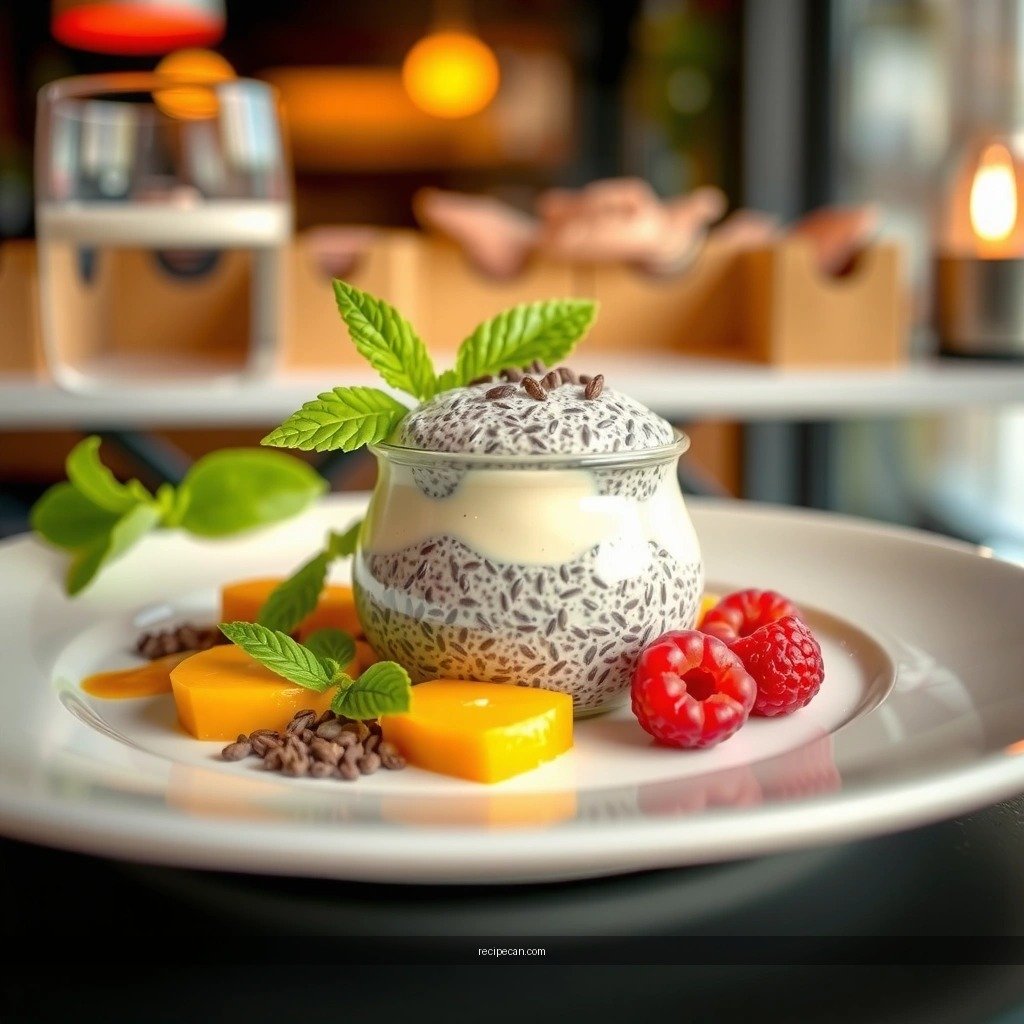
– Use the right seed-to-liquid ratio for a spoonable result
For a “First Watch-like” texture—thick but still scoopable—start around 3 tbsp chia per 3/4 cup milk. If you prefer a denser spoon, move toward 4 tbsp per 3/4 cup.
– Let it rest long enough so the chia fully gels
Chia keeps thickening as the gel network strengthens. If you serve too early, it can taste “watery” even if it looks partially set.
Practical texture troubleshooting
– Too runny after 4–6 hours: add 1 tbsp chia to the portion, stir well, and refrigerate another 1–2 hours.
– Too thick or firm overnight: stir in 1–3 tbsp milk until creamy. (This is normal—gel continues to tighten over time.)
– Grainy texture: usually means the mixture wasn’t whisked enough at the start or wasn’t stirred early. Fix by whisking aggressively before chilling next time, and consider soaking longer.
A process tip used in many café-style preps
Make the pudding in the container you’ll serve (or use individual jars). That reduces transferring, which helps maintain an even texture.
Flavor & Toppings Ideas
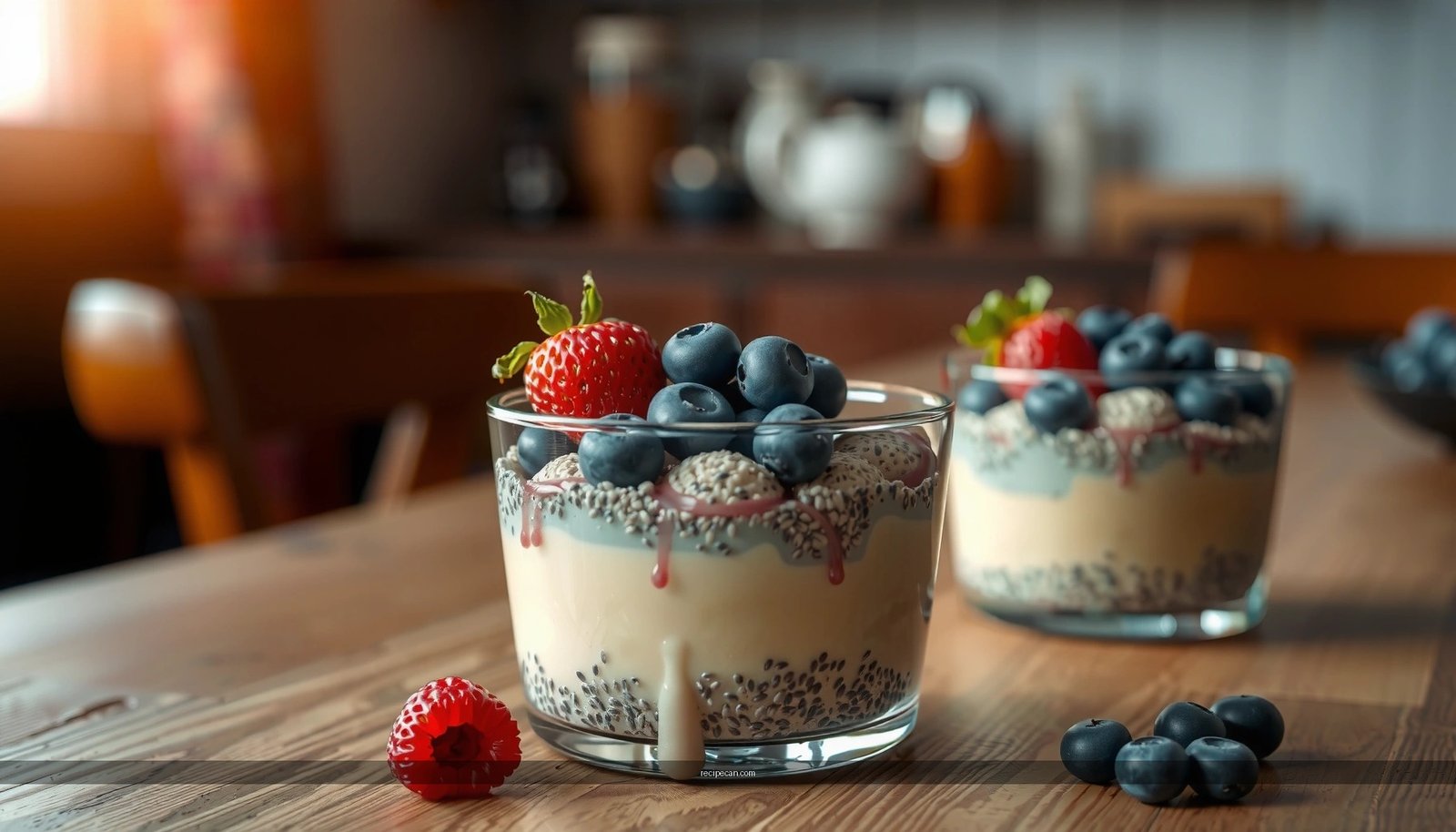
– Add fresh fruit or a drizzle of honey for sweetness
Bright fruit balances the earthy, nutty seed flavor. Honey (or maple) rounds it out, giving that mildly sweet finish typical of brunch menus.– Use vanilla, cinnamon, or nut butter for extra depth
Warm spices and nut butter add perceived richness—important because chia pudding doesn’t taste “rich” by default; it tastes “fresh” and “clean” unless you build flavor.
Topping combinations that consistently work
– Vanilla + berries + honey: adds sweetness without overpowering
– Cinnamon + banana slices + peanut butter: creates a dessert-like profile
– Cocoa + strawberries + a pinch of flaky salt: chocolate-fruit contrast
– Mango + coconut flakes: tropical, bright, and aromatic
Texture pairing rule
Top right before eating. Fresh fruit releases juice over time and can thin the pudding. If you want a thicker texture, add fruit on top at serving rather than mixing in.
Storage and Make-Ahead Instructions
– Store covered in the fridge for several days
Properly covered, chia pudding holds well because the gel structure stays intact. For best texture, aim to eat within 3–4 days.
– Stir well before serving if it thickens overnight
Chia continues to gel in the fridge. Stirring redistributes the gel and re-creams the texture.
Storage best practices
– Use airtight lids to prevent fridge odors from absorbing into the pudding.
– Keep toppings separate. Store fruit and crunchy toppings separately to maintain contrast.
– Freeze? Chia pudding can be frozen, but texture may change (it can become more firm or slightly separated when thawed). For most “First Watch” results, refrigerate only.
Common Mistakes to Avoid
– Don’t skip stirring early—this helps prevent seed clumping
Many people mix once and refrigerate. That often yields uneven hydration and occasional clumps, especially with thicker liquids or nut milks.
– Avoid serving too soon; chia needs time to set
“Partially set” chia can be disappointing: the taste can feel off, and the texture may be watery in pockets.
Two additional mistakes that matter
– Using sweetener too late: if you wait, you may end up with undissolved sweetness. Mix it in at the start for consistent flavor.
– Overloading toppings early: fruit juice and heavy syrups can thin the gel and reduce the spoonable texture.
First Watch-style chia seed pudding comes together with simple ingredients and a hands-off soak time. Make a batch, adjust sweetness and toppings to your taste, and refrigerate for a ready-to-grab breakfast—try it this week and share your favorite add-ins.
Frequently Asked Questions
What is the easiest first watch chia seed pudding recipe?
The easiest first watch chia seed pudding recipe typically uses chia seeds, milk (dairy or unsweetened non-dairy), and a sweetener like maple syrup or honey. Let the mixture sit so the chia seeds thicken into a creamy pudding, usually 2–4 hours or overnight for the best texture. For a more “café-style” result, stir well first and avoid leaving it un-mixed, because chia tends to clump if not combined properly.
How do you make first watch chia seed pudding thick and creamy?
To make first watch chia seed pudding thick, use the right chia-to-liquid ratio and give it enough chilling time—overnight is ideal. After mixing, refrigerate covered and stir again after 15–30 minutes if you want extra smoothness, then once more before serving. Using full-fat milk or letting it soak longer also improves creaminess and reduces a watery texture.
Why does chia seed pudding get watery, and how can you prevent it?
Chia seed pudding can turn watery when there isn’t enough chia or when it hasn’t had time to fully hydrate in the refrigerator. Another common issue is using too much liquid or sweetened beverages that change the consistency. Measure carefully, use the recommended ratio, and let the pudding rest at least 4 hours (or overnight) so you get that classic first watch chia pudding thickness.
Which milk works best for first watch style chia seed pudding?
For a first watch chia seed pudding recipe that tastes rich and creamy, dairy milk like whole milk works especially well. If you prefer a non-dairy option, choose unsweetened oat milk for a naturally creamy texture, or almond milk for a lighter result. Whichever you choose, match the consistency by slightly adjusting liquid if your pudding looks too thin after soaking.
Best way to serve first watch chia seed pudding toppings and flavor ideas?
The best way to serve first watch chia seed pudding is to layer it cold with fresh fruit, a drizzle of maple syrup, and a crunchy topping like granola or toasted nuts for contrast. Popular flavor pairings include vanilla, cinnamon, mixed berries, mango, or peaches, which complement the creamy chia base without overpowering it. For meal prep, keep toppings separate until serving so the pudding stays thick and the toppings don’t get soggy.
References
- Google Scholar Google Scholar
https://scholar.google.com/scholar?q=first+watch+chia+seed+pudding+recipe - Google Scholar Google Scholar
https://scholar.google.com/scholar?q=chia+seed+pudding+recipe+soaked+chia+seeds - Google Scholar Google Scholar
https://scholar.google.com/scholar?q=chia+seed+gel+formation+hydration+viscosity - Chia
https://en.wikipedia.org/wiki/Chia - Does sunscreen expire? – Mayo Clinic
https://www.mayoclinic.org/healthy-lifestyle/nutrition-and-healthy-eating/expert-answers/chia-seeds/faq-20057957 - Chia | Description, Plant, & Nutrition | Britannica
https://www.britannica.com/plant/chia - Omega-3 Fatty Acids – Consumer
https://ods.od.nih.gov/factsheets/Omega3FattyAcids-Consumer/ - https://pubmed.ncbi.nlm.nih.gov/?term=chia+seed+gel+viscosity+hydration
https://pubmed.ncbi.nlm.nih.gov/?term=chia+seed+gel+viscosity+hydration - https://pubmed.ncbi.nlm.nih.gov/?term=chia+seeds+dietary+fiber+health+effects
https://pubmed.ncbi.nlm.nih.gov/?term=chia+seeds+dietary+fiber+health+effects - https://pubmed.ncbi.nlm.nih.gov/?term=Salvia+hispanica+chia+seed+cardiovascular+metabolic+health
https://pubmed.ncbi.nlm.nih.gov/?term=Salvia+hispanica+chia+seed+cardiovascular+metabolic+health