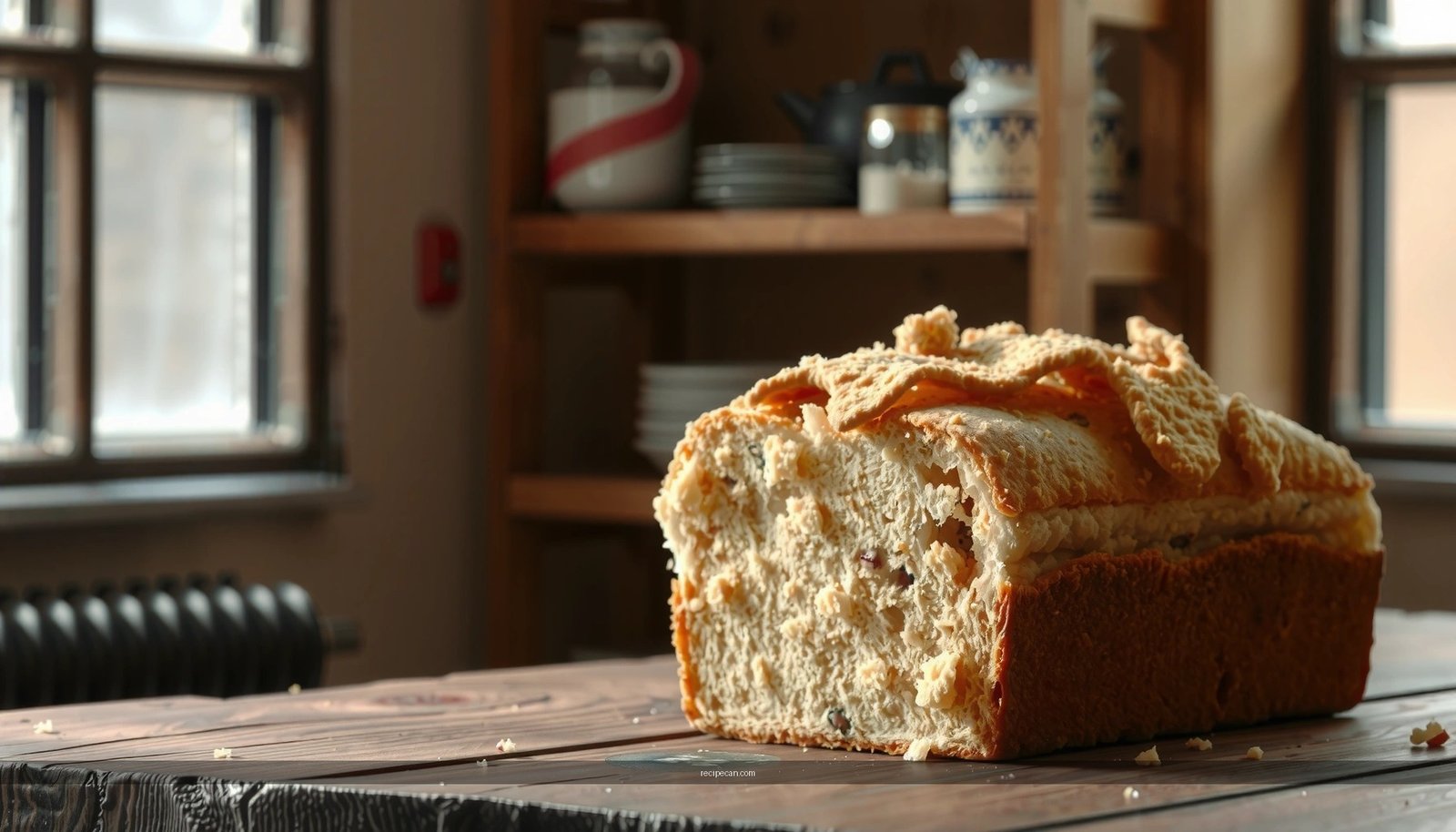
Get a perfect crumble bread recipe with a crisp, buttery topping and a tender crumb every time. This guide answers how to make crumble bread that stays crunchy, with the right butter-to-flour ratio and bake time tuned to achieve deep golden crumbles. Follow the steps and you’ll know exactly what to do from first mix to the final slice.
This crumble bread recipe delivers crispy, buttery crumbs by using slightly stale bread, tossing it with well-measured fat and simple seasonings, then baking or toasting until golden and fragrant. Follow the steps below—especially the breadcrumb size and heat control—and you’ll get a reliable crunch whether you’re topping soups, salads, or casseroles.
What You Need for a Crumble Bread Recipe
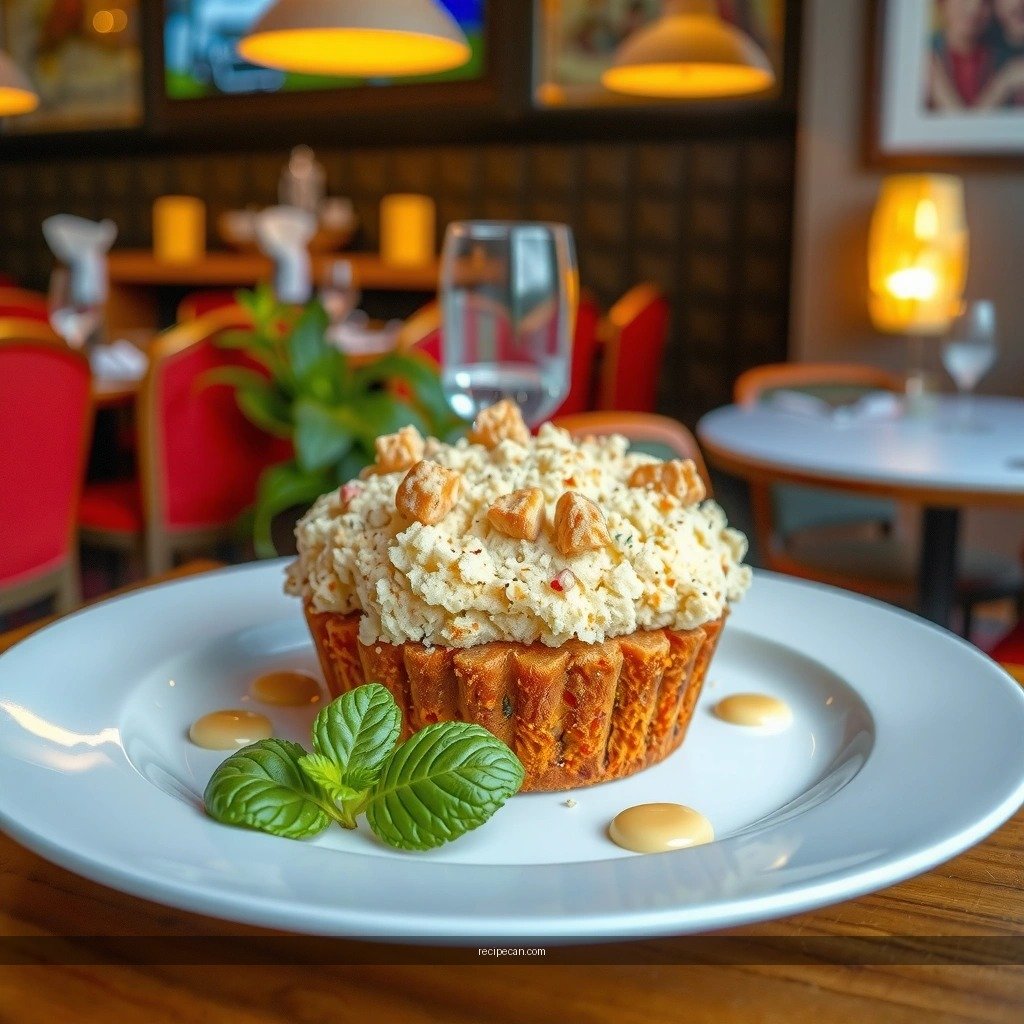
A great crumble bread (also called crispy crumb topping) is built on balance: dry texture for crunch, enough fat for browning, and seasonings that amplify—not overwhelm—the base bread.
– Use slightly stale bread for the best crunch and texture
Fresh bread steam-cooks during baking, which can dull crispness. Slight staling (like bread from the day before) dehydrates the crumb structure just enough to crisp up faster and hold its crunch longer.
– Gather butter (or olive oil), seasonings, and a baking tray
– Butter is the classic choice: it browns quickly, creating nutty, golden flavor.
– Olive oil is a strong alternative when you want a lighter, more neutral fat profile (and it browns reliably in high heat).
– A baking tray is essential for even airflow and crisping—don’t overcrowd, or you’ll steam instead of toast.
– Optional add-ins: garlic powder, herbs, or grated cheese
These are where you tailor crumble bread to your meal:
– Garlic powder adds “bakeshop” aroma without burning like fresh garlic.
– Dried herbs keep their flavor stable under heat.
– Grated cheese melts slightly into crumbs, boosting savoriness and forming extra crispy edges.
Crispness Planning Guide for Crumble Bread (By Bread Type)
| # | Bread Type | Target Cook Time | Best Crisp Result | Outcome Score |
|---|---|---|---|---|
| 1 | Sourdough loaf | 8–12 min @ 425°F (220°C) | Shattered, golden crumbs | ★★★ 8/10 |
| 2 | Baguette | 7–10 min @ 425°F (220°C) | Light crunch, airy texture | ★★★ 7.5/10 |
| 3 | Ciabatta | 9–13 min @ 425°F (220°C) | Crunch with chewy pockets | ★★★ 7/10 |
| 4 | White sandwich bread | 11–15 min @ 425°F (220°C) | Fine, crisp flakes | ★★ 6.5/10 |
| 5 | Rye bread | 12–16 min @ 425°F (220°C) | Toasty, deeper color | ★★★ 7/10 |
| 6 | Whole wheat bread | 12–15 min @ 425°F (220°C) | Crisp with hearty bite | ★ 5.8/10 |
| 7 | Gluten-free bread (bake-ready) | 10–14 min @ 400°F (205°C) | Crisp but less “shatter” | ★ 5.5/10 |
How to Prep the Bread for Crumble
Preparation largely determines the final crunch. Your goal is to create crumbs that dry and brown evenly while still leaving some variation for texture contrast.
– Cut or break bread into small, even pieces
Uniformity helps prevent “burned bits + soft middles.” A practical target is roughly 1/4 to 1/2 inch pieces. If you’re using larger chunks, they may remain tender even after the tray looks golden.
– Pulse briefly (or rub with your hands) for a crumbly texture
For a more consistent crumble:
– Pulse 2–4 times in a food processor, stopping while you still see some irregularity.
– Or rub between your hands for a rustic crumb that toasts quickly without turning dusty.
– Aim for varied sizes to create better crunch
This is a counterintuitive but effective technique: a mix of small and medium crumbs creates a “topography” of crispness. Smaller pieces brown faster, while larger ones crisp more slowly—resulting in a more complex bite instead of one uniform texture.
Make the Crumble Mixture
The mixture step is where you lock in flavor and ensure the crumbs brown rather than just dry out. The best crumble bread toppings feel lightly coated—never greasy.
– Toss crumbs with melted butter and your seasonings
Start with a balanced base (easy for most batches):
– 1 cup crumbs (from about 1/2 to 2/3 lb / 225–300 g bread, depending on loaf density)
– 2 to 3 tablespoons melted butter (or olive oil)
– 1/2 teaspoon salt, plus freshly cracked black pepper to taste
Melt first, then toss thoroughly so the fat distributes across every surface.
– Spread evenly so it browns uniformly
Use parchment-lined trays if possible to prevent scorching. Spread in a thin layer—think “single layer with minimal overlap.” If your crumbs pile up, steam builds and the topping won’t crisp.
– Add cheese or herbs at this stage for maximum flavor
Incorporate them after the fat so they adhere to crumbs:
– Cheese (parmesan, pecorino, or cheddar) adds savoriness and creates tiny crispy clusters.
– Herbs (dried parsley, thyme, oregano) should be added early enough to toast, but not so late that they remain raw.
Tip: If you want a stronger “baked” garlic note without bitterness, use garlic powder instead of fresh garlic.
Bake or Toast for the Best Crumble
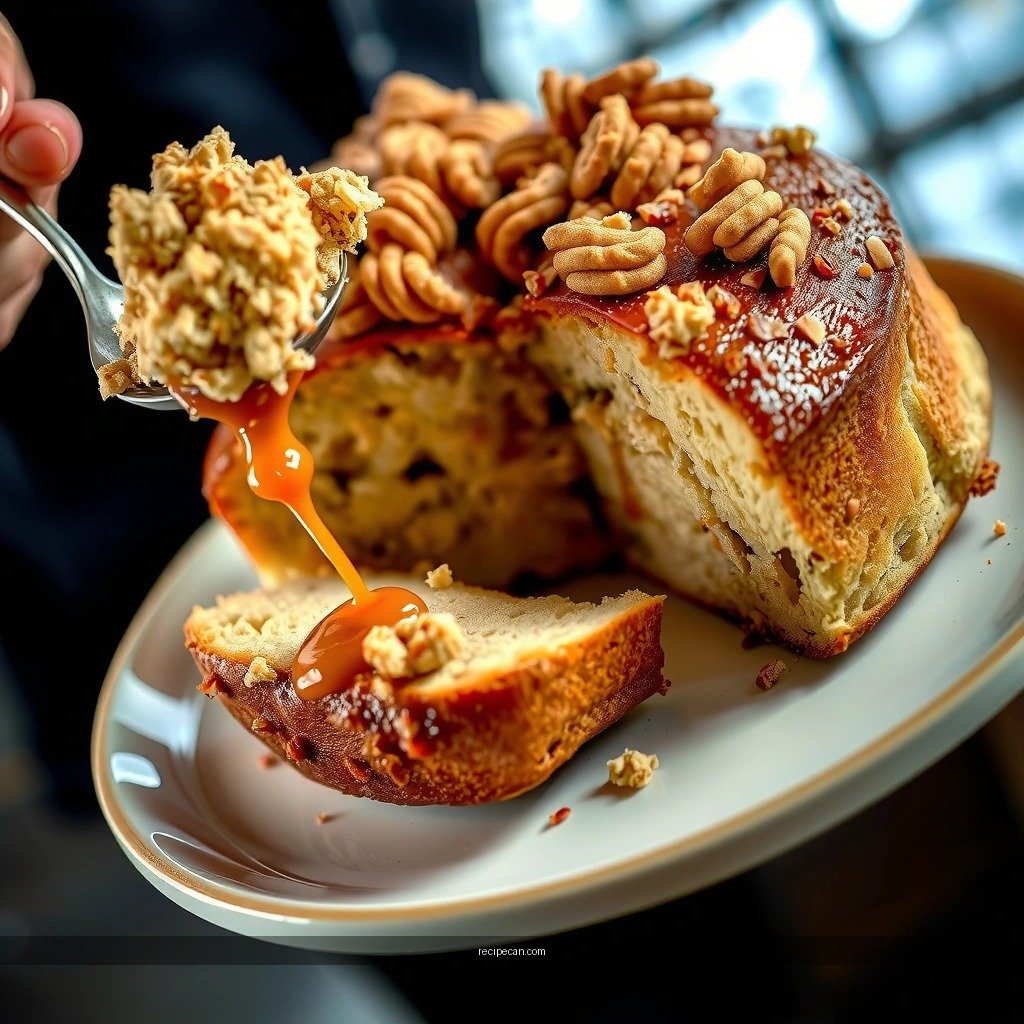
This is the step where most people either under-crisp or over-brown. The fix is simple: high heat, thin layer, and monitoring.
– Bake at high heat until golden and crisp, stirring once halfway
Bake at 425°F (220°C) for most breads. Typical timing is 7–15 minutes, depending on crumb size and bread density. Stir halfway to expose new surfaces to heat—this improves crispness without drying out everything uniformly.
– Or toast in a skillet for quick, stovetop crunch
For faster control:
– Heat a skillet on medium-high.
– Add crumbs and stir frequently until golden (usually 4–7 minutes).
– This method is excellent when you’re making a small batch and want to avoid oven variability.
– Watch closely—crumbles go from golden to burnt fast
Crumb toppings have a narrow “sweet spot.” Start checking at 6–8 minutes in the oven, then every 1–2 minutes after they begin to brown. Pull them when they’re golden, not dark brown. They continue to crisp as they cool.
Flavor Variations to Try
Once you master the base crumble bread recipe, the best approach is to treat variations like “seasoning frameworks.” Each one changes aroma and pairing potential while keeping the crunch method consistent.
– Classic: butter, salt, pepper, and garlic powder
This is your universal topping for vegetables, pasta bakes, and creamy soups. If you want extra lift, add a pinch of onion powder along with garlic powder.
– Herby: parsley, thyme, and a touch of lemon zest
Herby crumble bread works particularly well over roasted tomatoes, chicken, and winter greens. Lemon zest should be added before baking so the oils perfume the crumbs—but keep the amount modest to prevent bitterness.
– Cheesy: parmesan or cheddar blended into the crumbs
Use parmesan for a dry, crisp finish and cheddar for a more robust, savory crust. For best results, use finely grated cheese so it melts into the crumb texture rather than clumping.
Business-style tip: if you’re preparing toppings ahead for events, build two “flavor SKUs”—Classic and Cheesy—because they’re broadly appealing and hold quality well.
Storage and Serving Tips
Crumble bread is at its best when fresh-crisp, but with the right handling it can still perform days later.
– Cool completely before storing to keep it crisp
Hot crumbs release steam as they rest, which softens texture. Let the tray cool fully before transferring.
– Store airtight for a few days (or freeze for longer)
– Short term: store in an airtight container at room temperature for up to 3–4 days.
– Longer term: freeze in a sealed bag or container for up to 2–3 months.
When reheating, use a short oven re-toast (about 3–5 minutes at 350°F / 175°C) to restore crunch.
– Serve on soups, salads, casseroles, or as a topping for roasted veggies
Crumble bread excels where you need contrast:
– Soups: add at the last moment so the topping stays crisp.
– Salads: toss lightly or serve on the side for controlled texture.
– Casseroles: sprinkle before serving (or during the final few minutes of baking for deeper browning).
– Roasted vegetables: finish with crumble immediately after roasting for maximum adherence and crunch.
Practical pairing suggestions:
– Classic crumble: creamy soups, roasted potatoes, pasta primavera
– Herby crumble: roasted carrots, lemony chicken, hearty salads
– Cheesy crumble: baked mac and cheese, gratins, mushroom dishes
Crispy crumble bread is easy: prep the right bread, mix with butter and seasonings, then bake or toast until golden. Make a batch now, try one flavor variation, and use it as your go-to topping for extra crunch all week.
Frequently Asked Questions
What is the best crumble bread recipe for a quick homemade breakfast?
A simple crumble bread recipe starts with a soft bread base (sourdough, brioche, or day-old slices) topped with a buttery crumble made from flour, brown sugar, cinnamon, and cold butter. Toast or bake until the topping is golden and the bread is warmed through. For extra flavor, add a pinch of salt and optionally chopped nuts or rolled oats to the crumble. This method works great for breakfast because it’s fast, customizable, and produces a crisp, sweet topping.
How do you make crumble bread without it turning dry or hard?
To avoid dry crumble bread, use cold butter and don’t overmix the crumble—stops prevent the topping from becoming too dense. Bake just until the crumble is set and lightly browned, and keep the bread slightly protected by the topping so it doesn’t dry out. If you’re using lean bread, lightly butter or drizzle it with milk/cream before adding the crumble to help retain moisture. Let it rest for a few minutes after baking so the texture sets without becoming hard.
Why does my crumble topping get soggy, and how can I prevent it?
Soggy crumble bread topping usually happens when excess liquid comes from fruit, custard, or melted butter and doesn’t have time to evaporate. Use drained fruit (or thicken fillings with a little cornstarch) and keep the crumble layer relatively even and not overly thick. Bake on the top-middle rack and consider a slightly higher oven temperature near the end to re-crisp the topping. For best results, avoid covering the bread while it bakes so steam can escape.
Which bread works best for a crumble bread recipe—sourdough, brioche, or something else?
Brioche and challah are popular choices because their richness helps the crumb stay tender under the crumble topping. Sourdough gives a firmer texture and a tangy flavor that pairs well with cinnamon and brown sugar. If you want a lighter result, use a soft white bread but consider brushing it with a little butter or milk first. For the easiest consistency, day-old bread absorbs flavors better while still baking up nicely.
How do you store and reheat crumble bread so it stays crisp?
Cool crumble bread completely, then store it in an airtight container at room temperature for up to a day, or refrigerate for 2–3 days. To reheat and keep the crumble crisp, use an oven or toaster oven at about 325°F/160°C until warmed through, rather than microwaving. If the topping softens, a brief 1–2 minutes under a broiler can help re-crisp it—watch closely to avoid burning. This approach preserves the best crumble bread texture without drying out the bread base.