Get the caramelized pudding recipe that delivers a flawless caramelized custard with a crackling top and silky set every time. This guide walks you through making the perfect caramel (so it doesn’t burn) and baking the custard to the exact texture—never runny, never rubbery. If you want the most reliable method for caramelized pudding, this is the winner.
Bake caramelized pudding by cooking sugar to a deep amber caramel, pouring it over warm custard, and baking gently until set. If you focus on two control points—(1) caramel color and (2) slow, even heat in a water bath—you’ll get a silky, creamy custard beneath a glossy caramel top every time.
Choose Ingredients for Caramelized Pudding
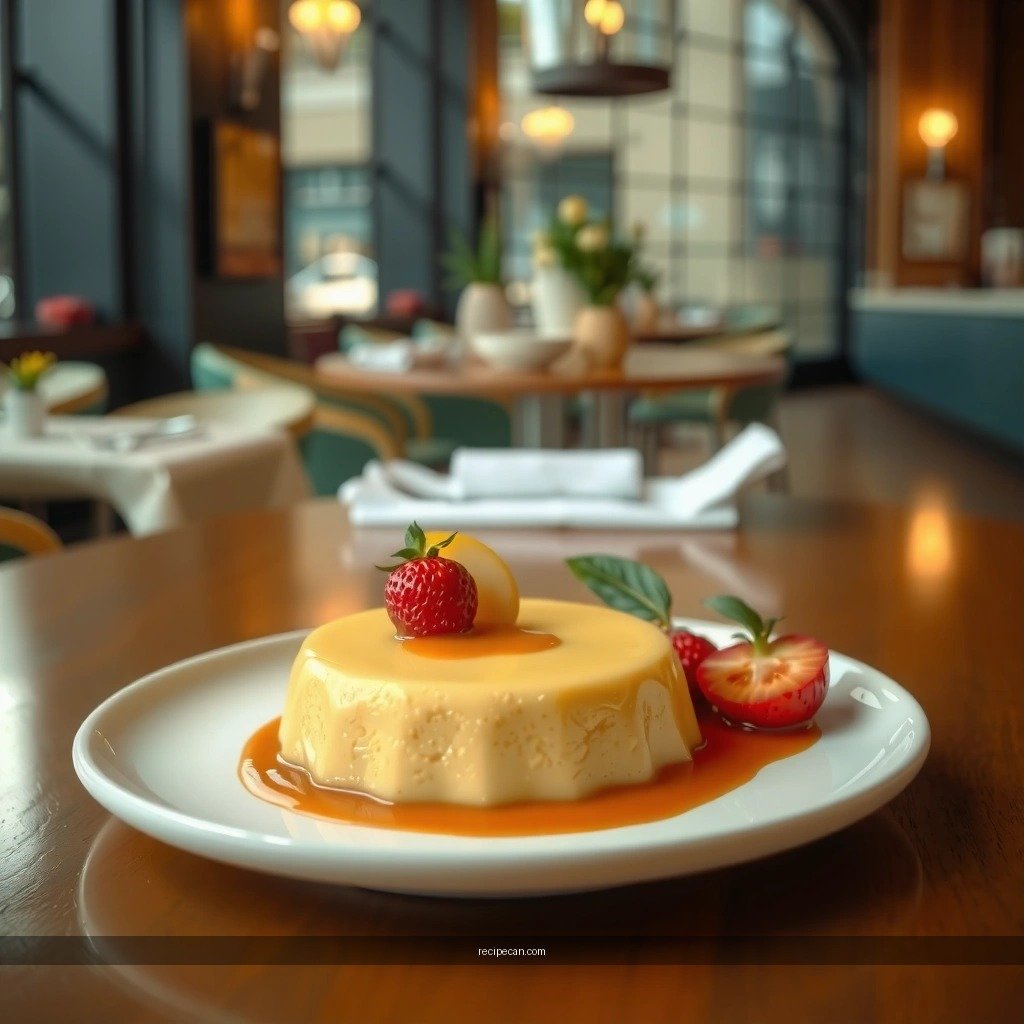
High-quality caramelized custard starts with the right ratios and ingredients that behave predictably under heat. This dessert is essentially two systems working together: a caramel layer (driven by sugar chemistry) and a custard layer (driven by egg coagulation and dairy proteins).
– Use sugar for caramel, plus milk/cream and eggs for the custard base
For best texture, use a mix of whole milk and heavy cream. Milk provides structure and dairy flavor, while cream increases richness and helps the custard stay smooth rather than brittle. Eggs provide the emulsification and coagulation needed for a custard that slices cleanly.
– Add vanilla (or another flavor) for classic aroma and depth
Vanilla adds a “finished dessert” note that makes caramel taste more complex (think toasted sugar, floral warmth). You can use vanilla extract or a vanilla bean—just keep vanilla additions modest so they don’t overwhelm the caramel. Citrus zest (orange or lemon) is also excellent if you want a brighter finish.
– Keep measurements precise to avoid a runny or rubbery texture
Custard texture is extremely sensitive to liquid-to-egg ratios and bake temperature. Too much dairy or too little baking time can yield a soft center; too much time/heat can tighten the proteins and create a slightly rubbery mouthfeel. Measure milk/cream and eggs carefully, and avoid substituting low-fat dairy unless you’re prepared for a firmer, less creamy set.
Practical ingredient guide (what matters most)
– Sugar type: Granulated sugar caramelizes reliably; superfine dissolves faster but can darken quickly.
– Eggs: Use large eggs for consistent coagulation.
– Dairy temperature: Warm dairy helps the egg mixture blend smoothly and reduces the chance of curdling.
Make the Caramel Base
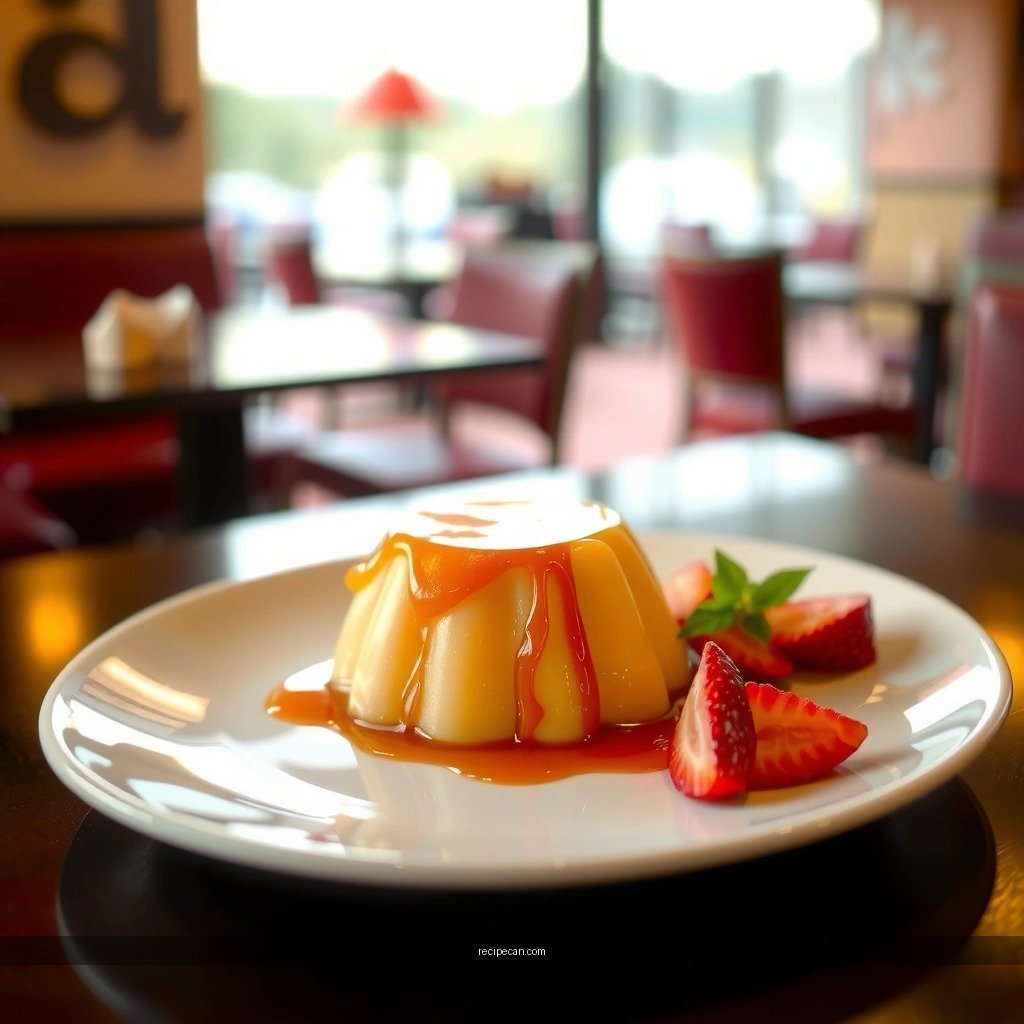
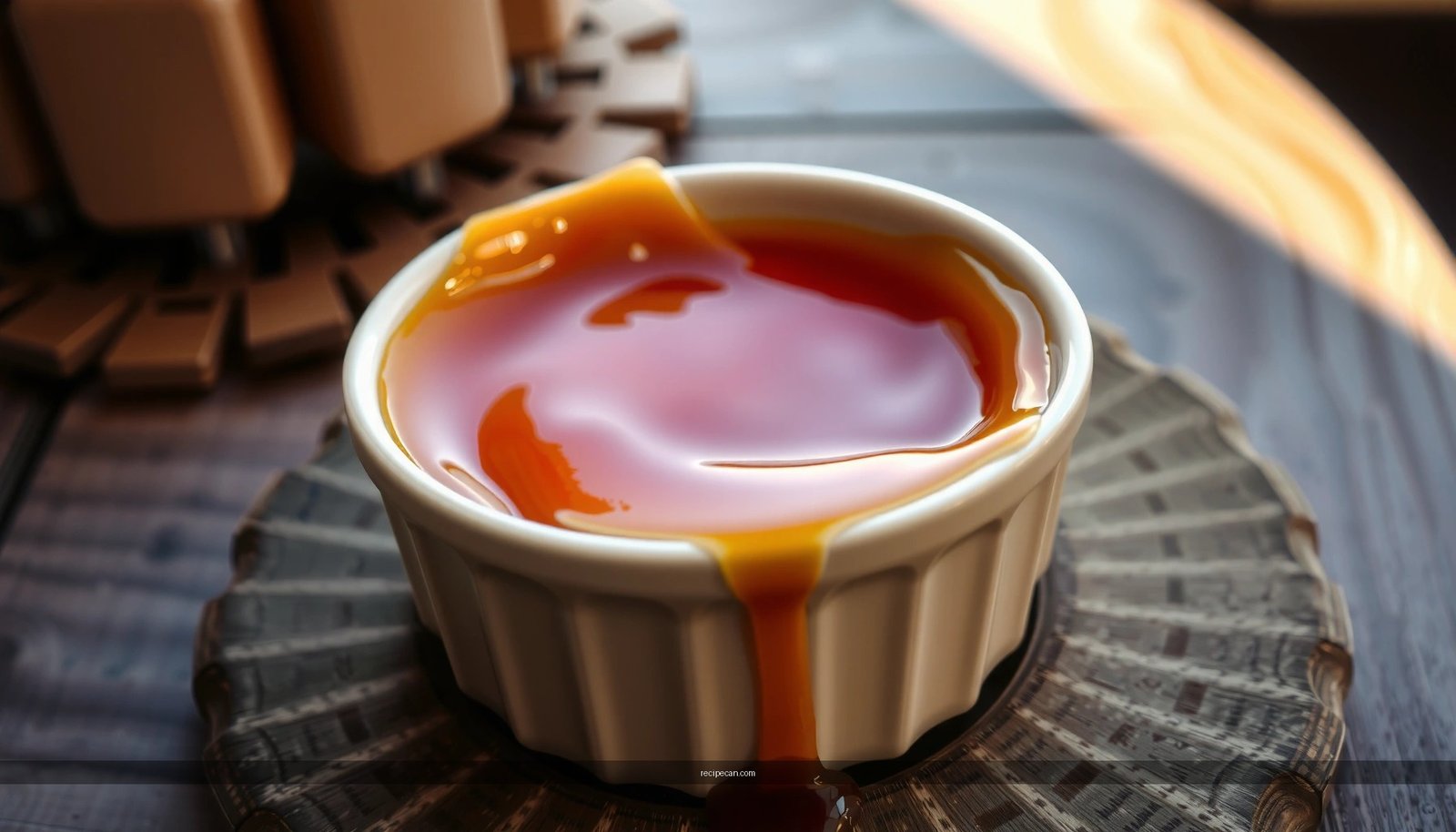
The caramel layer is where the dessert earns its name—and where most first attempts go wrong. The goal isn’t “brown sugar,” it’s deep amber caramel with a fragrant, slightly nutty aroma. Dark caramel tastes bitter; light caramel turns sticky or overly pale.
– Heat sugar (optionally with a little water) until it turns amber and fragrant
You can caramelize dry sugar or sugar with a small splash of water. Adding a little water reduces scorching at the beginning and helps even melting. As the sugar melts, resist stirring constantly—swirl occasionally and watch color closely. Caramel progresses fast from amber to burnt.
– Carefully pour caramel into ramekins to coat the bottom evenly
Work with pre-positioned ramekins so you can pour immediately once the caramel hits the right shade. Rotate each ramekin so the caramel coats the bottom in a thin, even layer. This is what later unmolds into a glossy “top.”
– Work quickly, since caramel can harden as it cools
Caramel thickens as it cools and can seize in the pan. If needed, warm the caramel briefly to restore pourability—don’t keep cooking it darker, or the flavor will turn harsh.
When to stop cooking: Aim for a deep amber (not dark brown). A correctly cooked caramel should smell like toasted sugar or toffee, not smoke.
Caramel Color Targets vs. Flavor Outcome (Practical Baking Guide)
| # | Caramel Visual Stage | Approx. Temperature | Aroma | Best Use | Baker Rating |
|---|---|---|---|---|---|
| 1 | Light Gold | 320°F / 160°C | Sweet, raw sugar | Caramel flavor starter | ★★★☆☆ |
| 2 | Golden Amber | 340°F / 171°C | Toffee begins | Okay, slightly soft flavor | ★★★★☆ |
| 3 | Deep Amber (Target) | 350–356°F / 177–180°C | Nutty, toasted sugar | Classic caramelized pudding | ★★★★★ |
| 4 | Dark Amber | 358–365°F / 181–185°C | More bitter edges | Best for deeper, less sweet profiles | ★★★★☆ |
| 5 | Brown (Burn Risk) | 366–370°F / 186–188°C | Smoke-adjacent smell | Avoid for custard desserts | ★★☆☆☆ |
| 6 | Bitter Brown + Seized | ≥370°F / ≥188°C | Burnt, acrid | Only salvage with strong dilution (risky) | ★☆☆☆☆ |
| 7 | Caramel that Cools Too Fast (Hard Set) | N/A (timing dependent) | Toffee but thick | Reheat to pourable consistency | ★★★☆☆ |
Prepare the Pudding Custard
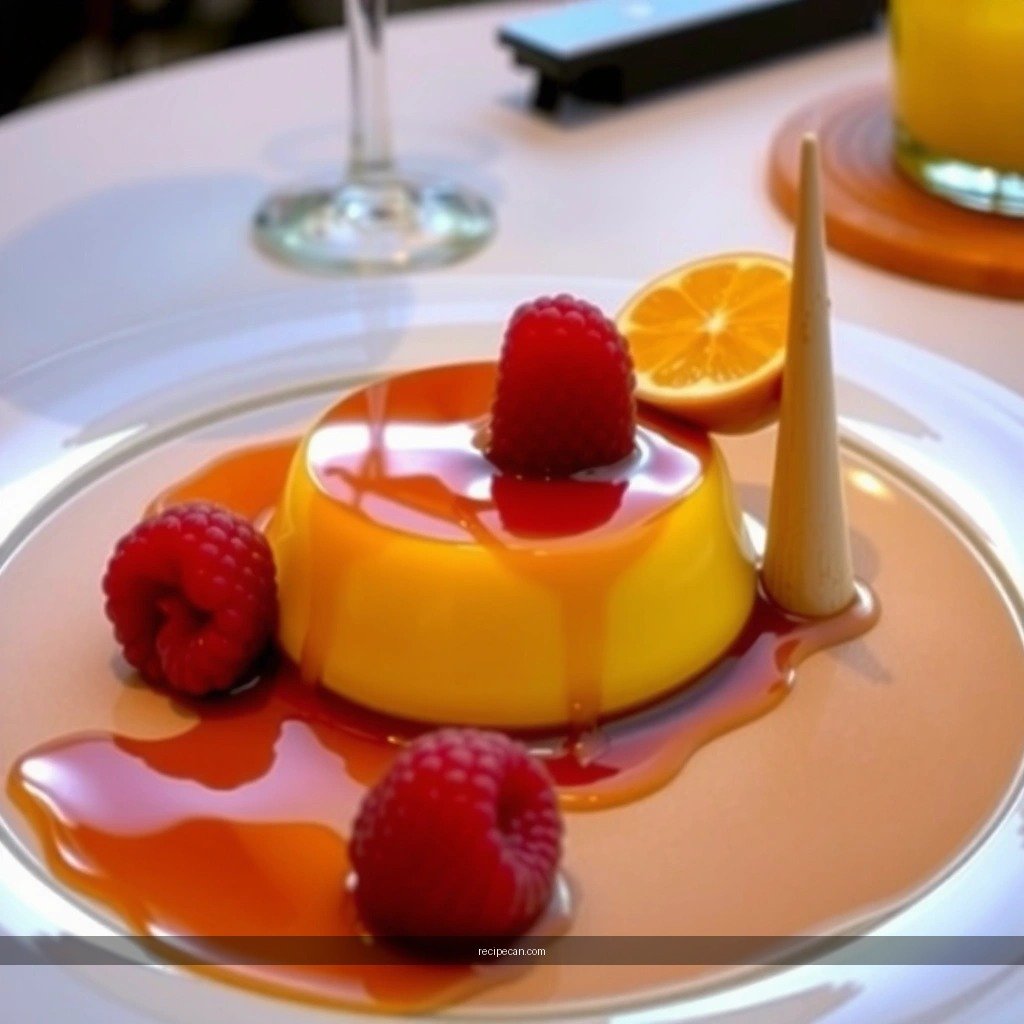
The custard stage determines whether your caramelized pudding is creamy and cohesive or disappointingly grainy. Even when caramel looks perfect, poor custard technique can cause curdling, uneven setting, or weeping.
– Whisk eggs and warm dairy until smooth, avoiding excess bubbles
Warm dairy (not boiling) helps eggs incorporate evenly. Whisk gently—vigorous mixing introduces bubbles that can expand in the oven, creating a pocked surface and uneven texture.
– Strain the mixture for a silky, lump-free custard
Straining is a professional shortcut that removes any egg bits and ensures a uniform custard. Even experienced bakers benefit from this step, especially when you want a clean, high-end finish.
– Sweeten and flavor to taste while keeping the custard balanced
Caramel already brings sweetness and bitterness complexity. Start with a measured amount of sugar in the custard, then adjust. Vanilla is the classic pairing; a small pinch of salt also enhances caramel flavor and tightens perceived sweetness.
Quality checks you can do before baking
– The custard should be smooth like heavy cream, not frothy.
– If you see foam on top, skim it off or wait a few minutes for bubbles to subside.
– Use the custard promptly—custard can thicken slightly as it cools, which affects final set.
Bake to the Perfect Set
Baking is the controlled “coagulation window” where eggs transform from liquid to custard. The water bath reduces temperature spikes, preventing curdling and promoting a tender, uniform set across each ramekin.
– Bake in a water bath to prevent curdling and ensure gentle heat
Place ramekins in a roasting pan and add hot water until it reaches about halfway up the sides. Use hot tap water or a kettle—cold water drops oven temperature and can lengthen bake time unpredictably.
– Check doneness: the center should jiggle slightly but not be liquid
Look for a gentle wobble in the center. If the center sloshes like liquid, it needs more time. If it doesn’t jiggle at all, you likely baked too long—resulting in a tighter, less creamy custard.
– Cool fully to let the pudding firm up as it chills
After baking, cool ramekins at room temperature, then refrigerate. Chilling allows the custard to fully set and the caramel to rehydrate slightly, improving unmolding and shine.
Oven temperature note: Many home ovens run hot or cold. The water bath helps, but don’t ignore accuracy—if you bake often, consider using an oven thermometer.
Serve and Get the Best Caramelized Top
This is where your caramelized pudding turns into a showpiece. Proper chilling and careful unmolding are the difference between a glossy top and a messy dessert.
– Chill before serving to make unmolding easier and cleaner
Refrigerate long enough for the custard to firm and the caramel to become sliceable-but-wet. Skipping this step can cause sticking or tearing.
– Run a knife around the edge, then invert onto a plate
Use a thin knife to loosen the perimeter. Invert decisively but gently—one smooth motion, then lift the ramekin straight up.
– Spoon any extra caramel over the top for maximum flavor
If caramel pools around the sides during inversion, spoon it back onto the exposed custard. This boosts flavor and improves the dessert’s sheen.
Serving suggestions: Vanilla bean ice cream, lightly sweetened whipped cream, or fresh berries balance the caramel’s depth without overpowering it.
Troubleshooting Common Issues
Even with excellent technique, caramelized pudding can present challenges. Here’s a practical diagnostic approach that connects symptoms to likely causes.
– Grainy caramel: lower heat and watch sugar closely to avoid burning
Graininess often comes from overcooking or uneven melting. Use consistent heat, avoid stirring too aggressively mid-process, and stop at deep amber—not brown.
– Curdled custard: bake at a gentler temperature and use a water bath
If you see scrambled egg textures, your custard likely overheated. Confirm the water level in the bath, bake lower if your oven runs hot, and ensure dairy is warm (not scalding) before combining with eggs.
– Not set: bake a bit longer or verify oven temperature
A pudding that stays too loose may need more time, but it may also indicate temperature variance. Don’t chase with rapid baking—small increments are better: 3–5 minutes, then recheck the jiggle.
Quick decision rule:
– If it’s over-set (too firm): next time shorten bake time or lower oven temperature slightly.
– If it’s under-set (too wobbly): bake longer with the same water bath setup.
Pudding success comes from two things: deeply caramelized sugar and gently baked custard in a water bath. Follow the steps above, then chill, unmold, and serve right away for a glossy caramel top—try it today and adjust flavors (like vanilla or citrus) to your taste.
Frequently Asked Questions
What is a caramelized pudding recipe, and how is it different from flan?
A caramelized pudding recipe typically combines a creamy custard base with a layer of caramel that hardens during baking or chilling. It’s similar to flan, but “pudding” versions are often set with different ratios of eggs to dairy and may be baked in a water bath for a softer, sliceable texture. The caramel topping is the signature feature, adding a deep, bittersweet flavor to the vanilla or custard base.
How do you caramelize pudding without burning the sugar?
Use medium heat and melt sugar slowly until it turns amber, swirling the pan rather than stirring aggressively to prevent crystallization. If you notice dark spots or a sharp burnt smell, remove the caramel immediately because sugar can go from amber to bitter very quickly. For extra control, you can stir in a small amount of water or use a sugar thermometer, aiming for an even caramel color before adding it to your baking dish.
How do you make caramelized pudding that’s creamy instead of rubbery?
Bake the custard gently—many caramelized pudding recipes work best at moderate temperatures and in a water bath to prevent overcooking. Stop baking when the center still has a slight jiggle, then cool thoroughly before unmolding, since custards continue to set as they cool. Overheating or excessive boiling is the most common cause of a rubbery texture, so keep the heat steady and avoid rushing the bake.
Which pudding texture is best for caramelized pudding—stovetop or baked?
Baked caramelized pudding usually delivers a classic, silky custard with a smooth caramel layer and a reliable set. Stovetop pudding can be faster, but it may require careful whisking to avoid lumps and can set differently depending on the thickener used. If you want the most traditional custard experience, choose baked; if you want speed and flexibility, stovetop can work with the right method.
Why does my caramelized pudding separate or weep after chilling?
Separation or “weeping” often happens when the custard is underbaked, overbaked, or cooled too quickly, causing the custard to break and release liquid. Make sure the egg-and-dairy mixture is cooked just until set (jiggle in the center), and cool gradually at room temperature before refrigerating. Using fresh dairy, accurate measurements, and proper caramel handling also helps the caramelized pudding recipe set cleanly.
References
- Crème caramel
https://en.wikipedia.org/wiki/Cr%C3%A8me_caramel - https://en.wikipedia.org/wiki/Flan_(dessert
https://en.wikipedia.org/wiki/Flan_(dessert - Caramel
https://en.wikipedia.org/wiki/Caramel - Custard | Definition, Ingredients, & Preparation | Britannica
https://www.britannica.com/topic/custard - Google Scholar Google Scholar
https://scholar.google.com/scholar?q=caramelized+custard+recipe+cr%C3%A8me+caramel - Google Scholar Google Scholar
https://scholar.google.com/scholar?q=flan+caramel+sugar+physics+chemistry - Google Scholar Google Scholar
https://scholar.google.com/scholar?q=caramelization+sucrose+food+chemistry+review - https://pubmed.ncbi.nlm.nih.gov/?term=caramelization+food
https://pubmed.ncbi.nlm.nih.gov/?term=caramelization+food - https://www.sciencedirect.com/search?qs=caramelization%20sucrose%20food
https://www.sciencedirect.com/search?qs=caramelization%20sucrose%20food - caramelization sucrose | Nature Search Results
https://www.nature.com/search?q=caramelization%20sucrose