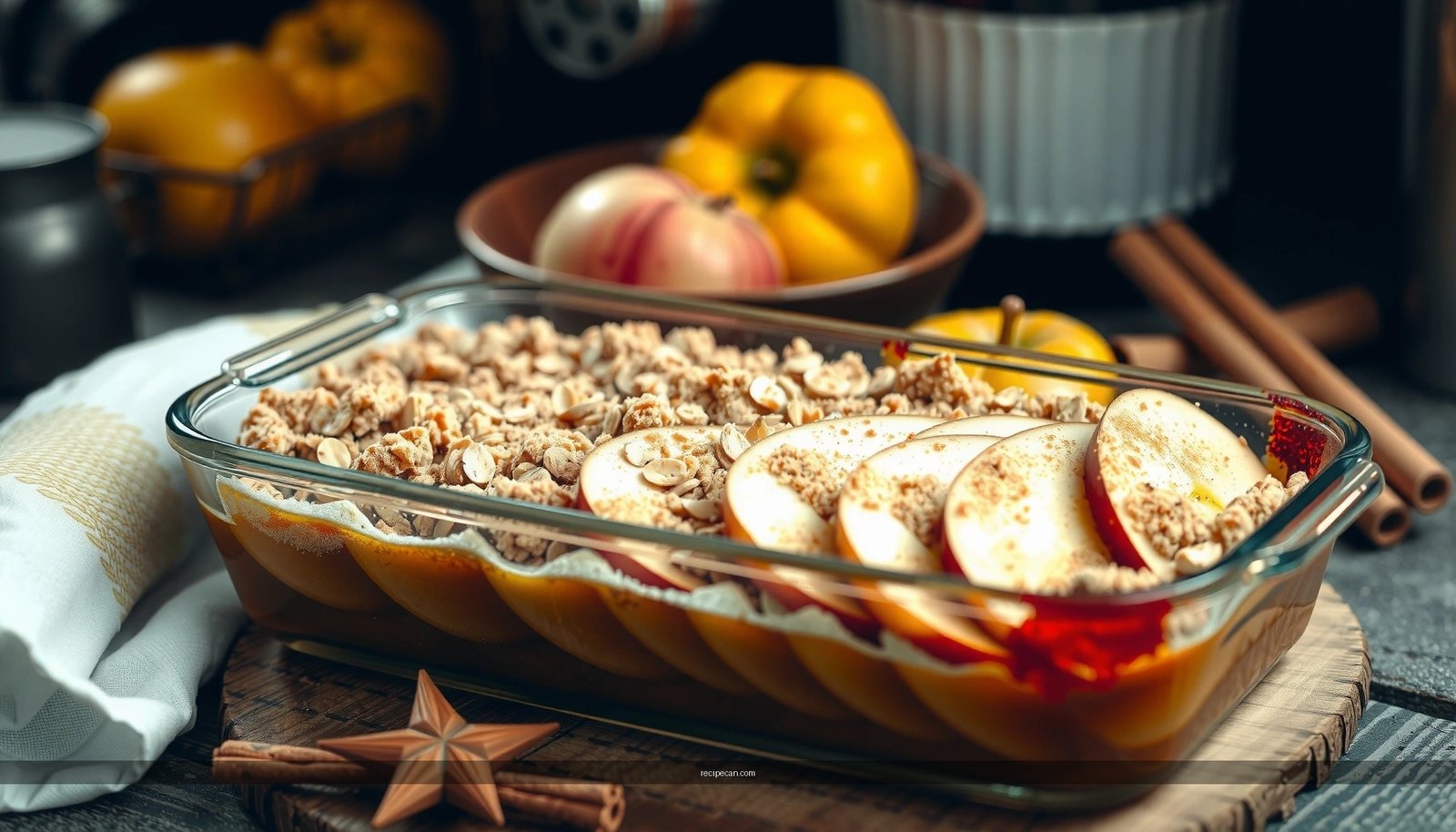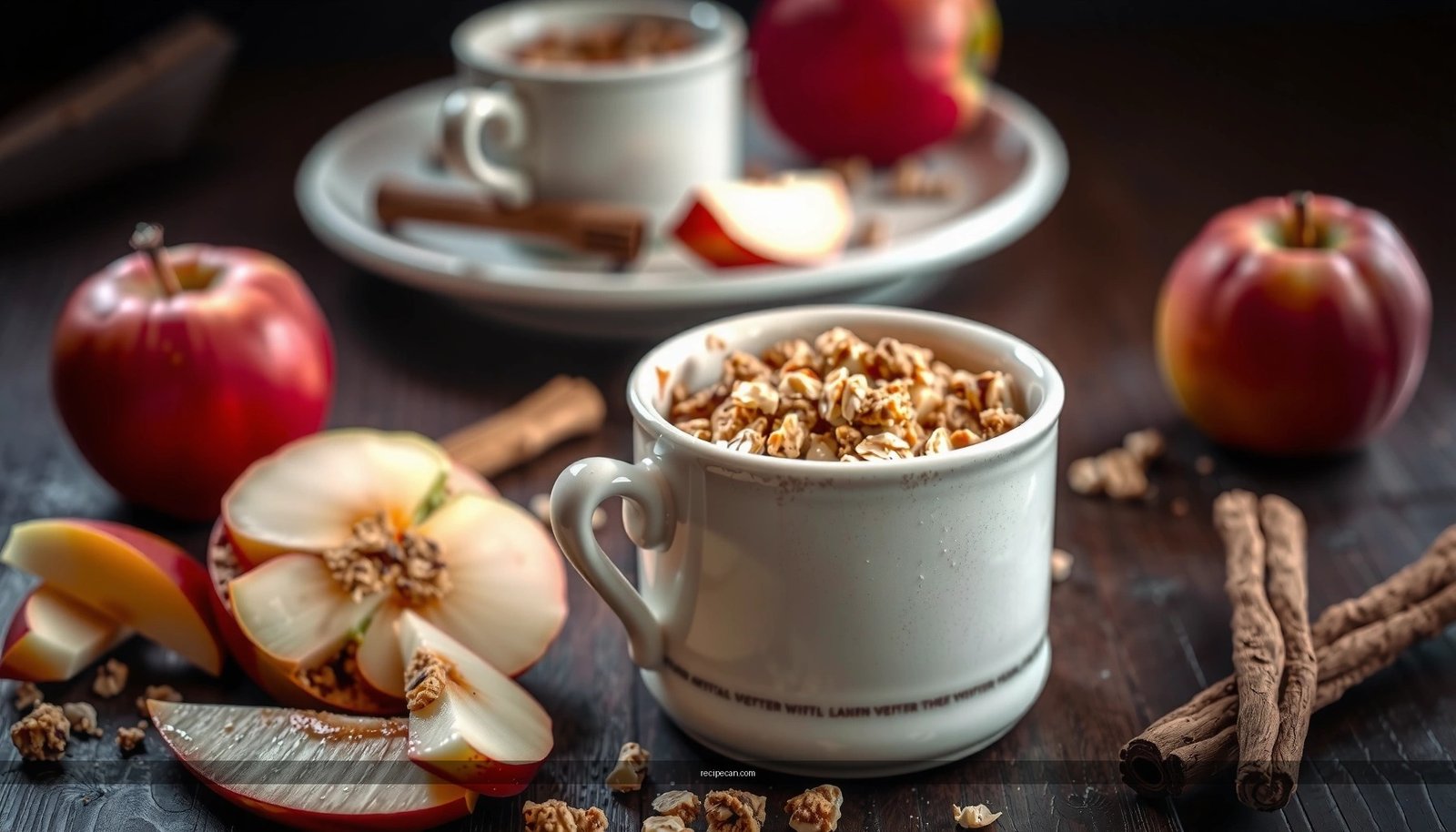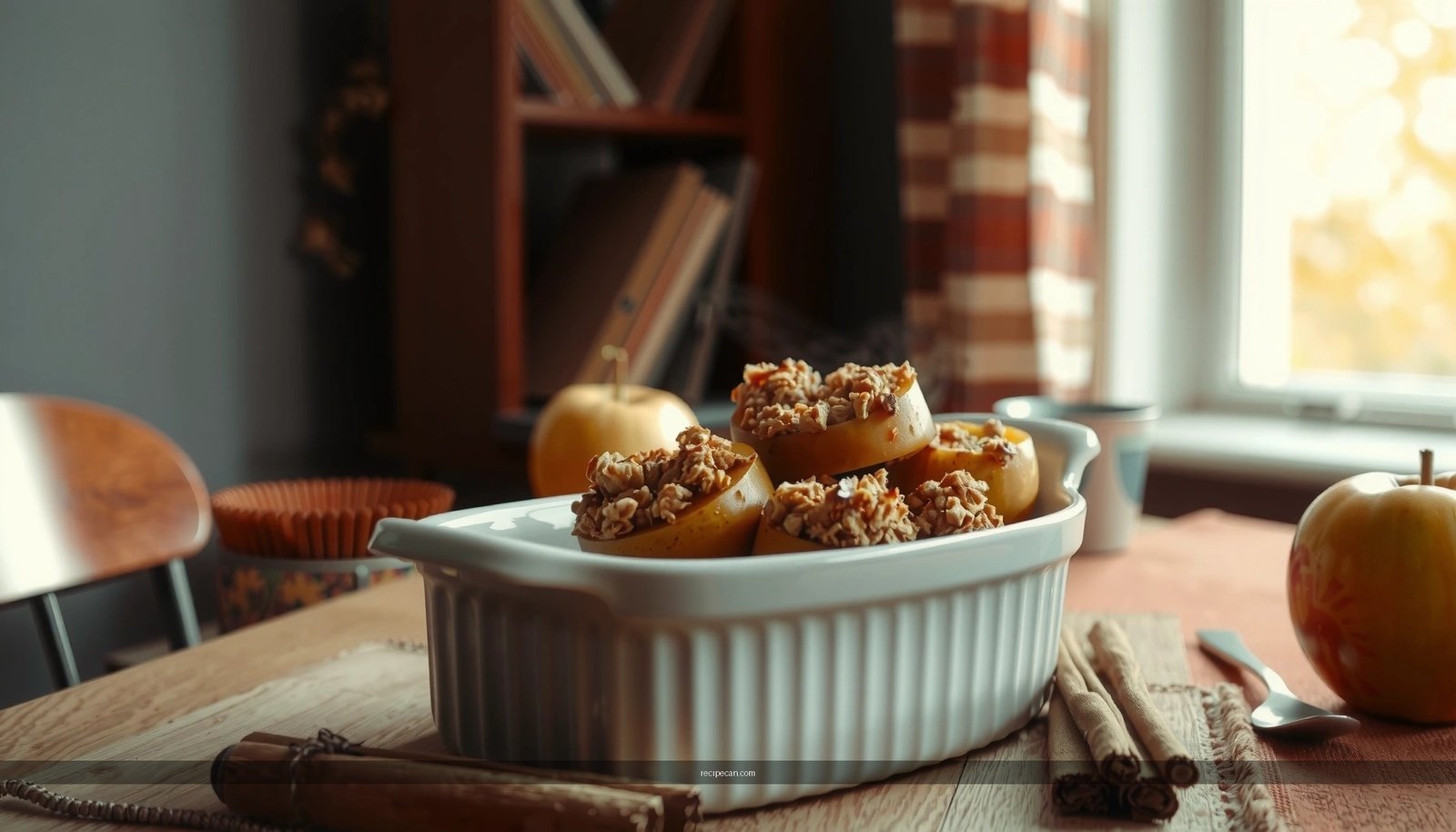
If you’re searching for the best apple crumble recipe, this one delivers the clear winner: a crisp, buttery topping that stays golden while the apples turn tender and jammy. You’ll get the exact method, including the right spice balance and thickness of crumble so it comes out great every time. Bake it for weeknight comfort or a crowd, and this apple crumble will be the one they ask you to make again.
This best apple crumble recipe delivers a juicy, cinnamon-sweet fruit filling with a crisp, buttery topping in about an hour—no complicated technique required. With the right apples, a properly thickened filling, and a “rough crumb” topping (not a dough), you’ll get that bakery-style texture every time, even if your ovens run hot or your apples are extra watery.
Apple crumble (sometimes called apple crisp) is one of the most reliable “comfort dessert” options because it’s forgiving: you can adjust sweetness, swap spices, and scale the batch without breaking the recipe. Still, the difference between “good” and truly excellent crumble is structural—fruit needs to bubble and set, and topping needs to crisp rather than steam. The steps below explain what matters scientifically (thickener, moisture, crumb texture, bake time) so you can reproduce great results under real-world kitchen conditions.
Apple Variety Guide for Crumble Flavor & Texture
| # | Apple variety | Best use | Typical sweetness | Crumble outcome score |
|---|---|---|---|---|
| 1 | Granny Smith | Balanced sweet-tart filling | Low–medium | ★★★★★ (5/5) |
| 2 | Honeycrisp | Juicy, plush apples | Medium–high | ★★★★☆ (4/5) |
| 3 | Braeburn | Firm bites with cinnamon warmth | Medium | ★★★★☆ (4/5) |
| 4 | Pink Lady | Tart-bright flavor, tender fruit | Medium | ★★★★☆ (4/5) |
| 5 | Golden Delicious | Sweeter crumble with softer apples | High | ★★★☆☆ (3/5) |
| 6 | Rome | Classic pie-like flavor | Medium–low | ★★★★☆ (4/5) |
| 7 | Empire | Crisp-tender balance | Medium | ★★★★☆ (4/5) |
Choose the Right Apples
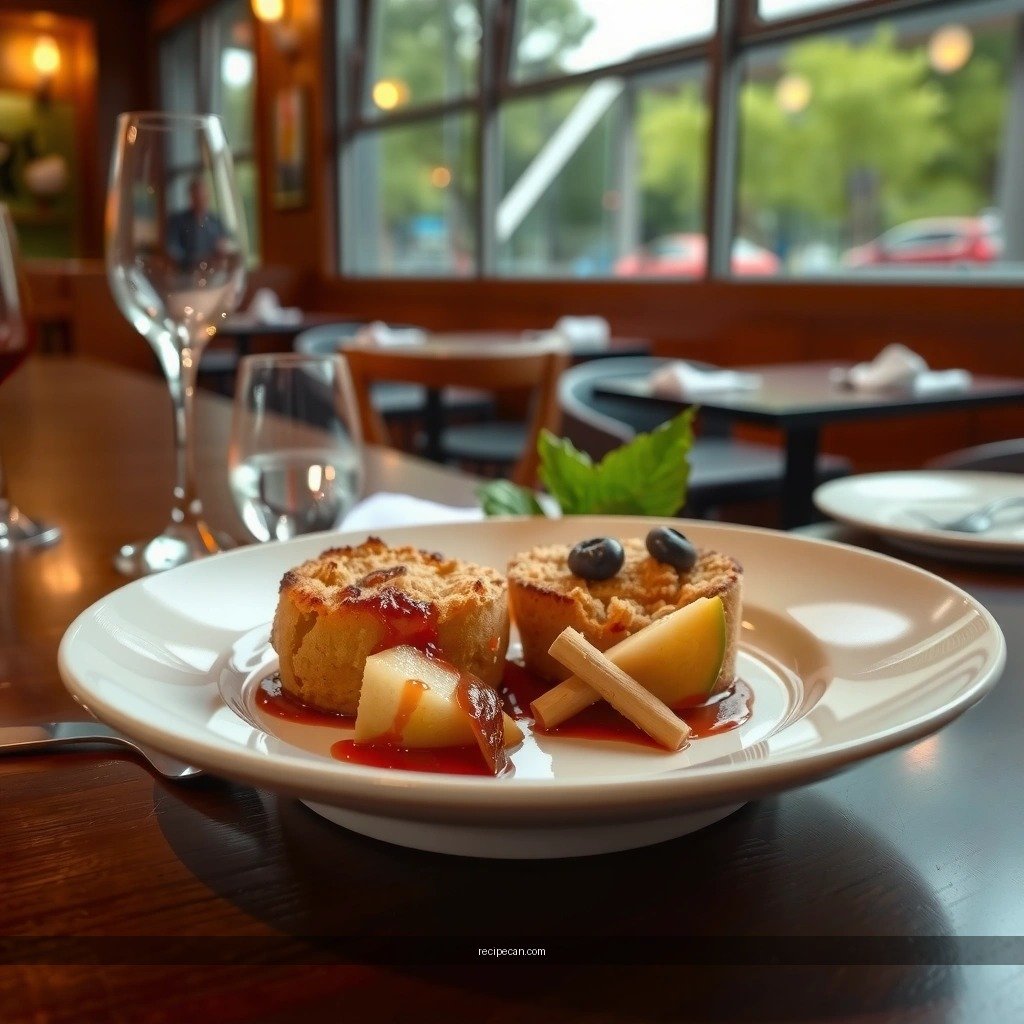
– Use tart-sweet apples like Granny Smith for the best flavor balance
– Slice apples evenly so they cook consistently
Apple choice is the foundation of a top-tier apple crumble recipe. Tart-sweet apples (Granny Smith, Pink Lady, Rome) hold their shape longer, so the filling turns glossy and thick rather than collapsing into applesauce. This balance also prevents the topping’s butter-and-sugar notes from feeling one-note.
Why tart matters: When apples are too sweet (think Golden Delicious), the filling can taste flat once baked because the caramelized sugars in the crumble already contribute sweetness. Tart varieties bring contrast through acidity, which “lifts” cinnamon and helps the fruit flavor read clearly.
Uniform slicing = uniform doneness. Aim for slices or chunks that are roughly the same size—about 1/4-inch thick slices or evenly sized wedges. If you have thin slices mixed with thick chunks, the thin pieces soften early and release more juices, which increases the risk of a watery filling. Even pieces also give you better scoopability: the crumble should slice and serve cleanly, not swim.
Practical mixing approach: If you can’t find one ideal variety, blend apples. A common winning ratio is 70% tart apples + 30% sweet apples. The tart majority provides structure; the sweet minority boosts aroma.
Build the Apple Filling
– Toss apples with sugar, cinnamon, and a little lemon juice
– Add a thickener (like flour or cornstarch) for a scoopable filling
A great apple crumble filling is not just fruit + sugar—it’s fruit + sugar + controlled moisture + a set texture. That “set” comes from thickener and bake time, and it determines whether you get a thick, spoonable fruit layer or a loose one.
Start with seasoning that respects the apples. Toss sliced apples with:
– Sugar: typically a mix of white sugar for sharp sweetness and brown sugar for caramel notes.
– Cinnamon: toast it briefly in the sugar (optional) if you want deeper aroma.
– Lemon juice: adds brightness and slows browning while enhancing flavor clarity.
Use thickener to prevent pooling. Apple fillings release water as they bake. Without thickener, that liquid either bubbles off (leaving drier fruit) or accumulates below the topping (making the crumble soggy). Flour and cornstarch both work, but they behave differently:
– All-purpose flour thickens gradually as it heats; it can create a slightly rustic, “pie filling” texture.
– Cornstarch thickens more quickly and can produce a glossier, more syrup-like filling.
How to choose between flour and cornstarch:
If you prefer a classic, homestyle scoop with a slightly matte finish, use flour. If you want a smoother, glossy fruit sauce, use cornstarch. For thickening in an “always reliable” way, many cooks use about 1–2 tablespoons per 5–6 cups of sliced apples (adjust based on apple juiciness).
Don’t skip the maceration moment (optional but effective). If you can spare 10–20 minutes before baking, tossing apples with sugar and lemon helps draw out some juices so your thickener distributes evenly. That means fewer lumps and a more consistent set.
Make the Perfect Crumble Topping
– Combine flour, sugar, butter, and a pinch of salt for that classic crunch
– Mix until you get rough crumbs, not a smooth dough
The topping is where “easy” becomes “excellent,” and the key variable is texture. A crumble topping should look like uneven sand—coarse clumps and flakes—because those irregular pieces trap air and crisp up during baking.
Classic crumble formula: flour + sugar + butter + salt.
Salt matters more than people expect: it intensifies the sweetness and improves butter flavor perception.
How to get the right crumb (the non-negotiable step):
– Use cold butter, cut into small pieces, and rub it into the dry ingredients (or pulse briefly).
– Stop when you see rough crumbs and some pea-to-almond-sized clumps.
– If it turns into a smooth dough, you’ve overmixed or butter is too warm—your topping will bake up dense instead of crisp.
Butter proportion and why it matters: Too little butter and the topping feels dry. Too much and it can become greasy, browning faster and softening rather than crisping. The goal is crumb pieces that expand slightly and become crunchy on the top and edges.
Pro-level flavor options (still simple):
– Add a spoon of rolled oats for extra crunch and a more “bakery” texture.
– Include a pinch of nutmeg or cardamom alongside cinnamon for complexity without overpowering.
– Use brown sugar for a deeper caramel flavor, especially with tart apples.
Assemble and Bake
– Spread the apple mixture evenly and cover fully with crumble topping
– Bake until bubbling and golden, then let it rest briefly to set
Assembly affects performance. If the apples are unevenly distributed, bubbling will be uneven too—thin areas can overcook while thick areas remain underdone.
Step-by-step assembly:
1. Even layer: Spread the apple filling across the baking dish so thickness is consistent.
2. Full coverage: Sprinkle or spoon crumble topping over the entire surface until apples aren’t visible. Gaps may leave fruit exposed, creating soft pockets and uneven browning.
3. Bake on a middle rack for balanced heat.
Bake until you see the right signals:
– Look for active bubbling at the edges and through the topping’s cracks.
– The topping should be golden with slightly darker brown spots on the clumps.
Resting is not optional. Let the crumble rest for 10–15 minutes. During that time, the thickened juices finish setting, and the topping settles into a crisp-yet-scoopable structure. Cutting immediately leads to runoff and a “soupy first slice” effect.
Oven timing reality check: Many home ovens run unevenly. If your crumble browns faster than the filling bubbles, you’ll need timing adjustments (see fixes below). For consistent results, use a light-colored metal pan if possible, and avoid glass pans that can over-brown some ovens.
Get the Best Texture (Tips & Fixes)
– If it browns too fast, tent with foil for the remaining bake time
– If it’s watery, bake a few extra minutes and let it cool longer
Even the best apple crumble recipe can drift based on apple variety, humidity, and pan size. These troubleshooting tips address the two most common failures: over-browning and watery filling.
If it browns too fast
When the topping is already deep golden but the filling hasn’t fully bubbled, you need to slow browning without stopping cooking.
Fix: Tent with foil.
– Loosely cover the crumble with foil once the topping is browned to your liking.
– Bake until the fruit is actively bubbling again.
Why it works: Foil reduces direct top heat while allowing steam-driven cooking to continue, so the filling thickens instead of scorching.
If it’s watery
Watery crumble usually comes from one (or more) of these issues: apples were extra juicy, thickener was under-measured, topping coverage wasn’t full, or the crumble was cut too soon.
Fix 1: Bake a few extra minutes.
Give it time for evaporation and thickener activation. Check for bubbling in the center, not just the edges.
Fix 2: Cool longer.
If the filling is still loose, allow an additional 10–15 minutes of cooling. Thickened fruit is a time-dependent process—warmth keeps juices fluid; cooling helps the set become scoopable.
Fix 3 (prevention for next time):
– Increase thickener slightly if your apples are known to be juicy.
– Ensure topping fully covers the fruit to reduce hot steam escape that can concentrate liquids.
– Slice apples consistently so they release moisture at similar rates.
Extra note for high-performing consistency: If you frequently get watery results, you can briefly toss apples with thickener after 10–15 minutes of maceration. This helps absorb excess liquid and reduces clumping.
Serving Ideas and Storage
– Serve warm with vanilla ice cream or whipped cream
– Store leftovers covered in the fridge and reheat for best crispness
Apple crumble is best when served warm—both because it tastes great immediately and because the aroma amplifies cinnamon and browned-butter notes. Pairing matters: cold and creamy balances warm spice and caramelized fruit.
Serving ideas:
– Vanilla ice cream: the classic. The melting ice cream forms a natural “cream sauce” around the thick filling.
– Whipped cream: lighter and less sweet than ice cream, which is useful if you used sweeter apples.
– Greek yogurt (optional): for a tangier, protein-friendly twist.
Storage (so it stays excellent, not soggy):
– Cool fully, then cover and refrigerate.
– Reheat in the oven or toaster oven for best crispness. Microwaving works in a pinch, but it tends to soften the topping by rewarming steam.
Reheating recommendation:
– Bake at 350°F / 175°C until warmed through and the topping re-crispens.
– Add a small pinch of cinnamon to the top before reheating if you want to refresh aroma.
Make-ahead option for busy schedules: Assemble and bake same day for maximum crispness. If you must prepare ahead, you can mix the apple filling and topping separately and assemble right before baking; this reduces moisture bleeding into the crumb.
This best apple crumble recipe gives you a dependable method to achieve two things that separate “home dessert” from “guest-ready dessert”: a properly set fruit filling and a crisp, buttery topping. Choose tart-sweet apples, thicken the juices for scoopable results, build rough crumbs (not a dough), and bake until bubbling—then rest briefly to lock in texture. With the foil tenting and watery-fix strategies, you can confidently adjust to your apples and your oven, making this cozy classic a repeatable win every time.
Frequently Asked Questions
What is the best apple crumble recipe for a perfectly crispy topping?
The best apple crumble recipe uses cold butter and a dry crumb mixture so the topping stays crisp instead of turning dense. Aim for a topping that looks like coarse sand—when you squeeze it lightly, it should clump, then break apart as it bakes. Use a balance of flour, oats (optional), brown sugar, and butter, then bake until the top is golden and the apples are bubbling. Let it rest 10–15 minutes so the filling thickens and the crumble topping sets.
How do I make apple crumble filling not runny?
To prevent a runny apple crumble filling, use apples that hold their shape (like Honeycrisp, Granny Smith, or a mix) and avoid overly watery fruit. Toss the sliced apples with sugar plus a thickener such as cornstarch or flour—typically about 1–2 tablespoons per 4–5 cups of apples—so the juices gel as they heat. If you like a more saucy texture, you can reduce the thickener slightly, but bubbling filling is a good visual cue that it will set as it cools.
Why do my apple crumbles turn out soggy instead of crunchy?
Soggy crumble usually comes from warm butter, too much moisture, or underbaking the topping. Make sure you bake until the topping is deeply golden and the apple mixture is actively bubbling in the center. If you notice the top browning too fast, tent with foil while continuing to bake until the apples are tender and the juices thicken. For extra crunch, bake on a preheated tray and let the crumble rest before serving.
Which apples are best for apple crumble when you want the right balance of sweet and tart?
The best apple crumble recipe often starts with the right apples: a tart apple for structure plus a sweeter one for flavor. Granny Smith brings a bright, tangy bite, while Honeycrisp adds sweetness and stays juicy without collapsing. If you prefer a softer, jammy filling, mix in apples like Jonagold or Braeburn, but keep the total slices even so everything bakes at the same rate. A combination of 2–3 apple types is an easy way to get that “perfect” flavor balance.
What’s the best way to assemble apple crumble ahead of time and bake it later?
You can prep apple crumble up to the point of baking by mixing the apple filling and making the crumble topping separately, then refrigerating both. Assemble right before baking to keep the topping from absorbing too much moisture. If you already assembled it, bake from chilled and extend the bake time slightly until the center is bubbling and the topping is crisp. For best results, let it rest briefly after baking so the filling thickens and the crumble maintains its texture.