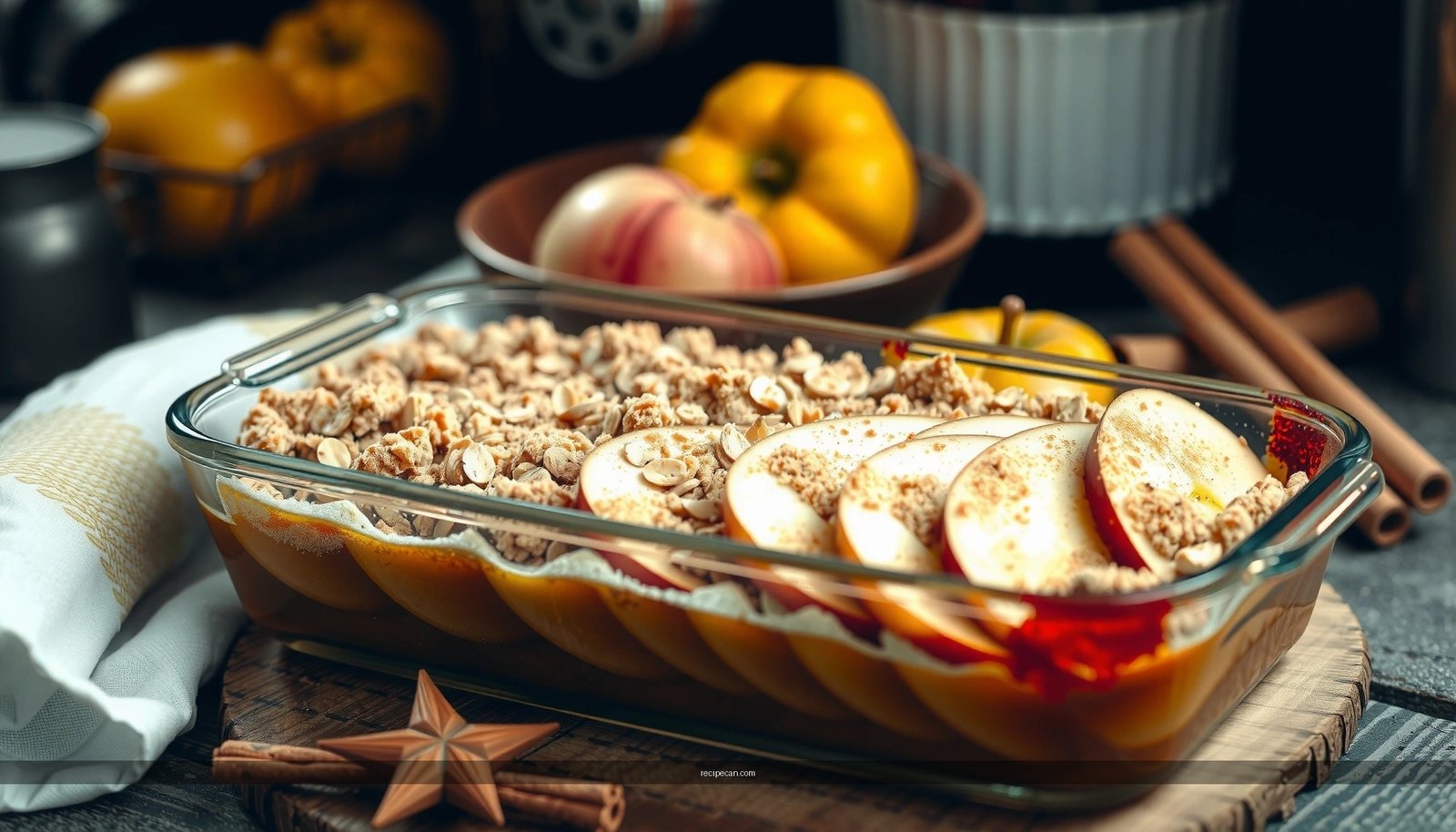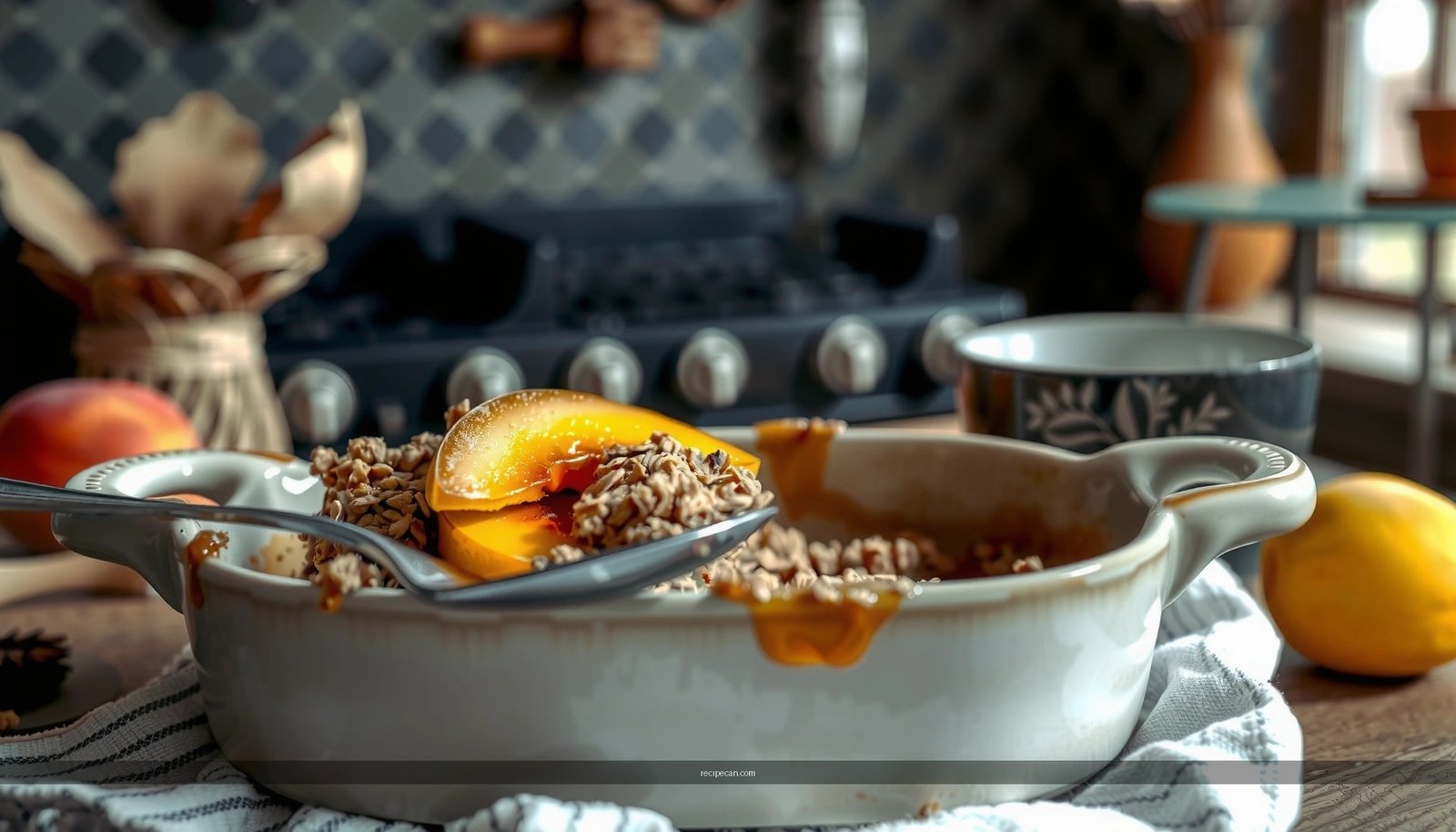
You want peach crumble recipes that deliver a sweet, perfectly crispy topping, and the winner is clear: follow an easy crumble formula that bakes until golden and crackly. This guide answers which mix of fruit, butter, and sugar produces the best crunch without turning soggy. Use it for quick weeknight desserts or impress-at-dinner peach crumble, with reliable results every time.
Peach crumble recipes are the quickest path to a restaurant-style dessert: juicy peaches under a buttery, crisp topping. The secret to consistently perfect results is using ripe peaches, thickening the filling so it bubbles (not floods), and mixing the topping just enough to form clumps that bake up golden and crunchy.
Peach crumble sits in the “easy wins” category of home baking because the method is forgiving—yet the details matter. If you under-thicken the filling, the crumble topping can go soggy. If your peaches are underripe or over-sugared, the flavor can taste flat or overly sweet. Below, you’ll learn how to choose peaches, build a properly thickened filling, and bake until the topping is crisp, not just browned.
Choose the Best Peaches
– Use ripe, fragrant peaches for the juiciest filling
– Fresh, frozen, or canned peaches all work—adjust sweetness and bake time if needed
The best peach crumble starts with peaches that taste like peaches. When selecting fresh peaches, look for a fragrant aroma near the stem and a gentle give when pressed. The goal is ripeness, not mushiness: peaches should yield slightly but still hold their shape during baking.
Fresh peaches:
Choose peaches that are fragrant and mostly firm. If they’re slightly under-ripe, you can still bake them—just expect a firmer texture and a little less natural sweetness. Let them sit at room temperature for 1–2 days to improve flavor.
Frozen peaches:
Frozen peaches are a reliable option for consistent sweetness and year-round convenience. Because they’re already cut and prepped, use them straight from the freezer (no need to fully thaw). However, frozen fruit releases more liquid as it bakes, which is why thickening (flour or cornstarch) becomes even more important.
Canned peaches:
Canned peaches are softer and sweeter. Reduce the added sugar in the filling or taste the peaches before deciding. Canned peaches can also brown faster, so keep an eye on the topping during baking and consider covering loosely with foil if it darkens too quickly.
Quick decision guide (practical, batch-friendly)
To calibrate your bake without guesswork, match your peaches to your expected outcome:
– Ripe fresh peaches: more natural sweetness + less liquid → standard thickener and bake time usually works.
– Frozen peaches: more liquid release → slightly more thickener or a longer bake until bubbling.
– Canned peaches: higher syrup sweetness + softer fruit → reduce added sugar and bake until just set.
Build the Peach Filling
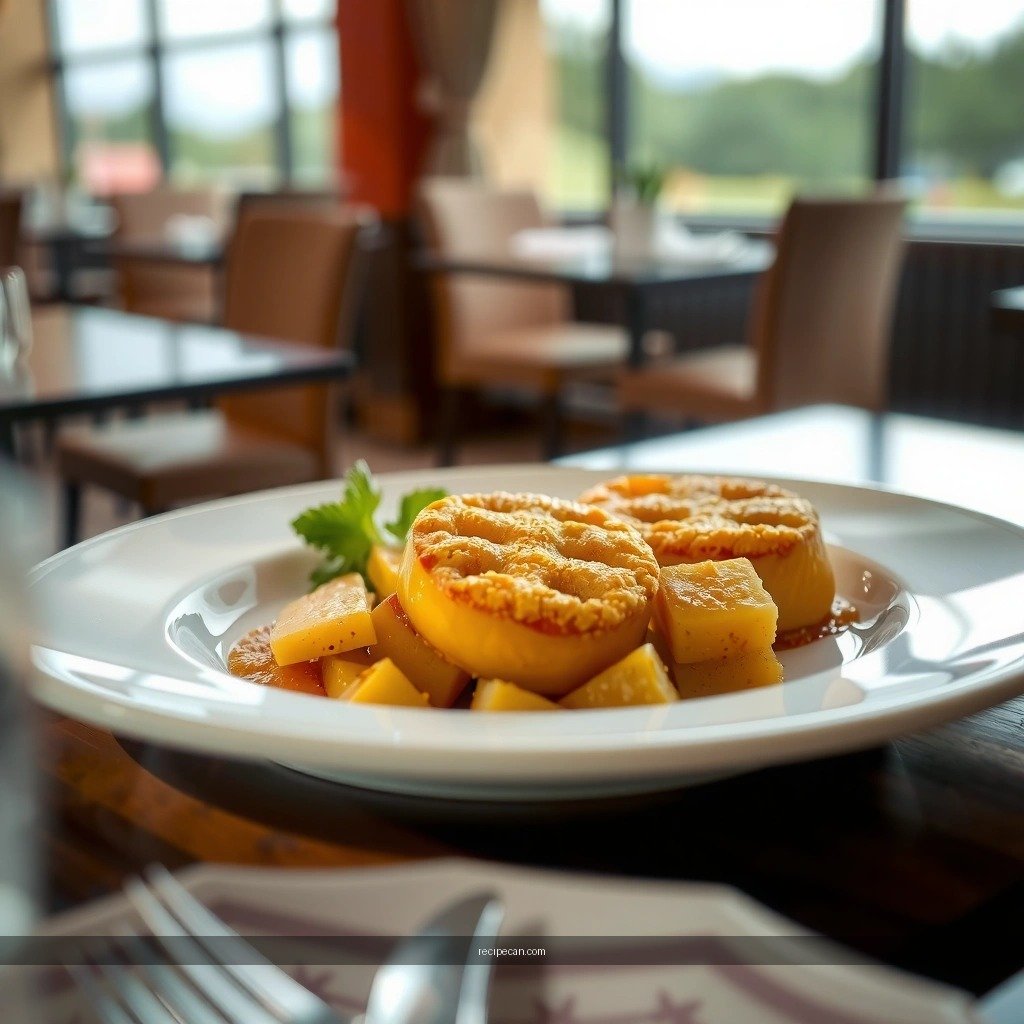
– Balance sugar with a touch of lemon for bright flavor
– Thicken juices with flour or cornstarch to prevent a runny crumble
A great peach crumble filling behaves like a sauce that sets: it bubbles at the edges, stays luscious in the middle, and doesn’t pool after baking. To get there, you need two things—flavor balance and controlled viscosity.
Flavor balance: sweetness + brightness
Peaches naturally lean sweet, so adding sugar without restraint can mute their flavor. A small amount of lemon juice (or lemon zest) does two jobs:
1. Brightens peach flavor so the filling tastes more “fresh,” not candy-like.
2. Balances sweetness, especially in canned or very ripe peaches.
A reliable baseline is to add lemon juice to the filling and use sugar only as needed. If your peaches are exceptionally sweet, reduce sugar slightly; if they’re tart, keep the sugar steady.
Thickening: the difference between “perfect” and “watery”
Peach crumble topping is designed to bake on top—not swim in juice. Thickening creates the bubbling, spoonable consistency you want.
– Cornstarch: Creates a glossy, clear set and is powerful even in smaller amounts. It thickens quickly and is ideal when using frozen peaches that release extra liquid.
– Flour: Provides structure and a more traditional, slightly opaque filling. It’s dependable and works well with fresh peaches where liquid release is moderate.
Actionable tip:
When testing thickness before baking, the filling should look slightly thicker than pancake batter. If it looks like it could pour freely, increase thickener by a small increment or give it a short stove-top simmer to activate thickening before it goes into the oven.
Baking cue: bubbles are your real signal
Instead of relying only on time, bake until the filling is bubbling actively around the perimeter. That bubbling indicates the thickener has set and the crumble will stay crisp instead of turning soggy.
Make the Classic Crumble Topping
– Combine flour, oats, brown sugar, and butter for crunch
– Aim for “clumps” by mixing until the topping holds together
Crumble topping quality is measured in texture, not just sweetness. The ideal topping is buttery, crunchy, and partly clumpy so it bakes into crisp bits rather than a dry, sandy layer.
The clump method: why it matters
If you mix too little, you won’t get the crunchy “clusters.” If you over-mix, butter can melt too early (especially if your kitchen is warm), and the topping can bake into a denser mass. The sweet spot:
– Mix dry ingredients (flour, oats, brown sugar)
– Cut in or stir in cold butter
– Stop when the mixture holds together when pressed, forming irregular clumps
Oats for structural crunch
Oats are a practical ingredient in peach crumble recipes because they:
– Absorb some moisture
– Add chew and texture
– Create a more varied crunch than flour alone
Brown sugar adds a deeper molasses note and helps produce a more golden color during baking.
Best practice for topping coverage
Spread filling evenly, then apply crumble in an even layer—don’t pile it in one spot. Uneven thickness can result in one area browning too much while another remains pale and soft.
Peach Crumble Filling Consistency by Fruit Type (Typical Outcomes)
| # | Fruit Input | Liquid Release at Bake | Thickener Strategy | Expected Bubble Set | Crisp Top Rating |
|---|---|---|---|---|---|
| 1 | Ripe fresh peaches | Low–Medium | 1–1.5 tbsp flour | 8–12 min | ★★★★★ |
| 2 | Slightly under-ripe fresh peaches | Medium | 1.5 tbsp flour + 1 tsp lemon zest | 10–14 min | ★★★★☆ |
| 3 | Frozen sliced peaches (unthawed) | High | 2 tbsp cornstarch | 12–18 min | ★★★★★ |
| 4 | Frozen peaches (thawed & drained) | Medium | 1.5 tbsp cornstarch | 10–15 min | ★★★★☆ |
| 5 | Canned peaches in juice (drained) | Low–Medium | 1 tbsp flour | 8–11 min | ★★★★★ |
| 6 | Canned peaches in syrup (drained) | Medium | 1 tbsp cornstarch + less sugar | 10–13 min | ★★★☆☆ |
| 7 | Mixed peaches (fresh + frozen) | Medium–High | 1.5–2 tbsp cornstarch | 12–16 min | ★★★★☆ |
Add Flavor Variations
– Stir in cinnamon, nutmeg, or vanilla for warm bakery-style taste
– Try almonds, ginger, or cardamom for a unique twist
Classic peach crumble is already flavorful, but adding the right spices can make it taste “baked by someone who does this every weekend.” Think in layers: warm spices for comfort, aromatic extracts for depth, and add-ins for crunch.
Warm, traditional upgrades
– Cinnamon: Adds familiar warmth and makes the fruit taste sweeter without adding more sugar.
– Nutmeg: Use lightly; it’s potent and elevates the filling’s aroma.
– Vanilla: Enhances peach flavor and rounds out sweetness.
A practical approach for peach crumble recipes is to start with cinnamon and vanilla, then add nutmeg in smaller amounts so it doesn’t overwhelm.
Texture and aromatic alternatives
– Almonds: Stir chopped almonds into the topping for nutty crunch and a bakery-style finish.
– Ginger: Adds a subtle zing that cuts through the sweetness—excellent with peaches that are very ripe.
– Cardamom: Offers a floral-spiced note that pairs surprisingly well with peach.
Actionable tip:
When experimenting with variations, keep the structure the same. Don’t change the thickener unless your new ingredients significantly affect moisture. That ensures your topping stays crispy and your filling stays set.
Assemble and Bake for Perfect Texture
– Spread filling evenly and cover with an even layer of crumble
– Bake until bubbling and golden, then rest briefly for clean slices
Assembly is where most “good” crumble becomes “wow.” Even distribution and baking cues matter more than exact minutes.
Layering for even baking
1. Spread peach filling evenly in your baking dish (for consistent bubbling).
2. Cover with crumble in an even layer—leave no bare spots. Bare spots allow steam to escape too directly and can dry out the topping edges.
3. If your topping seems thin, add a second crumble layer rather than packing it unevenly.
Baking temperature and cues
Most peach crumbles bake well at a moderately hot oven so the topping crisps while the filling bubbles. Use these cues:
– Golden edges: The topping should look deep-golden, not pale.
– Active bubbling: You want bubbling at the edges and visible thickened peach juices.
– Set middle: The center should not slosh when you gently move the dish.
Resting: the step that protects the slice
Let the crumble rest briefly before serving—typically 10–15 minutes. This cool-down period allows the filling to finish thickening. Serve too soon and you’ll get a looser filling; wait just a bit and you’ll get cleaner cuts and less topping collapse.
Serving and Storage Tips
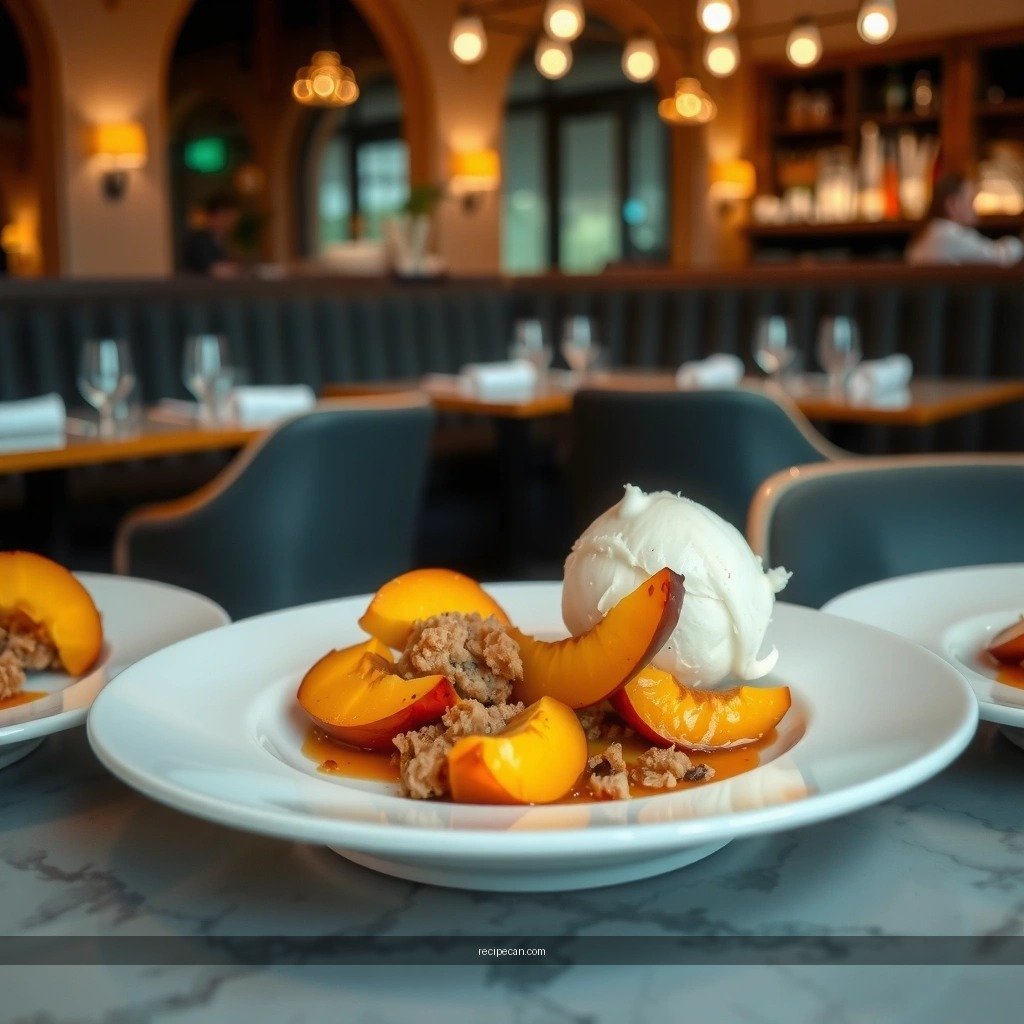
– Serve warm with vanilla ice cream or whipped cream
– Store covered in the fridge and reheat to re-crisp the topping
Peach crumble is best enjoyed warm because the topping is crispest right out of the oven. That said, it keeps well—especially if you reheat it correctly.
Serving ideas that keep texture intact
– Vanilla ice cream: Melts into the bubbling filling and intensifies the flavor contrast between warm fruit and cold cream.
– Whipped cream: Lighter than ice cream and still complements the spice profile.
– Optional garnish: A pinch of flaky salt on top can make the sweetness feel more balanced.
Storage for next-day quality
Cool the crumble completely before covering to prevent condensation. Store it covered in the refrigerator.
To reheat and re-crisp:
– Warm in the oven (or toaster oven) at a moderate temperature until the topping is re-golden.
– Avoid microwaving if you want to preserve crispness—microwaves tend to soften the topping by rehydrating it.
Portioning for efficiency
If you plan to eat over multiple days, bake in smaller dishes or cut and store portions. Smaller servings reheat faster and help maintain crisp topping quality.
Peach crumble recipes come down to great peaches, a thickened filling, and a buttery, clumpy topping. Pick your fruit type, match the thickener to the liquid level, and bake until bubbling and golden—then rest briefly for clean slices. Serve warm for peak crunch, and use oven reheating to keep leftovers nearly as good as day one.
Frequently Asked Questions
What’s the best peach crumble recipe for a juicy filling and crisp topping?
Use fresh ripe peaches (or a high-quality frozen substitute) and toss them with sugar, lemon juice, and a little cornstarch or flour to thicken the juices. For the crumble topping, combine flour, brown sugar, oats, cold butter, and a pinch of salt until it looks like coarse crumbs. Bake until the peaches bubble and the top is golden, usually around 35–45 minutes, depending on your pan and oven.
How do I keep my peach crumble from becoming runny?
The main fix is adding a thickener and using peaches that aren’t overly watery. Toss peaches with cornstarch (about 1–2 tablespoons per 6–7 cups) or a similar thickener, and don’t skip draining if using frozen peaches—let them sit and then remove excess liquid. Baking until you see vigorous bubbling around the edges ensures the peach crumble filling has set.
Why does my crumble topping turn out soggy, and how can I prevent it?
Sogginess usually happens when the topping is too thickly packed or when the filling isn’t thick enough to support the crisp texture. Use cold butter and mix the crumble until it forms uneven crumbs, not a paste, and bake on a lower-middle rack for even heat. If the topping browns too fast but the center isn’t bubbling, tent loosely with foil and continue baking.
Which peaches are best for peach crumble recipes?
Freestone peaches are ideal because they’re easy to slice and tend to have consistent sweetness and juice. Look for peaches that give slightly to pressure and smell fragrant; overly soft peaches can collapse and make the filling watery. If using canned peaches, choose ones packed in juice rather than syrup and reduce added sugar to balance the peach crumble recipe.
How can I make peach crumble gluten-free or use substitutions in the topping?
For a gluten-free peach crumble, swap regular flour in the filling and topping with a 1:1 gluten-free baking blend, or use almond flour plus a gluten-free starch like cornstarch. Keep the crumble topping texture by using rolled oats labeled gluten-free and cold butter (or a suitable dairy-free butter) so it stays crumbly. You can also replace wheat flour with finely ground almond flour for a nuttier flavor while still baking until the topping is golden.