Want the best thick French toast recipe that delivers crispy edges and custardy centers in one easy go? This recipe sets the standard with thick-cut bread soaked to the right depth, so you get a golden crust without sogginess. If you want the most reliable method for thick French toast that holds its texture and tastes rich, this is the one.
Thick French toast is the result of two things done well: soak the right bread in a balanced egg-and-milk custard, then cook it on steady heat until the outside is deeply golden and the center stays creamy. Follow this step-by-step method for perfect thick, fluffy interiors—along with the best soaking time, pan temperature guidance, and practical tips to avoid sogginess.
Choose the Best Bread for Thick French Toast
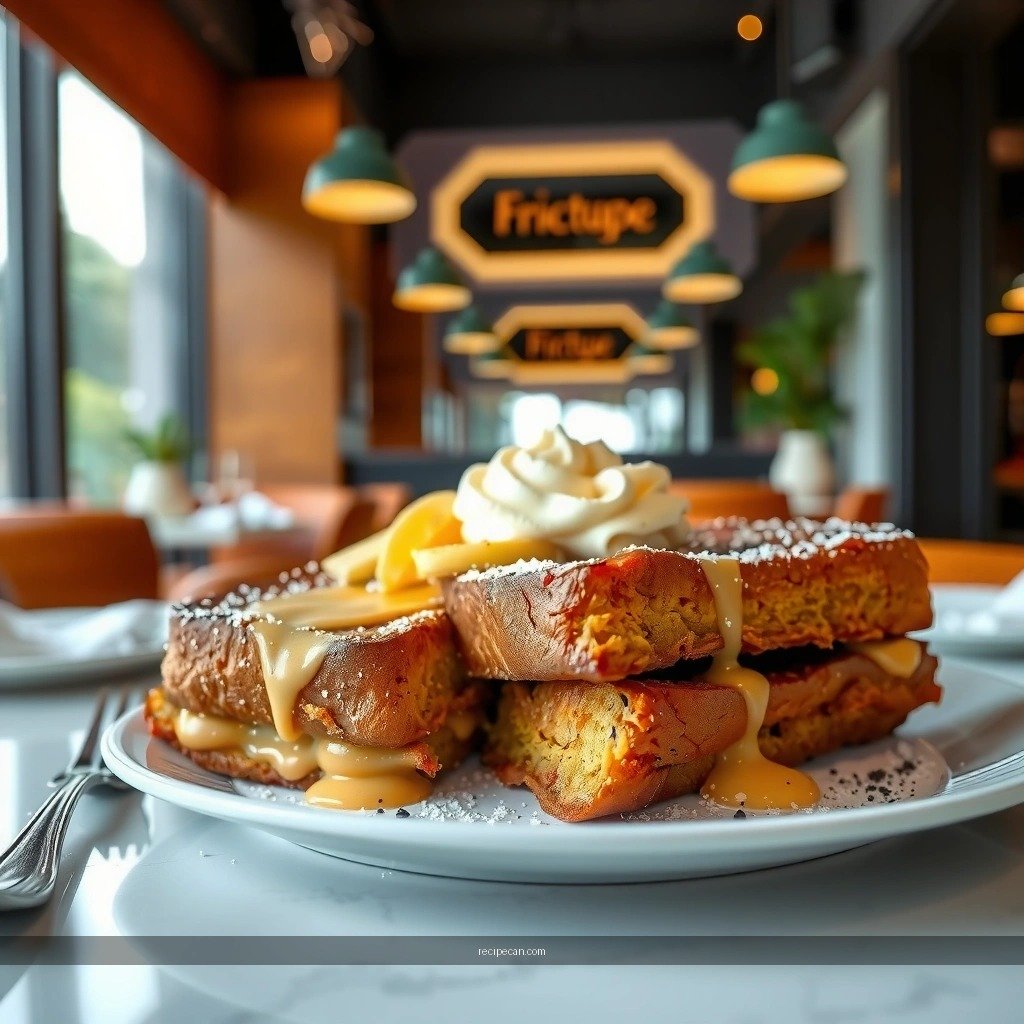
Choosing the bread is the highest-leverage decision in thick French toast. You want slices sturdy enough to hold custard without disintegrating, and thick enough to create a creamy interior buffer.
– Use thick-cut bread like brioche, challah, or Texas toast for maximum custardy texture
Brioche and challah are naturally rich (eggs, butter, or milk in the dough), which increases tenderness and browns beautifully. Texas toast is a reliable, widely available option that’s cut thick and stays structural during soaking.
– Day-old bread soaks better and prevents soggy centers
Fresh bread is often too springy and can “push back” against custard, leading to uneven absorption. Day-old bread becomes slightly drier on the surface, which improves soak consistency and reduces the risk of gummy centers.
Quick bread selection guide:
If you want the “custardy luxury” effect, choose brioche or challah. If you want “easy reliability,” use thick-sliced sandwich bread (Texas toast). If you prefer a firmer slice, sourdough can work—just know it absorbs custard differently and may produce a slightly chewier interior.
Custard Bread Fit (Practical Comparison)
Thick French Toast: Bread Performance by Soak Tolerance
| # | Bread type | Typical slice thickness | Recommended soak time | Soak tolerance score | Best result style |
|---|---|---|---|---|---|
| 1 | Brioche | 1.5–2 in (38–50 mm) | 20–35 sec/side | ★★★★★ | Custardy + tender crumb |
| 2 | Challah | 1.25–2 in (32–50 mm) | 25–40 sec/side | ★★★★★ | Soft interior + rich flavor |
| 3 | Texas toast (white) | 1–1.5 in (25–38 mm) | 20–30 sec/side | ★★★★☆ | Crisp edges + creamy center |
| 4 | Milk bread | 1–1.25 in (25–32 mm) | 15–25 sec/side | ★★★★☆ | Fluffy custard pockets |
| 5 | Sourdough | 1–1.5 in (25–38 mm) | 30–45 sec/side* | ★★★☆☆ | Caramelized crust + chew |
| 6 | White sandwich bread | 0.75–1 in (19–25 mm) | 10–18 sec/side* | ★★☆☆☆ | Higher risk of sogginess |
| 7 | Rye (dense) | 1–1.25 in (25–32 mm) | 35–50 sec/side* | ★★★☆☆ | Earthy flavor, firmer bite |
Denser breads often need longer soak, but you must reduce heat or flip more carefully to keep the center set.
Make the Custard Mixture
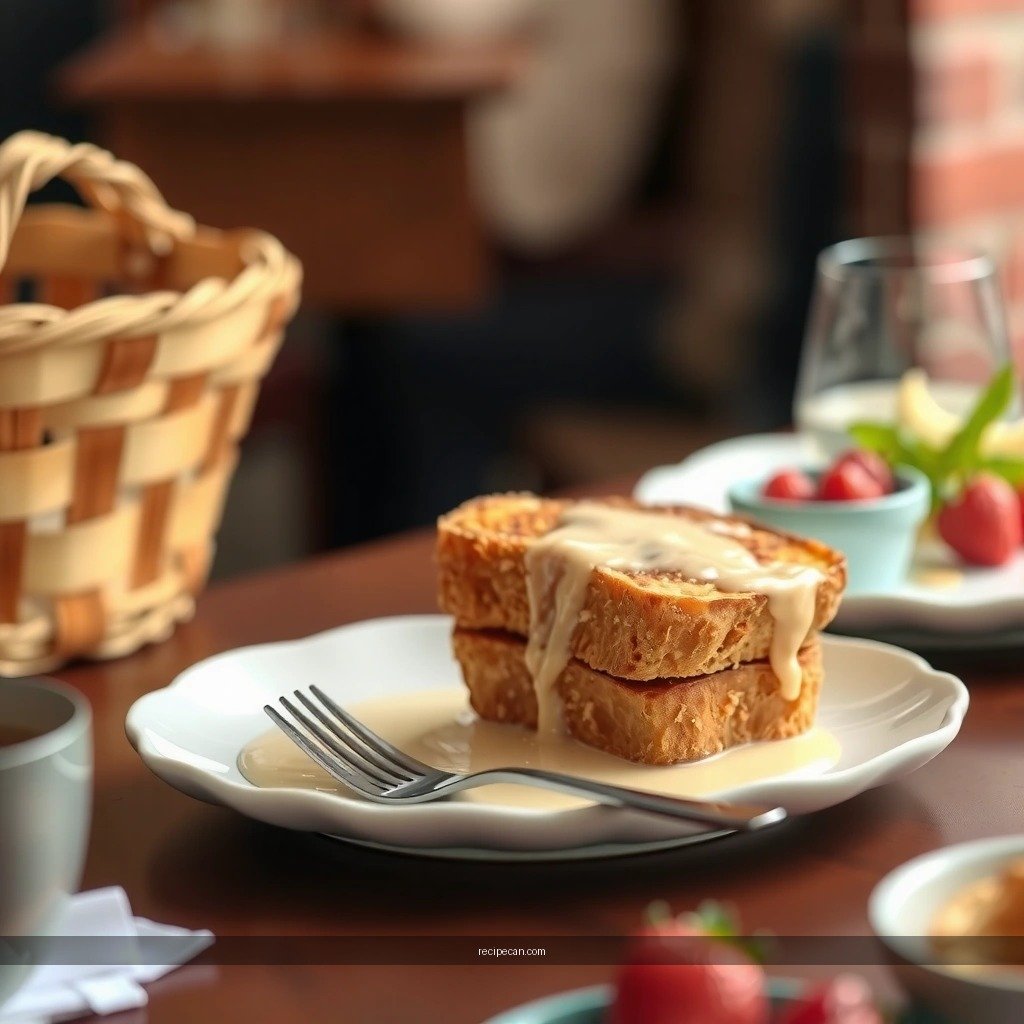
A thick French toast custard should be rich enough to coat and penetrate, yet balanced so it sets into a tender interior rather than turning watery.
– Whisk eggs, milk (or half-and-half), vanilla, and a pinch of salt until smooth
A common ratio for thick French toast is 2 large eggs to about 1/2 to 3/4 cup milk (or half-and-half). If your bread is very thick, lean slightly richer (more half-and-half).
Salt matters: it sharpens sweetness and helps the egg proteins coagulate evenly.
– Let cinnamon and nutmeg do the flavor work without overpowering
Use cinnamon for warm classic flavor and a restrained pinch of nutmeg for depth. Over-spicing can mask the custard—especially with brioche or challah, which already taste buttery and sweet.
Custard best practices (what experienced cooks do):
1. Whisk until fully uniform (no egg streaks).
2. For deeper flavor, let the custard sit for 5 minutes after mixing—some spices hydrate slightly and distribute more evenly.
3. Don’t dilute with too much liquid: watery custard increases the chance of soggy centers.
Step-by-Step Thick French Toast (Baseline Method)
Use this as your repeatable system:
1. Cut and prep: Slice bread to your preferred thickness (aim for 1–2 inches / 25–50 mm). Let day-old bread sit at room temp 10–15 minutes.
2. Make custard: Whisk eggs, milk/half-and-half, vanilla, salt, and spices.
3. Soak & rest: Dip or spoon custard onto each side (details next section). Let slices rest briefly so absorption evens out.
4. Pan-fry: Cook on a preheated buttered skillet or griddle, flipping once when the first side is deeply golden.
5. Serve immediately: Thick French toast holds peak texture best right off the pan.
Soak, Then Cook to Crispy Perfection
Soaking is where thick French toast either becomes “custardy and crisp” or “wet and disappointing.” The goal is full coating with controlled absorption.
– Soak each slice briefly until coated, then allow a short rest for absorption
For thick slices, aim for a fast dip: about 20–40 seconds per side depending on bread density (as reflected in the table). If you prefer to avoid full immersion, spoon custard over the bread and flip once—this gives you more control.
– Cook on a preheated buttered skillet, flipping once, until deeply golden
Preheat your pan before cooking. If the pan is cold, the custard may seep out before it sets. If it’s too hot, the outside browns before the inside fully cooks.
Flip strategy:
Flip once—typically after the first side turns deep amber-gold. Frequent flipping can disrupt the set custard and cause uneven browning.
Heat management guidance:
– Start at medium heat for even cooking.
– If the exterior browns too fast, lower to medium-low and give the interior more time.
– If the toast looks pale after a couple minutes, raise slightly—thin custard films won’t crisp properly at too-low heat.
Get the Best Thickness-to-Texture Ratio
Thickness doesn’t just affect portion size—it changes how long custard needs to set and how quickly moisture escapes during frying.
– Keep the slices thick enough to stay fluffy inside after frying
If your slices are too thin, there’s not enough custard mass to create a creamy center. Even with perfect soaking, thin bread turns more cake-like than custardy.
– Adjust heat: medium keeps the center set without burning the outside
Thick French toast is a “timing + heat” problem. Medium heat ensures the egg mixture coagulates gradually, creating a tender interior while the exterior dehydrates and crisps.
Practical target:
If you press lightly on the center and it springs back (not mushy), your thickness is likely right. If it feels wet or collapses, reduce soak time next batch or lower cooking heat.
Toppings and Serving Ideas
Classic toppings work because they complement—not overwhelm—the custard base. Aim for a mix of sweet + fat + brightness for a balanced bite.
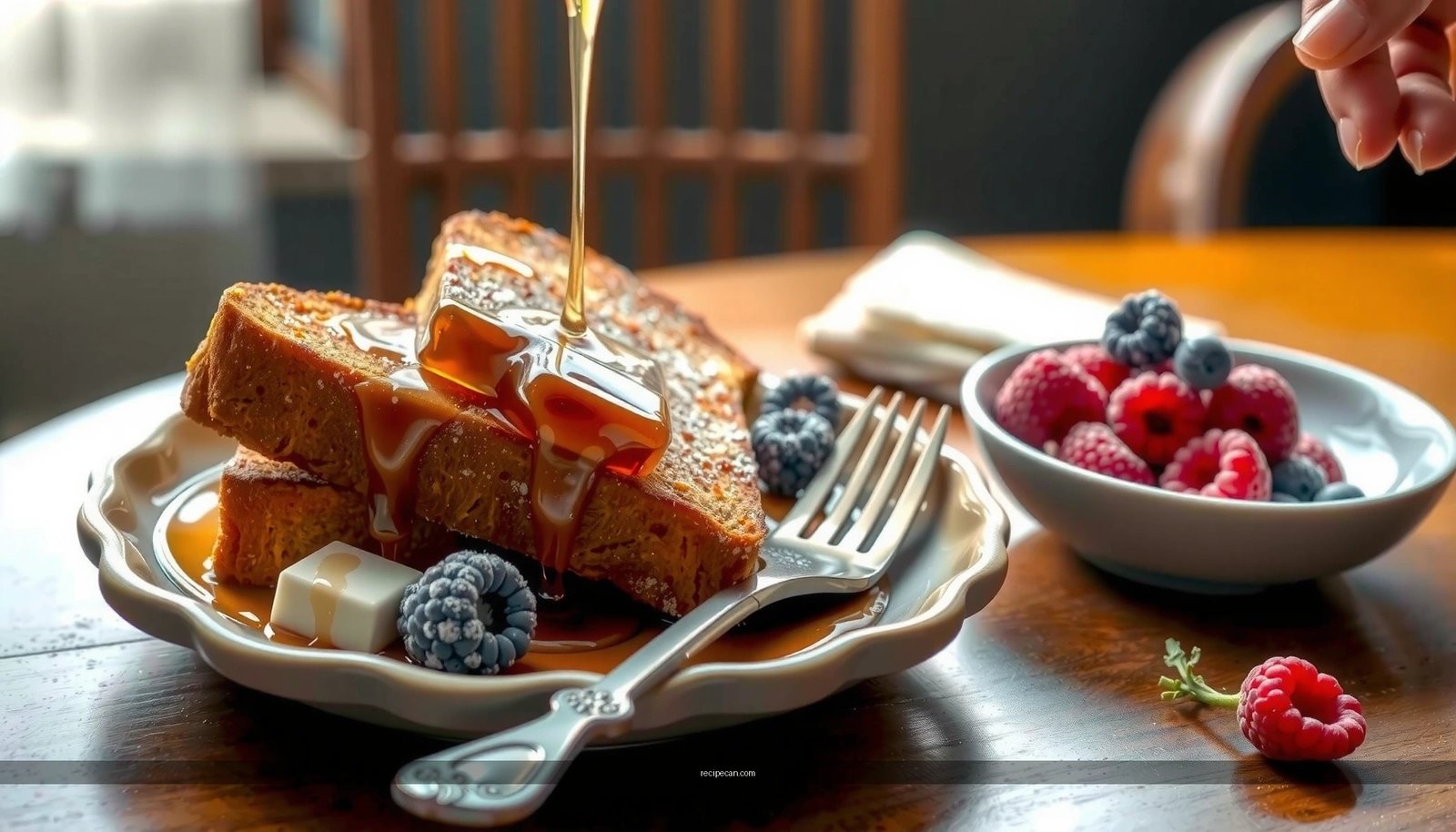
– Classic: maple syrup and butter; add berries for freshness
Maple syrup brings caramelized sweetness, butter adds richness, and berries cut through the richness with acidity. Blueberries, raspberries, and strawberries all pair well.
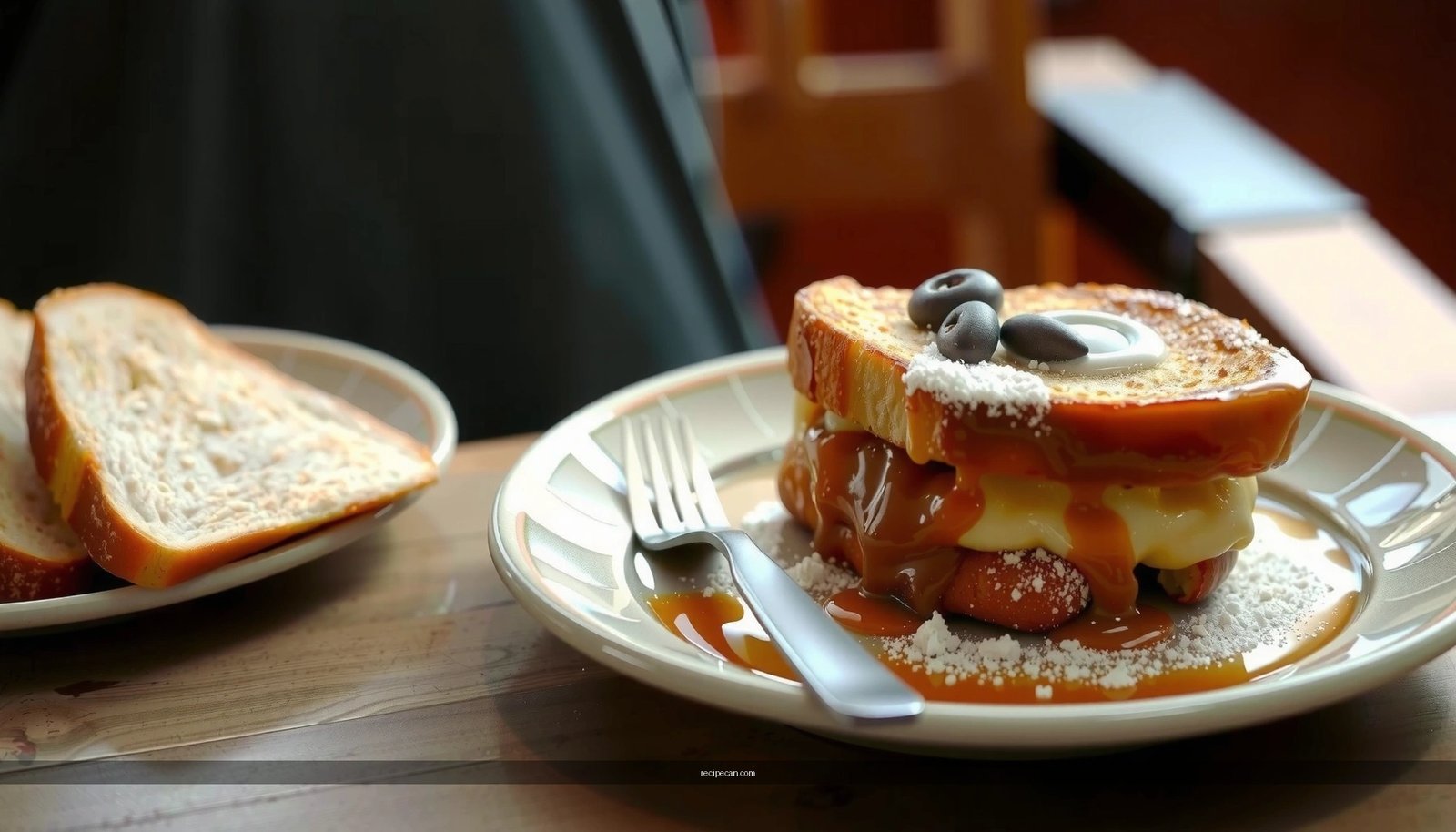
– Optional: powdered sugar, whipped cream, or a quick cinnamon sugar sprinkle
Powdered sugar is great for presentation and light sweetness. Whipped cream makes it dessert-like, while cinnamon sugar gives extra crackly surface when applied while warm.
Topping timing tip:
Add syrup at the last moment if you want maximum crispness. If you prefer softer toast, spoon syrup earlier and let it soak for 1–2 minutes.
Make-Ahead and Reheating Tips
French toast is best fresh from the pan, but smart prep makes it feasible for weekends, brunch hosting, or meal planning.
– Prep custard ahead and soak just before cooking for best results
You can whisk the custard mixture up to 24 hours in advance and refrigerate. For best texture, assemble slices and soak close to cooking time—especially with thick-cut bread.
– Reheat in a toaster oven or skillet to restore crisp edges
Microwaving often softens the crisp crust. A toaster oven or skillet re-crispens the exterior.
Reheating approach:
1. Warm slices at moderate heat until hot throughout.
2. For skillet reheating, add a tiny knob of butter to refresh browning.
3. If reheating multiple pieces, arrange in a single layer for even texture.
Quick Doneness Checklist (What “Right” Looks Like)
Use this visual and tactile checklist to dial in your thick French toast across different pans and burners:
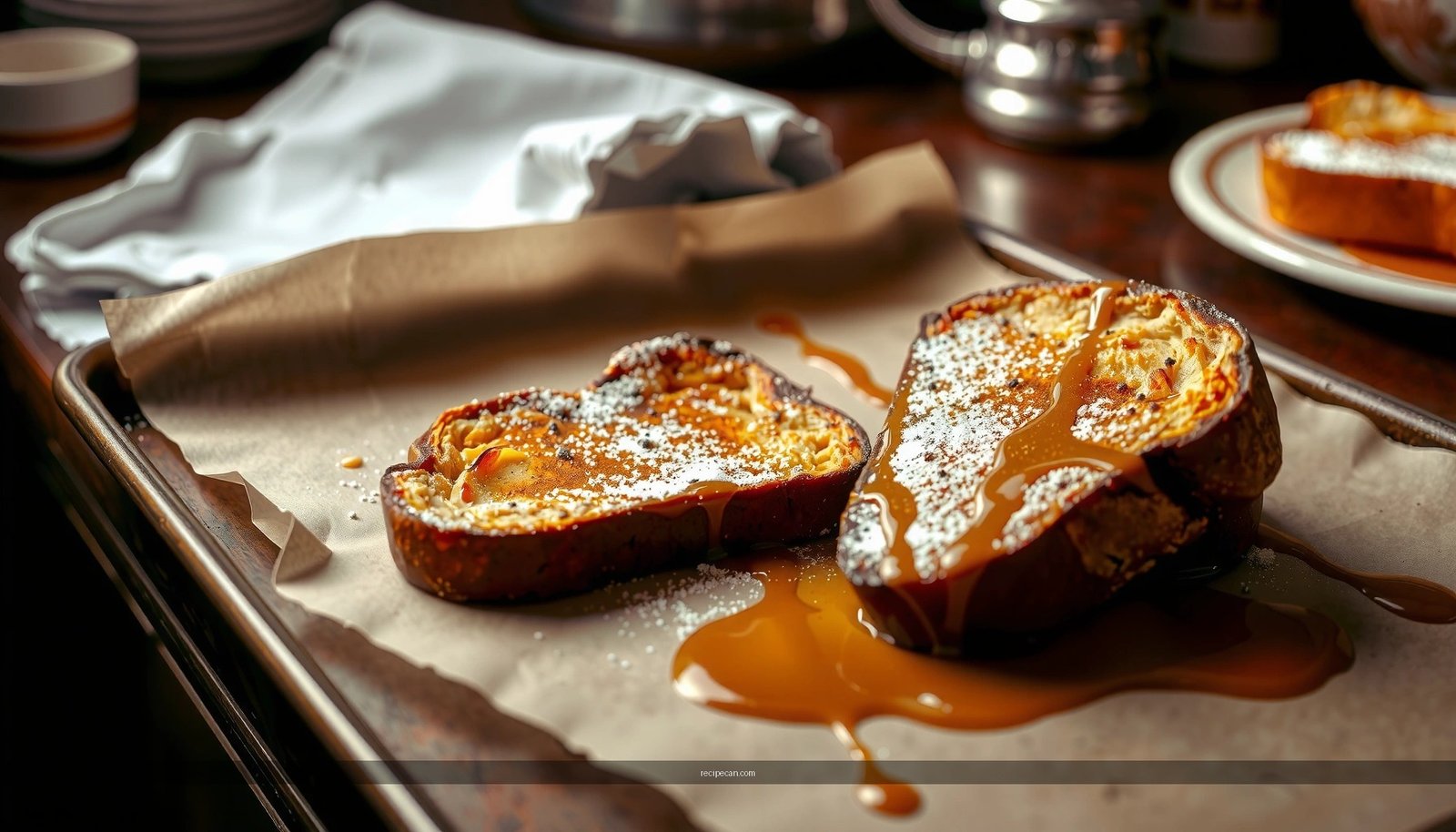
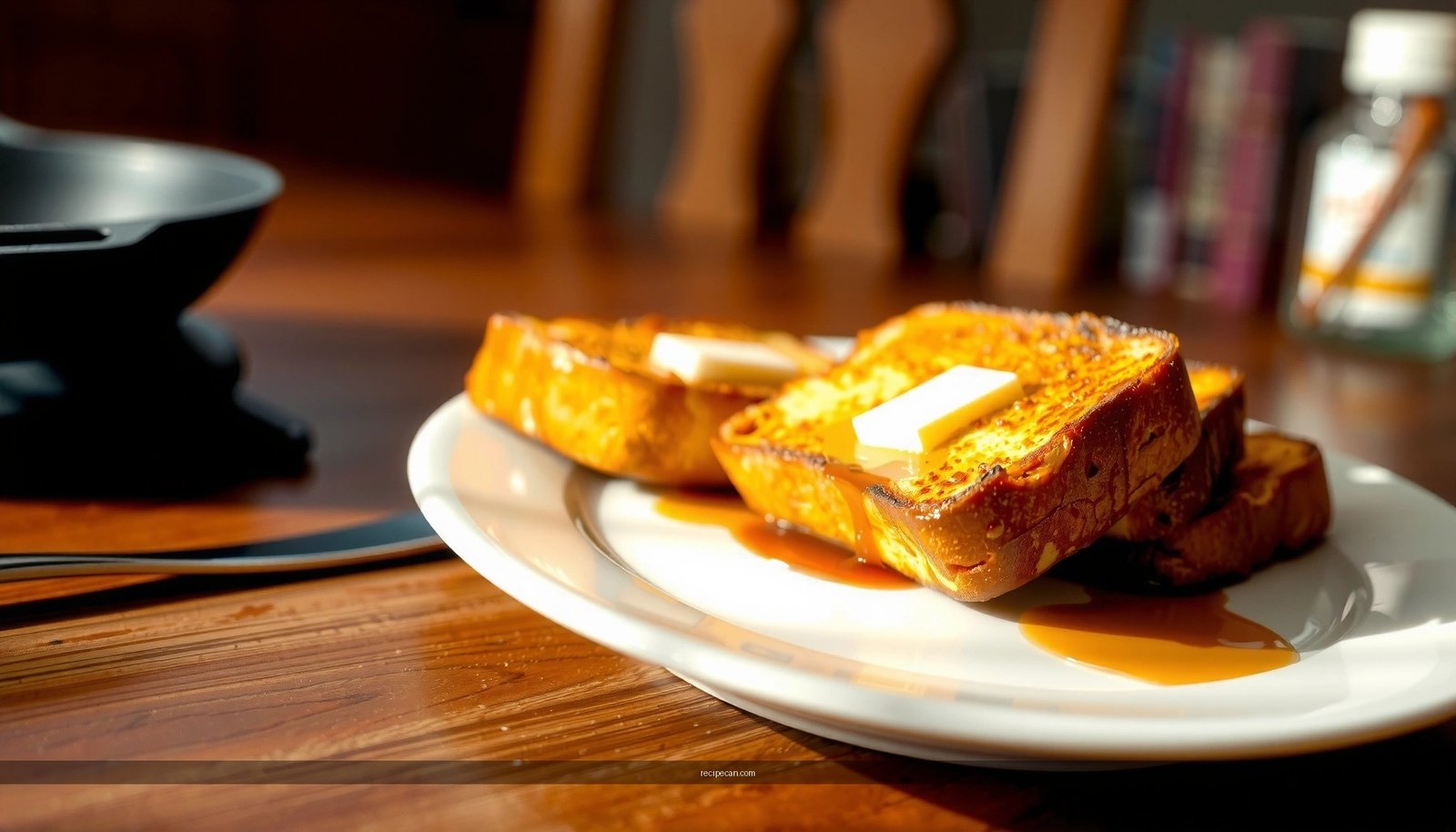
– Outside: deep golden-brown, not pale or patchy
– Edge texture: crisp enough to hold syrup lightly
– Center: set and custardy (bends slightly but doesn’t ooze)
– Aroma: toasted vanilla-custard smell, not raw egg
If your center is undercooked, reduce heat slightly and extend cook time rather than increasing soak length.
Thick French toast is all about thick bread, a creamy custard soak, and steady pan heat for that crisp exterior with a soft center. Choose brioche, challah, or thick Texas toast, whisk a balanced egg-and-milk custard with a pinch of salt, soak briefly, and cook on preheated medium heat until deeply golden. Make it once, note your preferred soak time and browning level, and then iterate with your favorite toppings—then save the method for your next weekend breakfast.
Frequently Asked Questions
What makes a thick French toast recipe different from regular French toast?
A thick French toast recipe uses bread that’s cut thicker (often 1 to 1 1/2 inches) so the custard can soak in without turning soggy. The added depth helps the outside brown properly while the center stays creamy, making each slice feel hearty. Using a stale or day-old loaf also improves texture and prevents the toast from collapsing.
How do I make thick French toast without it being soggy?
Use sturdy bread like brioche, challah, or thick-cut sourdough and let it absorb custard briefly—typically 10 to 20 seconds per side for thick slices. Warm the pan first (medium heat) and cook slowly so the custard sets before the outside over-browns. If you’re batching, keep cooked slices on a wire rack in a 250°F oven instead of stacking them, which helps maintain crisp edges.
Why do my thick French toast slices fall apart or get gummy in the middle?
This usually happens when the bread is too soft, the slices soak too long, or the heat is too high so the outside cooks faster than the custard sets. For best results, use thick-cut bread and reduce soaking time, then cook on medium heat until the surface is golden and the center feels set. Let the toast rest for 1 to 2 minutes after cooking so the custard fully firms up.
What bread is best for a thick French toast recipe?
For thick French toast, brioche and challah are top choices because they’re rich, tender, and hold up well to egg custard. If you want a slightly firmer bite, consider thick-cut sourdough or French bread, but aim for a bread that’s dense enough to absorb without disintegrating. Day-old bread (or lightly toasted bread) works especially well because it soaks more evenly and stays crispier.
Which custard ratio works best for thick French toast?
A simple, reliable thick French toast custard is about 2 eggs plus 1/2 cup milk (or half-and-half) with 1/2 teaspoon vanilla and a pinch of salt, whisked well. For extra richness that thick bread loves, you can use a 1/2 cup half-and-half instead of milk and add 1 to 2 tablespoons sugar. Keep the custard flavorful and not watery, then dip quickly—this helps thick slices get creamy centers without soaking through.
References
- French toast
https://en.wikipedia.org/wiki/French_toast - https://www.britannica.com/topic/French-toast
https://www.britannica.com/topic/French-toast - Cookbook:French Toast – Wikibooks, open books for an open world
https://en.wikibooks.org/wiki/Cookbook:French_Toast - Easy French toast recipe | Good Food
https://www.bbcgoodfood.com/recipes/french-toast - https://www.nytimes.com/guides/dining/french-toast-recipe
https://www.nytimes.com/guides/dining/french-toast-recipe - Google Scholar Google Scholar
https://scholar.google.com/scholar?q=thick+french+toast+recipe - Google Scholar Google Scholar
https://scholar.google.com/scholar?q=french+toast+soaking+brioche+eggs+makes+thick - Google Scholar Google Scholar
https://scholar.google.com/scholar?q=custard+french+toast+factors+milk+eggs+soak+thickness - thick french toast recipe – Search results
https://en.wikipedia.org/wiki/Special:Search?search=thick+french+toast+recipe - https://www.ncbi.nlm.nih.gov/search/research-articles/?term=thick+french+toast+recipe
https://www.ncbi.nlm.nih.gov/search/research-articles/?term=thick+french+toast+recipe