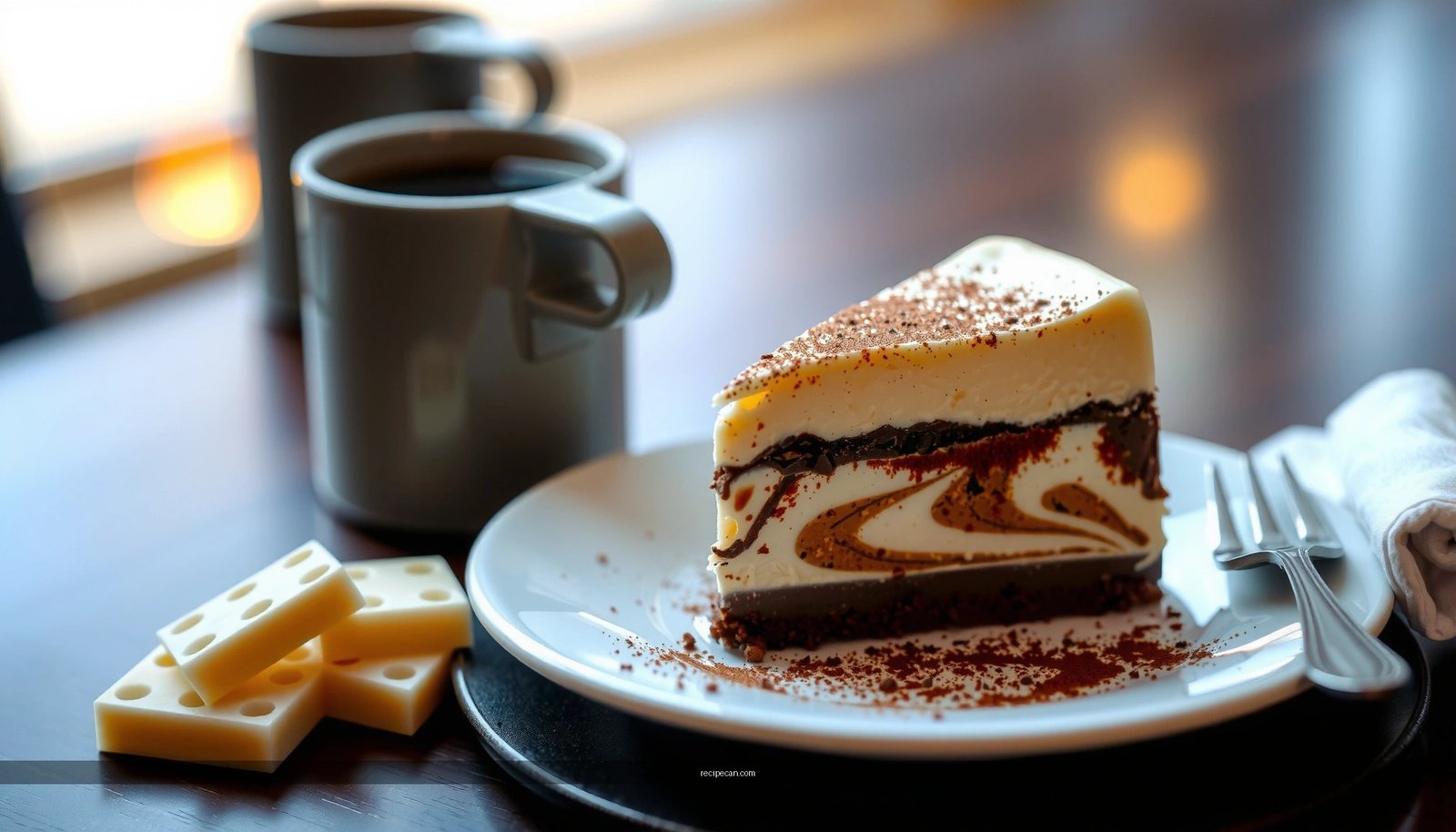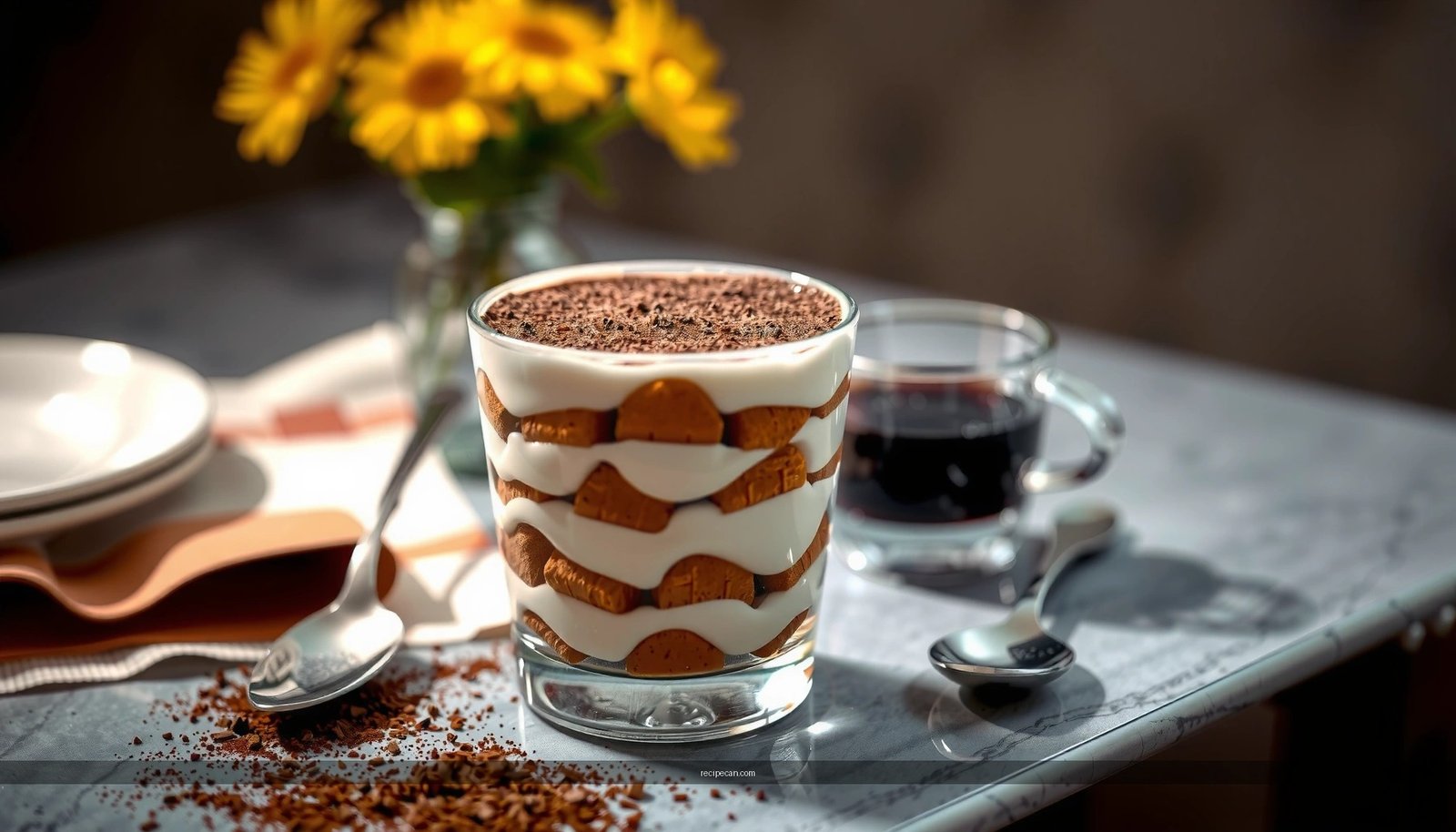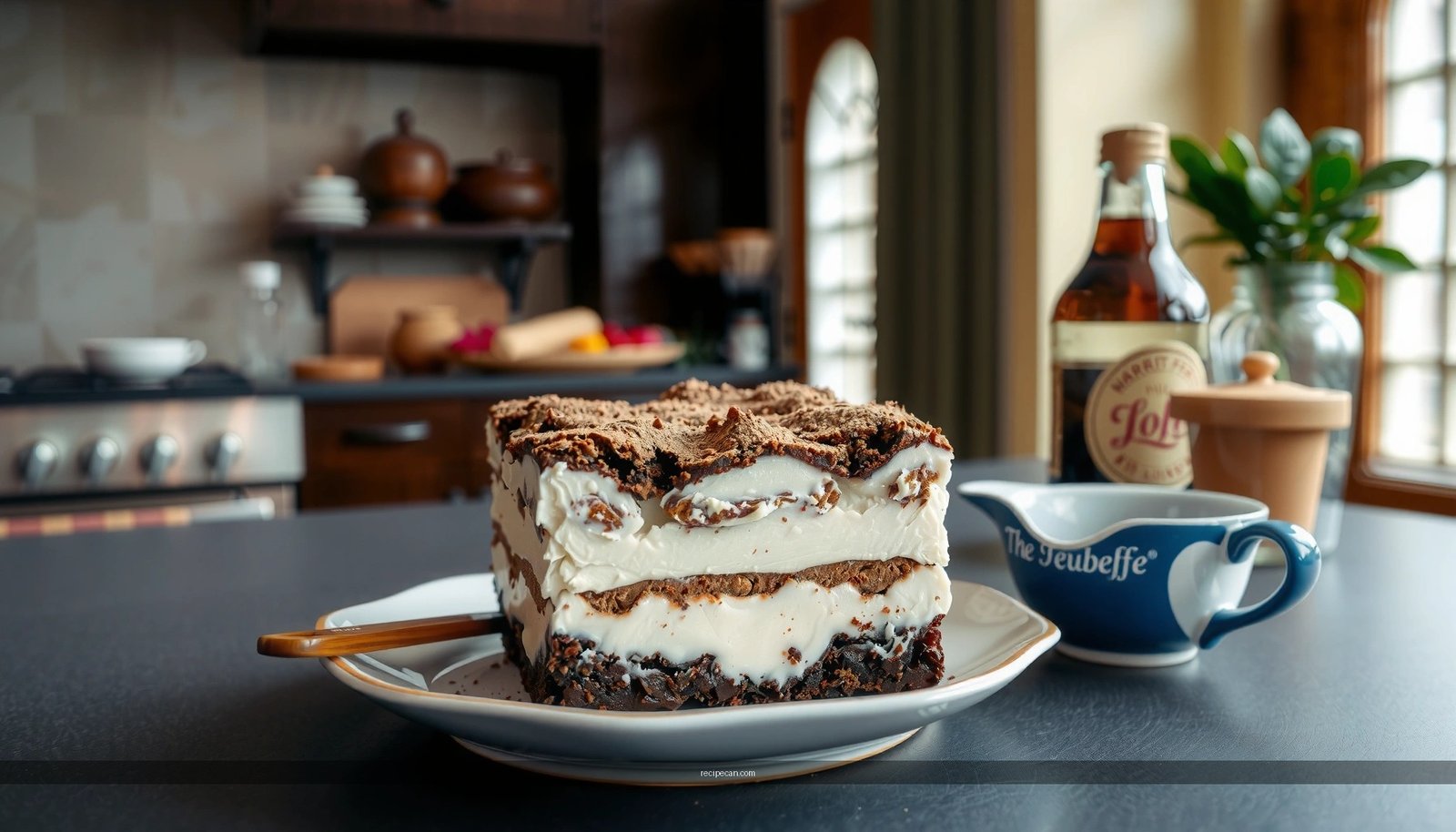
Looking for an easy recipe for tiramisu cake that delivers a simple, creamy dessert without the fuss? This no-fail tiramisu cake recipe walks you through the quick steps and delivers the classic coffee-soaked, mascarpone-style flavor in a straightforward way. If you want maximum tiramisu taste with minimal effort, this is the version to make.
Make an easy tiramisu cake by layering coffee-soaked ladyfingers with a creamy mascarpone mixture, then chilling until the cake holds clean slices. This no-fuss recipe focuses on smooth mascarpone, fast coffee dipping (so layers don’t collapse), and enough refrigeration time to set the classic tiramisu flavor into a sliceable dessert.
Easy Ingredients for Tiramisu Cake
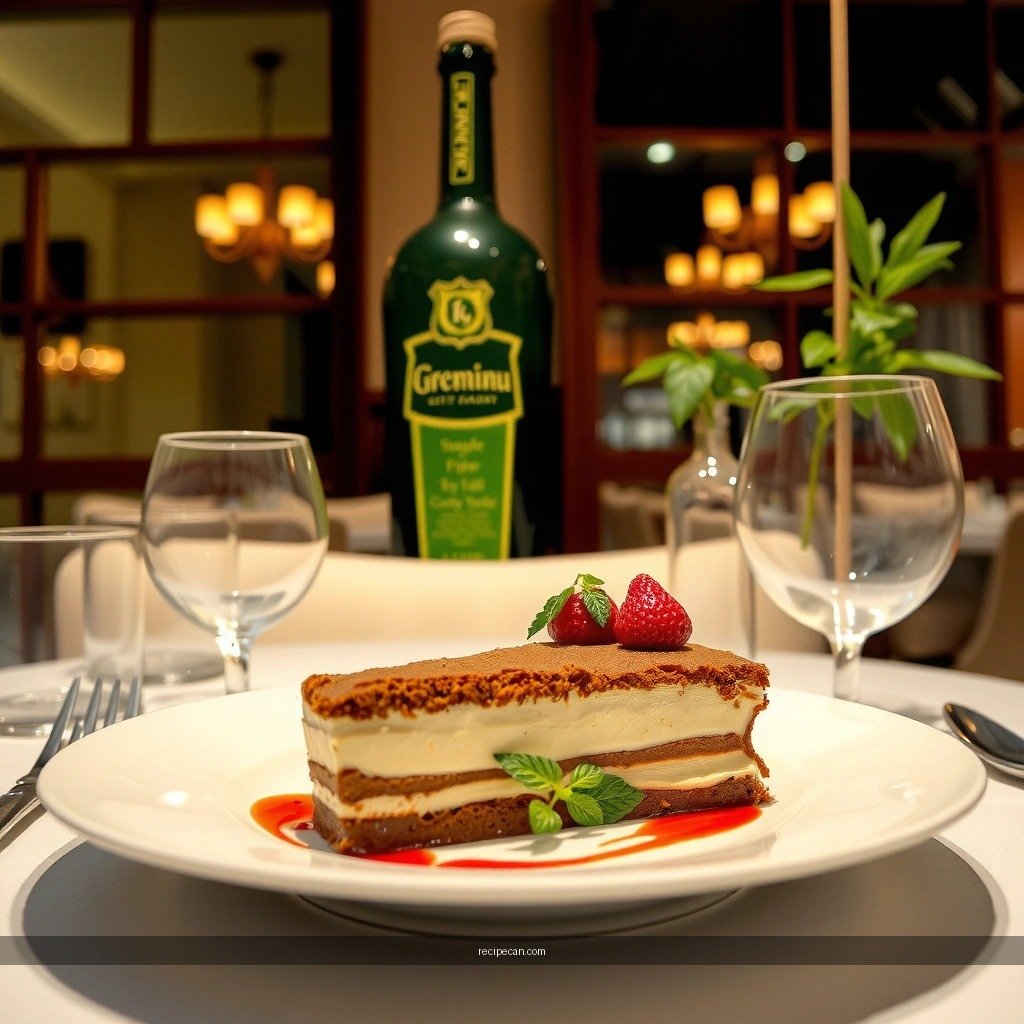
Tiramisu cake is essentially “tiramisu in layers,” so your ingredient list should support two priorities: (1) a stable, creamy mascarpone filling and (2) a coffee component that adds flavor without turning the cake into mush.
Core ingredients (classic, crowd-friendly):
– Mascarpone cheese: the heart of authentic flavor—creamy, tangy, and rich.
– Whipped cream (or heavy cream): improves lightness and helps the filling set better once chilled.
– Sugar: balances the mascarpone’s tang and the cocoa/coffee bitterness.
– Eggs (optional depending on your version):
– If you want a traditional “egg-based” method, use yolks (and sometimes whites) for a fuller, custard-like richness.
– If you want the simplest, most reliable method, skip eggs and rely on properly whipped cream for structure.
Flavor ingredients:
– Coffee (brewed espresso or strong coffee): use something bold; tiramisu needs distinct coffee presence.
– Cocoa powder: classic finishing dust—use unsweetened cocoa for the most authentic bitterness and depth.
Layering base:
– Ladyfingers (savoiardi) *or* sponge cake: ladyfingers soak more evenly when dipped briefly, while sponge cake can be even easier if you’re assembling quickly.
Quick ingredient quality checks (worth doing)
– Mascarpone freshness matters—older mascarpone can taste slightly flat and may soften too much.
– Whipped cream must be chilled before whipping; warm cream won’t hold structure.
– Coffee should be cooled to room temperature so the mascarpone mixture doesn’t melt during assembly.
Recommended Coffee Strength for a Sliceable Tiramisu Cake
| # | Coffee Option | Brew Style | Typical Strength | Layer Stability Score | Notes for Cake Layers |
|---|---|---|---|---|---|
| 1 | Espresso (single shot) | Machine espresso | High | ★★★★★ | Dip quickly for bold flavor without sogginess. |
| 2 | Brewed espresso-style (strong) | Moka pot or strong drip | High | ★★★★☆ | Best if coffee is cooled before dipping. |
| 3 | Strong black coffee (drip) | Extra concentrated drip | Medium–High | ★★★★☆ | Work in short dips (1–2 seconds). |
| 4 | Coffee concentrate (diluted) | Concentrate + water | Medium | ★★★☆☆ | Add less water to keep flavor strong. |
| 5 | Cold brew (regular) | Standard cold brew | Medium | ★★★☆☆ | May need slightly longer dips for flavor. |
| 6 | Decaf (strong) | Decaf espresso or strong decaf | Medium–High | ★★★★☆ | Great for evening gatherings and guests. |
| 7 | Instant coffee (regular) | Reconstituted | Low–Medium | ★★☆☆☆ | Use extra powder for flavor impact. |
Quick Step-by-Step Instructions
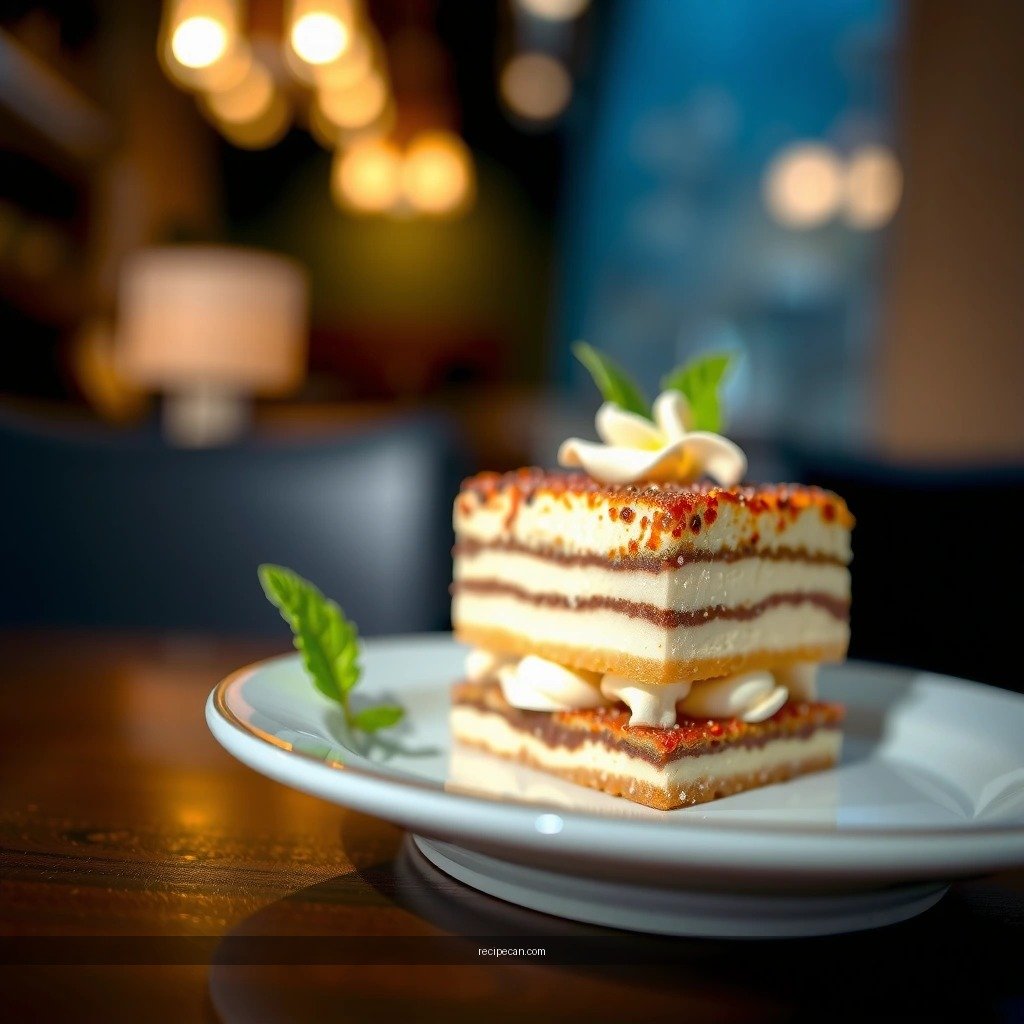
This easy tiramisu cake method is designed to minimize troubleshooting: you’ll build a stable mascarpone cream first, then assemble quickly and chill.
1) Make the mascarpone cream (smooth, not grainy)
– Whip the cream to soft peaks (if using heavy cream/whipped cream).
– In a separate bowl, mix mascarpone with sugar until smooth.
– Fold the whipped cream into the mascarpone mixture gently. Folding helps keep the texture airy and prevents overmixing, which can make cream feel heavy.
If you use eggs:
– Whisk yolks with sugar until lighter, then incorporate gently into mascarpone. Many bakers then fold in whipped cream for stability. If you’re working without experience handling raw eggs, the egg-free method is the simplest and most consistent.
2) Dip and layer the base (the “no-fuss” critical step)
– Brew strong coffee and let it cool to room temperature.
– Dip ladyfingers briefly—aim for “moistened” rather than “soaked through.” A quick dip (about 1–2 seconds per side) is typically enough.
– Layer the dipped ladyfingers in your pan so they cover the bottom evenly.
3) Add filling, repeat, and finish
– Spread a thick layer of mascarpone cream over the ladyfingers.
– Repeat layers until the pan is filled.
– Finish with a final layer of cream and then dust the top generously with unsweetened cocoa powder.
Pro tip for even layers: If you’re using a rectangular dish, align ladyfingers like tiles; it improves slice symmetry.
How to Get the Perfect Coffee Soak
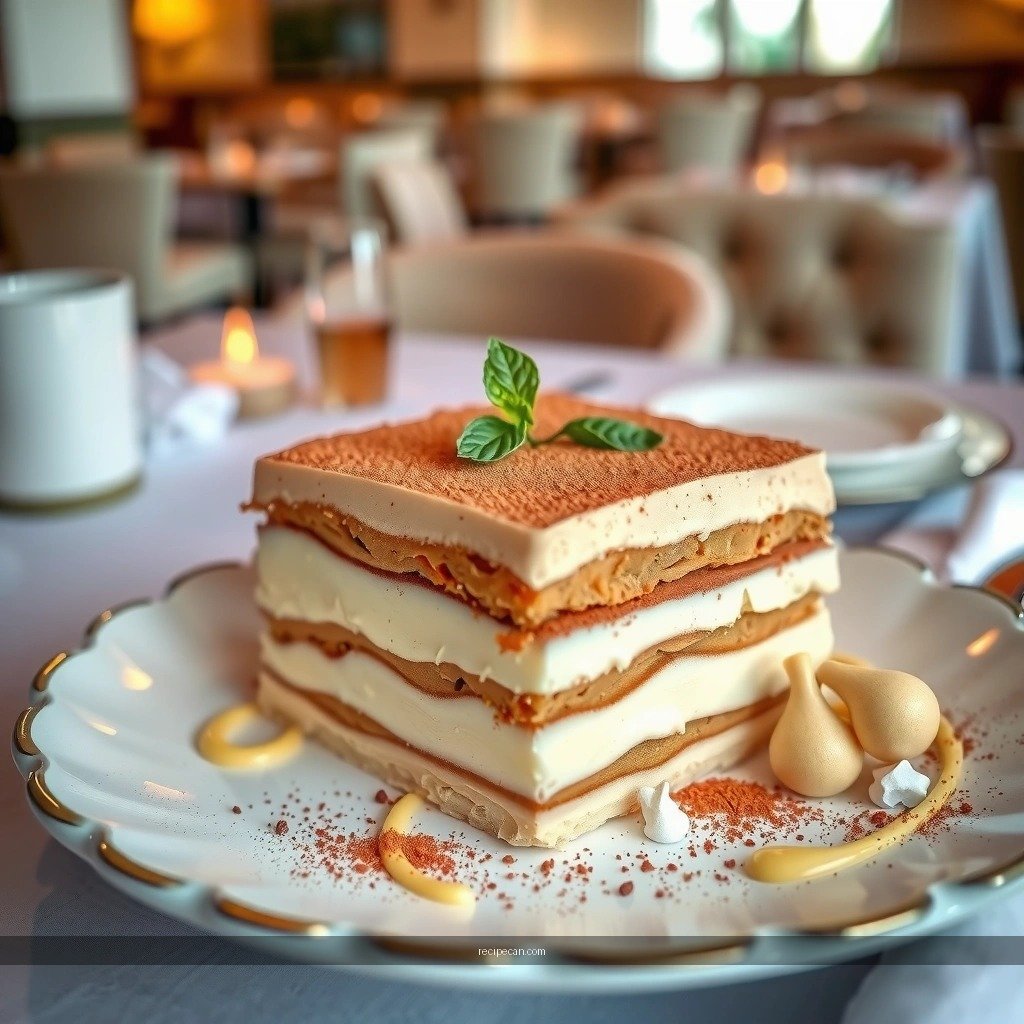
The coffee component should deliver flavor, not liquidity. Over-soaking is the most common reason tiramisu cake fails to slice cleanly.
– Dip fast—just enough to moisten without turning soggy.
Ladyfingers are porous. A fast dip coats the surface; soggy dipping makes them collapse into the cream.
– Use coffee that’s cooled to room temperature (or slightly cool).
Warm coffee can soften the mascarpone filling too quickly during assembly.
– Choose your flavor intensity.
Strong brewed coffee or espresso-style coffee tends to taste “classic” in tiramisu. If using milder coffee, you may need a slightly longer dip (still brief) or a stronger brew.
– Add a splash of liqueur (optional) for deeper tiramisu flavor.
Common choices include coffee liqueur or a small amount of rum. Use restraint—too much alcohol can thin the coffee mixture and affect soaking.
If you want a more “business-accurate” consistency target: assemble fast, build even layers, and rely on chilling time for structure rather than soaking harder.
Chilling and Setting Time
Chilling is what transforms layered dessert into a sliceable tiramisu cake. Cream needs time to firm and coffee needs time to settle into flavor balance.
– Refrigerate at least 4–6 hours for best flavor and firm slices.
This window typically improves both texture and taste.
– Cover well to prevent the top from drying out.
Use a lid or plastic wrap directly on the surface to limit air exposure.
– For sharper layers, chill overnight if possible.
Overnight chilling often produces the neatest edges and the most cohesive coffee-cream fusion.
Serving readiness check: The cake should feel set in the center and hold its shape when you lift a slice with a spatula.
Simple Variations and Substitutions
One reason tiramisu cake is popular for gatherings is that it’s adaptable without losing its identity. Here are practical swaps that maintain structure and flavor.
– Swap ladyfingers for store-bought sponge cake if you want faster assembly.
Sponge cake often requires less timing to achieve texture; dip each piece quickly and layer promptly.
– Use decaf coffee if you prefer a lower caffeine option.
Decaf still provides roast notes and pairs well with cocoa and mascarpone. Keep the decaf flavor strong to avoid a muted result.
– Make it egg-free by using a stabilized whipped cream method.
This is ideal for a “no-fuss” workflow: whip cream to soft/medium peaks and fold into mascarpone. It sets reliably in the refrigerator and reduces variability.
If you’re serving a mixed group, consider portioning: make one standard cake and one variation (decaf or egg-free) if needed, then garnish each with matching cocoa for a consistent presentation.
Serving Tips for a Classic Finish
Great tiramisu cake presentation is about timing and technique—small details make slices look bakery-made.
– Dust generously with cocoa powder right before serving.
Cocoa absorbs moisture over time, so last-minute dusting keeps the top crisp and visually appealing.
– Slice with a warm knife for neat edges.
Run the knife under hot water, wipe dry, then cut. Repeat between slices for clean boundaries.
– Serve chilled and pair with espresso or cold coffee.
The coffee pairing reinforces flavor without overpowering dessert sweetness.
For an upscale finish, you can add a light cocoa stencil, a few dark chocolate shavings, or a small espresso garnish—just keep any additions minimal so slices remain tidy.
Tiramisu cake is easiest when you focus on smooth mascarpone cream, quick coffee dipping, and enough chilling time to set the layers. Follow this easy recipe, make it your own with optional variations, and chill before serving—then slice, dust with cocoa, and enjoy (or share) your homemade tiramisu cake.
Frequently Asked Questions
What is an easy recipe for tiramisu cake that doesn’t require baking?
An easy tiramisu cake no-bake recipe uses layers of ladyfingers (or sponge cake) soaked lightly in espresso and layered with a mascarpone cream. You typically whisk mascarpone with sweetened whipped cream (and sometimes egg for a richer texture), then assemble, chill, and serve after the flavors meld. This approach avoids baking and makes the tiramisu cake easier for beginners while still delivering classic coffee-and-cream flavor.
How do you make tiramisu cake without eggs for a simpler, safer filling?
To make an easy egg-free tiramisu cake, use mascarpone plus whipped cream and a little powdered sugar, then fold together until smooth. You can also add vanilla or a touch of espresso to boost flavor without relying on eggs. For best results, chill the assembled tiramisu for several hours so the mascarpone cream firms up and the layers hold nicely.
Why does tiramisu cake end up watery, and how can you prevent it?
Tiramisu becomes watery when the ladyfingers (or cake) soak too long in espresso or when the mascarpone mixture is too loose. Dip each piece quickly, let excess drip, and avoid over-soaking if you’re using pre-sliced sponge or store-bought ladyfingers. Also make sure your cream is whipped to soft peaks and your tiramisu is chilled long enough for the layers to set.
Which mascarpone substitutions work best for an easy tiramisu cake?
If you can’t find mascarpone, look for thick Italian-style cream cheese alternatives, such as full-fat cream cheese, mixed with a little heavy cream to mimic a silky texture. Greek yogurt can work in a pinch, but it may add tang and can be thinner unless strained; be prepared to adjust sweetness and chilling time. For the easiest tiramisu cake with a classic taste, stick to mascarpone or a close high-fat substitute and avoid low-fat versions that won’t hold the creamy layer well.
What’s the best way to assemble an easy tiramisu cake for clean layers and easy serving?
Use a springform pan or a lined loaf pan so you can slice neatly, then layer espresso-soaked ladyfingers and mascarpone cream in even portions. Spread the cream consistently, then repeat layers, pressing gently to eliminate air pockets without squishing. Refrigerate for at least 4–6 hours (overnight is best), and dust the top with cocoa powder right before serving for a fresh, bakery-style finish.
References
- Tiramisu
https://en.wikipedia.org/wiki/Tiramisu - Tiramisu | Meaning, Ingredients, Origin, Desserts, & Taste | Britannica
https://www.britannica.com/topic/tiramisu - https://www.bbc.co.uk/search?q=tiramisu+recipe
https://www.bbc.co.uk/search?q=tiramisu+recipe - https://www.theguardian.com/search?q=tiramisu+recipe
https://www.theguardian.com/search?q=tiramisu+recipe - https://www.nytimes.com/search?query=tiramisu
https://www.nytimes.com/search?query=tiramisu - Google Scholar Google Scholar
https://scholar.google.com/scholar?q=easy+tiramisu+recipe - Google Scholar Google Scholar
https://scholar.google.com/scholar?q=tiramisu+cake+recipe+mascarpone - Google Scholar Google Scholar
https://scholar.google.com/scholar?q=tiramisu+history+ingredients - https://pubmed.ncbi.nlm.nih.gov/?term=tiramisu
https://pubmed.ncbi.nlm.nih.gov/?term=tiramisu - https://www.sciencedirect.com/search?qs=tiramisu
https://www.sciencedirect.com/search?qs=tiramisu