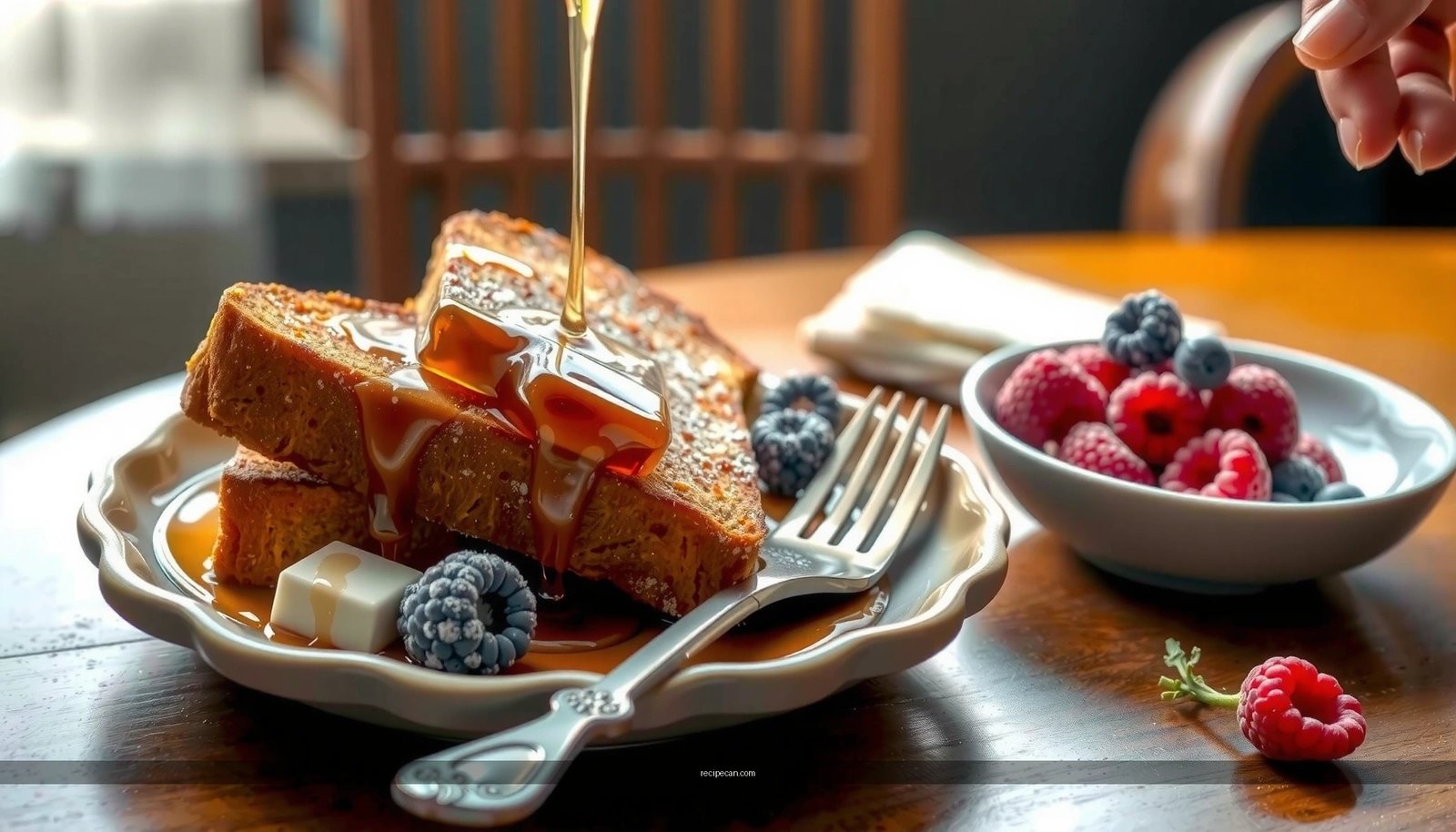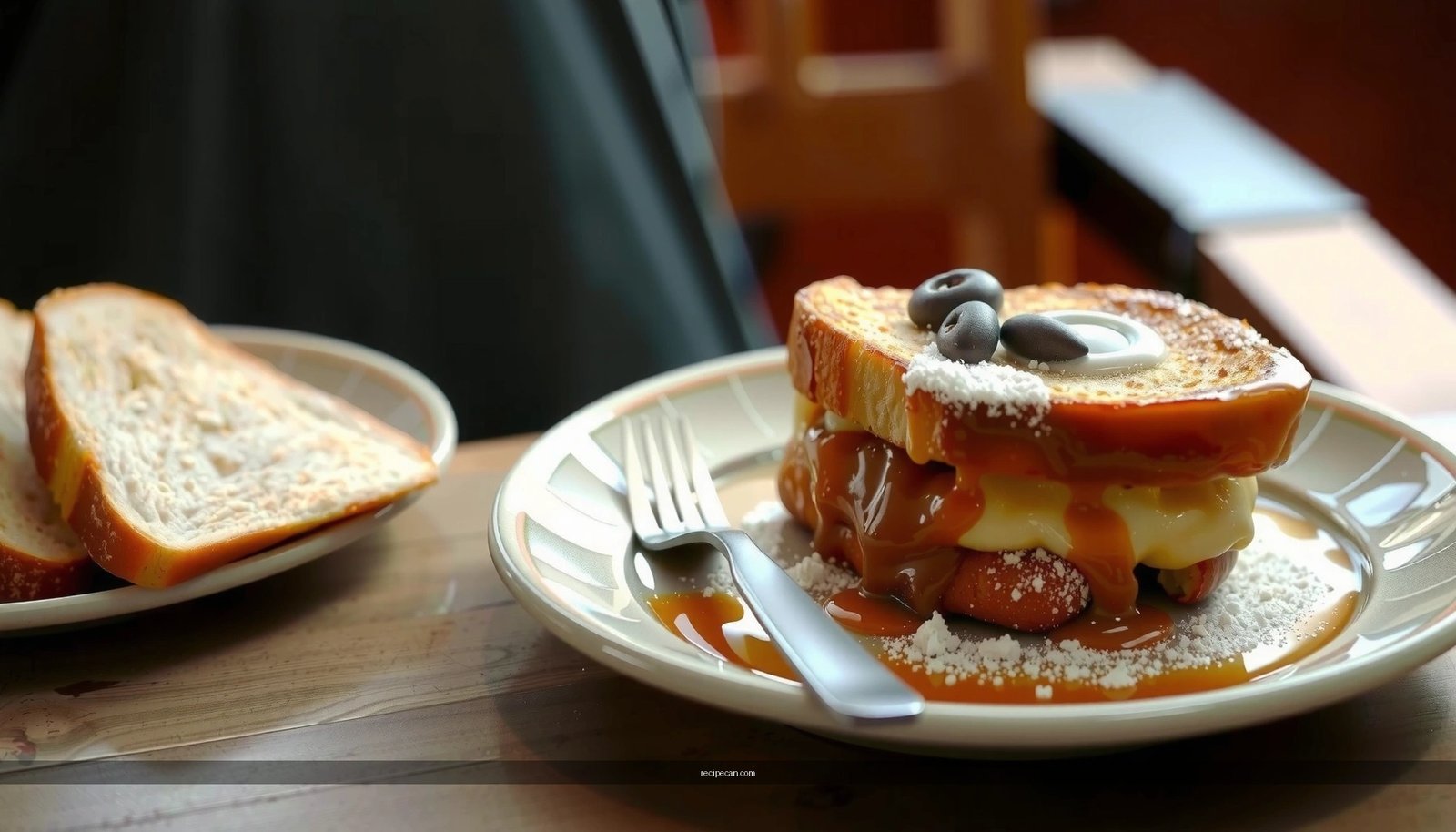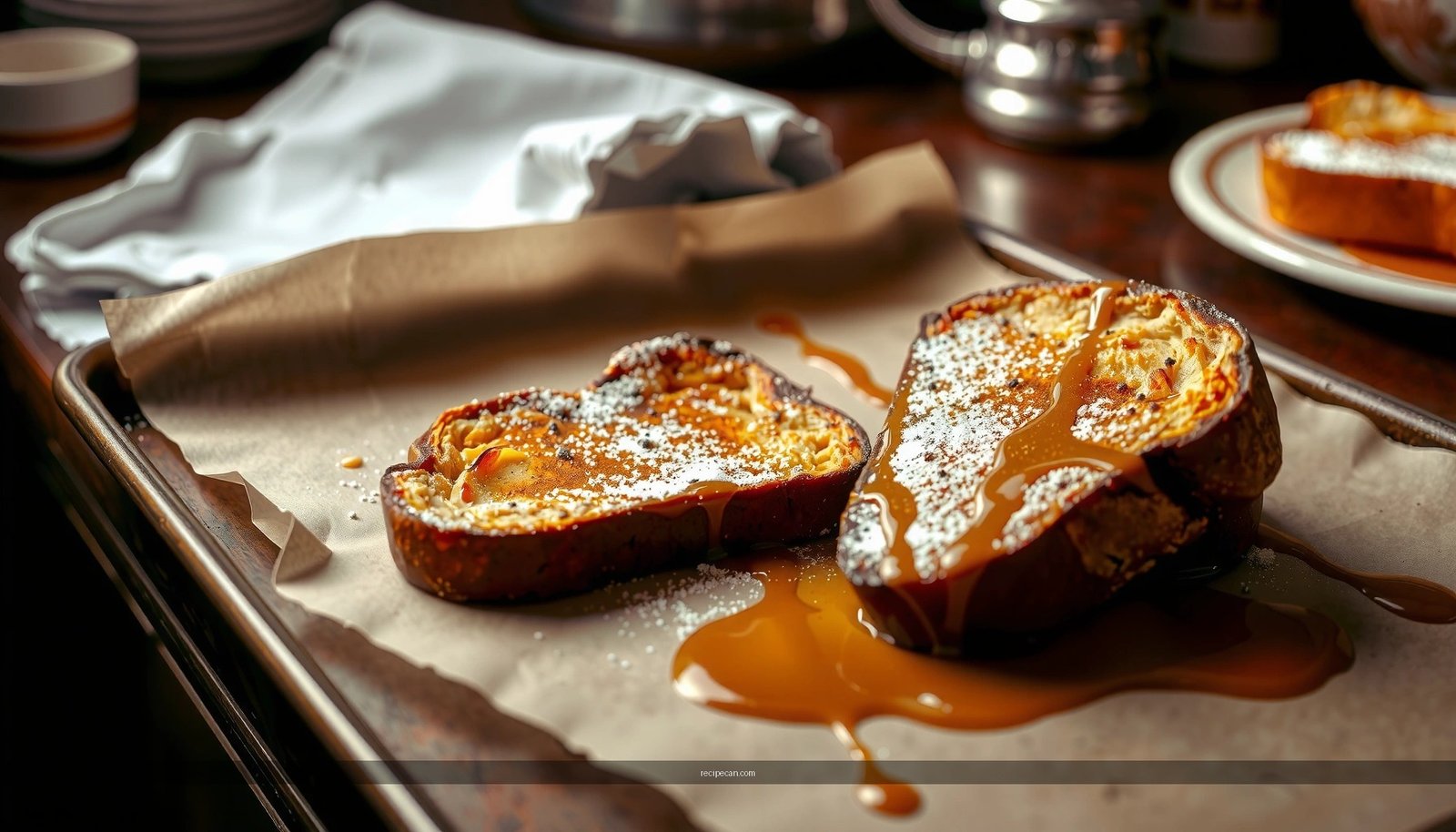
Get a French toast recipe with brown sugar that delivers crisp, caramelized edges and a custardy center every time. This method answers whether brown sugar actually makes the flavor sing—spoiler: it does when it’s melted into a quick pan glaze. Follow the timing and heat here and you’ll get the rich, caramel flavor without burning the sugar.
French toast turns out best when you coat the bread in a properly balanced custard and then finish with a warm brown sugar glaze; that combination is what delivers crisp, caramelized edges and a tender, fluffy center. In this French toast recipe with brown sugar, you’ll follow a tested process—choosing the right bread, controlling soak time, cooking to a deep golden color, and making a glossy topping quickly—so you can reliably serve a breakfast that looks and tastes “restaurant-level.”
Choose the Right Bread for French Toast
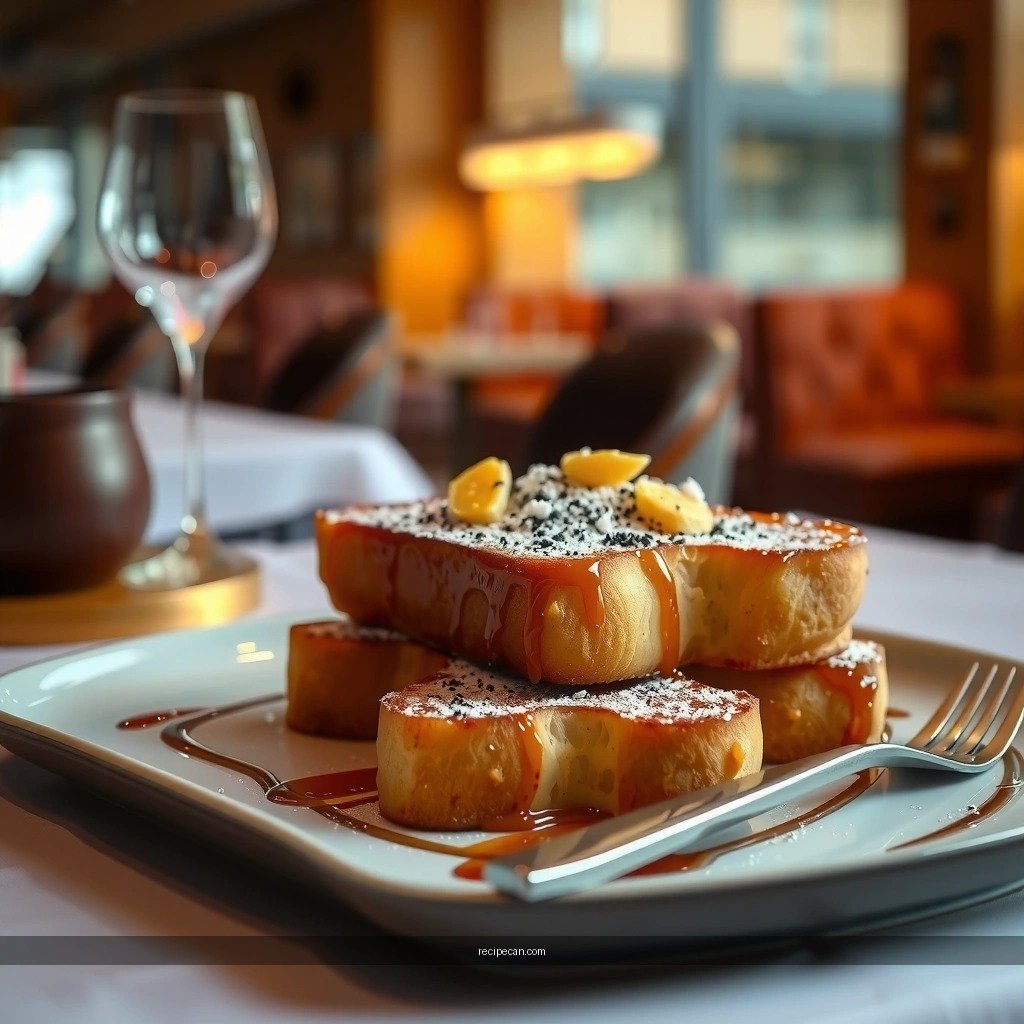
The bread is the foundation of a great French toast recipe. Since French toast is essentially custard-soaked bread cooked on a griddle, you want slices that can absorb liquid without falling apart, while still crisping well on the outside.
– Use thick-cut bread (brioche, challah, or Texas toast) for the best texture
Thick slices create a larger custard-to-bread ratio. That extra interior mass helps the center stay soft while the exterior develops a browned crust.
– Slightly stale bread absorbs custard better without turning soggy
Slight staleness roughens the crumb, letting it soak evenly. Fresh bread tends to act like a sponge—absorbing quickly, collapsing sooner, and sometimes turning gummy instead of custardy.
Practical picks for predictable results
– Brioche: Rich and tender; yields a “custardy dessert” profile.
– Challah: Similar richness with a slightly lighter crumb; very consistent for classic French toast.
– Texas toast: Ideal if you want a hearty, thicker slice and maximum surface area for browning.
If you only have sandwich bread, you can still succeed—just use shorter soak times and reduce custard thickness (or add a little extra bread) to prevent oversaturation.
Custard Absorption & Outcome by Bread Type (Typical Results)
| # | Bread Type | Best Soak Time | Edge Browning | Texture Rating | Repeatability |
|---|---|---|---|---|---|
| 1 | Brioche | 2–4 min | High | ★★★★☆ | Very High |
| 2 | Challah | 2–4 min | High | ★★★★★ | Very High |
| 3 | Texas Toast | 3–5 min | Medium–High | ★★★★☆ | High |
| 4 | Sourdough (white) | 4–6 min | Medium | ★★★☆☆ | Moderate |
| 5 | Sourdough (wheat) | 4–7 min | Medium | ★★★☆☆ | Moderate |
| 6 | Baguette (day-old) | 2–4 min | High | ★★★½☆ | Lower |
| 7 | Pre-sliced white bread | 1–2 min | Low–Medium | ★★★☆☆ | Lower |
Mix the Custard Base
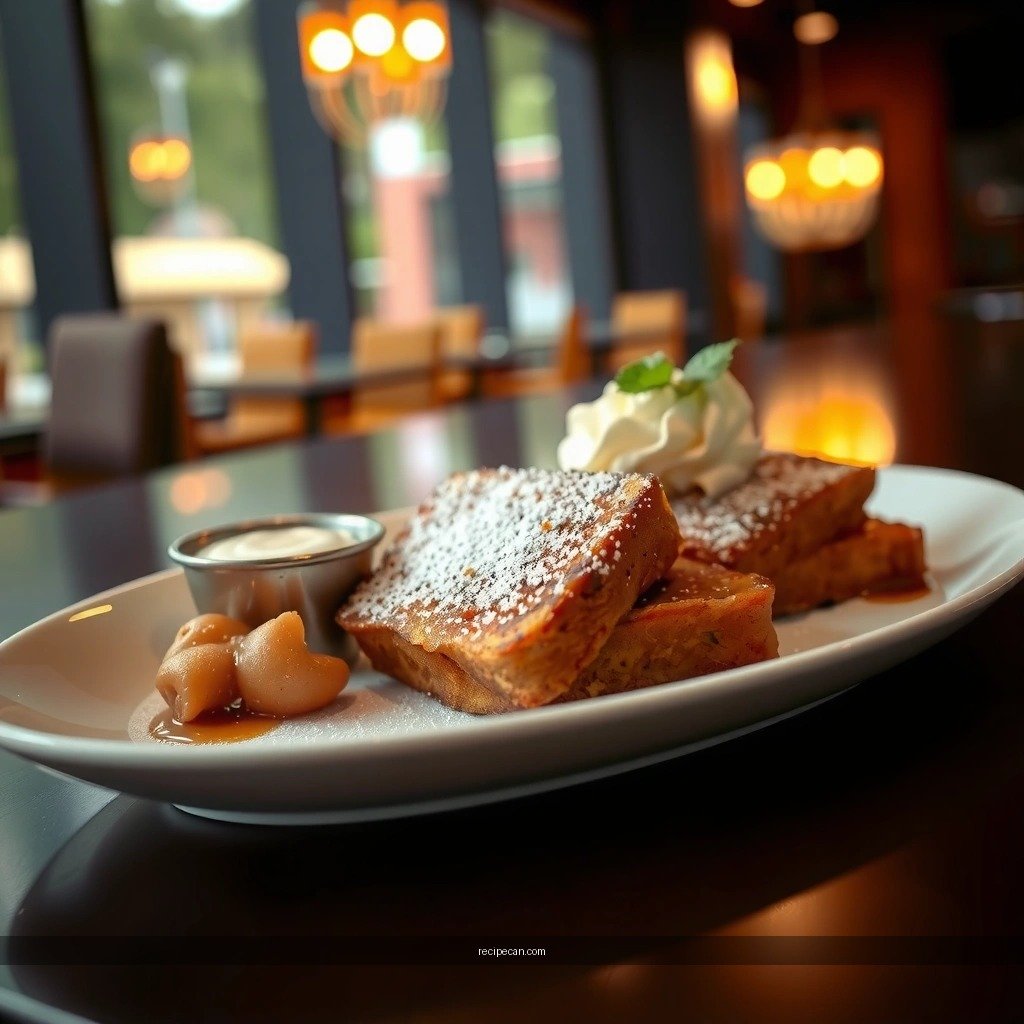
The custard mixture is what turns bread into French toast with a fluffy interior rather than a dry slice or a soggy slab. Think of custard as a heat-transfer system: it needs enough liquid to penetrate, but not so much that the bread loses structure.
– Combine eggs, milk (or cream), vanilla, cinnamon, and a pinch of salt
– Eggs provide structure and emulsify the custard so it cooks into a tender custard layer.
– Milk or cream affects richness: cream yields a more dessert-like mouthfeel, while milk keeps it lighter.
– Vanilla and cinnamon add aroma that pairs naturally with brown sugar glaze.
– Salt sharpens sweetness and prevents the custard from tasting flat.
– Let the bread soak briefly so each slice cooks evenly
A short, controlled soak is the difference between “custard-kissed” and “custard-soaked.” If the bread is thick and slightly stale, a 2–5 minute soak per side is typically enough—especially if you flip once during soaking.
Actionable custard ratios (works for a standard batch)
Aim for a custard that clings rather than runs. As a benchmark, use about 1 egg per 1/2 cup milk plus vanilla, cinnamon, and salt. If your custard seems too thin, it will drain off before setting; if it’s too thick, it can cook into a custard paste without fully penetrating.
Heat control begins before the pan
Before cooking, let the custard-covered bread rest for 30–60 seconds so any surface liquid re-absorbs. That small step helps the edges brown evenly instead of steaming.
Cook until Golden and Crispy
Cooking method is where many French toast recipes fail—either the outside burns before the inside warms, or the inside stays raw and the exterior stays pale.
– Pan-fry in butter (or a butter-oil blend) over medium heat
Butter provides flavor and browning through milk solids, but it can burn if heat is too high. A butter-oil blend increases the smoke tolerance while preserving buttery taste.
– Flip once when the first side is set and browned
Constant flipping disrupts crust formation and can tear delicate, custard-soft bread.
What “done” looks like
– The first side should be set and golden, with a slightly firm surface.
– After flipping, cook until the second side is similarly browned and the interior feels tender, not wet.
Cooking strategy for a batch
If you’re serving multiple people, cook in stages:
1. Keep cooked slices warm in a low oven (about 200°F / 95°C) on a rack (not a plate) to preserve crispness.
2. Avoid stacking early—steam is the enemy of crispy edges.
Make the Brown Sugar Topping
Brown sugar glaze is the signature finish in this French toast recipe with brown sugar. When done right, it becomes glossy, aromatic, and spoonable—like a caramel sauce that clings rather than pools.
– Stir brown sugar with a little butter until it melts and turns glossy
The goal is to dissolve sugar into a buttery syrup. As it warms, it should look smoother and slightly thicker than plain melted sugar.
– Add a splash of milk or cream if you want a pourable glaze
Dairy loosens the glaze and helps it coat the toast evenly. Too much liquid can make it run; too little can make it seize into a thick layer.
Timing matters
Brown sugar can go from perfect to burnt quickly. Keep heat medium-low and stir constantly until glossy and cohesive. The moment it looks caramel-like, remove it from heat and use immediately.
Flavor upgrades (optional, but business-proof)
– Add a pinch of cinnamon to echo the custard.
– Stir in a tiny splash of vanilla after removing from heat to preserve aroma.
– For a deeper note, finish with a grating of nutmeg (use sparingly).
Assemble and Serve for Maximum Flavor
The assembly phase is where the recipe transitions from “cooked” to “finished.” For maximum flavor, you want hot toast and warm glaze so the topping soaks slightly and adheres to the crust.
– Spoon brown sugar sauce over hot french toast immediately
If your toast sits too long, the crust cools and the glaze becomes less cohesive on the surface.
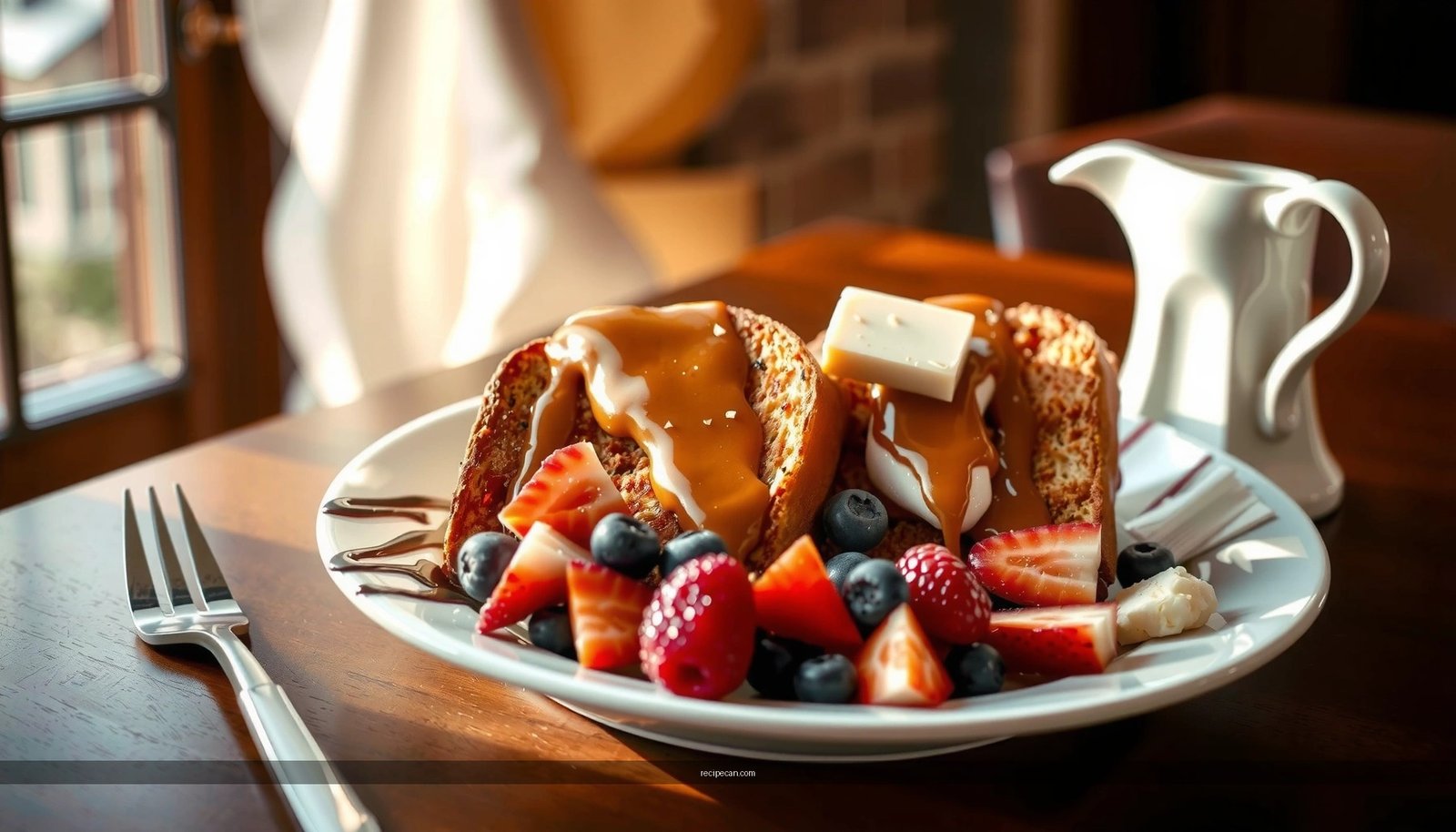
– Top with syrup, fruit, or extra cinnamon if desired
Brown sugar is sweet and rich; fruit adds brightness and balance.
Suggested service combinations
– Berries (strawberries/blueberries): contrast with acidity and color.
– Banana slices: pairs well with cinnamon and caramel notes.
– Extra cinnamon or a pinch of flaky salt: elevates the glaze’s aroma and prevents it from tasting one-dimensional.
Professional plating tip
For consistent presentation, place toast on a plate first, spoon glaze in a controlled zigzag or spiral, and finish with a small garnish (fruit, cinnamon, or nuts). This helps the dish look deliberate—especially if you’re hosting or catering.
French Toast Doneness & Custard Set Guide
| # | Checkpoint | Visual/Touch Signal | What to Do |
|---|---|---|---|
| 1 | First-side browning | Deep golden crust | Flip once |
| 2 | Interior set | Soft, not wet | Cook 30–90 sec more |
| 3 | Syrup interaction | Glaze clings, doesn’t run | Assemble immediately |
| 4 | Pan temperature | Sizzles gently | Adjust down if browning too fast |
Helpful Tips and Storage
Even a great French toast recipe can lose quality if you don’t manage timing and storage. These recommendations protect the crispy edges and keep the custard tender.
– Keep cooked slices warm in a low oven while you finish the batch
Use a rack so air can circulate. This prevents the underside from steaming and going soft.
– Store leftovers in the fridge and reheat in a toaster oven for best crispness
Refrigeration firms up the custard. Reheating properly restores texture:
– Toaster oven: best for crisp edges
– Microwave: works in a pinch but tends to soften crust
Storage timeline
– Fridge: 2–3 days in an airtight container.
– Freezer (optional): wrap slices individually and freeze up to ~1 month. Reheat directly in a toaster oven; avoid long thawing that can make bread mushy.
Reheating brown sugar topping
If your glaze thickens as it cools, warm it gently with a teaspoon of milk or cream until it turns glossy again. Then spoon over reheated toast just before serving.
French toast recipe success comes down to three controllable variables: the bread’s ability to hold structure, the custard’s balance for even cooking, and a warm brown sugar finish that clings to the crust. Follow the steps above for perfectly golden slices, a tender center, and a quick topping you can make without complicated equipment—then make a batch this weekend and share your favorite variation.
Frequently Asked Questions
What is the best French toast recipe using brown sugar?
A great French toast recipe with brown sugar starts by whisking eggs, milk (or half-and-half), vanilla, cinnamon, and a pinch of salt, then soaking thick slices of bread. Brown sugar works best when it’s stirred into the custard or melted into a quick glaze for caramelized flavor. Cook the toast in a butter-and-oil skillet over medium heat until golden brown on both sides, then finish with extra brown sugar or a brown sugar sauce.
How do I make French toast with brown sugar taste caramelized instead of burnt?
Use medium heat and avoid rushing—brown sugar can burn quickly if the pan is too hot. If you’re caramelizing brown sugar directly in the pan, melt butter first, then add brown sugar and stir constantly just until it bubbles and turns glossy. For the custard, mix brown sugar in with the egg mixture, and cook the French toast until the outside is golden and the center is set, not charred.
How long should I soak bread for French toast with brown sugar?
Soak time depends on bread thickness and staleness, but a common range is 10 to 20 minutes for good absorption. Thicker bread can handle a longer soak, while fresh bread may need less time to avoid mushy French toast. Proper soaking helps the egg custard set evenly, so the brown sugar flavor stays rich throughout rather than tasting dry or uneven.
Which bread types work best for French toast with brown sugar?
Brioche, challah, Texas toast, and thick-cut sourdough brioche-style bread all perform well because they absorb custard without collapsing. If you want the best results with brown sugar, choose bread that’s sturdy and slightly stale so it toasts crisp while staying creamy inside. Avoid very thin sandwich bread, which can cook too fast and leave the center under-soaked.
Why does my French toast turn out soggy even when I use brown sugar?
Soggy French toast usually comes from soaking too long, using bread that’s too fresh, or cooking on heat that’s too low. Brown sugar can also contribute to sogginess if added in a heavy syrupy layer too early—let caramel toppings be applied at the end. For crisp edges, cook on medium heat until fully browned, and drain any excess custard from the bread before placing it in the pan.
References
- Google Scholar Google Scholar
https://scholar.google.com/scholar?q=french+toast+brown+sugar+recipe - Google Scholar Google Scholar
https://scholar.google.com/scholar?q=maillard+reaction+brown+sugar+caramelization - Google Scholar Google Scholar
https://scholar.google.com/scholar?q=caramelization+sucrose+heating+food - French toast
https://en.wikipedia.org/wiki/French_toast - Brown sugar
https://en.wikipedia.org/wiki/Brown_sugar - Maillard reaction
https://en.wikipedia.org/wiki/Maillard_reaction - Caramelization
https://en.wikipedia.org/wiki/Caramelization - https://pubmed.ncbi.nlm.nih.gov/?term=Maillard+reaction
https://pubmed.ncbi.nlm.nih.gov/?term=Maillard+reaction - https://pubmed.ncbi.nlm.nih.gov/?term=caramelization+sucrose
https://pubmed.ncbi.nlm.nih.gov/?term=caramelization+sucrose - https://pubmed.ncbi.nlm.nih.gov/?term=food+browning+reactions
https://pubmed.ncbi.nlm.nih.gov/?term=food+browning+reactions