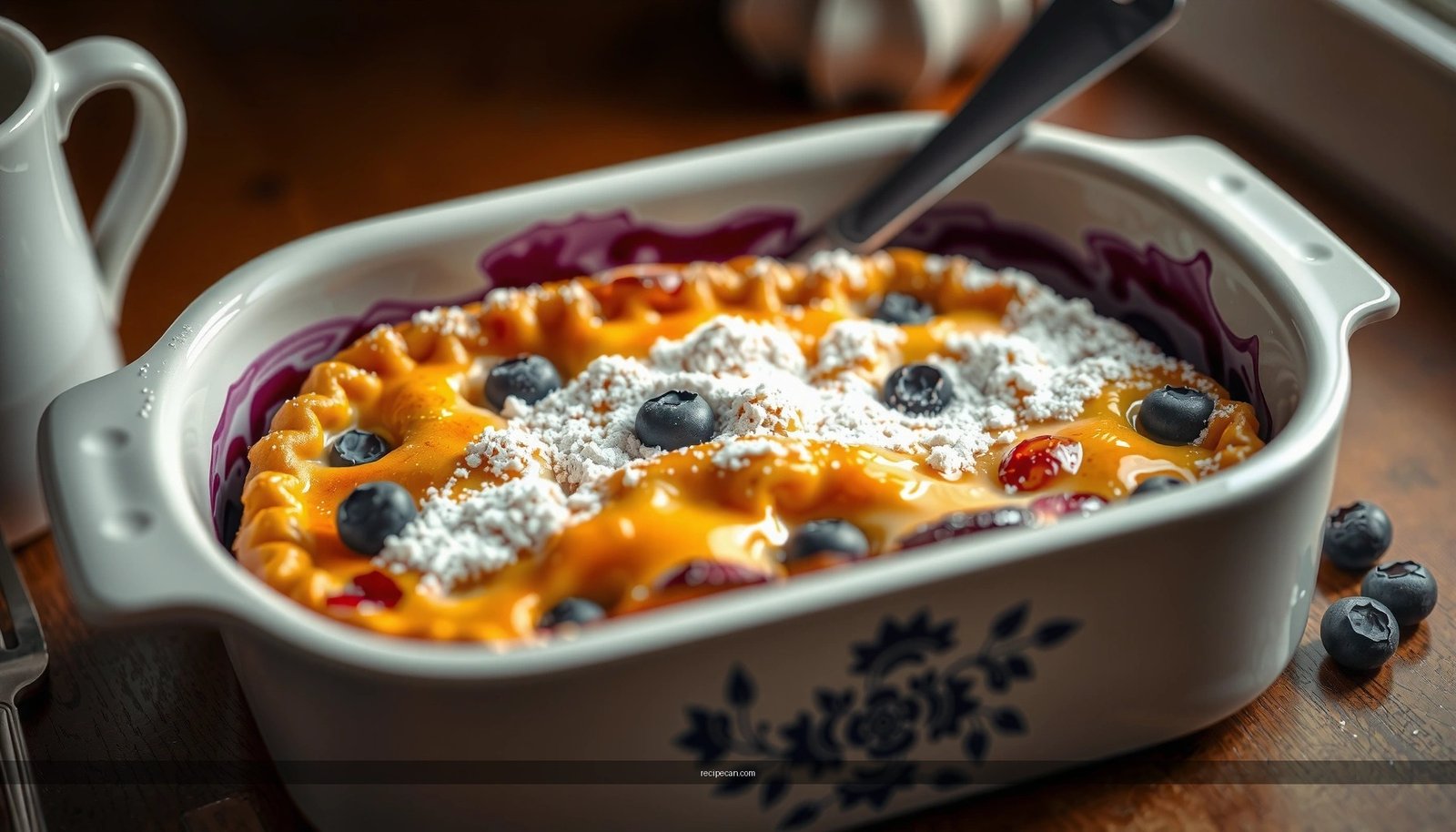
This blueberry French toast casserole recipe delivers the easiest baked breakfast that actually tastes like weekend brunch—sweet, custardy, and jammy in every bite. If you want a no-fuss way to feed a crowd with minimal prep, this dish is the clear winner, skipping the skillet and handling everything in the oven. You’ll get a straightforward method and timing so you can serve a golden, blueberry-studded casserole straight from the bake.
This blueberry French toast casserole recipe gives you a custardy, golden-brown baked breakfast with minimal hands-on work—simply assemble, soak, and bake. You’ll get even custard coverage, juicy berry pockets, and a brunch-ready dish that scales easily for family dinners, holiday mornings, or serving a crowd.
Gather Ingredients and Equipment
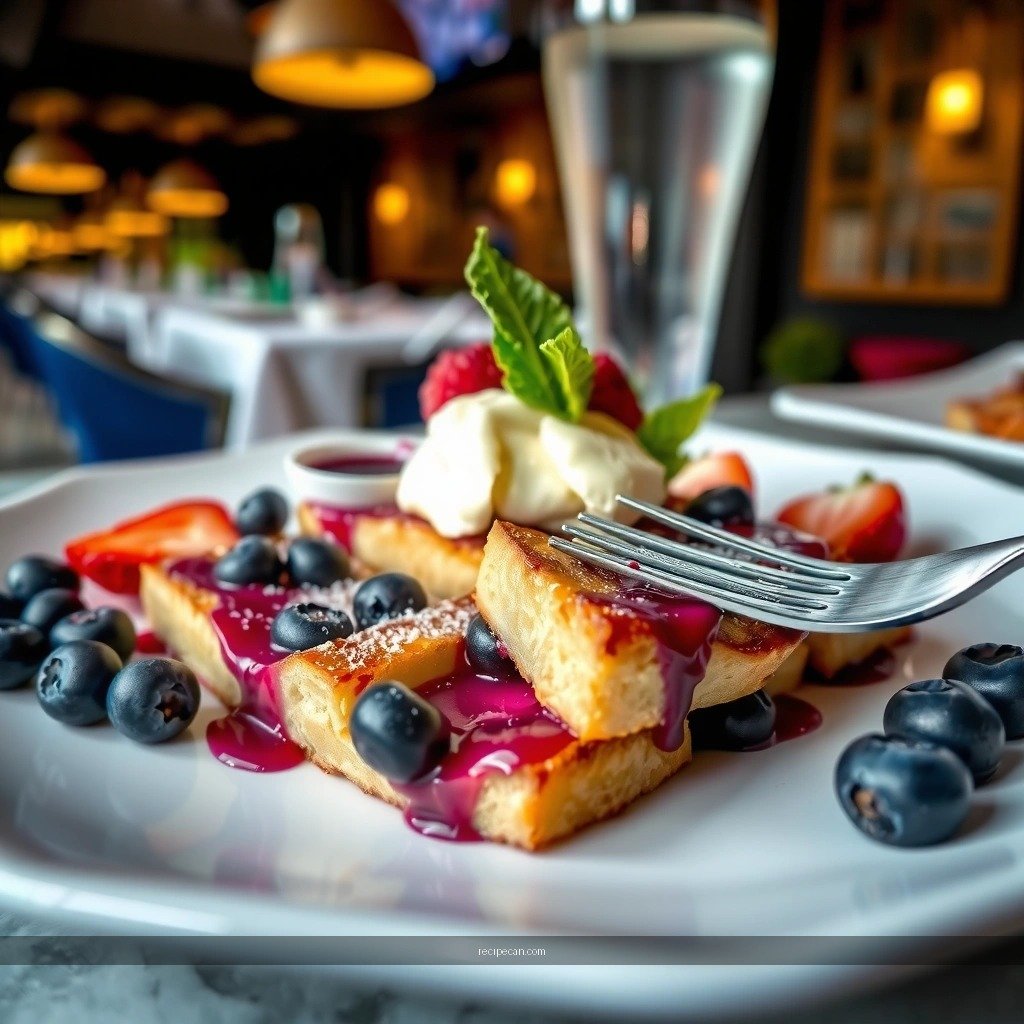
The ingredient strategy behind this baked breakfast is straightforward: use bread that can absorb custard without disintegrating, and use enough dairy and eggs to create a thick, spoonable set when baked.
Key ingredient choices
– Bread (structural base): Brioche, challah, or thick-cut French bread hold up best in an oven. If you can only find standard sandwich bread, use slightly more custard and bake until the center is set.
– Eggs (custard backbone): Whole eggs provide richness and help the casserole set cleanly for slicing.
– Milk or cream (texture control):
– Milk yields a lighter, classic custard.
– Half-and-half or cream produces a deeper, bakery-style texture.
– Vanilla + cinnamon: Adds warm, “French toast” aroma and complements blueberry brightness.
– Butter: Used for greasing the dish and optionally melted in the custard for extra browning.
– Salt: Essential for balancing sweetness and making the blueberry flavor taste brighter.
For the blueberries
– Use fresh or frozen blueberries. Frozen berries are convenient and release syrupy juices as they bake.
– Consider a light coating (sugar + flour) for a more even distribution and to reduce “sinking” during soaking.
Equipment checklist
– A 9×13-inch baking dish (or similar capacity)
– A whisk (for a smooth custard)
– Measuring cups/spoons
– Tongs or a spoon (for gentle tossing and layering)
– Optional: foil for preventing over-browning
Practical yield note: A 9×13-inch casserole typically serves about 10–12 people, depending on portion size and whether you’re serving sides.
Blueberry French Toast Casserole: Baking Outcomes by Technique (9×13 in)
| # | Soak Method | Total Soak Time | Bake Temp | Center Set (min) | Custard Texture Score | Crowd Favorability |
|---|---|---|---|---|---|---|
| 1 | Overnight refrigerated soak | 8–12 hrs | 350°F | 28–33 | ★★★★☆ | 9.6/10 |
| 2 | Quick soak (30 min) + longer bake | 30 min | 350°F | 35–40 | ★★★☆☆ | 8.7/10 |
| 3 | No soak (assemble → bake) | 0 min | 350°F | 40–48 | ★★☆☆☆ | 6.9/10 |
| 4 | Overnight soak + foil tent first 20 min | 8–12 hrs | 350°F | 30–36 | ★★★★☆ | 9.7/10 |
| 5 | Overnight soak + lower temp for gentle set | 8–12 hrs | 325°F | 34–42 | ★★★★☆ | 9.3/10 |
| 6 | Overnight soak + extra custard for more saucy center | 8–12 hrs | 350°F | 32–38 | ★★★★☆ | 9.2/10 |
| 7 | Quick soak + add berries at layering step | 30 min | 375°F | 26–30 | ★★★☆☆ | 7.8/10 |
Prep the Bread and Blueberries
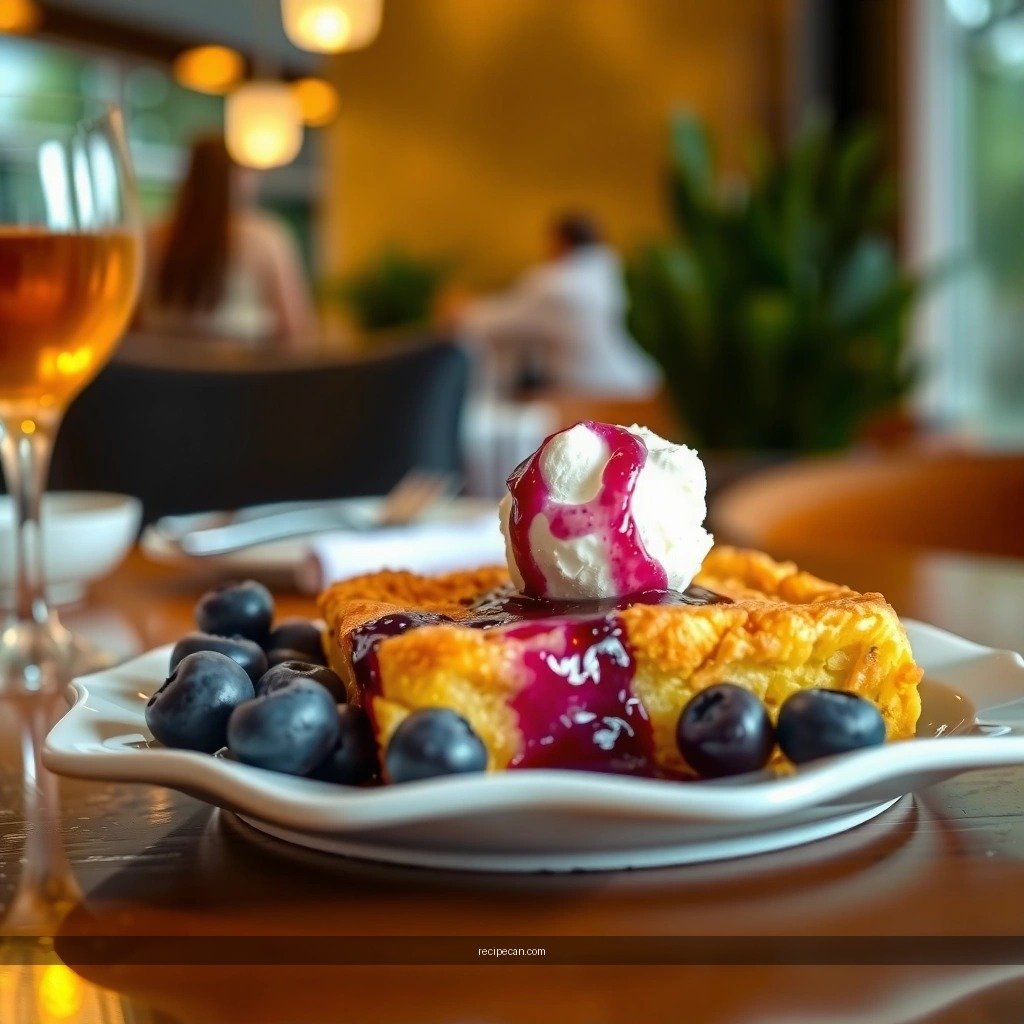
The texture of your casserole largely comes down to how you handle the bread and berries before baking.
Bread prep for consistent custard
– Cube or tear into even pieces (about 1-inch chunks). This helps the custard soak uniformly rather than leaving dry corners.
– Use day-old bread if possible. Slightly stale bread absorbs custard more predictably, reducing the risk of a gummy center.
Blueberries: distribution and juice control
– Fold in fresh or frozen blueberries directly—no thawing needed. Thawing can increase bleeding and watery pockets.
– For more controlled berry sinking, toss blueberries with:
– 1–2 tablespoons sugar
– 1–2 tablespoons flour (per about 2 cups blueberries, adjusted to taste)
Why the coating matters (analytical view)
Blueberries release liquid during baking. Without a light thickener, the fruit juice can create uneven wet spots. A small flour coating helps absorb surface moisture and encourages a “jammy” berry layer instead of pooling.
Time-saving tip
If you’re assembling ahead of time, you can prep bread and portion blueberries the night before. Keep them in separate containers to speed up the assembly step in the morning.
Make the Custard and Assemble
A baked French toast casserole is, at its core, a baked custard plus absorbent bread. The goal is a smooth custard that penetrates bread quickly enough (or with enough time) to set without drying out.
Custard mixture
Whisk until fully combined:
– Eggs
– Milk (or cream)
– Vanilla
– Cinnamon
– Salt
– Optional: melted butter for extra richness and browning potential
Assemble like a pro
1. Grease your baking dish (butter works well).
2. Layer bread evenly—avoid piling bread too high in one corner.
3. Sprinkle in blueberries as you layer, or fold them into the bread mixture before transferring to the dish.
4. Pour custard evenly over the top. Slowly pour around the edges so all bread pieces contact the custard.
Soak timing: the performance lever
– Best practice (for texture): refrigerate overnight (8–12 hours).
– Good alternative: rest at room temperature for 30–45 minutes (though overnight typically yields the most even set).
– If you refrigerate overnight, bring the casserole to room temperature for about 20 minutes before baking to help it cook through at a steady rate.
What to look for before baking
– The custard should look largely absorbed with a few moist pockets.
– Bread should appear hydrated but not collapsed into a paste.
Bake to Golden, Custardy Perfection
Baking is where the custard “sets” and the top browns. Your objective is to get golden edges and a center that’s fully baked but still tender—not dry.
Recommended baking behavior
– Bake at 350°F (175°C) until:
– The casserole is puffed
– The center is set (no visible liquid custard)
– Edges are golden-brown
How to tell it’s done (without guesswork)
– Gently shake the pan: the center should jiggle slightly like custard, not slosh like pudding.
– If you have a thermometer, aim for a custard-style set around 160–170°F (71–77°C) in the center.
Preventing over-browning
If your top browns faster than the center sets:
– Loosely tent with foil for the remainder of the bake.
This protects the top crust while allowing the interior to continue cooking.
Resting is not optional
Rest for 10–15 minutes before serving. During this time:
– Custard thickens
– Blueberry juices settle into jammy pockets
– The casserole slices more cleanly (and doesn’t run everywhere)
Serving Ideas and Toppings
This dish tastes like a bakery-style brunch staple, and the right toppings elevate the experience from “good” to “can’t-stop-eating.”
Classic pairings
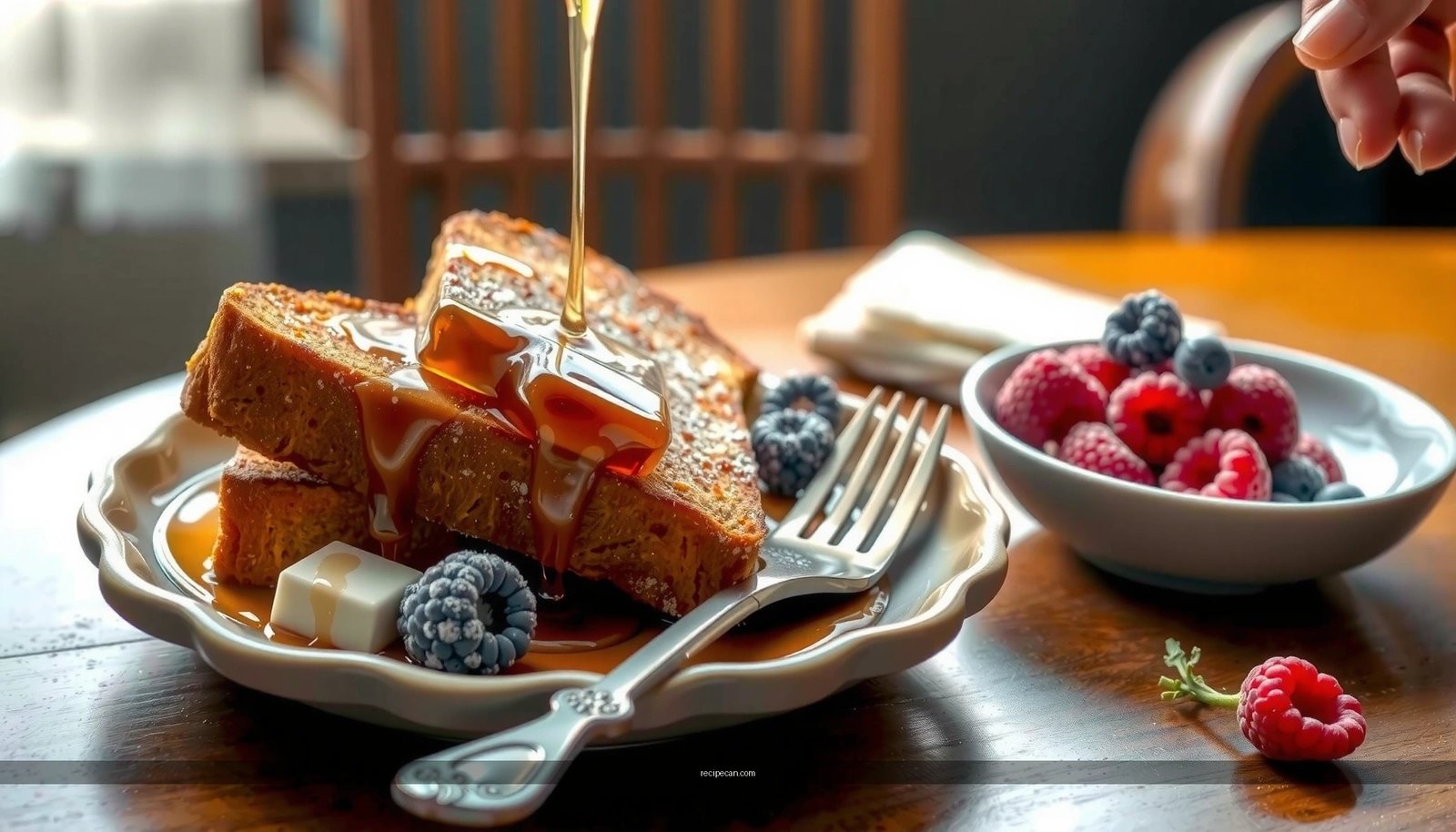
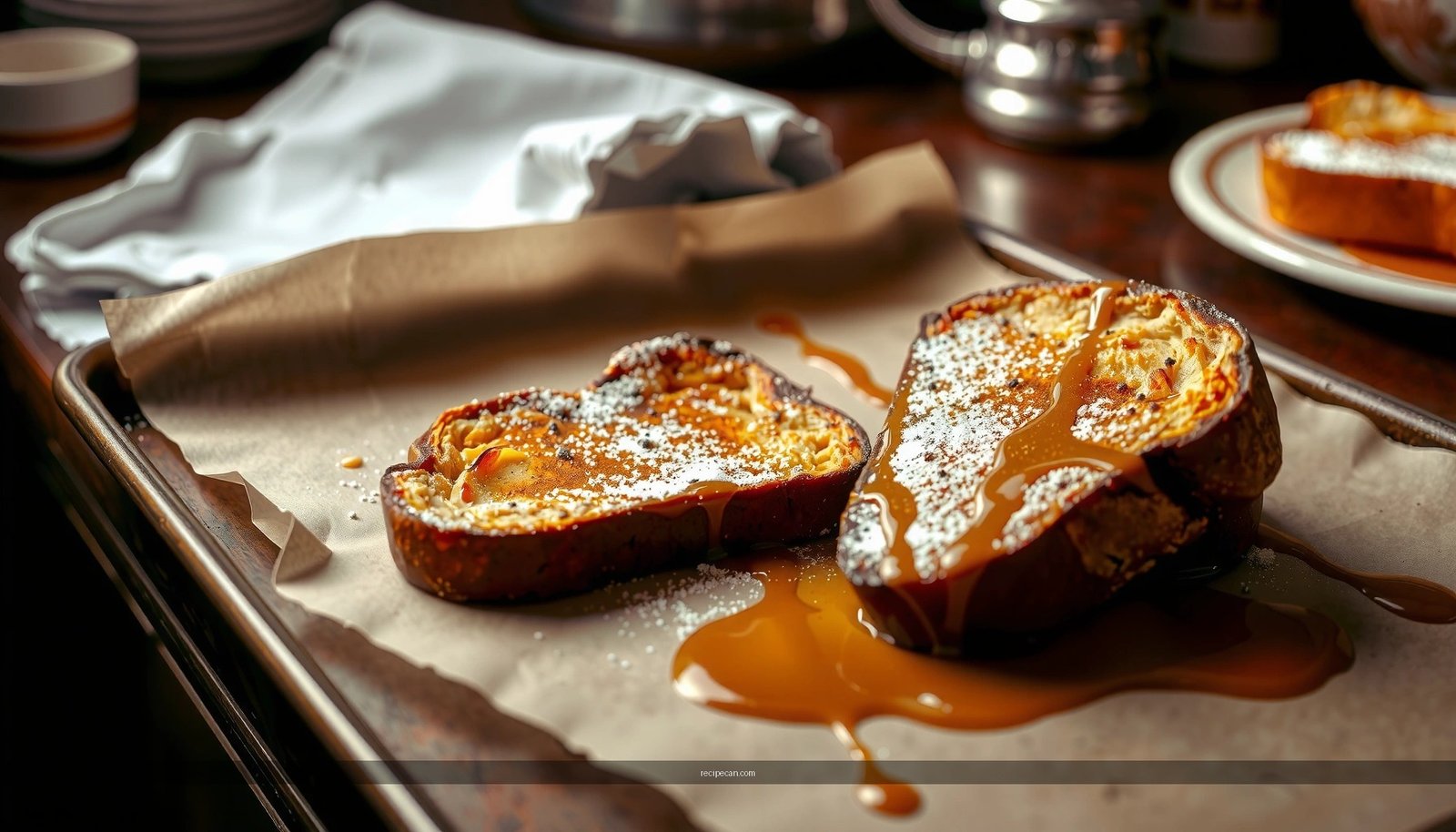
– Maple syrup (warm it slightly so it soaks into the custard)
– Powdered sugar for a simple, elegant finish
– Whipped cream for richness and contrast
Optional crunchy upgrade
If you want texture beyond the custardy bread, add a buttery topping:
– Crumb topping made from butter, brown sugar, and flour
Bake just until it turns golden (or add it before the final 10–15 minutes).
Fresh finish
– Top with fresh blueberries or a few lemon zest curls to brighten sweetness.
– Serve with yogurt (plain or vanilla) to add tang and balance.
How to plate for crowds
For large groups, spoon into shallow bowls. It prevents messy edges and keeps berry distribution even across servings.
Storage and Reheating Tips
Because this is a casserole, it’s ideal for meal planning—especially if you want to run fewer tasks on busy mornings.
Refrigeration
– Store covered in the refrigerator for up to 3 days.
Reheating best practices
– Oven: 325°F until warmed through (usually 15–25 minutes depending on portion size). This restores texture better than a microwave.
– Microwave: warm individual portions in short bursts, then let sit 1 minute. It’s faster, though the top may soften.
Freezing
– Freeze individual portions after baking and fully cooling.
– Reheat from frozen in the oven until hot through, or microwave with a rest period.
Quality note
Freezing can slightly soften bread edges, but the custard and blueberry flavor remain excellent—especially if you reheat gently and avoid overcooking.
This blueberry French toast casserole recipe delivers an easy, soak-and-bake method for a flavorful, custardy breakfast with tender bread and juicy berries. Choose the right bread, make a smooth custard, soak (overnight for best results), bake until the center sets, and rest before serving—then finish with syrup, powdered sugar, or whipped cream. Want the simplest weekend brunch workflow? Assemble the casserole the night before, refrigerate while you sleep, and bake in the morning for a golden, crowd-pleasing result.
Frequently Asked Questions
What are the key ingredients in a blueberry French toast casserole recipe?
A classic blueberry French toast casserole recipe uses cubed or torn bread, eggs, milk (or half-and-half), vanilla, cinnamon, and a sweetener like sugar or maple syrup. For the blueberry layer, use fresh or frozen blueberries (some people add a little lemon zest and cornstarch to prevent excess liquid). You can also fold in cream cheese or add a buttery streusel topping for a richer, more decadent bake.
How do you make blueberry French toast casserole without it getting soggy?
Use slightly stale bread or toast the bread lightly so it absorbs the egg mixture without turning mushy. If you’re using frozen blueberries, don’t thaw them first, and consider tossing them with a teaspoon of cornstarch to help thicken the juices. Bake until the center is set and the top is golden, and let the casserole rest for 10–15 minutes so the custard firms up.
Why should you let the casserole sit before baking, and how long?
Letting your blueberry French toast casserole sit before baking helps the bread fully soak up the egg custard, which creates a creamy interior instead of dry spots. For best results, cover and refrigerate for at least 30 minutes, or up to overnight if you’re meal-prepping. If you’re baking the same day, you can also let it sit at room temperature for about 20–30 minutes, then bake.
What’s the best bread to use for blueberry French toast casserole?
Thick-cut brioche, challah, or French bread are ideal because they’re sturdy enough to hold custard and create tender, custardy layers. Sourdough can work too if you like a more tangy flavor, but it may need slightly more soaking time. Avoid very soft, thin bread unless you adjust by using a longer bake time and ensuring the casserole rests before serving.
Which baking time and temperature work best for a blueberry French toast casserole?
Bake at 350°F (175°C) for about 35–50 minutes, depending on how deep your casserole dish is and how much bread you used. You’ll know it’s done when the center is set (a knife inserted near the middle comes out mostly clean) and the top looks golden. For extra insurance, check doneness around 35 minutes, then add 5–10 minutes as needed and always let the blueberry French toast casserole rest before slicing.
References
- Google Scholar Google Scholar
https://scholar.google.com/scholar?q=blueberry+french+toast+casserole+recipe - Google Scholar Google Scholar
https://scholar.google.com/scholar?q=french+toast+casserole+egg+custard+baking+temperature+food+safety - Google Scholar Google Scholar
https://scholar.google.com/scholar?q=blueberry+baking+anthocyanins+effects+recipe - French toast
https://en.wikipedia.org/wiki/French_toast - Casserole
https://en.wikipedia.org/wiki/Casserole - Blueberry
https://en.wikipedia.org/wiki/Blueberry - https://www.fsis.usda.gov/food-safety/safe-food-handling-and-preparation/safe-minimum-cooking-temperatures
https://www.fsis.usda.gov/food-safety/safe-food-handling-and-preparation/safe-minimum-cooking-temperatures - https://pubmed.ncbi.nlm.nih.gov/?term=egg+safety+salmonella+thaw+cook+temperature
https://pubmed.ncbi.nlm.nih.gov/?term=egg+safety+salmonella+thaw+cook+temperature - https://pubmed.ncbi.nlm.nih.gov/?term=food+safety+eggs+casserole+baking+custard
https://pubmed.ncbi.nlm.nih.gov/?term=food+safety+eggs+casserole+baking+custard - https://pubmed.ncbi.nlm.nih.gov/?term=blueberry+anthocyanins+baking+thermal+stability
https://pubmed.ncbi.nlm.nih.gov/?term=blueberry+anthocyanins+baking+thermal+stability