Looking for a French toast simple recipe that delivers the perfect, golden-brown slices without guesswork? This step-by-step method answers exactly how to mix the custard, soak the bread correctly, and cook it so the inside stays tender while the outside crisps. Follow these easy steps and you’ll get reliable French toast every time, whether you’re making breakfast for two or feeding the whole table.
Make French toast in minutes by soaking thick bread in an egg-and-milk mixture, then pan-frying on medium heat until golden with a custardy center. This simple recipe gives you the exact ratios, practical timing for even cooking, and the small technique adjustments that reliably produce crisp edges and tender interior—without complicated steps or fancy equipment.
Simple Ingredients for French Toast
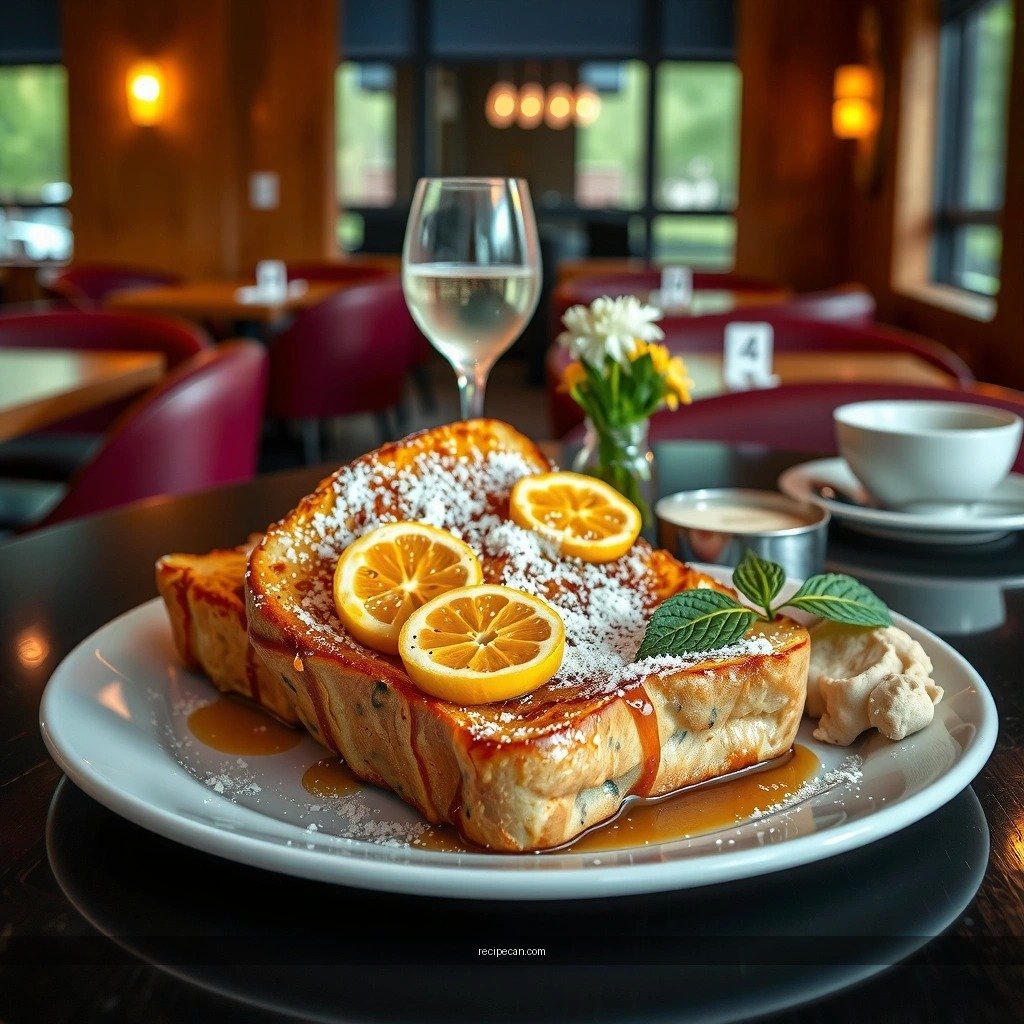
French toast is essentially a controlled custard bake—performed in a pan. The goal is to balance (1) enough liquid to create a creamy center and (2) enough structure from eggs so the bread sets instead of collapsing.
– Use thick bread (brioche or challah) for best texture
Thick-cut slices hold more custard, which translates into a softer center. Brioche and challah are especially forgiving because their enriched dough already contains fats and sugars, improving browning and tenderness.
– Basic mix: eggs, milk (or cream), vanilla, cinnamon
– Eggs provide structure (protein coagulation) and help the toast “set” as it cooks.
– Milk (or cream) supplies moisture and flavor while moderating richness. For a more tender bite, use part cream.
– Vanilla + cinnamon give classic French toast aroma without overpowering the bread.
– Optional: a pinch of salt and a little sugar for extra flavor
Salt makes sweetness taste more “complete,” and a small amount of sugar can support browning. Keep sugar modest—too much can scorch quickly on the skillet.
Custard Mix Guide for One-Standard Skillet Batch (Serves 2–3)
| # | Ingredient | Amount | Role in Texture | Impact Rating |
|---|---|---|---|---|
| 1 | Eggs | 2 large | Sets custard for a tender, sliceable center | ★ ★ ★ ★ ★ |
| 2 | Milk (or half-and-half) | 1/3 cup (≈80 ml) | Balances richness and prevents dryness | ★ ★ ★ ★ ☆ |
| 3 | Vanilla extract | 1 tsp | Adds bakery-style aroma | ★ ★ ★ ☆ ☆ |
| 4 | Ground cinnamon | 1/2 tsp | Warm spice depth without overpowering | ★ ★ ★ ★ ☆ |
| 5 | Sugar (optional) | 1 tbsp | Boosts browning and caramel notes | ★ ★ ★ ☆ ☆ |
| 6 | Salt (optional) | 1/8 tsp | Enhances sweetness and custard flavor | ★ ★ ★ ☆ ☆ |
| 7 | Butter (for pan) | 1–2 tbsp per batch | Flavor + golden crust formation | ★ ★ ★ ★ ★ |
Best Bread and How to Cut It
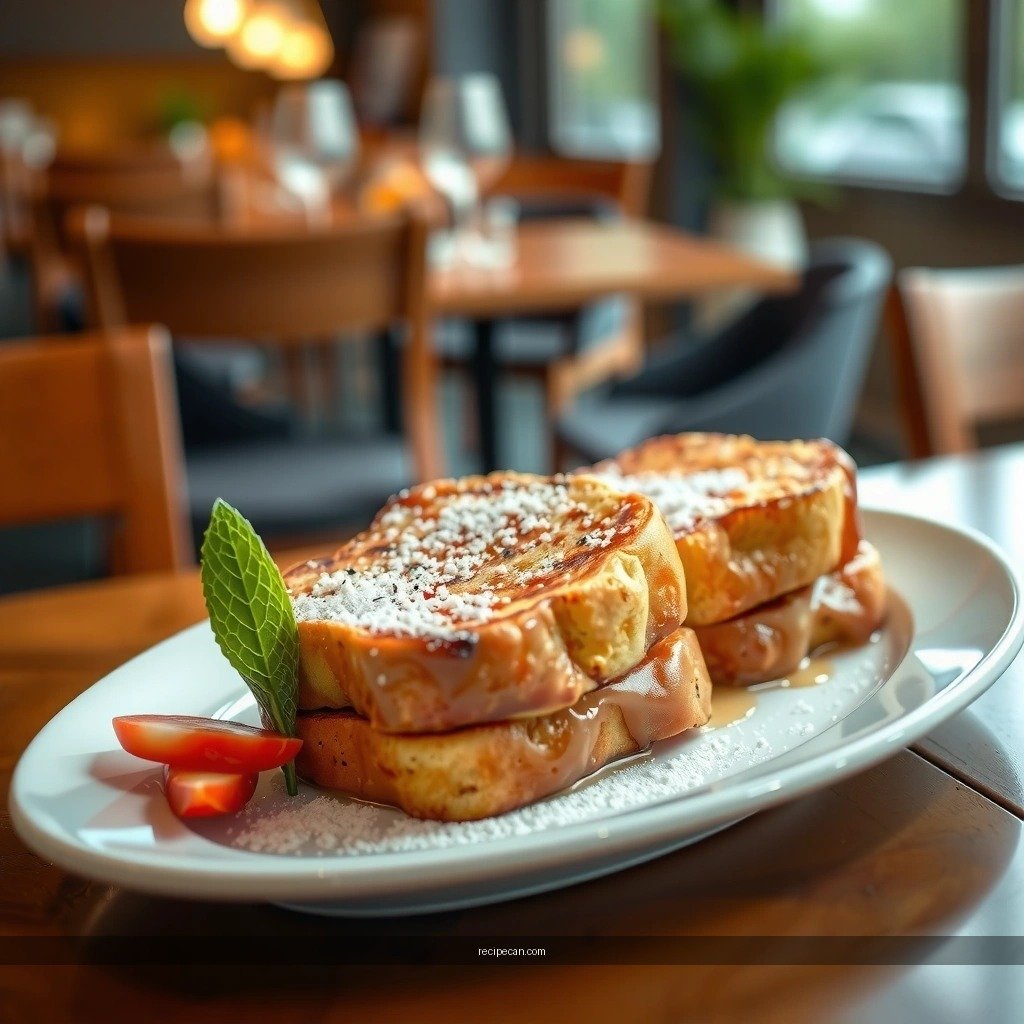
Choosing the bread is the first lever you control. The second is how you cut it—because thickness determines how much custard you can absorb without collapsing.
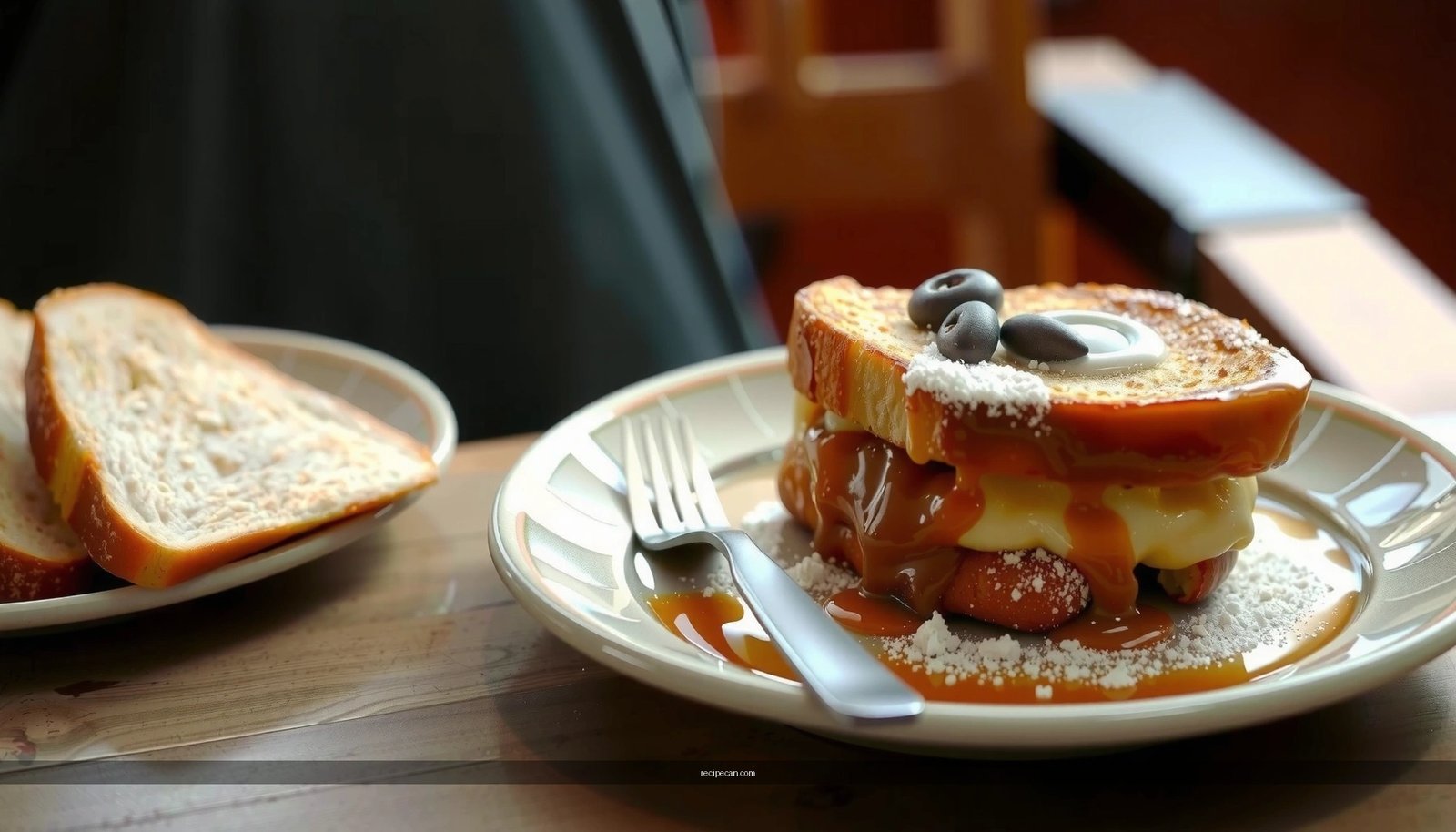
– Choose day-old bread to prevent sogginess
Slightly stale bread has more structure. If the bread is fresh, it can drink custard too quickly and turn gummy rather than custardy.
– Cut slices thick for a fluffy, custardy center
Aim for 3/4 to 1 inch (about 2–2.5 cm) slices. Thin slices may cook faster, but they’re harder to get golden without overcooking, leaving you with a dry edge or rubbery texture.
– Don’t skip the soak—aim for quick absorption without falling apart
A practical rule: dip each side long enough for surface saturation, not for complete saturation. Thick bread needs a slightly longer exposure, while challah/brioche can soften faster due to enrichment.
Operational tip for even results
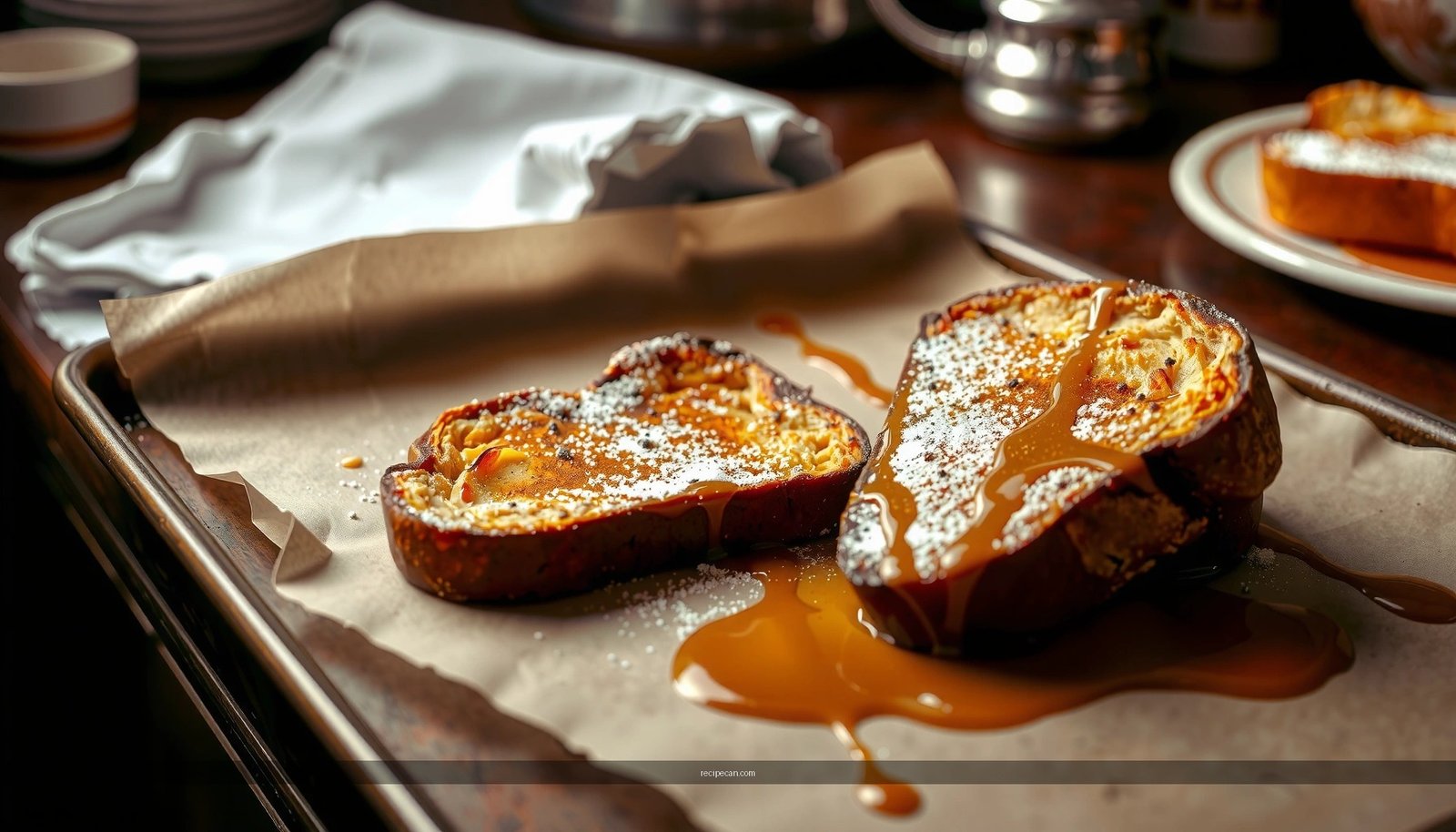
If you’re planning for multiple slices, set them on a tray after dipping so excess custard can drip off. This keeps the skillet from cooling and prevents soggy pooling.
Make the Egg Mixture
This is where “simple” becomes “consistent.” A smooth mixture spreads custard evenly and reduces raw egg pockets.
– Whisk eggs and milk until smooth and fully combined
Whisk for about 20–30 seconds so the egg and milk emulsify. Lumps can cause uneven setting—some bites come out firmer while others stay too soft.
– Add vanilla and cinnamon (and sugar if you like it sweeter)
Stir until the vanilla is evenly distributed. Cinnamon should be finely ground for consistent flavor. If you want sweeter French toast, add sugar now rather than relying only on syrup—this helps browning and gives a more “caramelized toast” profile.
– Keep it shallow in a bowl for easy dipping
Use a wide dish or shallow bowl. Bread absorbs more uniformly when it sits in a thin layer rather than being submerged in a deep pool.
Recommended ratio for the typical batch (guideline):
For 2 large eggs, use about 1/3 cup milk plus flavorings. Want richer texture? Swap half the milk for cream.
Cook French Toast to Golden Perfection
This step determines the final texture: crisp edges come from surface browning; a soft center comes from gentle heat and proper set time.
– Heat a skillet or griddle on medium and melt butter (or use oil)
Medium heat is the best compromise between browning and custard setting. If your pan runs hot, the outside can brown before the center cooks.
– Dip each slice, then cook 2–4 minutes per side
Cook times vary by bread thickness and pan temperature, but the range is reliable:
– 2–3 minutes per side for thinner slices
– 3–4 minutes per side for thicker slices
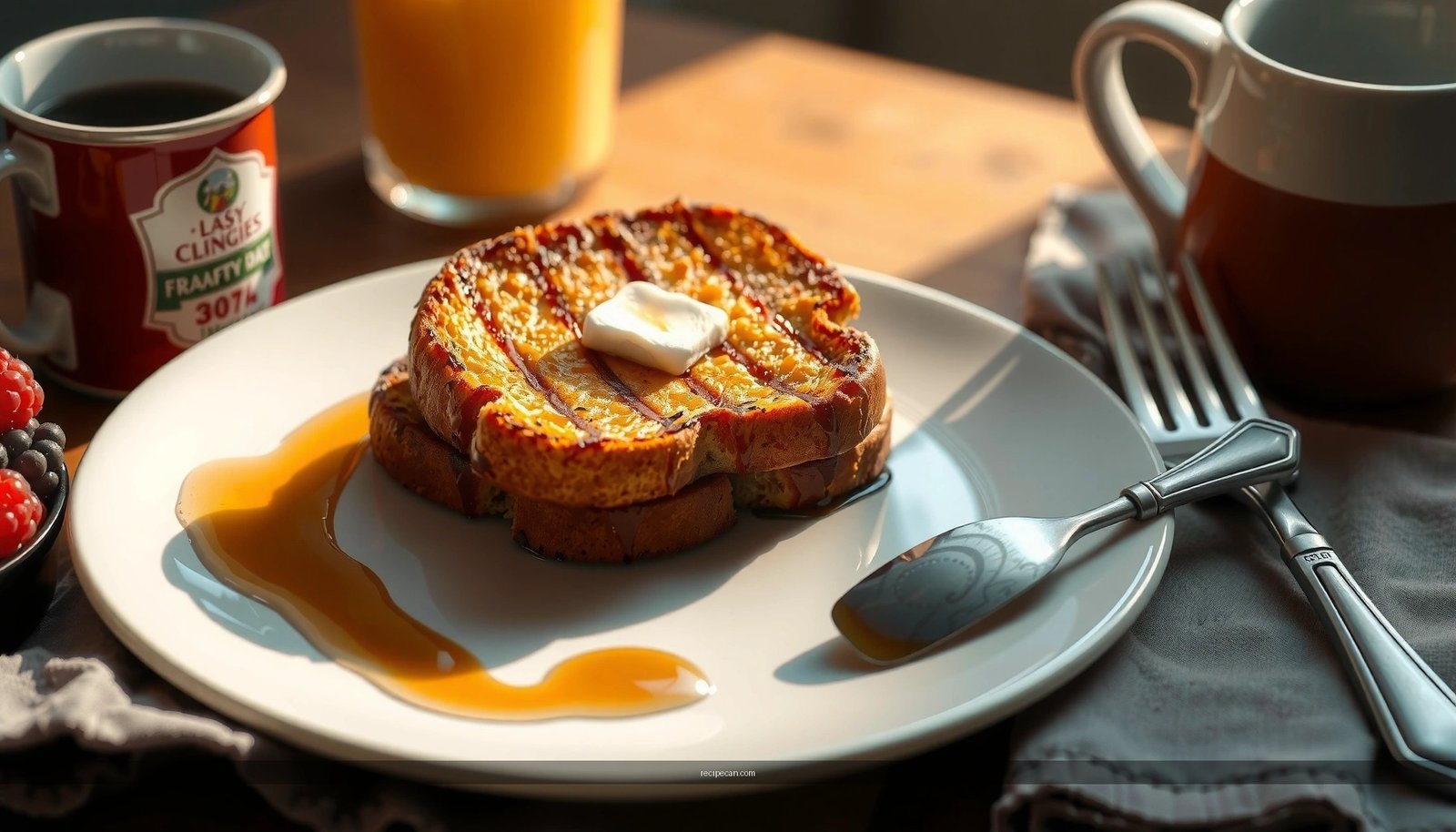
Look for a deep golden color and a custardy interior that isn’t wet.
– Flip once and cook until browned and cooked through
Flip once when the first side is set and browned. Frequent flipping can tear the crust and prevents even color development.
Practical “doneness” checks (pro-level but simple)
– Visual: edges look crisp; center looks set rather than glossy-wet.
– Feel: a gentle press in the center should spring back slightly, not feel like batter.
– Time management: if you’re cooking a crowd, move finished slices to a warm oven (around 200°F / 95°C) on a wire rack so they don’t steam.
Quick Toppings and Serving Ideas
Toppings should complement the custard profile. Think in terms of contrast (cold vs warm) and balance (sweet vs slightly salted).
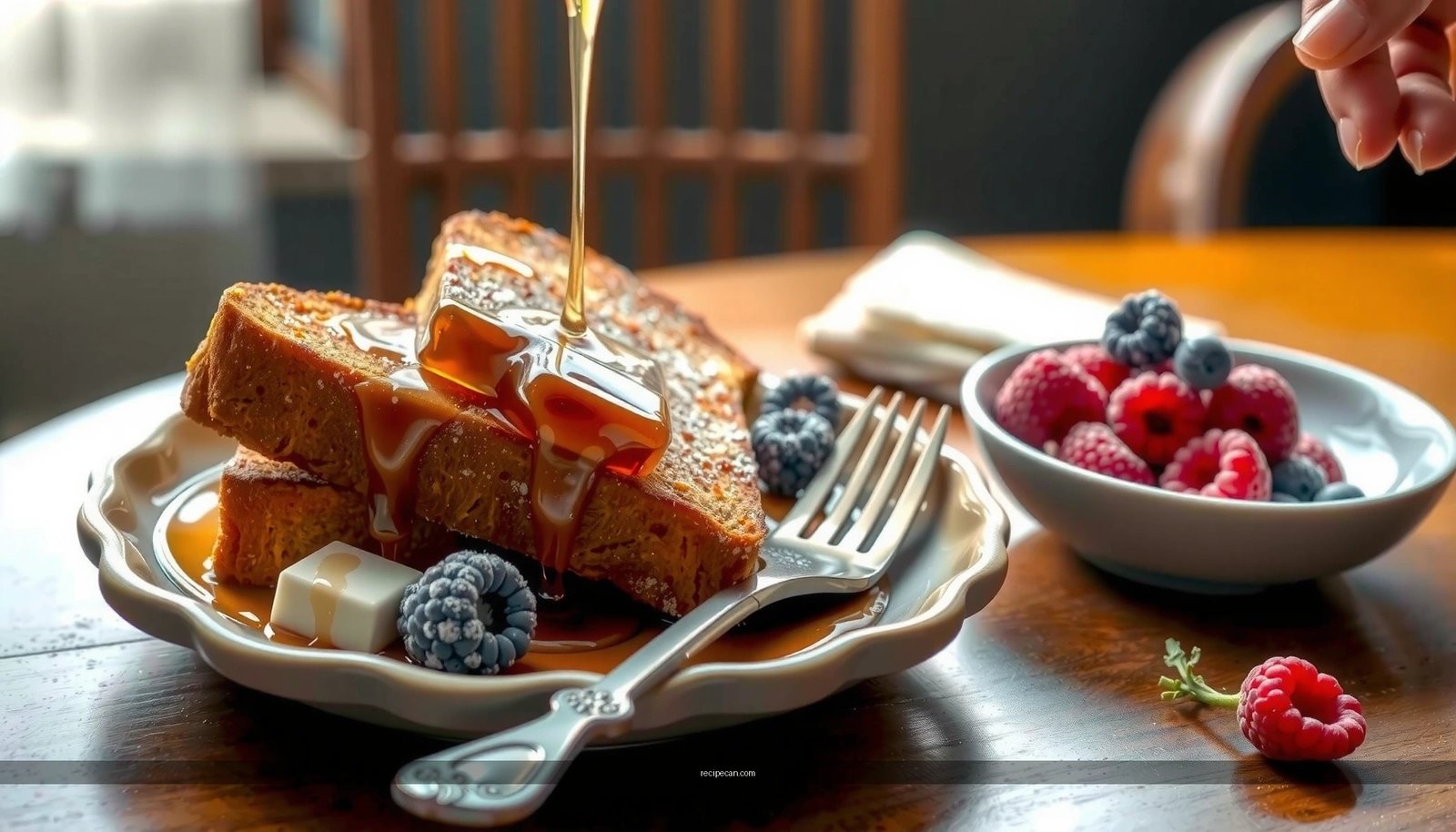
– Classic: maple syrup and a dusting of powdered sugar
Maple syrup is a “restaurant default” for good reason: it adds viscosity and caramel notes without competing with vanilla-cinnamon.
– Fresh: berries or sliced bananas for brightness
Berries add acidity that cuts richness. Bananas pair well with cinnamon and create a comforting flavor loop.
– Savory twist: powdered sugar + a small amount of salt or cinnamon
For a more complex palate, use less syrup and add a pinch of salt on top. This heightens sweetness perception and makes the crust taste more aromatic.
If you’re serving in a business setting (meeting breakfast, client hosting, staff morale event), consider a “topping bar” with pre-portioned elements so service stays fast and consistent.
Common Mistakes to Avoid
Even a simple French toast recipe can fail if the technique drifts. These are the most common issues—and how to correct them quickly.
– Over-soaking bread can make it soggy
If your slices feel mushy after cooking or collapse when lifted, reduce soak time. Use day-old bread and keep dipping brief—especially for challah and brioche.
– Too-high heat can brown the outside before the inside sets
If you see dark crusts with a wet center, reduce heat to medium-low. Thicker slices need slower cooking to set through.
– Using thin bread may lead to rubbery or uneven results
Thin bread cooks too fast and often becomes overly chewy. Stick to thicker slices, or reduce cook time while ensuring the custard has enough structure to set.
Fast troubleshooting
– Too pale: raise heat slightly or add a bit more butter per batch.
– Too dark: lower heat and give each side more time at a gentler temperature.
– Not custardy enough: increase dip time by 10–15 seconds per side (not more), or use slightly richer milk/cream.
French toast is easy: dip thick bread in a simple egg-milk mixture, cook on medium until golden, and finish with your favorite toppings. Try this simple recipe tonight—then adjust the soak time and heat to match your skillet for consistently perfect results.
Frequently Asked Questions
What is the simplest French toast recipe using pantry staples?
A simple French toast recipe uses bread, eggs, milk (or cream), a pinch of salt, and cinnamon. Whisk the eggs with the milk and seasonings, dip bread slices, and cook in a lightly buttered skillet until golden brown on both sides. For an easy finish, serve with maple syrup or a dusting of powdered sugar.
How do you make French toast without it getting soggy?
Use thicker bread (like brioche, challah, or day-old sourdough) so it absorbs the egg mixture without turning mushy. Dip quickly—about 5 to 10 seconds per side—then let excess batter drip off before cooking. Cook on medium heat and preheat the pan so the outside sets before the inside gets too wet.
Why do you need to soak bread for French toast, and how long should you soak?
Soaking helps bread absorb the egg mixture so the center stays tender and custardy. If your bread is stale or thick, you can soak a bit longer; if it’s fresh and soft, a shorter dip works better to avoid sogginess. As a practical guide, try 15 to 30 seconds per side for standard bread, then adjust based on thickness.
What are the best bread choices for easy French toast?
The best bread for French toast is one that can hold custard—thick-cut brioche, challah, and Texas toast are popular because they stay fluffy. If you want a more sturdy option, sourdough or French baguette (slightly stale) also works well. Day-old bread is ideal for an easy French toast simple recipe because it absorbs the egg mixture more evenly.
Which toppings and flavor add-ins pair best with a simple French toast?
Classic toppings like maple syrup, fresh berries, and butter complement the custardy flavor of a simple French toast recipe. For extra flavor, add vanilla extract to the egg mixture and swirl in cinnamon or nutmeg for warmth. You can also top with powdered sugar, whipped cream, or a quick banana-and-honey combo for an easy, satisfying breakfast.
References
- French toast
https://en.wikipedia.org/wiki/French_toast - https://www.britannica.com/topic/french-toast
https://www.britannica.com/topic/french-toast - Easy French toast recipe | Good Food
https://www.bbcgoodfood.com/recipes/french-toast - Recipes – BBC Food
https://www.bbc.co.uk/food/recipes?q=french+toast - https://www.theguardian.com/search?q=french+toast+recipe
https://www.theguardian.com/search?q=french+toast+recipe - https://www.nytimes.com/search?query=french%20toast%20recipe
https://www.nytimes.com/search?query=french%20toast%20recipe - Google Scholar Google Scholar
https://scholar.google.com/scholar?q=french+toast+recipe - Google Scholar Google Scholar
https://scholar.google.com/scholar?q=eggs+milk+french+toast+breading+simple+recipe - Google Scholar Google Scholar
https://scholar.google.com/scholar?q=classic+french+toast+custard+recipe - Cookbook:French Toast – Wikibooks, open books for an open world
https://en.wikibooks.org/wiki/Cookbook:French_Toast