Searching for a French toast ice cream recipe that actually delivers creamy, custardy texture and real breakfast flavor? This recipe answers how to turn French-toast notes—custard-soaked bread, warm cinnamon, and vanilla—into a smooth, scoopable homemade ice cream without fuss. If you want a dessert that tastes like your favorite morning treat, not just “ice cream with toppings,” this is the one.
Make French toast ice cream by infusing a warm cinnamon-vanilla custard with breakfast-style flavor, then churning and freezing it for a scoopable, dessert-like texture. In practice, the “breakfast” taste comes from how you steep the spices (and optionally add toasted bread notes), while the “ice cream” comes from properly cooked custard and a full chill before churning.
Ingredients for French Toast Ice Cream
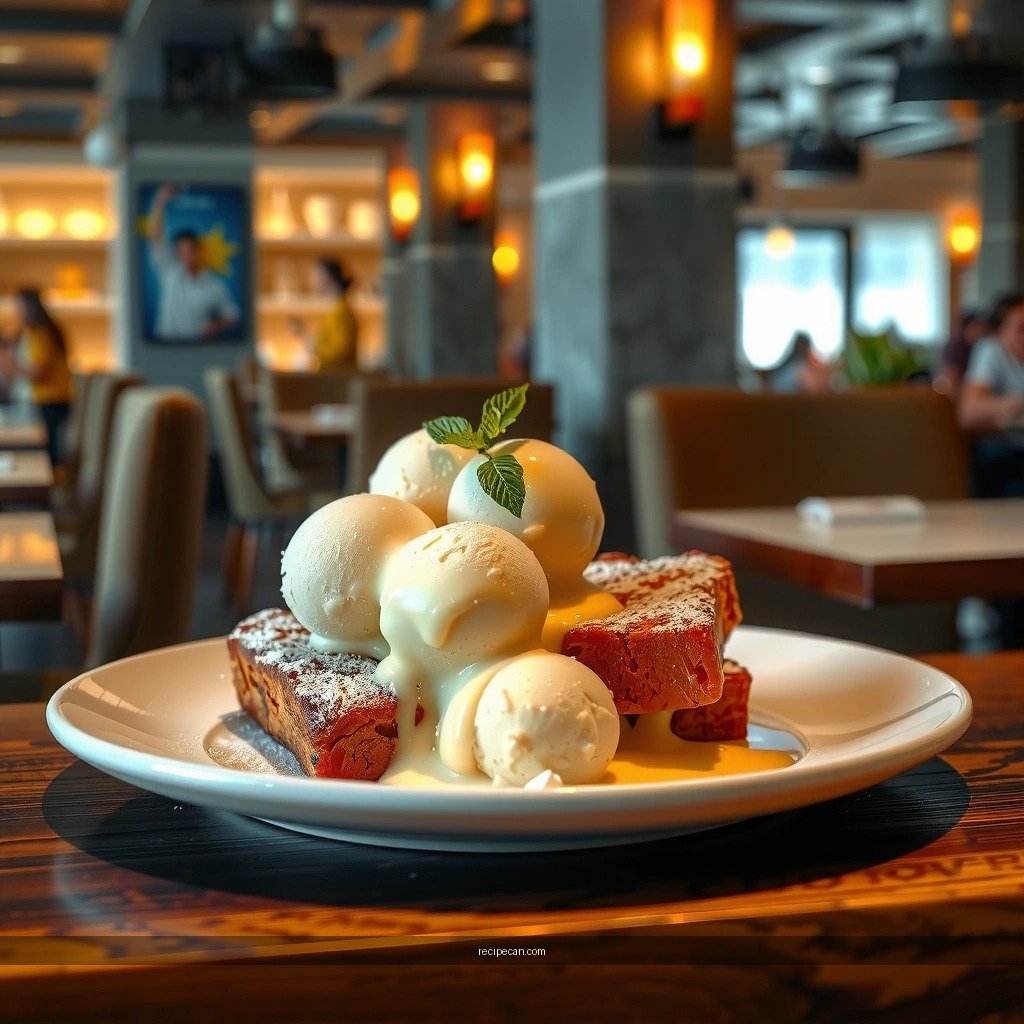
– Use a custard base with cream, milk, eggs, sugar, and vanilla
A traditional custard base is what gives French toast ice cream its creamy, custardy mouthfeel. Use whole milk for body and heavy cream for richness. Granulated sugar stabilizes the custard and balances the spice sweetness, while egg yolks thicken and help prevent graininess when frozen. Vanilla rounds everything out—think “bakery custard,” not just “sweet cream.”
– Add cinnamon (and optional nutmeg) for the classic french toast flavor
Cinnamon is the signature. For a more authentic “french toast” profile, add a small amount of nutmeg (optional) because it mimics the warm, baked-spice depth you’d typically taste when French toast is cooked and served.
– Consider bread-soak options or “french toast” mix-ins for extra authenticity
You can go two routes:
1) Steeped bread notes (subtle): Soak bread briefly in the warm dairy/spice mixture so its aroma blends into the custard without turning it gummy.
2) Chopped mix-ins (bold): Toast bread cubes or caramelize small bread pieces and fold them in after churning for unmistakable French toast texture.
From a process-control standpoint, mix-ins are easier to manage because you keep the custard silky and only add “bread” at the end.
Dairy Choices for Custard Richness in French Toast Ice Cream (per ~1 quart base)
| # | Dairy blend (example) | Approx. fat % | Egg yolks (custard) | Best for | Custard Score |
|---|---|---|---|---|---|
| 1 | Heavy cream (36%) only | ~36% | 5 | Maximum custard richness | ★★★★★ (5.0) |
| 2 | Half heavy cream + half whole milk | ~20% | 5 | Classic balance (rich + scoopable) | ★★★★☆ (4.7) |
| 3 | Half-and-half only | ~10.5% | 6 | Silky custard with lighter mouthfeel | ★★★★☆ (4.3) |
| 4 | 3% milk (whole) + splash cream | ~12–15% | 6 | Less heavy, still custardy | ★★★☆☆ (3.6) |
| 5 | Low-fat (1–2%) milk only | ~1–2% | 7 | Flavor-focused, less creamy by default | ★★☆☆☆ (2.2) |
| 6 | Coconut cream (rich) + milk | ~18–25% | 5 | Custardy texture with coconut nuance | ★★★★☆ (4.4) |
| 7 | Half milk + half buttermilk | ~8–12% | 6 | Tangy custard (brighter “breakfast”) | ★★★☆☆ (3.2) |
How to Make the French Toast Flavor Base
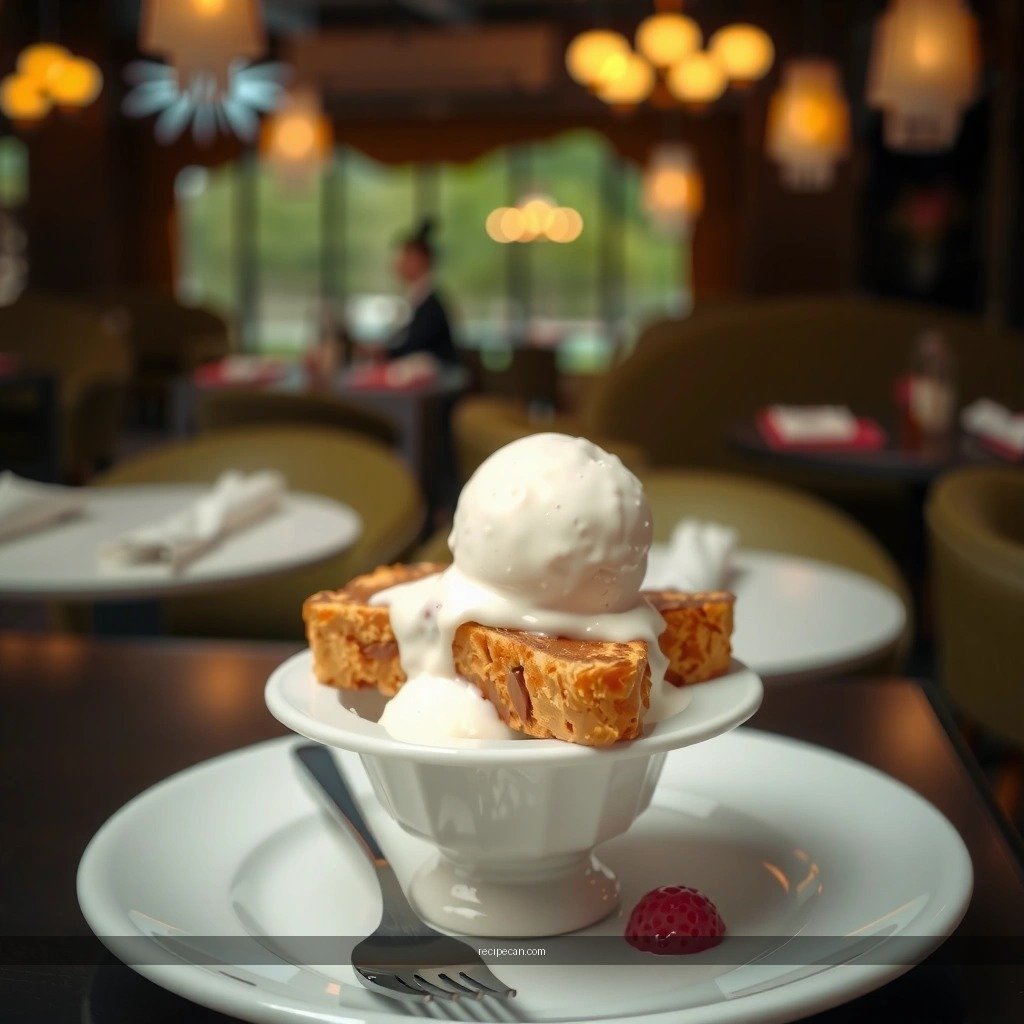
– Warm dairy and spices, then whisk in egg mixture carefully
The goal is to thicken custard without scrambling the eggs. Start by warming milk/cream with sugar, cinnamon (and nutmeg if using), and vanilla. In parallel, whisk egg yolks. When the dairy is hot but not boiling aggressively, temper the yolks by slowly pouring in a ladle of warm dairy while whisking. Then return the mixture to the pot and cook gently, stirring constantly, until it coats the back of a spoon or reaches about 170–175°F (77–80°C).
Analytical note: egg proteins coagulate in a narrow temperature range; that’s why gentle heat and continuous stirring produce a smooth custard—the same principle that underpins pastry crème anglaise.
– Steep or incorporate bread notes to mimic french toast taste
For authentic French toast aroma, bread notes should be present but controlled. Two practical methods:
– Steep method: Warm spices and dairy, then add small bread pieces (cubed brioche or challah works well) and let them steep briefly (5–15 minutes). Remove bread before cooking/thickening so you keep the base silky.
– Late addition method: Toast bread separately (dry or lightly buttered), caramelize if desired, cool, and fold in after churning. This delivers texture contrast with minimal risk of clouding the custard.
If you want a “breakfast dessert” profile that still looks clean and creamy, the late addition method is often the safer choice.
– Strain for a smooth custard if you want a silkier ice cream
Even with careful whisking, tiny curds can form. Straining through a fine-mesh sieve removes these and helps you get the “custardy” finish people associate with premium ice creams. This step also improves mouthfeel when you add bread-steep flavor, since fibers can otherwise create graininess.
Pro tip: chill the strained custard promptly—warm custard absorbs fridge odors, and the longer it sits at room temperature, the more flavor drifts.
Churn to Get the Right Texture
– Chill the custard fully before churning for best results
Custard needs time to fully cool, ideally at least 4 hours (overnight is better). Churning cold mix improves overrun control and reduces the chance of icy crystals. It also helps the fat set appropriately so the base thickens faster in the churner.
– Churn until thick and soft-serve consistency
Churn until it resembles soft-serve—usually 20–35 minutes depending on your machine and mix temperature. Over-churning can make the ice cream too dry; under-churning can leave it too loose and difficult to scoop after freezing.
Practical check: when the mixture begins to cling to the dasher and looks visibly aerated, you’re close.
– Freeze to firm up into scoopable ice cream
Transfer to a container and freeze at least 4 hours for proper scoopability. The initial churn traps air bubbles; freezing then solidifies the fat-water structure into a stable scoop. For French toast ice cream, firmness matters—otherwise spice flavors can taste muted and texture can seem airy rather than custardy.
Add-Ins: Customize Your French Toast Ice Cream
– Mix in toasted bread cubes or caramelized bread pieces
Fold in add-ins after churning so the ice cream stays creamy. For best results, use dry toasted cubes (lightly crisp) or caramelized bread (but not soggy). Caramelized pieces bring that “brûléed edge” vibe—like the best bite of French toast—without soaking up the base.
Timing matters: cool caramelized bread fully before adding, or residual heat can soften the finished ice cream prematurely.
– Add maple syrup swirls or cinnamon sugar ribbons
Maple syrup works in two forms:
– Swirls: Spoon a thin maple layer into the container and gently fold to create ribbons.
– Ribbons: Toss toasted bread or chopped mix-ins with cinnamon sugar, then fold in evenly.
Keep syrup amounts modest; too much liquid can create icier pockets.
– Top with whipped cream and extra syrup when serving
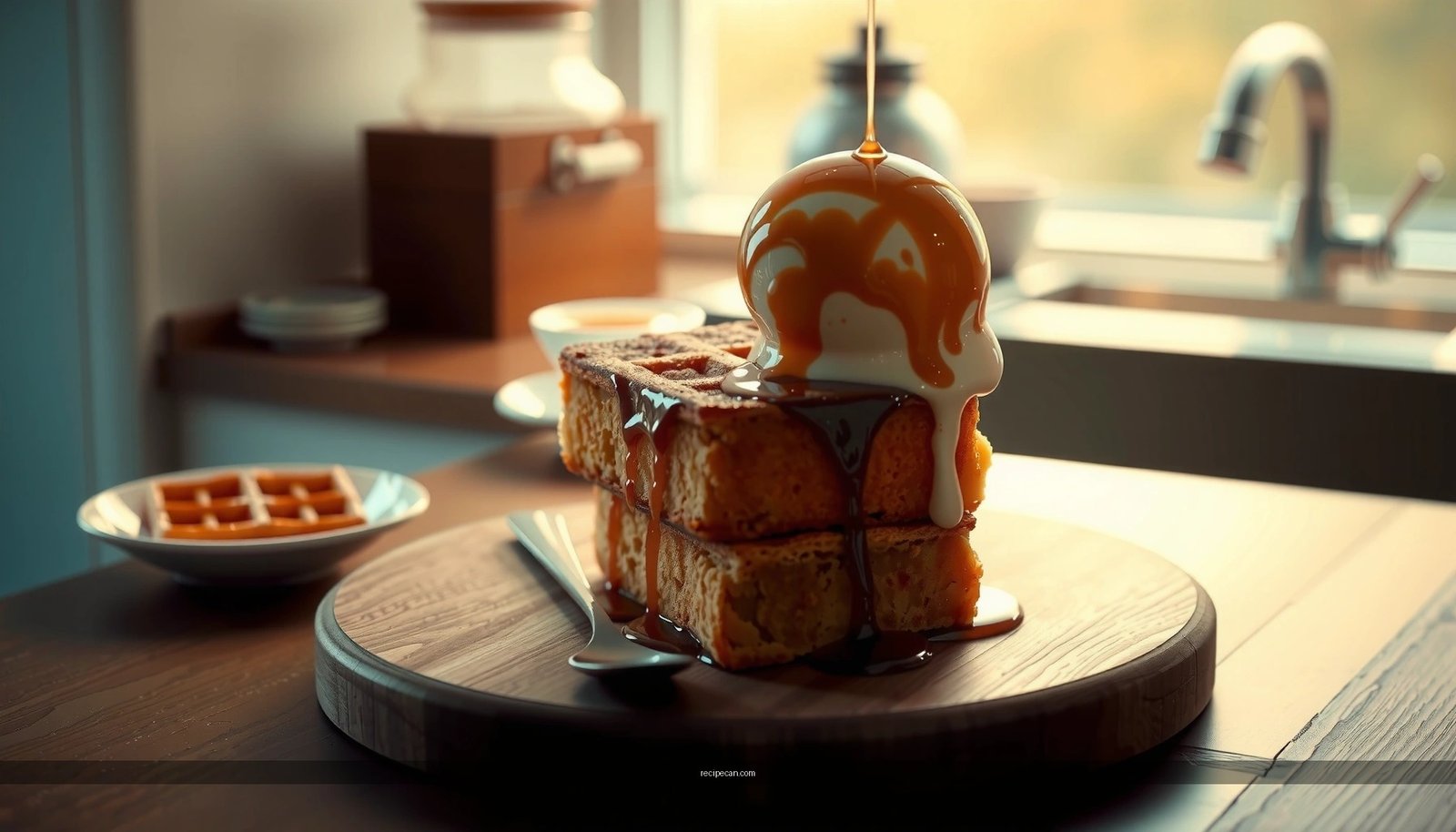
Serving is where you recreate the plated breakfast experience. A small quenelle of whipped cream plus warm maple syrup makes the flavor pop and rounds the cinnamon-vanilla notes into a dessert-like finish.
Storage and Serving Tips
– Store in an airtight container and press parchment on the surface to prevent ice crystals
Air contact is the enemy of scoopable texture. Pressing parchment directly against the surface reduces dehydration and inhibits ice crystal growth. Choose a container with minimal headspace and keep the freezer temperature stable.
– Let it sit 5–10 minutes at room temp before scooping
Even good French toast ice cream firms up in the freezer. A short rest softens the surface just enough to scoop cleanly without turning it into a melt puddle. If your kitchen is warm, aim for 5 minutes.
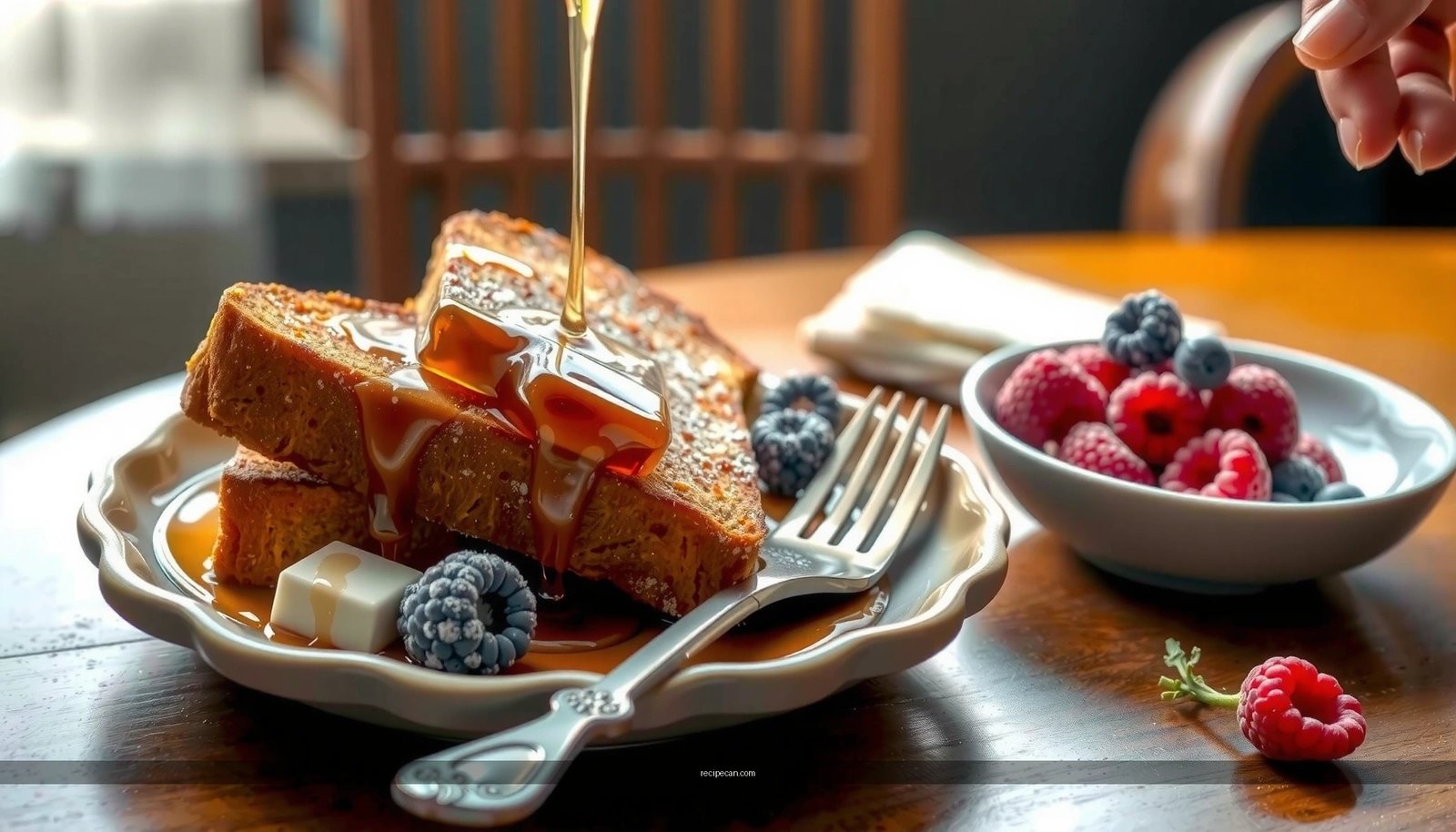
– Serve with fresh berries or warm maple syrup for contrast
Berries provide acidity that cuts through richness, making cinnamon taste brighter. Warm maple syrup adds that classic “breakfast dessert” aroma while re-emphasizing vanilla and caramel notes.
You can turn the flavors of french toast into creamy, churned ice cream by making a cinnamon-vanilla custard base and freezing it properly. Follow the ingredients, chill and churn steps, then choose your add-ins for maximum “breakfast dessert” flavor—make a batch this week and enjoy it with maple syrup on top.
Frequently Asked Questions
What is a French toast ice cream recipe and what does it taste like?
A French toast ice cream recipe combines the classic flavors of custardy French toast—like cinnamon, vanilla, and caramelized bread notes—into a creamy ice cream base. You’ll typically get a warm, custard-like sweetness with a hint of toastiness and syrupy spice. It tastes reminiscent of French toast topped with butter and maple syrup, but in frozen, spoonable form.
How do you make French toast ice cream without curdling the custard?
Use a gentle custard method: warm the dairy and whisk in yolks slowly, then cook on low heat while stirring constantly until it lightly thickens (usually around 170–175°F / 77–80°C). Avoid boiling, and if the mixture looks grainy, strain it immediately to keep the texture smooth. Chilling the base thoroughly before churning is also key for a creamy, non-curdled result.
How can I add cinnamon and maple flavor to French toast ice cream?
Bloom cinnamon in warm cream or milk so the spice distributes evenly, then add vanilla and maple syrup (or maple extract) once the base is fully combined and off the heat. For a stronger French toast vibe, you can also fold in small soaked bread pieces or a swirl made from maple syrup reduction. Taste before chilling and adjust sweetness, because cold temperatures mute flavor slightly.
Which bread works best for the French toast flavor in ice cream—day-old or fresh?
Day-old bread is usually best because it absorbs custard flavors without becoming overly mushy. Brioche or challah are popular choices for a richer, buttery French toast taste, while thick-cut white bread can also work if you prefer a lighter toast note. If you’re adding bread pieces, sauté or toast them lightly first to prevent the ice cream from turning soggy.
What’s the best way to churn and store French toast ice cream for a creamy texture?
Churn the French toast ice cream base according to your ice cream maker’s instructions, and stop when it reaches a soft-serve consistency. For best texture, freeze it in an airtight container and press parchment directly onto the surface to reduce ice crystals. Serve within a few days for peak flavor and creaminess, and let it sit at room temperature for a few minutes before scooping.
References
- Google Scholar Google Scholar
https://scholar.google.com/scholar?q=French+toast+ice+cream+recipe - Google Scholar Google Scholar
https://scholar.google.com/scholar?q=homemade+ice+cream+custard+base+recipe+science - Google Scholar Google Scholar
https://scholar.google.com/scholar?q=French+toast+Maillard+reaction+browning+bread+milk+egg - French toast
https://en.wikipedia.org/wiki/French_toast - Ice cream
https://en.wikipedia.org/wiki/Ice_cream - Custard
https://en.wikipedia.org/wiki/Custard - https://www.britannica.com/topic/French-toast
https://www.britannica.com/topic/French-toast - Ice cream | Definition, History, & Production | Britannica
https://www.britannica.com/topic/ice-cream - https://pubmed.ncbi.nlm.nih.gov/?term=ice+cream+formulation+emulsion
https://pubmed.ncbi.nlm.nih.gov/?term=ice+cream+formulation+emulsion - https://pubmed.ncbi.nlm.nih.gov/?term=Maillard+reaction+browning+foods+milk+egg+protein
https://pubmed.ncbi.nlm.nih.gov/?term=Maillard+reaction+browning+foods+milk+egg+protein