Want the most flavorful, crispy savory French toast recipe? This step-by-step method shows exactly how to build rich egg-and-milk custard, season it for maximum savoriness, and cook until the outside is properly browned without going soggy. If you’ve been craving a French-toast version that delivers crunch and deep flavor in every bite, this is the one to follow.
Savory French toast is at its best when you season the egg mixture aggressively, choose absorbent bread, and cook on the right heat until the surfaces turn deeply golden. Follow the method below—quick dipping, a brief rest, and careful pan-frying—and you’ll get creamy interiors with a crisp, savory crust that holds up to cheese, vegetables, and meat.
Below, you’ll learn the exact technique and seasoning ideas to make your next breakfast or brunch both flavorful and reliably crispy—without the common pitfalls of sogginess or bland custard.
Choose the Best Bread for Savory French Toast
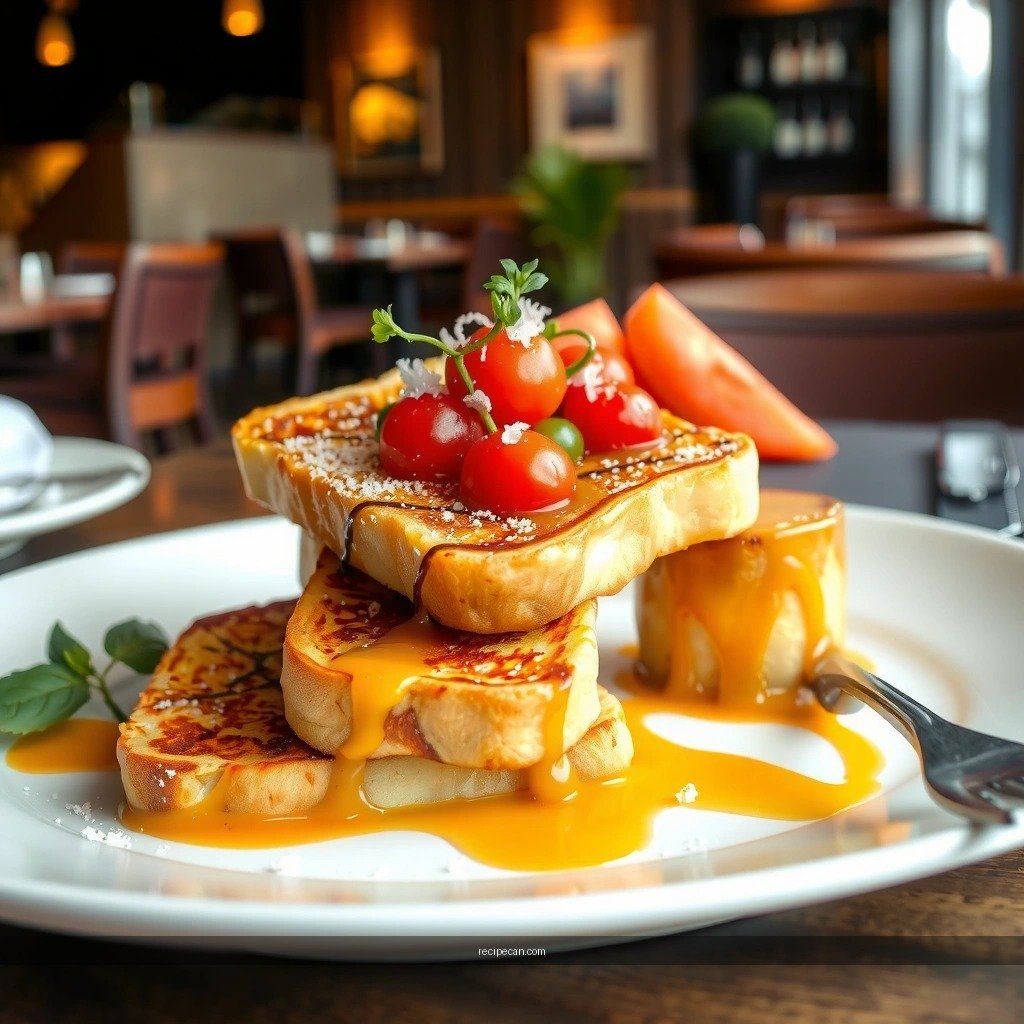
Your bread choice determines whether your savory French toast tastes rich and substantial—or turns mushy. For savory versions, you want bread that can carry salt, garlic, herbs, and cheese flavors without collapsing.
– Use thick-cut bread like brioche, challah, or sourdough for best texture
Thick slices hold their shape while giving you a custard-to-bread ratio that supports both tenderness and crunch. Brioche and challah are naturally eggy and slightly sweet, which works well when balanced with salt, pepper, and umami add-ins. Sourdough brings tang and structure, helping the crust stay firm.
– Slightly stale bread absorbs the custard better and stays crisp
Slight staleness increases absorbency and reduces the chance that the bread becomes overly saturated. Aim for bread that’s a day or two old (or lightly toast the slices for 1–2 minutes before dipping). You’re targeting even absorption at the edges without turning the slice into a sponge.
Quick bread selection guide (practical, testable):
– Brioche/challah: best for “classic café” savory toast with creamy centers
– Sourdough: best for a tangy, restaurant-style bite that stays crisp longer
– Rustic white/whole wheat: works well if thick-cut and briefly rested after dipping
When you treat bread as an ingredient—not just a vessel—you can control texture from the first step.
Custard-to-Bread Ratios That Perform Well (Savory French Toast)
| # | Bread Type | Slice Thickness | Best Dip Time | Target Crispness |
|---|---|---|---|---|
| 1 | Brioche | 1.5 in | 20–30 sec/side | High |
| 2 | Challah | 1.25 in | 18–25 sec/side | High |
| 3 | Sourdough | 1.0–1.25 in | 22–35 sec/side | Medium-High |
| 4 | Thick-cut white | 1.25 in | 15–22 sec/side | Medium |
| 5 | Whole wheat | 1.25 in | 17–27 sec/side | Medium-High |
| 6 | Milk bread | 1.0 in | 10–18 sec/side | Medium |
| 7 | Rye (thick-cut) | 1.25–1.5 in | 20–30 sec/side | High |
Make the Savory Egg Mixture
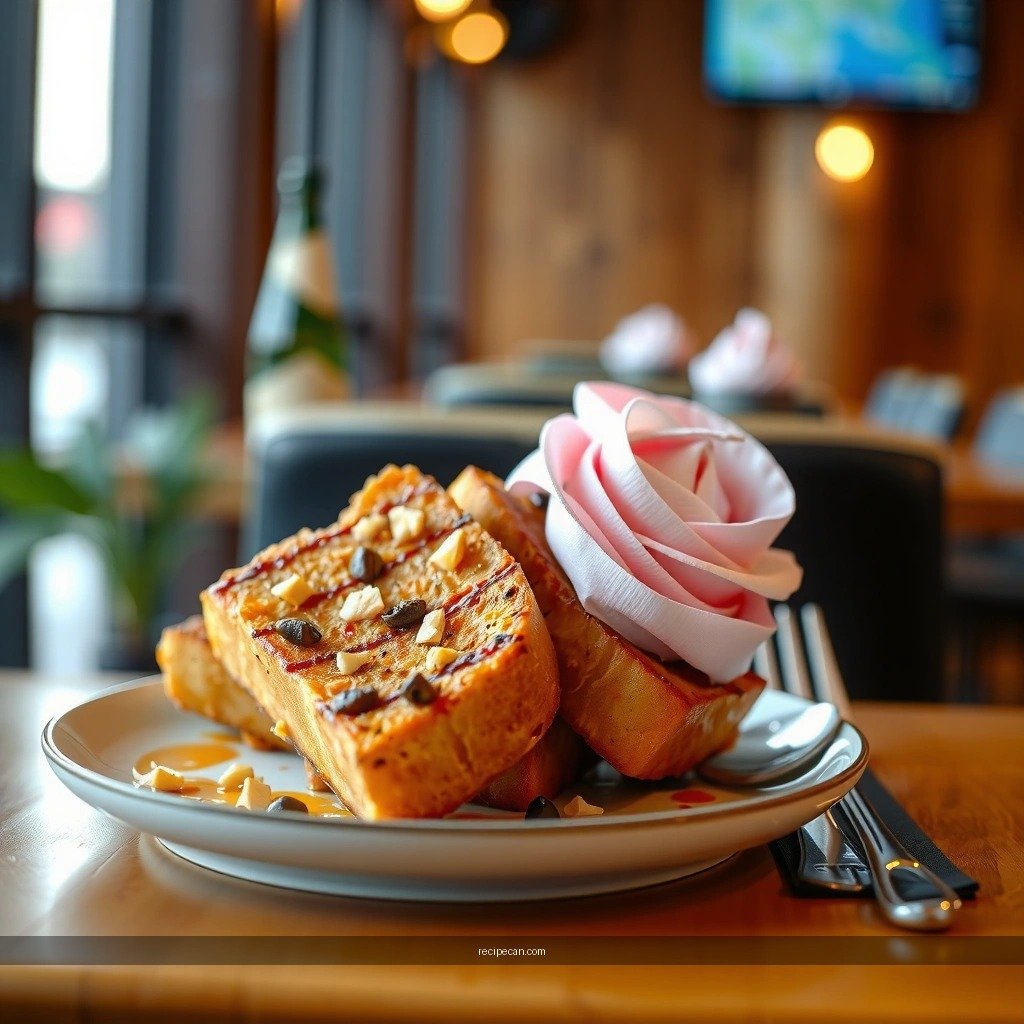
For savory French toast, the egg custard needs to taste good on its own—because it’s the primary flavor carrier. A bland mixture will produce “fine but forgettable” results even if your toppings are excellent.
– Whisk eggs with milk (or cream) and add salt, pepper, and garlic or herbs
A classic ratio is 2–3 large eggs per 1/2 cup milk (scale as needed). Milk keeps it lighter; cream increases richness and helps create a more luxurious interior. For seasoning, start with salt first (it boosts egg flavor), then black pepper, and then aromatics like garlic powder, grated fresh garlic, or chopped herbs.
– Optional: stir in grated cheese or a splash of hot sauce for extra depth
Grated cheese (like Parmesan, Gruyère, or aged cheddar) melts slightly into the custard for savory depth. A small splash of hot sauce (or a pinch of smoked paprika) adds complexity without overpowering the bread.
Professional seasoning targets (so it tastes intentional, not accidental):
– Salt: aim for roughly 1/2 to 3/4 teaspoon kosher salt per 3 eggs (adjust based on toppings)
– Pepper: 1/4 to 1/2 teaspoon freshly ground
– Garlic/herbs: 1/2 to 1 teaspoon (depending on potency)
– Optional umami: 1–2 tablespoons grated Parmesan or a few dashes Worcestershire
Flavor layering tip: If you plan to top with cheese and bacon, keep the custard slightly more herb-forward and less cheesy—so the overall dish isn’t too heavy in one direction.
Assemble and Dip Without Sogging
Soggy savory French toast is usually a timing issue, not a “bad recipe” issue. The goal is to moisten the bread evenly while preserving its structure.
– Dip quickly on each side so the bread absorbs but doesn’t fall apart
Dip for seconds—not minutes. Even the best bread will break down if left swimming in custard. If you see bread starting to look saturated at the edges, you’ve likely gone too far.
– Let it rest briefly before cooking to even out the soak
A 1–2 minute rest helps liquid distribute through the bread so you don’t get dry centers. Place dipped slices on a rack or plate so excess custard can drip off before the skillet sees them.
How to know you’ve nailed the dip:
When you lift a slice, it should feel slightly heavy but still hold its shape; the surface should look moist, not puddled.
Cook Until Golden and Crisp
The skillet is where savory French toast becomes “brunch-worthy” instead of “breakfast mush.” Heat management and fat choice are critical.
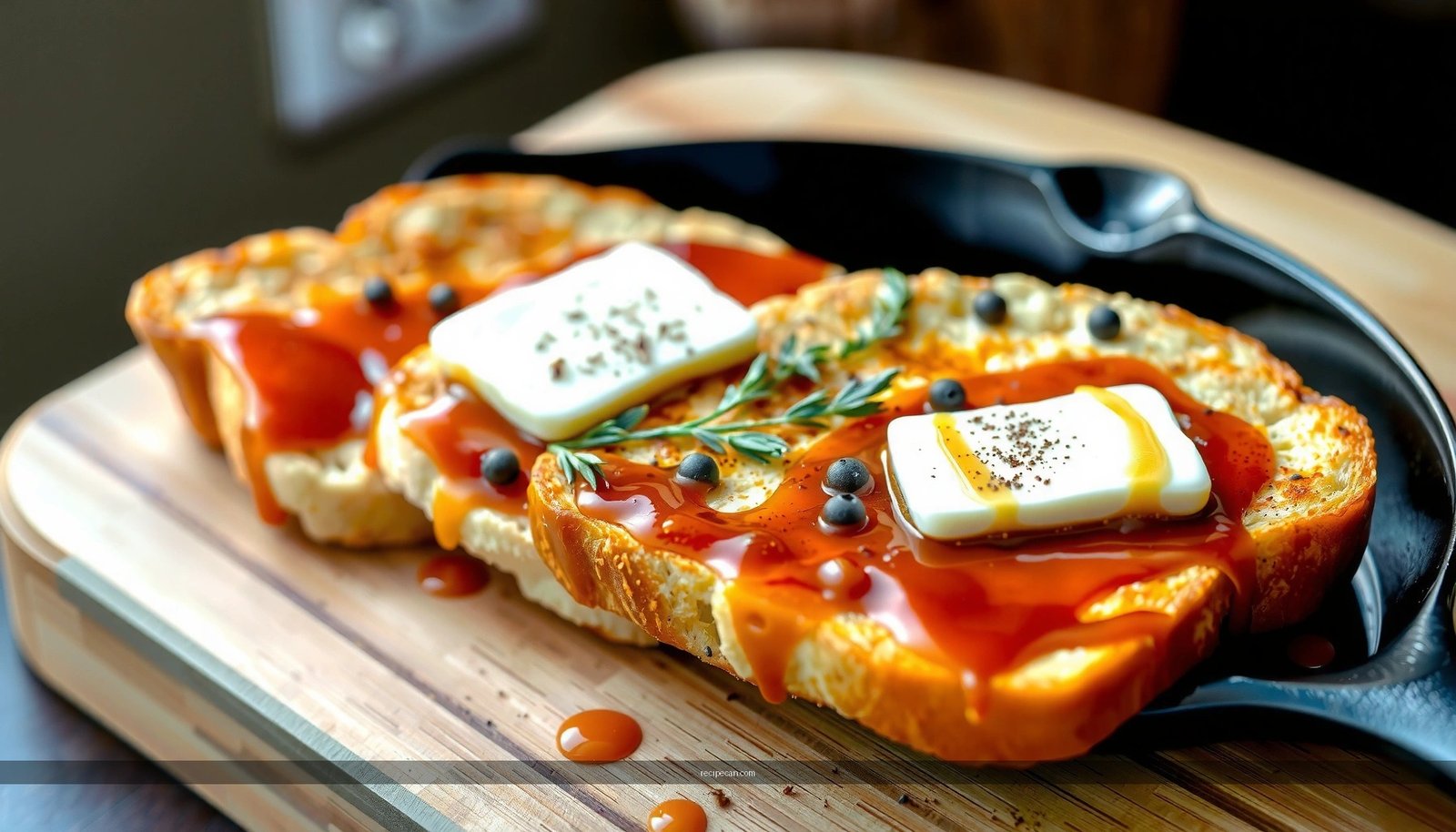
– Fry in butter or a neutral oil-butter blend over medium heat
Butter adds classic flavor, but it browns quickly. Using a butter-oil blend gives you buttery taste with better control and less burning. Medium heat lets the custard set gradually so the interior stays creamy rather than scrambled.
– Flip once and cook until both sides are deeply golden
Don’t over-flip. Let the first side form a crust, then turn once. Each side typically needs 2–4 minutes depending on thickness and stovetop strength.
Crispness diagnostics (useful in real kitchens):
– Pale surface: heat too low or pan overloaded
– Dark outside with soft center: slices may be too thick or dip too long
– Greasy texture: too much fat or heat too high, preventing custard from setting properly
Batch-cooking approach:
Cook in small rounds. Keep finished pieces warm on a wire rack in a low oven (around 200°F / 95°C) so steam doesn’t soften the crust.
Add Savory Toppings and Fillings
Savory French toast becomes truly memorable when toppings complement the custard’s seasoning rather than repeating it blindly.
– Top with cheese, sautéed mushrooms, spinach, or tomatoes
Mushrooms deliver earthy umami that pairs naturally with garlic and herbs. Spinach adds freshness and color; tomatoes bring acidity that cuts through richness. Add these toppings with intention: mushrooms should be browned, spinach should be wilted, and tomatoes should be drained if watery.
– Serve with crispy bacon, sausage, or a fried egg for a hearty plate
Protein toppings make the dish substantial for brunch. A fried egg adds richness via yolk; the yolk also helps bind flavors across bread and toppings.
Three high-performing flavor combinations:
1. Gruyère + sautéed mushrooms + thyme
Classic, savory, and restaurant-like.
2. Cheddar + caramelized onions + chives
Sweet-salty balance with a crisp bite.
3. Mozzarella/Provolone + spinach + marinara
“Savory lasagna” vibes—excellent for family-style brunch.
Build tip: Add cheese earlier if you want it melted into the custard crust; add delicate items like herbs at the end to preserve brightness.
Timing, Serving, and Storage Tips
Savory French toast is best served immediately because crispness is a short-lived texture—especially once cheese melts and steam accumulates.
– Serve immediately for maximum crunch and best melt
If serving to guests, cook in waves and plate right away. This keeps the crust crisp and ensures toppings are at peak temperature.
– Keep warm briefly in a low oven, or reheat in a skillet for crispness
A low oven works for a short holding window, but reheating in a skillet is the most reliable way to restore crisp edges. Reheating in a microwave may soften the crust and dull the savory contrast.
Storage reality (so expectations are clear):
– Refrigerate leftovers in an airtight container for up to 2–3 days
– Reheat by skillet with a small amount of butter or oil over medium heat until re-crisped
– If topped heavily with watery vegetables, expect some texture change—best to reheat and then refresh with fresh herbs or a new garnish
Make-ahead strategy that still stays crisp:
Prepare the egg mixture up to 24 hours in advance and store covered in the refrigerator. Slice bread ahead too. Dip and cook fresh for best results.
Savory French toast is all about a well-seasoned egg mixture, choosing the right bread, and cooking until deeply golden. Use thick-cut bread, dip briefly, rest briefly, and pan-fry with controlled heat so the custard sets before it steams away your crispness. Then build your plate with toppings that balance salt, umami, and acidity—whether you go classic (bacon and egg) or more refined (mushrooms, herbs, and Gruyère). Try your favorite cheese and topping combo next, adjust your seasoning to taste, and you’ll have a brunch dish that’s consistently flavorful and unmistakably crispy.
Frequently Asked Questions
What makes a French toast savory instead of sweet?
Savory French toast swaps the usual sugar and cinnamon-forward flavor profile for ingredients like salt, pepper, herbs, garlic, and grated cheese. Instead of syrup, it’s commonly served with savory toppings such as sautéed mushrooms, crispy bacon, smoked salmon, or a fried egg. Using a well-seasoned batter is key to creating depth and keeping the dish from tasting flat.
How do you make savory French toast with the right egg-to-bread ratio?
Use a simple base ratio of about 2 eggs to 1/2 cup milk (or half-and-half) for each 4–6 slices of bread, then season generously with salt and black pepper. If you like a custardy interior, dip bread thoroughly but avoid soaking so long that it falls apart. Thicker bread like brioche, sourdough, or challah absorbs the egg mixture well and holds up better for a savory French toast recipe.
How long should you soak bread for savory French toast?
For most bread types, soak for about 20–45 seconds per side, or until the surface looks saturated but still intact. Stale bread can handle slightly longer soaking (up to ~1 minute per side), while very soft bread may become mushy if over-dipped. Resting the dipped bread for a minute can also help the egg custard settle for more even cooking.
Which toppings pair best with savory French toast?
Classic savory toppings include cheese (cheddar, gruyère, or feta), meats (bacon, prosciutto, or sausage), and egg-forward options like a fried or poached egg. For a restaurant-style finish, add sautéed mushrooms, caramelized onions, avocado, fresh herbs, or a drizzle of hot sauce or hollandaise. Balancing rich flavors with something acidic—like pickled onions or a squeeze of lemon—makes savory French toast taste brighter and more complex.
Best way to prevent savory French toast from becoming soggy or sticking?
Cook on medium heat and use a butter-and-oil blend (or a nonstick pan) to help browning without burning. Make sure the skillet is fully preheated before adding the bread, and avoid overcrowding so moisture can evaporate during cooking. If you’re making a batch, keep cooked savory French toast warm on a wire rack in a 200°F oven instead of stacking on a plate, which traps steam and can turn it soggy.
References
- Google Scholar Google Scholar
https://scholar.google.com/scholar?q=savory+french+toast+recipe - Google Scholar Google Scholar
https://scholar.google.com/scholar?q=pain+perdu+sal%C3%A9+recipe - Google Scholar Google Scholar
https://scholar.google.com/scholar?q=french+toast+egg+milk+technique - French toast
https://en.wikipedia.org/wiki/French_toast - https://en.wikipedia.org/wiki/Pain_perdu
https://en.wikipedia.org/wiki/Pain_perdu - https://www.britannica.com/topic/French-toast
https://www.britannica.com/topic/French-toast - Cookbook:French Toast – Wikibooks, open books for an open world
https://en.wikibooks.org/wiki/Cookbook:French_Toast - https://www.bbc.co.uk/food/recipes/french_toast_70010
https://www.bbc.co.uk/food/recipes/french_toast_70010 - https://www.theguardian.com/food/2020/dec/28/french-toast-recipe
https://www.theguardian.com/food/2020/dec/28/french-toast-recipe - https://www.nytimes.com/2020/10/01/dining/french-toast-recipe.html
https://www.nytimes.com/2020/10/01/dining/french-toast-recipe.html