Want an easy baked French toast that comes out crispy on top and custardy in the center? This recipe delivers the clear winner—no-fuss assembly, reliable bake-time, and rich custard flavor using everyday bread. If you’re testing whether baked French toast can beat stovetop in texture and convenience, this one proves it.
Baked French toast is the easiest way to get classic French toast—golden, custardy, and crisp on top—without flipping slices over a stove. In this recipe, you’ll learn how to build the right custard balance, choose bread that soaks evenly (not mushy), and bake until the center is set and the edges turn crisp.
Choose the Best Bread for Baked French Toast
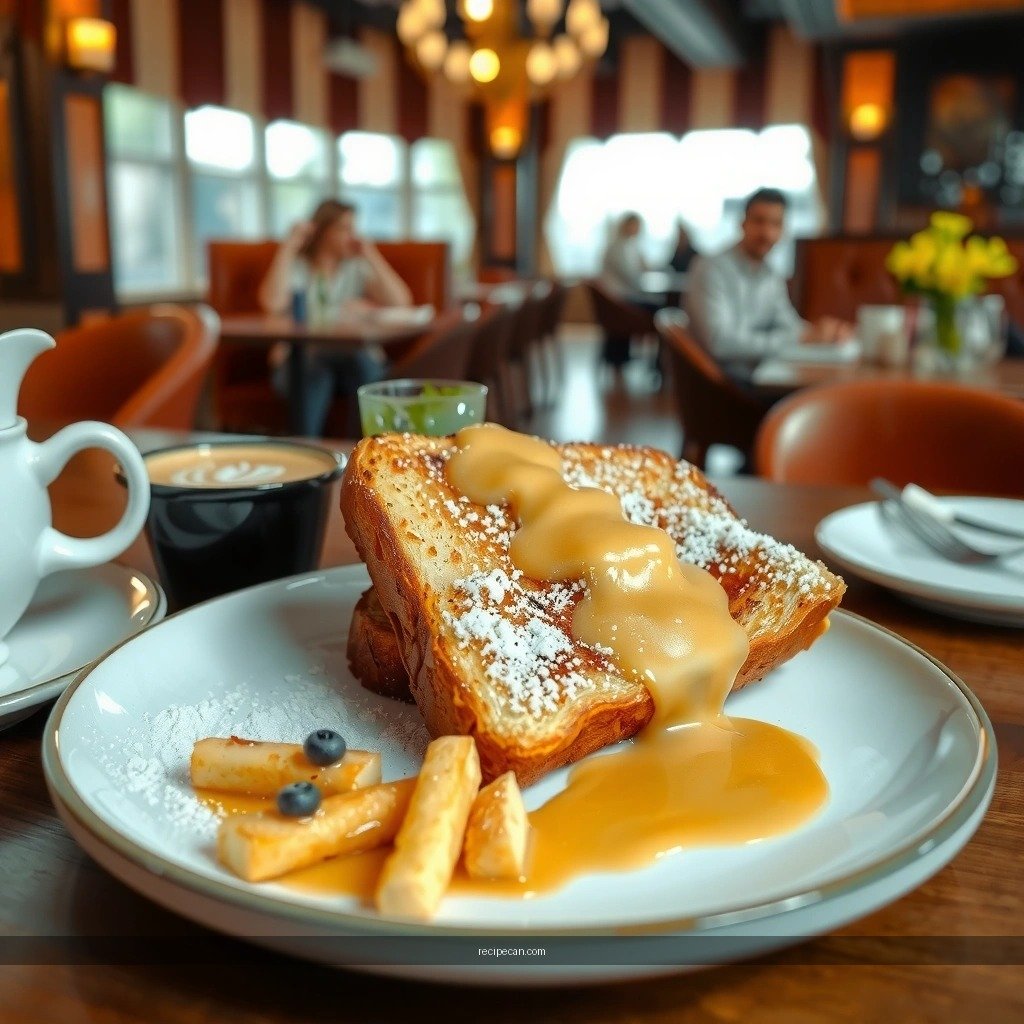
The bread you select largely determines whether your baked French toast is custardy in the middle and crisp at the edges—or watery, dense, or soggy. For baked French toast, you want structure: bread that can absorb custard while holding its shape through baking.
Best bread options (and why they work):
– Brioche: Naturally rich and eggy, brioche absorbs custard quickly yet stays tender and flavorful. It’s ideal if you want a dessert-like breakfast with a soft interior.
– Challah: Similar to brioche in richness, challah has a sturdy crumb and a slightly tangy sweetness. It browns well, producing a cohesive, “custard-soaked” slice.
– Thick-cut day-old bread: If you want reliable results at scale, thick-cut bread from the day before is often the most consistent. It absorbs custard more predictably and reduces the risk of sogginess.
Texture science (in plain terms):
Fresh bread is more elastic and can trap liquids unevenly, which may lead to uneven soaking. Slightly stale bread has a firmer crumb and more open pores, allowing the custard to penetrate without collapsing the slice. That difference is what turns baked French toast into “custardy,” not just “soaked.”
How to choose thickness:
Aim for ¾ to 1-inch thickness for slices or 2 to 3-inch cubes if cubing. Thin bread will cook through too fast and can dry out before the center fully sets.
Make the Custard Mixture
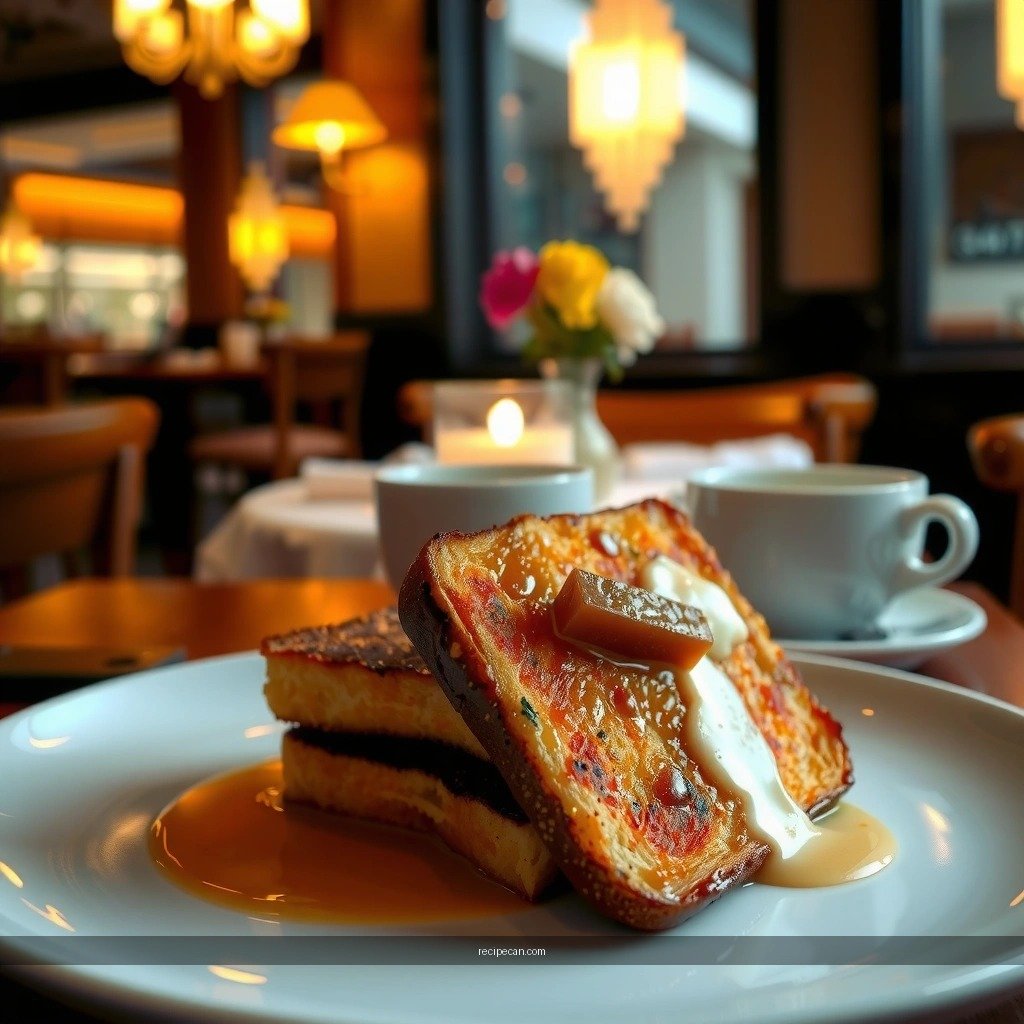
A great baked French toast depends on custard balance: enough liquid to create steam and softness, but enough structure (egg) to set the center. Think of custard as your “binding system” that turns bread into slices that cut cleanly and eat with that signature custard texture.
Core custard ingredients (the foundation):
– Eggs provide structure and that classic French toast custard set.
– Milk or half-and-half adds richness. Half-and-half yields a smoother, creamier mouthfeel and faster browning.
– Sugar supports browning (caramelization) and adds mild sweetness.
– Vanilla rounds out flavor and makes it taste bakery-level.
Flavor upgrades that work reliably:
– Cinnamon: Add for warm, familiar aroma—especially effective with brioche or challah.
– Pinch of salt: Salt makes sweet flavors taste brighter and keeps the custard from tasting flat.
Practical custard formula (scalable):
For most home batches, start with about 1 egg per ½ cup liquid (milk/half-and-half), then adjust sweetness to taste. If you’re using thicker bread or larger cubes, you can slightly increase liquid so the center sets without turning dry.
Key mixing technique:
Whisk until completely smooth—no streaks of egg white. Then let the custard sit 5–10 minutes before soaking. This resting period helps the bread absorb more evenly and improves consistency.
Assemble and Bake for Perfect Texture
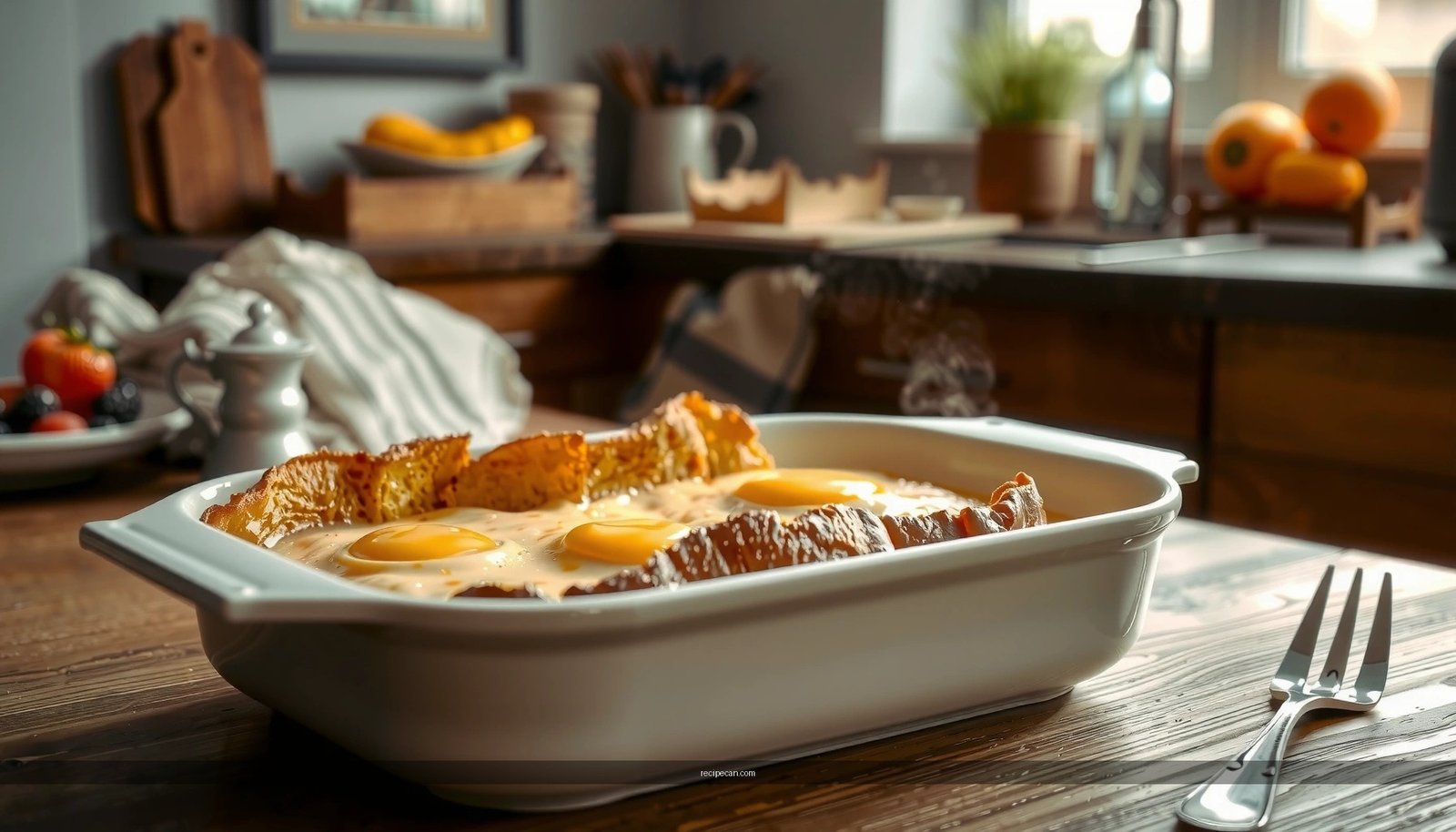
This is where baked French toast earns its reputation: you assemble once, bake, and get uniform results. The goal is to soak fully, bake until puffed, and brown until the edges are crisp.
Step-by-step assembly:
1. Preheat the oven to around 350°F (175°C).
2. Prepare your baking dish (9×13-inch is a common size) with butter or nonstick spray.
3. Cut bread into even slices or cubes so custard absorption is consistent.
4. Soak bread in custard:
– For slices: soak 20–30 seconds per side, then allow them to sit in the custard for another 1–3 minutes.
– For cubes: soak a bit longer (about 5–10 minutes) so the center gets exposure.
5. Layer the bread in the dish without compressing. Leave small gaps for steam circulation.
Bake cues that signal readiness:
– The French toast should be puffed and set in the middle.
– The top should be deep golden, not pale.
– When you gently press a center portion, it should feel set but still custardy (not wet).
For extra crisp edges:
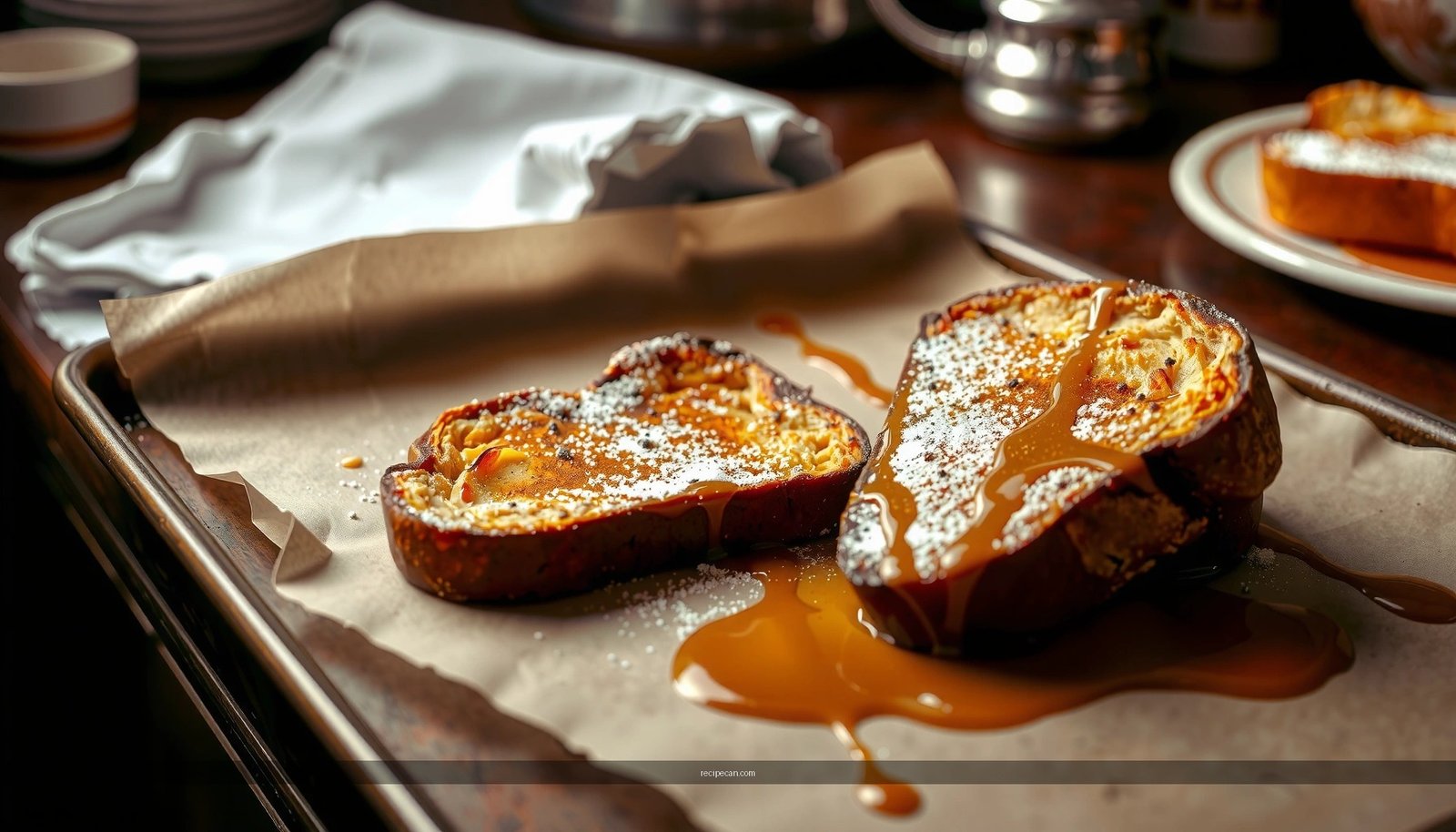
After baking, you can broil for 1–2 minutes (watch closely). Broiling dries and crisps the surface, creating that restaurant-style contrast between crisp exterior and soft interior.
When baking time varies (and why)
– Thicker bread requires more time.
– More custard increases softness and may require additional baking to fully set.
– Oven variance can shift browning by several minutes—use the visual cues above rather than a single fixed time.
Flavor Add-Ins and Toppings
Baked French toast is a blank canvas. A professional approach is to pick one or two flavor directions so the final result feels intentional rather than overloaded.
Flavor add-ins (mix into the custard)
– Cinnamon + nutmeg: A classic “baked goods” profile that tastes especially good with brioche.
– Orange zest: Brightens the custard and makes the sweetness taste less heavy. Use sparingly—about ½ to 1 teaspoon per batch.
– Optional: brown sugar instead of white sugar: Adds a subtle caramel note that pairs well with broiling for crisp edges.
Topping combinations that elevate the dish
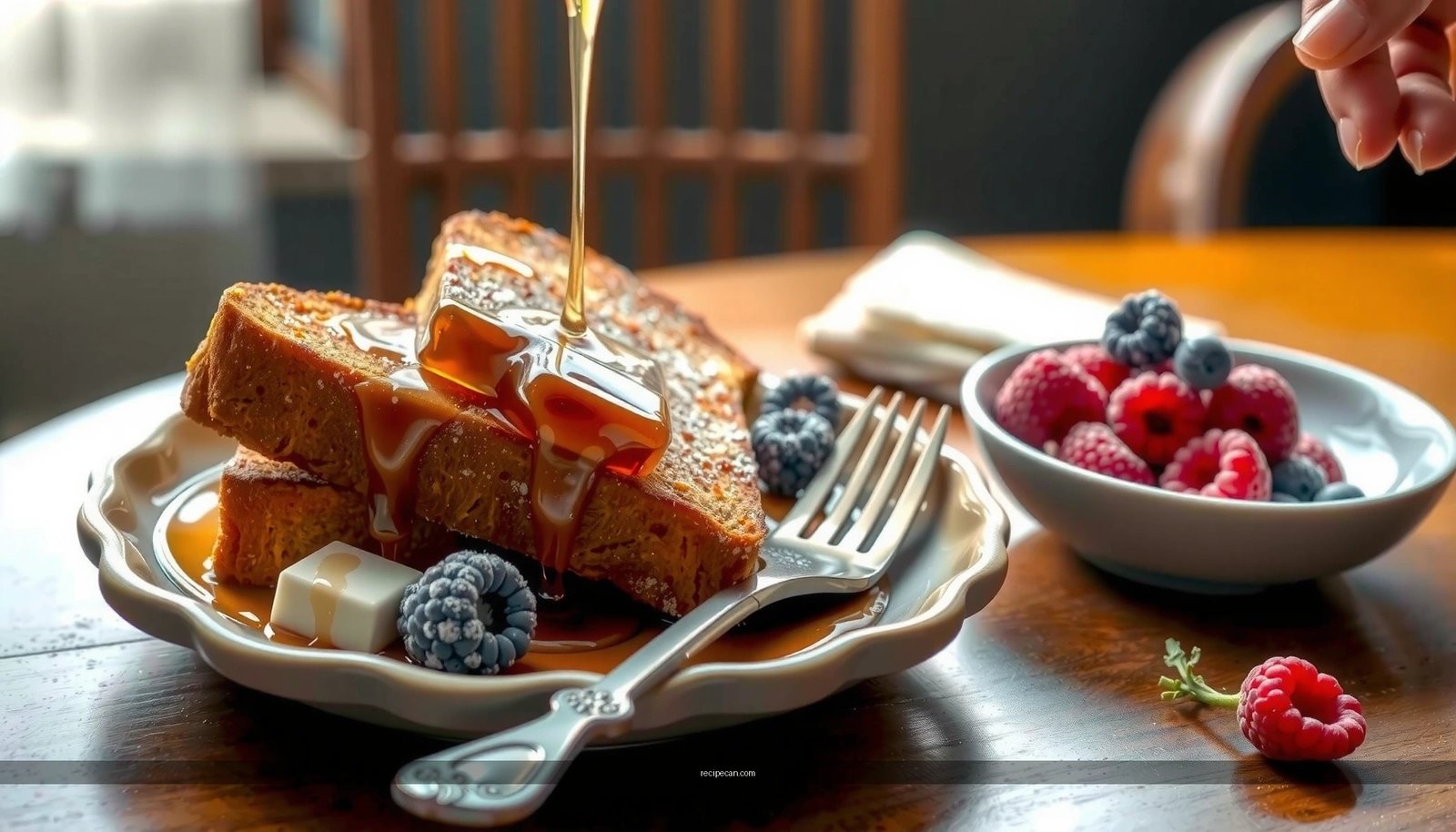
– Maple syrup + fresh berries: Balanced sweetness and acidity. Berries add moisture and brightness that highlight the custard.
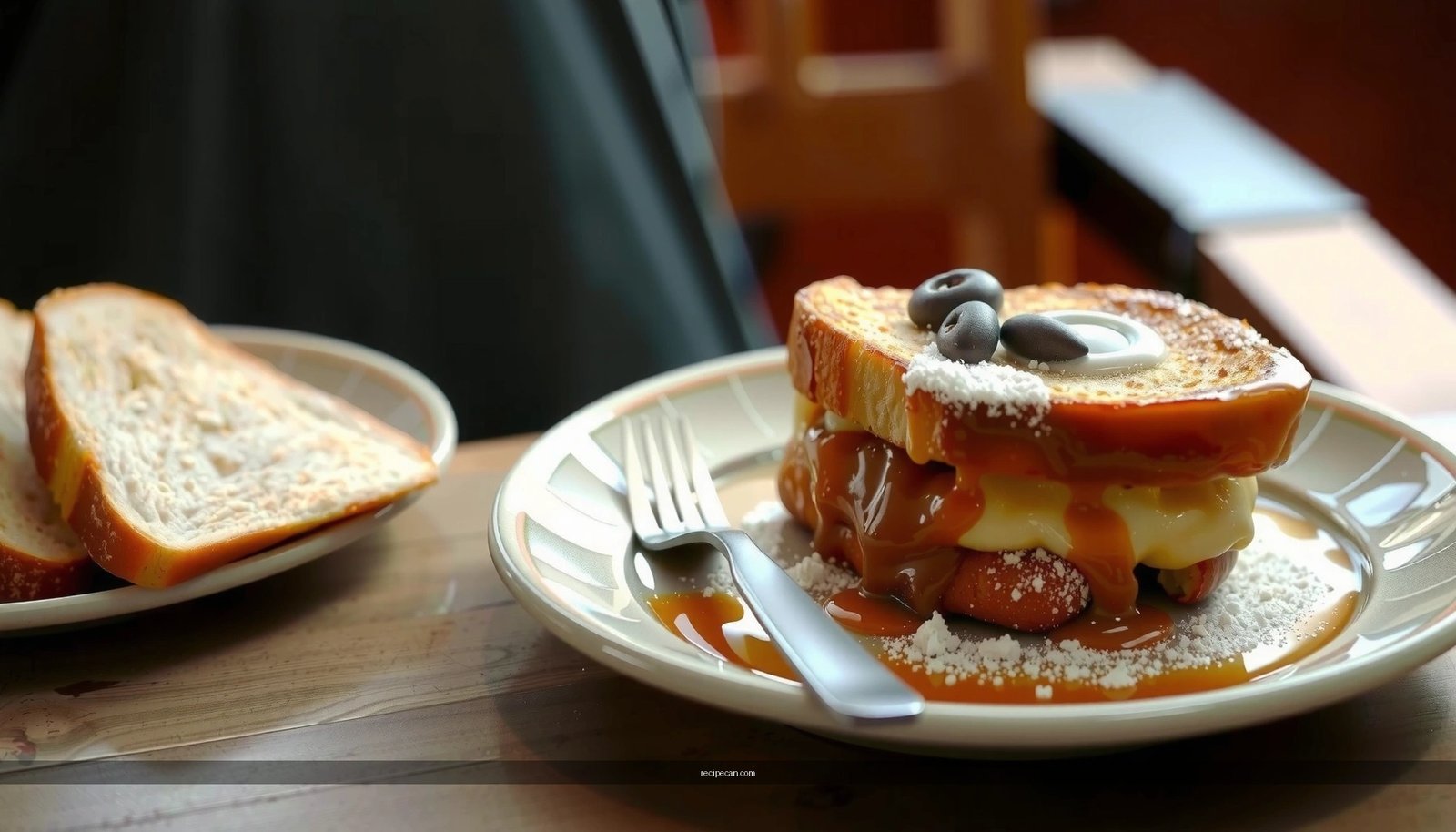
– Powdered sugar + fruit compote: Great for a more “bakery” look and a softer, saucier bite.
– Whipped cream + cinnamon dust: Turns it into a brunch dessert without requiring complicated sauces.
Pro tip: For crisp-tender balance, add syrup after baking (and drizzle lightly). If you soak the whole dish in syrup ahead of time, the crust can lose crispness.
Make-Ahead Tips for Stress-Free Mornings
Baked French toast is inherently make-ahead-friendly because it benefits from pre-soaking and time for custard distribution. The trick is to avoid overly long soaking that can make the bread collapse.
Best make-ahead method
– Assemble the dish in the baking pan (with bread layered and custard poured).
– Cover and refrigerate.
– Bake the next day when you want it hot and ready.
Recommended timing:
– Refrigerate assembled French toast for up to 8–12 hours for best texture.
– If soaking longer than that, the bread may become overly saturated and less able to hold a crisp edge.
Even-soak technique
When you’re ready to bake, let the dish sit at room temperature for 15–30 minutes before placing it in the oven. This helps the custard warm gradually, improving even cooking from edge to center.
Reheating (if you’re feeding a crowd)
Reheat in the oven at 300–325°F until warmed through. Microwaving can soften the crisp top, so oven reheating is better if you want to preserve the “crispy, custardy” contrast.
Troubleshooting Common Issues
Even high-quality recipes can drift due to ingredient variation, bread age, or dish depth. Below are practical fixes that preserve the custardy interior while restoring crispness and structure.
If it’s soggy
Common causes:
– Bread wasn’t stale/thick enough
– Custard was too heavy relative to bread
– Underbaked (center not fully set)
Fixes:
– Bake longer until puffed and deeply golden.
– Use thicker bread next time (aim for ¾–1 inch).
– Slightly reduce custard next batch, or increase bread quantity to balance absorption.
If it’s dry
Common causes:
– Not enough custard soak time
– Overbaking
– Bread type absorbed liquid but didn’t get enough depth of custard
Fixes:
– Increase custard slightly (a modest increase in milk/half-and-half works well).
– Reduce bake time slightly and watch for puffing and browning rather than relying only on a timer.
– Cover loosely with foil for part of the bake if the top browns too quickly.
If it browns too fast but center isn’t set
Common causes:
– Oven runs hot
– Dish is too deep or bread pieces are large
Fixes:
– Lower oven temperature by 10–15°F.
– Cover with foil partway through baking and continue until the center is set.
—
📊 DATA
Custard Consistency Targets for Baked French Toast (Practical Benchmarks)
| # | Custard Goal | Eggs | Dairy | Sugar | Expected Result |
|---|---|---|---|---|---|
| 1 | Classic custardy center | 6 eggs | 3 cups half-and-half | 3 tbsp | Set, creamy interior |
| 2 | Extra-rich brioche version | 6 eggs | 3 cups whole milk | 4 tbsp | More tender crumb |
| 3 | Firmer slice (less collapse) | 7 eggs | 3 cups half-and-half | 2 tbsp | More structure after baking |
| 4 | Slightly sweeter dessert-style | 6 eggs | 3 cups half-and-half | 5 tbsp | Caramelized crust boost |
| 5 | Lower-sugar option | 6 eggs | 3 cups whole milk | 1.5 tbsp | Custard still creamy; less browning |
| 6 | Higher moisture risk (reduce) | 5 eggs | 3 cups half-and-half | 3 tbsp | Often too soft/soggy if underbaked |
| 7 | Bake-stable (thick bread) | 6 eggs | 2.75 cups half-and-half | 3 tbsp | Set center with crisp edges |
Baked French toast delivers golden, custardy results with far less work than stovetop cooking. Use the right bread, nail the custard balance, and follow the baking cues for consistent success. Pick your favorite toppings, try the make-ahead option, and bake your next batch for an easy, delicious breakfast everyone will love.
Frequently Asked Questions
What is the best way to make baked French toast instead of stovetop French toast?
Baked French toast is easier because you assemble everything in a baking dish and let the oven do the cooking. Start by soaking bread in an egg-and-milk mixture (often with vanilla and cinnamon), then bake until puffed and golden. It’s great for feeding a crowd, and the set-and-bake method helps prevent soggy centers common with quick stovetop cooking.
How do you prevent soggy baked French toast?
Use bread that can handle soaking—brioche, challah, sourdough, or thick-cut Texas toast work well because they absorb custard without falling apart. Soak just long enough for saturation (about 10–20 minutes per side for thick bread, or overnight in the fridge for best texture), and bake at a steady temperature (typically 350°F–375°F) until the center is fully set. For extra crisp edges, consider lightly pressing the top down once in the dish and finishing with a quick broil at the end.
Why does baked French toast sometimes taste eggy, and how can you fix it?
An eggy flavor usually comes from too much egg for the amount of milk or from not seasoning the custard enough. Balance your recipe by using more milk or cream relative to eggs and add vanilla, cinnamon, and a pinch of salt to round out the flavor. If you’re using sweetened milk or flavored cream, also taste your custard before baking to ensure it’s not overly rich or concentrated.
Which bread is best for a baked French toast casserole?
The best bread for baked French toast is sturdy, slightly dry, and thick enough to absorb the custard evenly—brioche and challah are classic choices. If you prefer a lighter texture, use sourdough for a tangy flavor, or go with thick-cut sandwich bread for convenience. Day-old bread works better than fresh because it soaks more predictably and bakes up with a better, custardy center.
How long should you bake French toast, and what temperature ensures it’s cooked through?
Bake baked French toast at about 350°F–375°F until the top is golden and the custard is set in the middle, usually around 35–50 minutes depending on thickness. A good indicator is that the center should no longer look wet, and a knife inserted near the middle should come out mostly clean. Let it rest 5–10 minutes before slicing so the custard firms up and the casserole holds together nicely.
References
- French toast
https://en.wikipedia.org/wiki/French_toast - https://www.britannica.com/food/French-toast
https://www.britannica.com/food/French-toast - Google Scholar Google Scholar
https://scholar.google.com/scholar?q=baked+french+toast - Google Scholar Google Scholar
https://scholar.google.com/scholar?q=french+toast+casserole+recipe - Google Scholar Google Scholar
https://scholar.google.com/scholar?q=egg+bread+baking+french+toast+custard+technique - Search recipes – BBC Food
https://www.bbc.co.uk/food/search?q=baked%20french%20toast - Good Food
https://www.bbcgoodfood.com/search?q=baked%20french%20toast - https://www.theguardian.com/search?q=baked%20french%20toast
https://www.theguardian.com/search?q=baked%20french%20toast - https://www.nytimes.com/search?query=baked%20french%20toast
https://www.nytimes.com/search?query=baked%20french%20toast - https://www.britishbakingshow.co.uk/search?q=baked%20french%20toast
https://www.britishbakingshow.co.uk/search?q=baked%20french%20toast