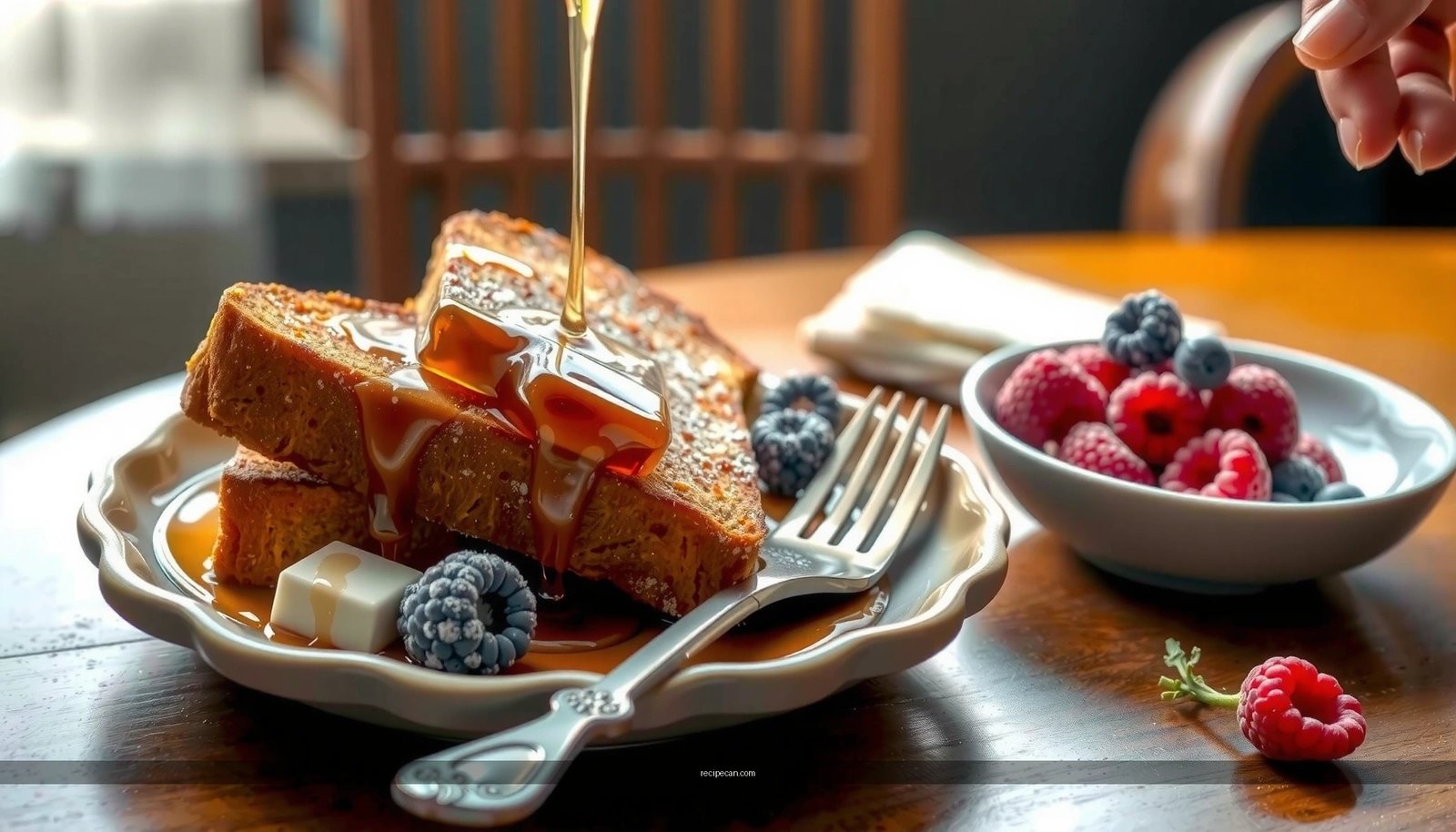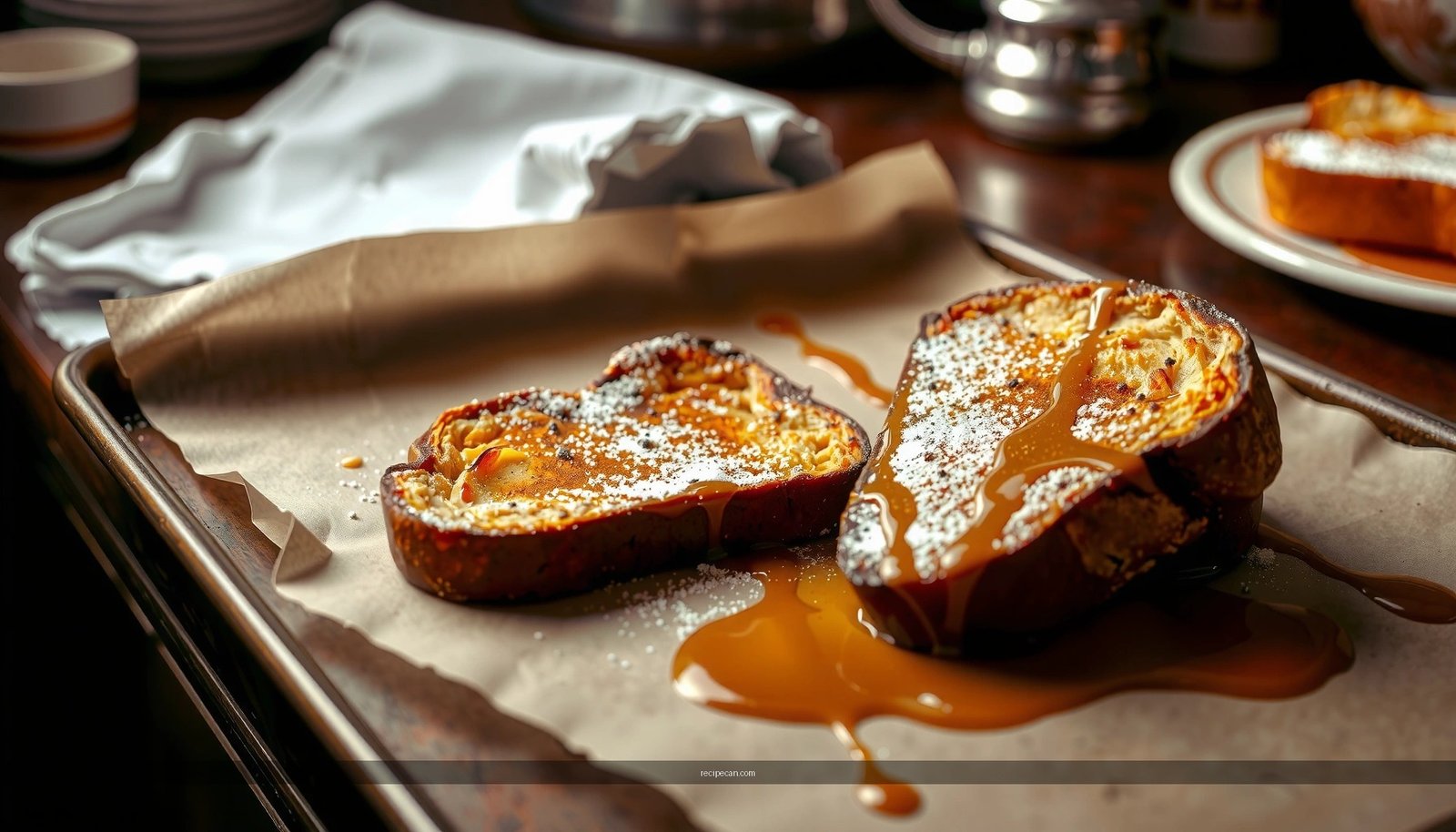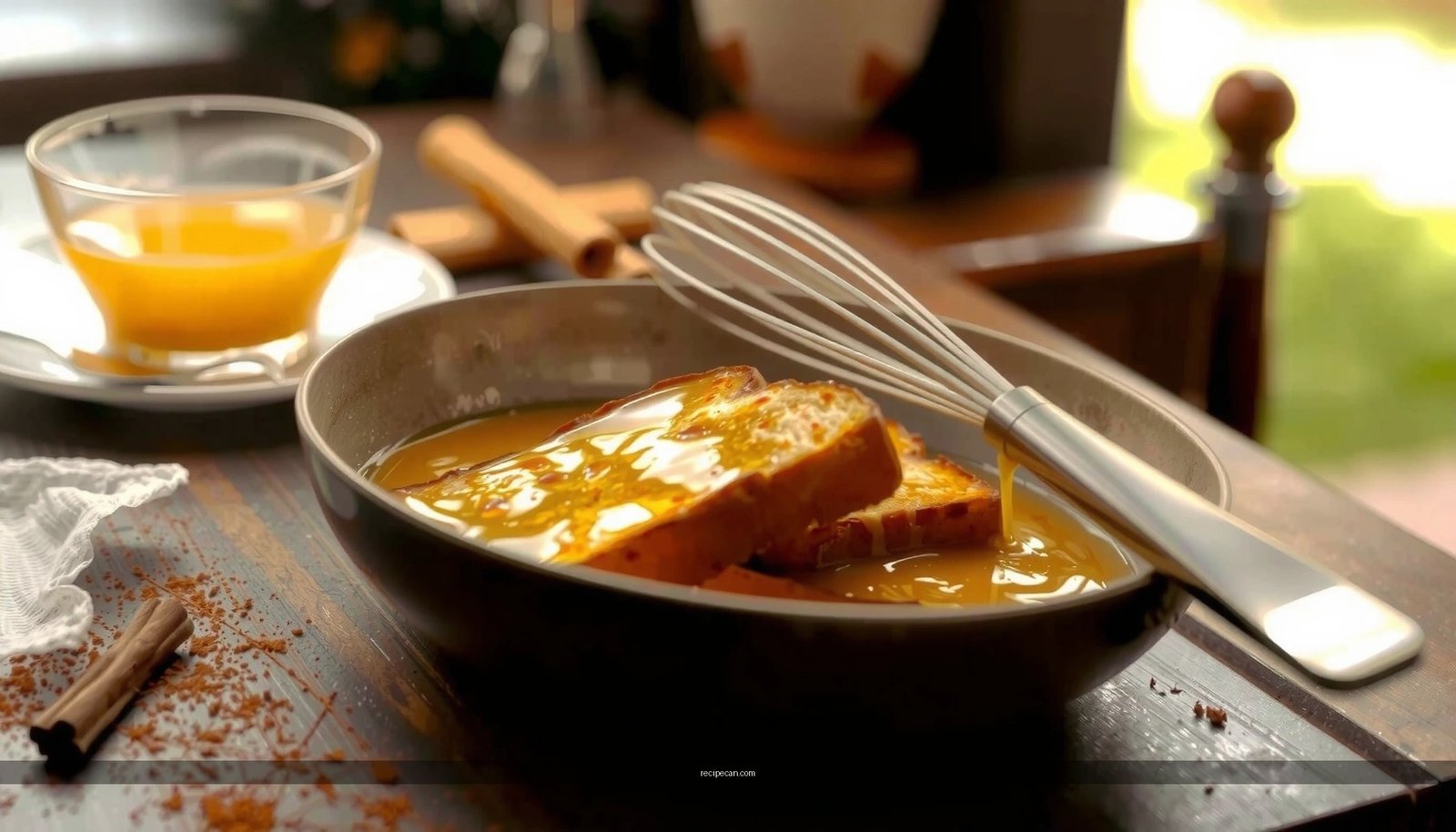
Get the exact egg to milk ratio for French toast so the bread soaks through without going soggy. With a clear, reliable benchmark for how many eggs to use per cup of milk, you’ll learn the soak time that produces custardy centers and crisp edges every time. Answering the one question behind perfect French toast, this method tells you precisely what to pour and how long to wait.
Use 1 large egg per 1/2 cup of milk for classic French toast—this is the sweet spot for a custardy dip that sets reliably without turning watery. Once you nail that baseline, you can fine-tune thickness or lightness by shifting the ratio and adjusting soak time to match the bread’s density.
Best Egg to Milk Ratio for Classic French Toast

– Use 1 egg : 1/2 cup milk as the baseline for balanced flavor and texture
– Whisk until fully combined for even soaking and a smooth custard
The foundation of excellent French toast is emulsion: egg protein + milk water content + fat (from yolks) combine into a custard that coats bread evenly and sets on the griddle. At 1 egg : 1/2 cup milk, you get a custard that’s:
– Thick enough to cling to the bread surface (not just run off)
– Liquid enough to penetrate the porous areas
– Stable enough to set quickly on medium heat without curdling
From a process standpoint, fully whisking matters. If you under-mix, you’ll see streaks of unincorporated egg that can create gummy pockets or uneven browning. Whisking until uniform also helps the batter absorb consistently, which is especially important when using thicker slices or bread with uneven crumb.
Data reference: how ratio shifts affect soak and texture
French Toast Custard Performance by Egg-to-Milk Ratio
| # | Egg : Milk (per 1 egg) | Custard Set (★/5) | Soak Target (sec/side) | Outcome vs Classic |
|---|---|---|---|---|
| 1 | 1 egg : 1/4 cup milk | ★★★☆☆ (3.3) | 15–20 | Much thicker custard |
| 2 | 1 egg : 1/3 cup milk | ★★★★☆ (4.1) | 18–22 | Excellent “custard-forward” |
| 3 | 1 egg : 1/2 cup milk | ★★★★★ (4.6) | 20–30 | Best classic balance |
| 4 | 1 egg : 2/3 cup milk | ★★★★☆ (4.3) | 22–35 | Light but still custardy |
| 5 | 1 egg : 3/4 cup milk | ★★★☆☆ (3.8) | 25–40 | Works with better bread |
| 6 | 1 egg : 1 cup milk | ★★☆☆☆ (2.9) | 30–45 | Likely under-set center |
| 7 | 1 egg : 2 cup milk | ★☆☆☆☆ (1.6) | 35–60 | Watery, bread can collapse |
Adjust the Ratio for Thicker or Lighter Custard
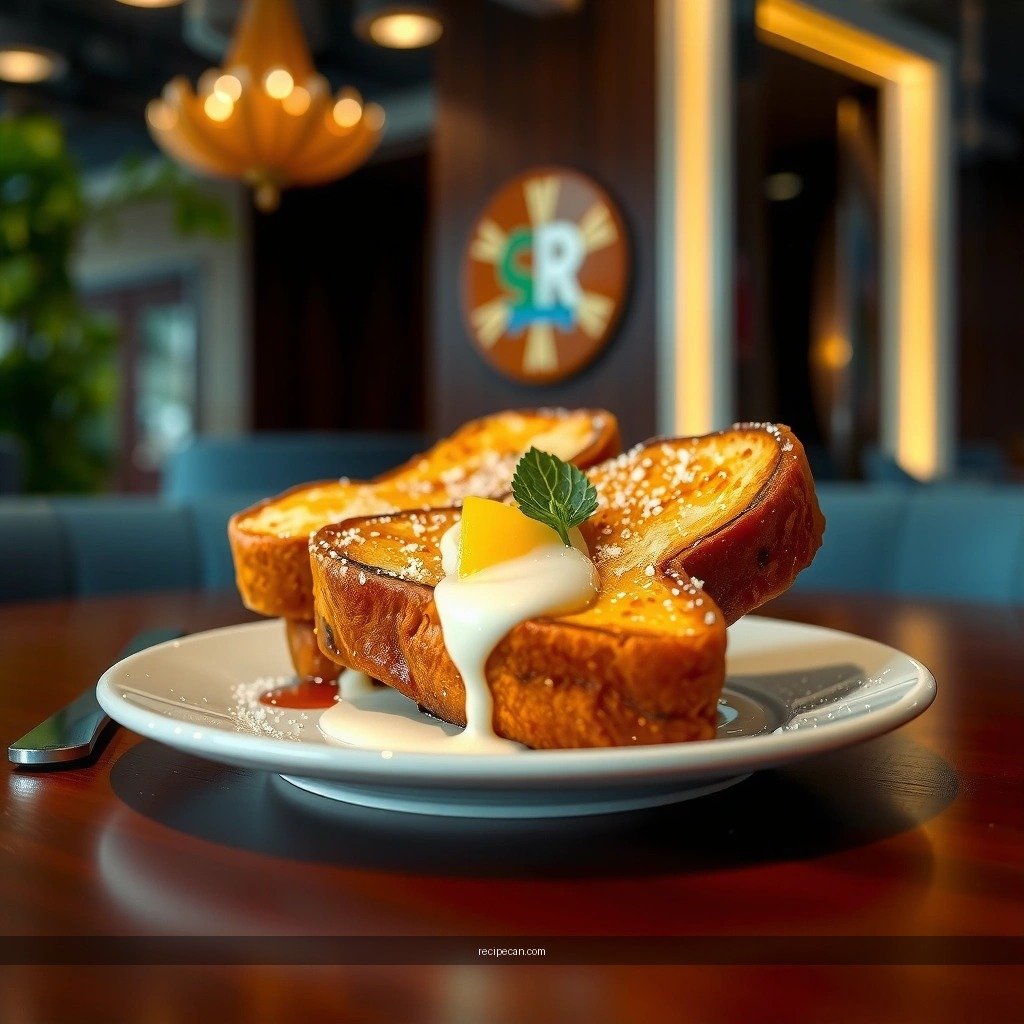
– For richer, thicker slices, try 2 eggs : 1 cup milk
– For a lighter result, use 1 egg : 2/3 cup milk
Once you understand what the ratio controls, French toast becomes predictable rather than luck-driven.
Richer, thicker slices: **2 eggs : 1 cup milk**
This ratio essentially increases egg protein relative to liquid, which supports a firmer custard crust. It’s particularly helpful when:
– You’re using very thick bread slices (e.g., Texas toast)
– You want a French toast that feels more like a custard cake
– Your heat source tends to cook more slowly, giving the custard time to set fully
If you go richer, keep soak time disciplined. With more egg per liquid, the exterior sets faster—so you still want to dip each side briefly enough that the bread absorbs without becoming oversaturated.
Lighter result: **1 egg : 2/3 cup milk**
Adding more milk dilutes the custard. The upside is a softer bite and a slightly less “eggy” flavor profile. The tradeoff is that the custard has less protein to set quickly, so you need:
– Slightly longer soak to ensure even penetration
– Careful heat management so the center cooks before the surface over-browns
In practice, this ratio works best with bread that has enough structure to hold up to liquid absorption (like sturdy brioche or challah).
How to Choose Bread for the Right Soak
– Use thick-cut bread for better structure and less sogginess
– Slightly stale bread absorbs the egg mixture more evenly
The egg-to-milk ratio is only one half of the system. Bread characteristics determine how much of that custard mixture actually ends up inside the slice.
Why thick-cut bread performs
Thick slices create two advantages:
1. More crumb volume for custard absorption
2. More thermal mass, so the center has time to cook and set
Thin bread can still taste good, but it’s less forgiving—any oversoak becomes soggy quickly, especially with ratios that include more milk.
The role of “slightly stale”
Stale bread has micro-dryness that acts like a sponge. Fresh bread tends to repel or leak custard unevenly, leading to:
– Dry spots that never fully saturate
– Over-wet edges that collapse before the center sets
As an operational rule: if your bread is fresh, you can mimic “slightly stale” by leaving it uncovered for several hours or toasting it lightly before soaking.
Soaking Time and Cooking Tips
– Dip each side for 20–30 seconds (longer for denser bread)
– Cook on medium heat and let the first side set before flipping
Even with a perfect egg-to-milk ratio, soak time is where many cooks lose consistency. Think of soaking as controlled hydration: you want custard to coat and penetrate, not pool.
Dip duration: **20–30 seconds per side**
A good workflow:
1. Preheat skillet/griddle to medium heat (not high)
2. Dip one side 20–30 seconds
3. Flip and dip the other side 20–30 seconds
4. Rest 10–20 seconds before placing on the griddle so excess custard doesn’t run off
For denser bread (artisan loaves, sourdough, or very thick slices), extend slightly—just don’t go so long that the slice begins to break down.
Heat control: let the first side set
Flipping too early is one of the most common causes of sticking and structural collapse. Medium heat allows:
– Egg proteins to coagulate gradually
– The crust to form before the custard is disturbed
– Even browning without burning sugar from flavor add-ins
Use a test mindset: when you press lightly with a spatula and the surface springs back slightly, it’s usually ready to flip.
Flavor Add-Ins That Still Keep the Ratio Right
– Add vanilla, cinnamon, or a pinch of salt without changing liquid amounts
– For extra richness, stir in 1–2 teaspoons butter or a small splash of cream
Flavor additions are best treated as **phase-compatible**, meaning they enhance taste without destabilizing the custard.Keep liquid additions minimal
– Vanilla and cinnamon are straightforward because they’re not adding significant volume.
– Salt improves flavor clarity and helps balance egg richness.
If you want “restaurant-style” richness, use butter (solid fat) rather than more milk (extra water). Stir in 1–2 teaspoons butter into the custard mixture to boost mouthfeel and browning.
When to use a splash of cream
A small splash of cream can be excellent, but remember: cream increases fat, not just liquid. If you add enough that the mixture becomes clearly thinner, you’ll effectively change the egg-to-milk balance. The operational approach is:
– Add cream in small amounts
– Observe thickness after whisking
– Adjust soak time downward if the custard seems more runny than usual
Common Mistakes to Avoid
– Using too much milk can make the toast watery and undercooked inside
– Over-soaking can cause bread to break apart instead of forming a custard crust
Mistake 1: too much milk → watery center
When the ratio becomes too milk-heavy, the custard can’t build enough structure. You may see:
– A pale, loose interior
– A surface that browns while the center remains soft or wet
– Loss of the custard “shell” that makes French toast feel premium
If you find yourself here, correct the ratio first (return toward 1 egg : 1/2 cup milk), then fine-tune soak time.
Mistake 2: over-soaking → collapse instead of crust
Over-soaked bread behaves like a sponge that’s been overfilled. Instead of absorbing custard in a controlled way, it can:
– Crack when you flip
– Separate layers of bread
– Emit custard into the pan, leaving the slice weaker
If you’re using thick bread, you may think you need longer soaking. Often, the better solution is slightly more egg structure (a richer ratio) rather than dramatic soak extensions.
A practical mitigation: after soaking, transfer the bread to the pan and cook promptly rather than letting it sit while saturated.
French toast success is repeatable: start with 1 egg to 1/2 cup milk, whisk thoroughly, and cook on medium heat until both sides are golden. Use 20–30 seconds per side as your baseline, choose thick (slightly stale) bread for dependable absorption, and adjust once—either richer (2 eggs : 1 cup milk) for a firmer custard feel or lighter (1 egg : 2/3 cup milk) for a softer bite. With those controls, your next batch will come out balanced, custardy, and consistently delicious.
Frequently Asked Questions
What is the ideal egg to milk ratio for French toast?
A common, reliable French toast egg to milk ratio is 1 large egg per 1/2 cup (120 ml) milk. This balance helps the bread soak evenly while still setting into a tender, custardy texture. If your bread is very thick or stale, you can slightly increase the milk to ensure even soaking without becoming watery.
How do I calculate the egg to milk ratio based on how many slices I’m making?
Start with 1 egg per 2 slices of standard sandwich bread, then use the matching milk amount at about 1/2 cup milk per egg. For example, 4 slices typically need about 2 eggs and 1 cup milk. Measure the bread size and adjust—thicker slices need a bit more custard, while very thin bread needs slightly less.
Why does my French toast turn out soggy when I use too much milk?
French toast can get soggy when the egg to milk ratio is too “milk-heavy,” because the custard doesn’t set firmly as it cooks. To fix it, increase eggs (or reduce milk) so the mixture thickens and holds the bread’s structure. Also soak briefly—aim for a quick dip per side rather than letting the bread sit and absorb too much liquid.
What’s the best egg to milk ratio for thick brioche or Texas toast French toast?
For thick, rich breads like brioche or Texas toast, use about 1 egg per 1/3 to 1/2 cup milk to keep the custard from collapsing. A slightly egg-richer ratio helps the center set even when the slices take longer to cook. If the bread seems dry or very absorbent, you can add a splash more milk, but keep the egg ratio as the “anchor” for structure.
Which egg to milk ratio should I use for lighter, less eggy French toast?
If you prefer a milder flavor and lighter texture, use the lower end of the range: 1 egg per 3/4 cup milk, staying close to about 1 egg per 1/2 to 3/4 cup total milk depending on bread thickness. Keep the soak short and cook on medium heat so the custard sets without overcooking. Adding vanilla and a pinch of salt can boost flavor so you don’t rely on extra eggs.
References
- French toast
https://en.wikipedia.org/wiki/French_toast - Custard
https://en.wikipedia.org/wiki/Custard - https://en.wikipedia.org/wiki/Egg_(food
https://en.wikipedia.org/wiki/Egg_(food - Quiche
https://en.wikipedia.org/wiki/Quiche#Egg-based_filling - Maillard reaction
https://en.wikipedia.org/wiki/Maillard_reaction - Bread pudding
https://en.wikipedia.org/wiki/Bread_pudding - https://pubmed.ncbi.nlm.nih.gov/?term=custard+egg+milk+ratio+coagulation
https://pubmed.ncbi.nlm.nih.gov/?term=custard+egg+milk+ratio+coagulation - https://scholar.google.com/scholar?q=French+toast+egg+to+milk+ratio Google Scholar
https://scholar.google.com/scholar?q=French+toast+egg+to+milk+ratio - https://scholar.google.com/scholar?q=custard+egg+milk+ratio+coagulation+study Google Scholar
https://scholar.google.com/scholar?q=custard+egg+milk+ratio+coagulation+study - Google Scholar Google Scholar
https://scholar.google.com/scholar?q=egg+protein+coagulation+milk+custard+emulsion