Want the best French toast casserole overnight recipe that you can prep the night before and bake the next morning? This method gives you the creamiest, golden-edged results with simple steps, including the exact soaking time so the center sets while the top stays crisp. If you want an easy make-ahead breakfast with minimal morning work, this is the clear winner.
French toast casserole is the simplest way to get golden, custardy French toast without babysitting a skillet—because you prep it the night before, chill it overnight, and bake it in the morning. Below is an easy overnight French toast casserole recipe with precise steps, ingredient guidance, and timing cues so it sets properly, browns evenly, and stays tender for brunch or a crowd.
You’ll also notice a key difference between “good” and “great” overnight French toast: the bread must fully hydrate (without turning watery), and the custard must be balanced to bake to the right texture. With the right bread choice, a consistent custard mixture, and a few reliable doneness cues, you can repeat that restaurant-style result every time.
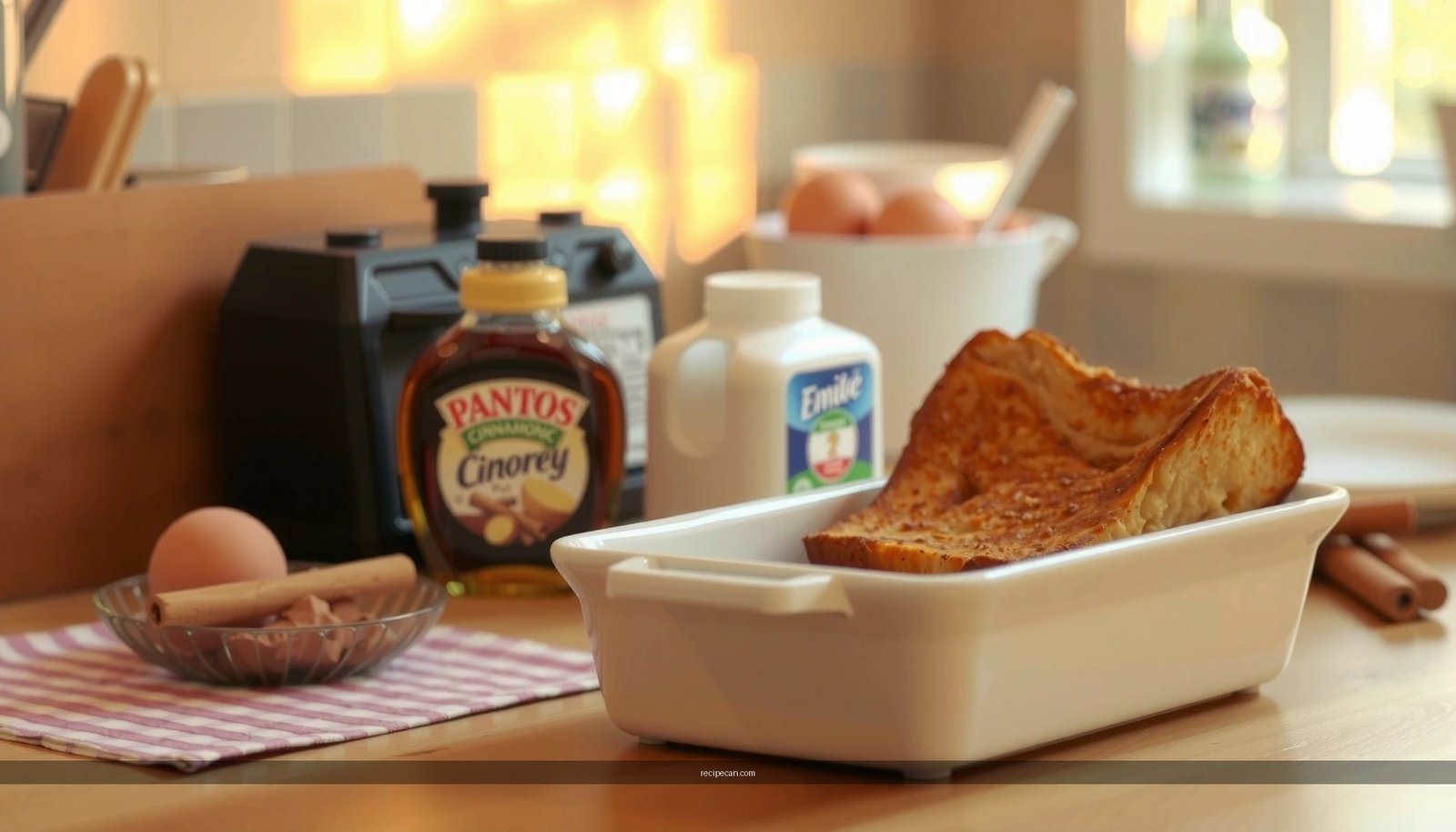
Overnight French Toast Casserole Ingredients

– Use bread like brioche or challah for the best soft, custardy texture
The most important ingredient decision in an overnight French toast casserole is the bread. Brioche and challah have a tender crumb and good fat content, which helps the custard bake up rich and cohesive instead of dry or rubbery. If you’re aiming for a classic, slightly bready bite, French bread or thick-cut sourdough can work too—just expect a firmer texture and consider a longer soak.
– Mix eggs, milk (or half-and-half), sugar, vanilla, and cinnamon for classic flavor
Custard is the engine of this recipe. Eggs provide structure as they set in the oven; milk or half-and-half controls richness; sugar helps browning and flavor; vanilla rounds out sweetness; and cinnamon contributes warm depth.
A practical ingredient checklist (for consistent results)
For a standard 9×13-inch casserole (about 8–12 servings), plan on:
– Bread: 10–14 cups, cubed or torn (enough to fill the dish with a few airy spaces)
– Eggs: 8 large eggs
– Milk/half-and-half: 2 1/2 to 3 cups (half-and-half gives a richer, more “custardy” result)
– Sugar: 3/4 cup granulated (or brown sugar for a deeper caramel note)
– Vanilla: 2 teaspoons
– Cinnamon: 2 teaspoons
– Salt: 1/2 teaspoon (often overlooked; it makes the custard taste complete)
If you prefer a less-sweet casserole, you can reduce sugar slightly, but keep in mind sugar also affects browning. Too little sugar may bake up pale.
Overnight French Toast Casserole Custard Strength Guide (9×13, 8–12 Servings)
| # | Custard Style | Milk Amount | Bread Feel After Baking | Browning Potential | Custard Rating |
|---|---|---|---|---|---|
| 1 | Classic (Balanced) | 2 3/4 cups | Soft + set | Medium | ★★★★☆ |
| 2 | Rich (More Custard) | 2 1/2 cups half-and-half | Very tender | High | ★★★★★ |
| 3 | Lighter (Less Sweet) | 3 1/4 cups milk | Tender but firmer | Low–Medium | ★★★☆☆ |
| 4 | Extra-Soaked (Soft Center) | 3 cups milk | Very soft | Medium | ★★☆☆☆ |
| 5 | Watery Risk (Too Much Liquid) | 3 1/2 cups | Soggy edges possible | Low | ★☆☆☆☆ |
| 6 | Brioche-First (Bread-Fat Assisted) | 2 5/8 cups | Creamy set | High | ★★★★☆ |
| 7 | Overnight-Proof (Sturdy Bread) | 3 cups milk | Set with bounce | Medium–High | ★★★★☆ |
Prep Steps the Night Before

– Cube or tear bread, arrange it in a baking dish, and pour the custard evenly
Overnight French toast casserole works because the bread has time to absorb the custard. Cut bread into 1 to 1.5-inch cubes (or tear into irregular pieces if using artisan loaves). A mix of cube sizes increases surface area and improves custard distribution. Place the bread evenly in a greased 9×13-inch dish, then pour custard slowly so it pools between layers instead of running off the top.
– Cover and refrigerate so the bread fully soaks up the mixture overnight
After pouring, gently press down with a spatula so all bread makes contact with the custard. Cover tightly and refrigerate at least 8 hours (overnight) and up to about 12–14 hours. Chilling prevents early soaking from turning mushy and helps the casserole bake with cleaner, more defined texture.
Overnight process (what actually happens)
During refrigeration, two things occur: (1) bread absorbs liquid and softens, and (2) eggs begin to slowly bond with moisture and flavors. By the time you bake, the custard is “pre-distributed,” which is why overnight French toast is so consistent compared to last-minute methods.
Pro tip for businesslike consistency: If you’re assembling for a brunch event, weigh or measure bread volume and keep the custard mixture consistent. That reduces variability from loaf size and ensures dependable doneness.
Baking Instructions for Morning Results
– Bake until puffed and golden, then let it rest briefly before serving
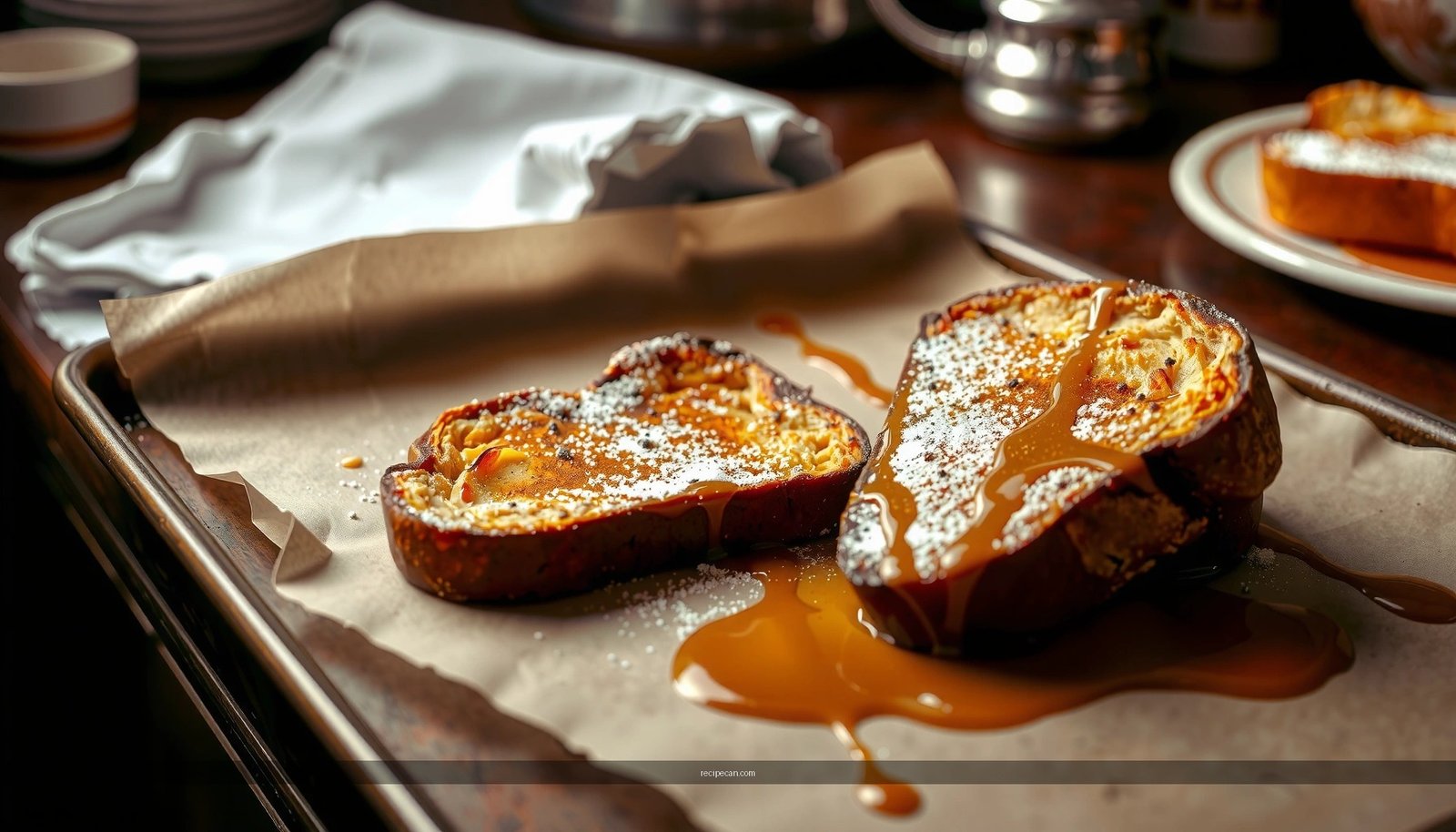
Preheat your oven to **350°F (175°C)**. Bake covered for the first part of the process if your top tends to brown quickly (often **25 minutes covered**), then uncover and bake until set and golden (often **20–25 minutes uncovered**, depending on your oven and bread type). When it’s ready, the center should be set and the edges lightly crisp.– Use doneness cues like set center and lightly crisp edges for accuracy
Doneness cues matter more than time alone. Look for:
– Center set: the middle should no longer wobble like custard (it should feel firm when you gently tap the dish).
– Golden top and edges: lightly crisp edges are a sign you reached the right moisture-to-heat balance.
– Clear-ish custard release: if you cut a piece, you should see custard absorbed throughout rather than watery liquid pooling on the plate.
If you want precision, use a thermometer: the casserole is typically ready when the deepest part reads around 160°F–170°F (71°C–77°C).
Best Bread and Custard Ratios
– Aim for enough liquid to saturate the bread without making it watery
The goal is saturation, not flooding. When there’s not enough custard, you’ll get dry edges and a pale, under-set center. Too much custard makes the casserole taste bland and can cause it to stay loose in the middle.
– Adjust based on bread thickness: denser bread may need a slightly longer soak
Brioche and challah absorb relatively quickly, so 8–12 hours is usually ideal. Sourdough or denser breads may need:
– slightly smaller cubes (to increase absorption surface area), or
– a bit more time in the custard (within the recommended overnight window).
Ratio logic you can reuse
Think in terms of bread volume vs. custard liquid, not just cups. If you pack the bread tightly, it may trap custard between pieces and slow absorption; if the bread is too airy, custard may pool at the bottom. A “just right” bake comes from distributing bread evenly so steam can circulate and set the custard uniformly.
Make-Ahead and Storage Tips
– Assemble up to the overnight soak time, then refrigerate until ready to bake
The assembled, unbaked casserole can be refrigerated overnight as directed. If you’re planning for a busy morning, you can also prep toppings (berries, syrup, whipped cream) in advance so service is frictionless.
– Store leftovers covered and reheat gently to keep it from drying out
Cool leftovers to room temperature, then refrigerate covered. For best texture, reheat at 300°F (150°C) until warmed through, rather than microwaving at high power (which can turn custard rubbery). Add a small splash of milk or drizzle syrup lightly if you want to restore moisture.
Reheating guidance by preference
– Oven (best texture): 10–15 minutes, covered loosely with foil
– Microwave (fastest): 20–40 seconds per serving, then rest to even out heat
Serving Ideas and Toppings
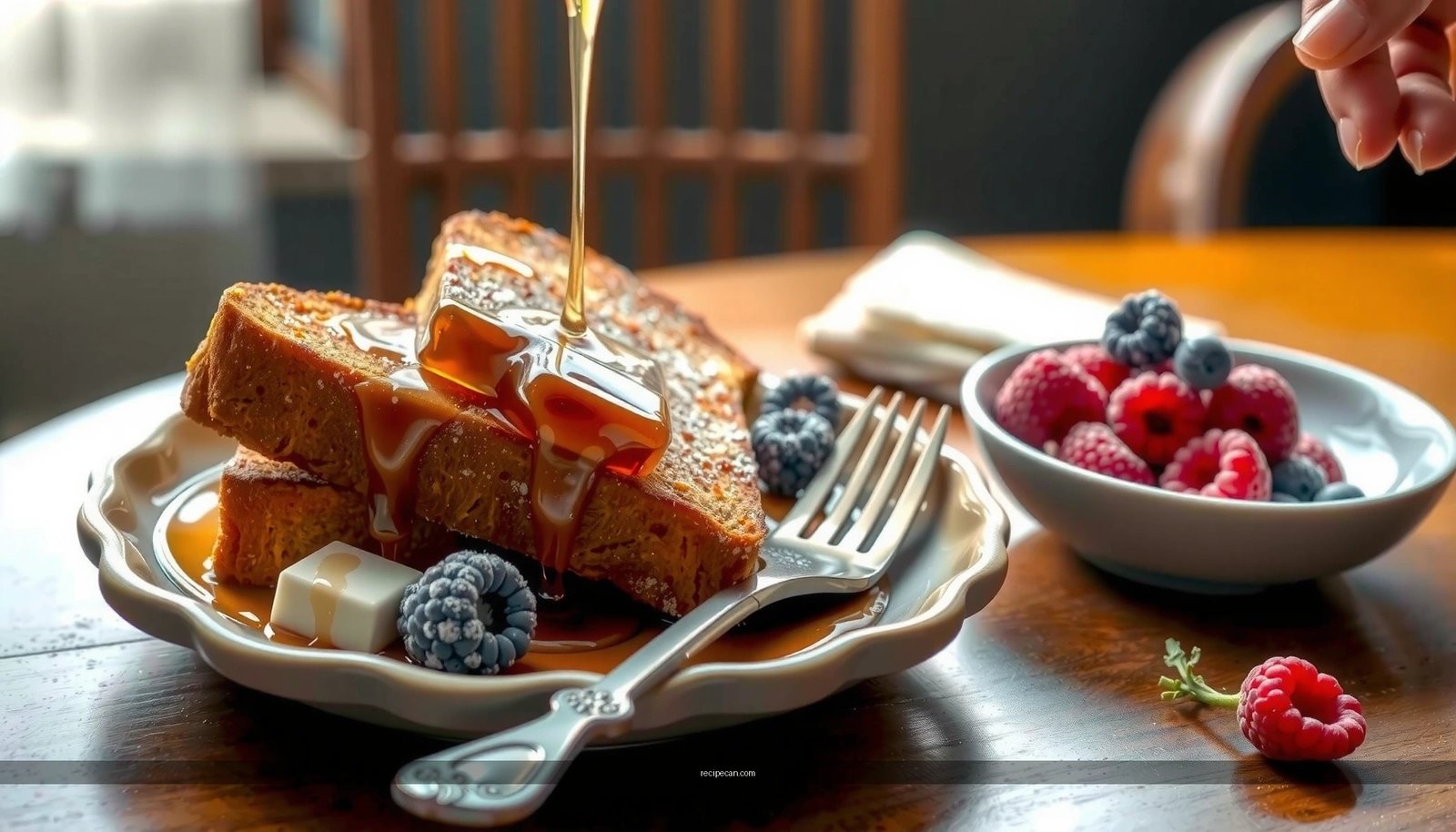
– Serve with maple syrup, fresh berries, powdered sugar, or whipped cream
Toppings should complement the baked custard, not overpower it. Maple syrup works particularly well because it matches the caramelized notes created during baking. Fresh berries add acidity that brightens the overall flavor profile.
– Add optional mix-ins like chocolate chips or nuts for extra flavor
For crowd-friendly customization, fold in mix-ins directly before baking—just keep proportions balanced so the bread still hydrates evenly.
Common high-success add-ins:
– Chocolate chips (small or semi-sweet): adds pockets of melty richness
– Toasted pecans or walnuts: adds crunch and contrast
– Raisins or dried cranberries: adds tang and chew (use a moderate amount to avoid sweetness overload)
If you’re serving a large group, consider creating a few “zones” in the casserole—adding chocolate chips to one section and nuts/fruit to another—so guests can choose their preferred flavor profile.
A strong, reliable schedule also helps. Assemble tonight, bake tomorrow, and serve promptly—French toast casserole is best shortly after baking because the custard is at peak set-tender balance.
French toast casserole is the easiest overnight breakfast: prep the dish the night before, chill for proper soaking, and bake in the morning until puffed and golden. Use rich bread like brioche or challah, follow the custard ingredient balance, and rely on doneness cues (set center, lightly crisp edges) rather than time alone. With these steps and ratios, you’ll consistently deliver a crowd-friendly, custardy French toast casserole that looks impressive and tastes even better than it took to make.
Frequently Asked Questions
What is the best French toast casserole overnight recipe for feeding a crowd?
The best overnight French toast casserole recipe uses bread, eggs, milk (or half-and-half), vanilla, and cinnamon, then soaks the bread in the custard overnight. Choose a sturdy bread like brioche or challah so the cubes absorb the custard without turning gummy. Bake in a greased 9×13-inch dish for easy serving and consistent texture across every slice.
How do you make an overnight French toast casserole without it turning soggy?
Use slightly stale bread (or toast/bake the bread cubes briefly) so the French toast casserole absorbs the custard without collapsing. Keep the soaking time to overnight (about 8–12 hours) and pour an even layer of egg mixture so every cube gets hydrated evenly. If you like a firmer top, add a light sprinkle of sugar or dot with butter before baking.
Why does my overnight French toast casserole come out dry, and how can I fix it?
Dry casserole is usually caused by too little custard, bread that’s too fresh, or under-soaking the bread before baking. Measure your milk/egg ratio carefully and make sure the bread is fully submerged or mostly covered; stir the mixture once halfway through if needed. Bake until puffed and set—look for a slight jiggle in the center—then let it rest 5–10 minutes so the French toast casserole firms up.
Which bread works best for an overnight French toast casserole—brioche, challah, or sourdough?
Brioche and challah are top choices because they’re soft, rich, and soak up the egg custard well while staying tender. Sourdough can work if it’s thick-cut and slightly stale, but it may yield a firmer bite and needs proper overnight soaking to prevent dryness. Avoid very thin, crusty bread that breaks down too quickly unless you adjust the soaking time.
What baking temperature and timing should you use for a French toast casserole overnight?
Bake an overnight French toast casserole at 350°F (175°C) until the center is set and the top is golden, typically about 40–55 minutes for a 9×13 dish. If the top browns too quickly, tent with foil for the last 10–15 minutes. Let it rest before serving so the custard fully sets and slices cleanly.
References
- Google Scholar Google Scholar
https://scholar.google.com/scholar?q=french+toast+casserole+overnight+recipe - Google Scholar Google Scholar
https://scholar.google.com/scholar?q=baked+french+toast+casserole+make-ahead+overnight - Google Scholar Google Scholar
https://scholar.google.com/scholar?q=egg+custard+bread+baking+overnight+refrigeration+food+science - French toast
https://en.wikipedia.org/wiki/French_toast - Custard
https://en.wikipedia.org/wiki/Custard - https://en.wikipedia.org/wiki/Casserole_(dish
https://en.wikipedia.org/wiki/Casserole_(dish - Preventing Food Poisoning | Food Safety | CDC
https://www.cdc.gov/foodsafety/keep-food-safe.html - https://www.fsis.usda.gov/food-safety/safe-food-handling-and-preparation/food-safety-basics
https://www.fsis.usda.gov/food-safety/safe-food-handling-and-preparation/food-safety-basics - https://www.fda.gov/food/foodborneillnesscontaminants/food-safety-in-the-home
https://www.fda.gov/food/foodborneillnesscontaminants/food-safety-in-the-home - Keep Food Safe | FoodSafety.gov
https://www.foodsafety.gov/keep-food-safe