Want a crunchy French toast recipe that delivers crispy, golden edges every time? This method wins the “crunch factor” question by using thick bread, a quick custard soak, and a hot pan finish that browns fast without turning soggy. Follow these steps and you’ll get French toast with a crisp crust and a tender center—easy enough for a weekday, impressive enough for guests.
Get crunchy French toast by soaking thick bread briefly in an egg-and-milk mixture, then pan-frying it until deep golden and crisp. The secret is controlling two variables—soak time (so it absorbs without collapsing) and cook heat (so the custard sets fast enough to form a crackly exterior).
Choose the Best Bread for Crunch
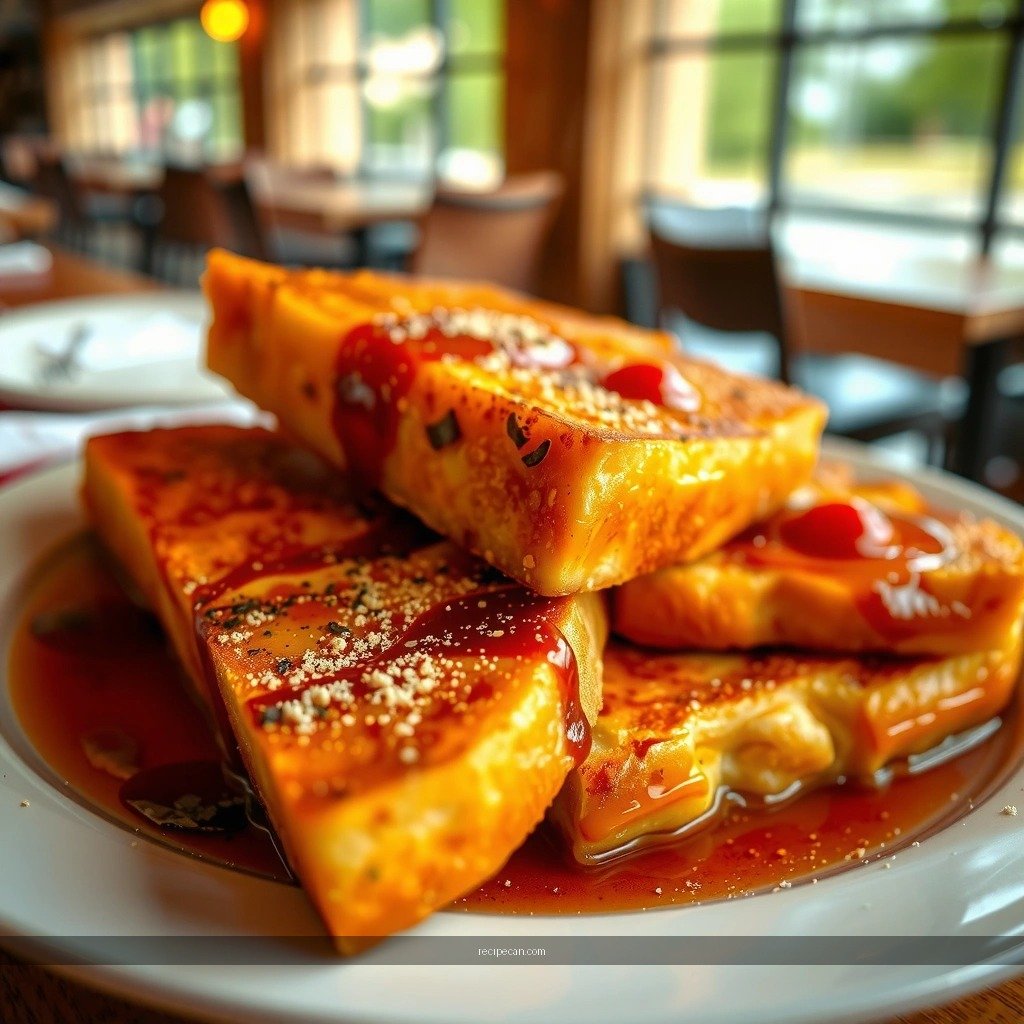
The bread choice determines how quickly your French toast transitions from “custardy” to “crisp.” In professional kitchens, the goal is predictable structure: a loaf with enough crumb strength to hold up to the egg mixture while still drying enough on the surface to brown. That’s why thick, hearty slices are non-negotiable.
– Use thick-cut bread like brioche, challah, or day-old sourdough
– Brioche and challah: higher-fat dough, naturally tender inside, and they brown beautifully when seared.
– Day-old sourdough: more open crumb and strong structure—great for crunch because it resists oversaturation better than fresh soft bread.
– Dry bread helps it crisp up faster instead of getting soggy
– If your bread is very fresh, you can “pre-dry” it by leaving slices uncovered for 1–2 hours or lightly toasting for 2–3 minutes before dipping.
– Aim for slices about 1–1.5 inches thick for maximum crunch
– Thin slices cook too quickly and can burn before the interior sets.
– Thicker slices benefit from a controlled soak and slightly longer sear, which builds that signature crust.
Data Snapshot: Bread Performance for Crunch (Practical Kitchen Benchmarks, per 1-inch slices)
Bread Options for Crunchy French Toast (Texture & Cookability)
| # | Bread Type | Best For | Surface Crisp Rating | Soak Tolerance | Prep Notes | Overall Recommendation |
|---|---|---|---|---|---|---|
| 1 | Brioche | Extra-rich interior | ★★★★★ | High (10–20 sec) | Use moderate soak; sear quickly for crust | Top pick |
| 2 | Challah | Balanced crunch & custard | ★★★★☆ | High (10–20 sec) | Pairs well with cinnamon-sugar | Excellent |
| 3 | Day-old Sourdough | Crackly, dry crust | ★★★★★ | Medium-High (10–25 sec) | Great for thicker slices; dries fast | Best for extra crunch |
| 4 | French Bread (Baguette/Loaf) | Lean custard feel | ★★★☆☆ | Low-Medium (8–12 sec) | Can oversoak quickly—keep dip brief | Good with strict timing |
| 5 | Texas Toast | Convenient thickness | ★★★☆☆ | Medium (12–18 sec) | Watch browning; may need lower heat | Works well |
| 6 | Whole Wheat Sandwich Bread | Higher fiber, softer crust | ★★☆☆☆ | Low (6–10 sec) | Often gets chewy; use coating for texture | Not ideal |
| 7 | White Sandwich Bread (Fresh) | Soft dessert-style toast | ★☆☆☆☆ | Very low (5–8 sec) | Oversaturates fast; only workable with heavy coating | Avoid for crunch |
Make the Egg Mixture (No-Fail Base)
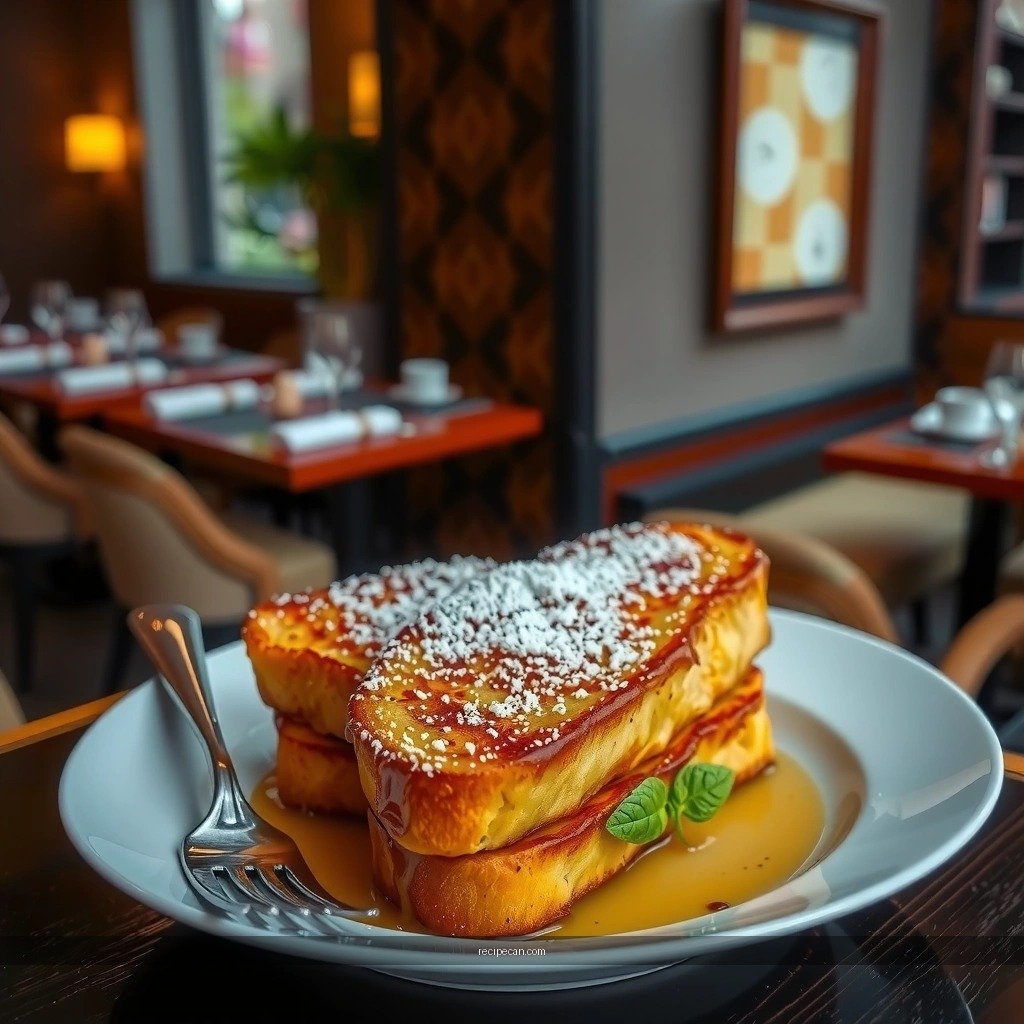
Your egg mixture should act like a custard binder rather than a soak bath. The ideal consistency is pourable, seasoned, and balanced so the custard sets quickly when it hits the pan—this is what creates the crunchy French toast shell.
– Whisk eggs with milk (or cream) and a pinch of salt
– Milk yields a lighter custard and cleaner sweetness; cream boosts richness and browning.
– Salt is essential—it sharpens egg flavor and helps overall perception of “golden.”
– Add vanilla and cinnamon for classic flavor
– Vanilla provides aroma; cinnamon contributes warmth that complements maple syrup and berries.
– If you’re serving savory-tuned toppings (think fruit compote or brown butter), consider using cinnamon sparingly.
– Optional: let the batter rest 5 minutes for better coating
– Resting hydrates bread-facing aromatics and helps the mixture cling evenly to thick slices.
– This tiny step often improves uniform browning because the custard disperses more consistently.
Practical ratio for 6 slices (about 1–1.5 inches thick):
Use 3 large eggs + 3/4 cup milk (or 1/2 cup milk + 1/4 cup cream), plus 1/2 tsp vanilla, 1/2 tsp cinnamon, and a pinch of salt. Adjust thickness: slightly richer bread (brioche/challah) may need a touch less cream.
Soak Without Making It Soggy
Crunchy French toast is not about soaking longer—it’s about absorbing just enough for a set custard layer. Too much dip time turns your crust gummy, because the outer bread continues to steam instead of dry and brown.
– Dip each slice briefly, about 10–20 seconds per side
– Think “coat,” not “bathe.” Your bread should look moistened, not saturated.
– Ensure full coverage, but don’t soak until the bread collapses
– A strong bread slice will spring back slightly when you lift it.
– If it flops or tears easily, you’re likely oversoaking.
– Use a rack or plate so excess drips off before frying
– Excess liquid on the surface becomes steam in the pan—steam is the enemy of crunch.
– A wire rack also promotes a thin drying layer, improving crust formation.
Timing tip: If you’re cooking multiple batches, keep the first batch moving. Letting slices sit soaked on a plate for several minutes after dipping can quietly lead to soggy edges.
Cook for Crispy, Golden Crunch
Heat management is what transforms a good dip into a crunchy French toast recipe with café-style color. Medium heat gives time for custard set; too hot browns the outside while leaving the center undercooked.
– Preheat a skillet over medium heat with butter or a high-smoke oil
– Butter adds flavor, but it browns fast—use it with control.
– A high-smoke oil (like avocado or refined canola) lets you sear steadily; you can finish with butter for aroma if desired.
– Cook until the first side is deeply golden before flipping
– Wait for a deep amber-gold surface, not just pale beige.
– This first side typically forms the crunch “shell,” so flipping too early sacrifices texture.
– Flip once (or at most twice) to keep the crust crisp
– Every flip disrupts crust formation and releases moisture back into the custard layer.
– If your pan runs cool, adjust burner temperature rather than flipping repeatedly.
Batching rule: Don’t crowd the pan. Crowding traps steam and reduces crisping. If you’re serving a crowd, cook in batches and use the holding method below.
Add Crunch Boosters
If you want a stronger, more “shatter-crisp” exterior, incorporate a dry-texture strategy. These add-ons create micro-surfaces that brown and lock in crunch.
– Sprinkle a thin layer of sugar or cinnamon-sugar before cooking
– Sugar caramelizes quickly, making edges crisp and glossy.
– Keep it thin; a thick layer can burn before the inside sets.
– Use crushed cereal, nuts, or panko as a coating for extra texture
– Roll dipped slices lightly in coating, pressing gently so it adheres.
– Panko is especially effective because its irregular flakes promote browning.
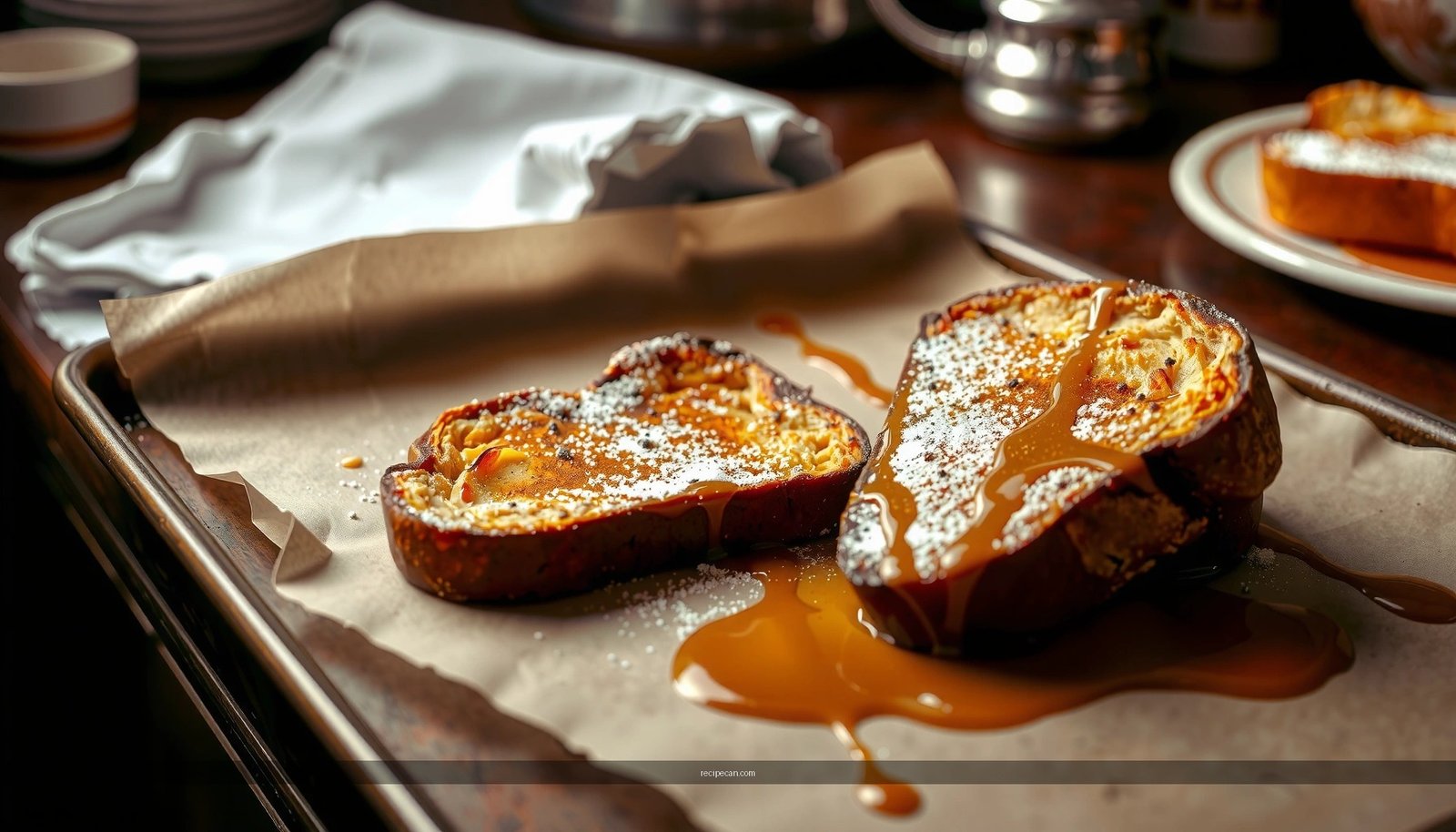
– Finish with a quick broil (30–60 seconds) if you want extra browning
– Broiling after pan-frying boosts surface color without adding more moisture.
– Place on a sheet pan or rack so air reaches the crust.
Example upgrade: Dip brioche briefly, sprinkle cinnamon-sugar on the surface, then sear. This creates a lightly crackled crust that pairs exceptionally well with maple syrup.
Serve Immediately for Peak Texture
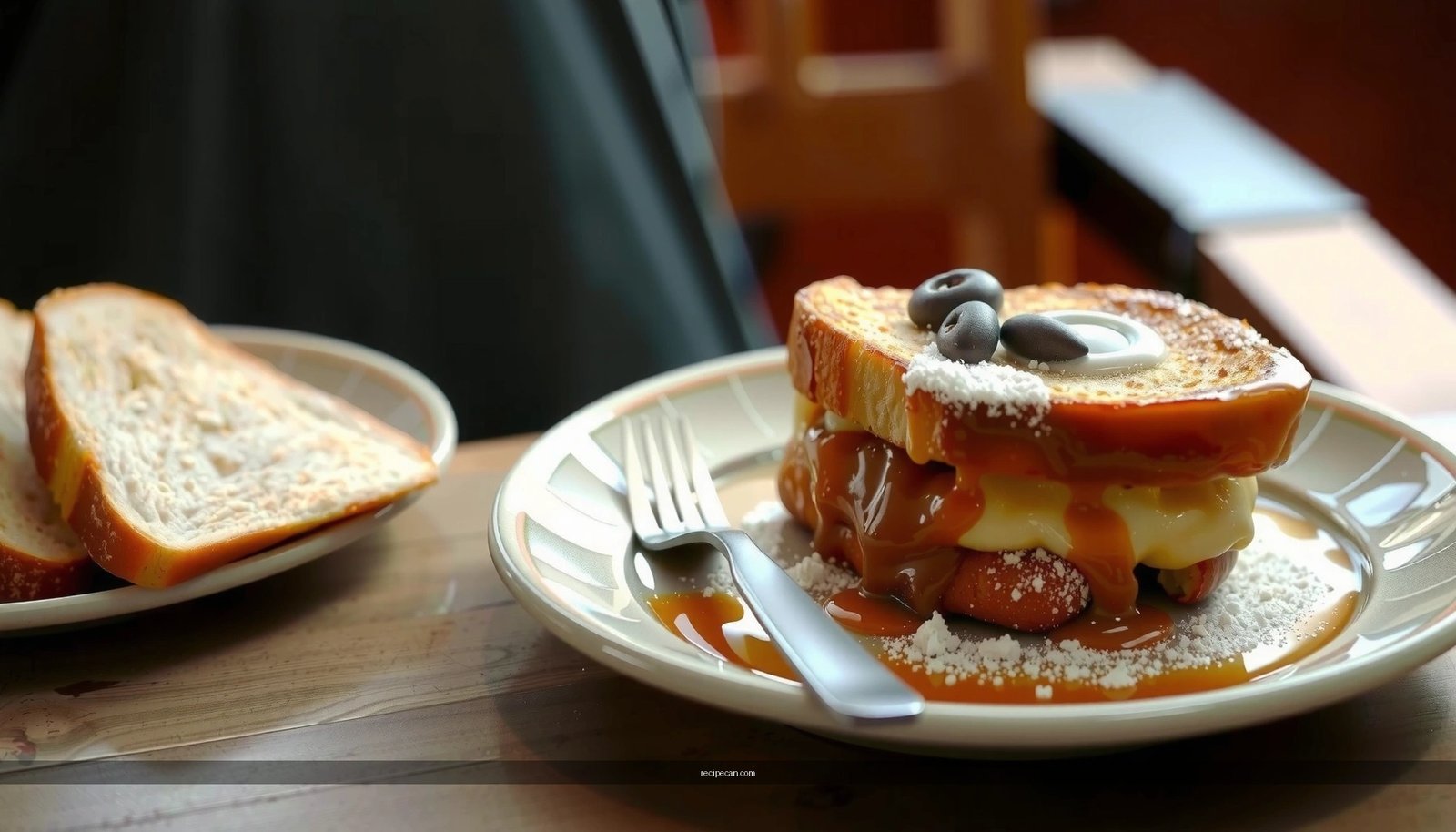
French toast is one of those dishes where timing is part of the recipe. Once it cools or steams under toppings, the crispness fades.
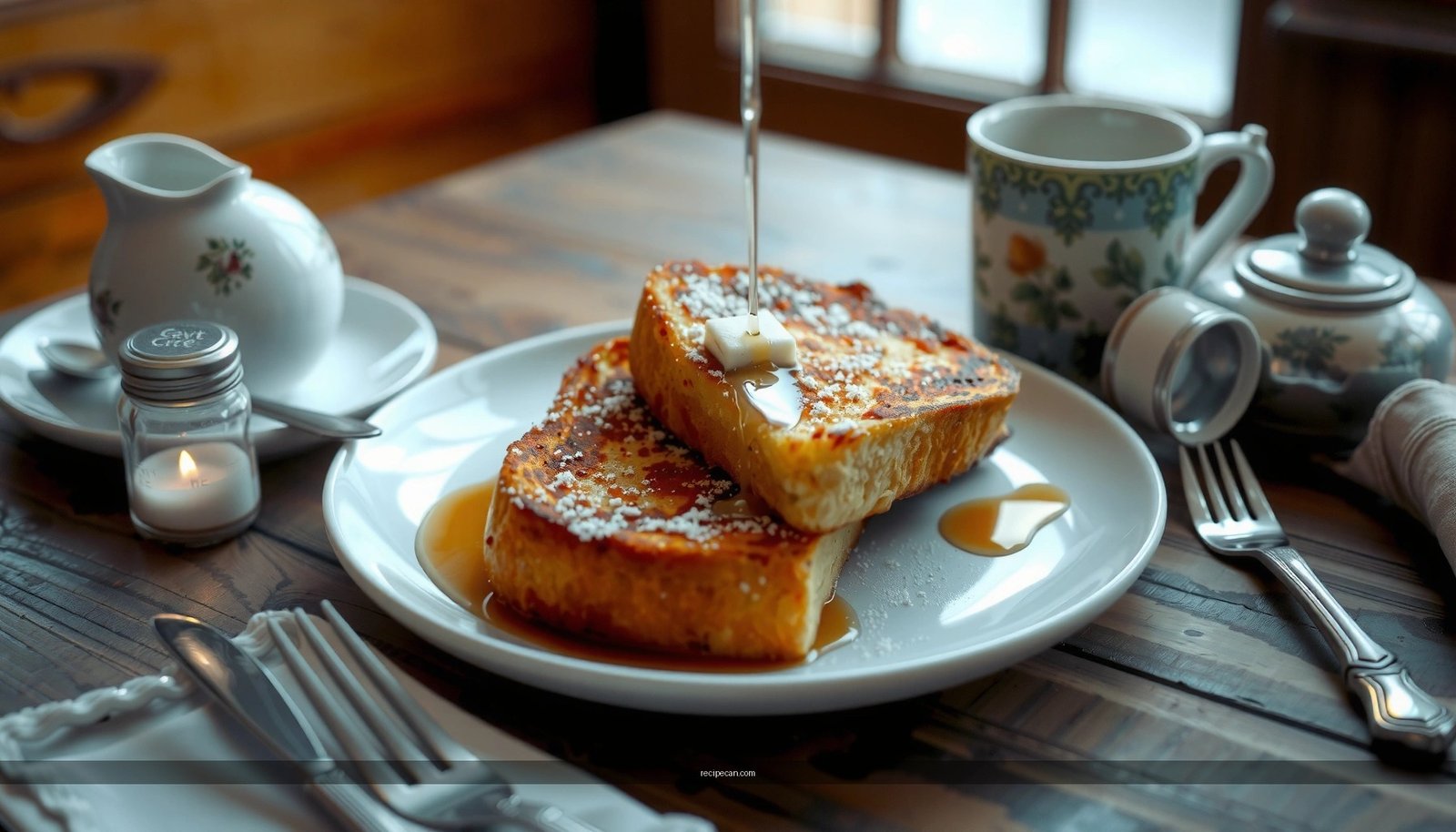
– Serve right away to preserve the crunchy exterior
– For best results, plate first, then add syrup and toppings at the last moment.
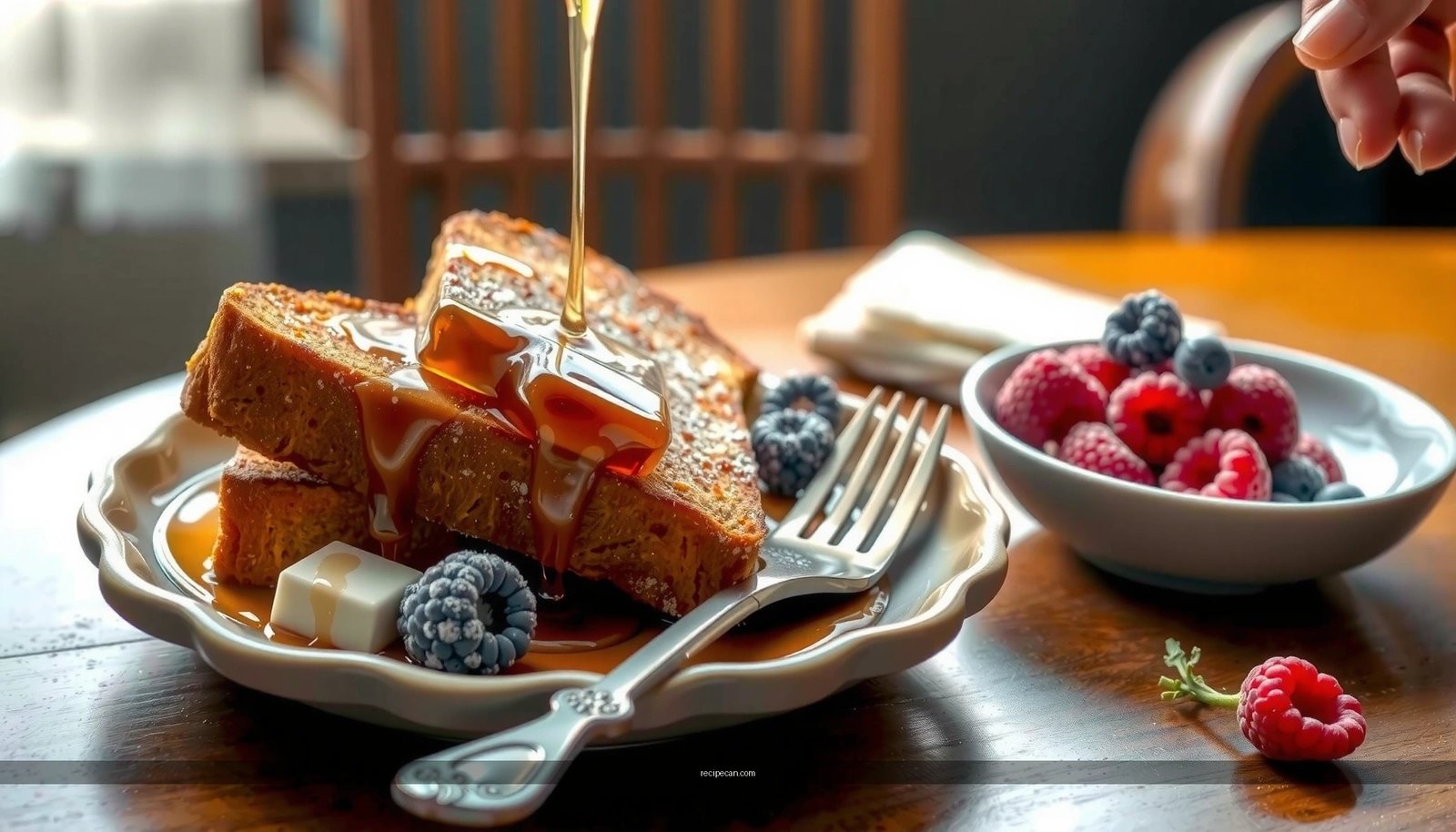
– Top with maple syrup, fresh berries, or powdered sugar
– Maple syrup should be poured in a controlled way—think “drizzle,” not “dunk.”
– Berries add acidity, which balances the richness of the custard.
– If holding, keep warm in a low oven on a rack (not stacked)
– A low temperature (around 200°F / 95°C) helps maintain warmth without cooking further.
– Use a rack so steam can escape; stacked toast becomes soft quickly.
Operational tip for entertaining: Plan toppings and prep a warm plate lineup. The moment French toast comes out, crispness starts declining—fast service protects quality.
Crunchy French toast is all about bread choice, a quick soak, and cooking until deep golden on the right heat. Try the method above, then adjust your bread thickness and add-ons (like cinnamon-sugar or cereal coating) to match your ideal crunch—cook a batch today and tweak one step at a time for perfect results.
Frequently Asked Questions
What makes French toast “crunchy” and how do I get that texture?
Crunchy French toast comes from a properly thick custard coating and a hot pan that quickly creates a golden crust. Use slightly stale or thick-cut bread so it absorbs egg without turning soggy, then cook on medium-high heat until the outside caramelizes. For extra crunch, finish with a light dusting of sugar or a quick second toast in the pan right before serving.
How do I make a crunchy French toast recipe without it being soggy?
Let the bread soak briefly—typically 10–20 seconds per side for thick slices—so the center absorbs custard but doesn’t over-saturate. Choose a batter that isn’t watery: whisk eggs with milk or cream, plus a pinch of salt and cinnamon, and keep the mixture cohesive. Cook immediately on a preheated skillet or griddle, and flip only once so the crust stays intact.
Why does my French toast fall apart, and how can I fix it?
French toast often falls apart when the bread is too thin, the custard is too loose, or it’s flipped too early. Use thick slices (or brioche/ challah) and make sure the egg mixture clings to the bread by soaking briefly and letting excess drip off. Cook until the first side is deeply golden, then flip with a wide spatula to reduce breakage.
Which bread is best for crunchy French toast?
Brioche and challah are top choices because they’re rich, sturdy, and brown beautifully for a crunchy exterior. Thick-cut sourdough or Texas toast also works well if it’s slightly stale, since it absorbs egg while staying firm. Avoid very fresh, soft bread unless you shorten the soak time to prevent sogginess.
Best way to cook crunchy French toast—pan-fry or bake?
For maximum crunch, pan-frying on a preheated skillet is usually best because direct heat browns the outside quickly. Bake versions can be convenient, but they often need additional steps like broiling briefly at the end to crisp the top. If pan-frying, use a mix of butter and a neutral oil for browning and reduce sticking while maintaining that crunchy French toast texture.
References
- French toast
https://en.wikipedia.org/wiki/French_toast - Cookbook:French Toast – Wikibooks, open books for an open world
https://en.wikibooks.org/wiki/Cookbook:French_Toast - https://www.theguardian.com/lifeandstyle/2015/dec/09/french-toast-recipe
https://www.theguardian.com/lifeandstyle/2015/dec/09/french-toast-recipe - https://cooking.nytimes.com/recipes/1016238-french-toast
https://cooking.nytimes.com/recipes/1016238-french-toast - https://www.bbc.com/food/recipes/frenchtoast_76821
https://www.bbc.com/food/recipes/frenchtoast_76821 - Google Scholar Google Scholar
https://scholar.google.com/scholar?q=crunchy+french+toast+recipe - Google Scholar Google Scholar
https://scholar.google.com/scholar?q=crispy+french+toast+breading+egg+batter+maillard - Google Scholar Google Scholar
https://scholar.google.com/scholar?q=french+toast+texture+crispness+study+egg+milk+starch - crunchy french toast recipe – Search results
https://en.wikipedia.org/wiki/Special:Search?search=crunchy+french+toast+recipe - https://www.ncbi.nlm.nih.gov/search/research-articles/?term=crunchy+french+toast+recipe
https://www.ncbi.nlm.nih.gov/search/research-articles/?term=crunchy+french+toast+recipe