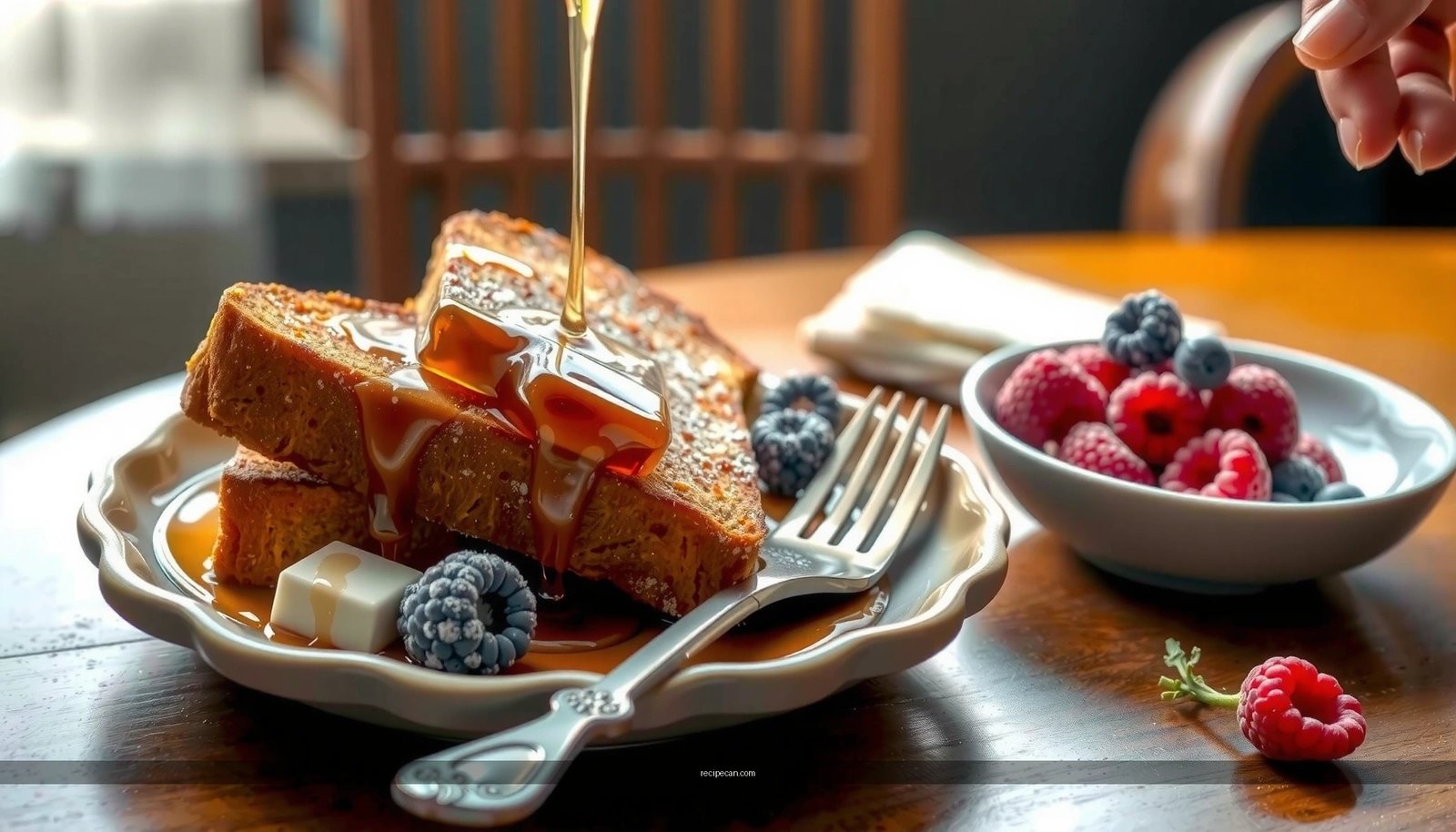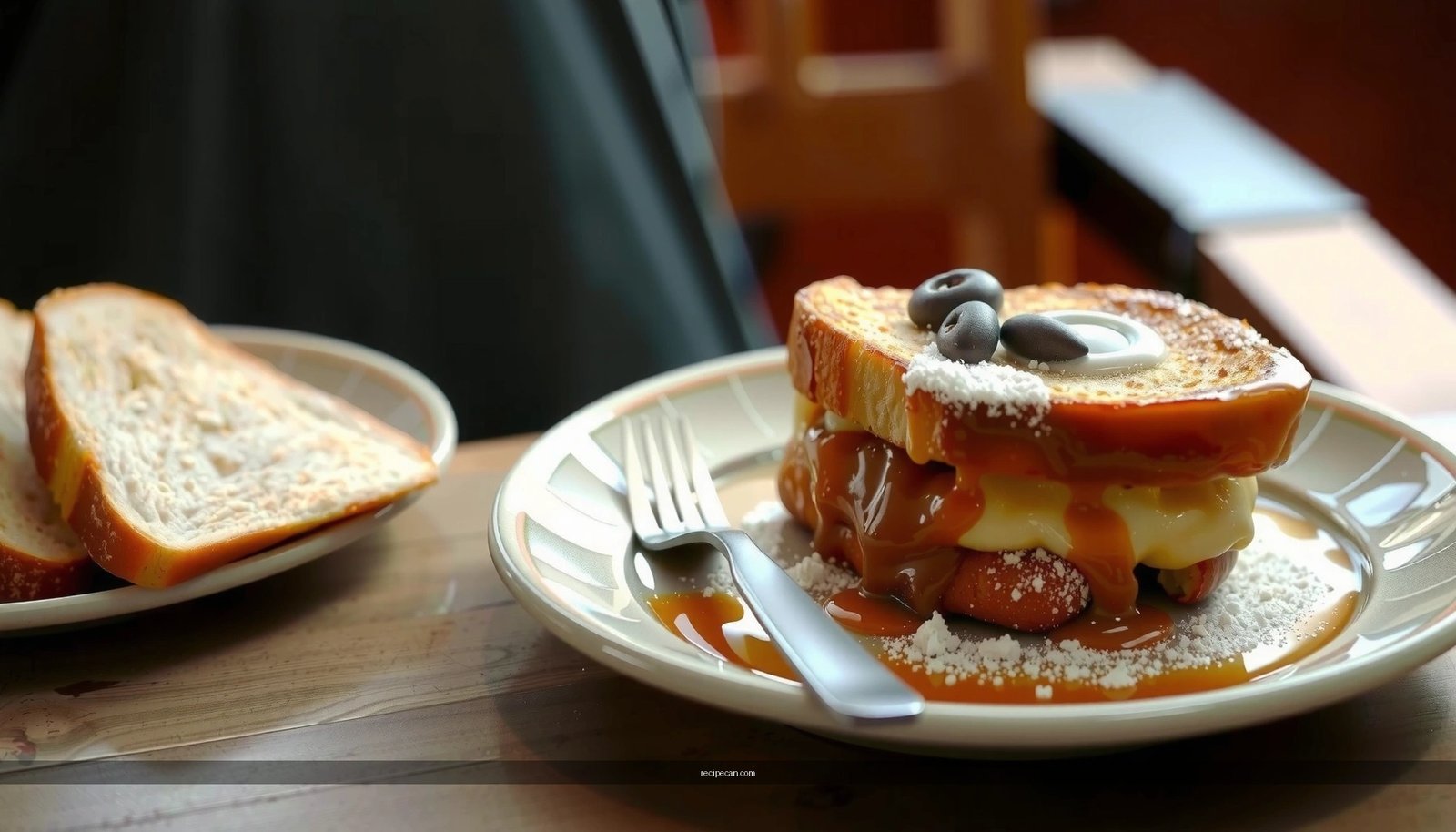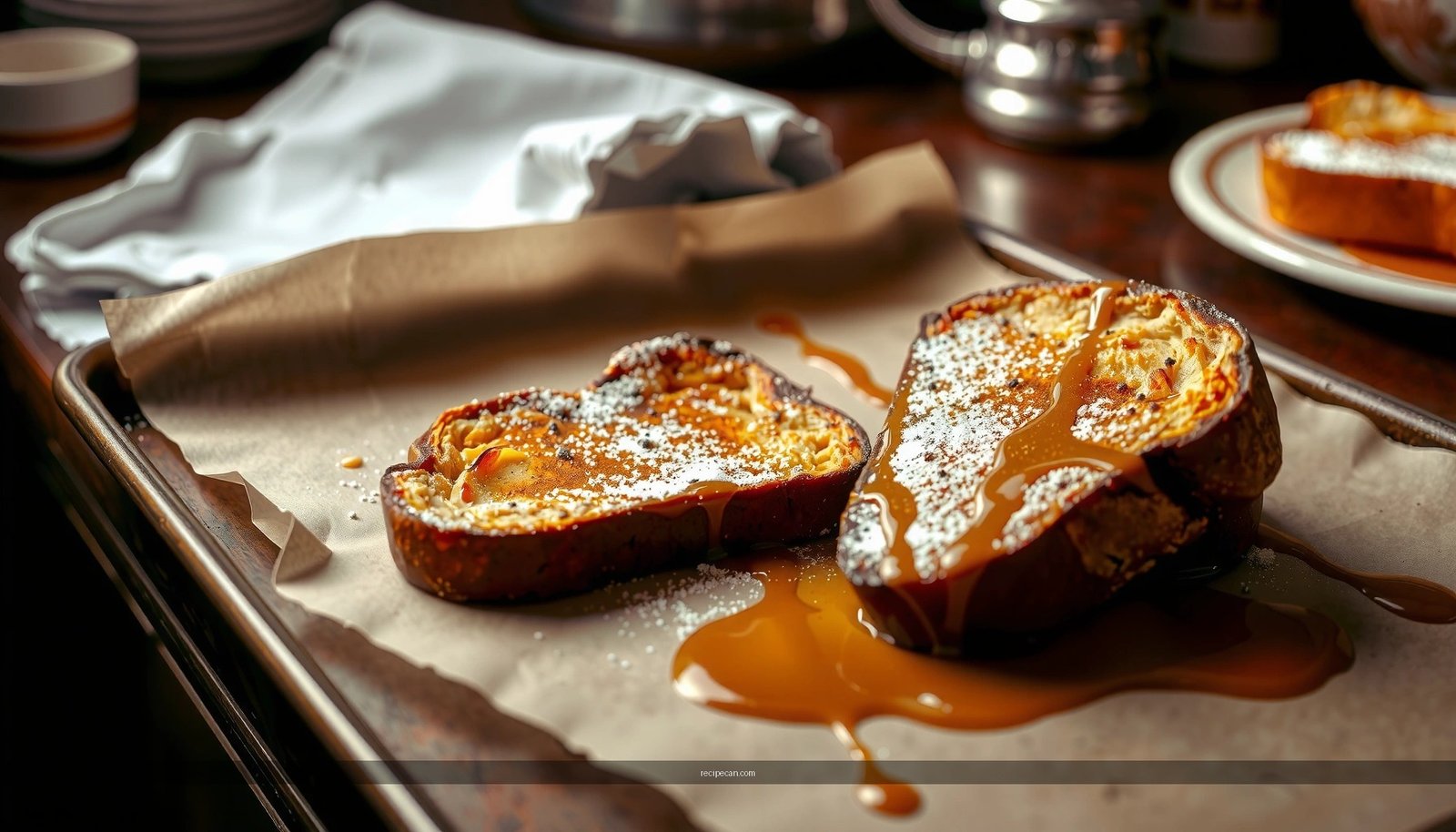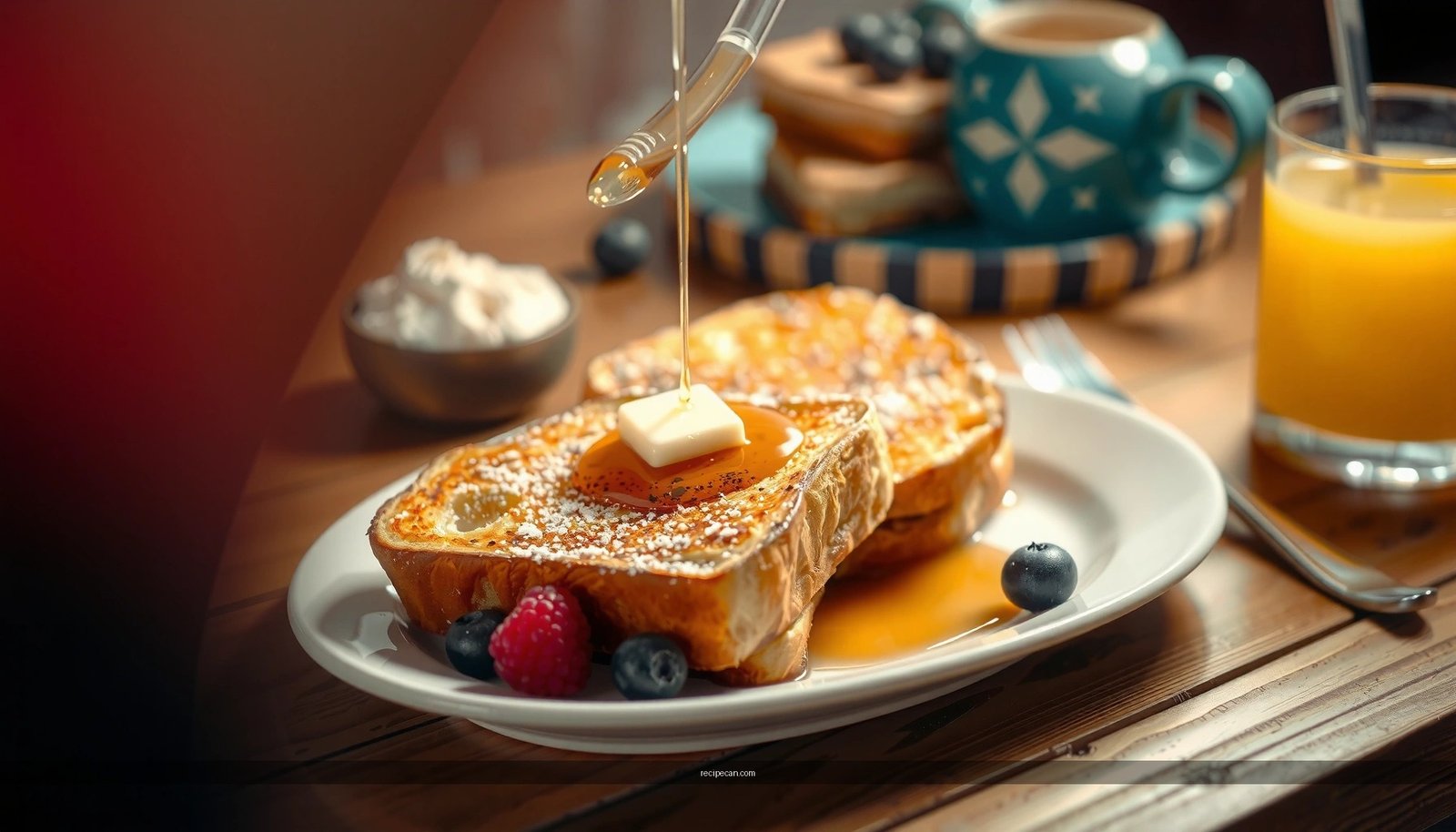
Looking for the best French toast recipes that are classic, easy, and actually flavorful? This guide gives you a clear winner: simple custard-soaked French toast with golden edges and a tender center, using common pantry ingredients. You’ll get step-by-step instructions and dependable topping ideas so your breakfast lands right on the first try, not after a few burnt batches.
French toast is the fastest way to turn everyday bread into a restaurant-style breakfast: dip it in a custard base (eggs + milk + flavorings) and pan-fry until deeply golden. With the right bread choice, controlled soaking time, and a few targeted variations, you can consistently produce fluffy centers and crisp edges—whether you keep it classic cinnamon-vanilla or go richer with cream, spices, and creative toppings.
French Toast Custard Ratios & Expected Texture (Practical Kitchen Benchmarks)
| # | Custard Style | Eggs | Milk/Cream | Resulting Center | Cook Ease |
|---|---|---|---|---|---|
| 1 | Classic (Balanced) | 2 | 1/2 cup | Creamy, set | ★★★☆ |
| 2 | Richer (Cream-Forward) | 2 | 1/3 cup | Custardy, fuller | ★★★☆ |
| 3 | Light (Lower Egg Density) | 2 | 2/3 cup | Moister, lighter | ★★☆☆ |
| 4 | Higher-Egg (Very Set) | 3 | 3/4 cup | Firm custard bite | ★★★☆ |
| 5 | Milk + Cream Split | 2 | 1/2 cup (50/50) | Balanced richness | ★★★★ |
| 6 | Spice-Heavy Custard | 2 | 1/2 cup | Aromatic, set | ★★★☆ |
| 7 | Vanilla Custard (Low Sugar) | 2 | 1/2 cup | Tender, clean flavor | ★★★★ |
Classic French Toast Recipe
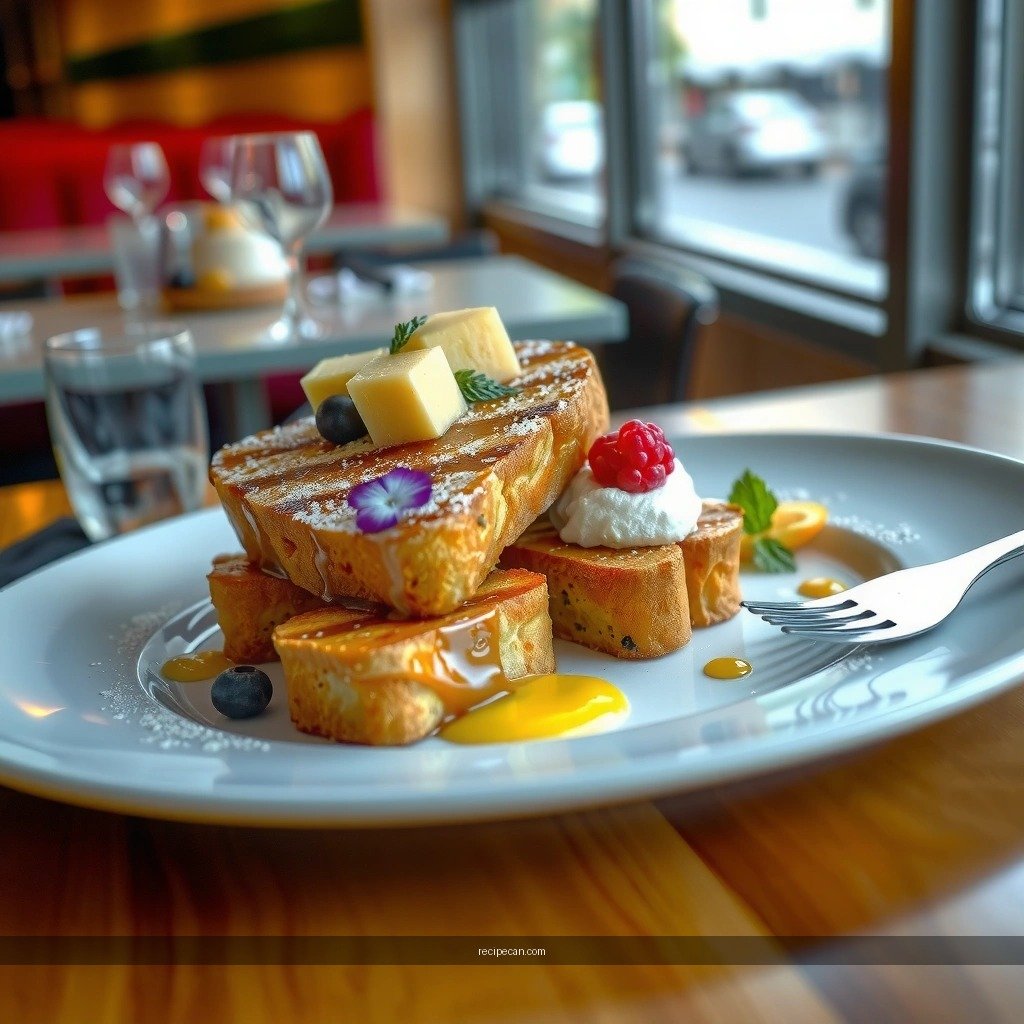
French toast succeeds when the custard is properly proportioned and the pan-fry process is controlled. A “classic” approach uses eggs for structure, milk (or cream) for moisture, and vanilla for aroma, with just enough sweetness to complement syrup rather than compete with it.
Custard base (for about 6 slices):
– 2 large eggs
– 1/2 cup milk or half-and-half (use cream for a richer mouthfeel)
– 1/2–1 tsp vanilla extract
– Optional: 1–2 tbsp sugar (especially if you prefer syrup-only sweetness; otherwise keep it light)
– Optional: a pinch of salt (improves flavor clarity)
How to cook for golden edges:
1. Preheat the skillet on medium heat and lightly butter it (or use a neutral oil + butter). Too-hot pans brown the outside before the custard sets; too-cool pans lead to pale, soggy toast.
2. Dip efficiently: Submerge slices fully, then remove and let excess drip back into the bowl. For standard-thickness bread, aim for roughly 15–30 seconds per side (thicker slices can go slightly longer).
3. Pan-fry until golden: Cook 2–4 minutes per side, pressing gently once if the bread is thick. You’re looking for a deep golden crust and a custard center that feels set but tender.
Quality checks you can use in practice:
– The toast should spring back lightly when touched, not feel wet or fragile.
– The edges should be crisp enough to hold syrup without immediately collapsing.
Best Bread for French Toast
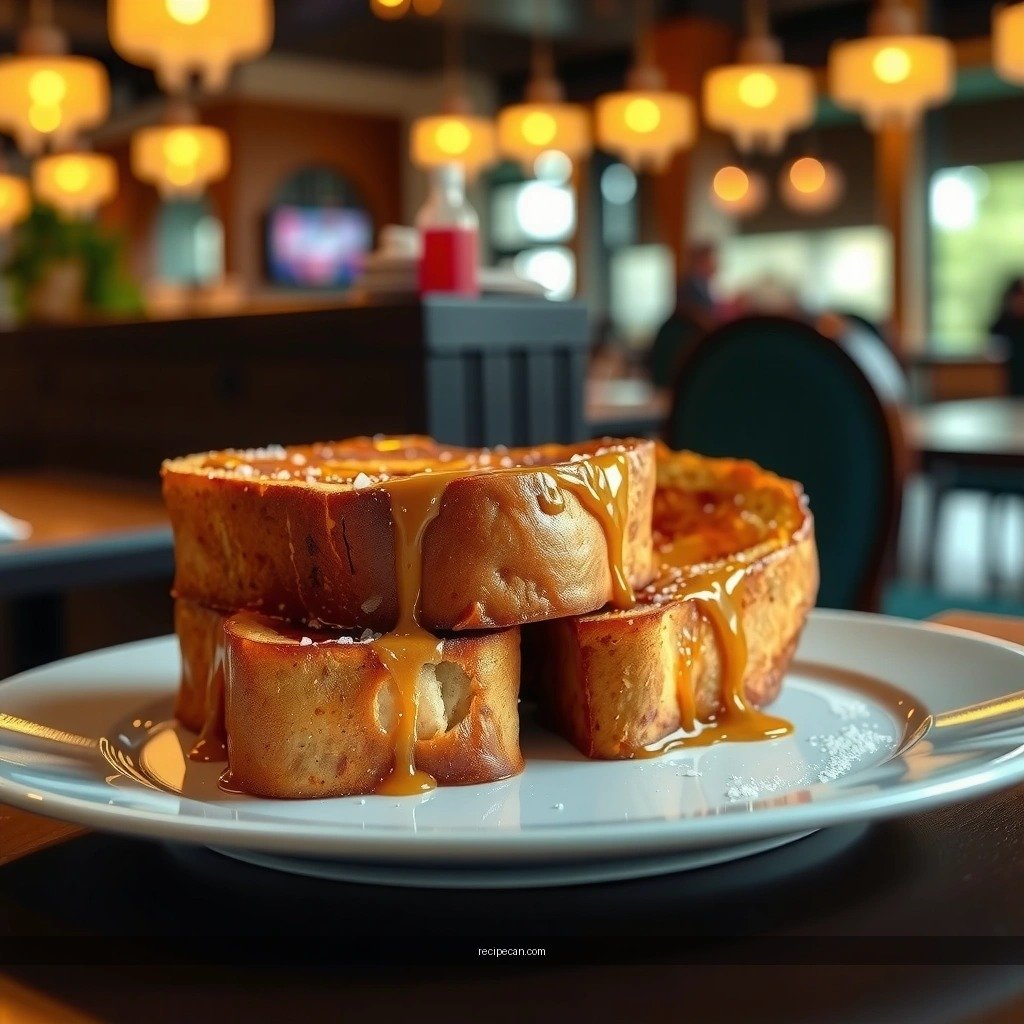
Bread choice is a make-or-break variable for easy French toast. If the loaf is too soft, it can turn gummy. If it’s too dry, the custard can remain on the surface instead of hydrating evenly.
Best bread characteristics:
– Sturdy structure (holds shape during soaking)
– Absorbency without disintegration
– Even crumb so custard penetrates consistently
Top options:
– Brioche: Naturally rich and excellent for classic, cinnamon-vanilla French toast.
– Challah: Slightly sweet with a tender crumb—great for holiday-style breakfasts.
– Thick-cut sourdough: Delivers a firmer bite and tangy depth that pairs especially well with fruit and mascarpone-style toppings.
Why “slightly stale” bread works:
Fresh bread is often too springy and water-resistant, which delays absorption and encourages uneven soaking. Stale bread has micro-staling that increases porosity, allowing the egg-and-milk mixture to hydrate more uniformly—leading to a custard center that’s creamy rather than watery.
Actionable bread tips:
– If your bread is fresh, dry it out quickly: slice it and leave at room temperature for 30–60 minutes (or toast very lightly, then cool, before dipping).
– Cut slices evenly so cook times match across the batch.
Flavor Variations and Toppings
Once your baseline custard dip is working, variations become straightforward—and they’re the easiest way to create “new” French toast without changing the method.
Flavor the batter:
– Cinnamon: Classic and universally appealing; it reads well with maple syrup.
– Nutmeg: Adds warmth and bakery-like aroma; use sparingly (it can dominate).
– Orange zest: Brings brightness and pairs naturally with berry toppings or a vanilla glaze.
– Optional enhancements (use one, not all, for best clarity): a small pinch of ground cardamom, a splash of bourbon or rum extract, or a cinnamon stick steeped briefly in warm milk before mixing.
Topping strategy (balance sweetness and texture):
– Maple syrup: Always reliable; choose pure maple for a clean profile.
– Fresh berries: Provide acidity to counter custard richness (especially good with creamier French toast).
– Powdered sugar: Works well for a “dessert brunch” presentation, but consider adding a fruit element to prevent everything from tasting one-note sweet.
– Whipped cream or lightly sweetened yogurt: Adds volume and a tangy contrast.
Operational note for service-style breakfasts:
If you’re serving multiple people, keep toppings separate until plating. Syrup-soaked toast can lose its crust quickly, while toppings added at the end preserve crispness.
Sweet vs. Savory French Toast
Sweet French toast is the default, but savory versions can be equally crowd-pleasing—particularly for brunch events with broader palates. The shift is mainly in seasoning direction and topping pairing, not in the core technique.
Sweet French toast:
– Flavor emphasis: vanilla, cinnamon, sugar (lightly), and zest
– Pairing emphasis: maple syrup, fruit, powdered sugar, whipped cream
– Best for: family breakfasts and casual brunch gatherings
Savory French toast:
– Batter adjustment: reduce or omit sugar; increase salt; add black pepper
– Flavor components: herbs (chives, thyme), garlic powder, or mild mustard
– Toppings: cheese + ham/bacon, sautéed mushrooms, roasted tomatoes, or a fried egg
Practical savory example:
Dip thick slices in a custard with eggs, milk, salt, pepper, and a small amount of chopped chives. Pan-fry until golden, then finish with melted gruyère and crispy bacon. Serve with a squeeze of lemon or a simple herb salad to sharpen the richness.
Taste alignment matters:
Savory French toast works best when the custard is “seasoned like breakfast,” not dessert. If you keep sugar in the batter and pair it with salty toppings, the flavor can conflict.
Make-Ahead and Leftover Tips
French toast is usually thought of as a last-minute dish, but it scales well with planning—useful for meal prep, hosting, or busy mornings.
Custard make-ahead (best approach):
– Whisk eggs, milk/cream, vanilla, and seasonings.
– Cover and refrigerate up to 24 hours.
– Give it a quick whisk right before dipping so the mixture stays uniform.
Batch cooking strategy:
If you’re cooking for a group, keep the oven ready:
– Place finished slices on a baking sheet in a warm oven (about 200°F / 95°C) while the rest cooks.
– Avoid soaking them in syrup while waiting; hold toppings back until serving.
Leftover reheating (to restore texture):
– Skillet reheat: Medium heat with a small touch of butter or oil; re-crisp for 1–2 minutes per side.
– Toaster oven: Great for even reheating; heat until warmed and edges regain some crispness.
Storage guidance:
– Cool quickly, store in an airtight container, and refrigerate.
– Consume within 1–2 days for best texture, because bread absorbs moisture over time.
Troubleshooting Common Issues
Even experienced cooks can run into inconsistencies. The good news: most problems come from a small number of controllable variables—bread thickness, soaking time, skillet temperature, and custard richness.
Problem: Soggy French toast
Common causes:
– Bread too soft or too fresh
– Soaking too long
– Pan too cool (custard doesn’t set quickly)
Fixes:
– Choose thicker, sturdier bread (brioche, challah, sourdough).
– Reduce soaking time; let excess custard drip back into the bowl.
– Increase pan heat slightly and cook until the custard sets and edges brown.
Problem: Dry French toast
Common causes:
– Pan too hot (outside sets before center hydrates)
– Custard too lean (not enough dairy richness)
– Overcooking beyond the “set” stage
Fixes:
– Increase richness: use half-and-half or cream.
– Cook just until custard is set and bread is golden—then remove promptly.
– Consider a slightly longer dip time if using very porous bread, but avoid oversoaking.
Problem: Custard doesn’t “hold” (spills or tears)
Common causes:
– Too much custard remaining on the bread
– Bread too fragile or thin cut
Fixes:
– Dip, then drain; don’t let puddles form on the surface.
– Use thicker slices for more structural integrity.
Problem: Uneven browning
Common causes:
– Skillet hotspots
– Butter burning before cooking completes
Fixes:
– Use medium heat and give the skillet time to stabilize.
– Blend butter with a small amount of neutral oil to extend browning without burning.
French toast is all about the custard dip, the right bread, and cooking until golden for maximum flavor and texture. Pick a classic recipe, try one variation with your favorite toppings, and follow the bread/soak tips to avoid common mistakes. Make your next brunch (or breakfast) special—choose a recipe from this list and cook it this week.
Frequently Asked Questions
What’s the best recipe for classic French toast using simple ingredients?
Start with thick bread (like brioche or challah), whisk eggs, milk (or half-and-half), vanilla, cinnamon, and a pinch of salt, then soak quickly on each side. Cook on a buttered skillet over medium heat until golden brown, about 2–4 minutes per side, depending on thickness. For easy flavor, finish with maple syrup and a dusting of powdered sugar or fresh berries. This classic French toast recipe works well for both weekday brunch and special occasions.
How do you make French toast fluffy instead of soggy?
Use day-old or slightly stale bread so it absorbs the custard without falling apart, and keep the soak time short—about 10–20 seconds per side for thick slices. Whisk the batter well and consider using a bit more egg than milk to help it set during cooking. Cook on medium heat and let the bread brown before flipping so the exterior becomes crisp, reducing the “soggy French toast” problem.
Why does French toast taste bland, and how can you fix it?
Bland French toast often comes from under-seasoning the egg mixture or using bread that doesn’t add flavor. Add vanilla, cinnamon, and salt to the custard, and consider a small splash of orange juice or nutmeg for deeper aroma. Also, warm your skillet properly so the toast browns evenly—good caramelization is key for rich flavor. Serving with maple syrup, berries, or a butter drizzle can also elevate the taste.
Which milk and bread combinations work best for French toast?
For a rich, creamy texture, use whole milk or half-and-half; for a lighter option, use 2% milk but increase vanilla and cinnamon to keep the flavor strong. Brioche and challah are top choices because they’re eggy and tender, while Texas toast or thick sourdough can create a hearty crust. If you’re using thinner sandwich bread, reduce the soak time to prevent sogginess. Choosing the right bread plus the right French toast custard ratio makes a noticeable difference.
How can I make French toast ahead of time for a crowd?
You can prep the custard and slice the bread in advance, then store separately in the refrigerator until ready to cook. For an easy batch approach, assemble dipped slices on a baking sheet and refrigerate for up to a few hours before frying. If you want to cook everything ahead, bake cooked French toast on a wire rack in a low oven (about 200°F/95°C) to keep it crisp while you finish the rest. This make-ahead French toast method is ideal for brunch recipes and busy mornings.
References
- French toast
https://en.wikipedia.org/wiki/French_toast - https://www.britannica.com/topic/french-toast
https://www.britannica.com/topic/french-toast - Cookbook:French Toast – Wikibooks, open books for an open world
https://en.wikibooks.org/wiki/Cookbook:French_Toast - https://www.theguardian.com/food/2020/apr/02/good-morning-french-toast-recipe
https://www.theguardian.com/food/2020/apr/02/good-morning-french-toast-recipe - https://cooking.nytimes.com/recipes/1019835-french-toast
https://cooking.nytimes.com/recipes/1019835-french-toast - https://www.culinary.edu/recipes/french-toast/
https://www.culinary.edu/recipes/french-toast/ - Google Scholar Google Scholar
https://scholar.google.com/scholar?q=french+toast+recipe - Google Scholar Google Scholar
https://scholar.google.com/scholar?q=french+toast+ingredients+egg+bread+milk+technique - Google Scholar Google Scholar
https://scholar.google.com/scholar?q=french+toast+crisp+french+toast+frying+pan+method - Google Scholar Google Scholar
https://scholar.google.com/scholar?q=recipes+of+french+toast