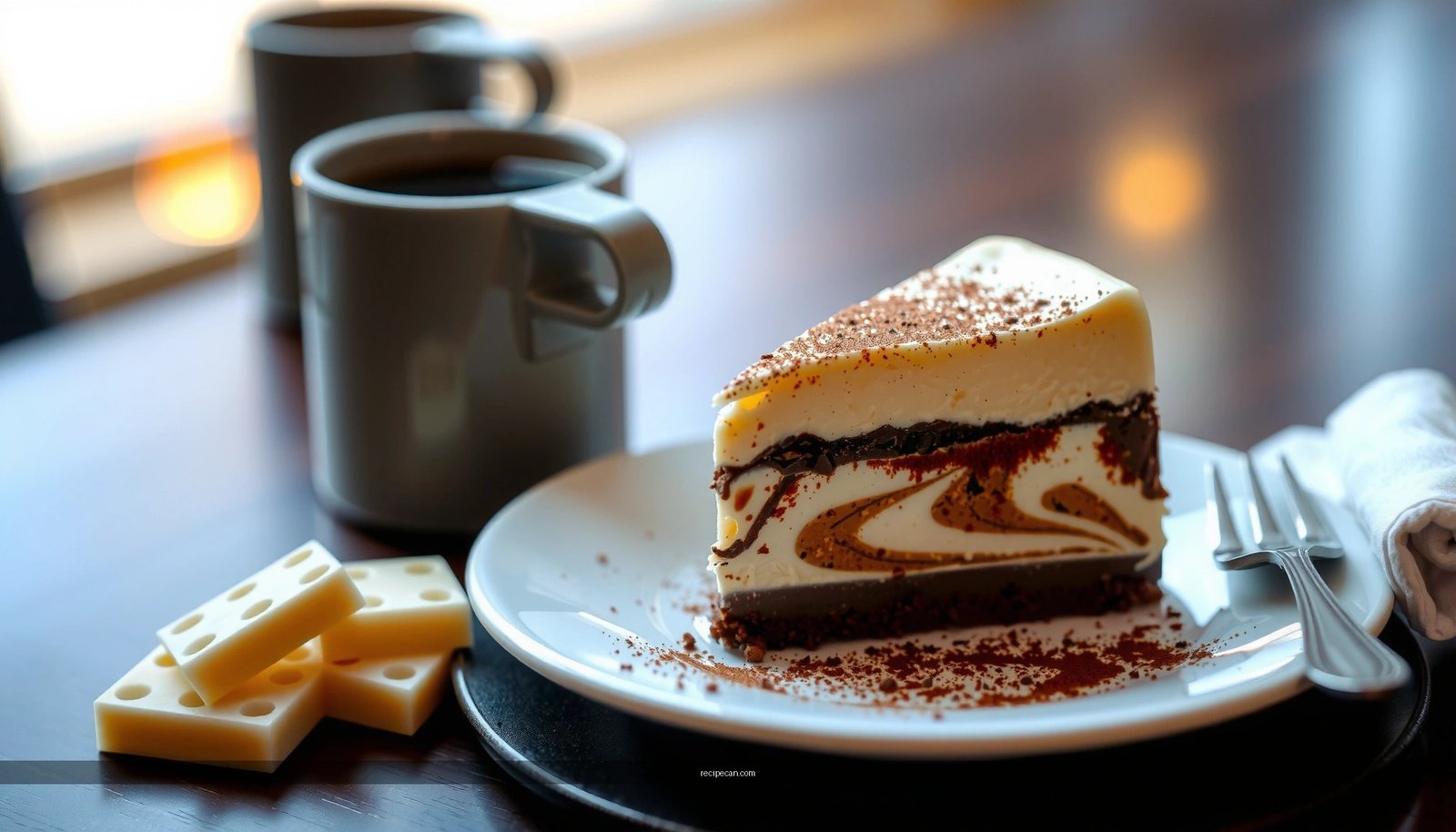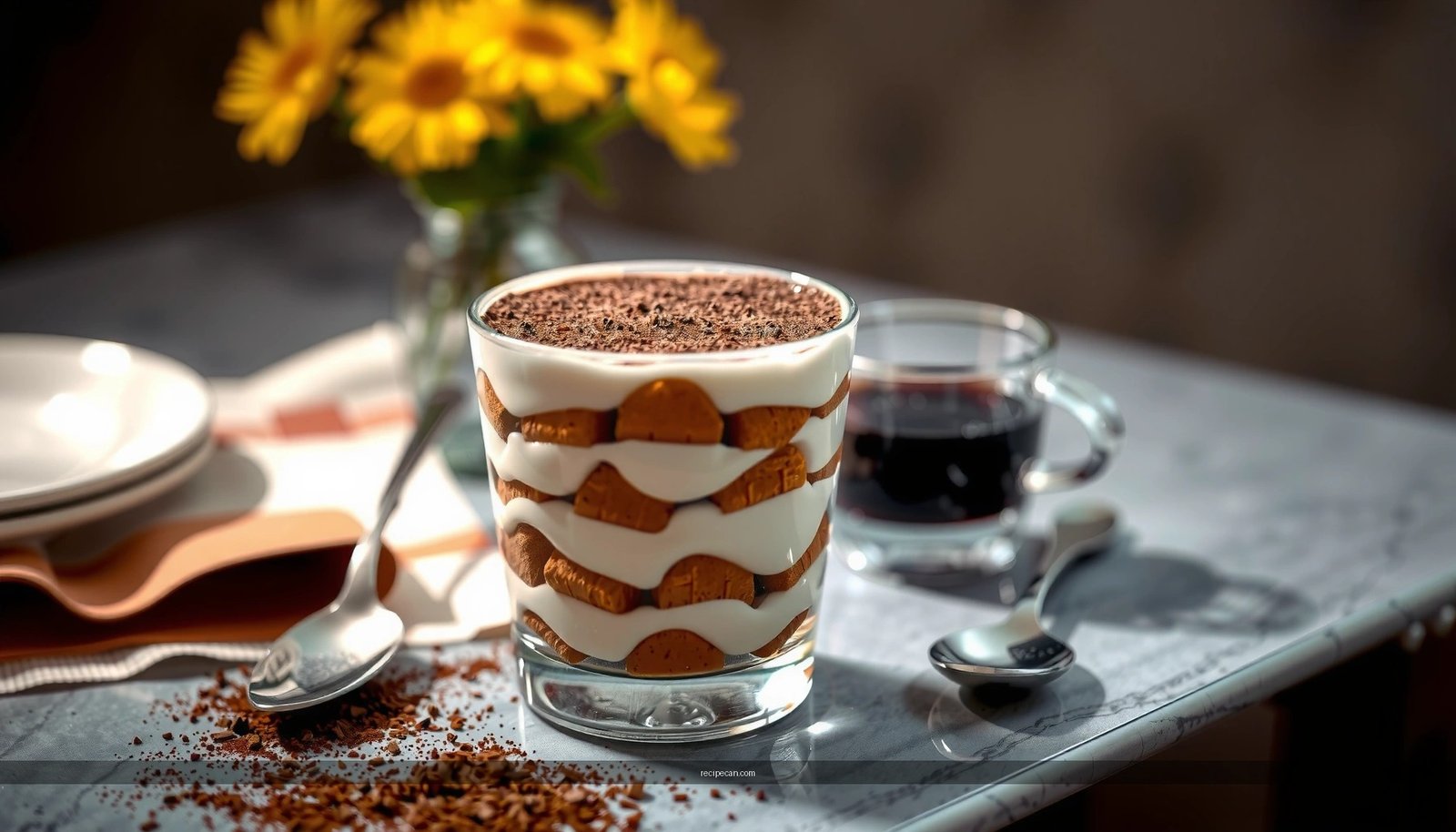
The tiramisu Ina Garten recipe delivers the classic, creamy layered dessert you want—no shortcuts, just the unmistakable coffee-soaked elegance that holds up slice after slice. If you’re trying to figure out whether you can reliably nail a true tiramisu at home (and what makes it set, rich, and not soggy), this is the clear winner. Expect precise instructions for the mascarpone-egg cream and the right assembly so every layer tastes balanced.
Ina Garten’s tiramisu method delivers a classic, restaurant-style dessert by focusing on two high-impact components—espresso-soaked ladyfingers and a fluffy mascarpone cream—without overcomplicating technique. If you assemble with the right timing (quick dips, gentle folding, and an adequate chill), you’ll get clean layers, a rich coffee aroma, and the signature creamy texture that defines great tiramisu.
Essential Ingredients for Ina Garten Tiramisu

The core of Ina Garten tiramisu is straightforward: classic ingredients that you can source easily, paired with a process that protects texture. Think of each ingredient as serving a structural role—coffee provides flavor and aroma, while mascarpone and cream provide body and “set” when chilled.
– Mascarpone (the star): Choose high-fat mascarpone for the characteristic thick, creamy mouthfeel. It should be smooth and spoonable, not grainy.
– Heavy cream (for lift): Whipped to soft peaks to create a light, mousse-like filling that contrasts the soaked ladyfingers.
– Eggs + sugar (for richness): Many versions of tiramisu use a sabayon or yolk base; in Garten’s spirit, beating yolks with sugar helps create a silkier, richer cream.
– Vanilla (rounded flavor): A small amount of vanilla supports the espresso and cocoa notes without overpowering them.
– Strong espresso (or espresso coffee): Tiramisu needs coffee with real intensity. If the espresso is weak, the entire dessert tastes muted.
– Ladyfingers: Crisp, cookie-like ladyfingers absorb liquid properly when dipped briefly—too long and you’ll get mush.
– Cocoa powder for the finish: Use a good-quality unsweetened cocoa for bitterness and visual appeal. Dust it right before serving so it doesn’t dissolve into the cream.
For an ingredient-level view of what “best results” typically means in a classic tiramisu build, use the checklist below as a practical benchmark (not a substitute for taste, but a helpful standard).
Tiramisu Build Targets for Consistent Texture (Home Kitchen Benchmarks)
| # | Tiramisu Element | Target Amount | Role in Texture | Impact Score |
|---|---|---|---|---|
| 1 | Mascarpone | 16 oz (454 g) | Creamy body + richness | +9.0 |
| 2 | Heavy cream | 1 cup (240 ml) | Whip lift for mousse texture | +8.3 |
| 3 | Egg yolks | 4 large | Silkier cream base | +7.6 |
| 4 | Strong espresso (cooled) | ~1 cup (240 ml) | Flavor depth + aroma | +8.8 |
| 5 | Ladyfingers | 28–32 pieces | Layer structure when dipped briefly | +7.9 |
| 6 | Cocoa dusting | 2–3 tbsp (15–25 g) | Finish flavor + presentation | +6.5 |
| 7 | Chill time before serving | 6–12 hours | Cream sets + flavors meld | +9.2 |
Prep the Espresso and Ladyfingers

This is the moment where “good tiramisu” becomes “great tiramisu.” Ina Garten tiramisu leans on a simple principle: control absorption. Ladyfingers should be espresso-soaked enough to taste coffee-forward, but not so saturated that they collapse.
1. Brew espresso fresh if possible, then cool slightly.
Hot coffee can soften ladyfingers instantly and thin the cream. Cooling to warm (not scalding) helps create even soaking.
2. Dip quickly—think seconds, not immersions.
A fast dip (or brief coating with a spoon) is usually enough. If you hold them too long, the cookies will lose their structure.
3. Use a layering station.
Set out:
– ladyfingers
– a bowl or tray of espresso
– mascarpone cream
– your serving dish (or 8×8-inch baking dish, for example)
A “line” setup prevents delay, which prevents over-soaking.
Actionable technique: Work in batches. Dip 3–5 ladyfingers at a time, lay them down immediately, then move on. This keeps texture consistent across both layers—one of the most common failure points in home versions.
Make the Mascarpone Cream

The mascarpone filling should be smooth, airy, and stable once chilled. Garten’s approach (whipping and folding) is designed to preserve lightness rather than turning the cream dense.
– Whip the heavy cream to soft peaks.
Soft peaks mean the mixture holds shape but still looks silky. If you whip to stiff peaks, the cream can become harder to fold and may feel slightly grainy.
– Beat yolks with sugar until smoother and lighter.
This step increases the “custard-like” integration and helps the cream taste richer.
– Fold gently to maintain volume.
Folding incorporates air without deflating. The goal is a mousse-like texture that spreads easily in layers.
Analytical note on texture:
Ladyfingers provide structure, but the filling provides the “pushback” that keeps slices from turning into a pudding-like heap. Whipping the cream and carefully folding ensures you get both creaminess and slice integrity.
If you want a quick internal “sanity check,” your finished cream should look thick enough to mound slightly, but still pour/spread smoothly when you tap the dish.
Assemble the Classic Tiramisu Layers
Assembly is where precision pays off—especially in layer boundaries and finishing.
1. Layer 1: espresso-soaked ladyfingers
Arrange in an even grid so each bite includes cookie.
2. Layer 2: mascarpone cream
Spread to the edges. Uneven cream thickness can cause inconsistent soaking and “dry spots.”
3. Repeat once more
The second layer creates the classic depth and makes the top dusting meaningful rather than decorative.
4. Smooth the top layer
A spatula pass at the end gives the dessert a professional finish and prevents cocoa from clumping.
5. Let it rest briefly before chilling
Even 15–30 minutes helps the cream begin setting while the ladyfingers finish absorbing.
Pro tip for even flavor:
If you’re aiming for “classic tiramisu” taste (not overly bitter or too sweet), keep your espresso strong and let the cream’s sweetness balance it. Overly sweet ladyfingers or weak coffee will flatten the flavor contrast.
Chill for Best Flavor and Texture
Chilling is not optional if you want a traditional tiramisu texture. The cream needs time to set, and the coffee needs time to distribute evenly through the ladyfingers.
– Refrigerate at least 4–6 hours; overnight is better.
– Cover the dish to prevent fridge odor absorption and to keep condensation off the top.
– Dust with cocoa powder closer to serving for the best aroma and clean visual contrast.
What changes during chilling?
– The cream firms up, improving slice structure.
– Moisture redistributes so the espresso flavor becomes integrated rather than sharp.
– The whole dessert tastes more cohesive—an effect you’ll notice after 8–12 hours.
Serving Tips and Common Mistakes
Great tiramisu isn’t just about making it—it’s about serving it well. Follow these best practices to protect texture and presentation.
Serving tips
– Use a clean knife and wipe between cuts.
Cocoa dust and cream smear can make portions look messy even when the texture is perfect.
– Plan portioning before dusting.
If you dust too early, cocoa can dissolve and cling unevenly to the cut edges.
– Serve cold, not frozen.
Frozen tiramisu can taste slightly dull and may alter mascarpone texture.
Common mistakes (and how to avoid them)
– Over-soaking ladyfingers:
Fix by dipping quickly, cooling espresso slightly, and assembling in batches.
– Under-chilling:
Fix by planning ahead—overnight is the reliability move for texture.
– Rushing the cream:
If you don’t whip and fold properly, the filling can become dense or separate. Aim for soft peaks and gentle incorporation.
Quality checklist before serving
– Layers visible and distinct
– Cream holds shape when sliced
– Cocoa top is dry and fragrant, not wet or muddy
– Espresso taste is present but balanced
Tiramisu with Ina Garten’s approach is a straightforward recipe that delivers big flavor: espresso-soaked layers plus creamy mascarpone, then a proper chill. Make it your next dessert by prepping the layers, refrigerating until set, and finishing with cocoa right before serving—then enjoy the classic, crowd-pleasing results.
Even if you’re not making desserts professionally, you can still achieve “Ina Garten–level” tiramisu by respecting the three texture drivers: strong espresso, controlled ladyfinger soaking, and a properly aerated mascarpone cream. Assemble confidently, chill long enough for flavors to meld, and finish with cocoa at the last moment—then you’ll serve a classic, creamy tiramisu that slices cleanly and tastes exactly like it should.
Frequently Asked Questions
What is the Ina Garten tiramisu recipe and what makes it different?
The Ina Garten tiramisu recipe is a classic Italian-style dessert made with espresso-soaked ladyfingers, a rich mascarpone filling, and cocoa powder on top. It stands out because the filling is stabilized with whipped cream and careful mixing, giving it a creamy, aerated texture. Many people also like that the method is straightforward, with no baking required—just chilling for best results.
How do I make Ina Garten tiramisu without curdling the mascarpone mixture?
To avoid curdling, keep your mascarpone at room temperature and mix gently until smooth, rather than overworking it. Whip the cream to soft peaks separately and fold it in slowly so the mixture stays light and cohesive. If you’re using eggs (depending on the version you follow), temper them gradually and keep heat low so the base doesn’t scramble.
Why do my ladyfingers get soggy in Ina Garten tiramisu?
Sogginess usually happens when ladyfingers are soaked too long or too heavily with espresso. Use a quick dip—think seconds on each side—so they absorb flavor without turning to mush. Also, chill the assembled tiramisu long enough to set the layers; if it sits warm for too long, it can become overly soft even with correct soaking.
Which espresso should I use for the best flavor in Ina Garten tiramisu?
Use strong, freshly brewed espresso (or very concentrated coffee) because tiramisu relies on bold coffee flavor to balance the sweetness of mascarpone. If you prefer a less intense taste, you can dilute slightly with a splash of water, but keep it flavorful. For a restaurant-style result, consider using espresso that’s cooled to room temperature before soaking the ladyfingers.
What’s the best way to store and serve Ina Garten tiramisu so it tastes fresh?
Store tiramisu covered in the refrigerator to protect the mascarpone from absorbing other fridge odors and to keep the texture creamy. For best flavor, serve it after it chills for several hours (often overnight), which helps the layers meld. If you want clean cocoa on top, you can dust with cocoa right before serving rather than immediately after assembling.
References
- Google Scholar Google Scholar
https://scholar.google.com/scholar?q=Ina+Garten+tiramisu+recipe - Google Scholar Google Scholar
https://scholar.google.com/scholar?q=tiramisu+history+recipe+mascarpone+ladyfingers - Google Scholar Google Scholar
https://scholar.google.com/scholar?q=mascarpone+ladyfingers+tiramisu+coffee+egg+food+safety - Tiramisu
https://en.wikipedia.org/wiki/Tiramisu - https://www.britannica.com/topic/tiramisu
https://www.britannica.com/topic/tiramisu - Mascarpone
https://en.wikipedia.org/wiki/Mascarpone - Lady finger
https://en.wikipedia.org/wiki/Ladyfinger - https://en.wikipedia.org/wiki/Espresso
https://en.wikipedia.org/wiki/Espresso - https://pubmed.ncbi.nlm.nih.gov/?term=tiramisu
https://pubmed.ncbi.nlm.nih.gov/?term=tiramisu - https://pubmed.ncbi.nlm.nih.gov/?term=caffeine+coffee+health+review
https://pubmed.ncbi.nlm.nih.gov/?term=caffeine+coffee+health+review