This buttermilk French toast recipe delivers the fluffed-inside, crisp-on-the-outside breakfast you want—every slice comes out golden without guesswork. Wondering how to soak, cook, and flip so it stays tender and fully cooked? Follow these simple steps for rich buttermilk flavor and a perfect crust, with no special equipment required.
Make the best buttermilk French toast by soaking thick bread slices in a rich buttermilk-egg custard, then cooking on medium heat until the exterior turns deeply golden and crisp while the center stays fluffy. This recipe gives you precise guidance on custard mixing, soak time, pan temperature, and serving so your French toast reliably sets up—no soggy middle, no burnt edges.
Ingredients for Buttermilk French Toast
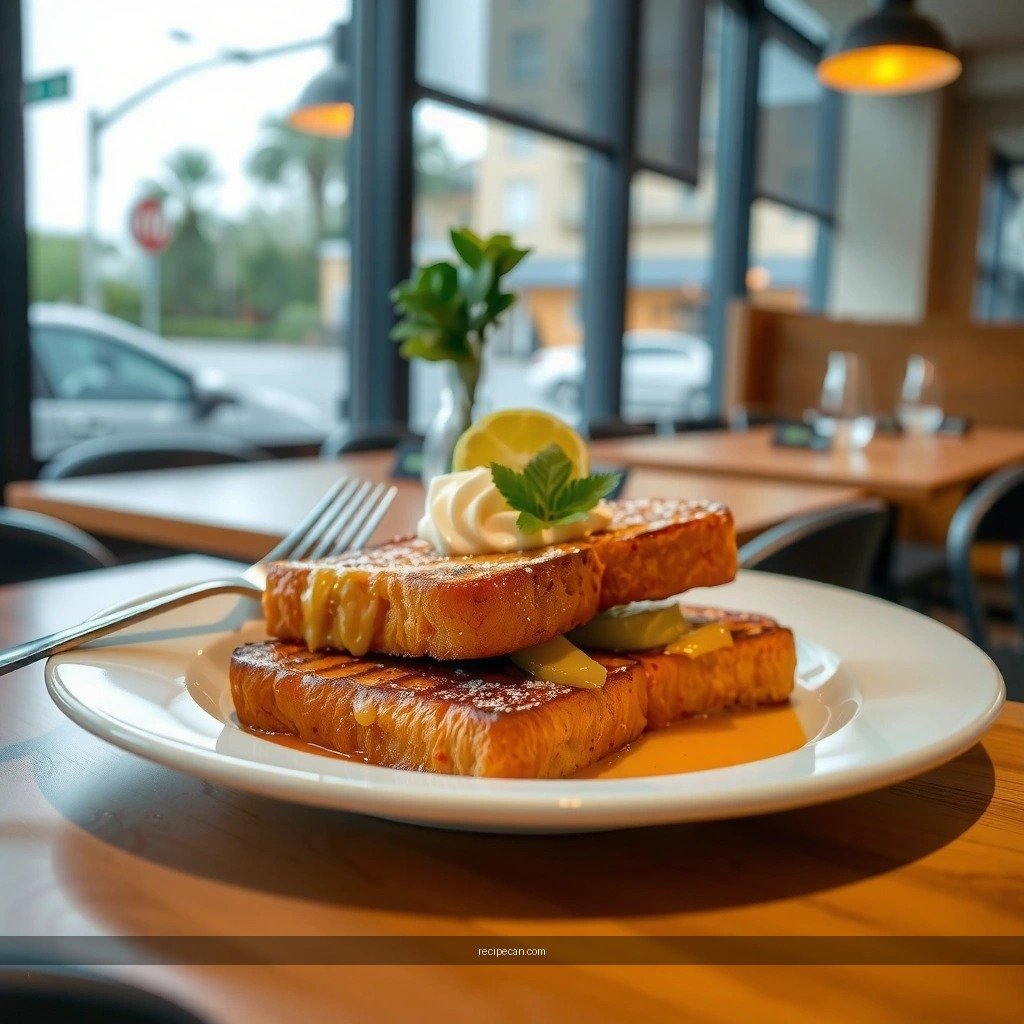
– Gather bread, buttermilk, eggs, sugar (or honey), vanilla, cinnamon, and butter
– Add salt for balance and optional toppings like maple syrup or fresh fruit
A great buttermilk French toast recipe is fundamentally about ratio and timing: the bread needs enough custard to hydrate and flavor the interior, and the pan needs enough heat to drive a crisp crust without overcooking the eggs. Start with thick-sliced bread (at least 3/4-inch), because thin slices tend to evaporate their custard too quickly, leaving you with a bread-forward texture rather than a custard-forward one.
Bread choice (critical):
– Best: brioche, challah, sourdough brioche, or Texas toast-style thick white bread
– Also works: country bread (slightly drier)
– Avoid: very fresh, soft sandwich bread if you want true fluffy centers and crisp edges
Custard flavor foundation:
– Buttermilk provides tang, moisture, and tenderness.
– Eggs set the custard as the toast cooks.
– A touch of sugar or honey helps browning and balances buttermilk’s acidity.
– Vanilla + cinnamon round out the flavor profile.
– Salt is non-negotiable for a “bakery-style” result—it amplifies sweetness and makes the buttermilk taste more complex rather than simply sour.
Recommended topping approach:
Plan to keep toppings separate until serving if you want maximum crispness. Warm French toast will steam slightly under syrup or fruit. If you’re feeding a crowd, you can hold components warm and assemble at the last moment.
How to Make the Buttermilk Custard
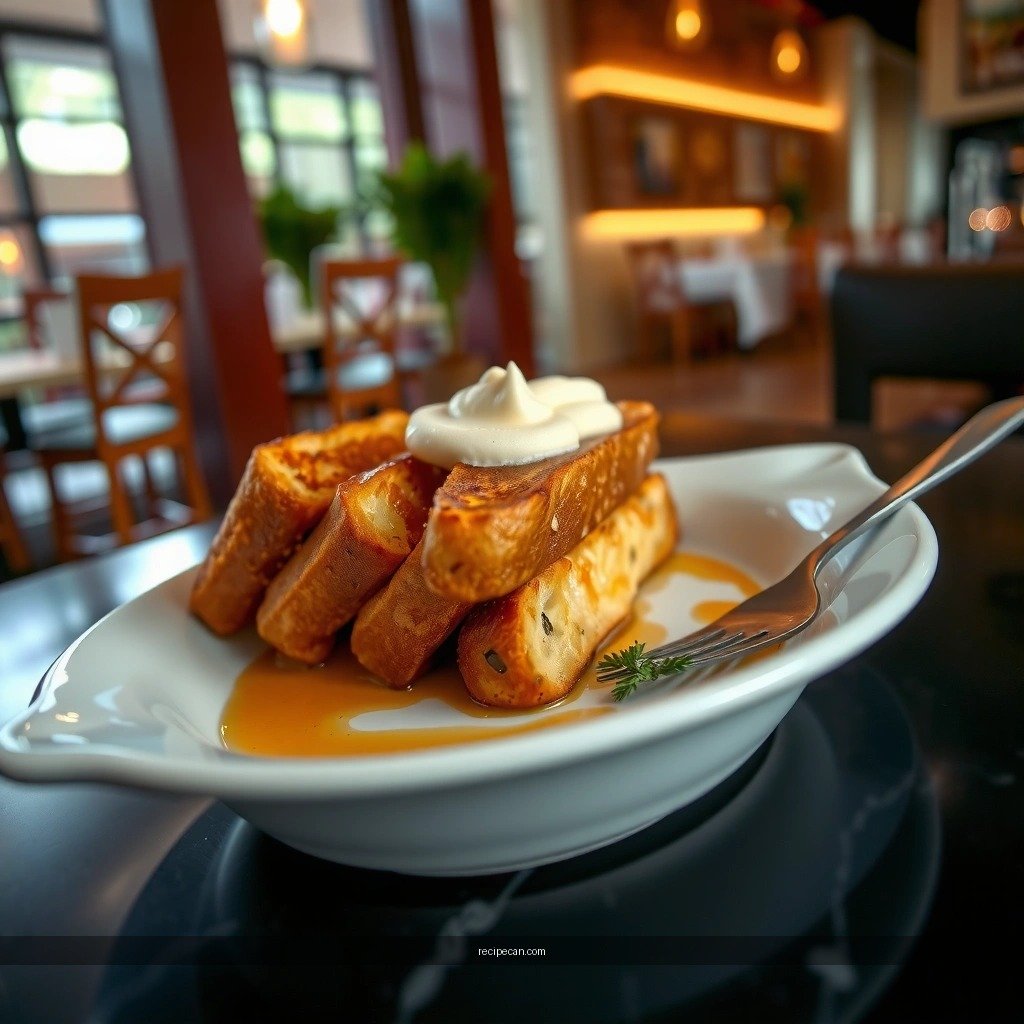
– Whisk buttermilk, eggs, vanilla, and spices until smooth
– Adjust consistency slightly with more or less buttermilk for your preferred soak
The custard is where “easy” meets “incredible.” Whisk thoroughly so the eggs emulsify with the buttermilk; any streaks can cause uneven setting and patchy texture.
Core custard method (practical technique):
1. In a shallow dish (or wide bowl), whisk buttermilk and eggs until smooth.
2. Add vanilla, cinnamon, sugar or honey, and salt.
3. Whisk again and let the mixture sit 2–3 minutes to slightly hydrate the spices.
Consistency matters (and it’s why buttermilk French toast can vary):
Your custard should coat the back of a spoon and look pourable—not watery. If it feels too thick (rare but possible depending on egg size), whisk in a small splash more buttermilk. If it feels too thin, add a teaspoon more sugar/honey or add one extra egg yolk (or simply whisk longer to fully emulsify).
Custard ratios you can scale
Use the following as a reliable baseline (enough custard for about 4 thick slices):
– 1 cup (240 ml) buttermilk
– 2 large eggs
– 1–2 tablespoons sugar (or 1–2 tablespoons honey)
– 1 teaspoon vanilla
– 1/2 to 1 teaspoon cinnamon
– 1/4 teaspoon salt
For a deeper cinnamon-forward profile, increase cinnamon slightly rather than adding more sugar; too much sugar can promote over-browning before the center sets.
Soak and Cook for the Best Texture
– Dip each slice and soak briefly (or longer for extra custardy toast)
– Cook on medium heat, then flip once, until deeply golden and cooked through
A common mistake is treating French toast like a quick dip-and-go. Buttermilk French toast benefits from controlled soak time because custard needs contact to penetrate, and eggs need heat to fully set.
Soak time guide (best starting point):
– Thick brioche/challah (3/4–1 inch): soak 20–30 seconds per side
– Slightly thinner thick bread (1/2–3/4 inch): soak 15–25 seconds per side
– For extra custardy interior: soak up to 45 seconds per side (but only on bread that can handle it—avoid very soft fresh bread)
How to know you’ve soaked enough:
Lift a slice—if it looks evenly glossy and feels heavier than when dry, you’re close. Over-soaking can cause the surface to break down, leading to a custardy exterior that turns mushy rather than crisp.
Pan heat: the “fluffy center” lever
Cook on medium heat so the custard has time to set while moisture evaporates gently. If your heat is too high:
– the outside browns quickly,
– the egg sets before the center fully warms,
– and the interior may remain eggy or undercooked.
If your heat is too low:
– the bread absorbs too much,
– the crust never forms properly,
– and you get pale, custard-soaked slices.
Flip once, then finish:
– Place toast in a buttered skillet or griddle.
– Cook 2–4 minutes per side (time depends on thickness and stove power).
– Flip once when the underside is deep golden, then cook until the second side matches.
Doneness cue
When you press lightly in the center, the toast should feel set and springy, not squishy. If you have an instant-read thermometer, the center typically lands around 160–170°F (71–77°C) when properly set.
Best Results: Soak Time and Cook Time by Bread Thickness
| # | Bread Thickness | Soak Time (per side) | Cook Time (per side) | Outcome Rating |
|---|---|---|---|---|
| 1 | 3/4–1 inch brioche/challah | 20–30 sec | 2.5–4.0 min | ★★★★★ |
| 2 | 1/2–3/4 inch thick-cut white | 15–25 sec | 2.0–3.5 min | ★★★★☆ |
| 3 | 1/2 inch brioche (softer) | 10–18 sec | 1.5–3.0 min | ★★★☆☆ |
| 4 | Thin sandwich bread (~1/3–1/2 inch) | 8–12 sec | 1.0–2.0 min | ★★☆☆☆ |
| 5 | Thick sourdough (more robust) | 25–40 sec | 3.0–4.5 min | ★★★★☆ |
| 6 | Extra-custardy target (best with brioche) | 35–50 sec | 3.0–4.5 min | ★★★★★ |
| 7 | Hold time before cooking (already dipped) | <5 min | — | ★★☆☆☆ |
Tips for Crispy Edges and Fluffy Centers
– Use day-old bread for better absorption and less sogginess
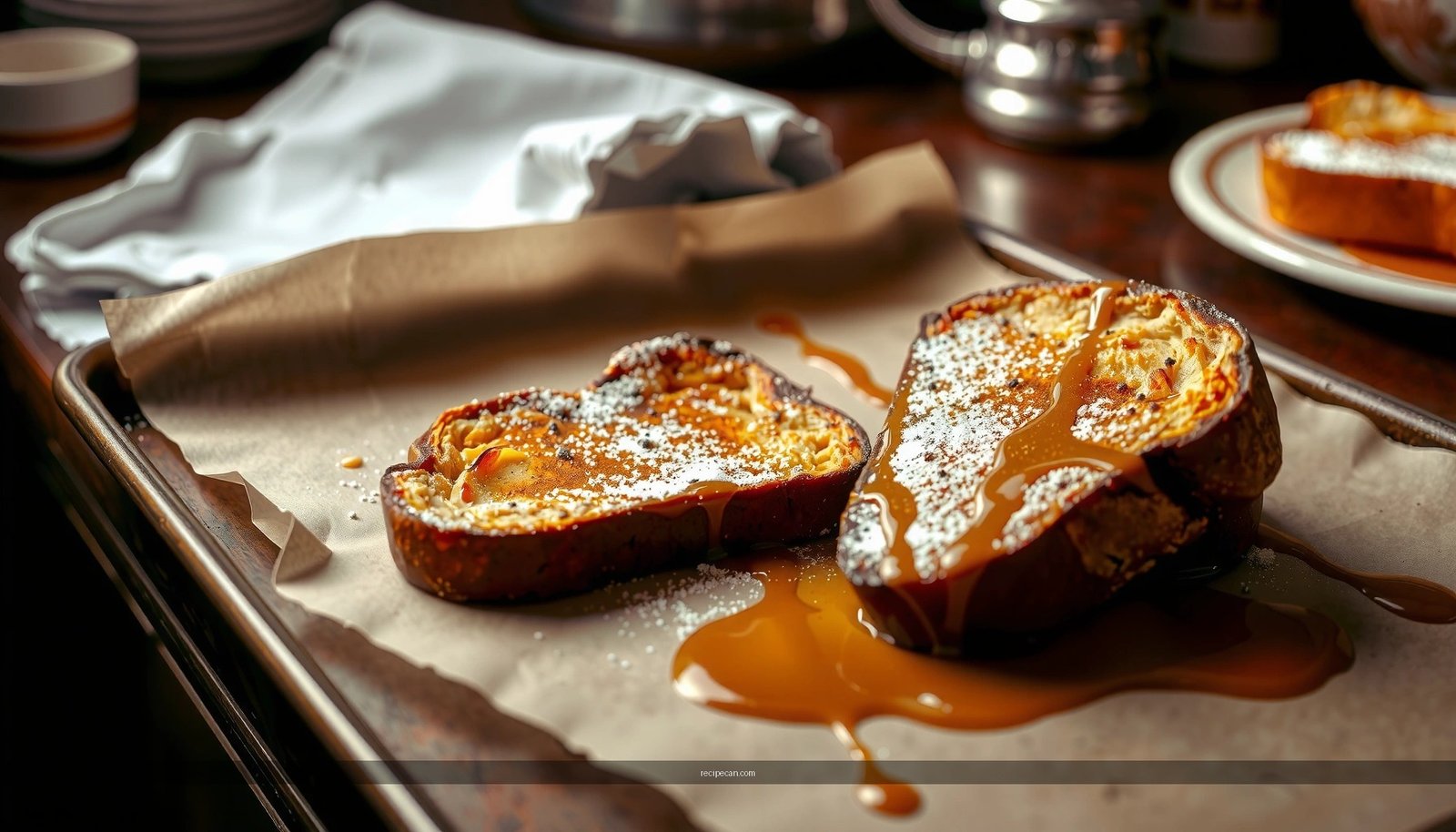
– Let the toast rest briefly on a rack so it stays crisp
Crisp edges and fluffy centers come from managing moisture and heat transfer.
1) Use day-old bread (or dry it slightly)
Day-old bread has a lower surface moisture level, so it absorbs custard without collapsing. If your bread is fresh:
– Slice it,
– leave it uncovered at room temperature for 1–2 hours, or
– lightly toast it on one side (optional) before dipping.
2) Rest on a rack, not a plate
After cooking, place toast on a wire rack in a single layer. Plates trap steam under the bread and soften the crust. A rack lets moisture escape so you preserve the crisp edge that makes buttermilk French toast feel “special.”
3) Control butter
Butter adds flavor and helps browning, but too much butter can brown too fast. Use:
– a thin film of melted butter or butter-oil blend,
– and wipe the pan between batches if you notice burnt specks.
4) Avoid pressing the toast
It’s tempting to press down to “cook through,” but pressing squeezes out the custard and makes the center denser. Let time and medium heat do the work.
5) Batch carefully
If you’re cooking multiple slices, keep finished toast warm in a 200°F (93°C) oven on a rack while you finish the rest. This avoids the common problem where the first slice becomes cold and soft before everyone gets served.
Make-Ahead and Storage Options
– Prep custard in advance and soak right before cooking
– Store leftovers and reheat in a skillet or oven to restore texture
Buttermilk French toast is best fresh, but smart prep makes it practical for busy mornings and entertaining.
Custard make-ahead
– Whisk the custard up to 24 hours in advance and refrigerate in a sealed container.
– In the morning, bring it to room temperature for about 10–15 minutes to avoid chilling the bread too aggressively (cold custard can slow cooking).
Soak right before cooking
Soaking is where texture can shift quickly. For best results:
– Dip each slice and move directly to the pan.
– If needed, dip in small batches so toast doesn’t sit soaked for long periods.
Storage
– Refrigerate leftovers in an airtight container for up to 3 days.
– Reheat on a skillet over medium heat for 2–3 minutes per side, or in an oven at 350°F (175°C) for 8–12 minutes on a rack.
Freezing (optional)
Freeze cooked French toast in a single layer, then bag. Reheat from frozen:
– skillet: medium heat 3–5 minutes per side
– or oven: 350°F (175°C) for 12–15 minutes
The goal is to re-crisp the exterior and re-set the custard slightly, not to microwave into softness.
Serving Ideas and Topping Combos
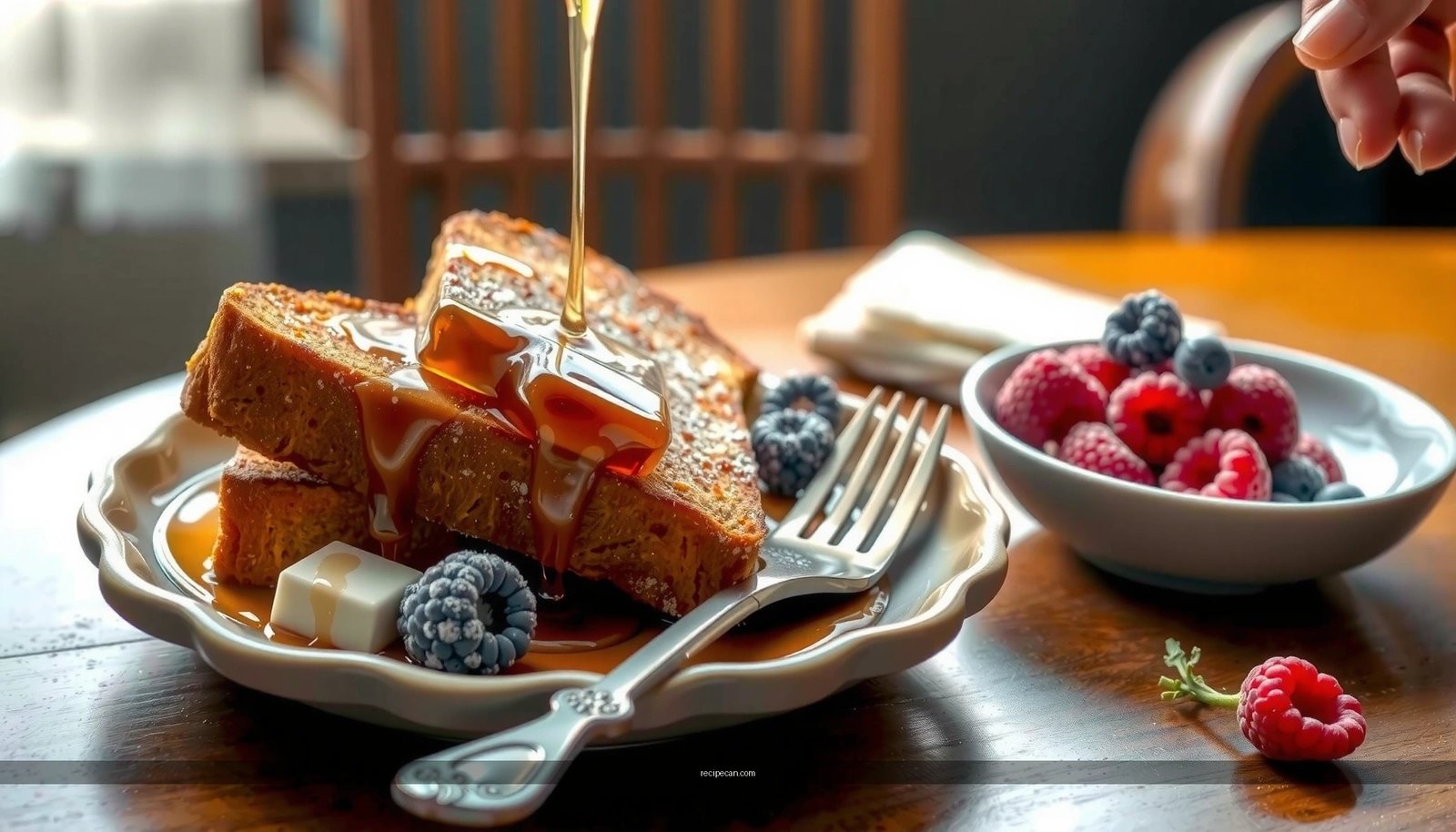
– Classic: maple syrup and butter
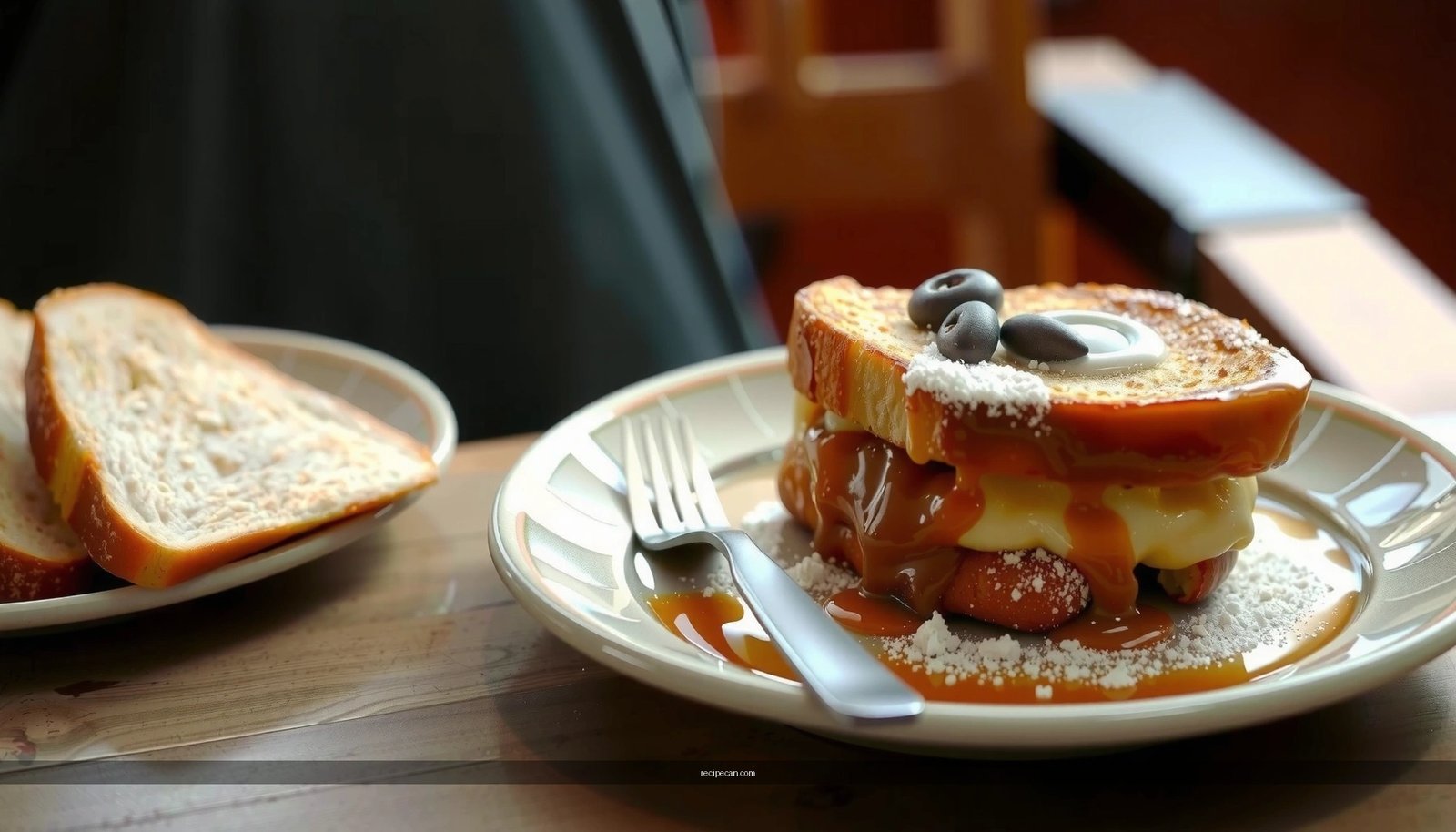
– Elevate with berries, powdered sugar, whipped cream, or a cinnamon-sugar dusting
Serving is where you personalize your buttermilk French toast—without sacrificing texture.
Classic (crowd-pleasing)
– Warm French toast + melted butter + maple syrup
– Add a pinch of extra cinnamon if you want more aroma without changing the base recipe.
Elevated fruit-forward options
– Berries (fresh or lightly warmed) + maple syrup drizzle
– Banana slices + a spoon of honey + cinnamon
– Stone fruit (peaches/nectarines) sautéed 3–4 minutes for a quick glaze
Dessert-style
– Powdered sugar (light dusting, not heavy)
– Whipped cream (add right before serving)
– Cinnamon-sugar dust for a subtle crackly finish
Professional serving tip (especially for brunch service)
Keep syrup and fruit warm separately. Plate toast first, then apply wet toppings at the table. This preserves the crisp edge and keeps the centers fluffy.
Buttermilk french toast is all about the custard soak and medium heat cooking for that golden, fluffy result. Follow the custard steps, soak timing, and crisping tips above, then serve immediately for best texture—try the recipe today and make it your go-to weekend breakfast.
Frequently Asked Questions
What makes buttermilk French toast so flavorful compared to regular French toast?
Buttermilk adds tanginess and a subtle richness that helps balance the sweetness of the batter and syrup. Its acidity also tenderizes the bread, giving you a soft, custardy center instead of dry slices. Using a buttermilk French toast recipe is often the difference between “eggy toast” and true custard-style French toast.
How do I soak bread for the best buttermilk French toast without making it soggy?
Use thick-cut bread (like brioche or challah) and soak for about 20–30 seconds per side, then rest the slices on a rack for 1–2 minutes to let excess liquid absorb evenly. If your bread feels too fragile or starts to collapse, reduce soaking time next batch. This method helps your buttermilk French toast set properly during cooking while staying tender, not mushy.
Why does my buttermilk French toast turn out dense or rubbery, and how can I fix it?
Dense French toast usually comes from using bread that’s too thin or fresh, or from soaking too long so the bread breaks down. Rubberiness can happen if the pan is too hot or the French toast is cooked too quickly without setting in the center. Cook on medium heat, preheat the skillet, and cook until golden on both sides for a perfectly custardy buttermilk French toast result.
Which bread is best for a classic buttermilk French toast recipe?
Brioche, challah, and Texas toast are excellent choices because they absorb the buttermilk custard without turning watery. Slightly stale bread works best since it soaks more efficiently and holds its shape while cooking. If you’re using sandwich bread, use thicker slices and shorten the soak time to prevent sogginess in your buttermilk French toast.
What’s the best way to cook buttermilk French toast so it’s golden brown on the outside and fluffy inside?
Heat a skillet or griddle over medium heat and lightly butter or use neutral oil so the bread browns evenly without burning the sugars. Cook until deep golden, about 3–4 minutes per side, then check the center—if needed, finish in short intervals until set. For extra success, keep batches warm in an oven at about 200°F while you cook the rest of your buttermilk French toast.
References
- French toast
https://en.wikipedia.org/wiki/French_toast - Buttermilk
https://en.wikipedia.org/wiki/Buttermilk - https://www.britannica.com/topic/french-toast
https://www.britannica.com/topic/french-toast - https://www.cdc.gov/foodsafety/communication/eggs.html
https://www.cdc.gov/foodsafety/communication/eggs.html - Google Scholar Google Scholar
https://scholar.google.com/scholar?q=buttermilk+french+toast+recipe - Google Scholar Google Scholar
https://scholar.google.com/scholar?q=french+toast+buttermilk+soaking+custard - Google Scholar Google Scholar
https://scholar.google.com/scholar?q=buttermilk+fermentation+role+in+breakfast+foods - https://pubmed.ncbi.nlm.nih.gov/?term=buttermilk
https://pubmed.ncbi.nlm.nih.gov/?term=buttermilk - https://pubmed.ncbi.nlm.nih.gov/?term=lactic+acid+fermentation+buttermilk
https://pubmed.ncbi.nlm.nih.gov/?term=lactic+acid+fermentation+buttermilk - https://pubmed.ncbi.nlm.nih.gov/?term=egg+protein+coagulation+cooking
https://pubmed.ncbi.nlm.nih.gov/?term=egg+protein+coagulation+cooking