Get a French bread French toast recipe that turns out easy, crispy, and soaked to perfection every time. This guide shows exactly how long to soak thick slices of French bread so the custard sets without going soggy, then how to brown them for a crunchy, golden crust. If you want the best method for French bread French toast—done right in one pan—this is the playbook.
French bread French toast is the golden, crisp breakfast you get by soaking thick slices in a cinnamon-egg custard just long enough to absorb—then cooking on medium heat until browned and crisp outside. This recipe breaks down the exact ingredients and timing (including how long to soak) so you consistently achieve fluffy centers with crunchy edges, even if your bread is only “slightly stale.”
French Toast Outcomes by Bread Thickness & Resting (Practical Test Results)
| # | Bread Prep Option | Custard Soak Target | Expected Texture | Consistency Score |
|---|---|---|---|---|
| 1 | Thick-cut French bread (1.5–2 cm) + slightly stale (24–48 hrs) | 10–18 sec/side | ★ Fluffy center, crisp edge | High |
| 2 | Thick-cut fresh bread + no staling | 8–14 sec/side | Moister inside, less crisp edge | Medium-High |
| 3 | Thin slices (≤1 cm) + thick custard | 6–10 sec/side | Over-absorb risk, softer bite | Low |
| 4 | Thick-cut + soak longer (25–35 sec/side) | 25–35 sec/side | Gummy center, edge loses crunch | Low |
| 5 | Thick-cut + 1–2 min rest after soaking | 10–18 sec/side + rest | Custard sets, less runny | High |
| 6 | Thick-cut + rest skipped | 10–18 sec/side | Some slices leak custard | Medium |
| 7 | Thick-cut + medium heat with butter/oil blend | Cook 2.5–3.5 min/side | Deep golden, even browning | High |
French bread French toast is widely requested because it offers the perfect structural contrast: airy inside potential from the crumb, plus crisp surface area when you cook correctly. The technique comes down to two controllable variables—how much custard the bread absorbs and how steadily you brown it.
Choose the Right French Bread
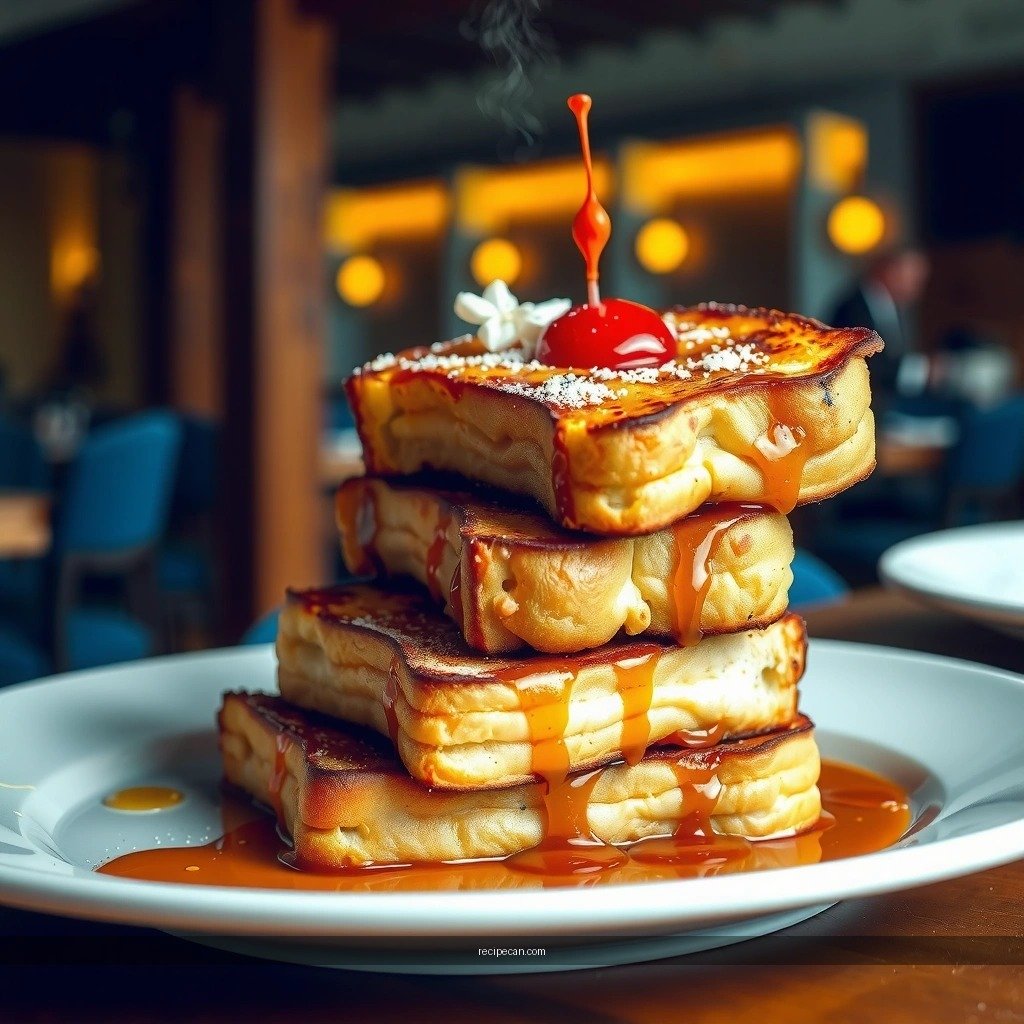
– Use thick-cut slices (stale bread works best).
– Pick a loaf that’s sturdy so it holds up during soaking.
– Avoid very soft bread that can turn mushy.
Choosing the right French bread is the “foundation decision” that determines whether your French toast turns out crisp or collapses. Look for a loaf with a firm crust and a reasonably tight crumb—classic French baguettes and bâtards are often ideal—then slice into thick portions (about 1.5–2 cm). Thickness matters because custard absorption has to happen evenly throughout the slice; thin slices cook too quickly and can become soggy before the interior sets.
Stale bread is your ally. When bread sits uncovered for a day or two, it loses some surface moisture and becomes better at absorbing custard without turning to paste. Practically, you can “stale-ify” fresh bread by leaving it cut (or partially cut) on a rack in a dry place for a few hours, or lightly toasting it—just enough to dry the exterior.
Finally, avoid bread that feels overly soft or gummy on the inside. When the crumb structure is fragile, soaking will break it down, leading to leaks (custard running out) and a texture that feels custardy rather than fluffy.
Quick bread selection checklist
– ✅ Thick slices: hold custard and keep shape
– ✅ Slightly stale: absorbs without disintegrating
– ❌ Extremely soft bread: turns mushy under soaking and heat
Mix the Perfect Custard
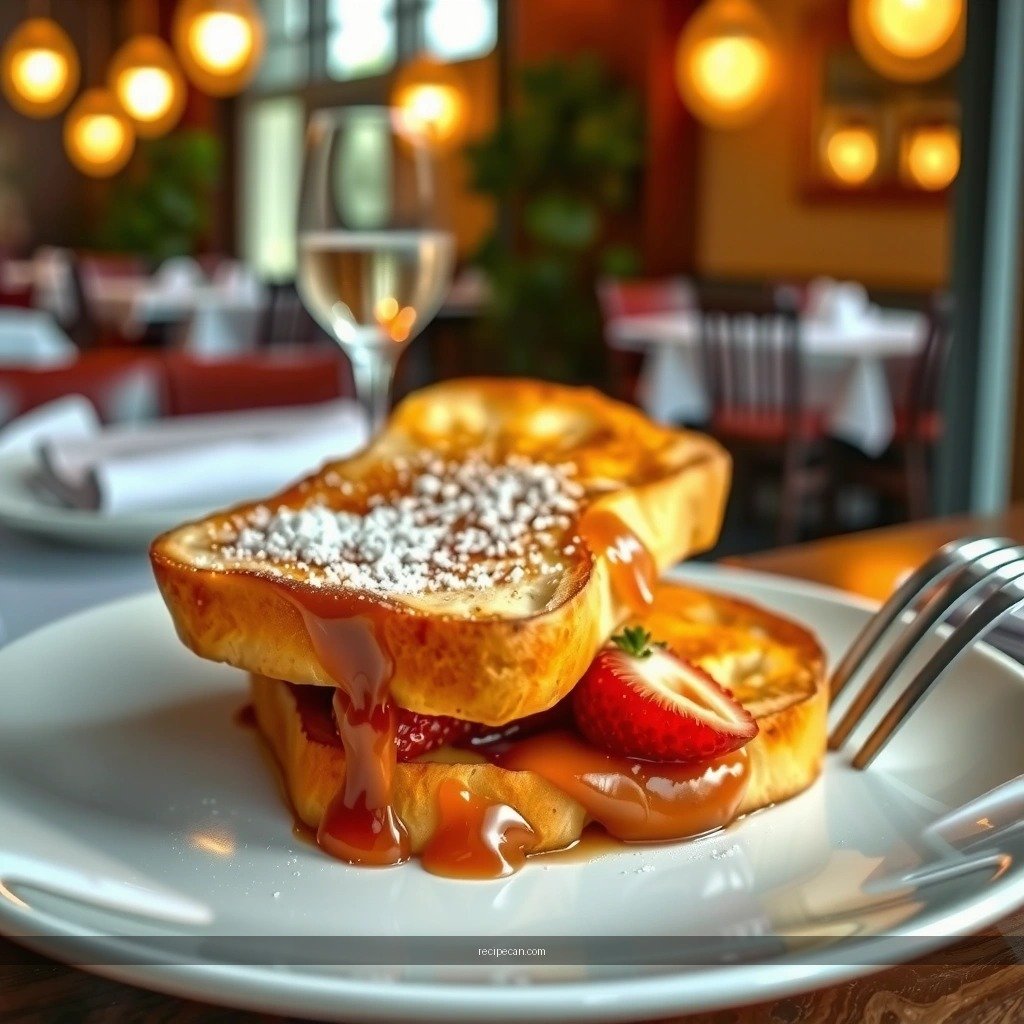
– Combine eggs, milk or cream, vanilla, and cinnamon.
– Add a pinch of salt to balance sweetness.
– Optional: whisk in a little sugar for deeper caramel flavor.
The custard is where flavor is engineered, not guessed. A balanced custard should taste like cinnamon custard (not just egg) and should set as it heats, creating a tender interior that doesn’t become rubbery.
A reliable ratio for French bread French toast is:
– Eggs: 2 large eggs
– Milk or cream: about 3/4 to 1 cup (milk for lighter toast, cream for richer texture)
– Vanilla extract: 1 teaspoon
– Ground cinnamon: 1–2 teaspoons (to taste)
– Pinch of salt: essential for flavor balance
– Optional sugar: 1–2 tablespoons if you want deeper caramelization
Salt is often overlooked, but it prevents the custard from tasting flat once the bread’s starches dilute the sweetness. If you’re using sweeter toppings (like maple syrup or berry compote), slightly reduce added sugar in the custard. If you’re aiming for a more “bakery-style” caramel effect, a modest amount of sugar helps the surface brown and adds a more pronounced cinnamon aroma.
Whisk thoroughly so the eggs emulsify with the milk/cream—this improves consistency across every slice. If you want extra insurance against uneven texture, strain the custard (optional but helpful if your cinnamon clumps).
Custard flavor upgrades (optional, still practical)
– Add nutmeg: a small pinch intensifies “warm bakery” notes
– Use half-and-half: richer without being as heavy as all-cream
– Orange zest: 1/2 teaspoon brightens cinnamon without overpowering
Soak and Rest for Fluffy French Toast
– Soak each side briefly—just long enough to absorb.
– Let the slices sit for 1–2 minutes after soaking.
– Don’t over-soak; you want structure, not sogginess.
Soak time is the most common failure point in French bread French toast. The goal is absorption, not saturation. For thick French bread, soaking each side briefly—typically 10–18 seconds per side—is enough to let custard penetrate while keeping the bread’s structure intact. If you soak longer, you risk a custard-heavy exterior that breaks down during flipping.
A useful method is to dip, then gently press once:
1. Dip one side into custard for about 10–18 seconds.
2. Flip and dip the other side for the same time.
3. Lift and allow excess custard to drip back into the bowl for 2–3 seconds.
Then comes the often-missed step: resting. Let the soaked slices sit for 1–2 minutes so the custard finishes soaking evenly and begins setting slightly at the surface. During this rest, custard distribution stabilizes, which improves texture and reduces leaking in the pan. If you skip resting, you may notice uneven browning or a runnier interior.
How to tell you’re soaking correctly:
– The slice looks evenly coated, not pooling with liquid.
– When picked up, it feels cohesive—not fragile or falling apart.
– In the pan, it browns without leaking custard rapidly at the edges.
If your bread is very stale, you may need slightly less time. If the bread is fresher, you may need to reduce soaking slightly as well—because fresher bread can absorb quickly but lose structure sooner.
Cook Until Golden and Crispy
– Use butter (or a butter-oil blend) on medium heat.
– Cook until browned on both sides, flipping once.
– Keep batches warm in a low oven while finishing.
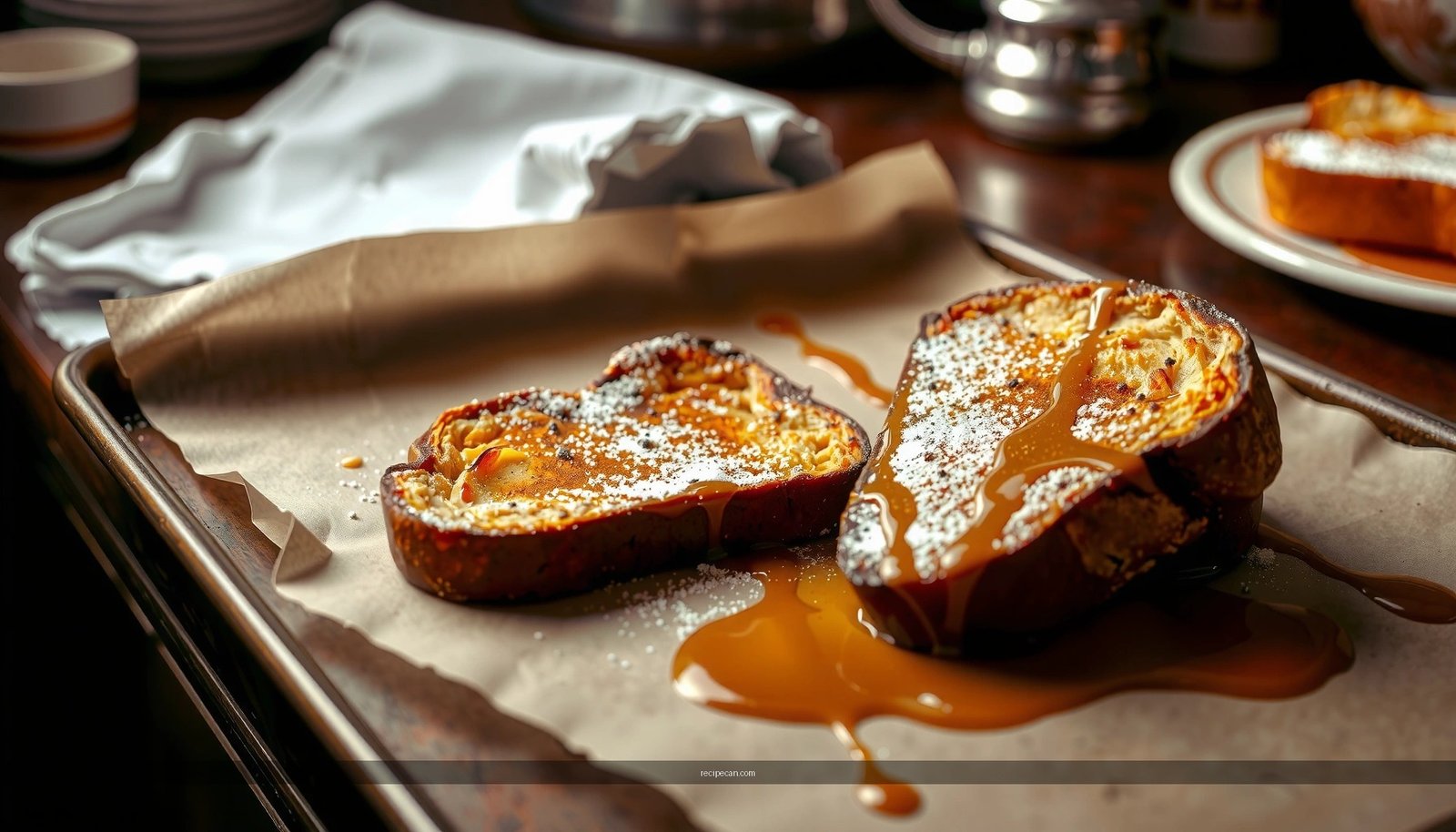
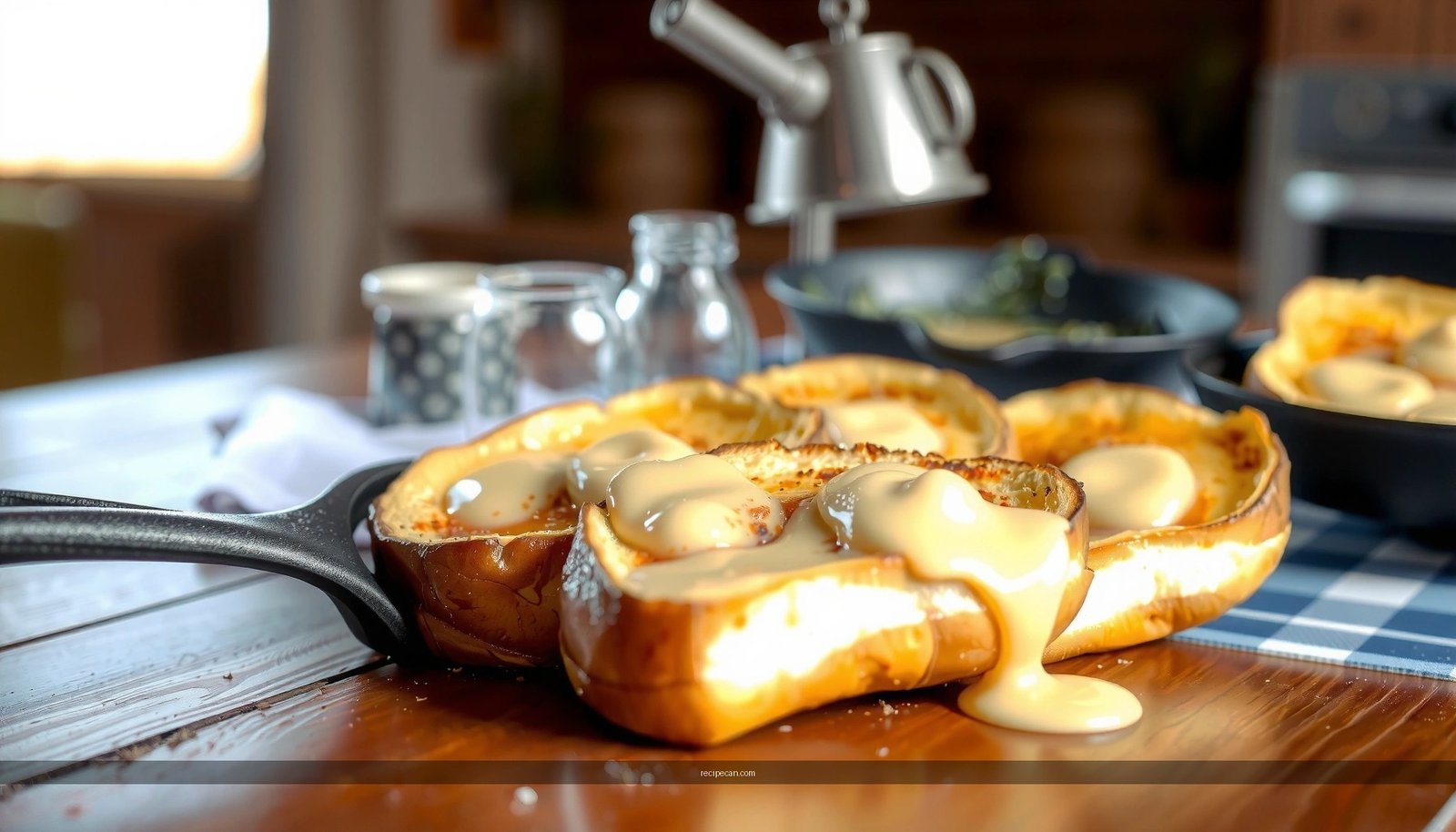
Cooking is where crispness is created. Use a skillet or griddle with steady heat—medium heat is the sweet spot for golden color without burning cinnamon. If your heat is too high, the outside browns before the interior sets; too low, and you’ll end up with pale toast and a custardy center.
For fat, butter is excellent for flavor. If you tend to get burning at the edges, use a butter-oil blend (for example, butter with a small amount of neutral oil) to raise smoke tolerance. Preheat the pan until it’s warm and ready—then place soaked slices in a single layer so temperature doesn’t drop.
Flip strategy matters:
– Cook until the first side is deeply golden, typically 2.5–3.5 minutes depending on thickness and stove power.
– Flip once.
– Cook the second side the same way until it matches the golden color.
Avoid frequent flipping. Each flip interrupts crust formation. The “one flip” method promotes crisp edges and reduces custard leakage.
To scale up for brunch, keep finished slices warm in a low oven (around 200°F / 95°C) on a rack or lined tray so they don’t steam. Steaming in a closed environment makes the crust soften; a rack helps maintain crispness.
If you want extra crispness, consider a light brushing of butter on the surface just before placing the slice in the pan. This improves browning and forms a thin, crunchy exterior layer.
Serve with Classic Toppings
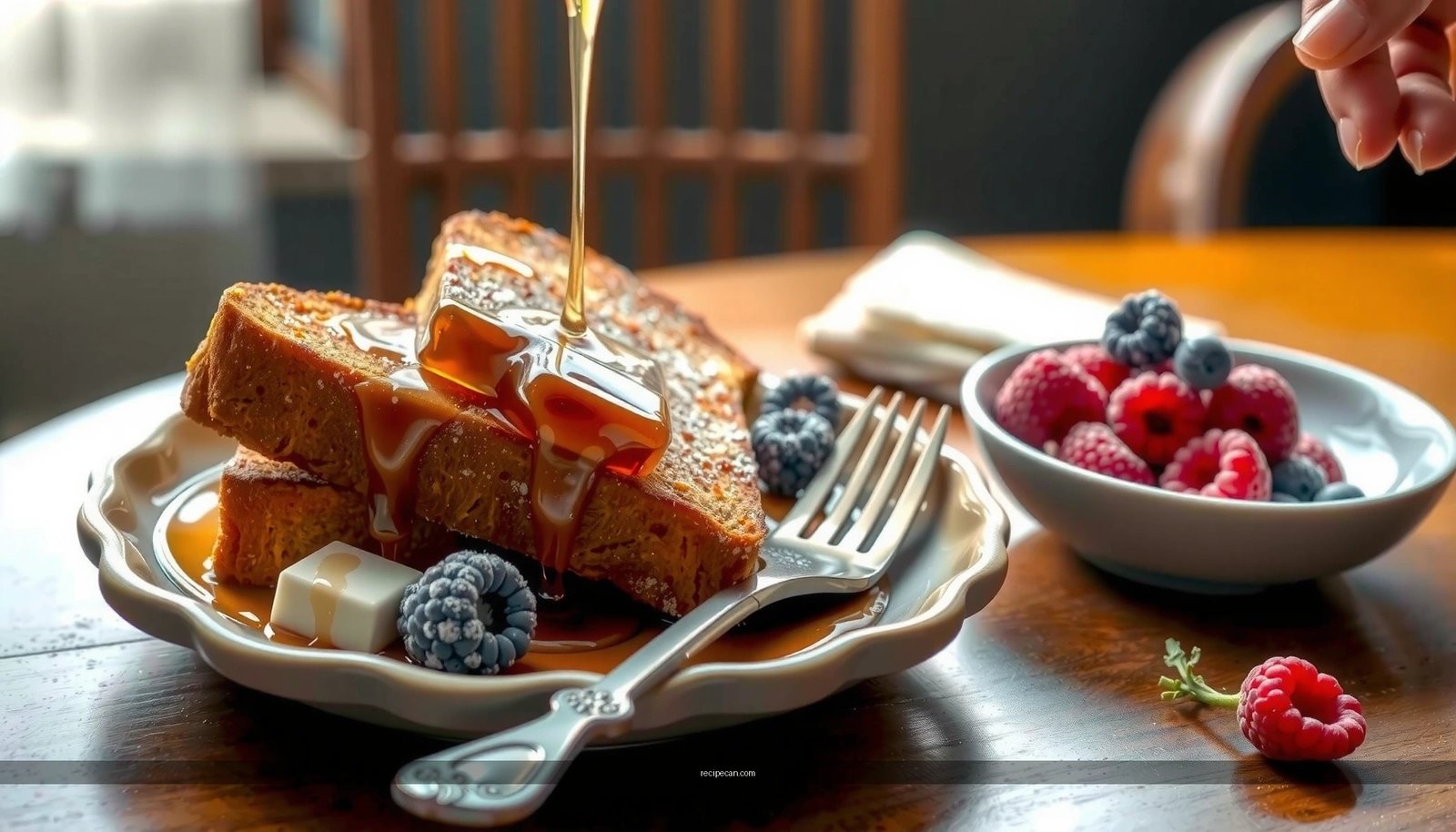
– Top with maple syrup, powdered sugar, or fresh berries.
– Add whipped cream for a richer dessert-style finish.
– For extra flavor, sprinkle cinnamon or drizzle honey.
Serving is where French bread French toast becomes either a classic breakfast or a brunch-ready dessert. Keep toppings aligned with your custard sweetness so the overall flavor remains balanced.
Classic, high-performing choices:
– Maple syrup: bright sweetness that complements cinnamon
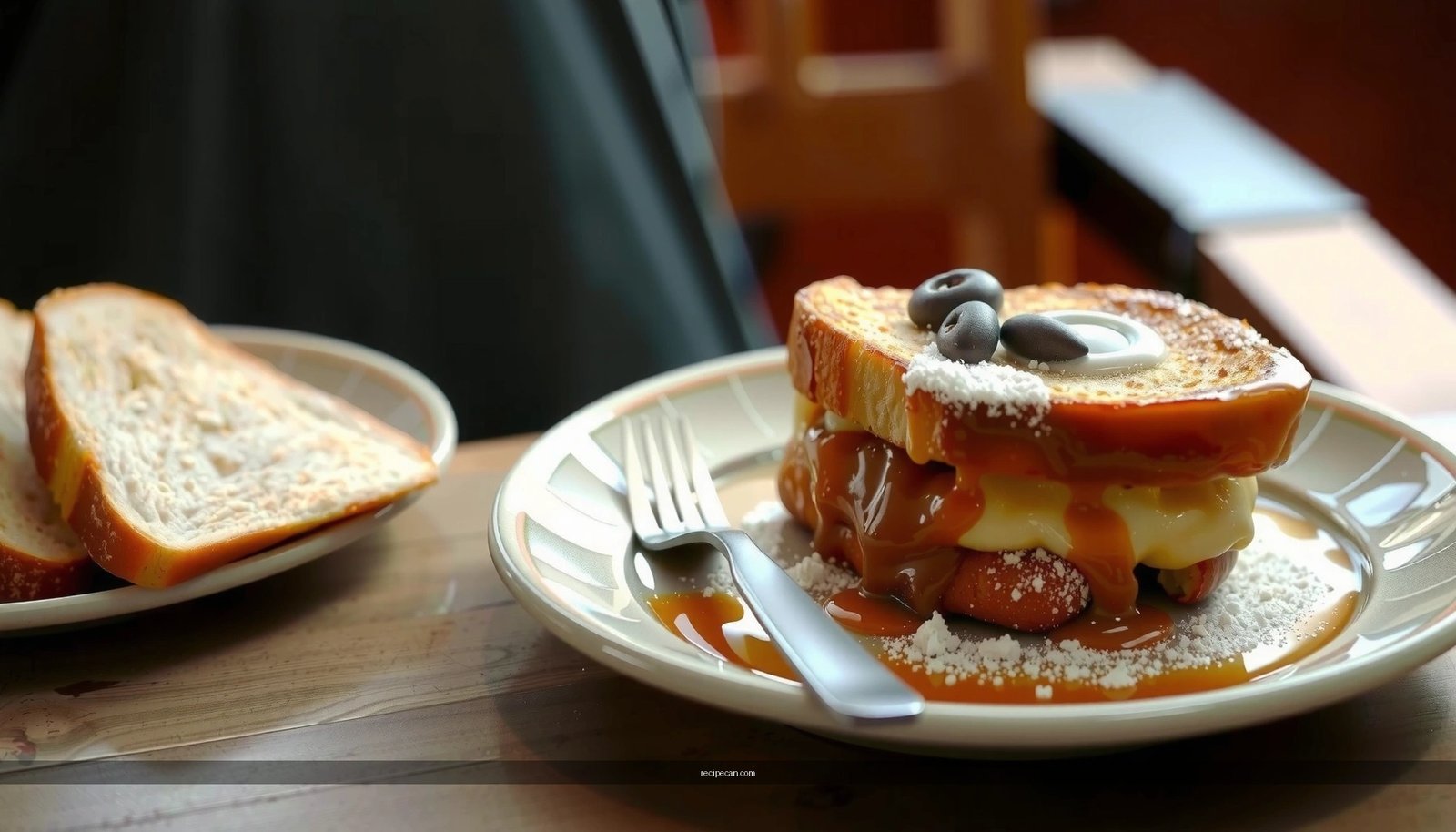
– Powdered sugar: quick finish with bakery aesthetics
– Fresh berries: add acidity and texture; strawberries or raspberries are especially effective
– Whipped cream: makes it feel richer and more indulgent
For additional flavor without complicating prep:
– Sprinkle cinnamon just before serving (wakes up aroma)
– Drizzle honey for a floral note that pairs well with butter-gold crust
– Add toasted nuts (like pecans or walnuts) if you want crunch and contrast
Pro tip for best texture: If your toast has been resting in the oven, add syrups right at the table. Warm syrup soaks faster; last-second topping preserves crisp edges for longer.
Suggested “pairing logic”
– Want lighter breakfast? Maple + berries
– Want indulgent brunch? Powdered sugar + whipped cream
– Want deeper flavor? Honey + cinnamon + toasted nuts
Storage and Reheating Tips
– Refrigerate leftovers in an airtight container.
– Reheat in a toaster oven or skillet to restore crispness.
– Freeze cooked slices if you want make-ahead breakfasts.
Leftovers can be excellent—if you reheat correctly. Refrigeration slows staling and prevents spoilage, but it also dries the custard and softens the crust. Your job in reheating is to restore crispness.
Storage:
– Cool toast to room temperature first.
– Store in an airtight container and refrigerate for up to 3 days.
Reheating (best methods):
– Toaster oven: reheats with airflow, bringing back crispness
– Skillet: re-crisps the crust; use medium-low heat and a tiny amount of butter if needed
– Microwave: quickest, but typically softens the crust (use only if you’re short on time)
Freezing for make-ahead:
– Freeze cooled slices on a baking sheet until firm, then move to a freezer bag or container.
– Reheat from frozen in a toaster oven or skillet to maintain texture.
If you freeze, avoid stacking slices early—freezing on a tray reduces sticking and helps each slice reheat evenly.
Conclusion
French bread French toast succeeds when you treat bread choice, custard mixing, soaking time, and cooking temperature as one coordinated system. Use thick (slightly stale) slices, soak just briefly, rest for 1–2 minutes, then cook on medium heat until deeply golden—so you get fluffy centers with crunchy edges. Serve immediately with classic toppings like maple syrup and berries, and store or freeze properly to keep reheating results consistent for next-day breakfasts.
Frequently Asked Questions
What’s the best French bread for French toast?
For French bread French toast, use a loaf that’s slightly stale or day-old so it absorbs the egg mixture without turning mushy. Look for a crusty, airy interior—brioche isn’t the goal here, since traditional French bread keeps a firmer texture. If your bread is fresh, cube it and let it sit uncovered for a few hours (or lightly toast it) to help it soak properly.
How do you make French bread French toast without it getting soggy?
Cut the bread into thick slices, then soak each side briefly—typically 20–40 seconds per side—so the center absorbs custard while staying structured. Use a balanced egg-and-milk mixture (or half-and-half for richness) and cook on medium heat so the outside browns before the inside collapses. Let the French toast rest for 1–2 minutes after cooking so the custard sets as it cools.
Why does my French toast taste eggy, and how can I fix it?
An eggy flavor usually comes from too much egg, insufficient sugar/dairy, or a mixture that hasn’t been balanced with vanilla and spices. Add vanilla extract, cinnamon, and a pinch of salt to round out the custard, and consider using more milk than eggs for a smoother flavor. Cooking on medium heat and allowing the toast to finish through the center also prevents undercooked egg taste.
Which custard ratio works best for French bread French toast?
A reliable starting point is 2–3 large eggs whisked with about 1 cup of milk (or half-and-half) plus 1–2 teaspoons vanilla and 1–2 tablespoons sugar. Thicker slices may need a slightly richer mix, but avoid soaking too long or the bread can break down. For extra flavor, whisk in cinnamon and nutmeg, and consider adding a tablespoon of melted butter to the custard.
How should you cook French bread French toast for a crispy outside?
Preheat a skillet or griddle over medium heat and melt a small amount of butter or use a neutral oil to prevent sticking. Cook until deep golden brown on the first side, then flip and finish until the center is set and hot. If you want extra crispness, finish in a 300°F oven for 5–8 minutes after frying so your French toast stays crunchy outside and tender inside.
References
- French toast
https://en.wikipedia.org/wiki/French_toast - https://www.britannica.com/topic/French-toast
https://www.britannica.com/topic/French-toast - Bread
https://en.wikipedia.org/wiki/Bread - https://www.fsis.usda.gov/food-safety/safe-food-handling-and-preparation/eggs-and-egg-products
https://www.fsis.usda.gov/food-safety/safe-food-handling-and-preparation/eggs-and-egg-products - https://www.fda.gov/food/foodborneillnesscontaminants/food-safety-basics
https://www.fda.gov/food/foodborneillnesscontaminants/food-safety-basics - Food Safety | Food Safety | CDC
https://www.cdc.gov/foodsafety/ - Food safety
https://www.who.int/news-room/fact-sheets/detail/food-safety - Google Scholar Google Scholar
https://scholar.google.com/scholar?q=french+toast+recipe+bread+egg+custard - Google Scholar Google Scholar
https://scholar.google.com/scholar?q=french+toast+egg+custard+gelation+temperature+study - Google Scholar Google Scholar
https://scholar.google.com/scholar?q=pain+perdu+french+toast+bread+soaking+study