Want the simplest french toast recipe using half and half that turns out creamy and golden every time? This straightforward method shows you exactly how to soak, cook, and serve so the custard sets without turning soggy. If you want a reliable, no-fuss breakfast, half and half is the clear winner—this recipe tells you how to use it.
Use half and half to make simple, custardy French toast with a creamy soak and reliable browning—no complicated ingredients required. With a quick whisk, a brief bread soak, and a hot buttered skillet, you’ll get golden-brown slices that are tender inside and crisp at the edges, every time.
Gather Your Ingredients
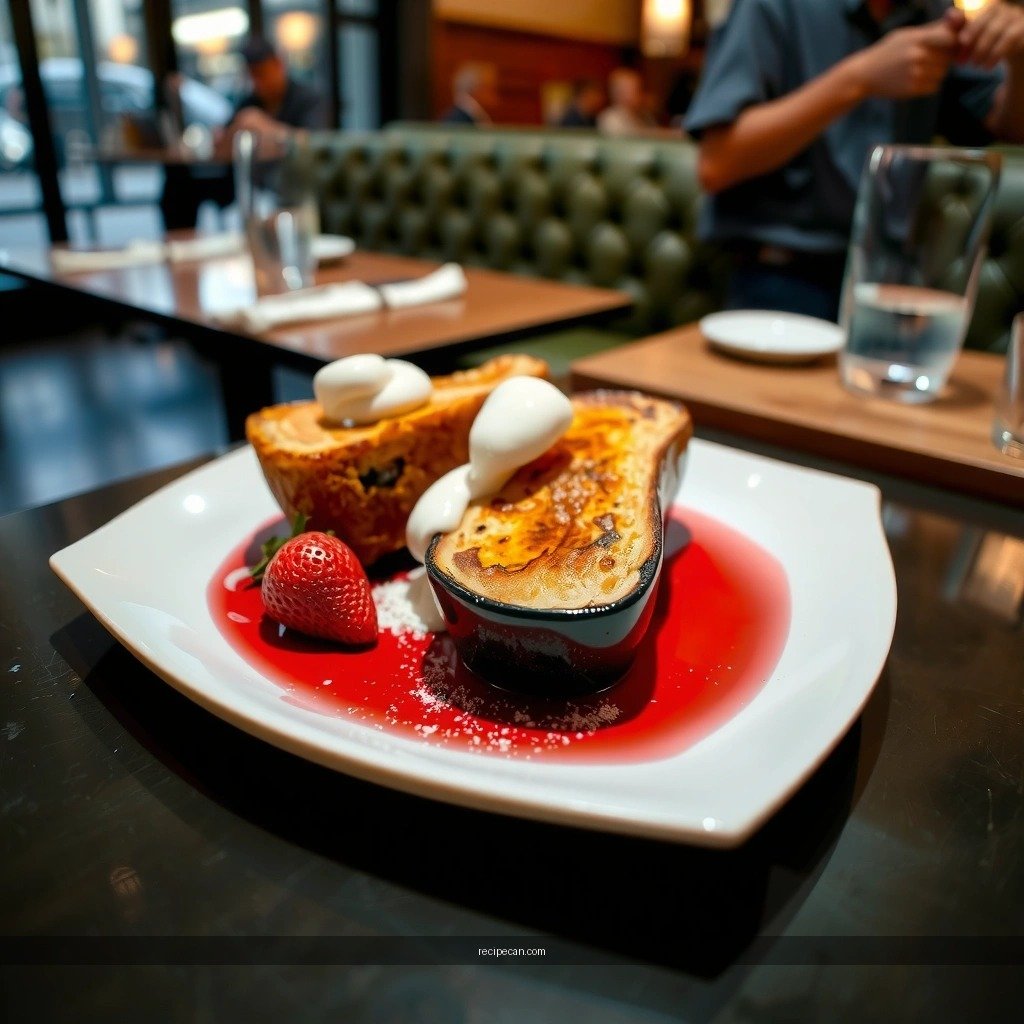
French toast is at its best when the ingredient list is intentionally tight: you want a custard base that can quickly coat and cling to the bread, plus a few flavor accents that elevate the final bite.
– Half and half as the main creamy base (the backbone of the custard; it delivers fat + moisture for tenderness)
– Eggs (structure: they set as they cook, turning the liquid soak into a custard-like interior)
– Bread (sturdy slices that can absorb without turning to mush)
Flavor and optional enrichments
– Cinnamon and/or vanilla (classic French toast aromatics that make the custard taste “restaurant-level”)
– Butter and/or neutral oil for the pan (butter adds flavor and browning; a little oil helps prevent burning)
What bread works best
– Slightly stale brioche, challah, thick-cut white, or sourdough are excellent.
– Fresh sandwich bread works in a pinch, but you’ll need a shorter soak (fresh bread is more prone to collapse).
—
French Toast Custard Bases: Richness vs. Browning (Practical Benchmarks)
| # | Dairy base (substitute) | Approx. fat % | Custard richness | Edge set time* (min) | Result vs. half-and-half |
|---|---|---|---|---|---|
| 1 | Half-and-half | 10% | ★★★★☆ | 2–3 | Baseline (best balance) |
| 2 | Heavy cream | 36% | ★★★★★ | 1.5–2 | More luscious, browns faster |
| 3 | Whole milk | 3.25% | ★★★☆☆ | 3–4 | Less custardy, softer interior |
| 4 | Evaporated milk | 7.5% | ★★★★☆ | 2–3.5 | Smooth texture, slightly deeper flavor |
| 5 | Buttermilk | 2% | ★★★☆☆ | 2.5–3 | Tangy, but less creamy body |
| 6 | Kefir (plain) | 2% | ★★★☆☆ | 2.5–3.5 | Good tang, custard sets unevenly |
| 7 | Plant milk blend (high-fat) | ~6–8% | ★★★½☆ | 2–3.5 | Varies by brand; browning can be unpredictable |
Edge set time is a practical benchmark for when the custard begins to thicken at the bread surface during cooking; it helps guide heat control, not a strict rule.
Make the Half and Half Soak
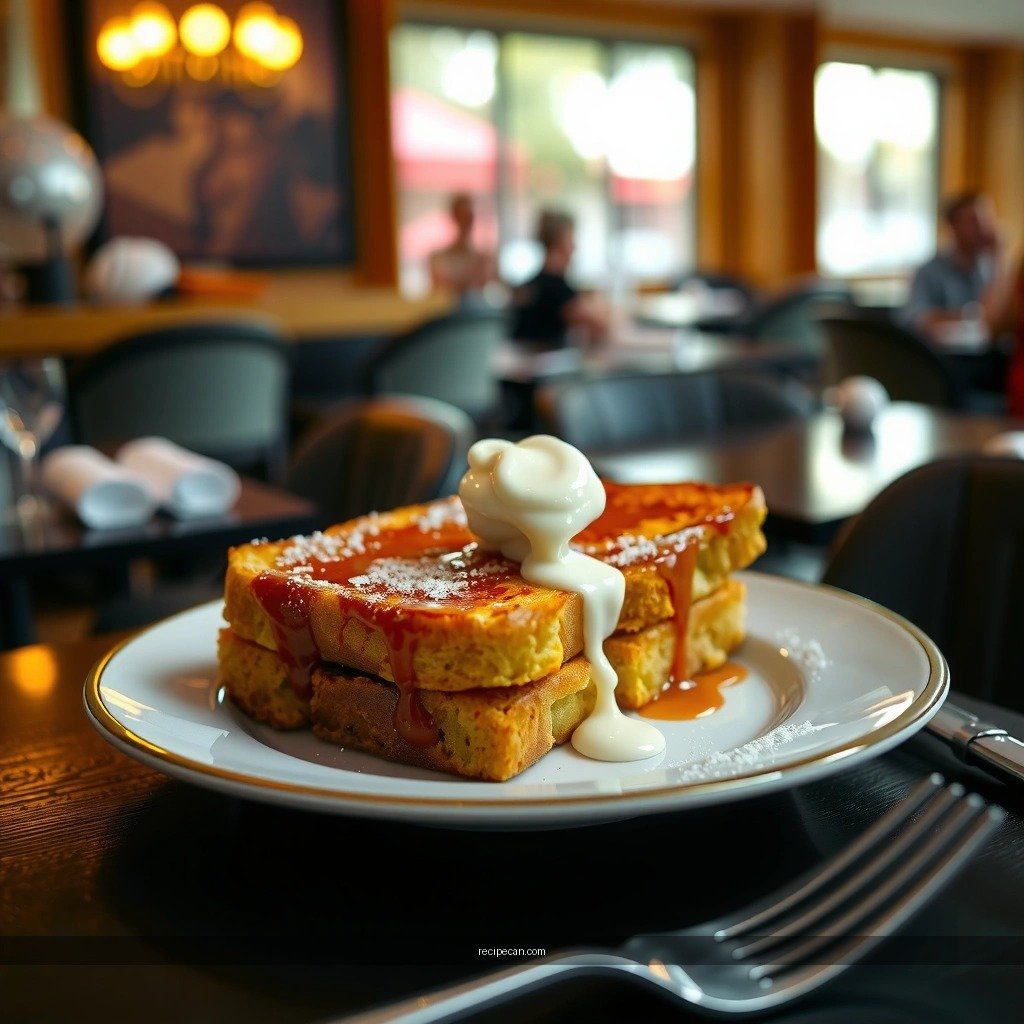
The soak is where the “custard” character is built. Half and half works particularly well because it balances fat for tenderness with enough water content for even absorption—so the French toast cooks up creamy without needing a long, complicated process.
Step-by-step
– Whisk eggs with half and half until smooth. Aim for a uniform mixture so you don’t get eggy pockets. A whisk also slightly aerates the custard, improving coating.
– Add flavorings:
– Cinnamon for warmth (about 1/2 to 1 teaspoon per cup of half-and-half mixture, depending on preference)
– Vanilla for rounded sweetness (typically 1/2 to 1 teaspoon per cup)
Practical ratio guidance
– A common, reliable custard ratio for thick-cut slices is 1 egg per 1/2 cup half-and-half.
– For thinner bread, slightly reduce soak time rather than adding more eggs.
Why this matters
– Eggs coagulate as they heat, creating a custard network. Too little egg and the center stays soft; too much egg can make the interior rubbery. Half and half helps keep that set tender and spoonable.
Soak the Bread Properly
Soaking is simple, but it’s also the main place people overdo it. With half and half, you get good absorption quickly, so you don’t need to soak for long.
– Dip each slice and let it absorb briefly.
– Think: coat thoroughly, then move on. A typical window is 20–40 seconds per side for day-old bread, or closer to 10–20 seconds per side for fresh bread.
– Avoid soaking too long so the bread stays sturdy.
– If the bread starts to feel fragile in your hand, it has likely absorbed beyond the point where it can hold its structure during cooking.
Actionable technique
– Dip, then remove to a plate for 10–20 seconds before cooking. This short rest allows excess custard to drip off while the bread surface becomes evenly saturated—helpful for crisp edges.
Bread thickness matters
– Thicker slices may need a slightly longer soak and longer cooking time on the second side.
– Thin slices need faster handling to prevent collapse.
Cook Until Golden Brown
Cooking is essentially heat management: you want the custard to set and the bread to caramelize without burning the outside.
– Use a preheated skillet or pan with butter.
– Preheat over medium heat and melt butter until it foams lightly.
– If butter browns rapidly, the pan is too hot; reduce heat to protect the custard interior.
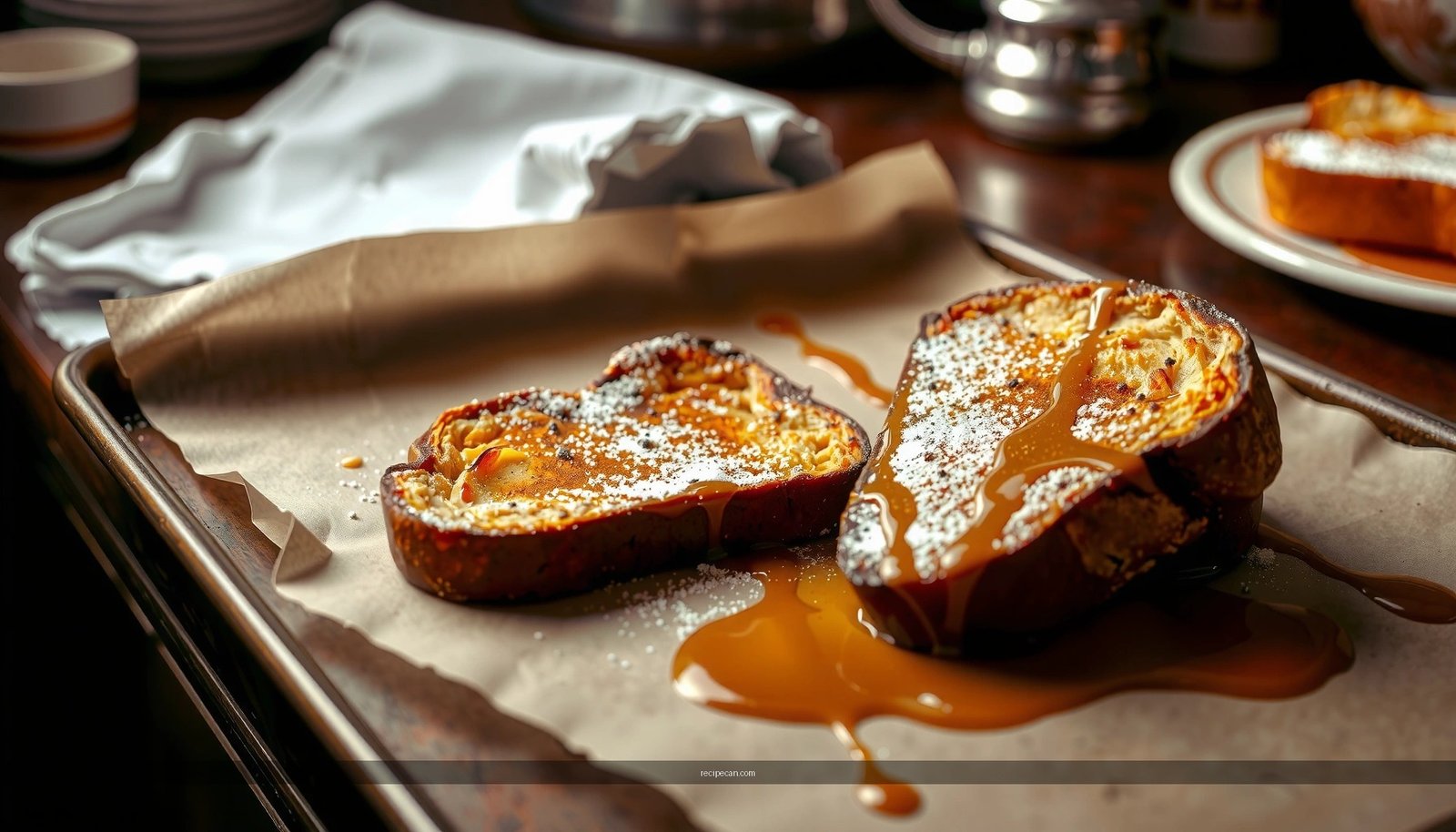
– Cook each side until crisp and evenly browned.
– Usually 3–4 minutes per side for thick-cut bread.
– Flip once you see strong golden color and the surface looks set—not wet.
How to tell it’s ready
– The first side should develop a crisp edge and a deeper golden tone.
– If the toast feels squishy or the surface looks un-set, cook a little longer rather than adding more custard.
Professional consistency tip
– For best results, cook in batches without crowding. Crowding cools the pan, causing steaming instead of browning—often the difference between “custardy and crisp” and “soft and pale.”
Serve and Store Suggestions
Half and half French toast is best when served promptly, but it also stores well if you reheat correctly.
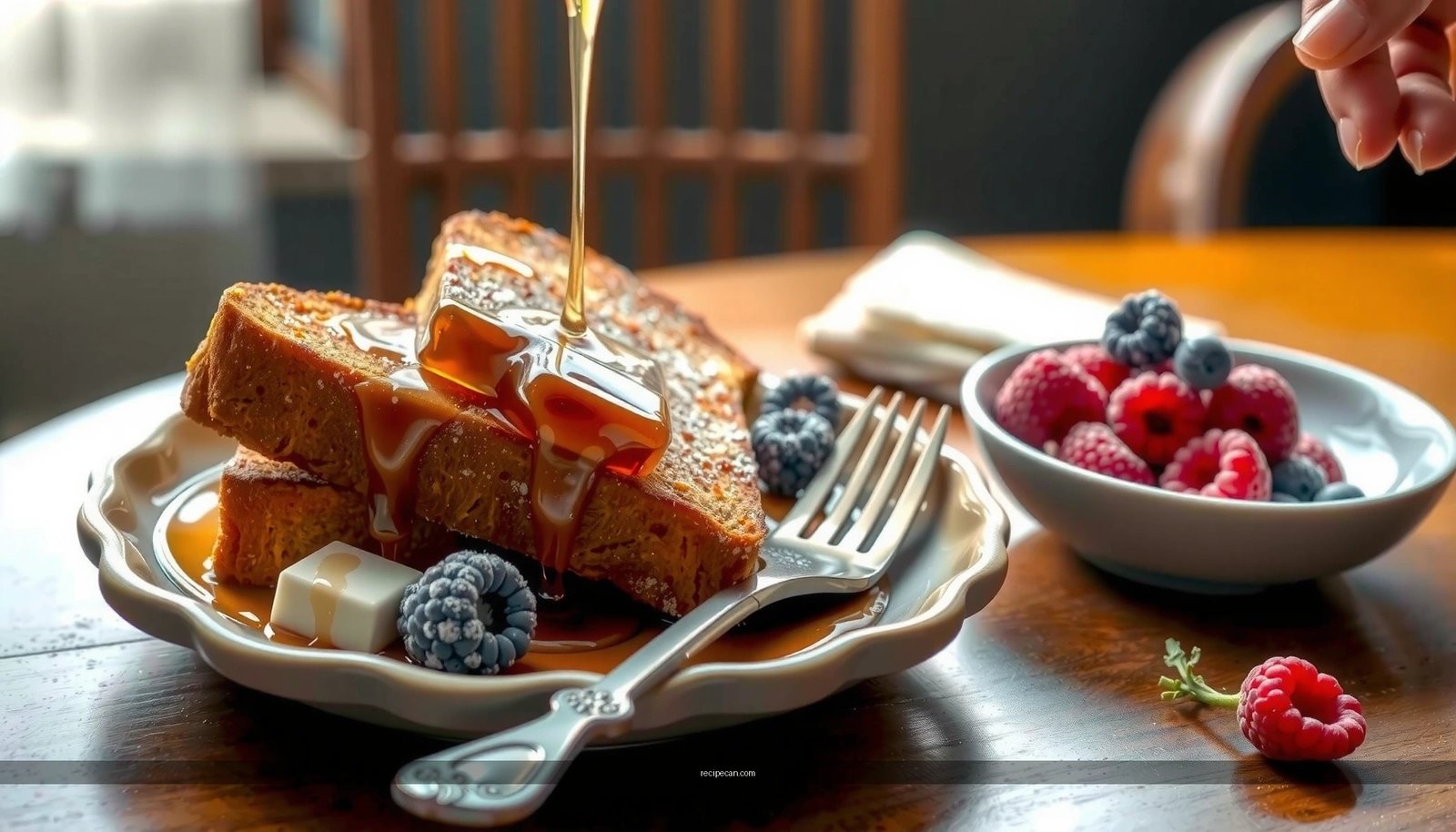
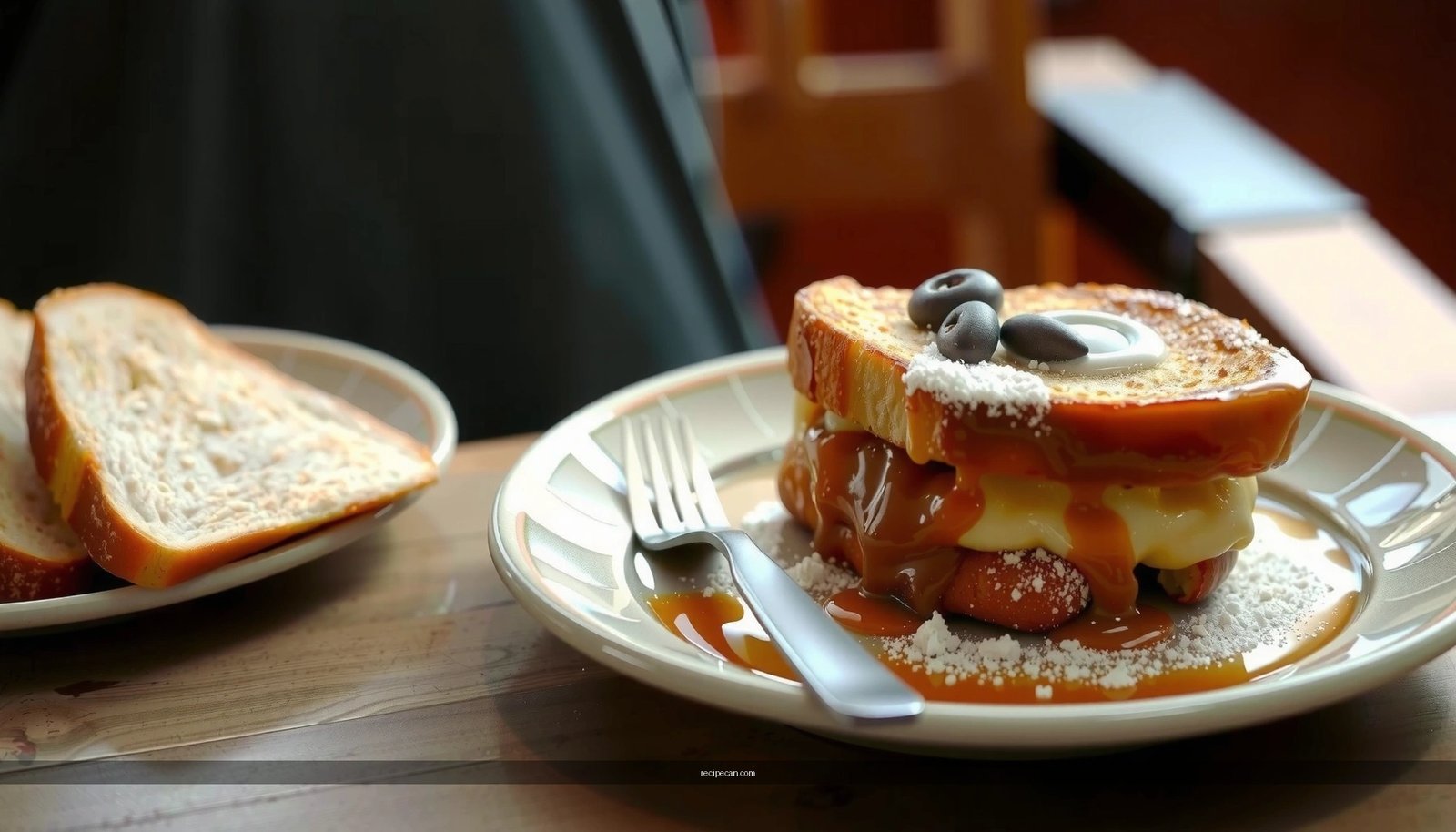
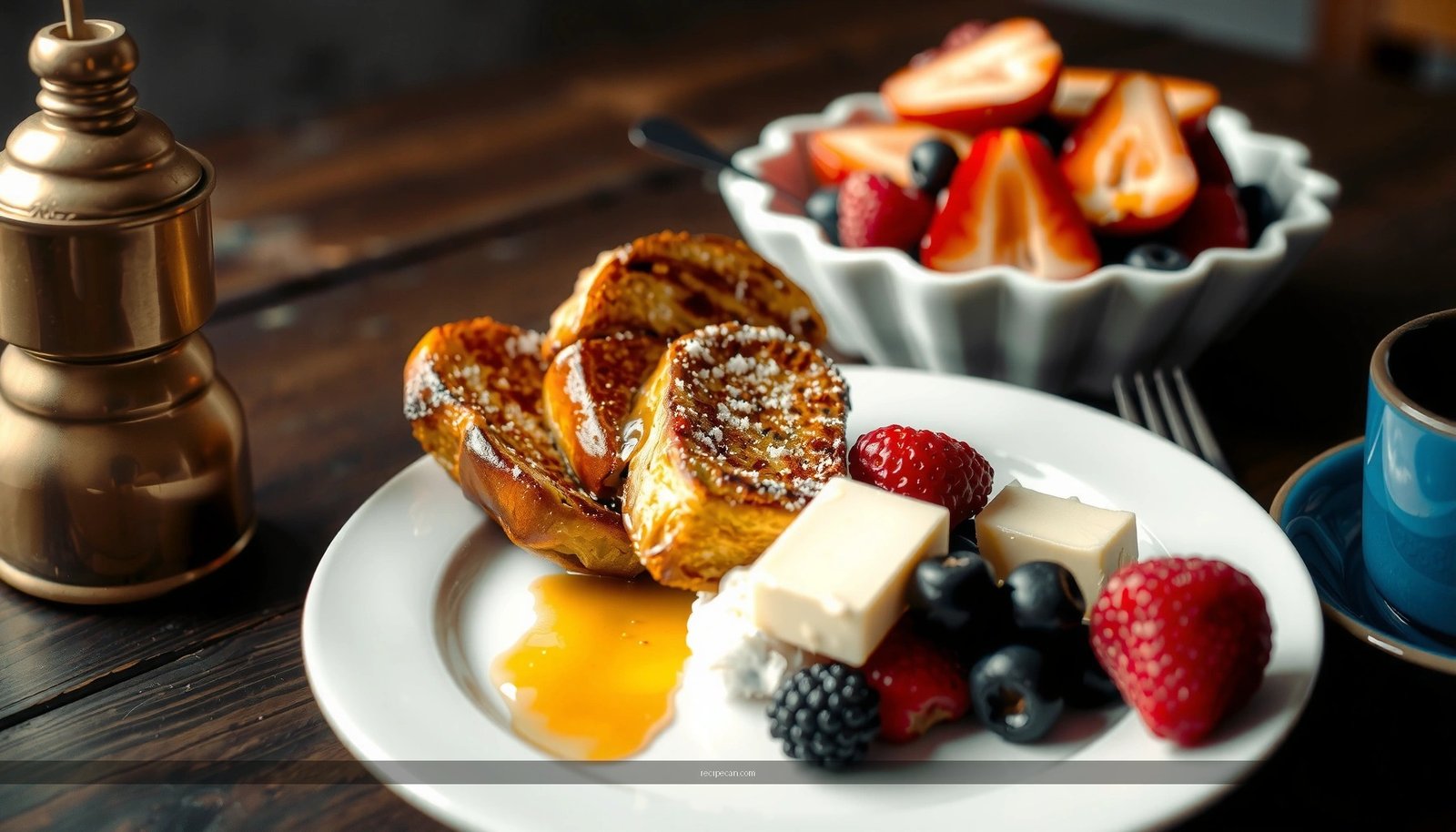
– Top with syrup, powdered sugar, or fresh fruit.
– Classic combinations work because they complement the cinnamon-vanilla custard:
– Maple syrup + berries for brightness
– Powdered sugar + sliced bananas for sweetness and texture
– Honey + peaches for a more delicate caramel note
– Keep leftovers in the fridge and reheat for best texture.
– Cool fully before refrigerating (prevents sogginess).
– Reheat in a toaster oven or oven at 300°F / 150°C until warmed through.
– Microwave reheating is fastest, but it can soften the crust.
Leftover strategy
– If you plan to eat later, cook to slightly darker than “barely golden,” because crust softening happens as they cool.
Easy Tips for Best Results
These small adjustments create outsized improvements—especially when you want repeatable results.
– Use slightly stale bread for better soak and structure.
– Stale bread behaves like a sponge with boundaries: it absorbs custard while staying firm enough to crisp.
– If your bread is fresh, toast it lightly for 1–2 minutes before soaking to build structure.
– Adjust heat to prevent burning while ensuring the center warms through.
– If the outside darkens before the middle sets, lower heat and cook longer.
– If the toast stays pale, raise heat slightly and ensure your pan is truly preheated.
Optional but effective refinements
– Add a pinch of salt to the custard mix—salt makes sweet flavors taste “cleaner,” not salty.
– For extra custard depth, add a small amount of grated nutmeg alongside cinnamon (very easy to overdo, so use sparingly).
—
This simple French toast recipe with half and half delivers rich flavor and a quick, foolproof method. Try it for breakfast tomorrow—then experiment with your favorite toppings or a pinch of cinnamon for an extra boost.
In conclusion, half and half is the practical sweet spot for custardy French toast: it brings creaminess, supports even absorption, and helps eggs set into a tender interior without demanding specialty ingredients. Follow the workflow—whisk smoothly, soak briefly, cook on preheated butter at controlled heat, and reheat leftovers with care—and you’ll consistently produce golden-brown, sliceable French toast that stands up to any topping you choose.
Frequently Asked Questions
What’s a simple French toast recipe using half and half?
Whisk together 2–3 eggs, 1/2 cup half and half, 1–2 teaspoons vanilla extract, a pinch of salt, and cinnamon if you like. Dip thick bread slices (brioche, challah, or Texas toast work great) into the half and half mixture for a few seconds per side. Cook in a lightly buttered skillet on medium heat until golden brown, then serve immediately with maple syrup or fresh fruit.
How do I make French toast with half and half so it isn’t soggy?
Use bread that’s sturdy and slightly stale so it absorbs the half and half custard without falling apart. Don’t soak the bread too long—aim for about 5–10 seconds per side, just enough to coat. Cook on medium heat and let each side brown before flipping; if the pan is too hot, the outside can brown before the inside sets.
Which bread is best for French toast when using half and half?
Thick-cut brioche or challah is ideal because it holds the egg and half and half custard well and stays tender. Texas toast and sourdough can also work—sourdough gives a slightly tangy flavor while still crisping nicely. Avoid very thin or overly soft sandwich bread unless you reduce soaking time to prevent sogginess.
Why does my French toast with half and half turn out too eggy or bland?
An eggy flavor usually means you’re using too many eggs relative to the half and half or you’re not seasoning enough—balance it with vanilla, cinnamon, and a pinch of salt. For bland French toast, make sure the custard is well mixed and evenly coats the bread before cooking. You can also add a teaspoon of sugar or a splash of milk/cream (still within your half and half portion) to round out the flavor.
What’s the best way to cook simple French toast in a skillet using half and half?
Preheat your nonstick or cast-iron skillet over medium heat, then melt a small amount of butter (or use a neutral oil) before cooking. Cook each slice until deeply golden on the first side, then flip and finish until set throughout—usually 2–4 minutes per side depending on thickness. Keep cooked French toast warm in a 200°F oven while you batch-cook, so it stays crisp and hot without drying out.
References
- French toast
https://en.wikipedia.org/wiki/French_toast - https://www.britannica.com/food/french-toast
https://www.britannica.com/food/french-toast - Easy French toast recipe | Good Food
https://www.bbcgoodfood.com/recipes/french-toast - https://cooking.nytimes.com/recipes/1019557-french-toast
https://cooking.nytimes.com/recipes/1019557-french-toast - https://www.theguardian.com/food/shortcuts/2013/dec/16/how-to-make-french-toast
https://www.theguardian.com/food/shortcuts/2013/dec/16/how-to-make-french-toast - https://www.fda.gov/food/people-risk-foodborne-illness/consumer-advice-foodborne-illness-eggs
https://www.fda.gov/food/people-risk-foodborne-illness/consumer-advice-foodborne-illness-eggs - https://www.foodsafety.gov/keep-food-safe/food-safety-basics/eggs
https://www.foodsafety.gov/keep-food-safe/food-safety-basics/eggs - Google Scholar Google Scholar
https://scholar.google.com/scholar?q=french+toast+egg+milk+custard+ratio - Google Scholar Google Scholar
https://scholar.google.com/scholar?q=french+toast+half+and+half+milk+cream+egg - Google Scholar Google Scholar
https://scholar.google.com/scholar?q=half+and+half+in+baking+recipes+egg+custard